We have a weakness we need to confess! We can’t drive past a small-town museum.
A hand-painted sign, a tin shed, a volunteer in a folding chair by the door, and the indicator is already on. This time we pulled up in Wondai, in Queensland’s South Burnett, where we camped up at the showgrounds and sheltered from the storms that drench Queensland at this time of the year. We used it as a base for a few days. Murgon was only a short drive away, with the rather grand Queensland Dairy and Heritage Museum beckoning.
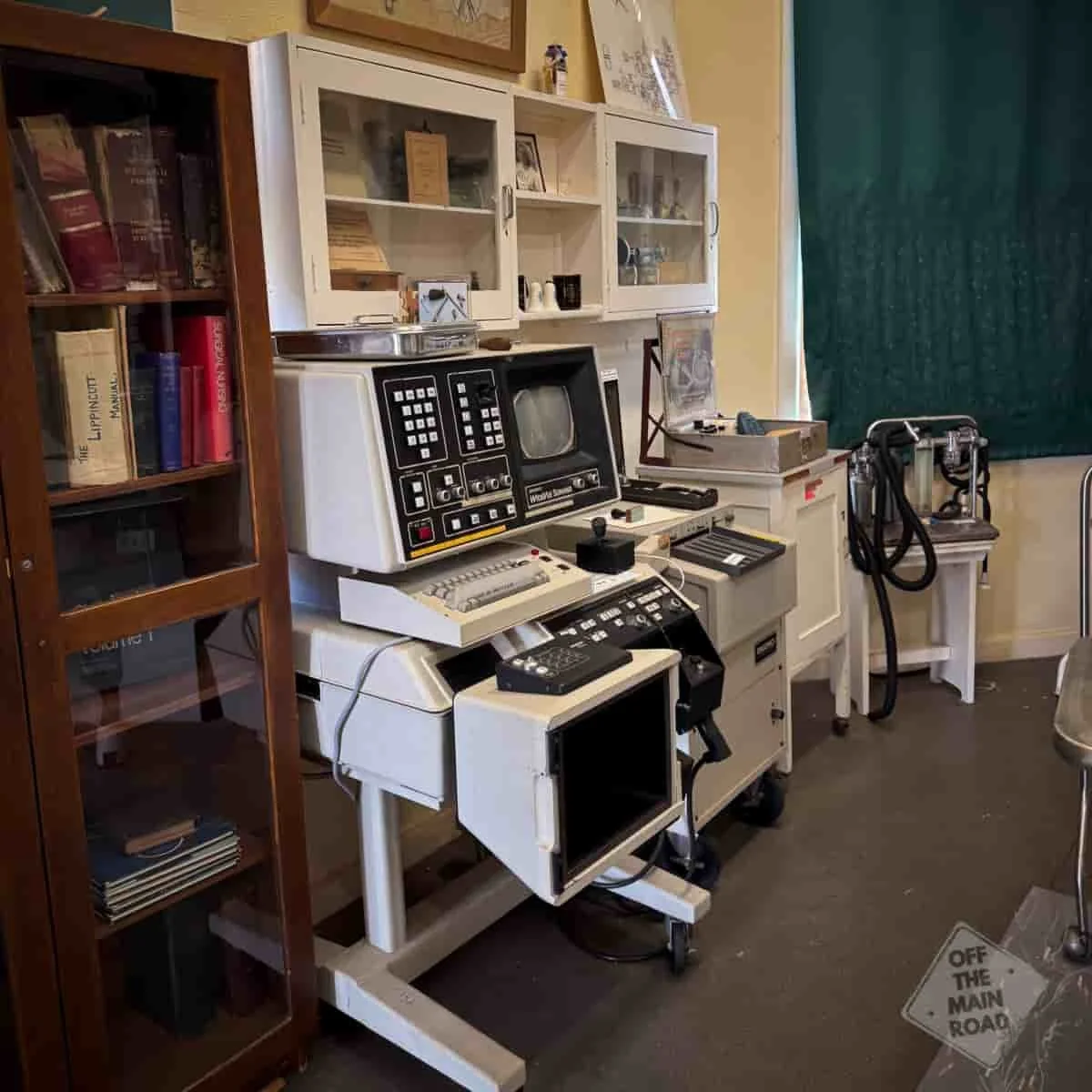
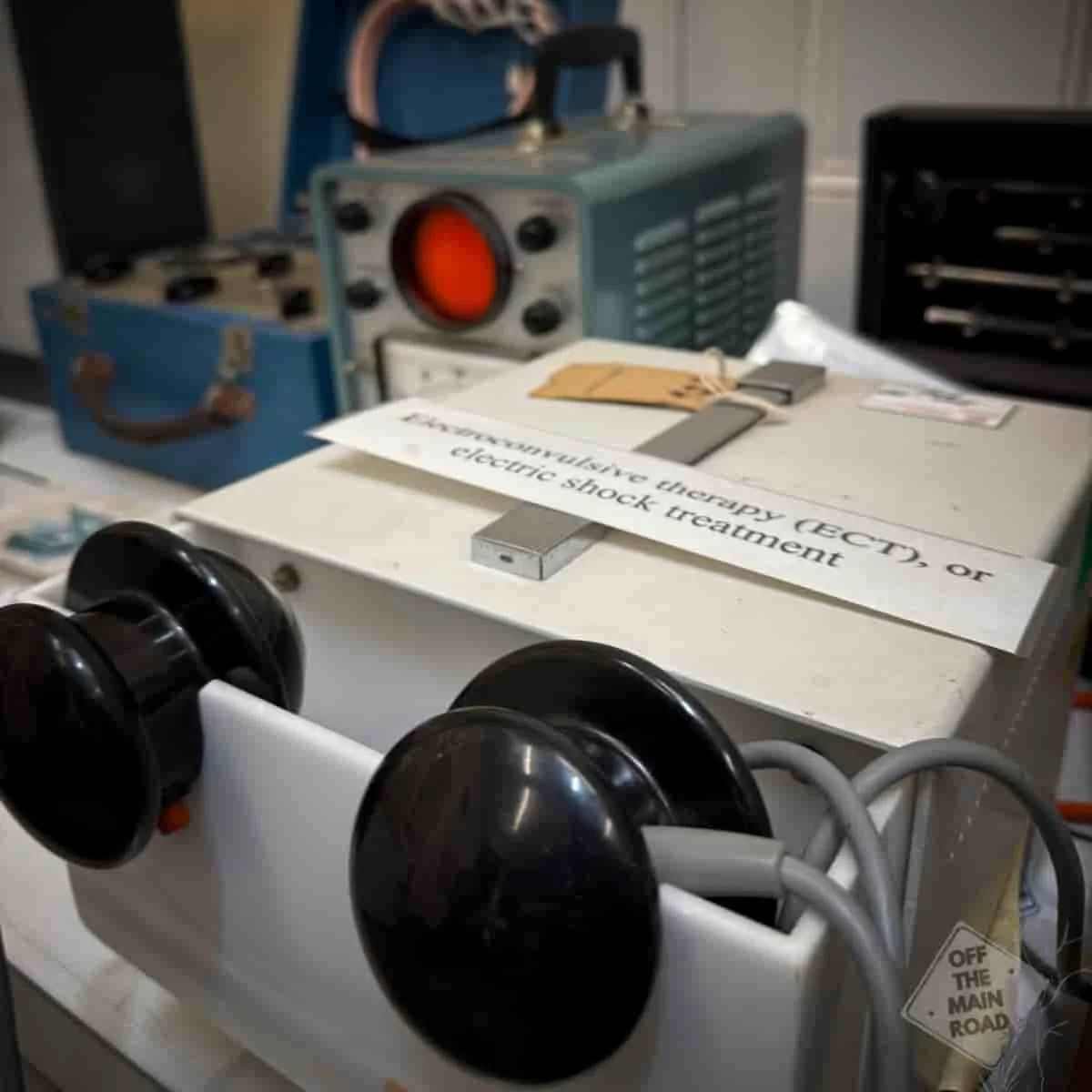
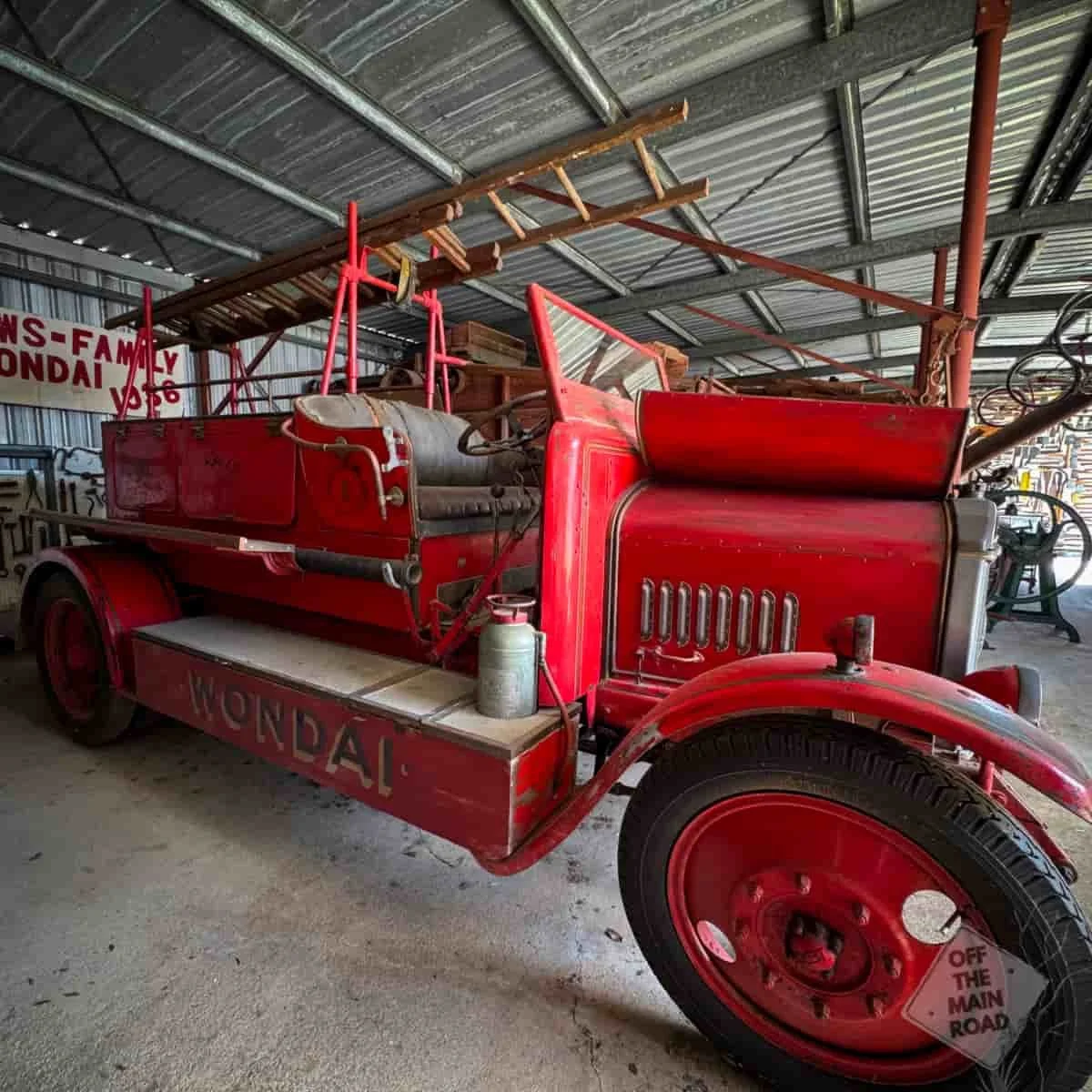
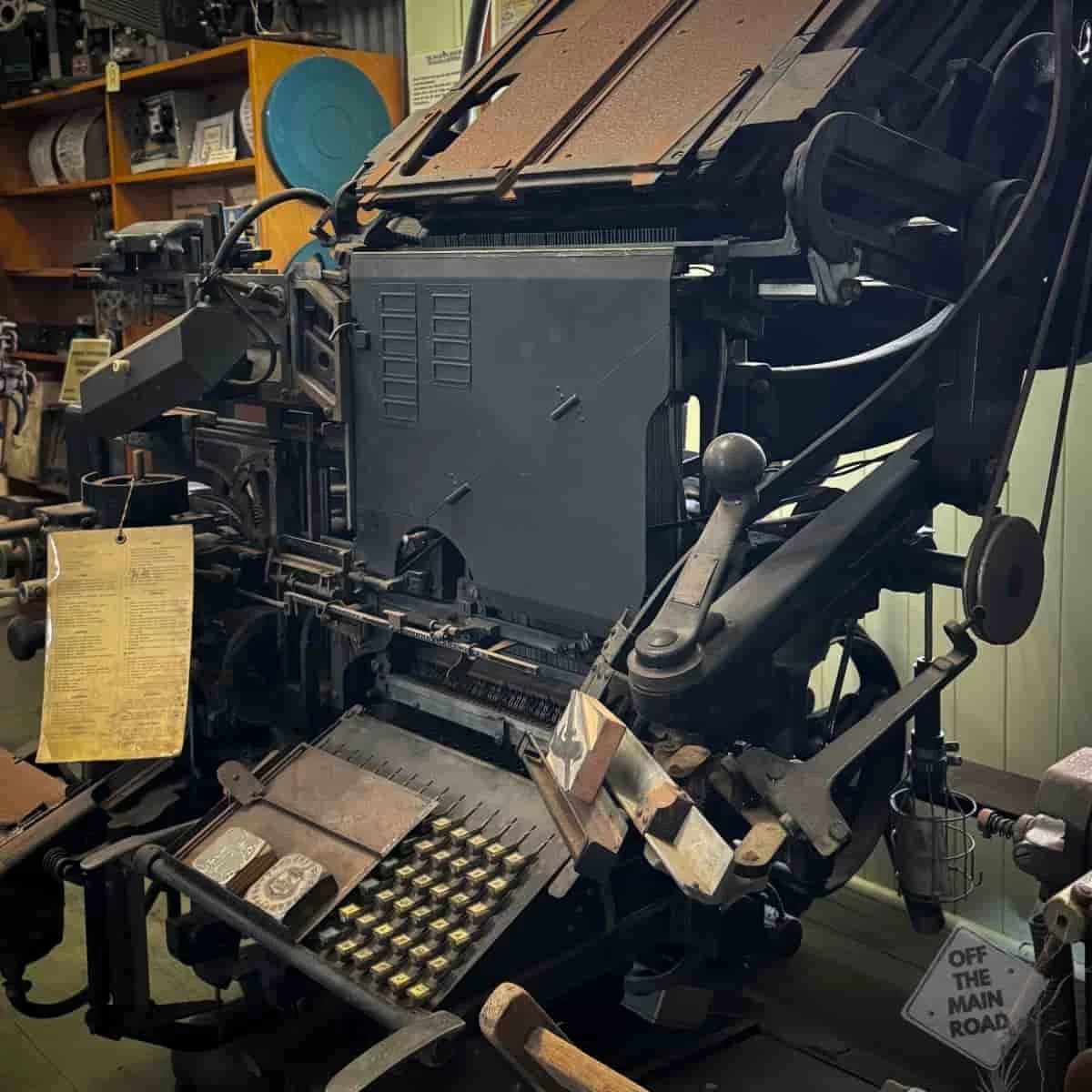
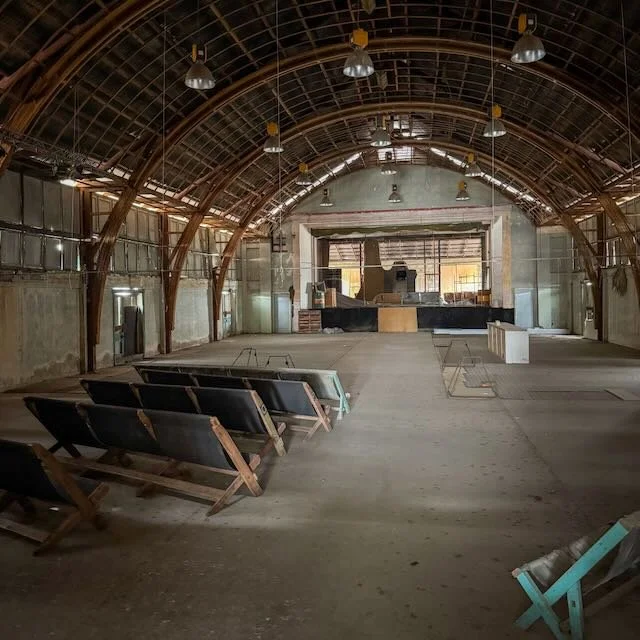
The Wondai Heritage Museum was the best of the lot. It spreads across 1,600 square metres in themed sections, holds more than 20,000 artefacts according to the local council, and includes the operating theatre from the old Wondai hospital. The most ‘shocking’ thing on display was an old electric shock treatment machine, among the hospital paraphernalia donated from the local hospital.
Wondai also comes with a nice piece of trivia. Ray Meagher, the actor who has played Flamin’ Alf Stewart on Home and Away since 1988, went to school here briefly as a boy. Not bad for a town of around two thousand people.
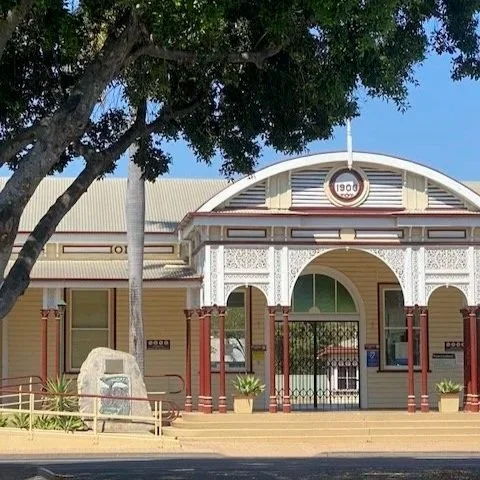
Up the Bunya Highway, Murgon has the Queensland Dairy and Heritage Museum. It is a volunteer-run collection of milking machines and butter churns, billed as the only dairy museum in the state, and it opened in 1988, seven years before the last cheese factory in the district closed. It was a lot more interesting than the name suggested.
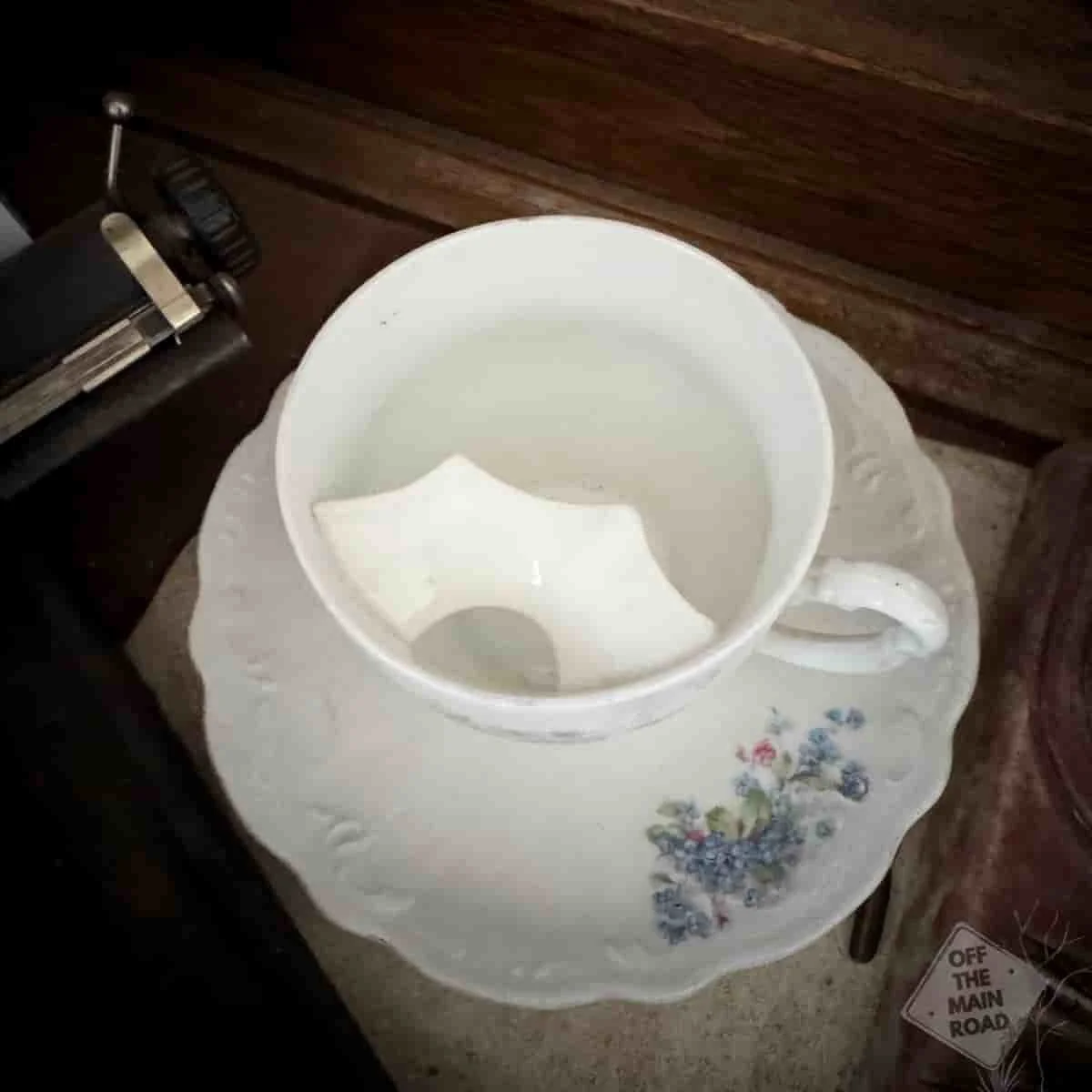
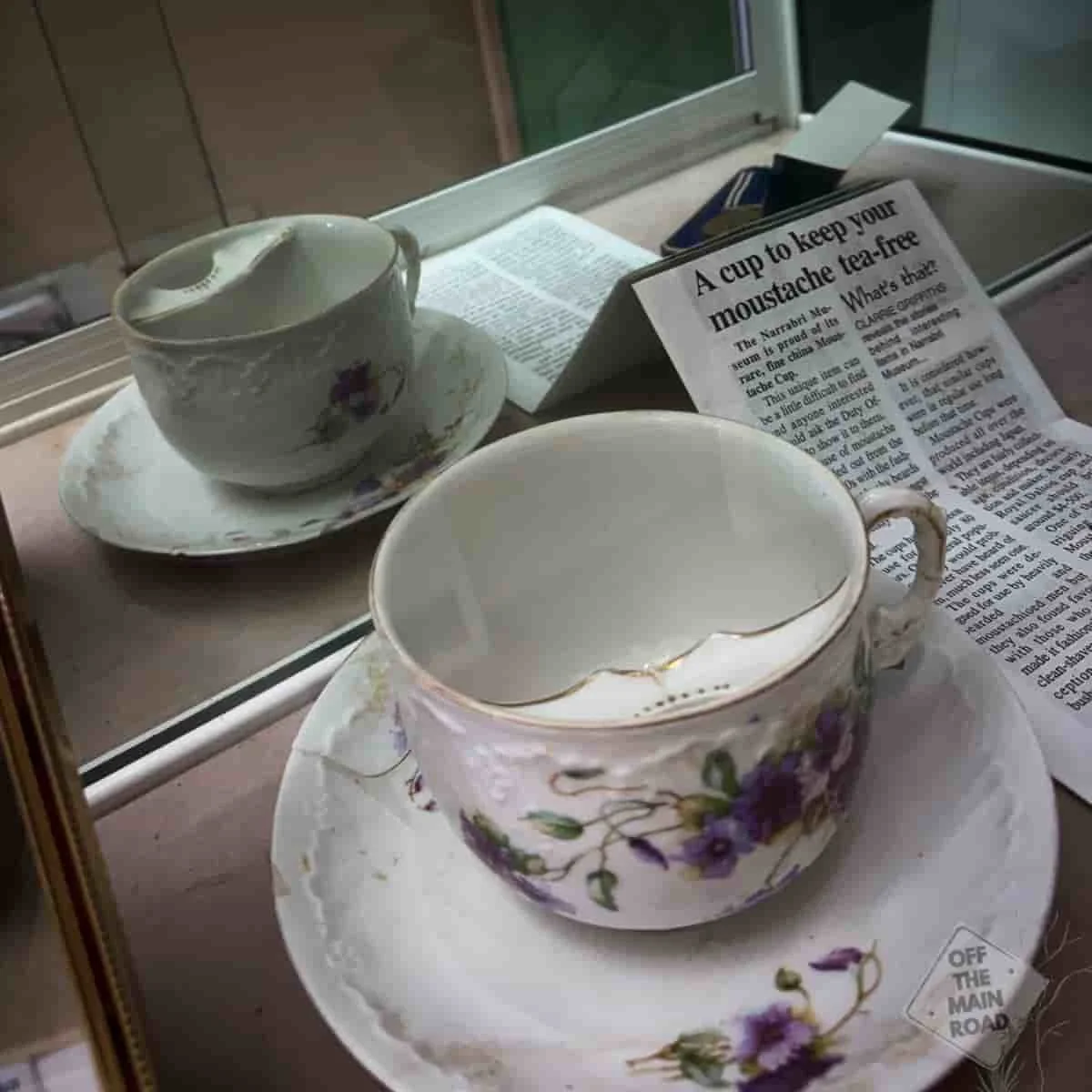
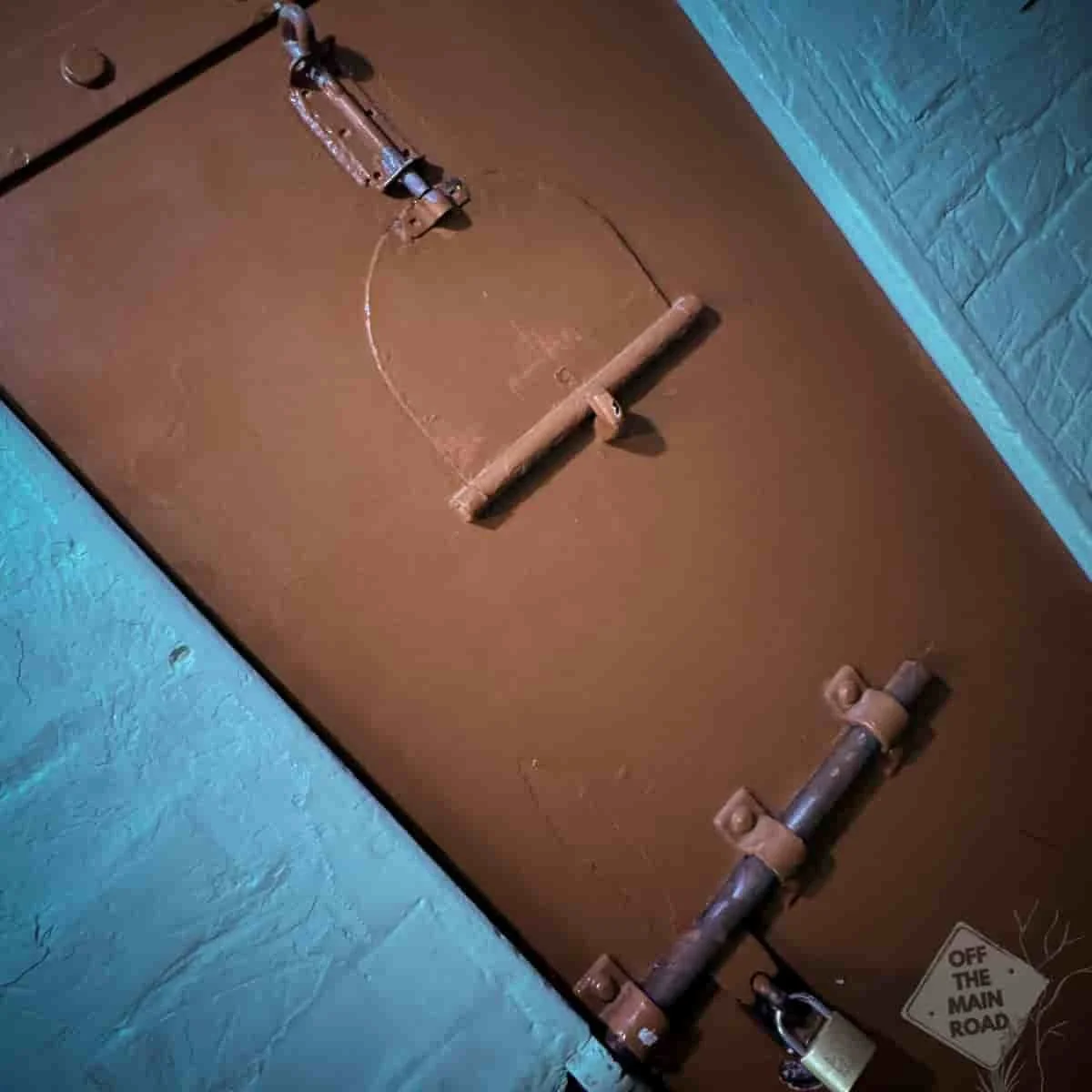
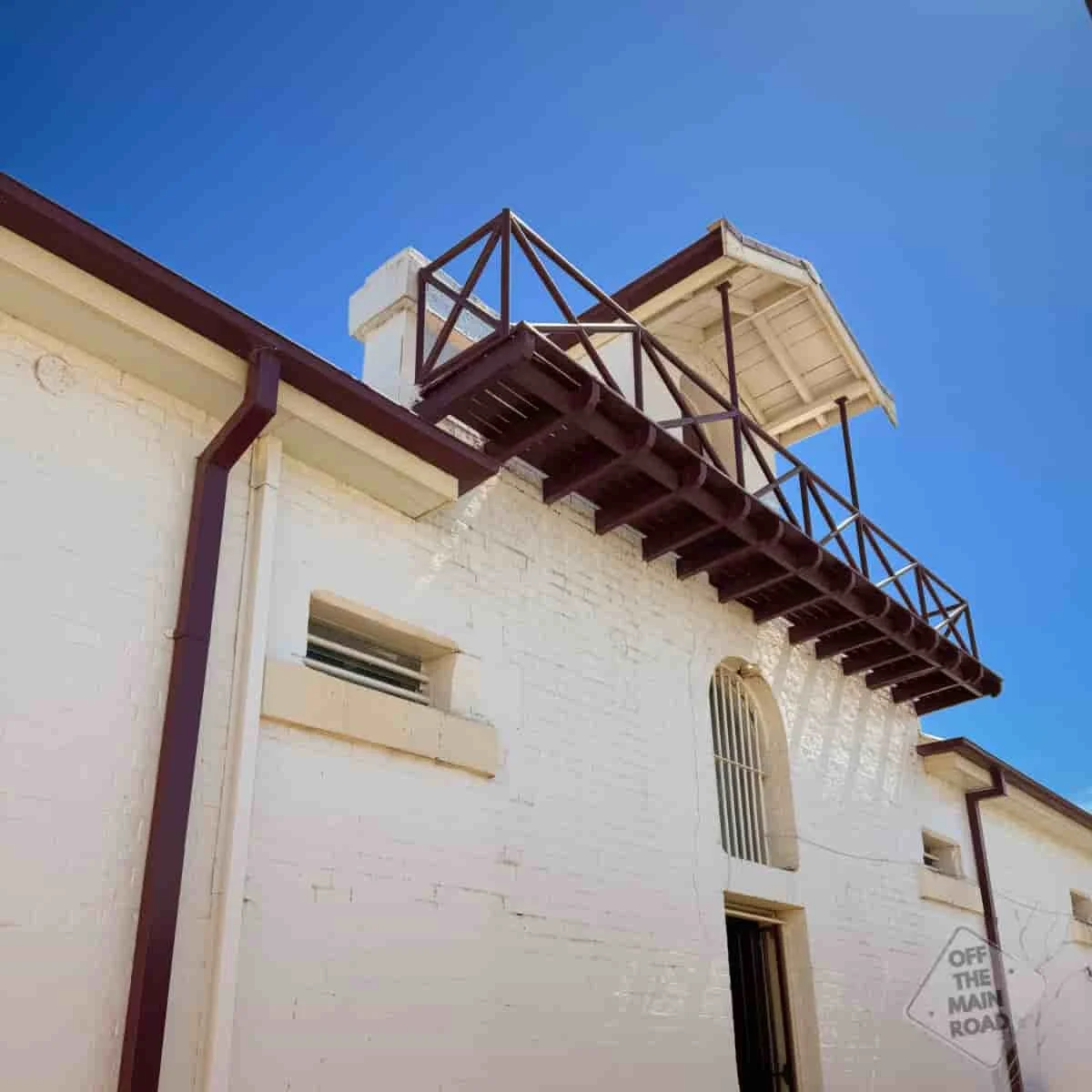
Narrabri’s Old Gaol Heritage Museum, in northern New South Wales, which we visited on our way south for summer, was an interesting museum housed in the old local gaol. The highlight for us was the fine china moustache teacups, which we reckon should make a comeback. You can read more about Narrabri here.
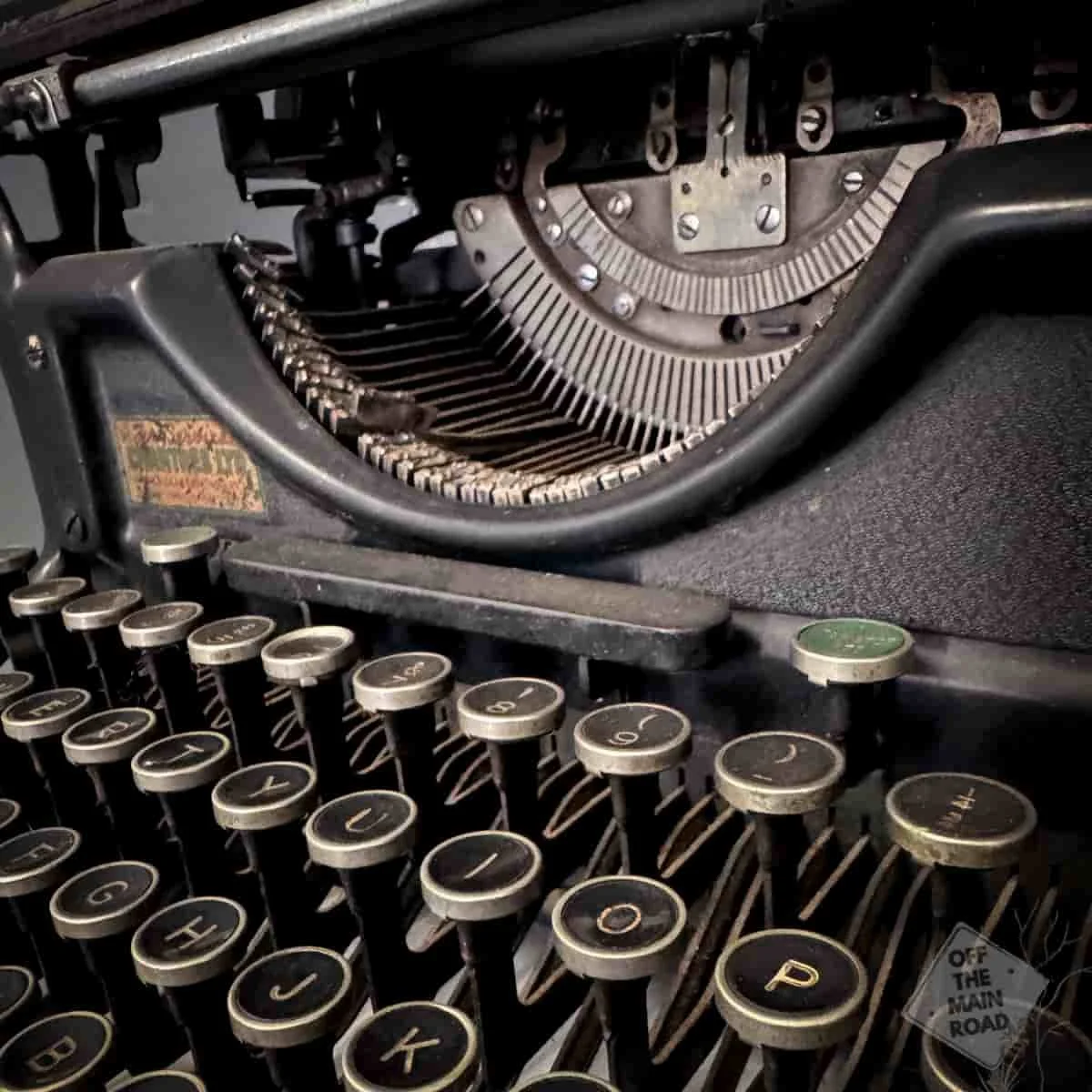
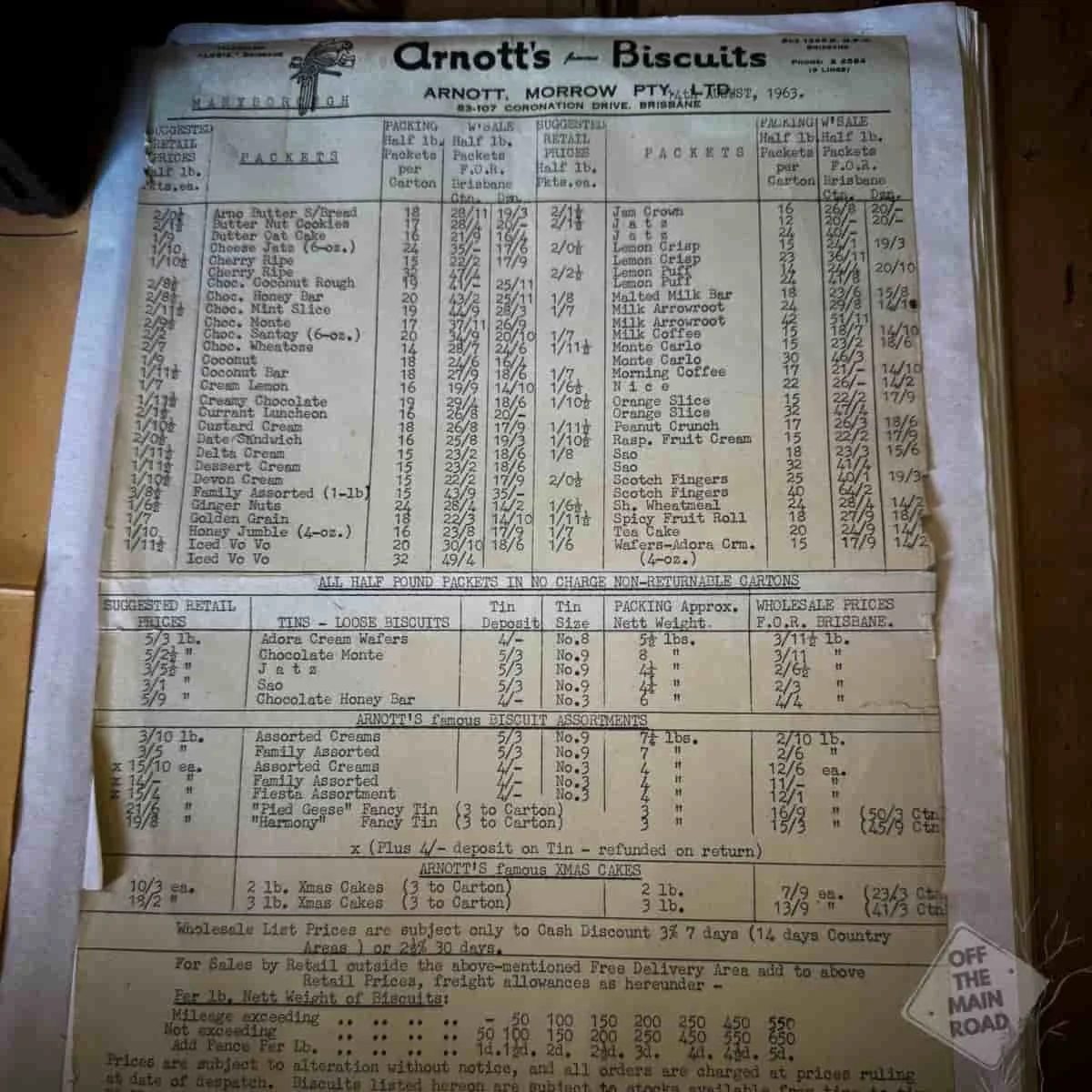
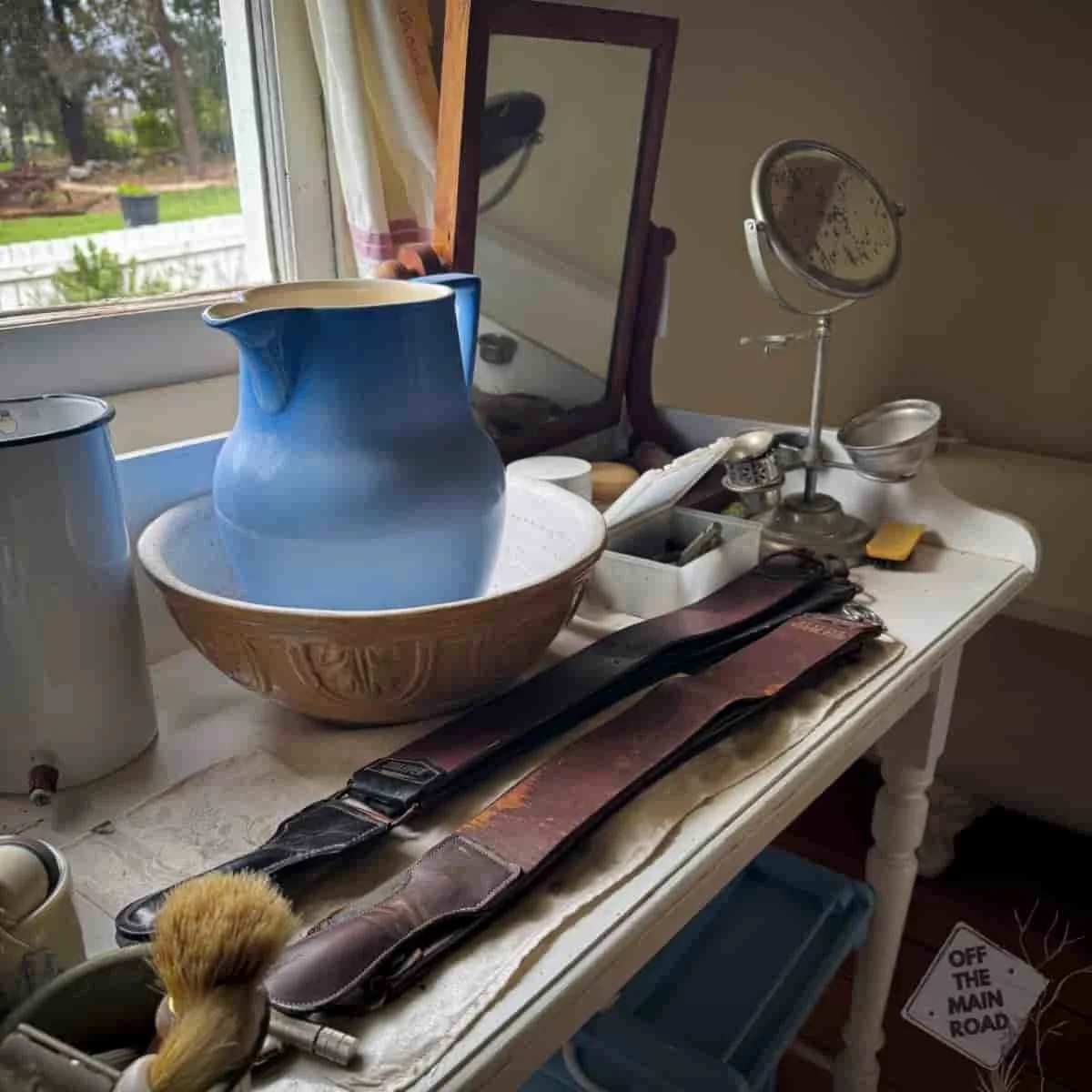
That’s the thing about these small local museums. Hundreds of them dot the country, nearly all run by volunteers who care a great deal, and each one tells a carefully chosen version of the local story. Visit enough, and you start to recognise the farm machinery and the medical kits. Even the tobacco brands become old friends.
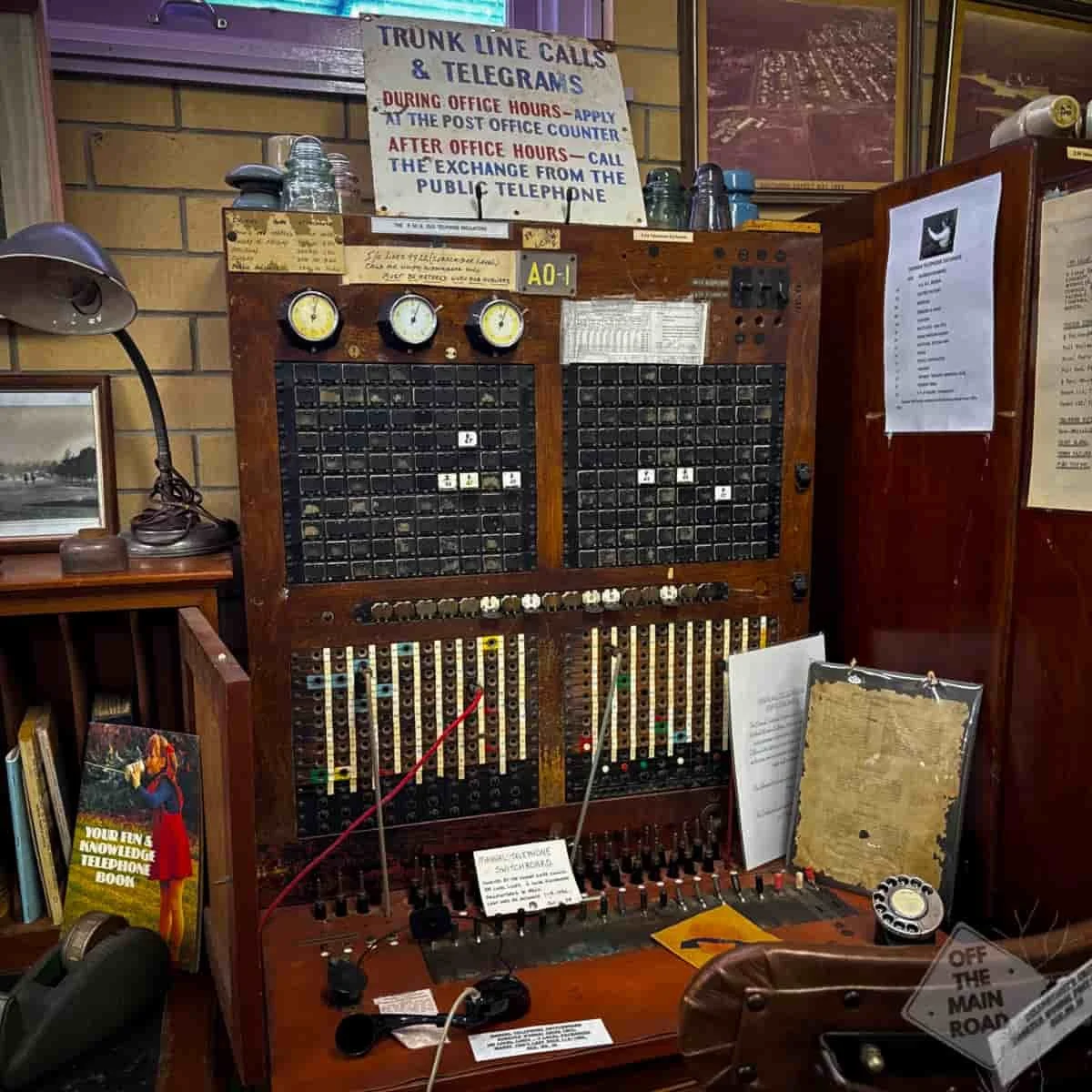
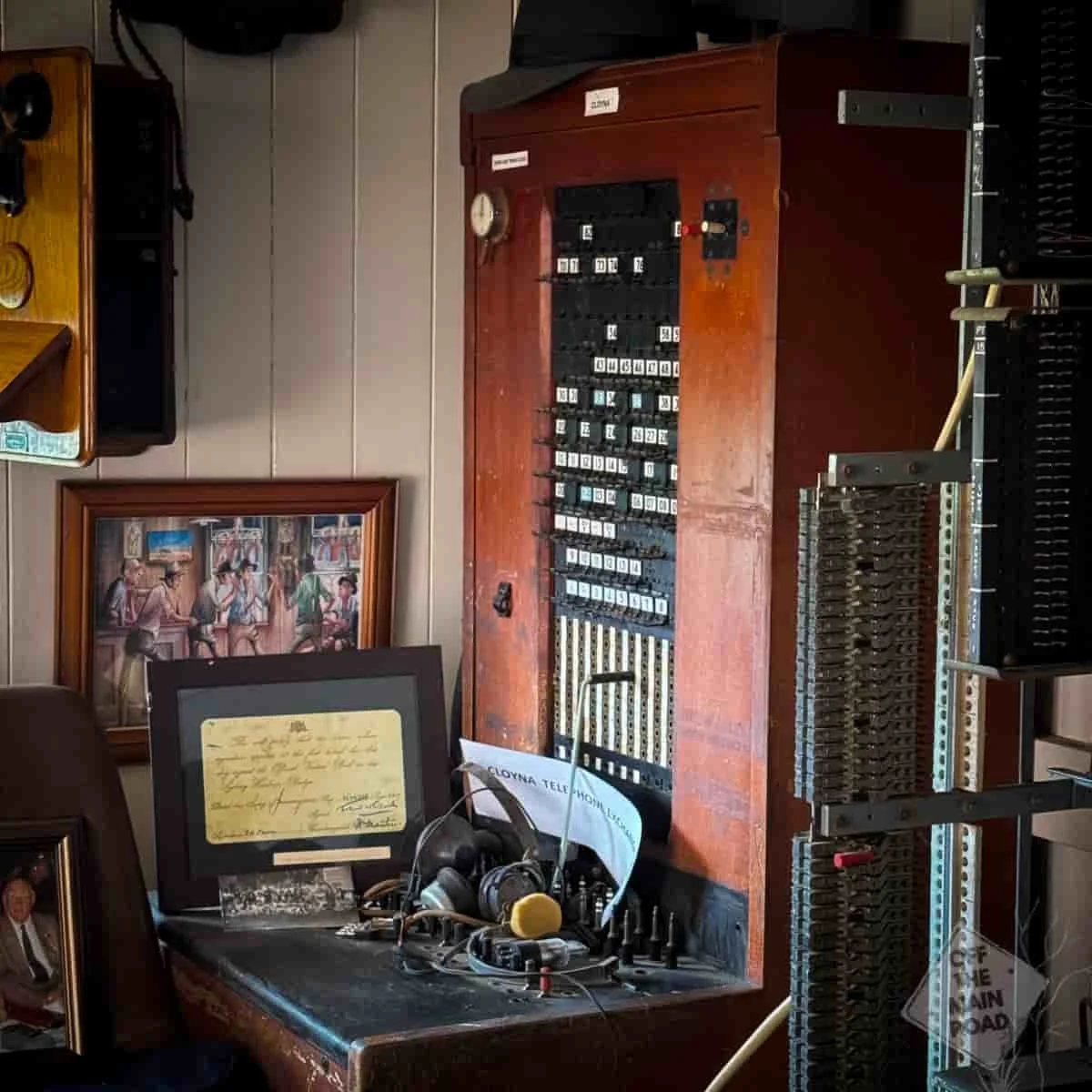
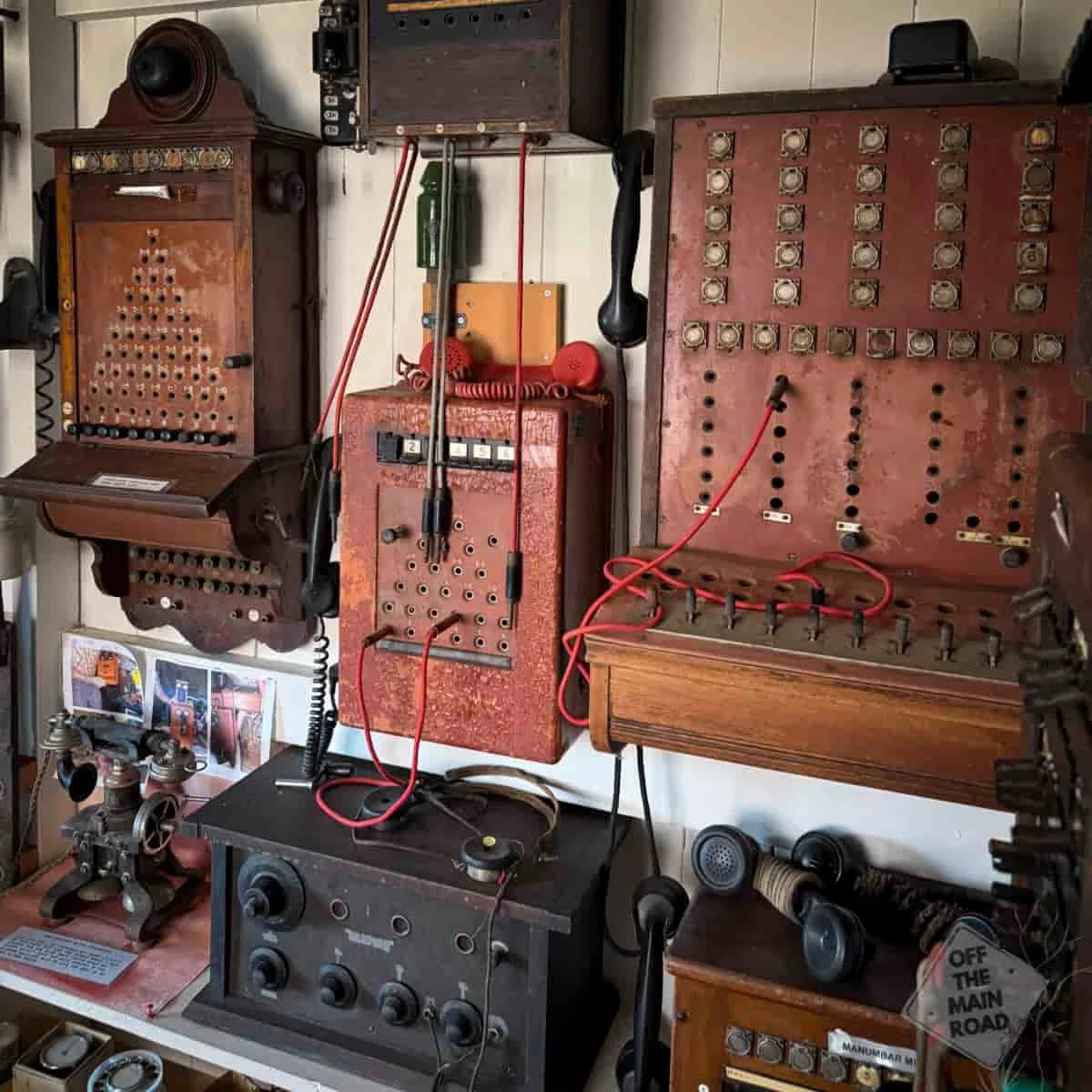
I recognise the old telephone exchanges in almost every museum. My mum was a telephonist, so I send her a photo of every one I find. She’s good-natured about it but secretly thinks I’m calling her old. But plenty of small towns kept their manual exchanges going well into the 1980s, and the last one in the country, at Wanaaring in New South Wales, only closed in December 1991. That’s not that long ago, well within my lifetime, so who’s feeling old now!
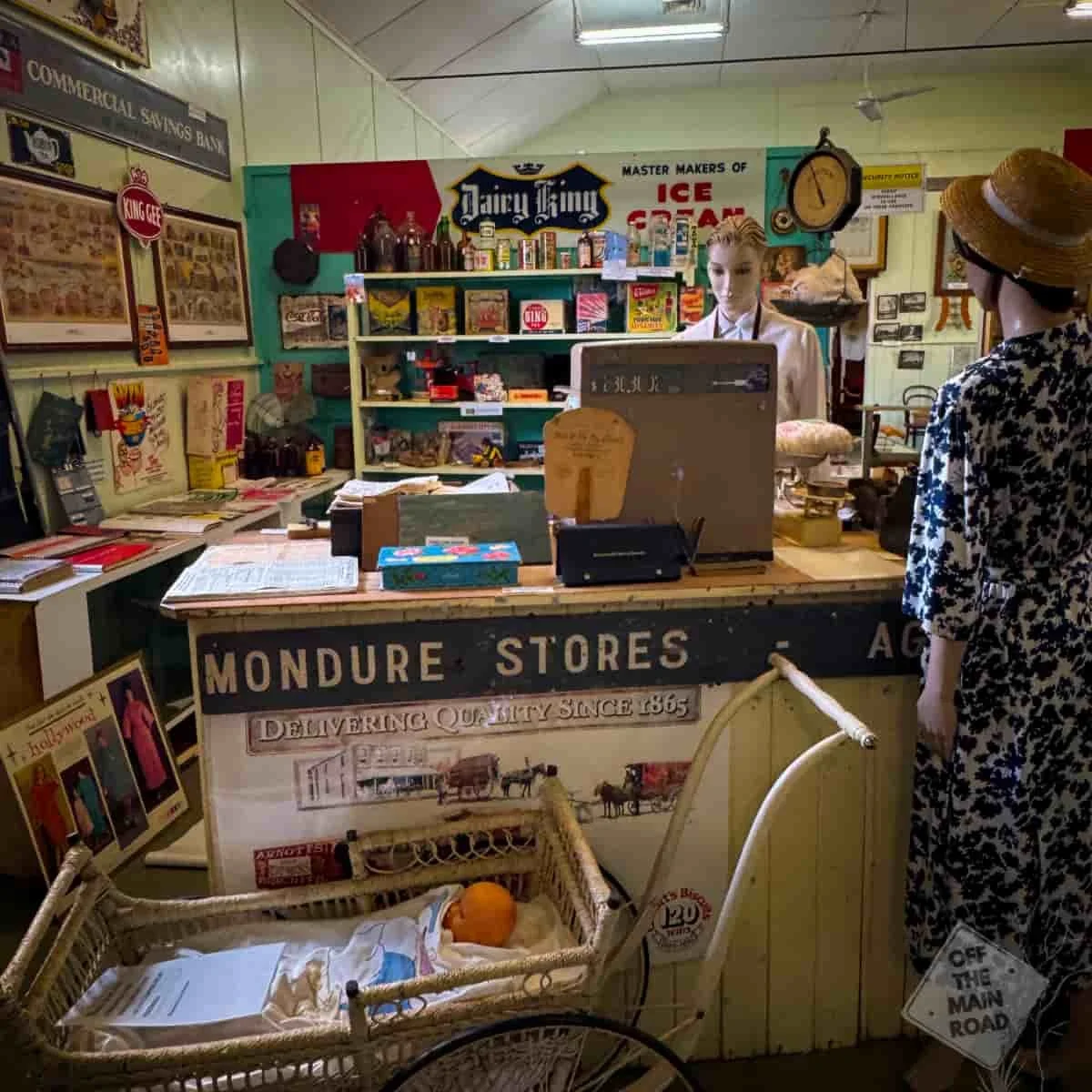
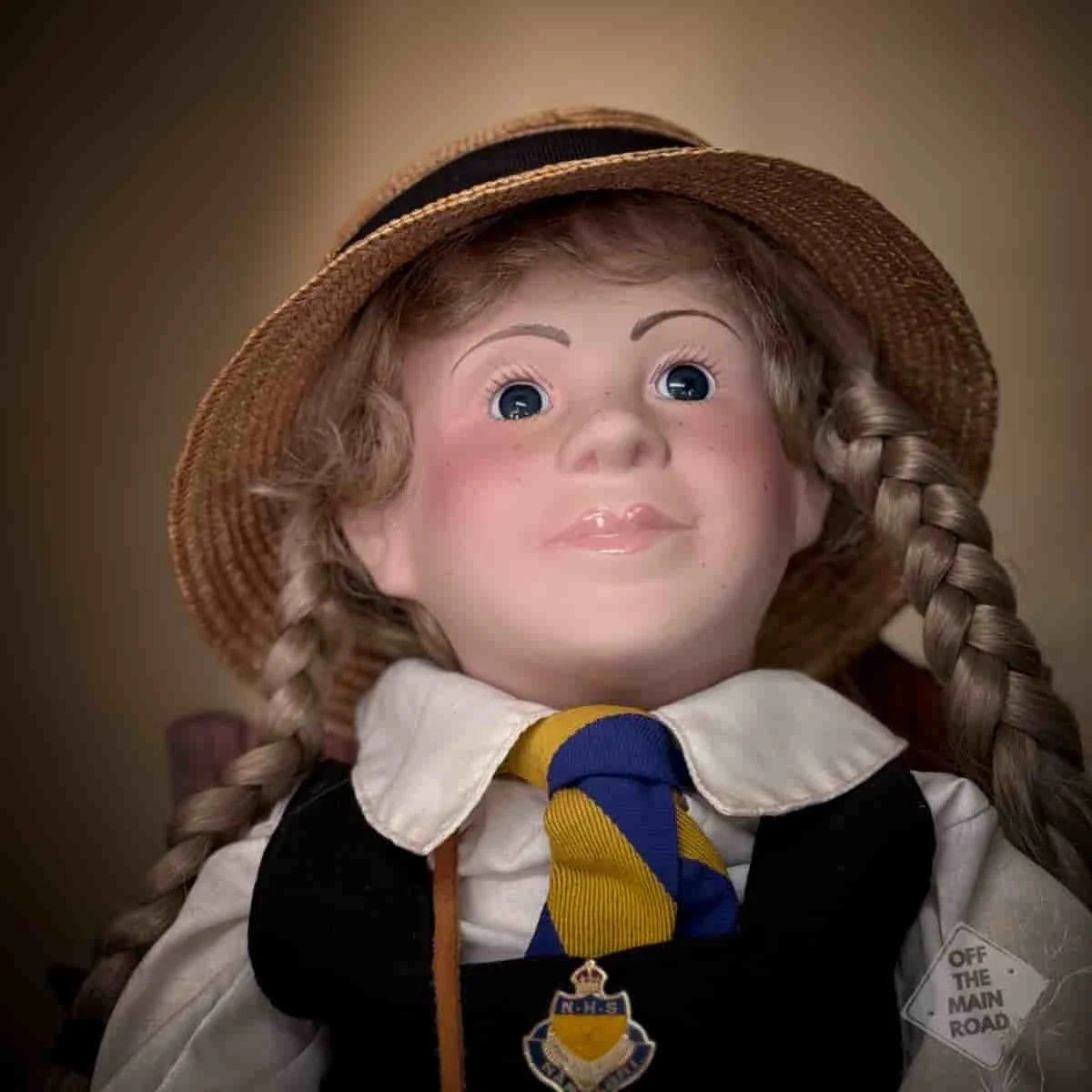
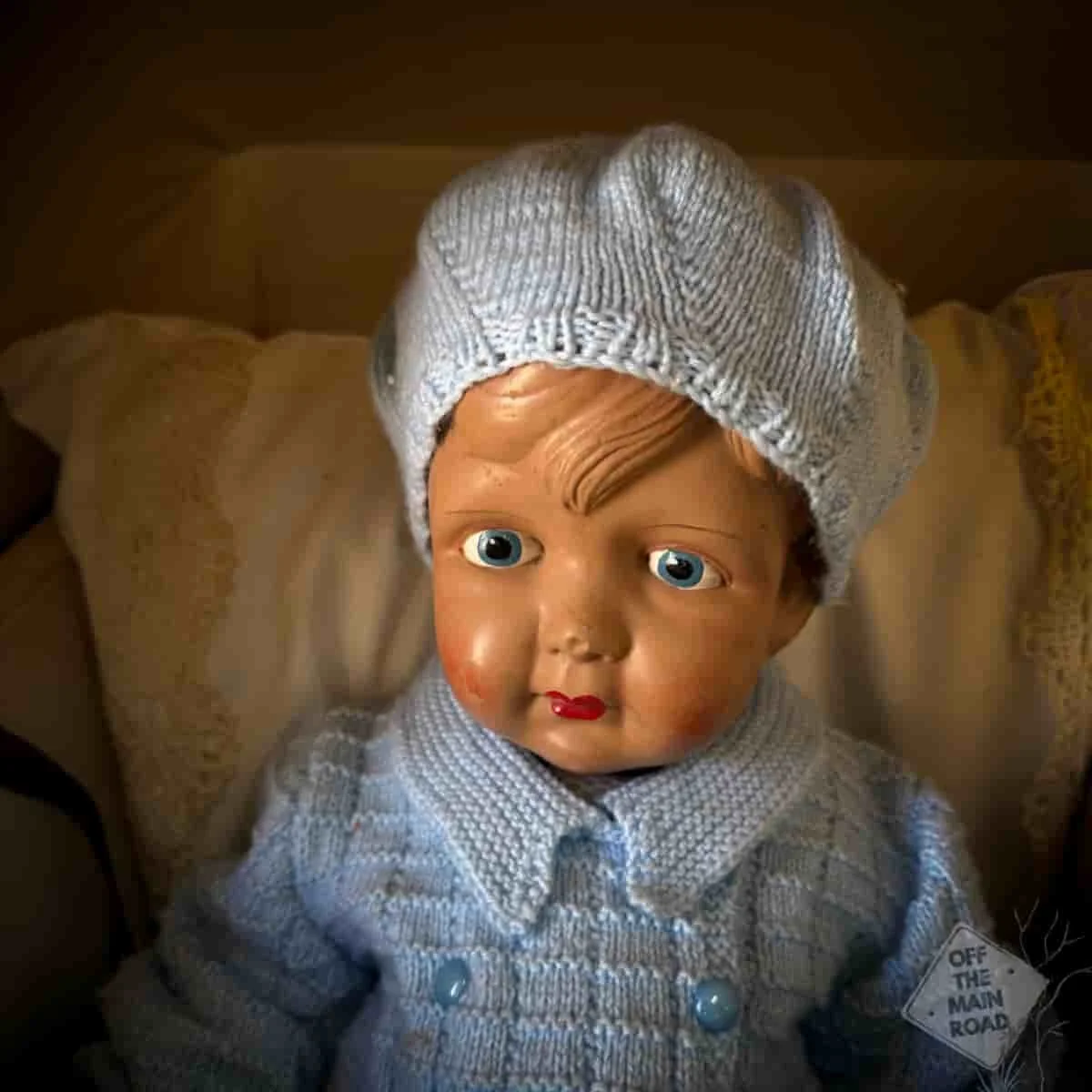
The other thing in nearly every museum is the creepy dolls. Some poor, unblinking doll posed beside a bassinette or a pram, staring straight at me. Nobody needs the doll. I don’t know who decided a baby carriage requires a glassy-eyed chaperone, but I’d like a word.
Go in, say hello to the volunteer, and ask what they’re proudest of. If you’d like more of our stops through country Queensland and beyond, our Dispatches newsletter is where we share them. Sign up here.
Wondai and Murgon
Wondai is a small rural town in Queensland’s South Burnett region, on the Bunya Highway, home to around two thousand people. The name comes from a Wakka Wakka word for dingo, and the town was known as Bushnell until 1903. Murgon sits about 15 minutes north, a town of peanuts, dairy and beef country, with the community of Cherbourg just to its south. Between them they hold a surprising number of museums for places this size.
How to Get There
Wondai is roughly three hours north-west of Brisbane by road, via Kingaroy. From Kingaroy it’s about 30 kilometres further north along the Bunya Highway to Wondai, and Murgon is another 15 kilometres or so beyond that, so the two make an easy pair for a day or a weekend. All sealed road, suitable for motorhomes and caravans. Narrabri sits in north-west New South Wales, on a different leg of our trip.
What to See / Tours / Activities
What we did:
Wandered the Wondai Heritage Museum and its old hospital operating theatre
Visited the Queensland Dairy and Heritage Museum in Murgon
Called into the Narrabri Old Gaol Heritage Museum on our way south
Sent Mum several photos of old telephone exchanges
Stayed at the Wondai Showgrounds, a great stop walking distance to town.
Other highlights nearby:
South Burnett Timber Industry Museum in Wondai, with a life-sized bullock wagon camp diorama and a display of more than 100 wooden mushrooms
Wondai Regional Art Gallery, the Wondai Woodcrafters workshop and the dingo sculpture on Haly Street
Boondooma Homestead, a heritage-listed station homestead run as a museum
Kingaroy Heritage Museum, set in the old Power House under the banner of People, Power and Peanuts
Lake Barambah and Bjelke-Petersen Dam near Murgon
When to Visit
Museums are an easy option on a wet or hot day, which suits the South Burnett, where summers can run warm and the old tin sheds hold the heat. Autumn through spring is more comfortable for walking between displays. Opening days and hours vary a lot, because these places live on volunteers, so check before you go and ring ahead if you’re travelling a long way. The Wondai Timber Museum is open Monday to Saturday in the middle of the day, and the Narrabri Old Gaol has limited days, so a quick call can save a wasted trip.
Final Thoughts
Small museums ask very little of you, just a gold coin and a bit of curiosity. In return you get the story of a place told by someone who loves it, a few facts you’ll repeat to strangers for weeks, and every so often a moustache cup that deserves a revival. We’ll keep stopping. And mum is bracing for the next photo of a telephone exchange from across the country
What’s Nearby
Narrabri has its own story on the blog, and the museum is only a small part of it, so have a look at that one too.
Kingaroy is worth a visit; they have the best peanuts!
If you like the small stops that tell a bigger story, our Dispatches newsletter has plenty more. Sign up here.
If this post helped, you can support our work here.
Other updates you may like…




We can’t drive past a small-town museum. From Wondai’s old operating theatre to Murgon’s dairy collection and Narrabri’s moustache teacups, here’s what volunteer-run local history gave us, plus the dolls we could have done without.