
Lady Elliot Island: Manta Rays and a short runway
Neil stayed back this time, and so did Zoe; the two of them spent the day exactly the way Zoe likes best: a swim at the local beach followed by a long, unbothered lie in the sun. I took the trip out to Lady Elliot Island solo, and it turned into a day that’s hard to sum up in a single sentence, so I’m not going to try.
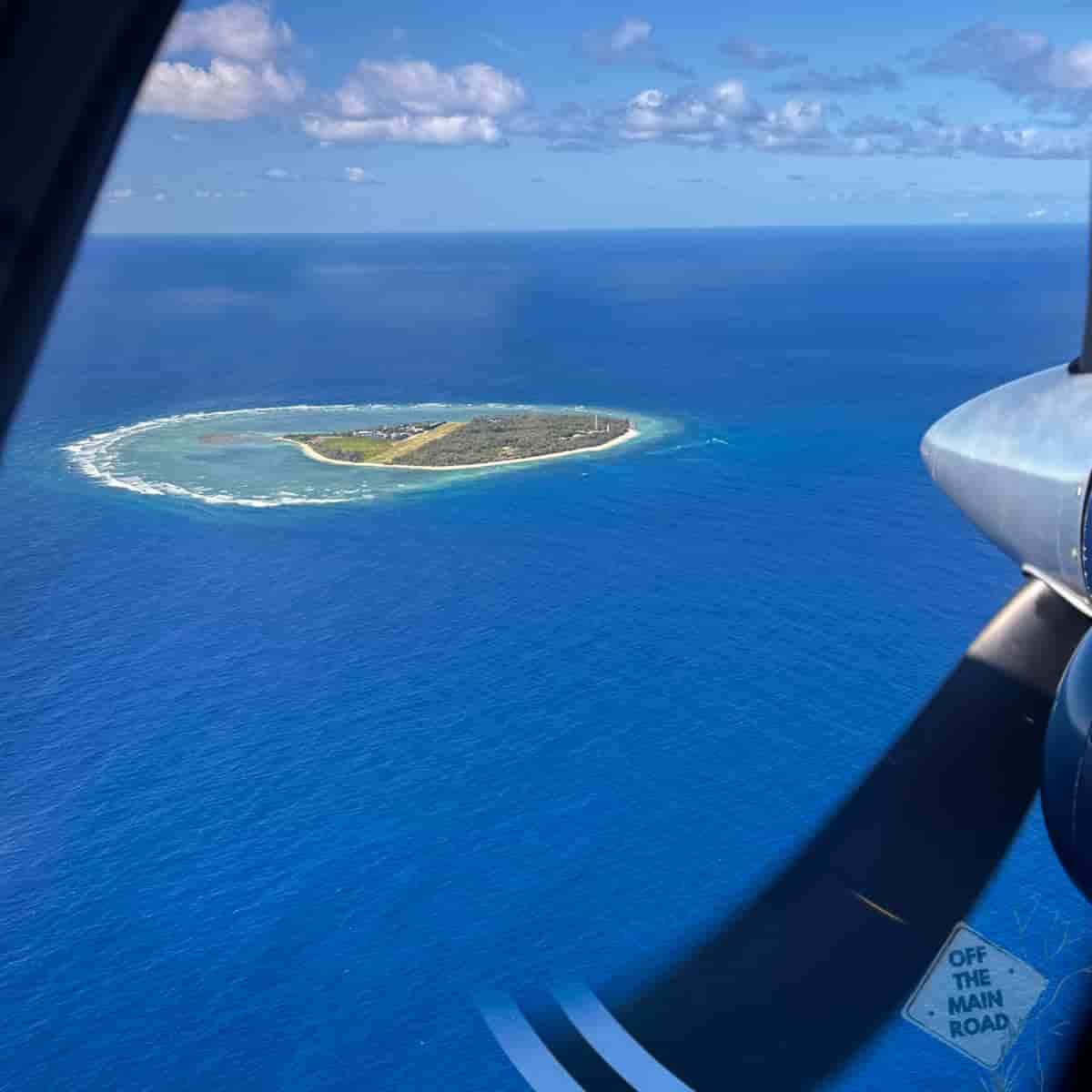
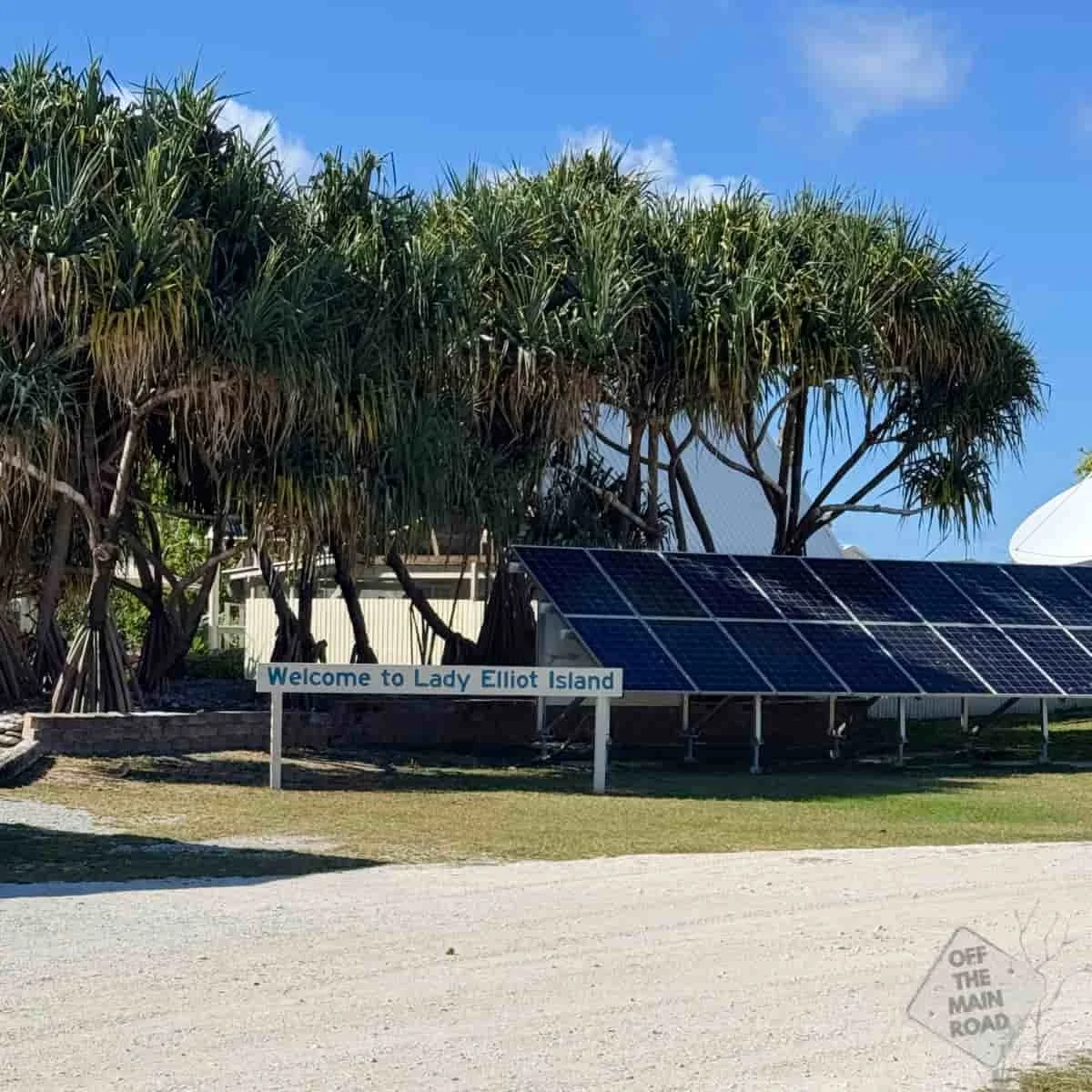
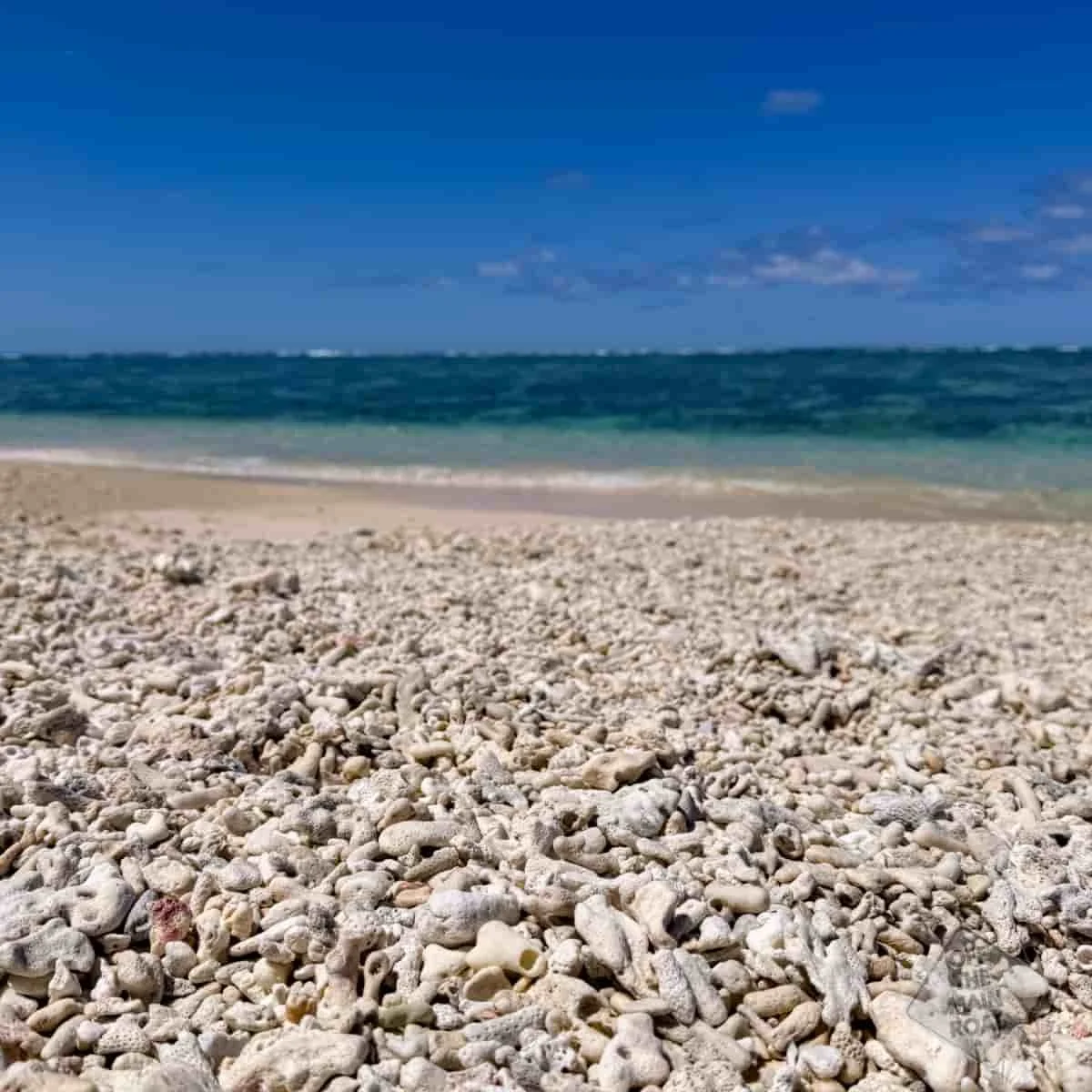
Lady Elliot Island is a 42-hectare (100-acre) shingle coral cay at the southernmost end of the Great Barrier Reef. It is part of a group of islands called the Capricorn Bunker Group, and it has never been connected to the Australian mainland. At only 3000 years old, the cay is considered young compared to the mainland and has been built up from hard coral rubble over that time.
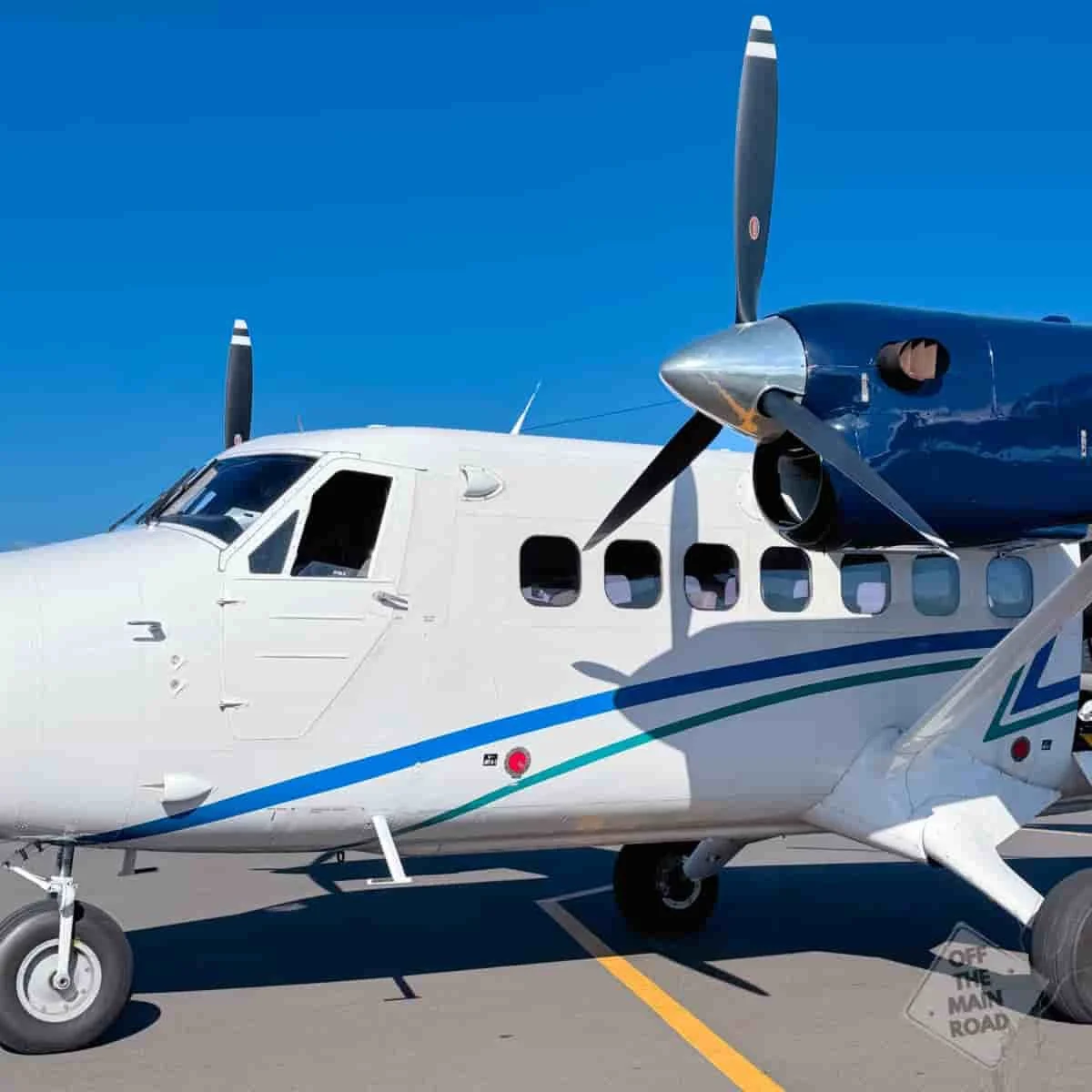
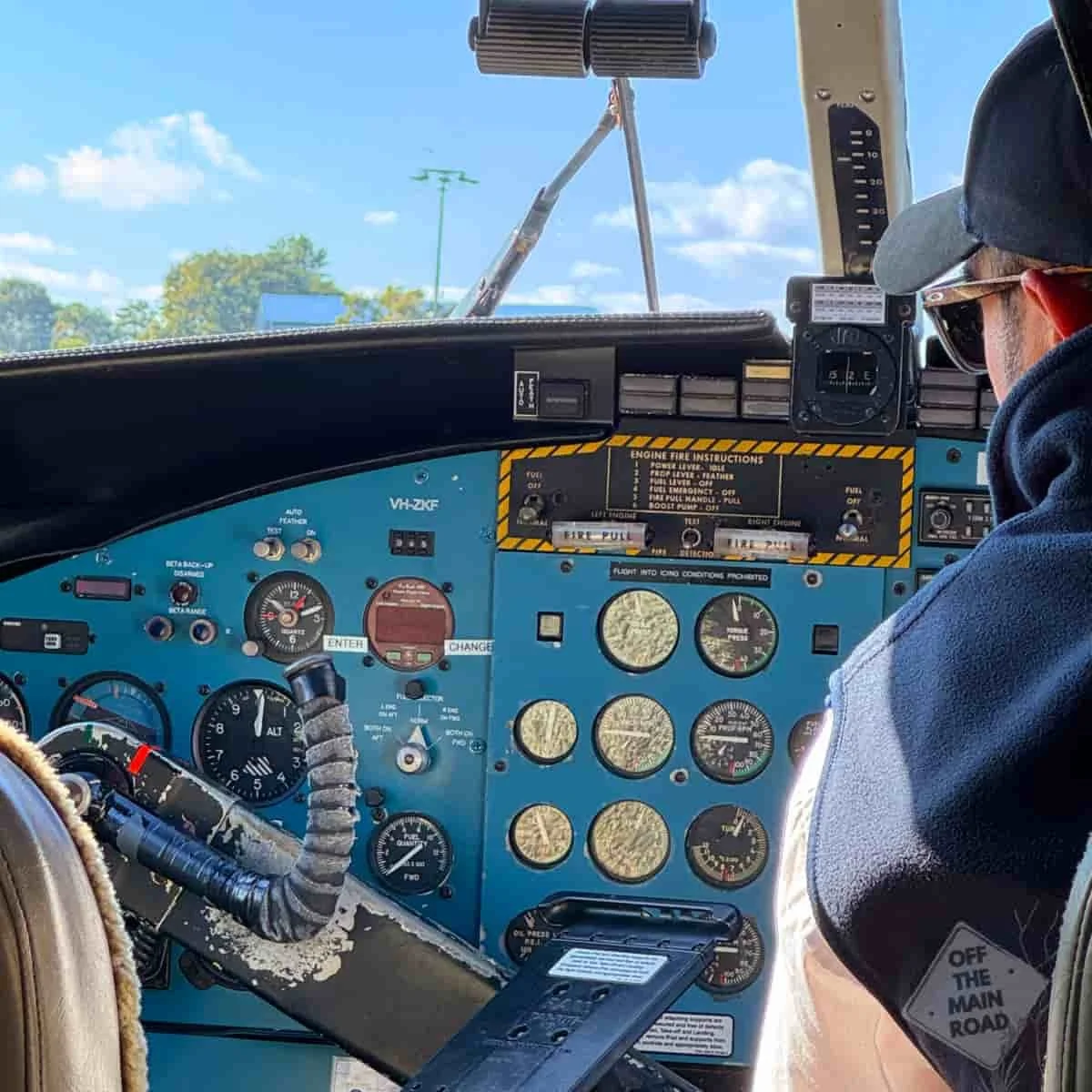
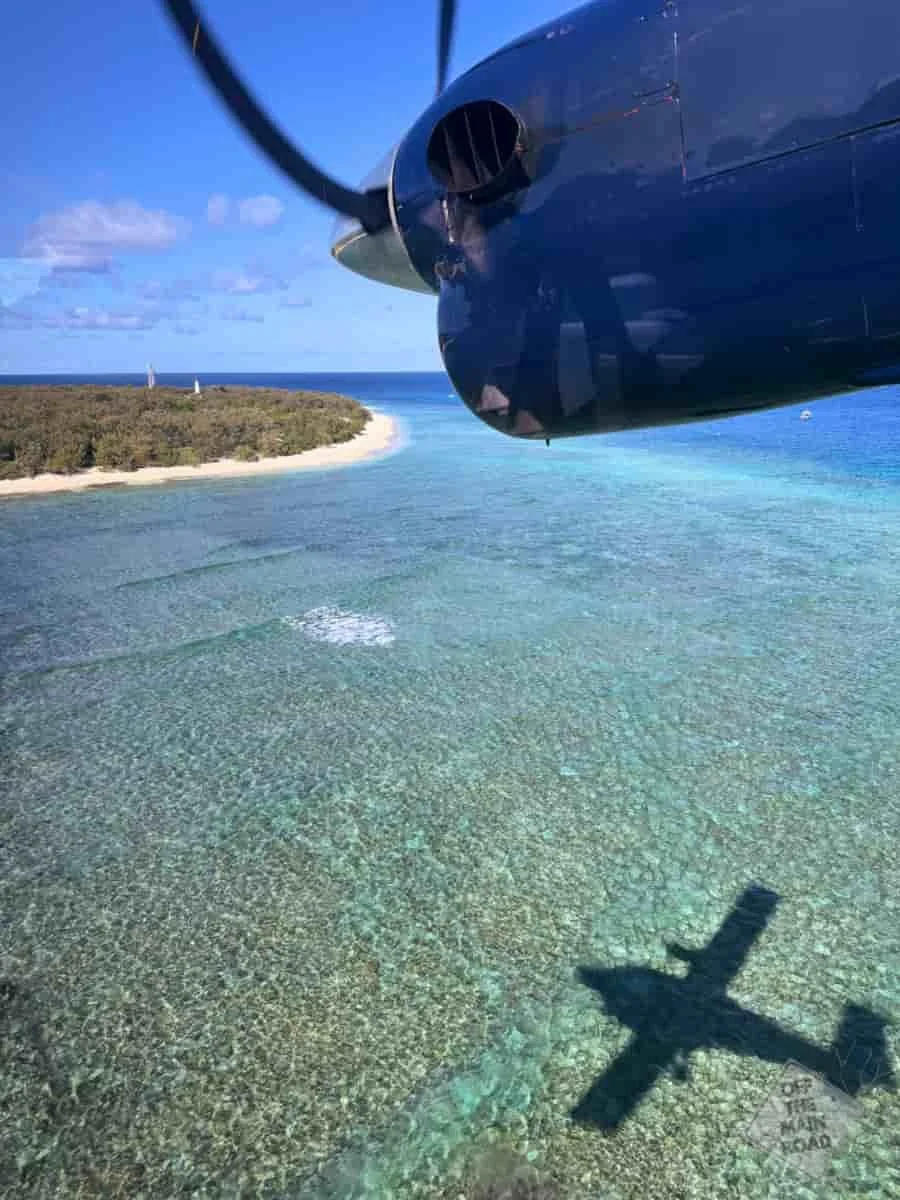
The flight out to the island is part of the experience whether you like it or not. Seair Pacific has run the charter service to the island since 1996, and I flew on one of their De Havilland Twin Otters, a proper old workhorse of a plane pushing sixty years old. The perfect mode of transport for a plane nerd!
Thirty-five minutes after leaving Hervey Bay, we came in low over turquoise water and landed on a 596 metre grass airstrip that runs almost the full width of the island, the only coral cay on the whole Great Barrier Reef with its own runway. It’s famously short and famously narrow, and if you’re not expecting it, the landing will get your attention. Don’t let that put you off. It’s absolutely worth it.
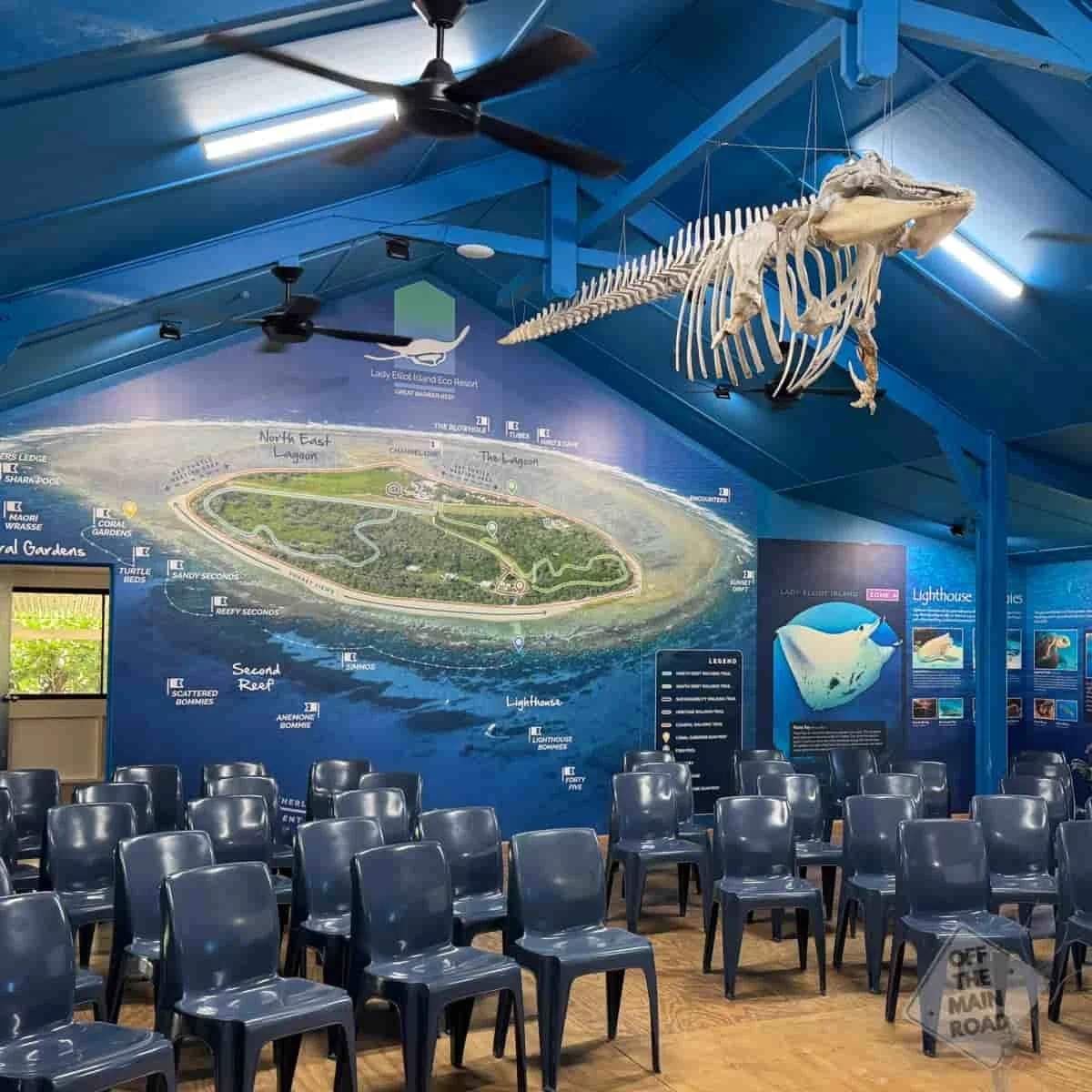
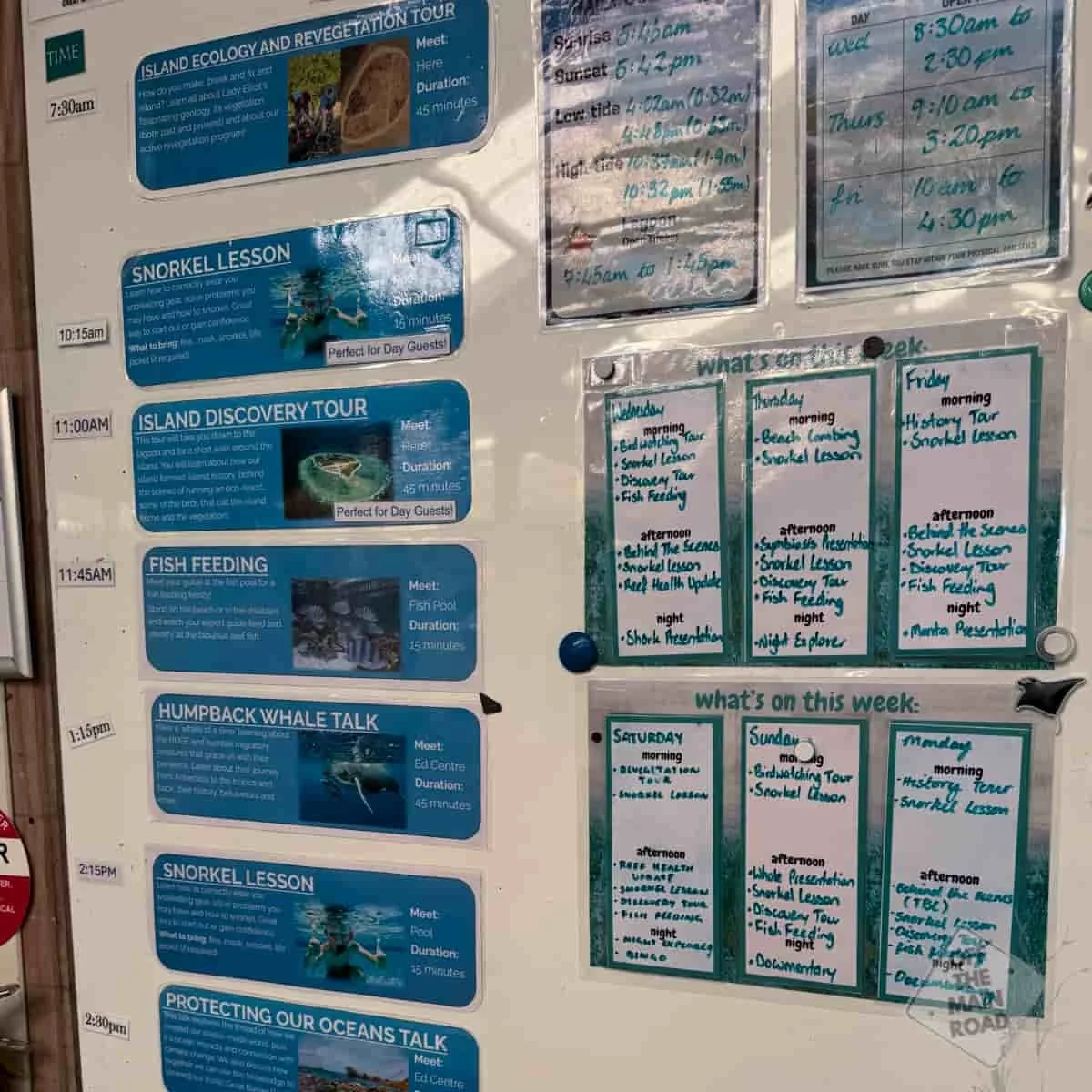
After a quick welcome drink and a rundown of the island’s dos and don’ts, I was fitted out with a mask, snorkel and fins and pointed straight at the lagoon. An hour of snorkelling later, I’d lost track of how many fish I’d seen and gained a healthy respect for how good the visibility is around the island. From the water, I went straight into a guided walk around the island, and this is where Lady Elliot really earns its keep as a story, not just a pretty postcard.
A quick history lesson: this tiny coral cay was once stripped almost bare about 50 years after it was officially discovered in 1816 by Captain Thomas Stuart aboard the vessel ‘Lady Elliot’. From 1863, guano miners, mostly Chinese and Malay labourers working under lease, dug out an estimated 20,000 tonnes of bird droppings for fertiliser, along with most of the topsoil and nearly every tree on the island.
A temporary light on a tall mast went up in 1866 to warn ships off the reef, got flattened by a storm in the early 1870s, and was replaced in 1873 by the lighthouse that still stands today, shipped over in pieces from England and built by two local brothers from Maryborough. It’s one of the only lighthouses in the country built with a timber frame clad in cast iron, and it served until it was automated in 1982 and finally switched off in 1995.
Our guide also pointed out where an old swimming ‘pool’ had been cleared straight through the reef using explosives, back when blasting a hole in a coral reef for easier swimming access seemed perfectly reasonable.
By the late 1960s, the island was essentially bare dirt. In 1969, a keen aviator, Mr Don Adams, commenced tourism and conservation on the island. Under an agreement with the Commonwealth Government, his company built the airstrip and established tourist accommodation. Revegetation started at the same time, and the Pisonia forest, the octopus bushes, and the casuarina have since grown back, bringing back an ever-growing and diverse seabird colony.
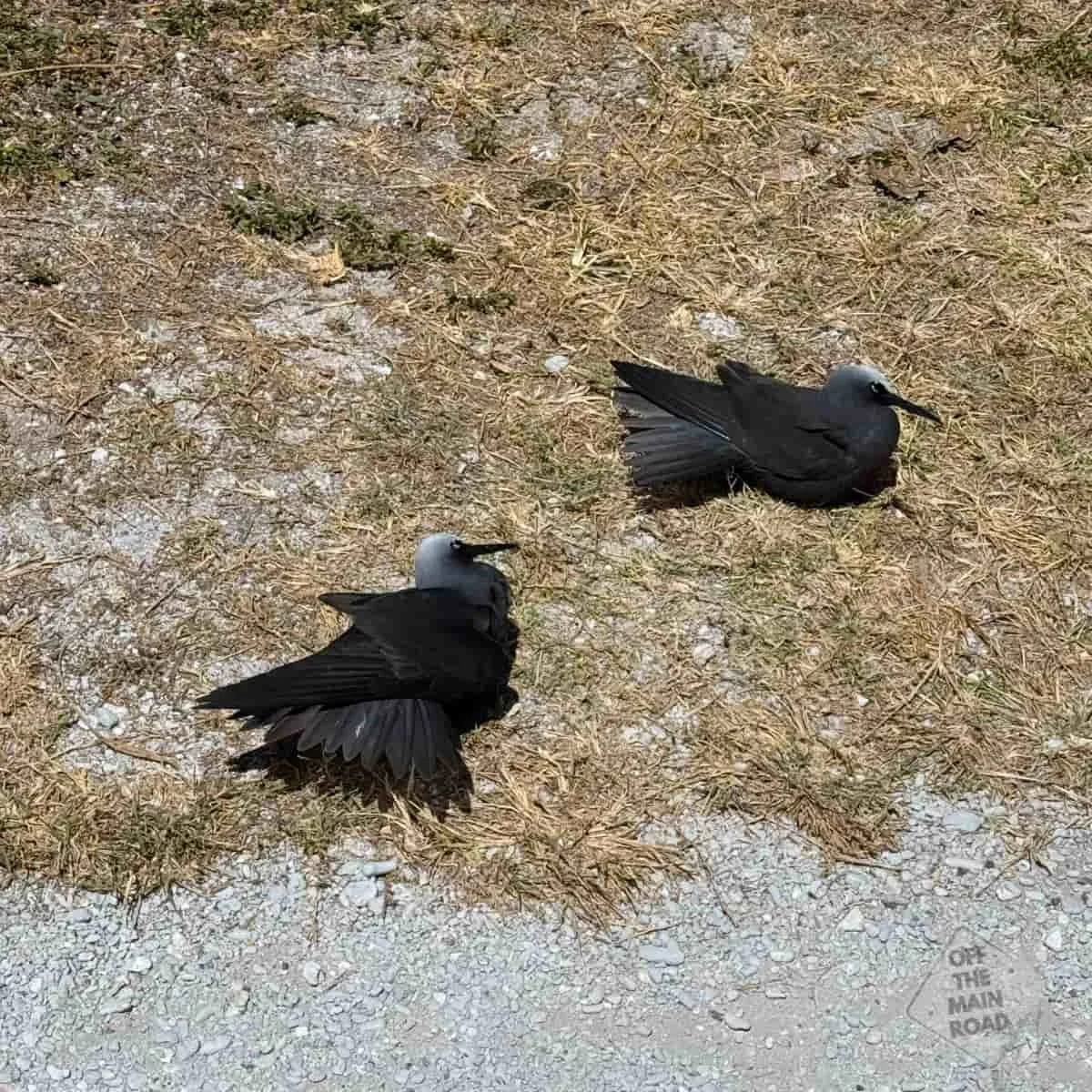
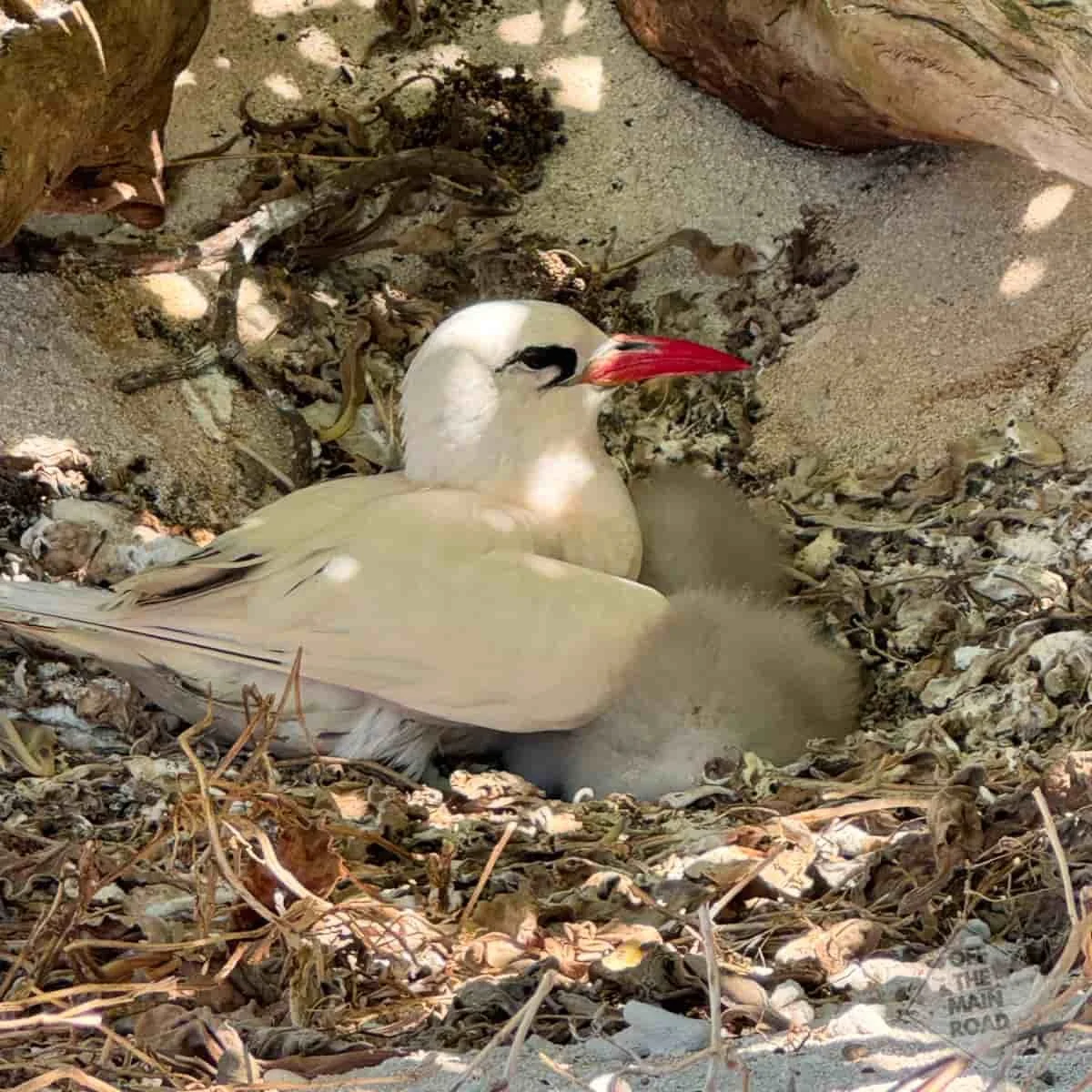
The most noticeable birds are the white-capped noddy (Anous minutus); as I visited close to summer, they were starting to nest and cover the island. Several pairs of red-tailed tropic (Phaethon rubricauda) birds have been recorded nesting on the island since the 1980s, and we saw their nests and young birds at different stages of growth. If you have even a passing interest in wildlife, this island is for you.
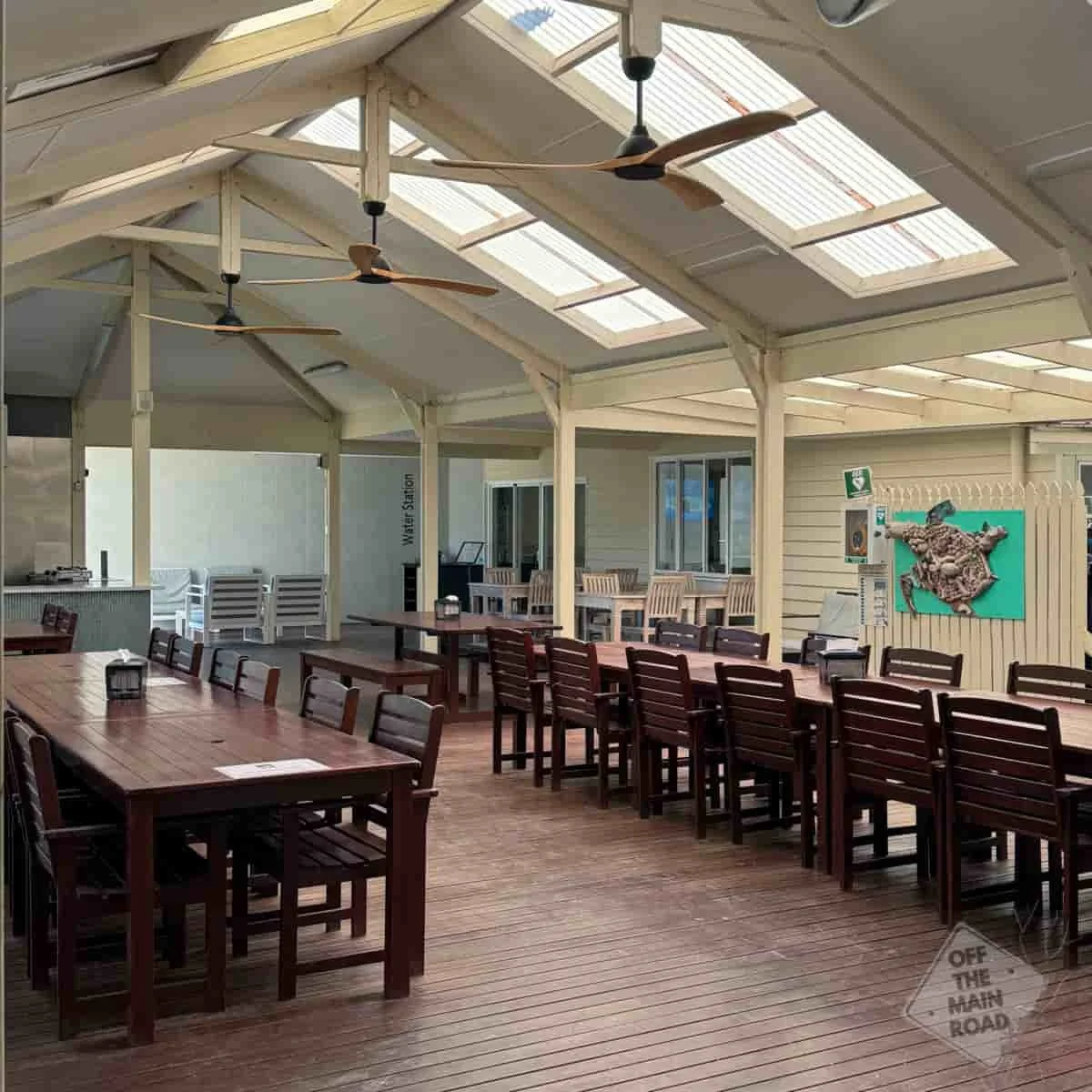
After the tour, I sat down to a proper spread for lunch: a hearty buffet where day guests, longer-term guests, staff, and contractors all eat side by side at the same tables, in a relaxed, friendly environment. The Resort has been recognised as one of the leading ecologically sustainable tourism operators on the Great Barrier Reef, giving guests the opportunity to experience and learn about the Island’s unique ecosystem with minimal impact. Lunch was fresh and generous, exactly what I needed after a morning in the water, and before an afternoon of snorkelling and the chance to see more turtles and hopefully some manta rays!
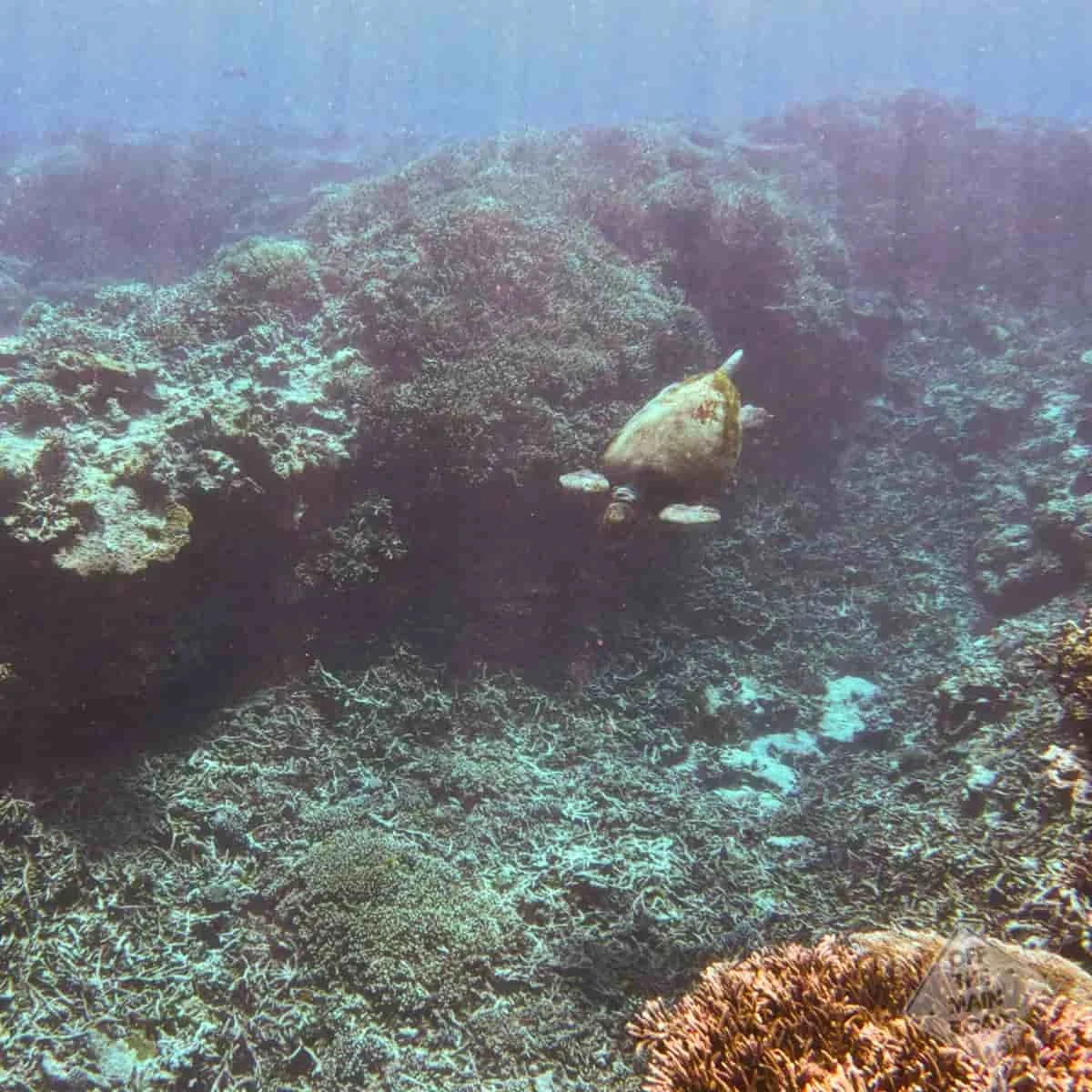
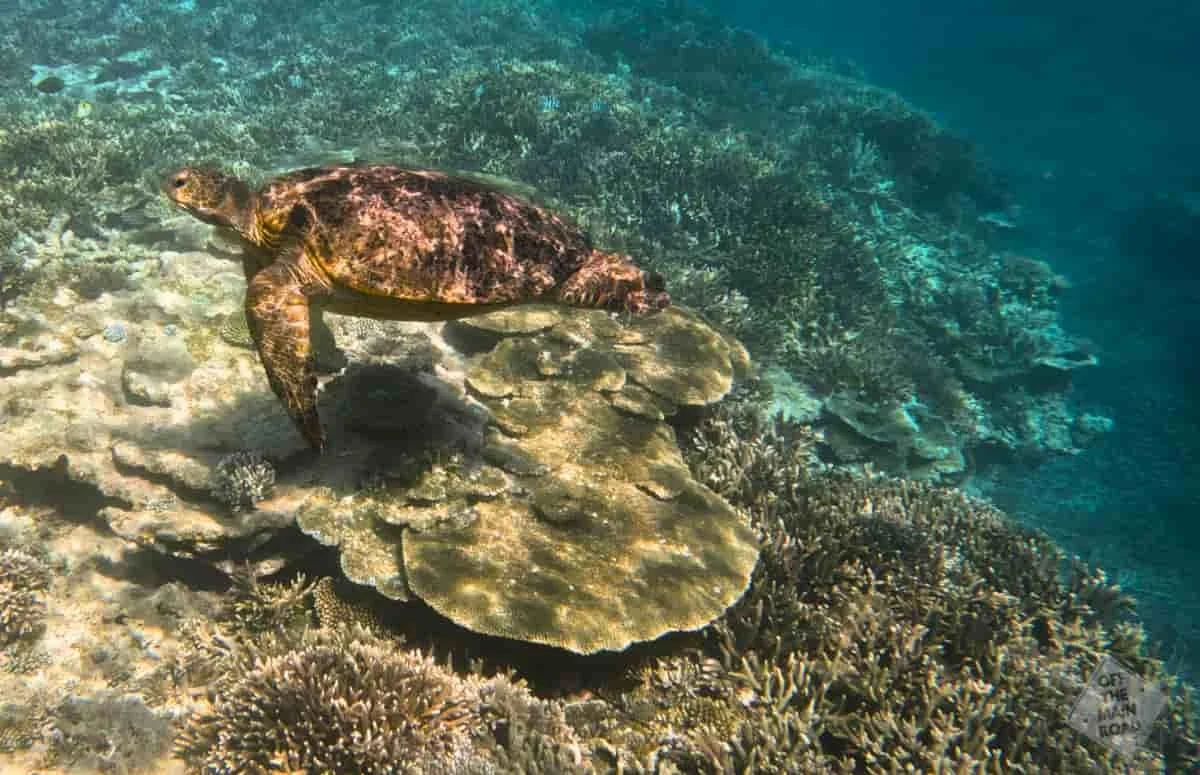
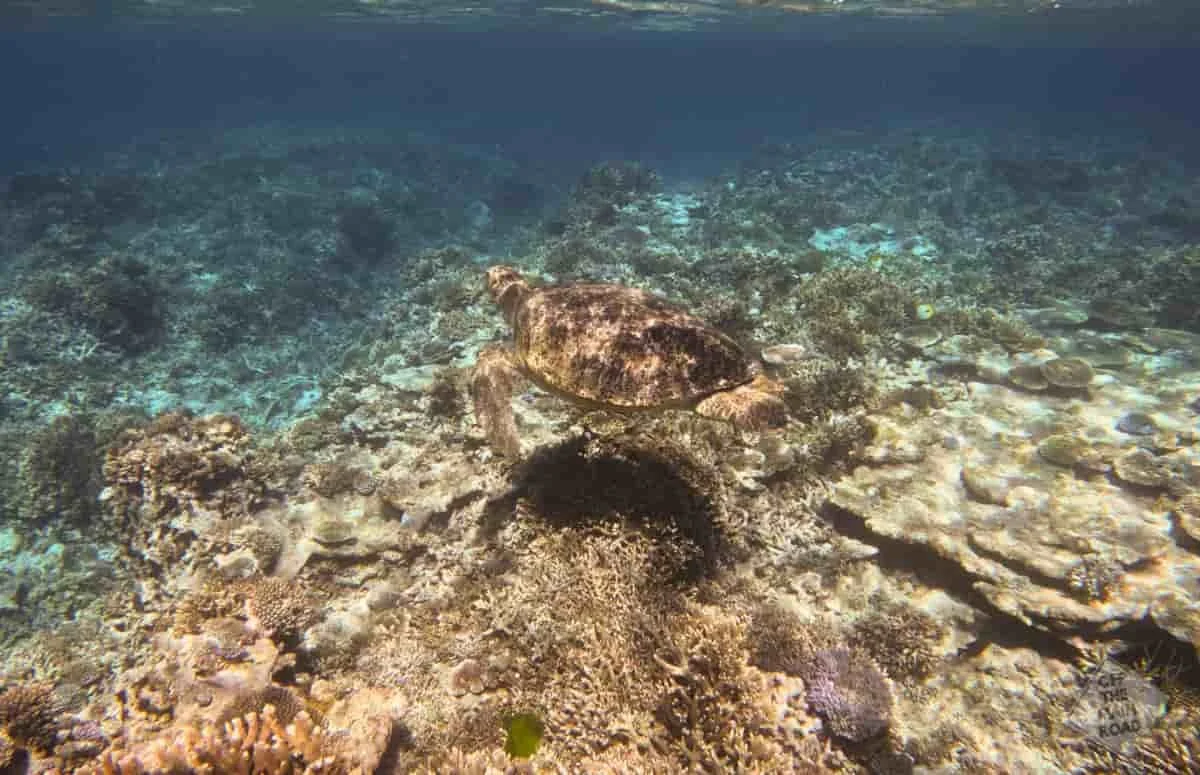
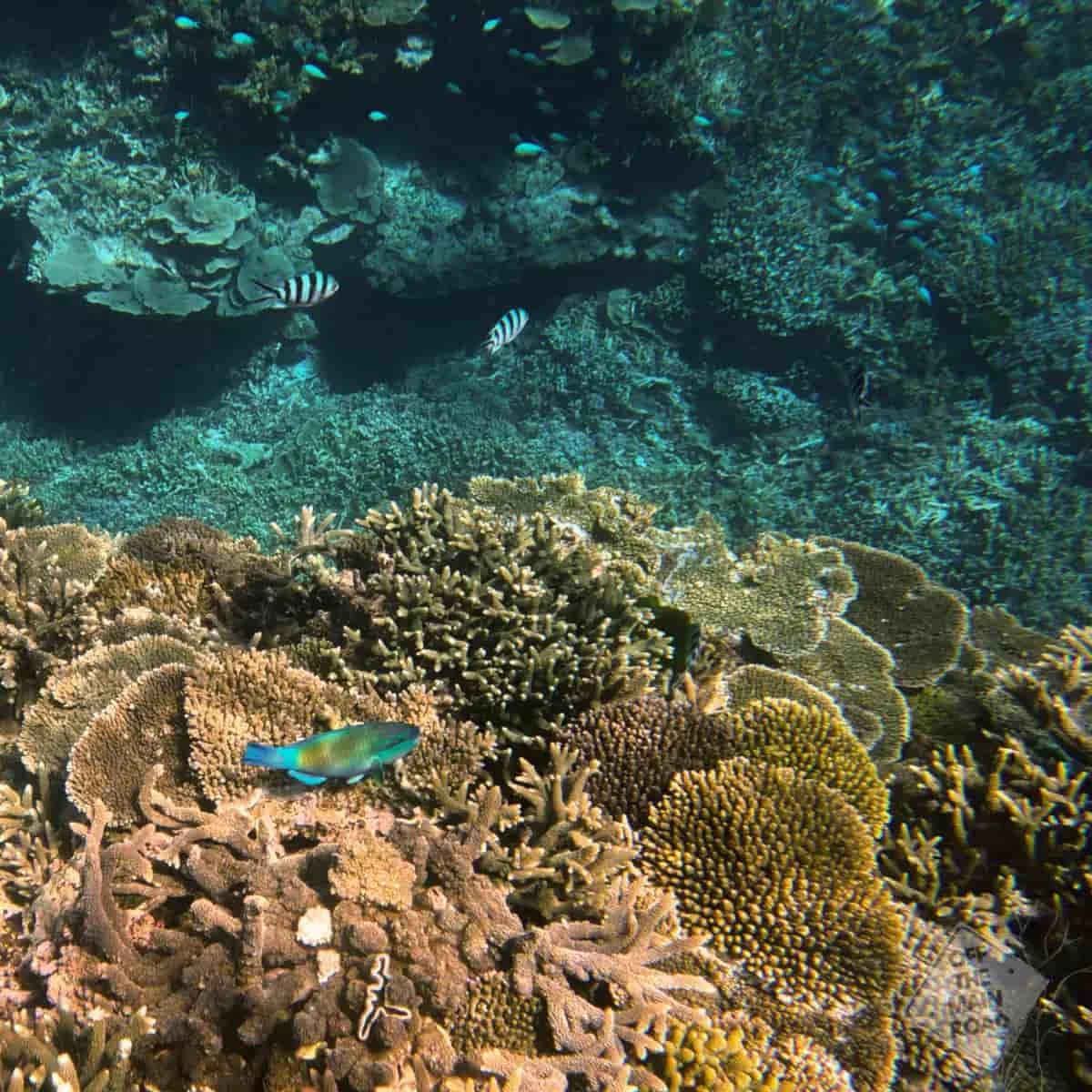
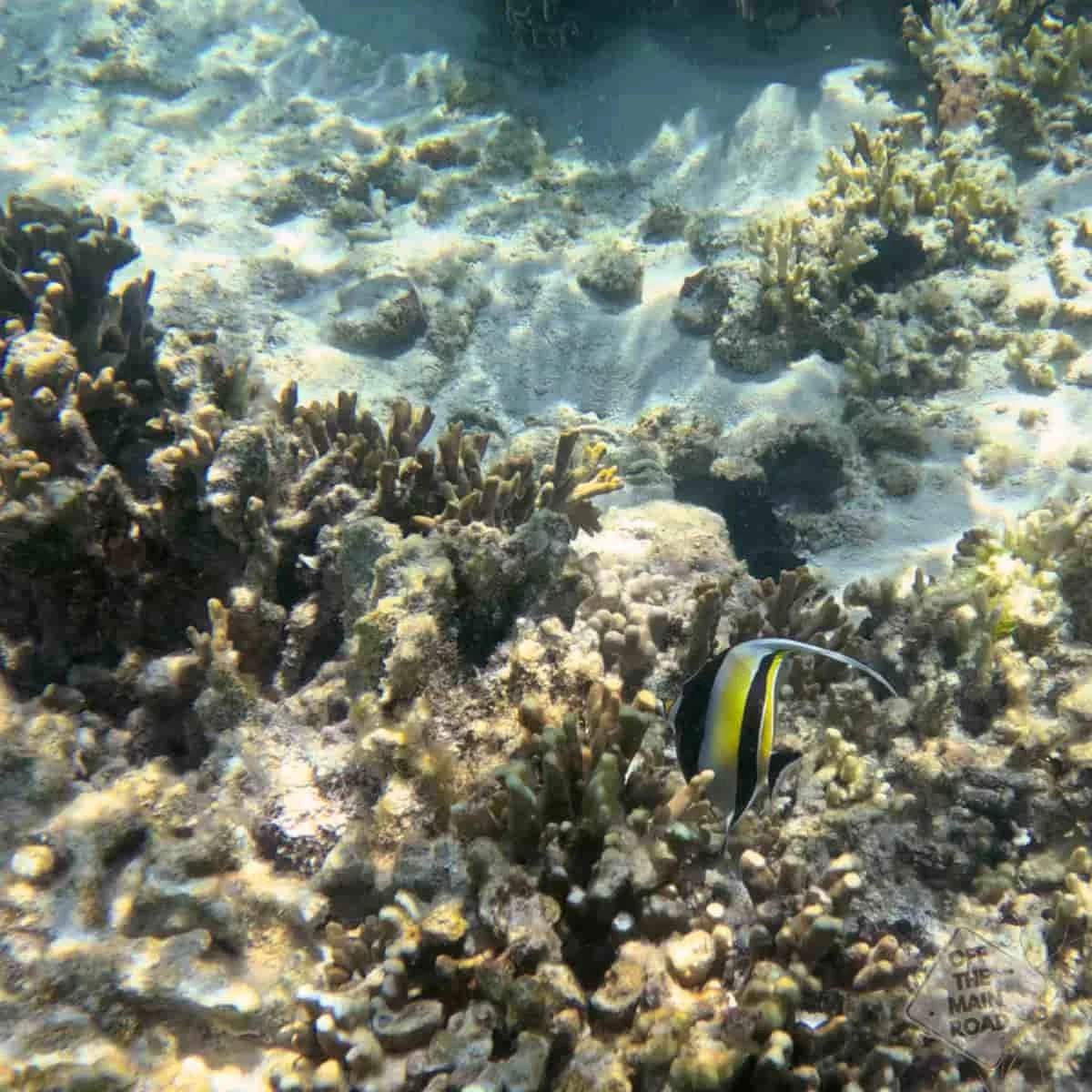
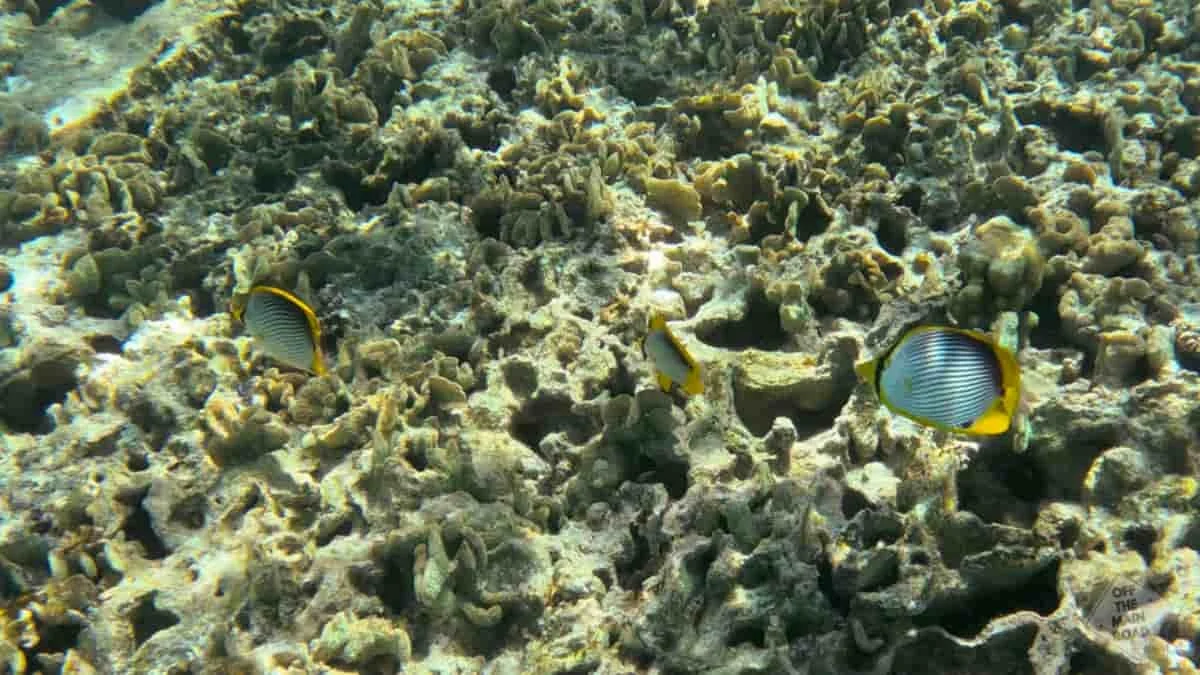
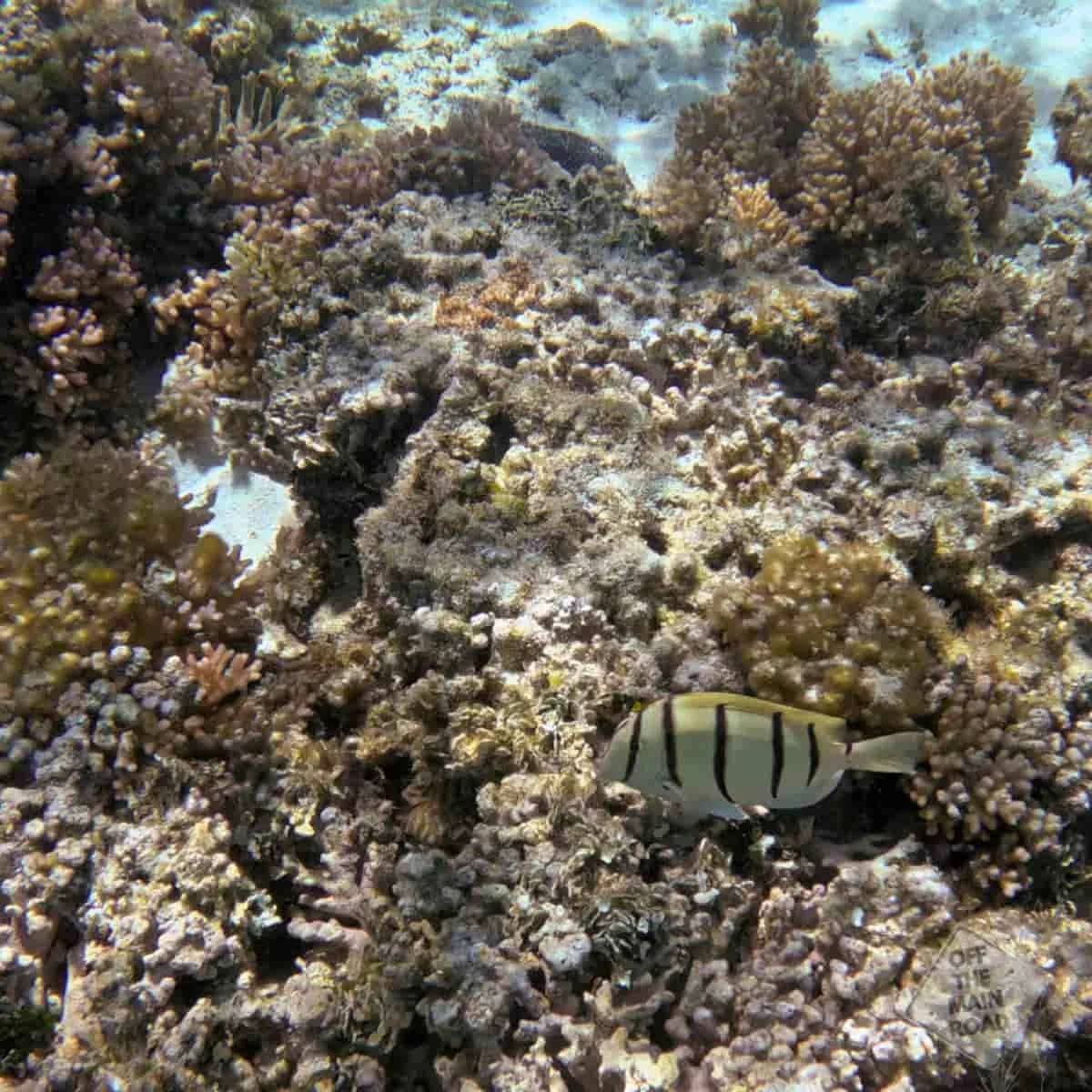
The afternoon was one of the reasons most people fly out here for the day in the first place: a glass-bottom boat tour followed by another round of snorkelling, this time out among the coral gardens rather than the lagoon. Green turtles were everywhere, unbothered by the company, and a loggerhead turned up at one point seemingly just to see what all the fuss was about. A lone manta ray glided past below the boat in a blink-or-you’ll-miss-it moment, and the fish life was, frankly, ridiculously beautiful.
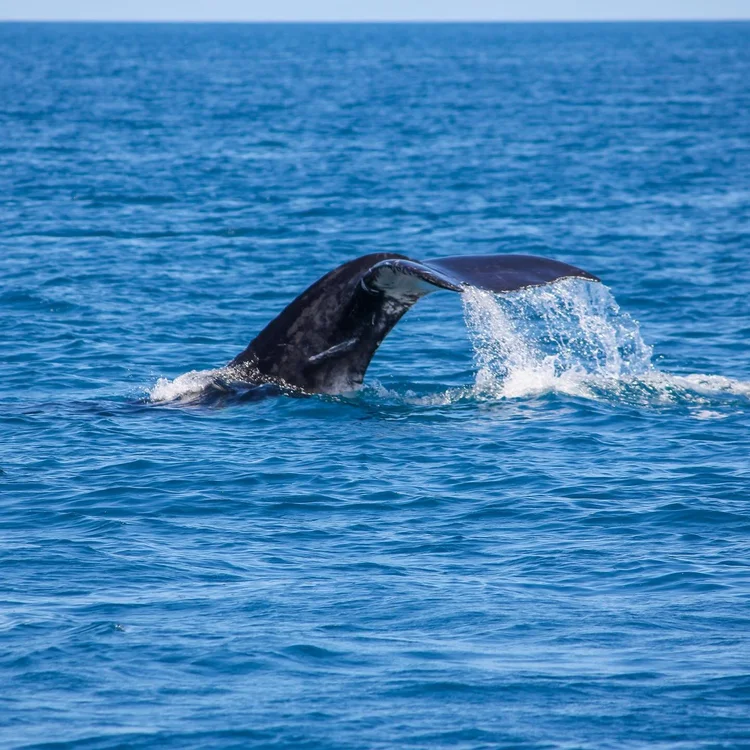
By the time I was back at the resort for a warming cuppa before the flight home, my legs were properly worn out from a full day of walking and swimming, and the whole plane back to Hervey Bay was noticeably quiet. Good quiet, the type you get after seeing more in one day than you expected! A bit of light whale spotting from the air before landing at Hervey Bay topped off a memorable day, which is well worth the splurge if you are visiting the area.
Our Dispatches Newsletter is where we share our stories straight to your email: Sign up here, or check out our magazine for more in-depth stories.
Lady Elliot Island
Lady Elliot Island is the southernmost coral cay of the Great Barrier Reef, about 85 kilometres north-east of Bundaberg. It's tiny, at around 45 hectares, and sits within the highest level of protection the Great Barrier Reef Marine Park offers to public visitors: a Green Zone where nothing can be fished or taken. That protection is exactly why the marine life here is so abundant, and why the island has earned the nickname the Home of the Manta Ray, with a resident population that researchers have tracked for years through Project Manta. There’s no evidence of Aboriginal habitation on the island itself, though the surrounding sea country is connected to the Taribelang Bunda, Bailai, Gooreng Gooreng and Gurang peoples.
How to Get There
There’s no boat access to Lady Elliot Island; the only way in is by small aircraft with Seair Pacific, who’ve held the charter contract since 1996. Flights run from Hervey Bay, Bundaberg, Brisbane and the Gold Coast, with Bundaberg the shortest hop at around 30 minutes and Hervey Bay close behind at about 35 to 40. The island’s grass airstrip runs the full length of the cay and is the only one of its kind on a Great Barrier Reef coral cay.
What to See / Tours / Activities
What I did:
Snorkelled the lagoon for an hour straight off arrival
Took the guided island walk covering the guano mining history, the lighthouse, and the birdlife
Ate lunch at the communal buffet with day guests, resort guests and staff all at the same tables
Spent the afternoon on a glass-bottom boat tour and a second forty-five-minute snorkel among the coral gardens, turtles and manta rays included
Other highlights nearby:
Scuba diving across the island’s twenty-odd dive sites for those staying longer than a day
Turtle nesting season, roughly November to March, for anyone keen to see it happen on the beach rather than in the water
The historic 1873 lighthouse itself, still standing near the western side of the island
Extended stays in the eco cabins or glamping tents right on the lagoon, for a slower pace than a single day trip allows
When to Visit
Lady Elliot Island is a year-round destination, with different attractions depending on the season. Turtle nesting runs roughly November to March, manta rays are present most of the year but especially plentiful through the cooler months, and if you’re timing a visit around whale season further along the coast, winter and spring line up nicely with a Hervey Bay stopover either side of a day trip out here.
Final Thoughts
I went out expecting a good snorkel and came back with a lot more than that. Lady Elliot Island’s history is pretty brutal from an environmental perspective: stripped bare for fertiliser within a decade of being discovered, and the fact that it’s grown back into one of the richest ecosystems on the whole reef says something about how far a place can come when people finally decide to leave it alone. Neil and Zoe had their day in the sun. I had mine underwater, and I’m still thinking about it.
What’s Nearby
This journey starts and ends in Hervey Bay, the mainland base for the flight out and back, and it's well worth its own stop if you haven’t already read about it. From there, the Fraser Coast run continues on to Bundaberg and beyond.
If island days like this are why you keep reading along, our Dispatches newsletter has more. Sign up here.
Our Magazine has more in-depth travel stories Off the Main Road!

Fast Facts
Location: Lady Elliot Island, southern end of the Great Barrier Reef, about 85 km northeast of Bundaberg
Access: By air only, via Seair Pacific charter flights from Hervey Bay, Bundaberg, Brisbane or the Gold Coast; no boat access
Traditional Owners: No known Aboriginal habitation on the island itself; connected sea country of the Taribelang Bunda, Bailai, Gooreng Gooreng and Gurang peoples
Facilities: Eco resort with cabins and glamping tents, communal dining room, bar, dive shop; day trip packages available
Visitor Numbers: Capped at 150 overnight guests plus 100 day guests, so it never feels crowded. Usually well below these numbers.
Don't Miss: The lagoon snorkel, the guided island history walk, the glass-bottom boat and afternoon reef snorkel
Best Time to Visit: Year-round; November to March for turtle nesting, cooler months for the best manta ray numbers
Dog Friendly: No
Things that could kill you (Probably won’t)
A semi-serious guide to surviving Australia. Mostly common sense, occasionally luck.
The runway landing: Short, grassy, and right across the island's narrowest part. Genuinely nothing to worry about, but it will get your attention.
Sun exposure: A full day of snorkelling and walking on an exposed coral cay is a serious sunburn risk. Use reef-safe sunscreen, wear a hat, and reapply more than you think you need to.
Coral cuts: Shallow reef, lots of coral, easy to misjudge your footing. Reef shoes and a bit of care go a long way.
Turtle distraction: You will forget to watch where you’re swimming. Everyone does.
If this post helped, you can support our work here.

Other updates you may like…









A solo flight to Lady Elliot Island brought a famously short grass runway, an hour in the lagoon, guano mining history, a 150-year-old lighthouse, a communal buffet, and an afternoon among turtles, manta rays and coral gardens.