What do you do when it’s your fourth time visiting a town? Well, you find all the unexplored hidden gems in the area.
We’ve written about Charleville before, a few times, actually. The Cosmos Centre and its extraordinary night skies, the RFDS Visitor Centre and the stories that come with it, and the Bilby Experience and the quiet work being done to pull one of Australia’s most endearing creatures back from the brink of extinction. If you want the full picture on any of those, we’ve got you covered in our first Charleville post, our second visit, and our Traveller's Notes on the Bilby Experience.
This time we went looking for what we’d missed.
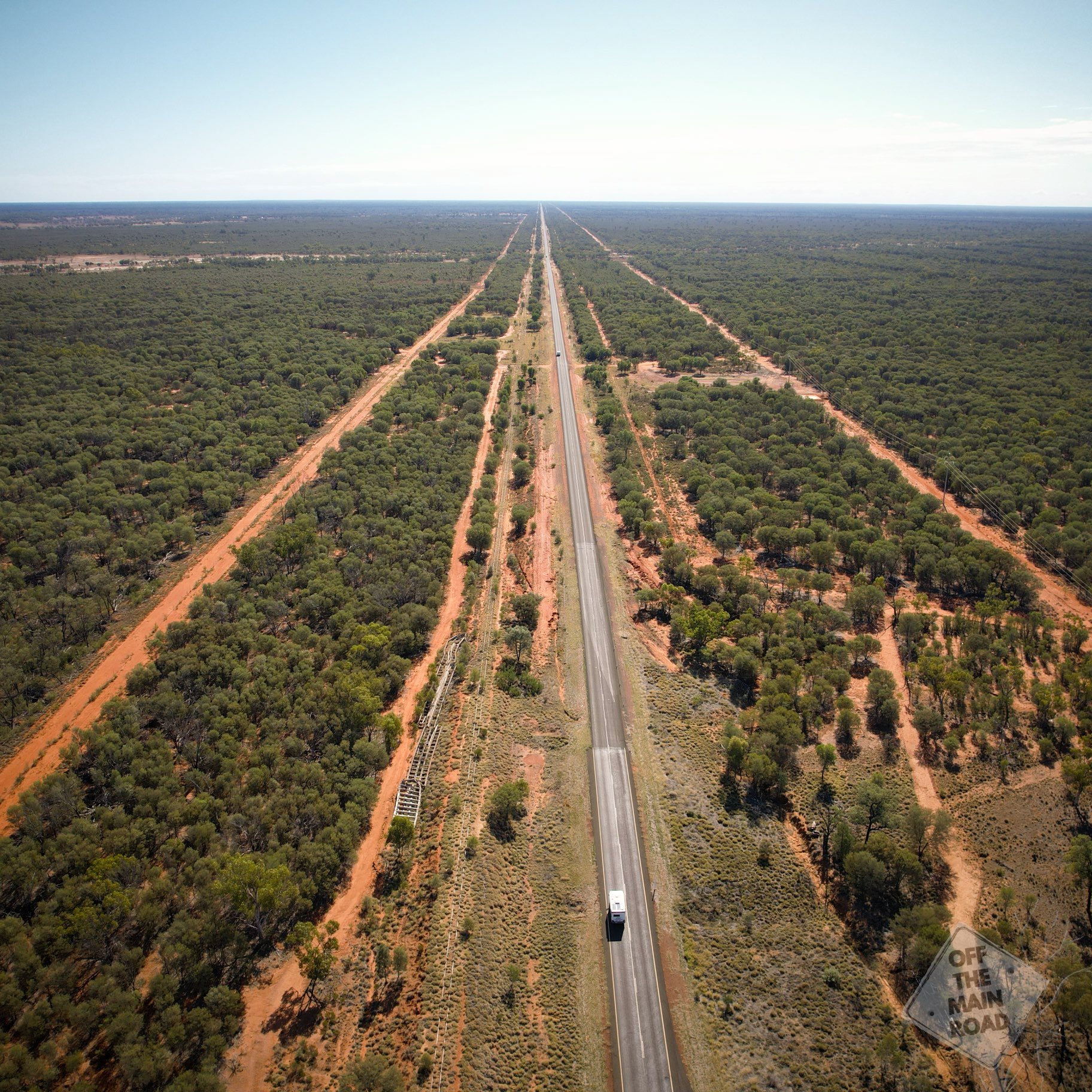
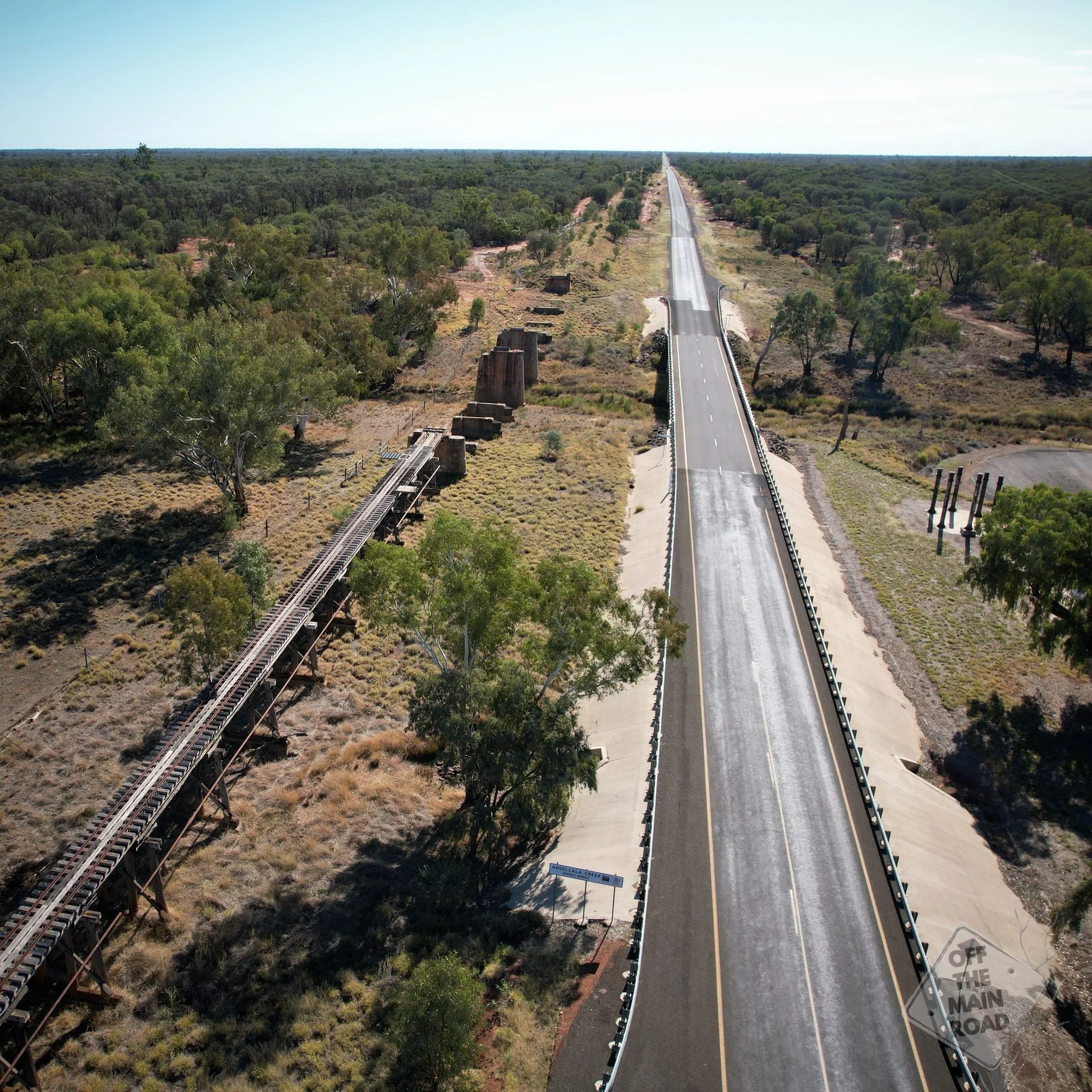
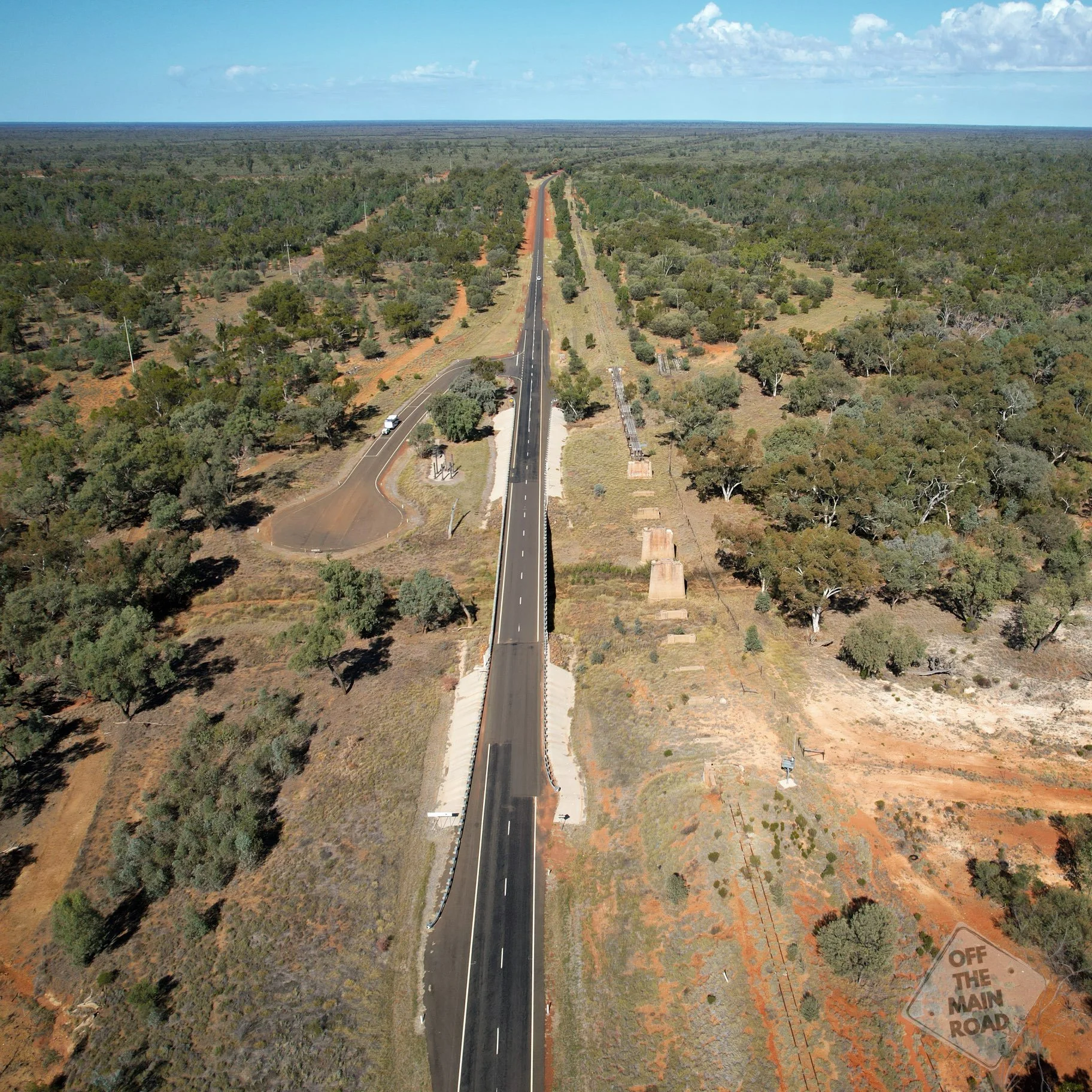
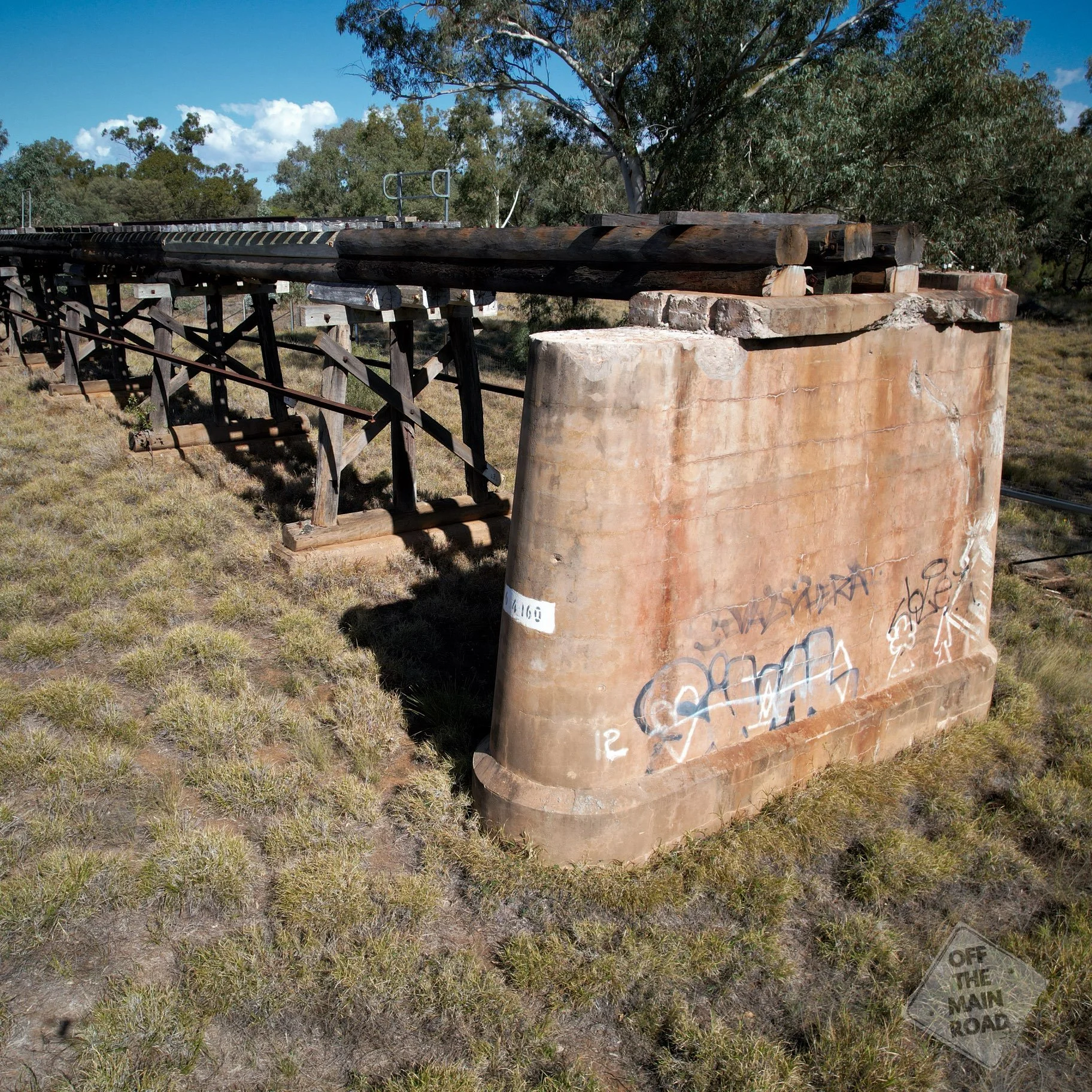
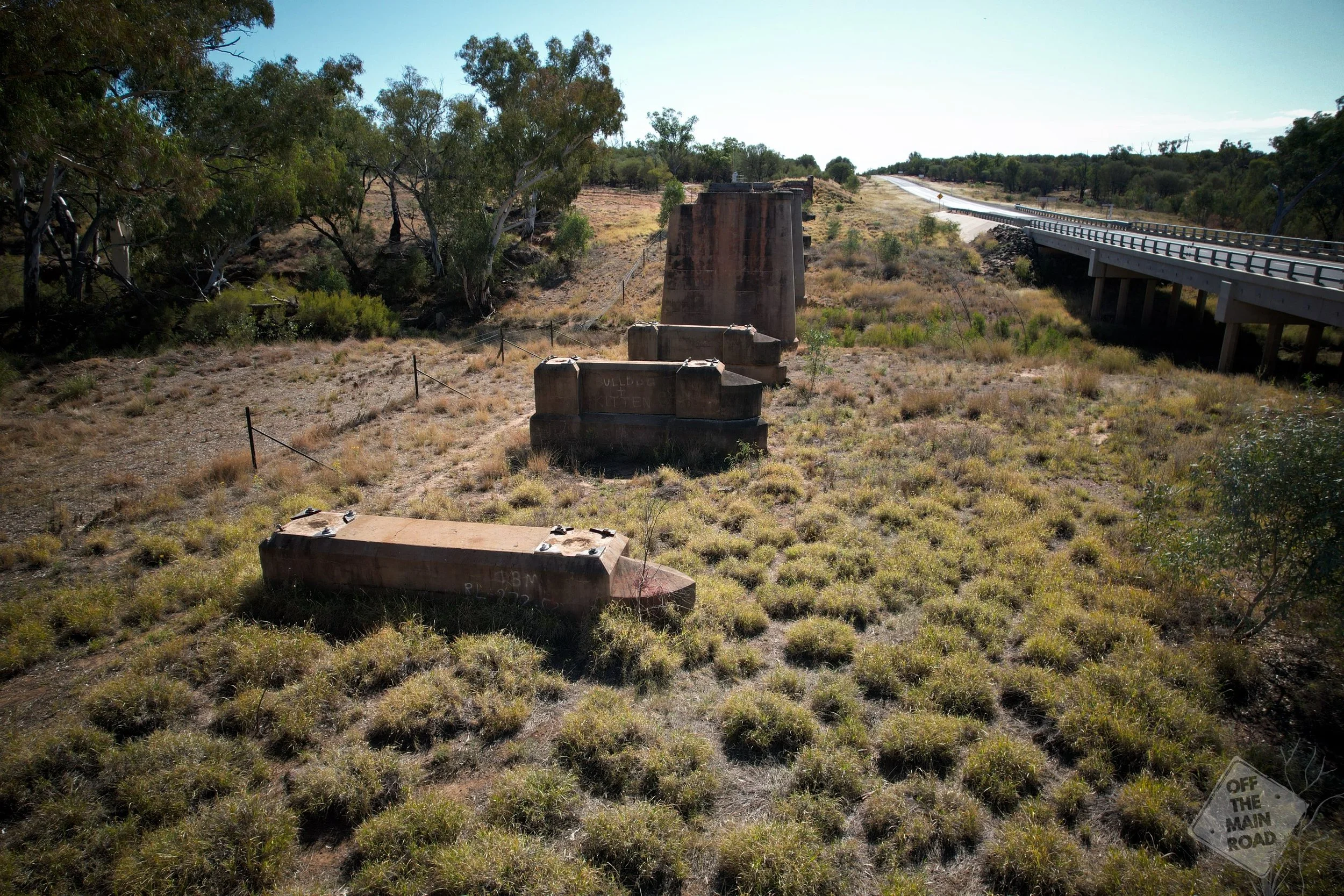
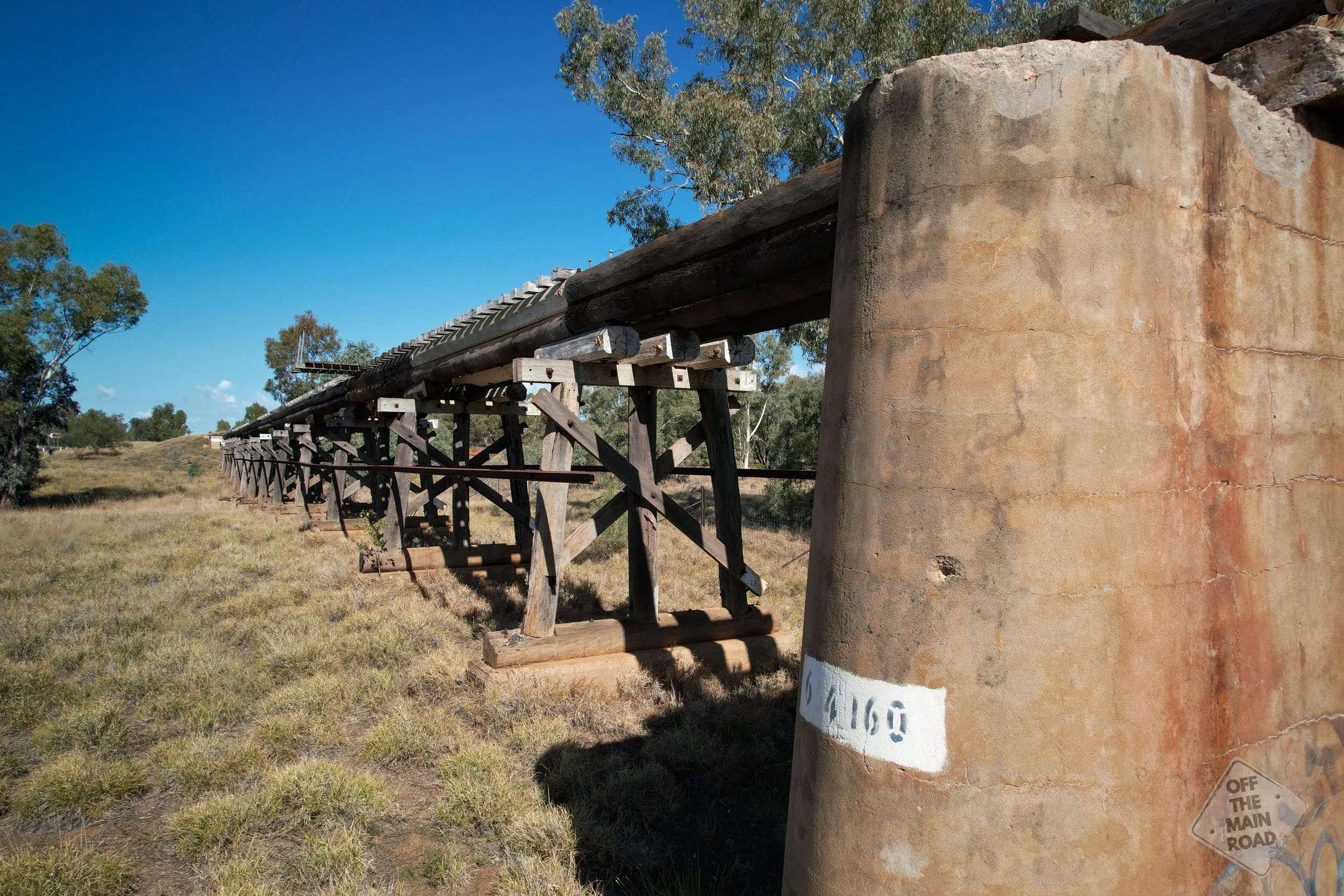
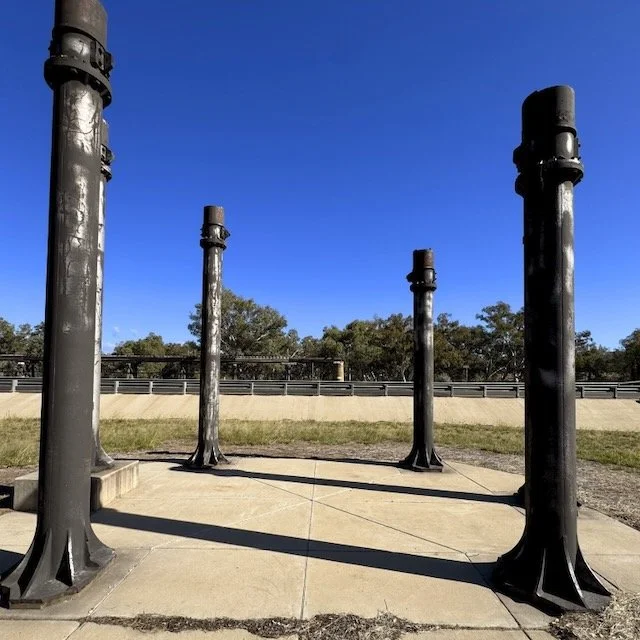
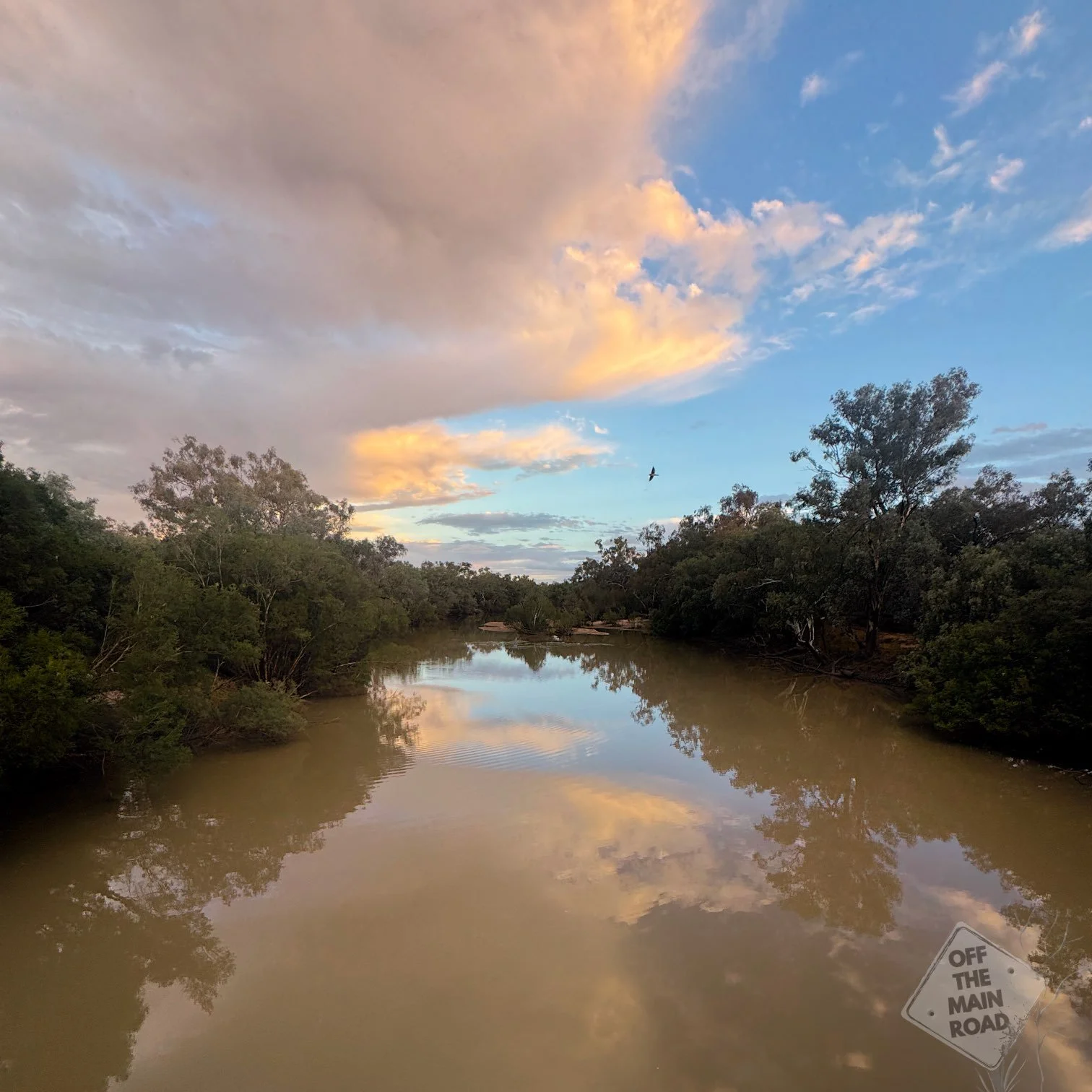
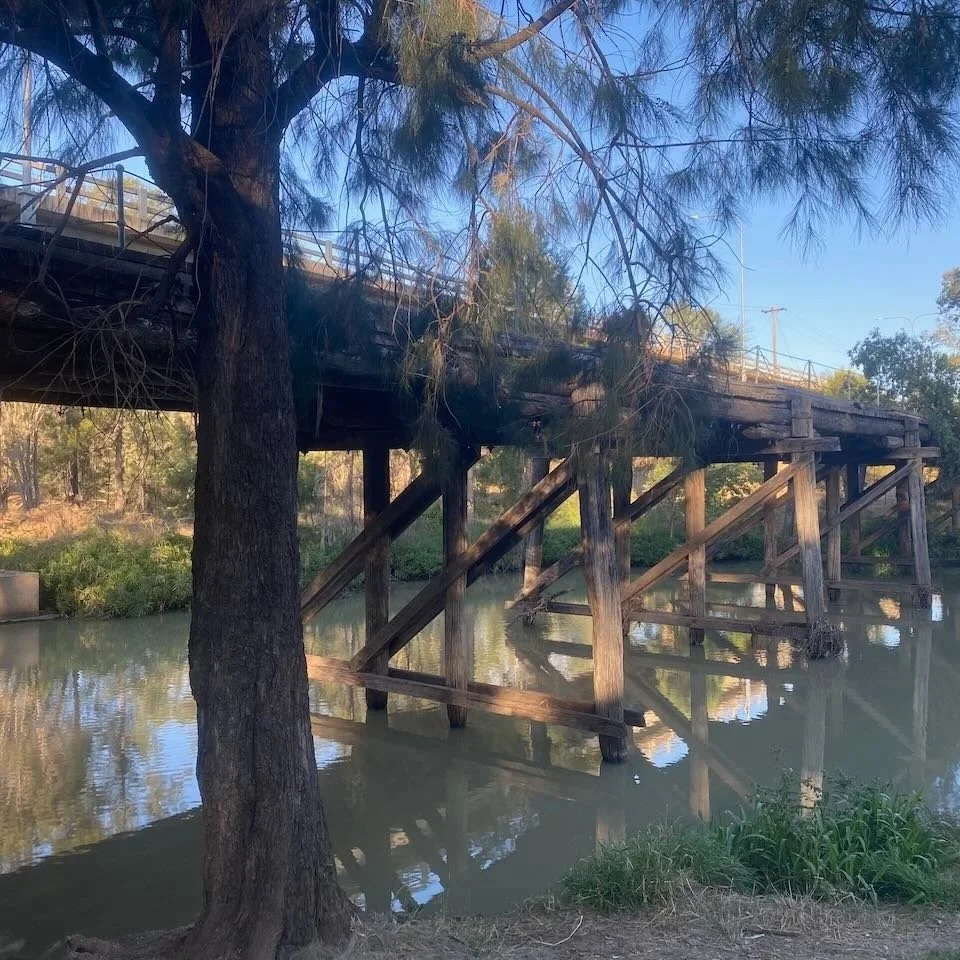
We didn’t get far out of Wyandra before the first stop on the way to Charleville presented itself. About 30 kilometres south of Charleville on the Mitchell Highway, there’s a pull-off area on the banks of Angellala Creek. With interpretive signage, a sealed detour road with a turning circle, and the skeletal remains of a railway bridge that will never be rebuilt, it’s worth stopping for.
On the night of 5 September 2014, a road train carrying 52 tonnes of ammonium nitrate was involved in a single-vehicle accident on the Mitchell Highway at Angellala Creek. The truck was travelling south on a clear night when it left the road and came to rest in the creek bed adjacent to the road bridge and near the railway bridge. During the crash, bags of ammonium nitrate and fuel tanks ruptured, spilling diesel and scattering ammonium nitrate across the site. There was a fire in the vehicle, and the driver was seriously injured but managed to escape the burning vehicle.
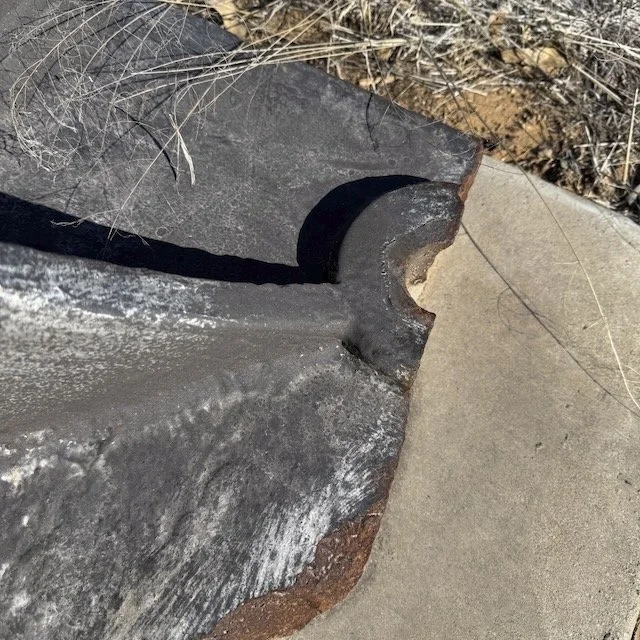
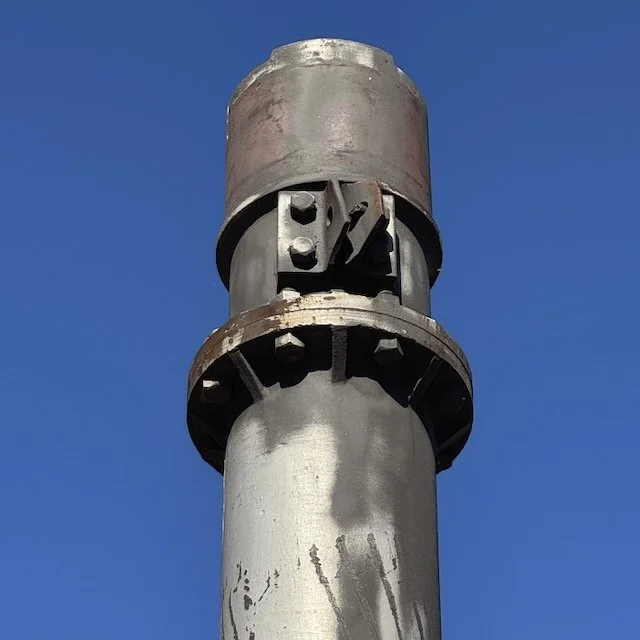
The explosion was equivalent to 10-15 tonnes of TNT and was recorded as a seismic event measuring 2.1 on the Richter scale. The road bridge was destroyed, the historic railway bridge sustained major structural damage, and onlookers described the site as looking like a war zone. Debris from the explosion was discovered up to a kilometre from the blast site in all directions. A house approximately six kilometres north sustained damage to its internal walls.
Eight people were injured, including the driver, who had critical burns and was airlifted to Toowoomba. The Charleville firefighters who attended the scene were later recognised by the then Governor-General Sir Peter Cosgrove for their bravery.
The railway bridge had been heritage-listed since 1992. It will never be rebuilt. The story is told through interpretive signs at the site, and the ruins remain as a quiet monument to what happened that night. It's a stop that you won’t forget quickly, and is worth taking the time to explore
We pulled into Charleville, set up at the Cobb and Co Caravan Park, which suited us just fine, caught up with our mates, and made a few new ones. That’s one of the quiet pleasures of the travelling community.
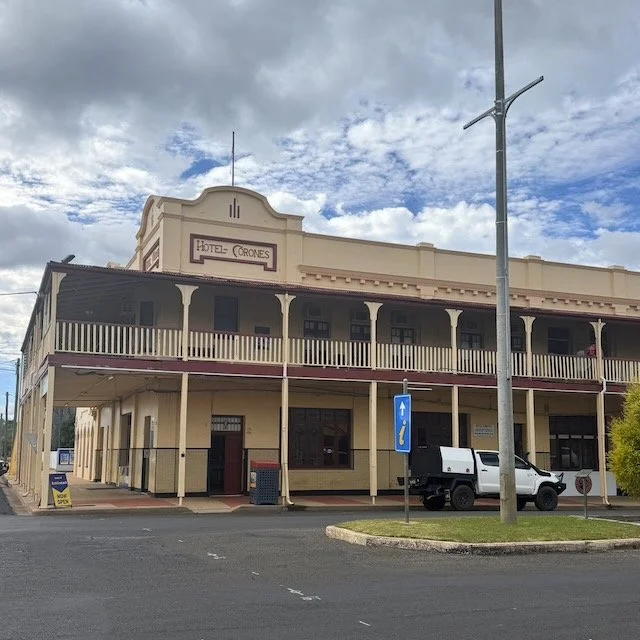
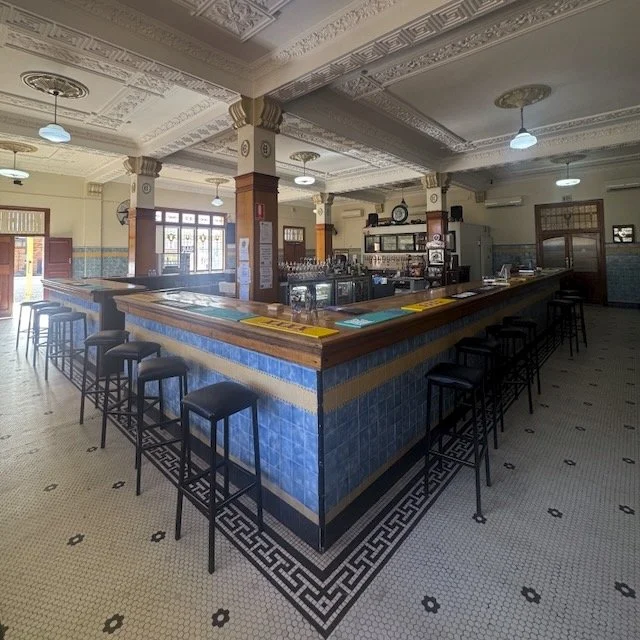
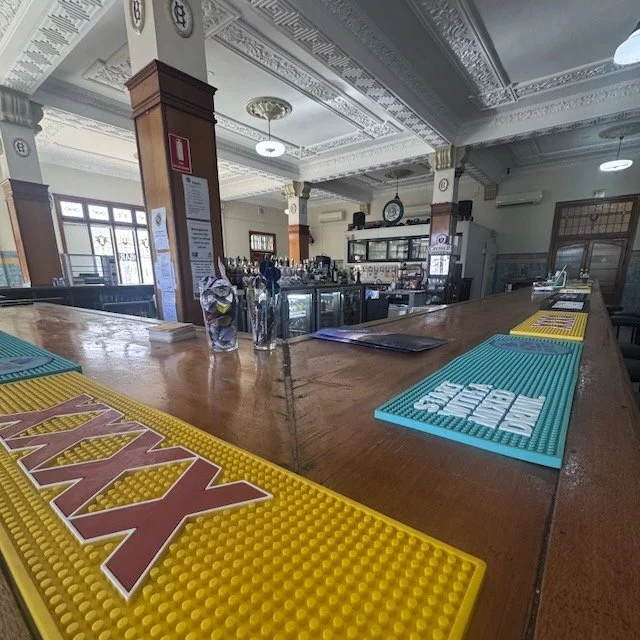
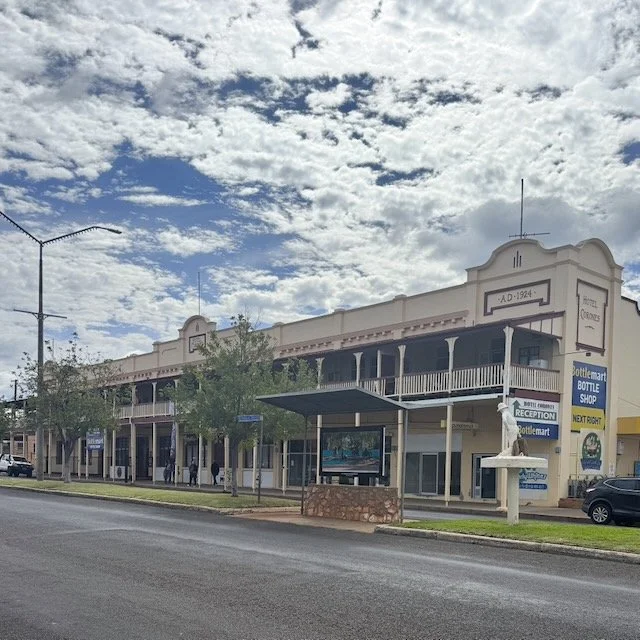
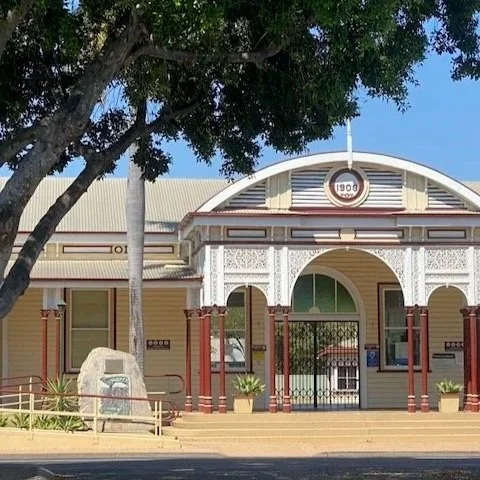
The architecture in Charleville’s main streets repays a slow walk. The Hotel Corones on Wills Street is the obvious drawcard, and Neil has to explore the bar fully. Built in 1929 by Harry Corones, a Greek immigrant who arrived with next to nothing and built one of Queensland’s finest country hotels, it’s a remarkable building and still worth stepping inside for a look at the pressed tin ceilings, the wide verandahs, and the general sense that this place was built to last. It was listed on the Queensland Heritage Register in 1992.
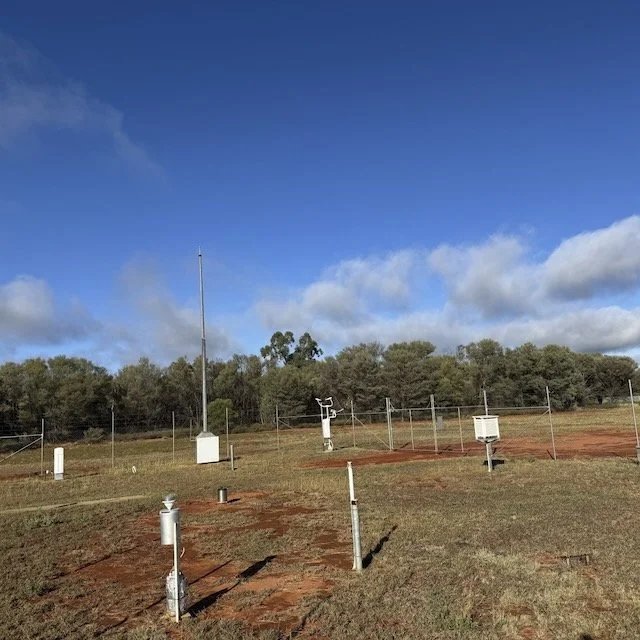
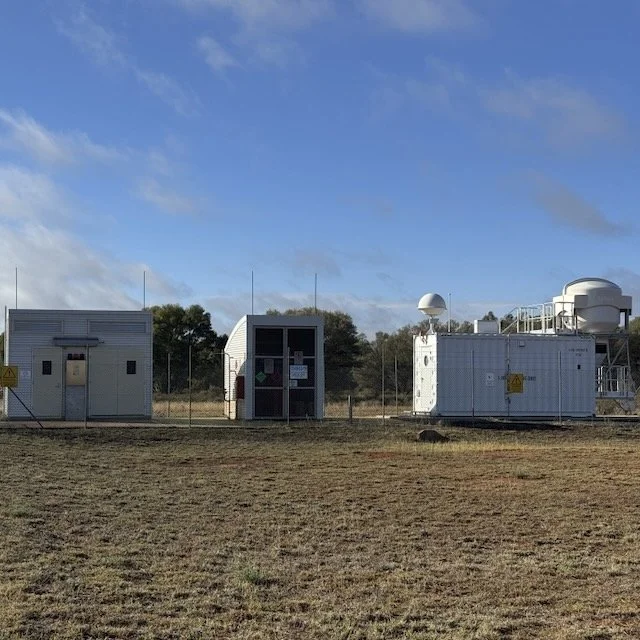
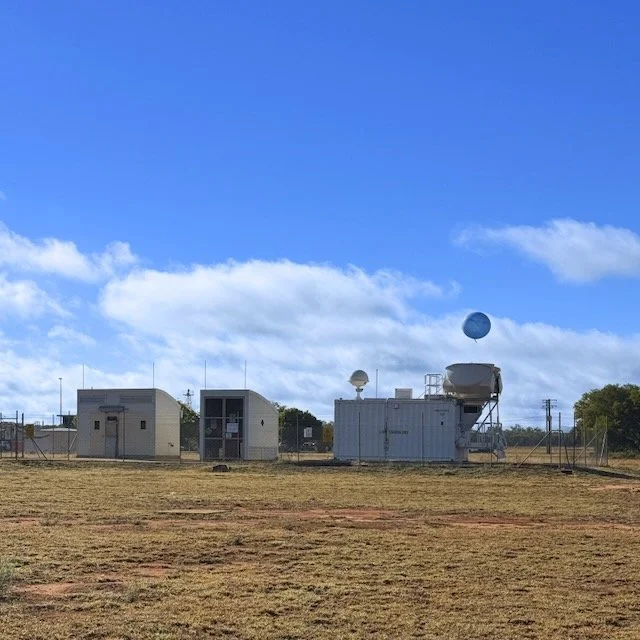
The morning weather-balloon release was something Cameron had been wanting to see for a while. The Bureau of Meteorology releases a weather balloon automatically at 9.15 am daily from the corner between the Cosmos Centre and the airport. The balloon sends weather data, including temperature, wind direction and speed, back to the weather station, which is then used to forecast the weather for the region. It’s a quick event! Be there a few minutes early, keep your distance from the launcher due to the hydrogen hazard, and watch the balloon climb away into the outback sky. For something that happens every single morning without fanfare, it’s oddly satisfying to witness.
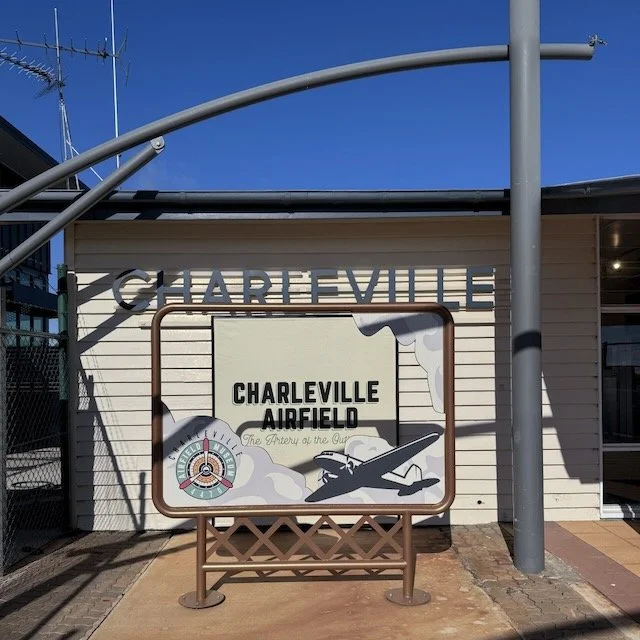
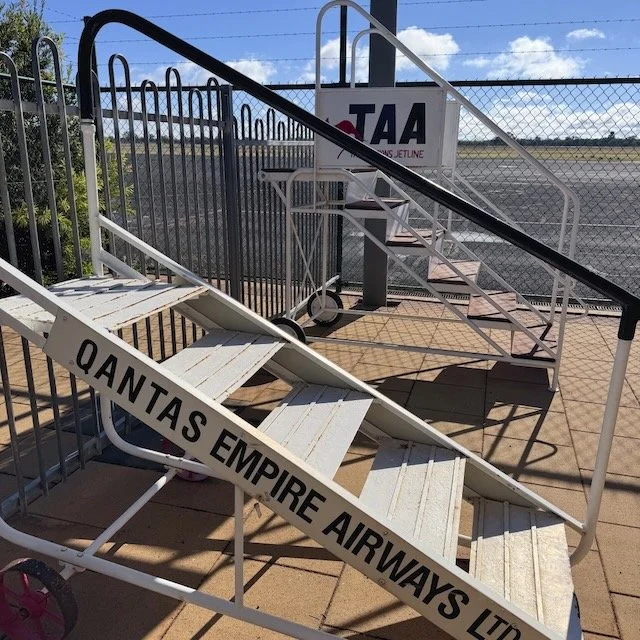
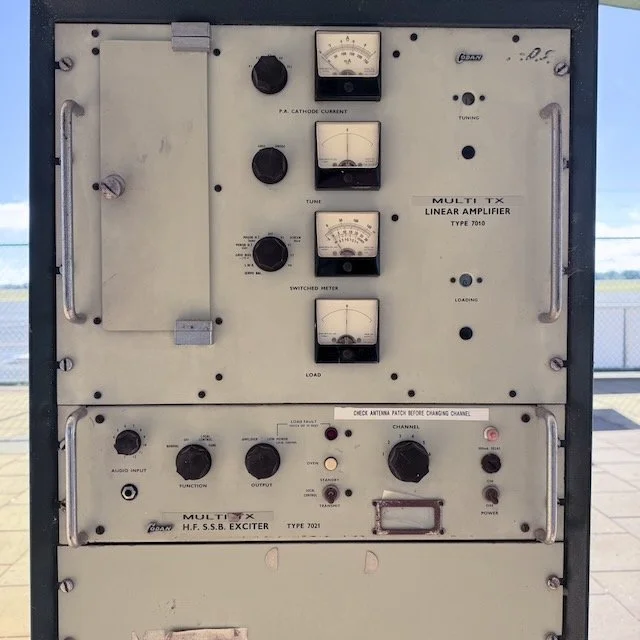
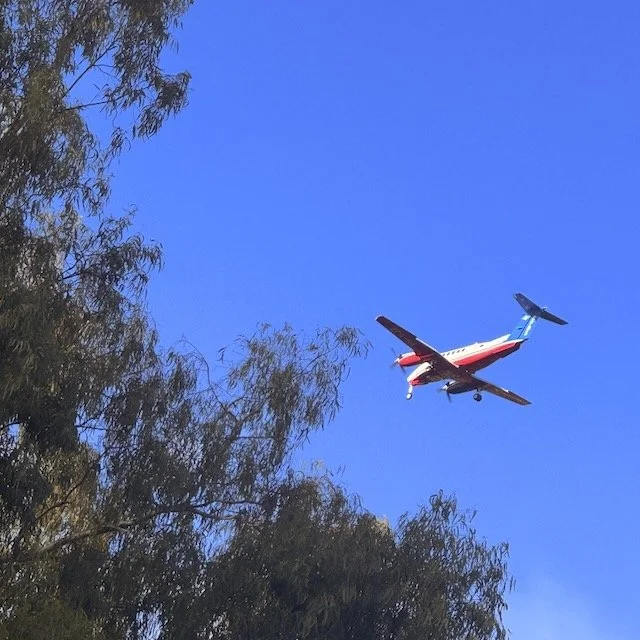
From there, we walked into the Charleville Airfield Museum, which is housed in the historic terminal building at the airport. The museum chronicles the airfield’s evolution from its 1920s beginnings through to its modern role, with memorabilia, interactive exhibits and purpose-built displays curated by dedicated volunteers. Charleville Airport has close historic ties with the birth of commercial aviation in Australia. In 1922, Qantas successfully tendered for a new government mail contract between Charleville and Cloncurry, and the airport was a key node in the early network. The WWII connections run deep, too. From 1942, the airfield was a top-secret US Army Air Force base, and B17 Flying Fortress bombers stationed here were used during the Battle of the Coral Sea. For Cameron, who has a well-established interest in all things aviation, this was a highlight.
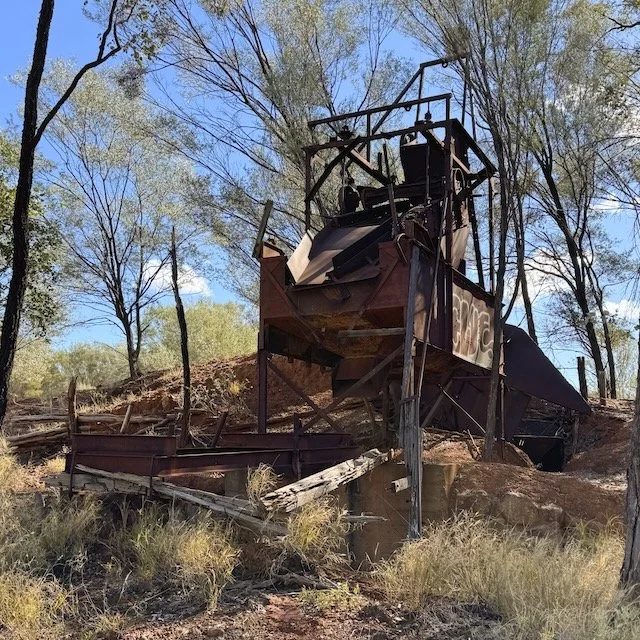
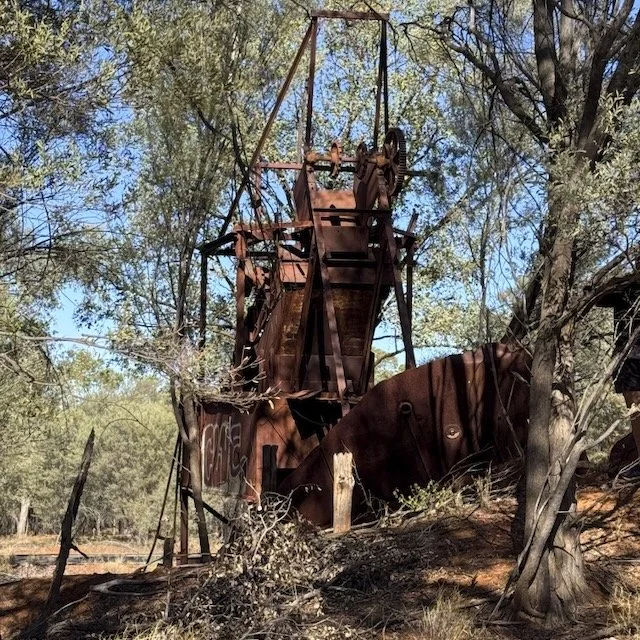
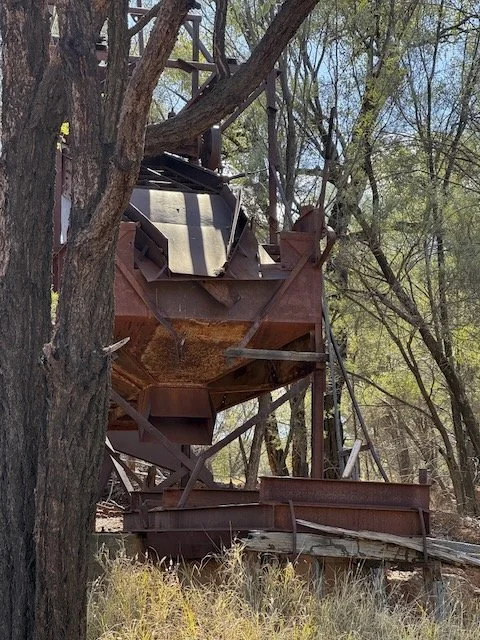
The last stop of the visit took us out of town toward the Rock Pool free camp on the Warrego Highway. We were looking for what had been listed as a WWII rock sorter near the site. What we found made perfect sense once you understood the context. The Rock Pool was once a quarry. The source of all the rock used to construct the runways at Charleville airport. The equipment left behind processed and sorted that rock for the job. Given the aviation history we’d spent the morning learning about, standing at the quarry that built the runways was a satisfying circle to close.
We couldn’t resist popping out to see Mark at the Outback Date Farm on the way out of town to pick up some delicious fresh Australian dates, date loaf and sticky date pudding for dessert that night! Make sure you book a tour when you are in town, you might just learn a thing or two about Aussie dates!
Charleville keeps giving. Four visits in and we’re still finding things. That’s not something every town manages.
More outback Queensland in the Travel Dispatch. Sign up HERE
Check out our full guide to the best things to do in Charleville! Click HERE
Charleville, Queensland
Charleville sits on the Warrego River in south-west Queensland, approximately 745 kilometres west of Brisbane. It is the largest town in the Shire of Murweh and serves as the regional centre for a vast area of outback Queensland. The town has strong connections to Australian aviation history, WWII, the Royal Flying Doctor Service, and the pastoral industry. For a full overview of Charleville's main attractions, see our earlier posts: Charleville, Charleville: Second Visit, and Traveller's Notes: The Bilby Experience.
Angellala Creek Explosion Site
Located 30 kilometres south-west of Charleville on the Mitchell Highway, the Angellala Creek explosion site is signposted and features interpretive displays that tell the story of the 2014 incident. There is a sealed pull-off area suitable for caravans, motorhomes and camper trailers.
How to Get There
Charleville is approximately 745 kilometres west of Brisbane via the Warrego Highway. From Cunnamulla, it is about 200 kilometres north on the Mitchell Highway. Roads are sealed throughout and suitable for caravans and motorhomes. The Angellala Creek explosion site is 30 kilometres south on the Mitchell Highway, well signposted with a dedicated turning area.
What to See / Tours / Activities
What we did:
Stopped at the Angellala Creek explosion site on the way in from Wyandra.
Stayed at Cobb and Co Caravan Park.
Walked the heritage streetscape and visited the Hotel Corones.
Watched the Bureau of Meteorology weather balloon release at 9.15am at the airport.
Visited the Charleville Airfield Museum in the historic terminal building.
Drove out to the Rock Pool and explored the WWII-era rock quarry site.
Other highlights nearby:
Cosmos Centre and Gondwana Stars Observatory, for night sky sessions.
RFDS Visitor Centre, Charleville.
Charleville Bilby Experience, Save the Bilby Fund.
WWII Secret Base experience at the Cosmos Centre precinct.
Wyandra, 110 kilometres south on the Mitchell Highway, with its river beach and sunset views.
When to Visit
Charleville is a year-round destination. The Airfield Museum is open during airport operating hours. The weather balloon is released daily at 9.15 am regardless of the season. The Rock Pool free camp is accessible year-round but can flood after heavy rain. Summer temperatures are extreme. Autumn through spring is the most comfortable time to visit.
Final Thoughts
After four visits, Charleville is still producing hidden gems! The Angellala Creek stop alone is worth slowing down for; it's a sobering and remarkable piece of recent Queensland history. Add the aviation museum, the weather balloon, and the quarry that built the runways, and you’ve got a very different day from the one most people have in Charleville.
Go looking for the things that aren’t on the main itinerary. They’re usually worth finding. For everything else, make the information centre your first stop as you can book all tours through them.
What's Nearby
We came from Wyandra, which we’ve written about HERE. The road north from Charleville heads toward Tambo, Blackall and the Landsborough Highway. West from here is Quilpie and the opal country beyond.

Wyandra, QLD
📍 Approx 99km South from CharlevilleStop at Wyandra halfway between Cunnamulla and Charleville. Free camping, outback burgers at the post office, a river beach and some of outback Queensland's best sunsets.
Read the full story ->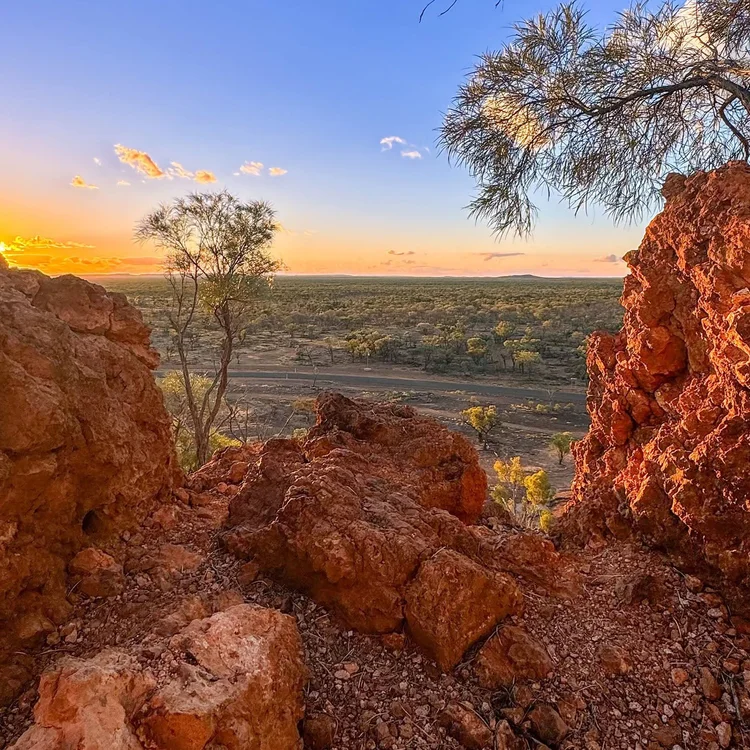
Quilpie, QLD
📍 Approx 211km West from CharlevilleQuilpie might be a small town, but it delivers big when it comes to outback charm and incredible views.
Read the full story ->
Tambo, QLD
📍 Approx 200km North from CharlevilleVisit Tambo, QLD! Pick your Tambo Teddy, watch the chicken races, and find the site of Qantas's first crash in 1927. Free camping at Stubby Bend on the Barcoo River.
Read the full story ->There’s always more to find. The Travel Dispatch keeps track of it — sign up HERE
Fast Facts
Location: Charleville, Queensland
Distance: 745km west of Brisbane; 200km north of Cunnamulla
Traditional Owners: Bidjara People
Access: Sealed roads throughout; Warrego and Mitchell Highways
Facilities: Cobb and Co Caravan Park; full town facilities; free camp at Rock Pool 10km east
Walking Track: Heritage walk through town; river access at Warrego River
Best Time to Visit: April to October
Dog Friendly: Yes (Rock Pool free camp; check individual attractions)
Things That Could Kill You (Probably Won’t)
A semi-serious guide to surviving Australia. Mostly common sense, occasionally luck.
The Angellala Creek site: Stand at that bridge and think about 52 tonnes of ammonium nitrate. Then drive carefully.
The weather balloon: Hydrogen hazard. The sign means it. Stay 20 metres back.
A fourth visit to Charleville: You will find more things you haven’t done. Allow extra days.
If this post helped, you can support our work here.

Other updates you may like…


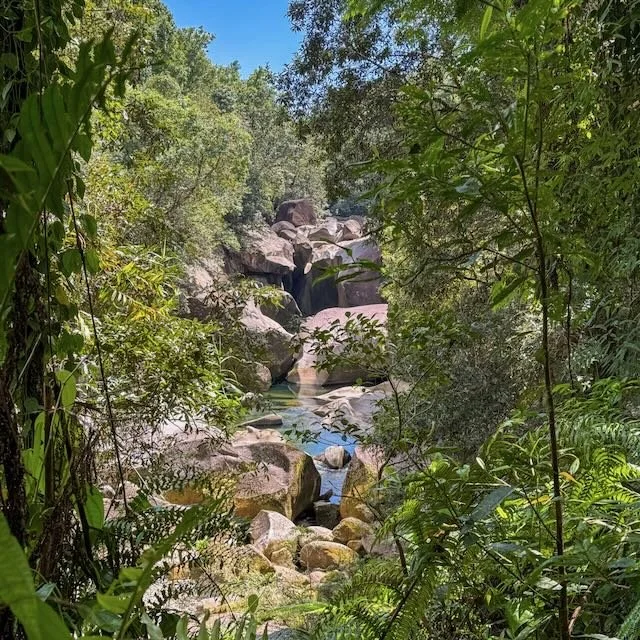
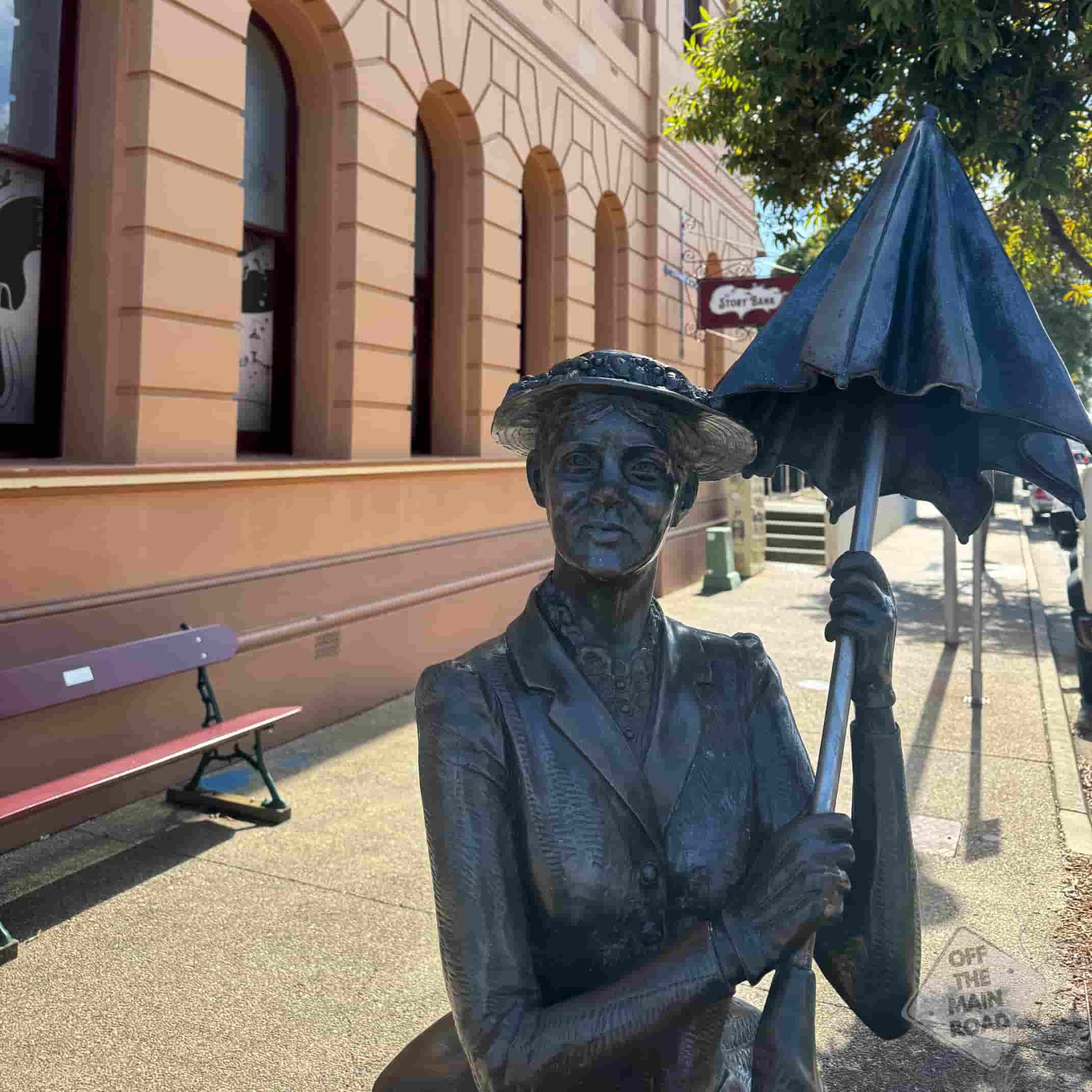


A solo flight to Lady Elliot Island brought a famously short grass runway, an hour in the lagoon, guano mining history, a 150-year-old lighthouse, a communal buffet, and an afternoon among turtles, manta rays and coral gardens.