Tully: The Wettest Town and a Giant Boot
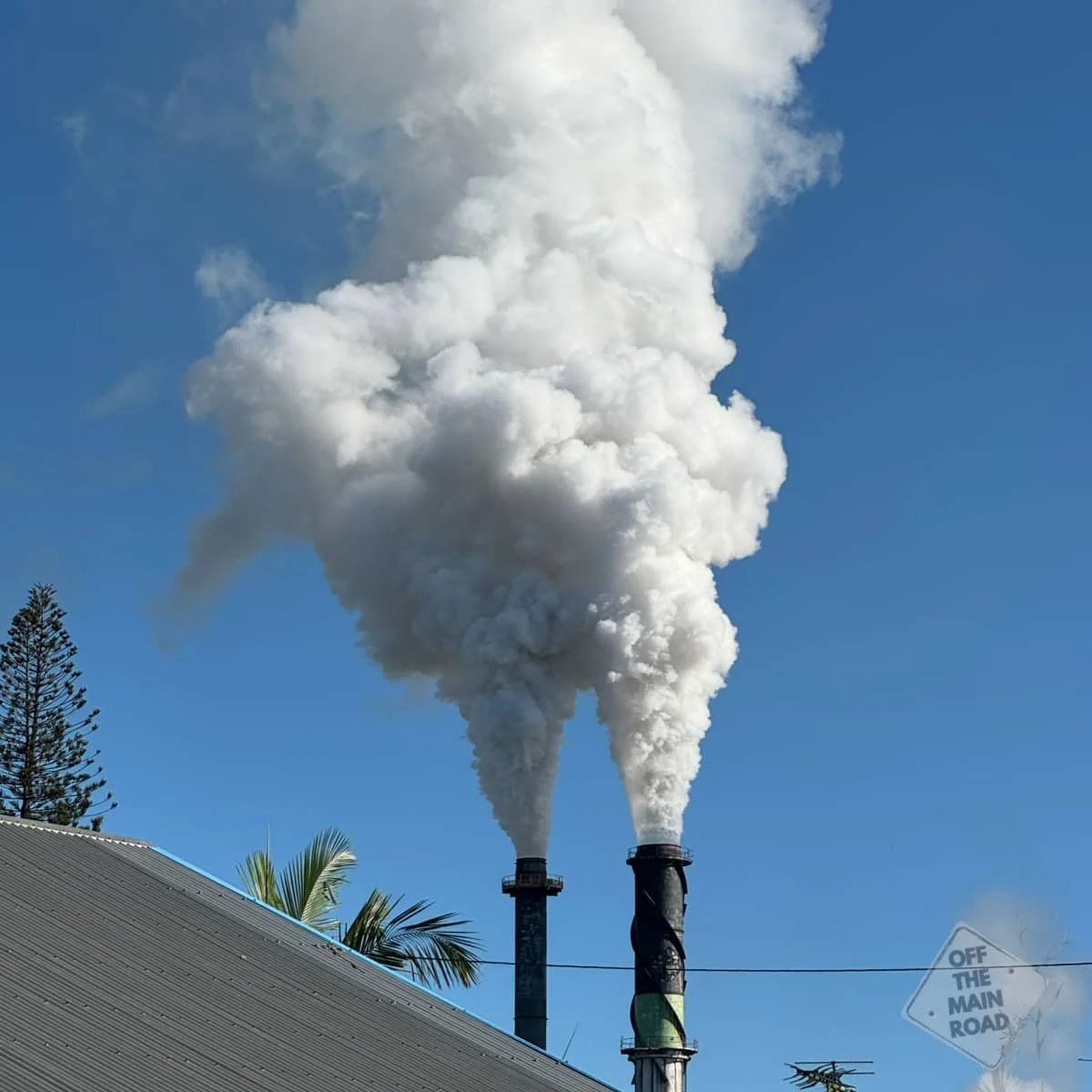
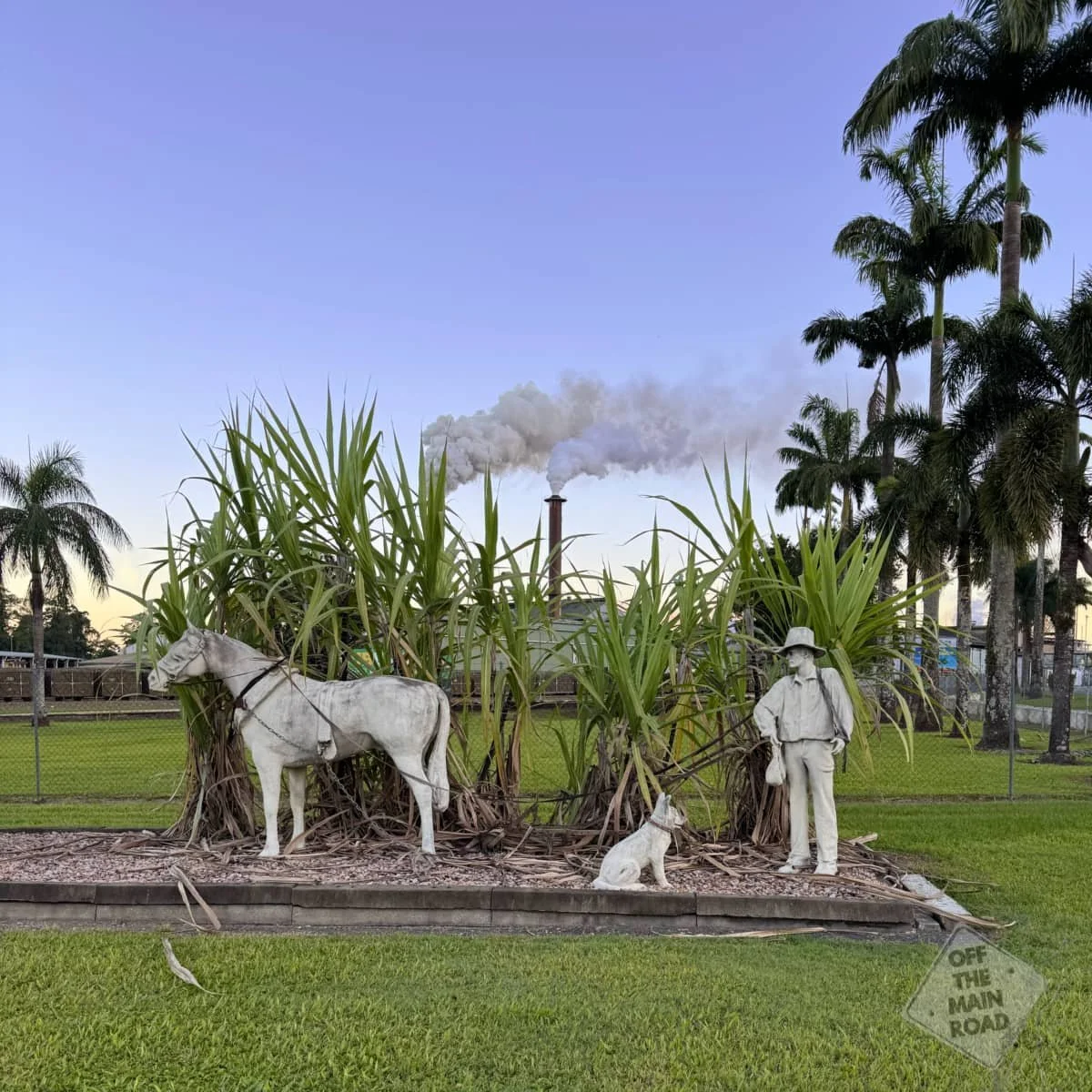
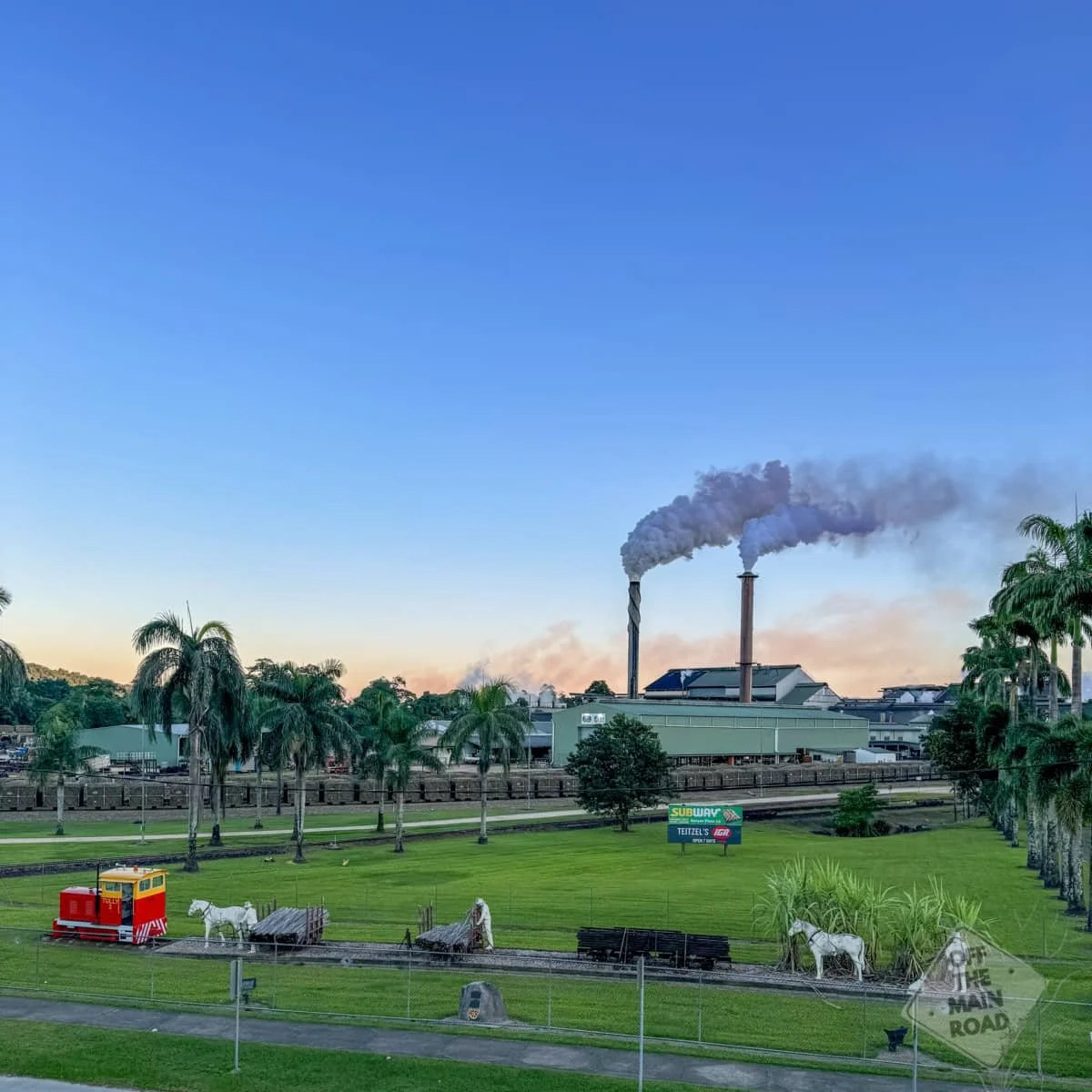
You smell Tully before you see much of it. Drive into town during the crushing season, and the air is thick with the sweet, heavy scent of processing sugar, and great clouds of steam pour from the mill in the middle of town. It is a working place, unmistakably, a sugar town going about its business, and that smell in the air tells you exactly what Tully does for a living before you have read a single sign.
We stayed at the Tully Caravan Park and spent our time wandering the town, and Tully is a good town for wandering. It sits just off the Bruce Highway in the heart of the Cassowary Coast, hemmed in by green hills and cane fields, and it has two claims to fame that it wears with obvious pride. It is one of the wettest towns in Australia. And it has built a giant golden gumboot to prove it.
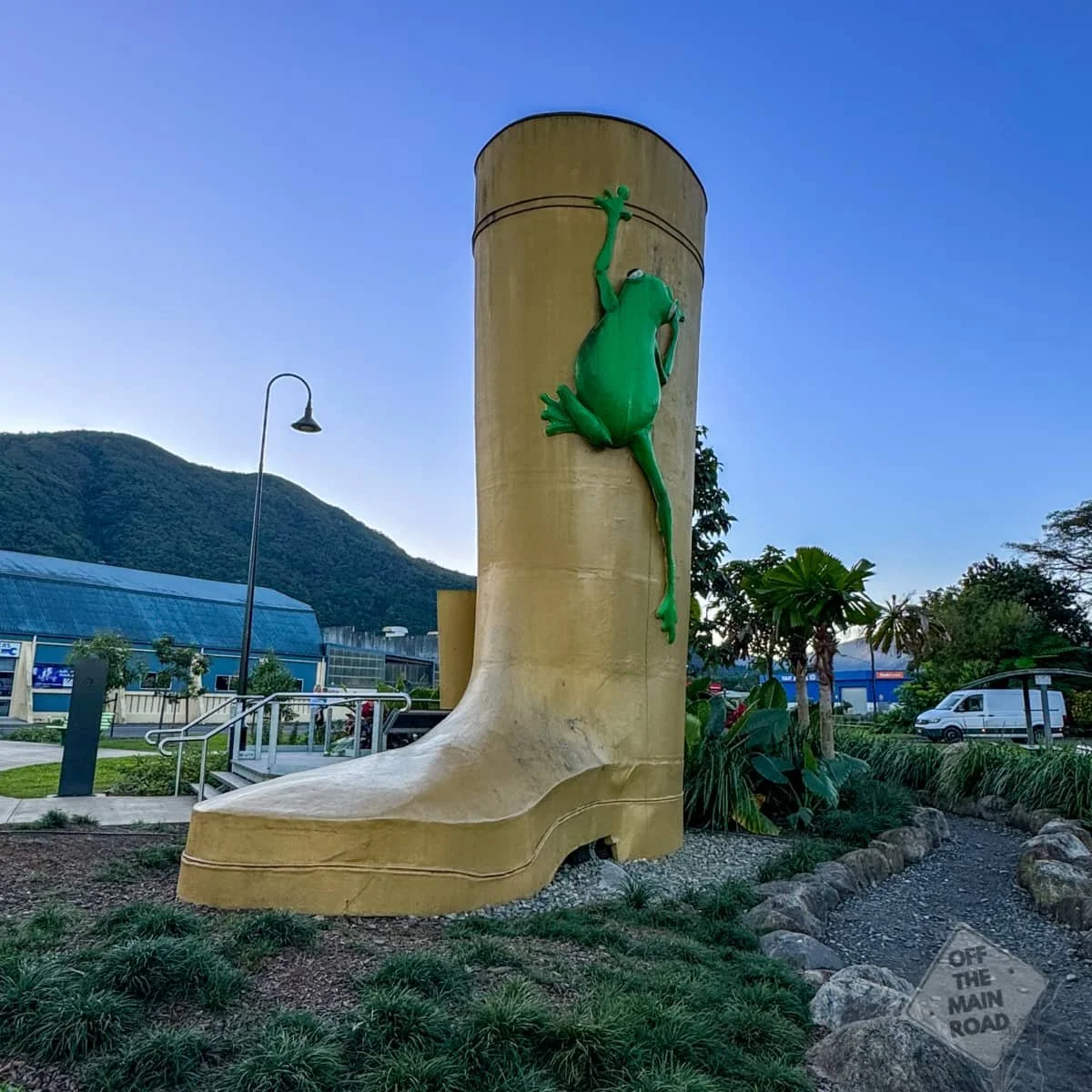
The gumboot is the thing everyone stops for, and the story behind it is better than you would guess. Back in the 1970s, an ABC reporter coined the phrase "the Golden Gumboot" for the unofficial contest between the three wettest towns on this coast, Tully, Innisfail and Babinda, each vying every year for the title of wettest town in Australia. A rubber boot was the prize. The rivalry was fierce, the rainfall gauges were watched closely, and there were mutterings of "fair and honest cheating" in the measuring. It was all in good fun, but Tully had a trump card the others could not match. In 1950, the town recorded 7,900 millimetres of rain in a single year, the highest annual rainfall ever measured in a populated place in Australia. To put that in perspective, 1,320 millimetres of it fell in just 48 hours.
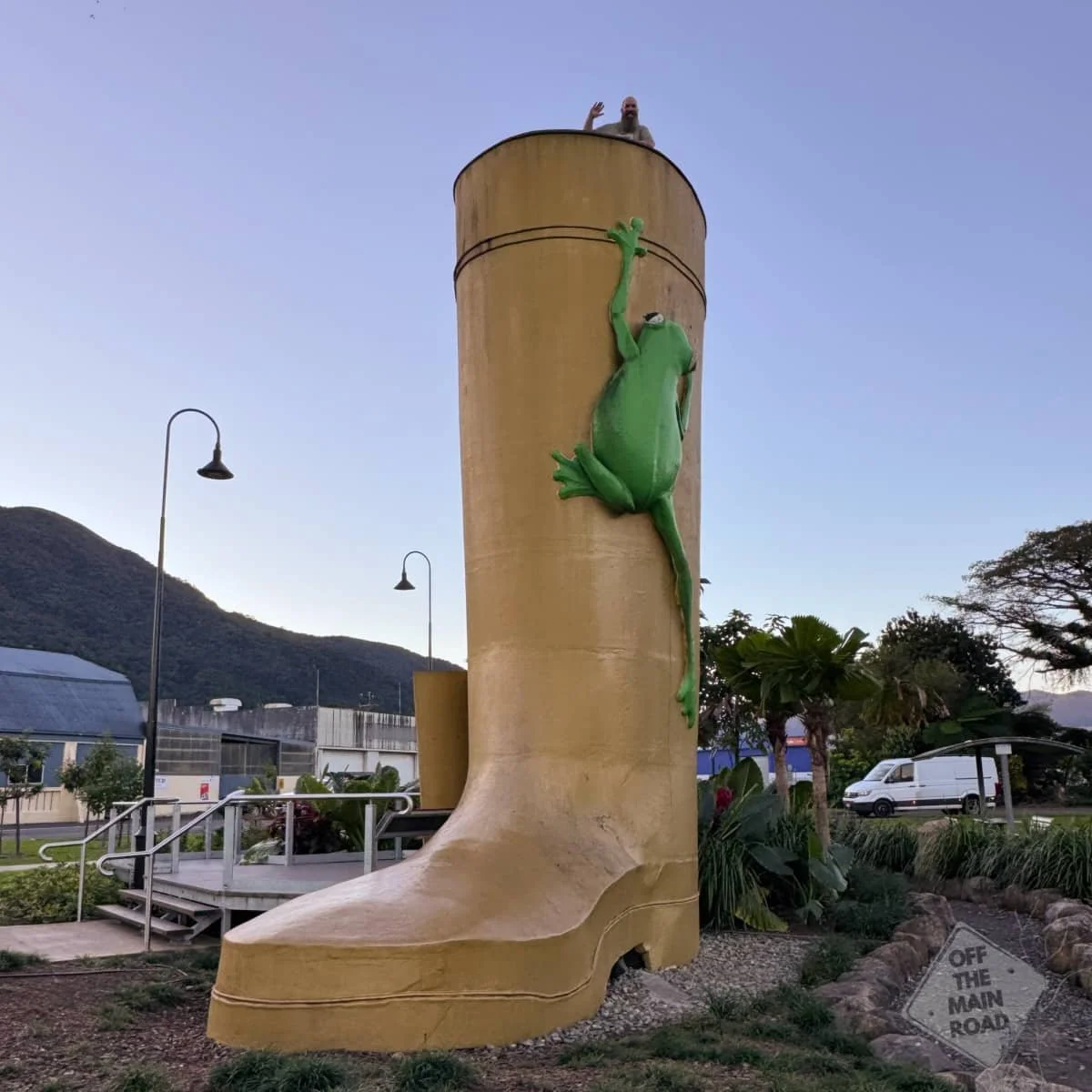
So in 2003 the town built a monument to its sodden glory, and here is the clever part. The Golden Gumboot stands 7.9 metres tall, exactly the height of that 1950 rainfall. Stand at the base and look up, and you are looking at how deep the water would have stood if a year's worth of Tully rain had fallen and stayed put. It is a wonderfully literal thing, a giant boot measuring the rain in the most direct way possible. A green tree frog climbs the outside, a nod to the rainforest, and inside a spiral staircase winds up past photographs of the town’s many floods to a viewing platform at the top. Cameron climbed it, of course, and got the reward, a view out over the town and the steaming sugar mill next door.
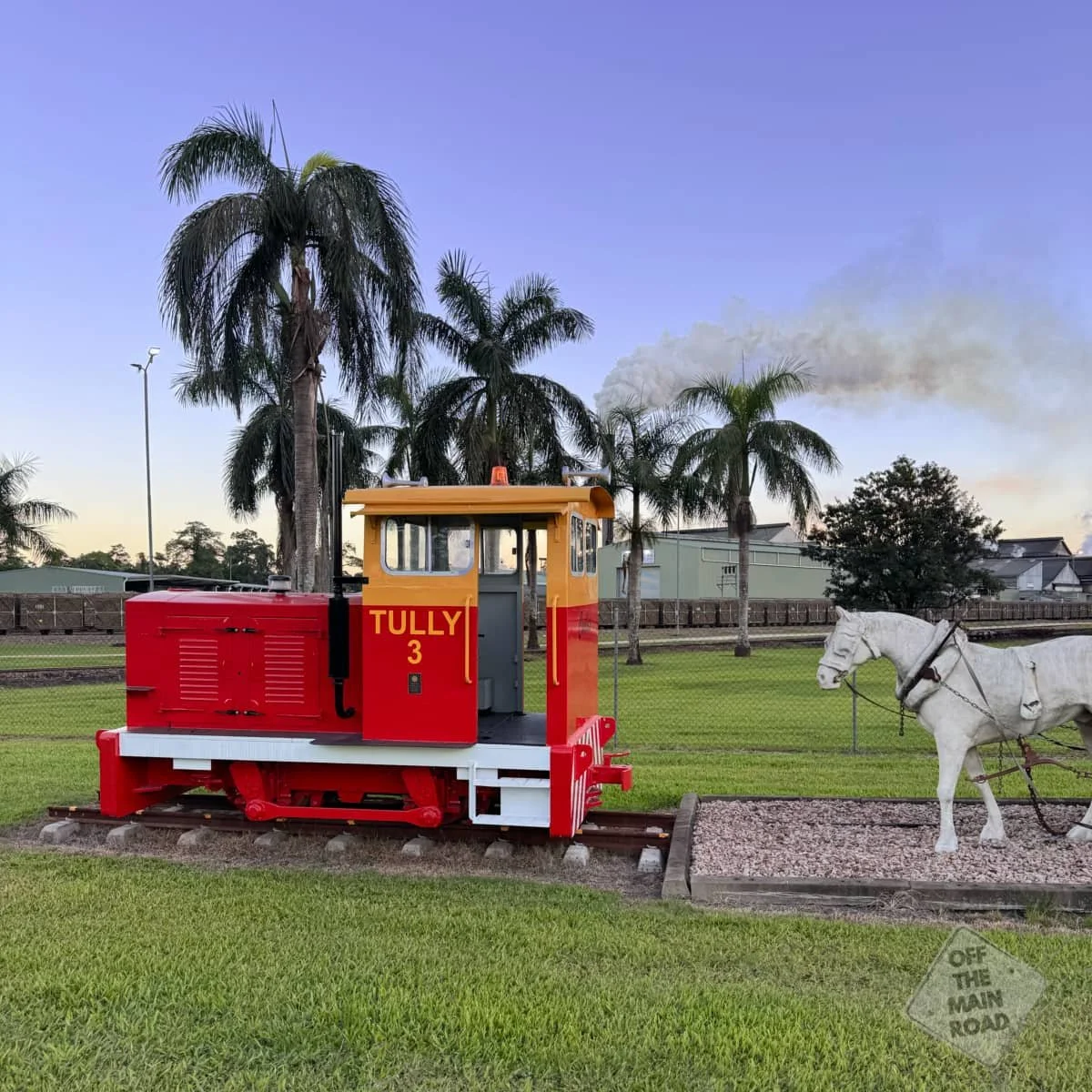
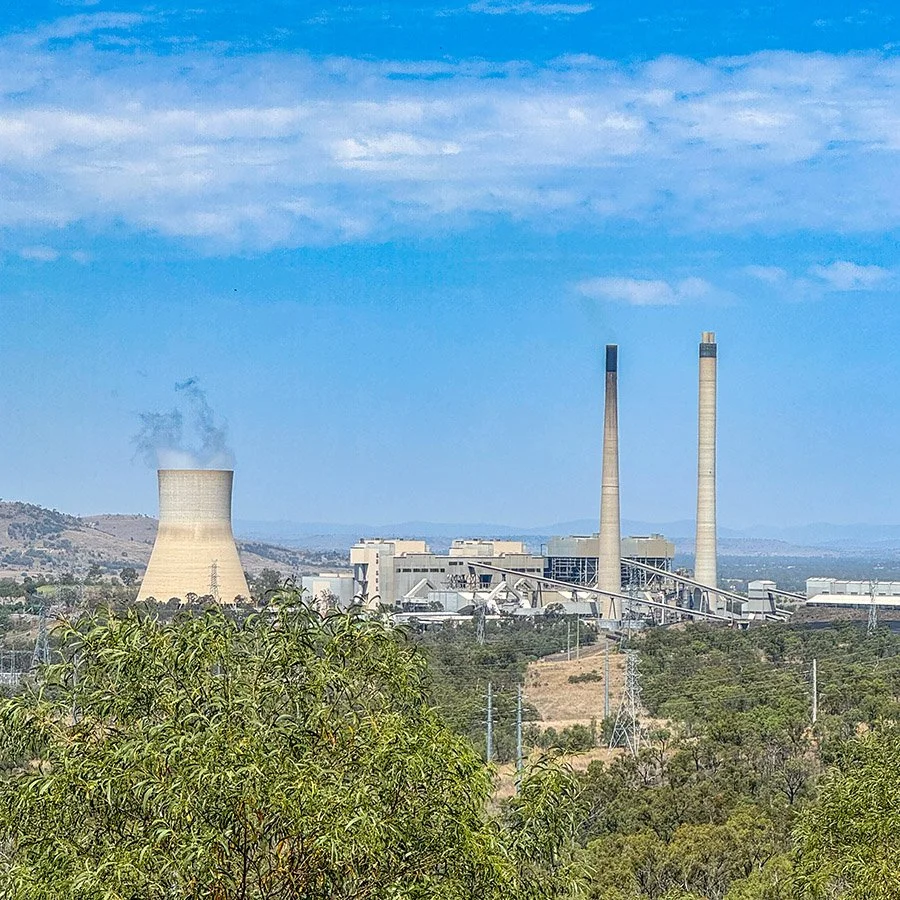
That mill is the other half of Tully’s story, and the source of the smell and the steam. The Tully Sugar Mill crushes around two million tonnes of cane a year through the harvest season, roughly June to November, and it has been the beating heart of the district for a century. In the crushing season, the mill runs day and night, the cane trains rattle in along their narrow-gauge tracks, and the whole town smells of it. If you are here in season and the timing is right, the mill runs tours, which are worth doing if you have any curiosity about where your sugar comes from. Even if you do not tour it, the mill is a presence you cannot ignore, and it is a big part of what gives Tully its unpolished, working character.
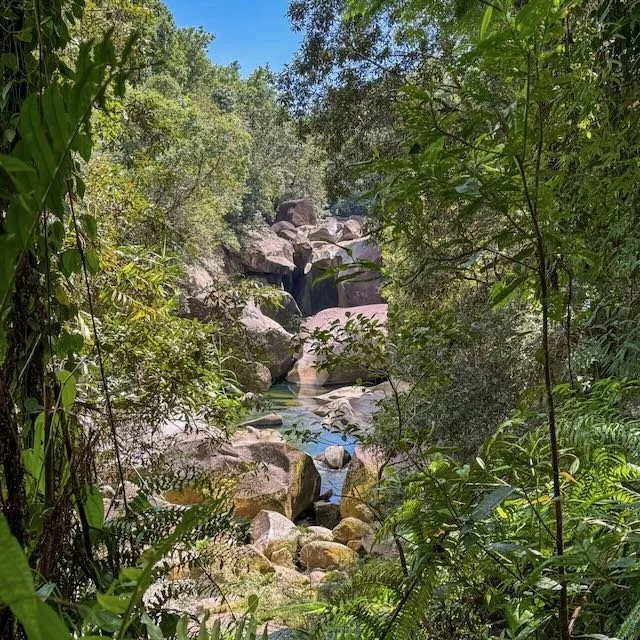
We kept our visit simple: the caravan park, a wander through town, the gumboot and the smell of sugar. But Tully sits at the doorstep of a lot more, if you have the time and the gear. The Tully River is one of the best white-water rafting rivers in the country, run daily by commercial operators through a spectacular rainforest gorge, its flow topped up by releases from the hydro dam upstream. Tully Gorge National Park runs up into the ranges behind town, all rainforest and lookouts and the gorge itself. And the coast is close, with Mission Beach and its long tropical sands just to the east. Tully makes a sensible base for any of it.
By the time we moved on, Tully had left its mark, mostly through our noses. There is something honest about a town that does not dress itself up, that smells of its industry and builds a monument to its rain. We came for a caravan park and a giant boot, and left with a soft spot for a working town that knows exactly what it is.
If you like the towns with a bit of character and no pretension, our Travel Dispatch is full of them. You can sign up HERE
Tully
Tully is a sugar-milling town in the Cassowary Coast region of Tropical North Queensland. Set among cane fields and green hills, it is one of the wettest towns in Australia, holding the national record for the highest annual rainfall in a populated area, and it is famous for the Golden Gumboot monument that marks it. The town is built around the Tully Sugar Mill and sits at the gateway to the Tully River, one of Australia’s premier white-water rafting rivers, and Tully Gorge National Park.
How to Get There
Tully sits just off the Bruce Highway, about 140 kilometres south of Cairns and 210 kilometres north of Townsville, so it is an easy stop on the main coastal run. The highway is fully sealed and suitable for all vehicles and motorhomes. Tully is also on the Brisbane to Cairns rail line. The town centre, with the Golden Gumboot and the sugar mill, is a short and well-signed detour off the highway. Mission Beach, on the coast, is about a 20-minute drive east.
What to See and Do
What we did:
Stayed at the Tully Caravan Park.
Wandered the town and took in the steam and the sweet smell of the working sugar mill.
Visited the Golden Gumboot and climbed the internal staircase to the viewing platform.
Other highlights nearby:
The Tully Sugar Mill, which runs tours during the crushing season (roughly June to November).
White-water rafting on the Tully River, run daily by commercial operators through the rainforest gorge.
Tully Gorge National Park, for rainforest, lookouts and the gorge.
Mission Beach, about 20 minutes east, for long tropical sands and the cassowaries of the coast.
When to Visit
The dry season, from about May to October, gives the most comfortable weather and coincides with the sugar crushing season, so it is the best time to catch the mill at work, take a tour, and enjoy the town without the heaviest of the rain. It is also prime season for rafting the Tully River. The wet season, from November to April, lives up to the town’s reputation: hot, humid and very wet, with the chance of cyclones and flooding, though the river runs its wildest and the country is at its greenest. Whenever you come, be prepared for a shower. This is, after all, the wettest town in the country.
Final Thoughts
Tully is not a town that puts on airs, and that is exactly its appeal. It smells of sugar and celebrates its most famous quality, relentless rain, with a giant golden boot you can climb. There is something genuinely likeable about a place so comfortable in its own skin. Bring a raincoat, climb the boot, breathe in the sugar, and enjoy Tully for exactly what it is.
What’s Nearby
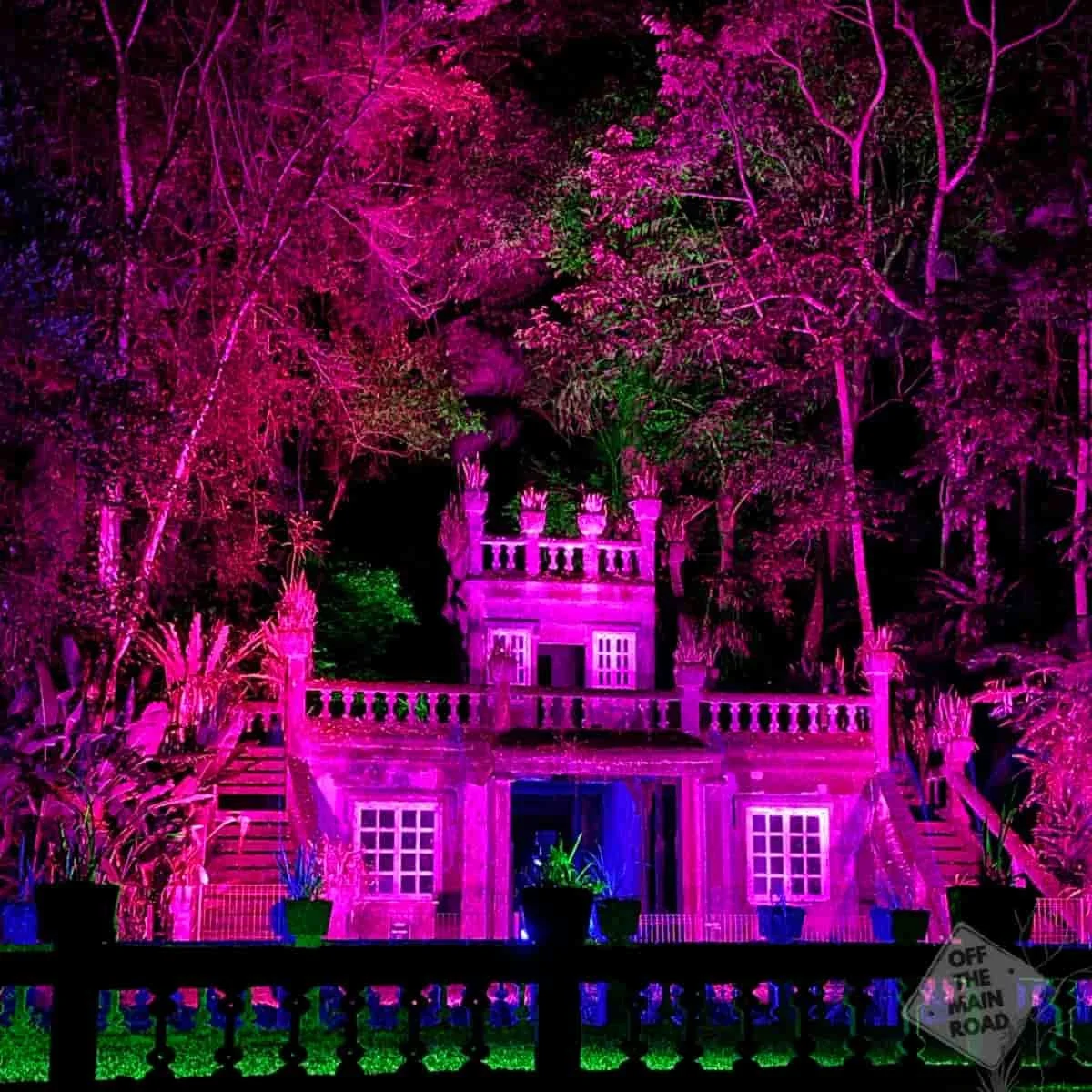
Tully sits on the coastal run north of Cardwell and south of Innisfail and Cairns. Just east is Mission Beach and the coast, while inland the Tully River and Tully Gorge run up into the ranges. Further north on the way to Cairns are the rainforest castle ruins of Paronella Park, another of the Cassowary Coast's essential stops.
We share the working towns and the quiet coast alike through our Travel Dispatch. If that is your pace, you can join usHERE

Fast Facts
Location: Tully, Cassowary Coast, Tropical North Queensland, off the Bruce Highway
Distance: About 140km south of Cairns; 210km north of Townsville
Traditional Owners: Girramay and Djiru peoples
Access: Fully sealed highway, all vehicles. On the Brisbane to Cairns rail line
Facilities: Fuel, food, supplies, accommodation, caravan parks, visitor centre. Full services in town
Claim to Fame: Wettest town in Australia by record (7,900mm in 1950); the 7.9m Golden Gumboot
Don’t Miss: The Golden Gumboot; the sugar mill (tours in crushing season); the Tully River for rafting
Best Time to Visit: Dry season, May to October (also the sugar crushing and rafting season)
Dog Friendly: Town yes (on lead); not permitted in Tully Gorge National Park
Things That Could Kill You (Probably Won’t)
A semi-serious guide to surviving Australia. Mostly common sense, occasionally luck.
The rain and floods: Tully is the wettest town in the country for a reason. In the wet season, roads flood and creeks rise fast. Check conditions and do not cross flooded roads.
The Tully River: Superb rafting, but it is serious white water run through a dam-fed gorge. Go with a licensed commercial operator, never on your own.
Cassowaries: This is the Cassowary Coast, and you may see one near Mission Beach or the rainforest edges. They are large, powerful and wild. Never approach or feed them, and give them plenty of room.
The heat and humidity: Tropical North Queensland is hot and sticky most of the year. Hat, water, and take it easy in the middle of the day.
Other updates you may like…



Updated September 2026
Beach walks, local markets, and whales in calm blue water. Hervey Bay is the coast at its most easygoing. Perfect for slow mornings, sea breezes, and a good reminder to pause for a while.