Maryborough: Mary Poppins to Golden Thrones
Some towns hand you a surprise or two. Maryborough hands you a whole streetful, with a straight face and a wink at the same time.
We came expecting a pleasant heritage town on the way through, and we left having visited the birthplace of Mary Poppins, stood in a smugglers’ bond store where opium was once perfectly legal, browsed the Hervey Bay Art Society’s 42nd Annual Competitive Art Exhibition and, for the grand finale, had a guided tour of a public toilet complete with a golden throne. Maryborough takes its history seriously while refusing to take itself too seriously, and that combination makes it one of the most quietly delightful stops.
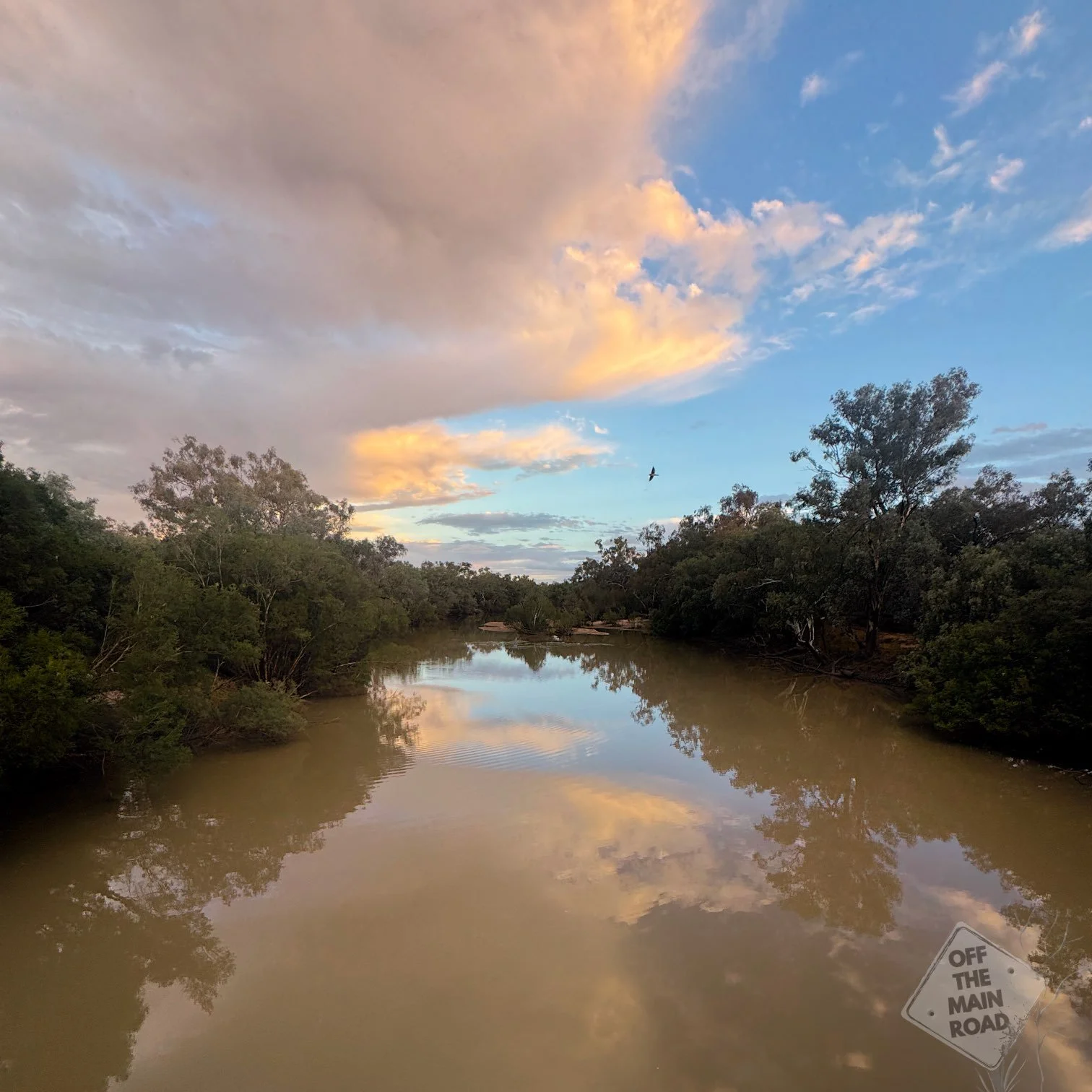
Maryborough sits on the Mary River in the Fraser Coast region, a little inland off the Bruce Highway about 255 kilometres north of Brisbane. Most people barrel past it on the way to Hervey Bay and K’gari, and that is their loss, because this is one of Queensland’s oldest and most interesting cities.
Established in 1847, it grew rich through wool, timber, sugar and shipping, and in its heyday it was one of the most important ports in the country. All that old money built a town full of grand buildings and wide streets. We gave Maryborough a proper day, and could easily have given it two.
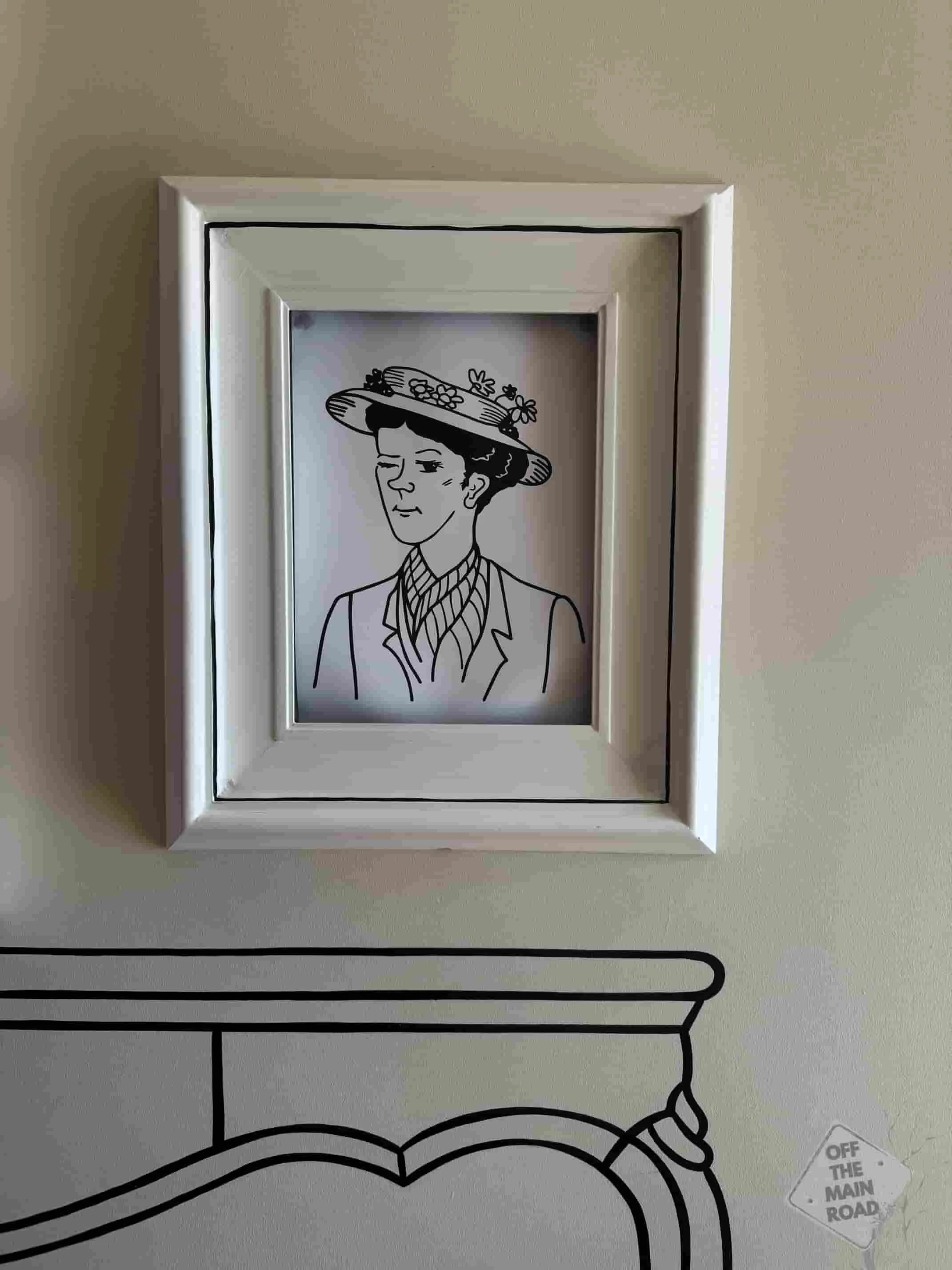
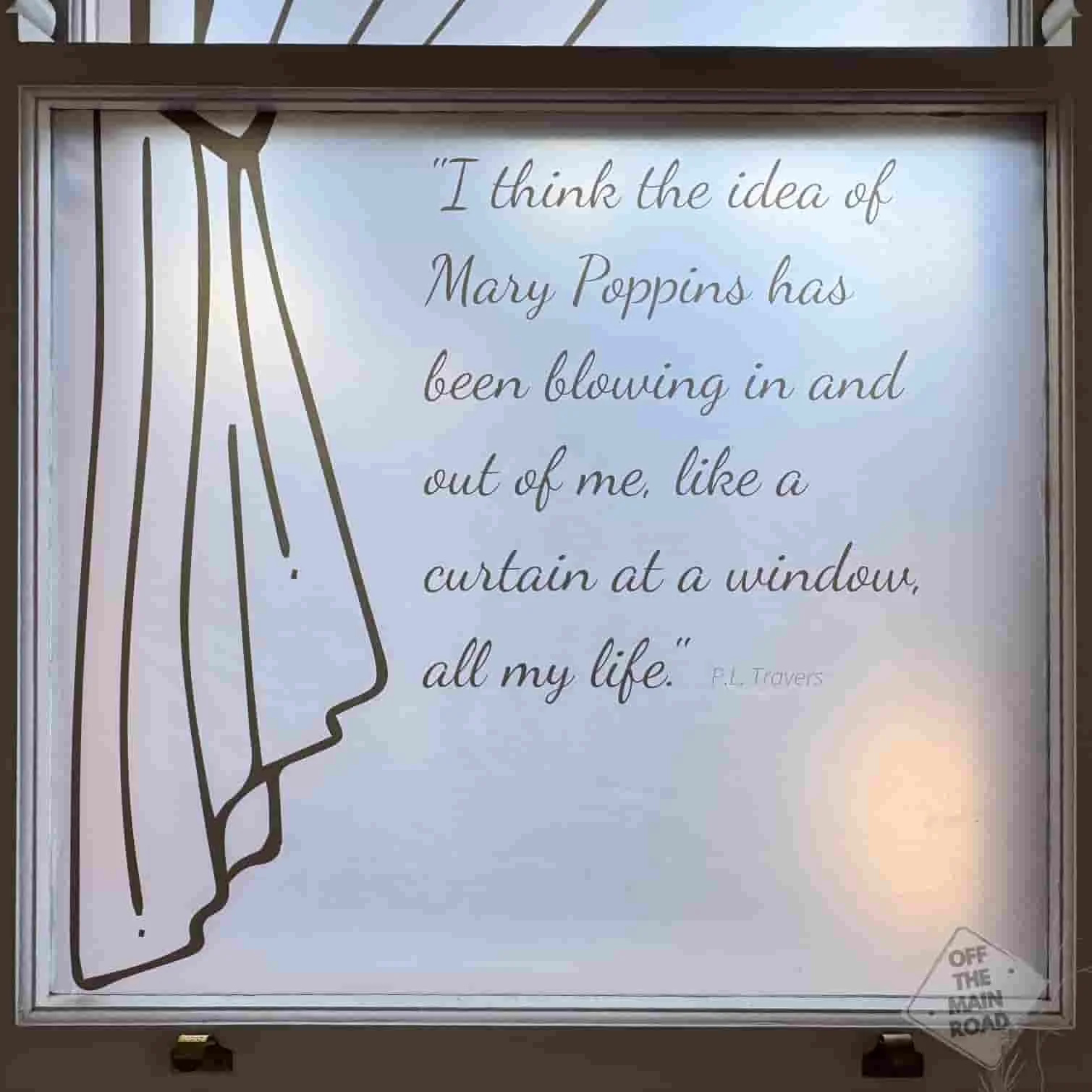
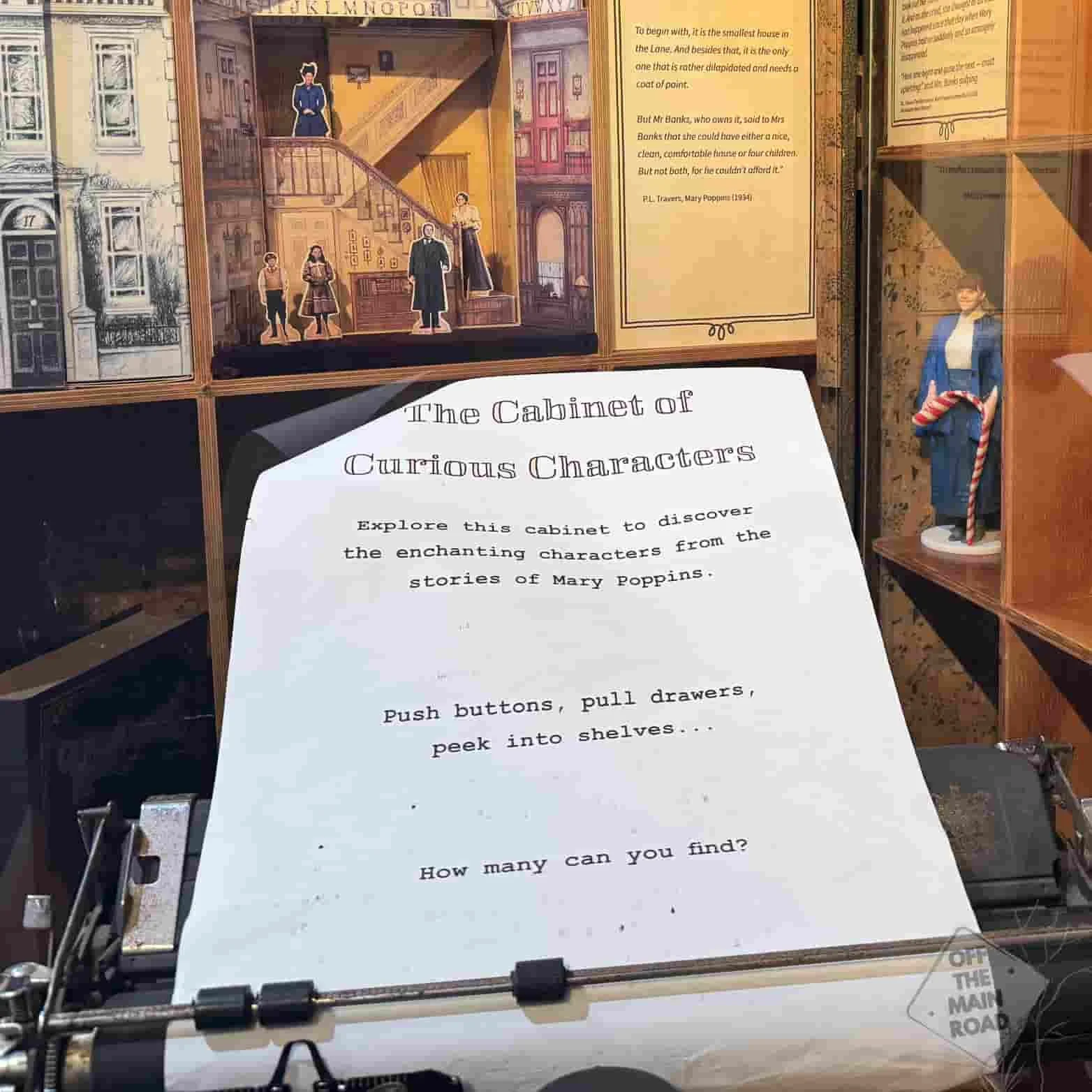
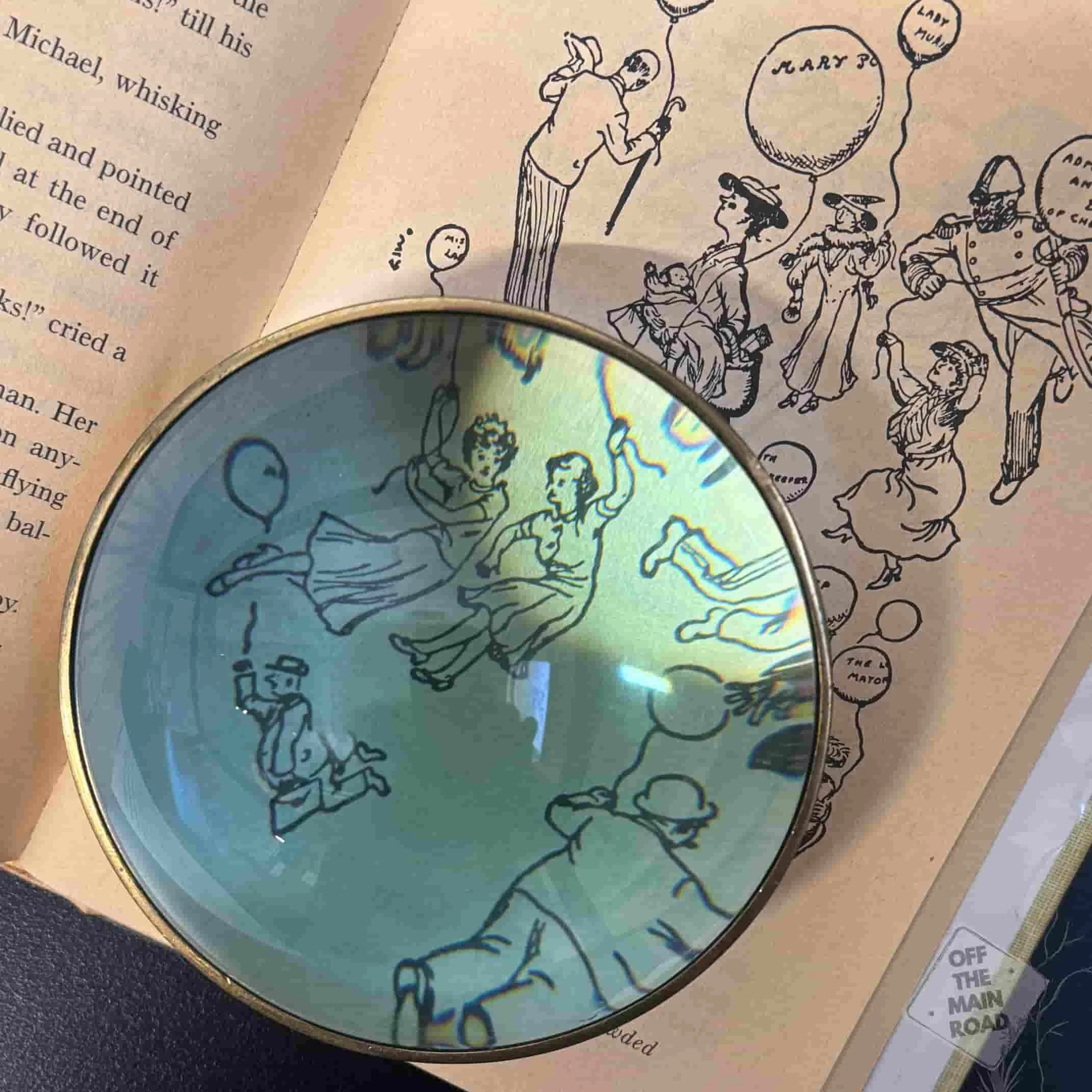
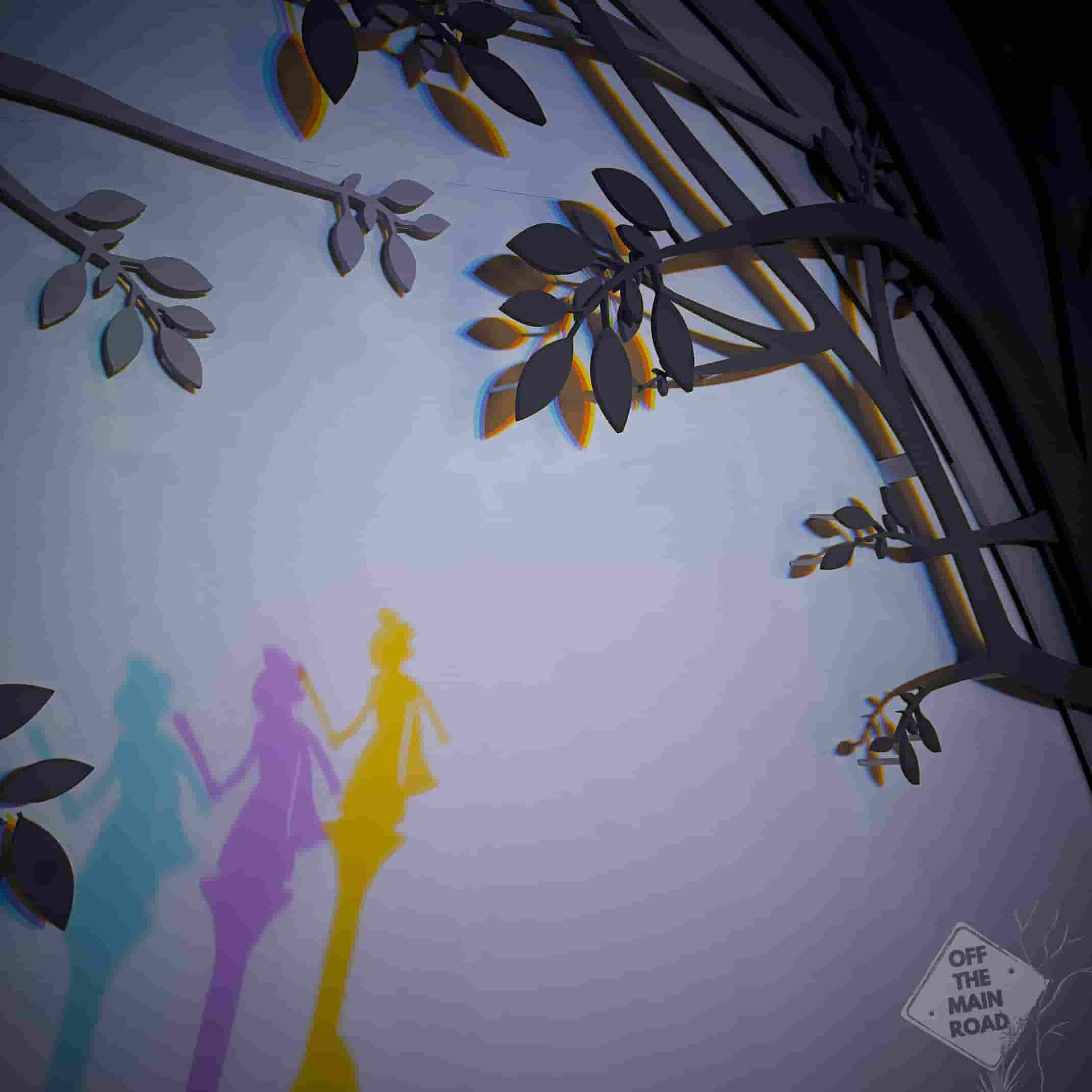
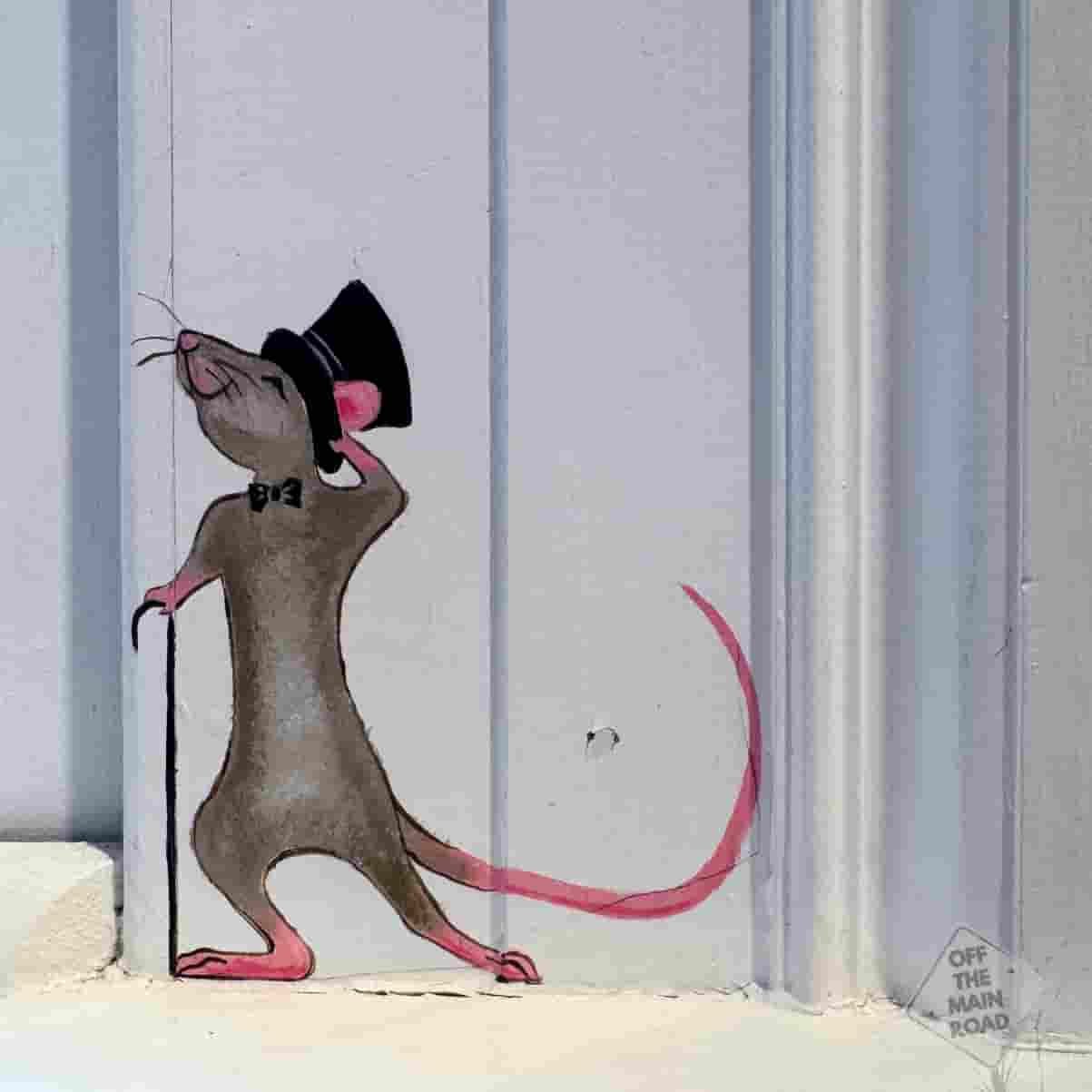
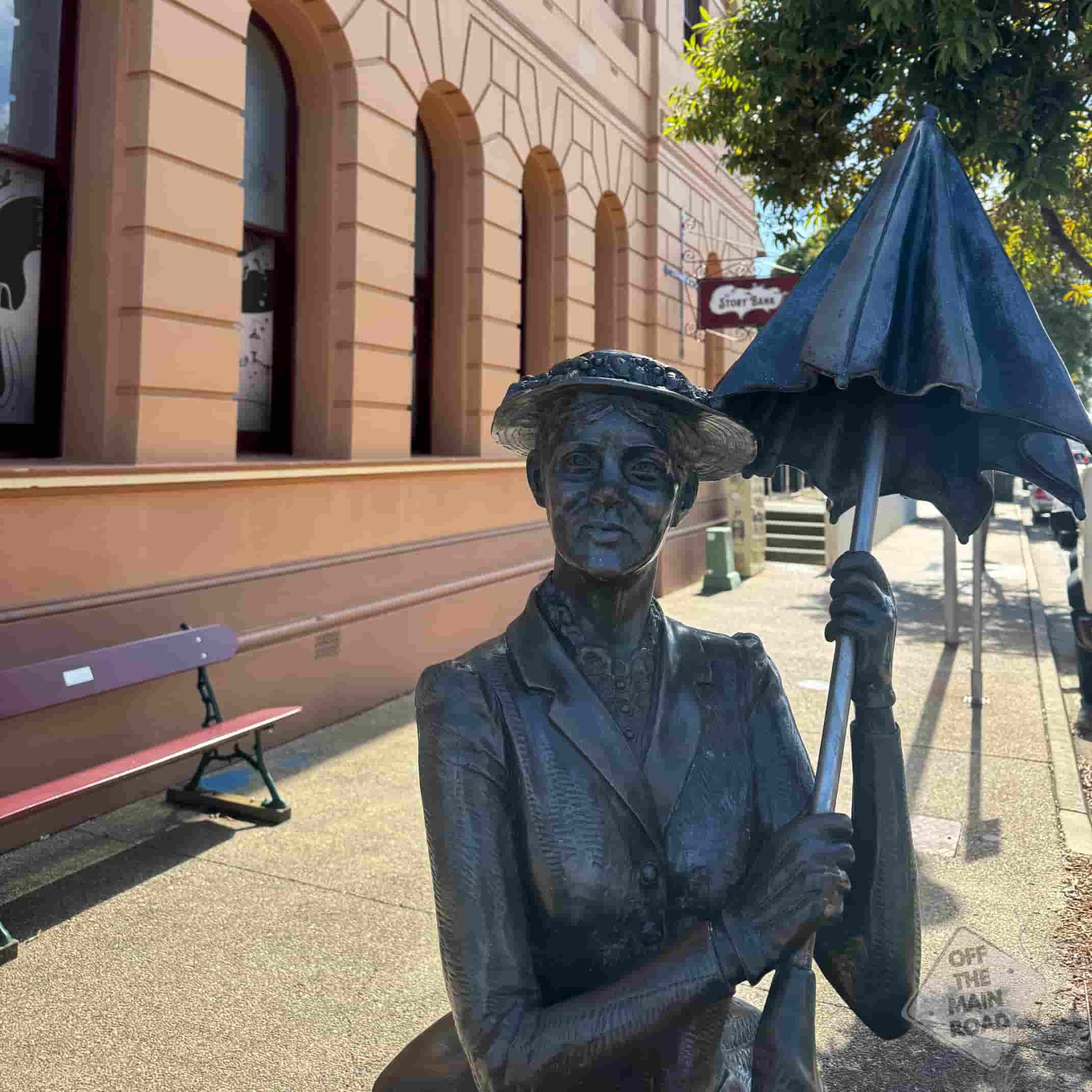
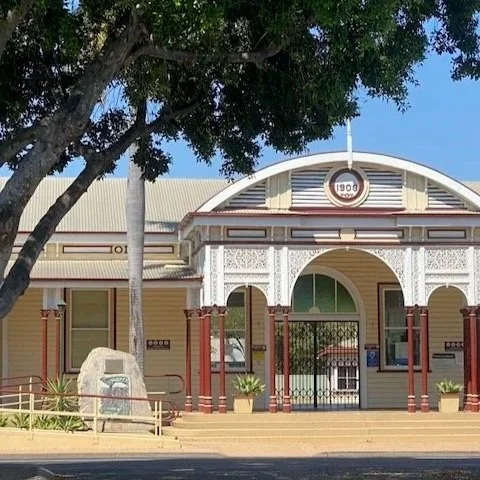
The obvious place to begin is with the town’s most famous export, though you would never guess her fame from her name. Helen Lyndon Goff was born here in 1899, in the building that was then the Australian Joint Stock Bank, where her father was the manager. She grew up to write under the name P.L. Travers and created Mary Poppins. That childhood home is now the Story Bank, an interactive museum about Travers, her most famous creation, and the craft of storytelling itself. It is genuinely excellent. It is playful, clever and hands-on, with shadow puppets, a colouring wall, touchscreens, a phone that rings for you to answer, and around twenty little mice hidden throughout the building for you to find with your map and pencil.
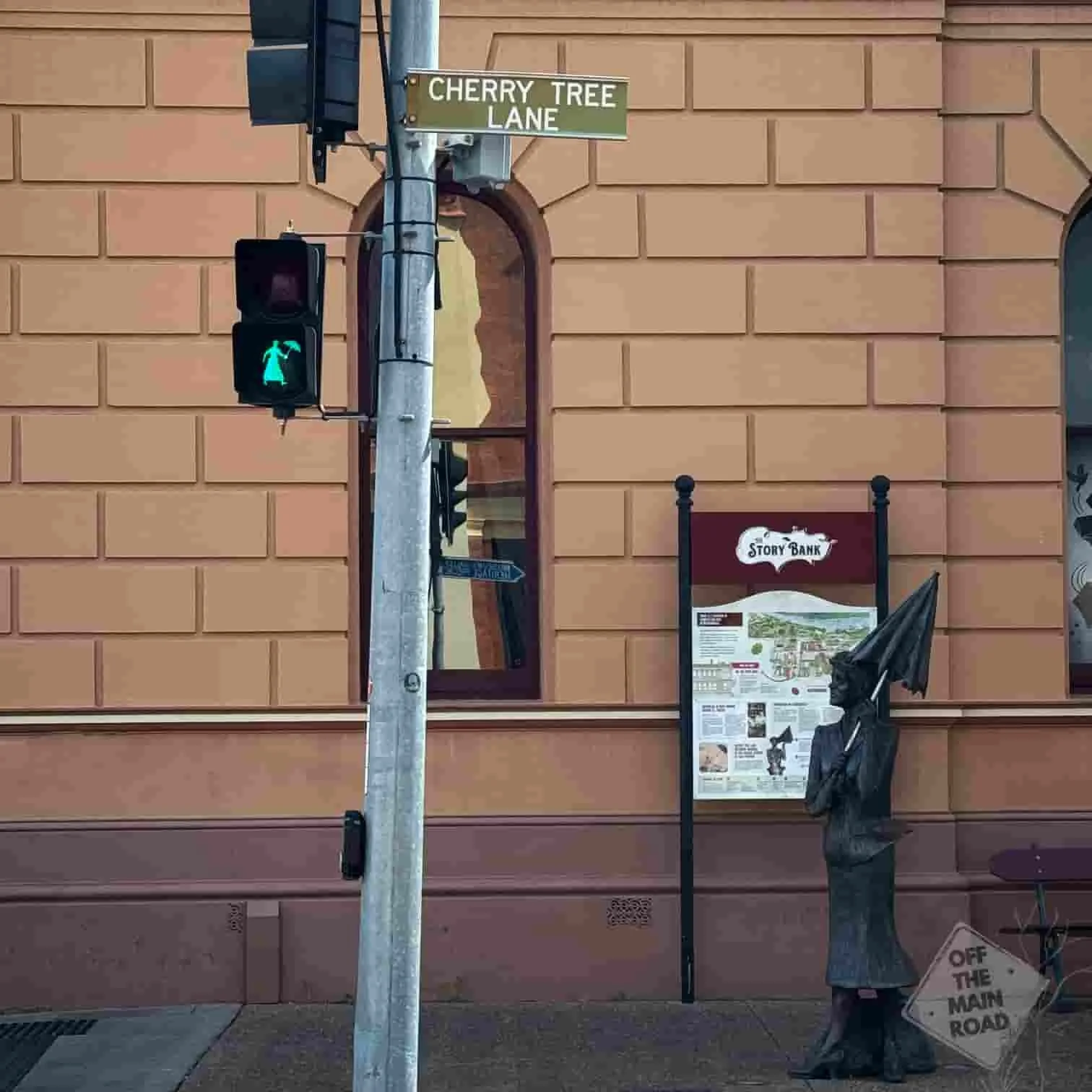
The museum leans into a lovely theory: a magical nanny who works for a bank manager might have been inspired by the aunt of a bank manager’s daughter from a town called Maryborough. Whether or not that is true, the town has embraced its Poppins connection with open arms, right down to the pedestrian lights, which show a little umbrella-toting nanny instead of the usual walking figure.
From the Story Bank, we wandered down to the Portside precinct on the river and into the old Bond Store, where the mood shifts from whimsy to something older and saltier.
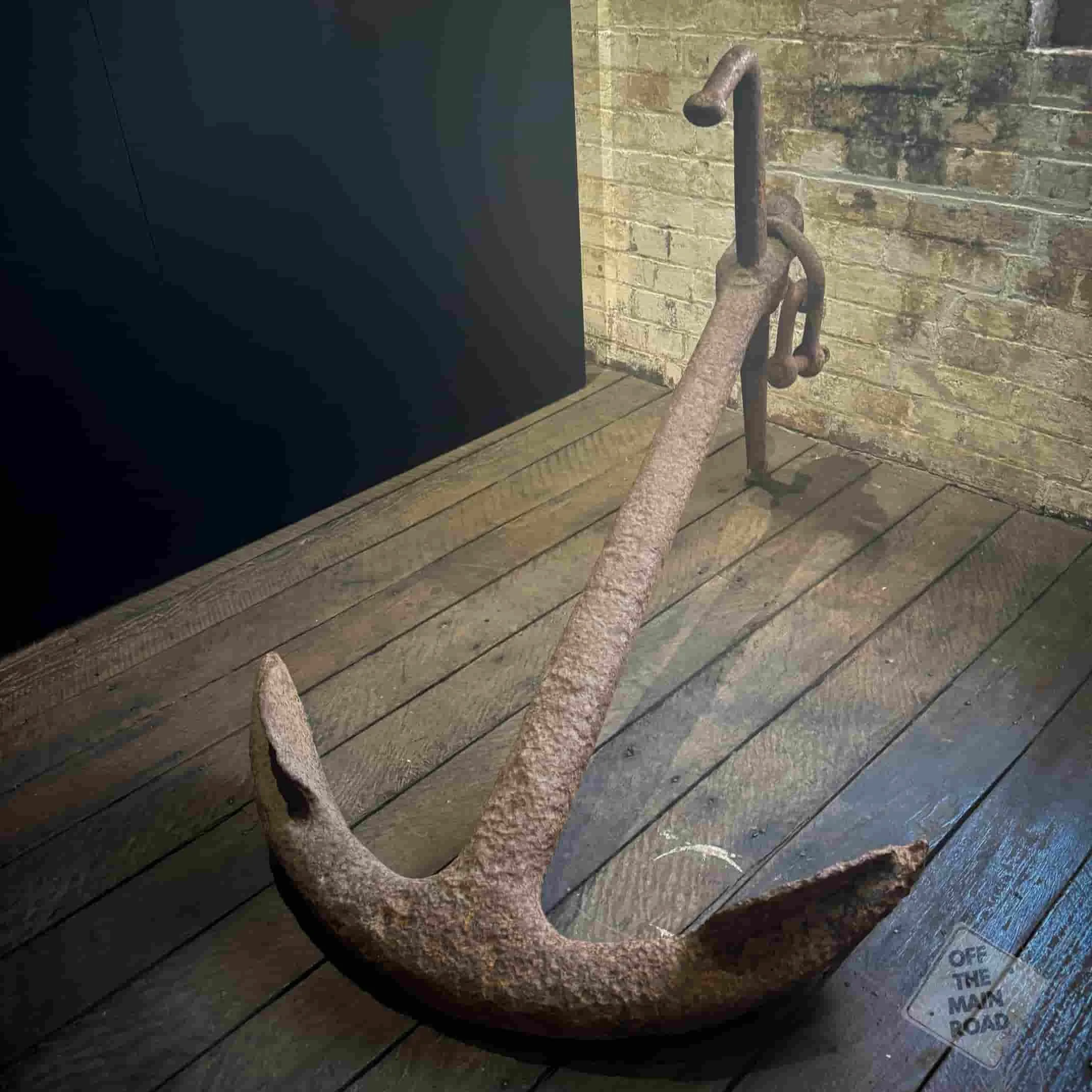
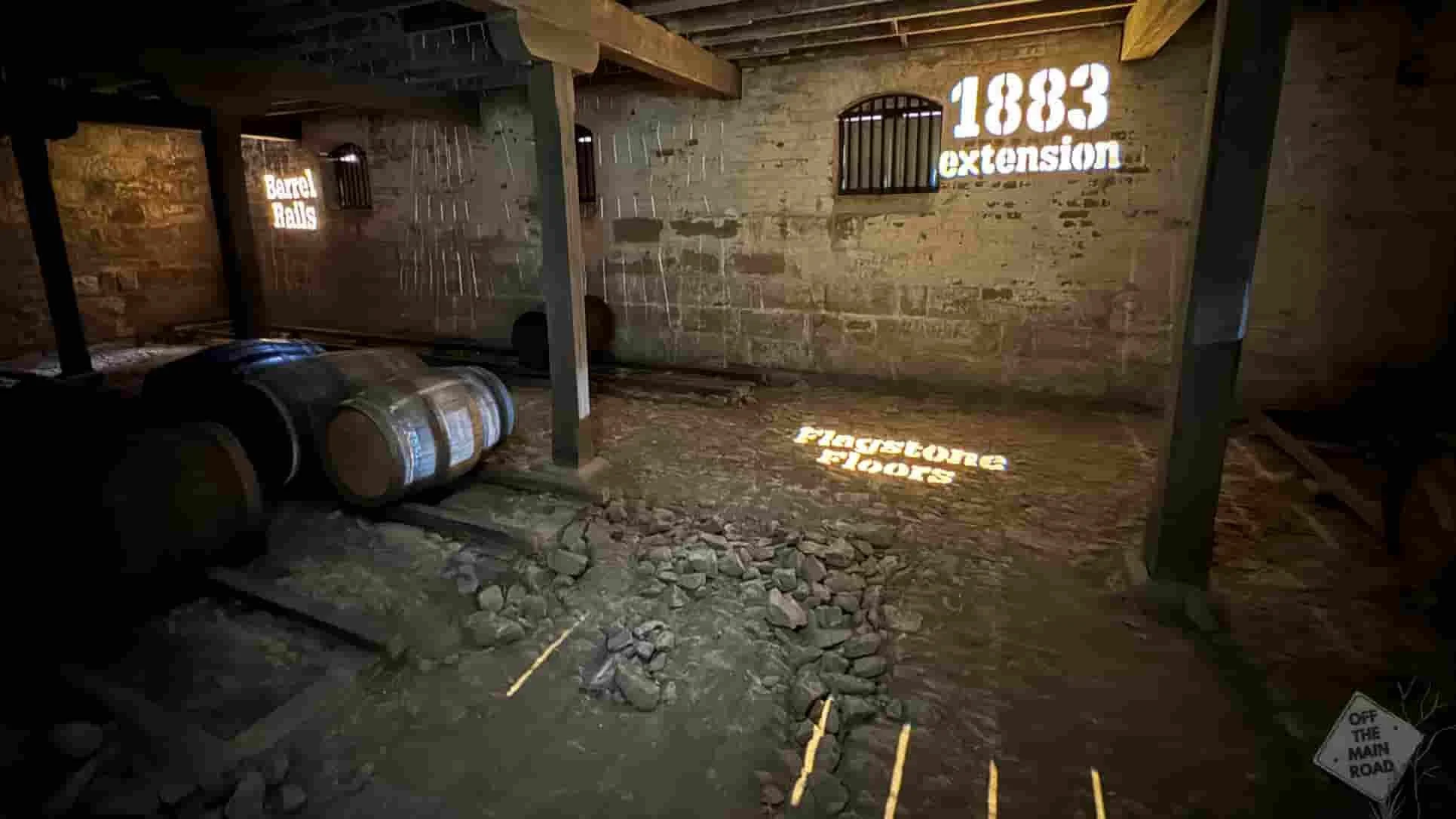
Built in 1864, this is one of Queensland’s oldest surviving bond stores, with earthen floors worn smooth by time and the original timber rails still set into the ground for rolling barrels of rum. This is where Maryborough’s port history comes alive. From 1859, the town was a gazetted Port of Entry and became one of the country’s most significant immigration gateways, second only to Sydney as an eastern-seaboard port for free settlers. More than twenty thousand immigrants first set foot in Australia right here.
The Bond Store itself is where the customs men held the “bonded” goods, the imports and exports that were taxed on their way in and out: alcohol, tobacco, sugar and, in a detail that stops every visitor, opium, which was entirely legal at the time.
Standing above the earthen floors, among the barrel rails, with the river just outside, you get a vivid sense of a rowdy, wealthy, and complicated port town that most people have entirely forgotten ever existed.
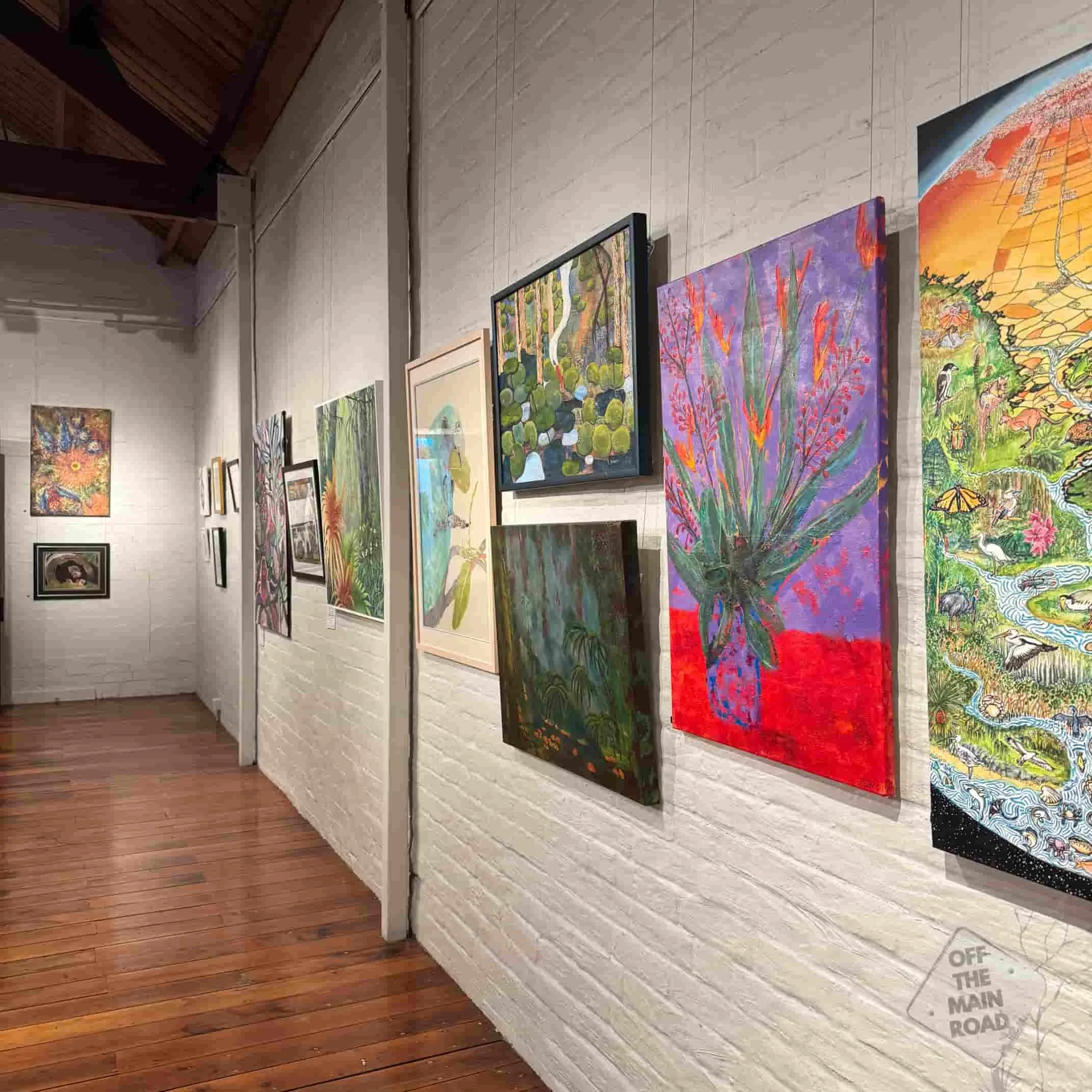
We also spent a little time at the Maryborough Arts Space, which was showing the current entrants in the local art competition. It is exactly the sort of thing we like to stumble on, a room full of work by local artists, a snapshot of what a community is making and thinking, with no entry fee and no fuss. Maryborough has a strong creative streak running through it. A mural trail of some forty works winds through the streets, and the Arts Space is a good place to see the town’s contemporary side alongside all that heritage.
And then, because Maryborough always saves something up its sleeve, there was the Cistern Chapel!
The Cistern Chapel: A Loo Fit for Royalty
Yes, it is a public toilet.
No, that does not begin to cover it.
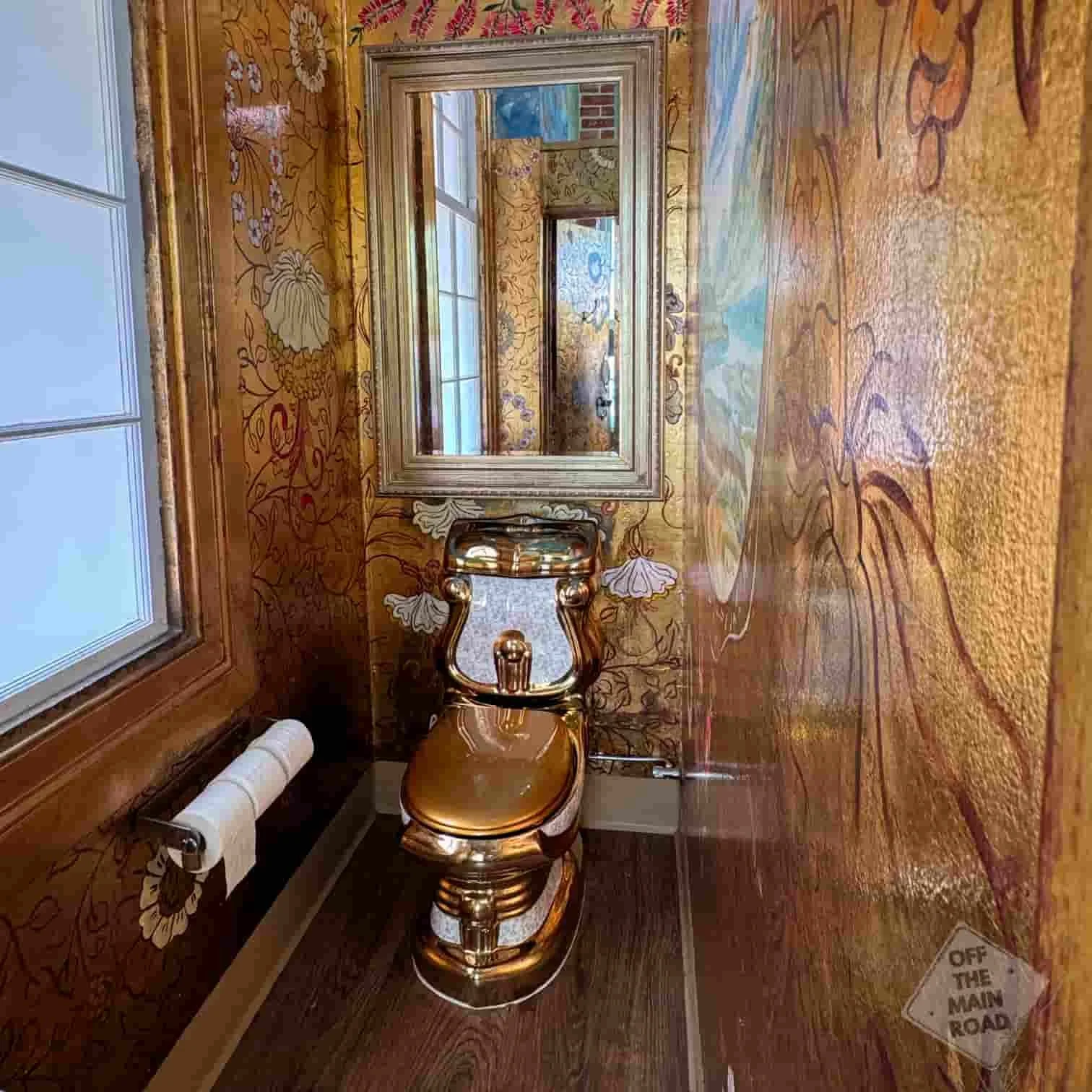
The Cistern Chapel, a playful nod to Michelangelo’s Sistine Chapel, is a set of public toilets near City Hall that a group of dedicated locals aimed to make the best in Australia.Led by Nancy Bates, who, upon seeing the shabby facilities, reportedly declared she wanted “the best toilets in Australia, maybe the world,” they enlisted artists Arkos Juhasz and Gary Madden to enhance them. The resulting transformation is remarkable and must be seen to be believed, and fortunately, volunteers known as the ‘Flusher Ushers’ offer free guided tours.
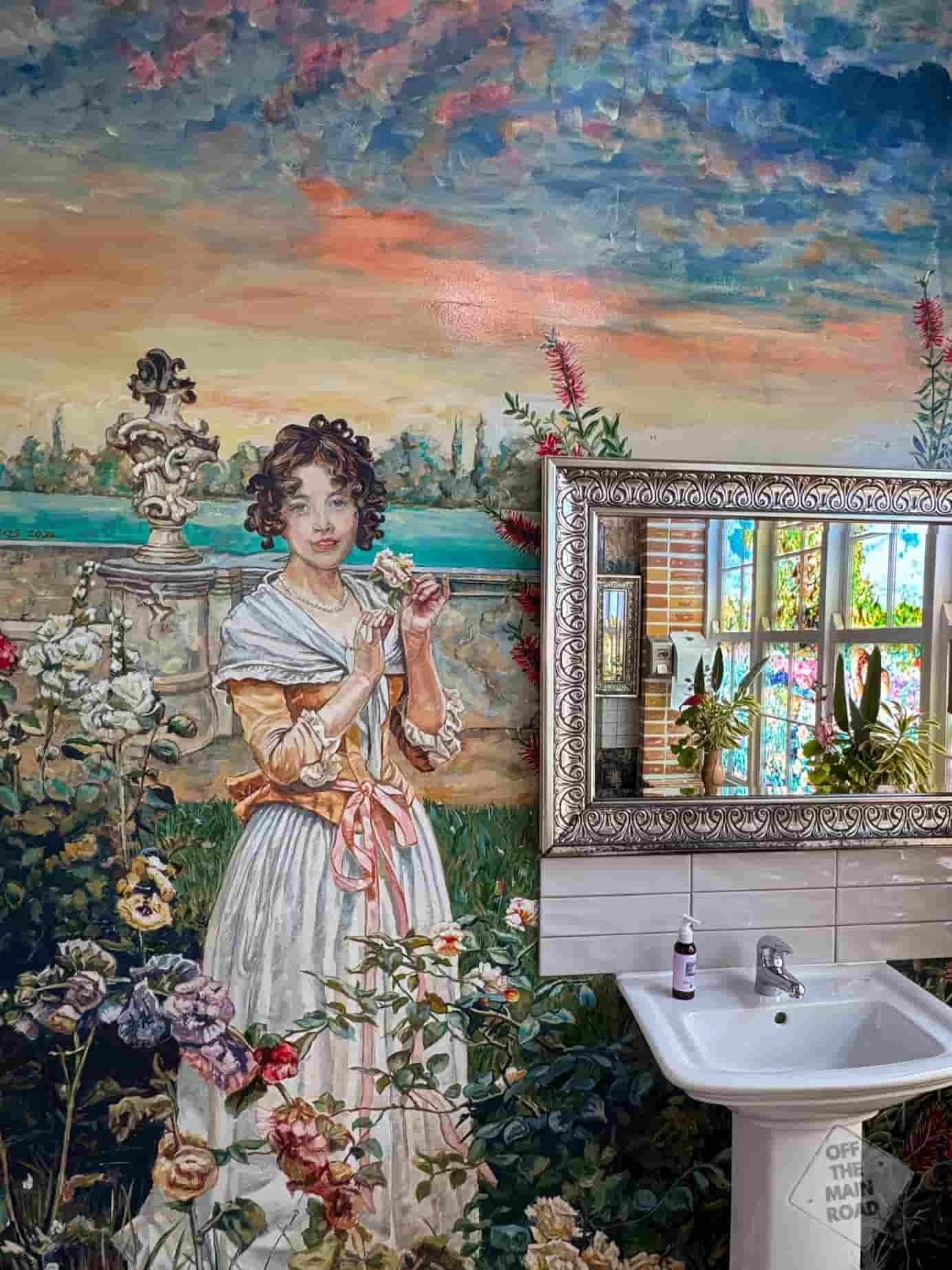
The ladies’ loo is done up in full Victorian splendour, with a chandelier, gilded mirrors, fresh flowers, classical music piped softly through the air, murals of women in flowing white dresses wandering through flower gardens, and, the crowning glory, an actual golden throne, a toilet gilded to look like something a monarch might reign from.
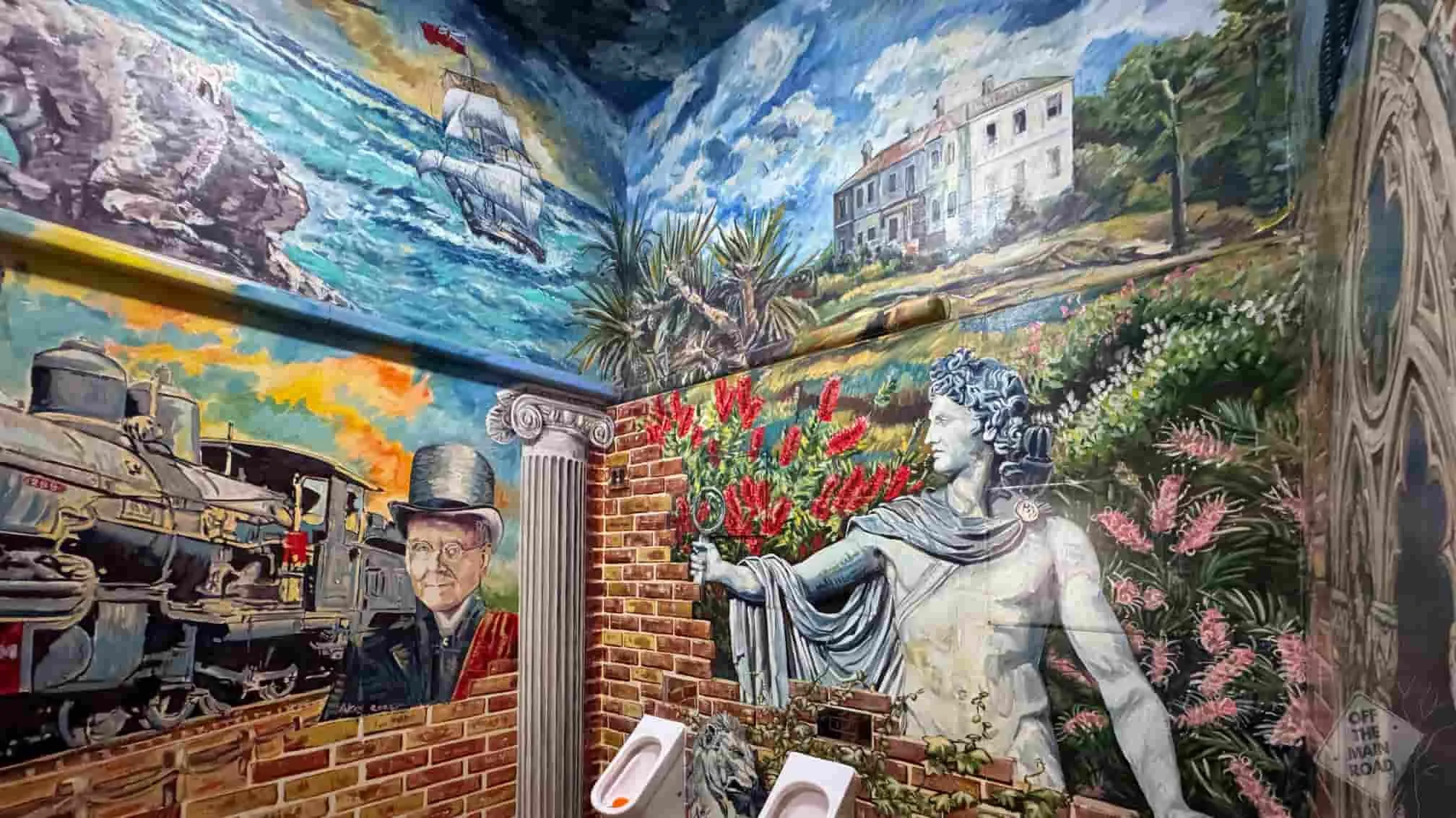
The men’s facility runs with trains and steam, paying tribute to the town's industrial past, and the cubicles feature an under-the-sea theme. Maryborough's floral emblem, the crimson bottlebrush, is woven through the artwork, and local jokes and figures are hidden in the murals, including a former mayor honoured for bringing sewerage to the town, which is exactly the perfect joke for this setting. It is silly and splendid and genuinely beautiful all at once, and it tells you everything about Maryborough, a town proud enough of itself to make even the toilets a work of art, and cheeky enough to name them after the Sistine Chapel.
Final Thoughts
Maryborough surprised us at every turn. It has the grand bones of an old port city, the literary claim to one of the world’s most beloved characters, a genuine creative heart, and a sense of humour that runs from the pedestrian lights to the palatial public loos. The town absolutely encourages curiosity; the more you poke about, the more you discover. We highly recommend a stop at the information centre and grabbing both the driving and walking tour directions. Do not do what many do and drive past on the way to Hervey Bay. Pull off, park up, and give Maryborough a day. Just make sure that day includes the toilets.
If you like the towns that hide their best surprises just off the highway, our Travel Dispatch is full of them. You can sign up HERE
Maryborough
Maryborough is a heritage city on the Mary River in the Fraser Coast region of Queensland, about 255 kilometres north of Brisbane and 30 minutes south of Hervey Bay. One of Queensland’s oldest cities, established in 1847, it grew wealthy as a nineteenth-century port, immigration gateway and industrial centre, and it retains one of the finest collections of heritage buildings in the state. Today it is best known as the birthplace of P.L. Travers, creator of Mary Poppins, celebrated at the Story Bank museum, and for its Portside precinct, its street-art and heritage trails, and the famous Cistern Chapel public toilets. This is Butchulla country.
How to Get There
Maryborough sits just off the Bruce Highway, about 255 kilometres (roughly three hours) north of Brisbane, and around 30 minutes south of Hervey Bay by car. The turn-off is well signed, and the heritage city centre is a short drive from the highway. Maryborough West railway station is on the Brisbane to Cairns line, and Hervey Bay Airport, about 30 minutes away, has flights from Brisbane and Sydney. The heritage precinct, Portside and the main attractions are close together and very walkable once you are in town.
What to See and Do
What we did:
Visited the Story Bank, the interactive P.L. Travers and Mary Poppins museum in her childhood home.
Explored the historic Bond Store in the Portside precinct and learned the town’s port and customs history.
Looked through the current competition entries at the Maryborough Arts Space.
Took the Flusher Ushers’ tour of the Cistern Chapel, golden throne and all.
Other highlights nearby:
The Portside Heritage Precinct on the Mary River, with the Customs House and museums.
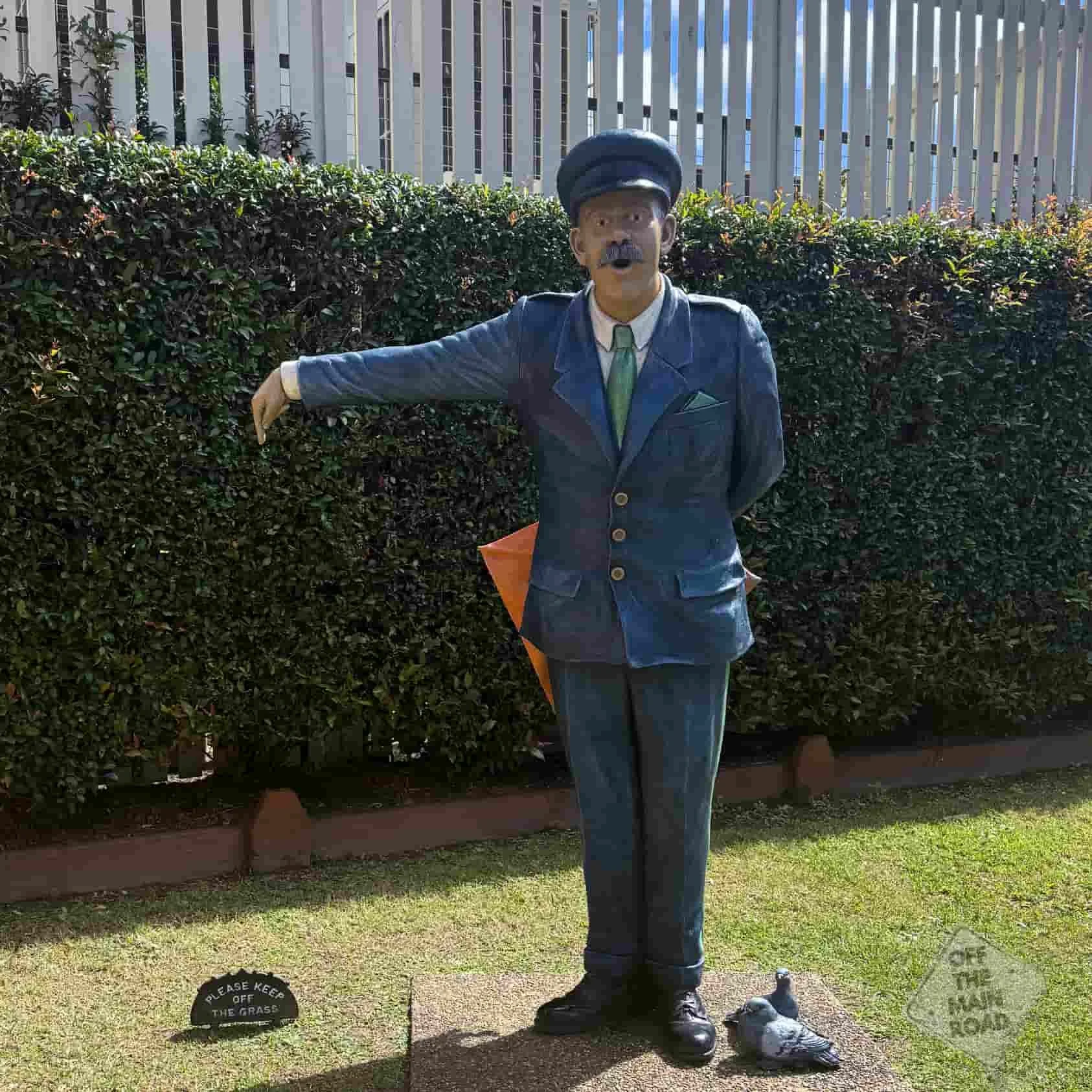
The Mary Poppins pedestrian lights and the P.L. Travers bronze statue in the streets.
The street-art mural trail, some forty works winding through the town.
The Gallipoli to Armistice Memorial in Queens Park, a major war memorial.
The Mary Ann steam train and Thursday markets, and Queens Park's gardens and fig trees.
When to Visit
The cooler, drier months from about April to October are the most comfortable for wandering Maryborough’s streets and heritage precinct, with warm days and low humidity. Thursday is market day, when the town centre comes alive with stalls, entertainment and rides on the Mary Ann steam train, so it is a fine day to plan around. Summer is hot and humid, and while the town is a year-round destination, the walking is far more pleasant in the cooler season. The Cistern Chapel, the Story Bank and the Bond Store are all indoor or shaded, so they suit a hot day or a wet one.
What’s Nearby
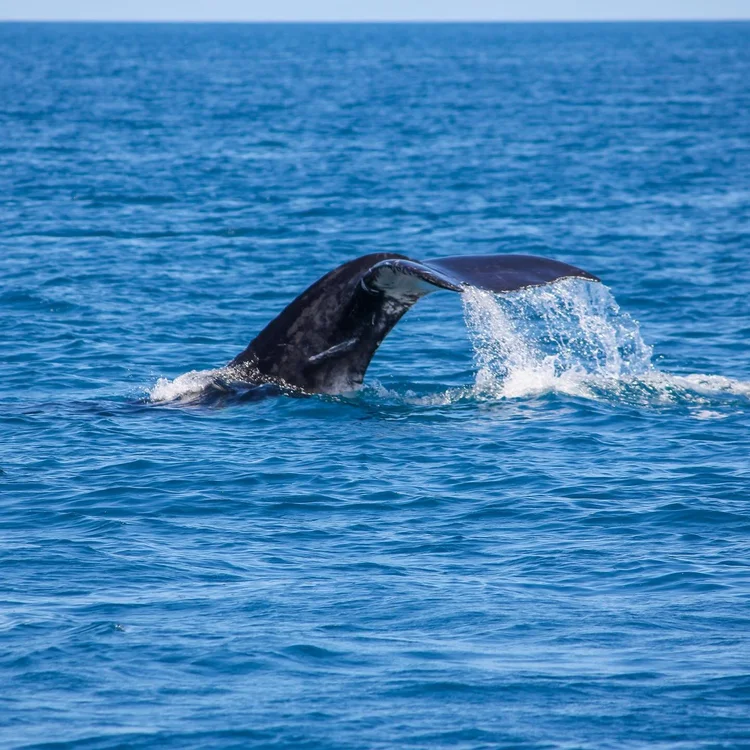
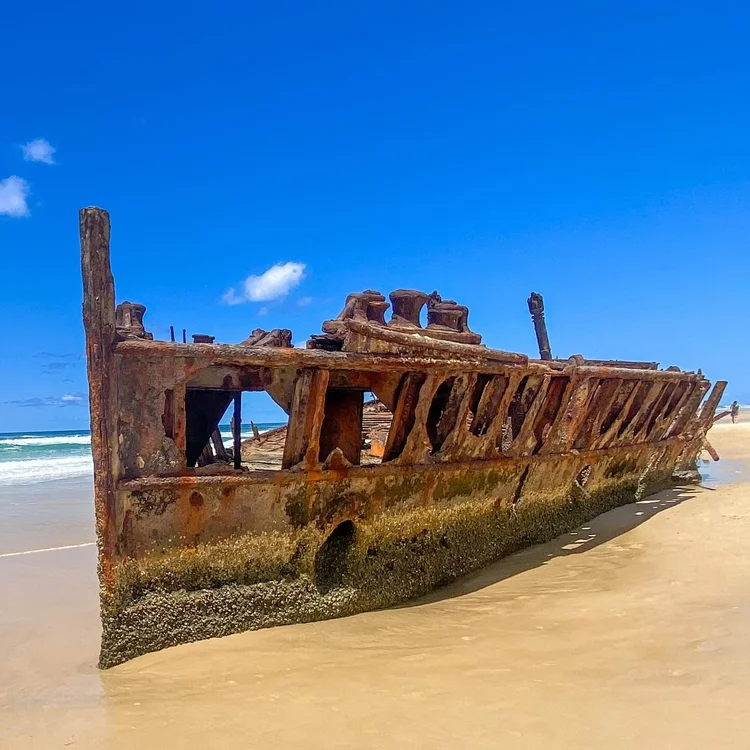
Maryborough sits at the gateway to the Fraser Coast, just inland from Hervey Bay and the great sand island of K'gari (Fraser Island). Most travellers rush through on their way to those big-name destinations, but the town rewards a stop in its own right. To the south the Bruce Highway runs down toward Gympie and Brisbane, and to the north lie Childers, Bundaberg and the central Queensland coast. Maryborough makes an easy and characterful stop on the long coastal run, and a good base for a Fraser Coast visit.
We share the surprising towns and the stories behind them through our Travel Dispatch. If that is your pace, you can join us HERE
Fast Facts
Location: Maryborough, Fraser Coast, Queensland, on the Mary River just off the Bruce Highway
Distance: About 255km (3 hours) north of Brisbane; 30 minutes south of Hervey Bay
Traditional Owners: Butchulla people
Access: Sealed roads, all vehicles. On the Brisbane to Cairns rail line; Hervey Bay Airport nearby
Facilities: Full city services, accommodation, caravan parks, cafes, museums, supermarkets, fuel
Don’t Miss: The Story Bank; the Bond Store and Portside; the Cistern Chapel (with the Flusher Ushers); the Mary Poppins pedestrian lights
Cost: The Cistern Chapel is free; Story Bank and Bond Store have modest entry fees
Best Time to Visit: April to October; Thursday is market day
Dog Friendly: Streets and precinct yes (on lead); check individual museums
Things That Could Kill You (Probably Won’t)
A semi-serious guide to surviving Australia. Mostly common sense, occasionally luck.
The heat: Fraser Coast summers are hot and humid. Hat, water, and do the walking trails in the cooler part of the day.
Heritage-town distraction: Maryborough is very walkable and very interesting, which means a lot of looking up at buildings instead of down at the footpath. Mind the kerbs and the traffic while you look.
The Mary River: Pretty, and tidal, and this is Queensland, so treat the water with respect and mind the banks. Croc sightings this far south are rare but not unheard of.
Cistern Chapel envy: You will go home and look at your own bathroom with quiet disappointment. There is no cure. There is only a return visit.
If this post helped, you can support our work here.

Other updates you may like…


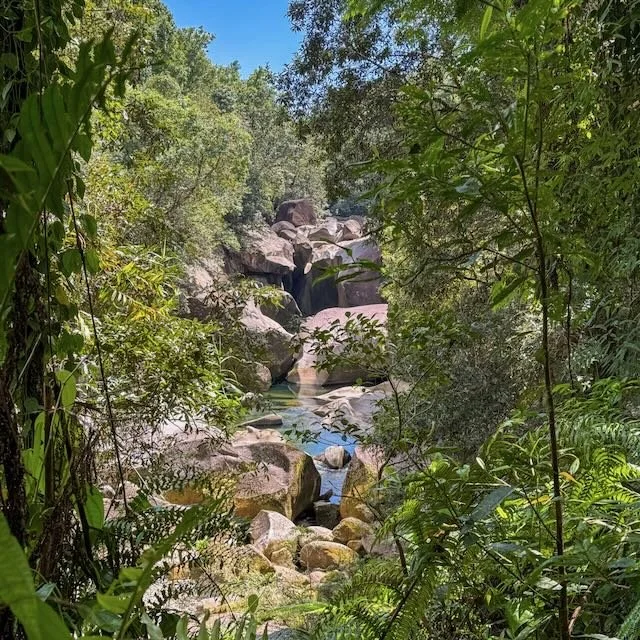




A solo flight to Lady Elliot Island brought a famously short grass runway, an hour in the lagoon, guano mining history, a 150-year-old lighthouse, a communal buffet, and an afternoon among turtles, manta rays and coral gardens.