
St Lawrence: Lasagna, Mates and Old Boilers
Some towns you pass through once and forget. St Lawrence is one we keep coming back to. This little town sits between Mackay and Rockhampton, just off the Bruce Highway, and it is easy to miss. Most people barrel past on the highway without ever knowing it’s there. We have stopped twice now, and the second visit only deepened the soft spot we already had for the place. It has a good camp, a genuinely warm community, more history than a town this size has any right to, and this time, it had lasagna!
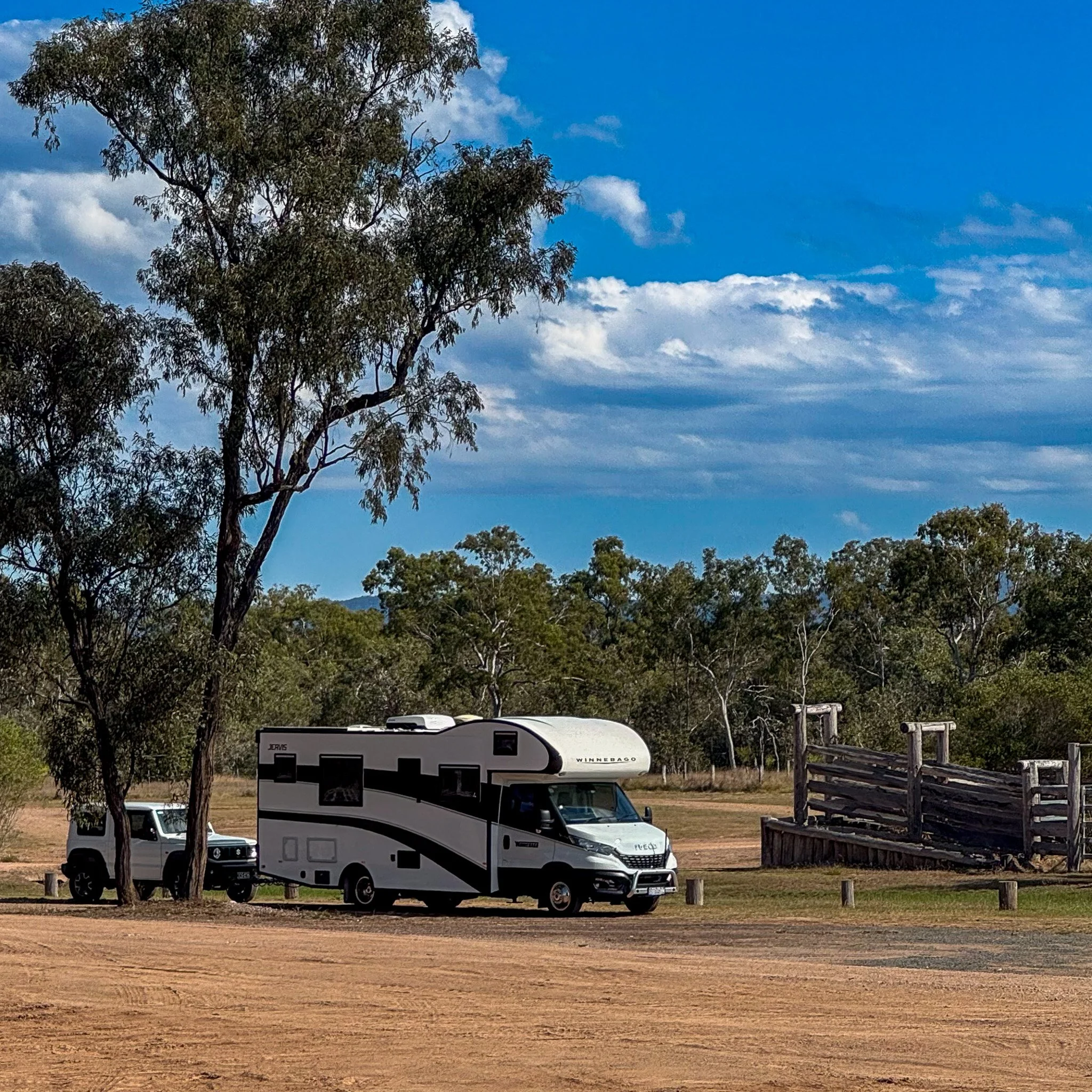
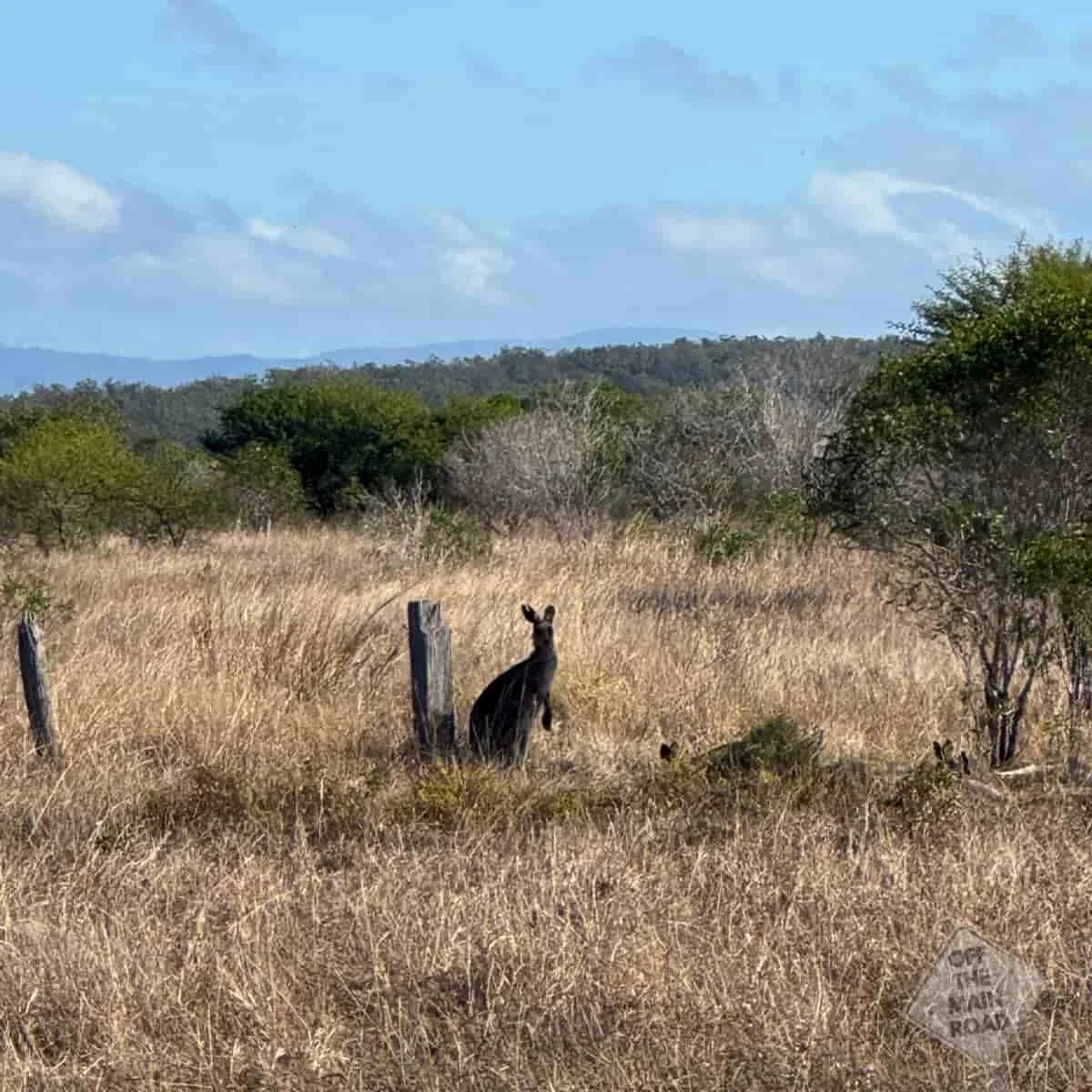
We came back to St Lawrence to catch up with one of our good mates, who calls the town home. That is a fine reason to visit anywhere, and it turned an overnight into a proper couple of days. We rolled into the St Lawrence Recreation Grounds, the community-run camp on the edge of town beside the wetlands, and set up for two nights. It is the sort of camp we love: level, grassy, quiet, walking distance to everything, run on a modest honesty-box fee, with hot showers and covered seating looking out over the wetland. Kangaroos graze the grounds at dawn and dusk, and the birds do the rest. You could not design a more relaxing spot if you tried.
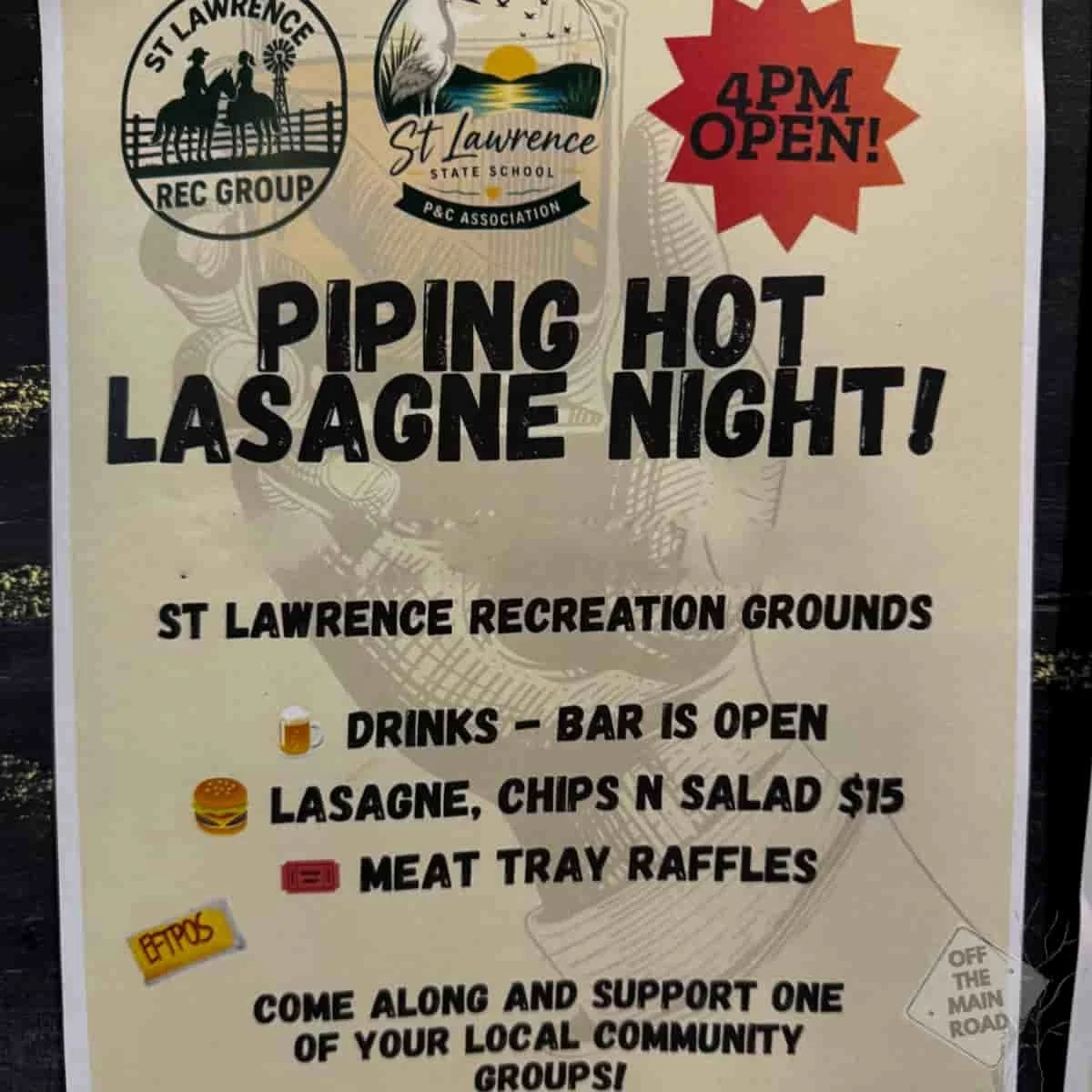
And then we got lucky. We had arrived on a Friday, which, every so often in St Lawrence, means lasagna night. For fifteen dollars we were handed the single largest serving of lasagna, chips and salad either of us has ever seen. But the food was only half of it. The rec ground on a Friday night is where the town comes together, travellers and locals sharing tables and stories, and our mate joined us for dinner in the thick of it. There is a particular pleasure in a country town that does this, that still gathers on a Friday to eat too much and talk, and lets whoever is passing through pull up a chair.
After a good cuppa and a long chinwag, our mate did the thing you can only get in a town where you know someone. He took us on the local’s tour. Not the highway version of St Lawrence, the real one. We wandered down to the wetlands, out along the river, checked out the old cemetery and then to the part that stopped us both, the old boilers.
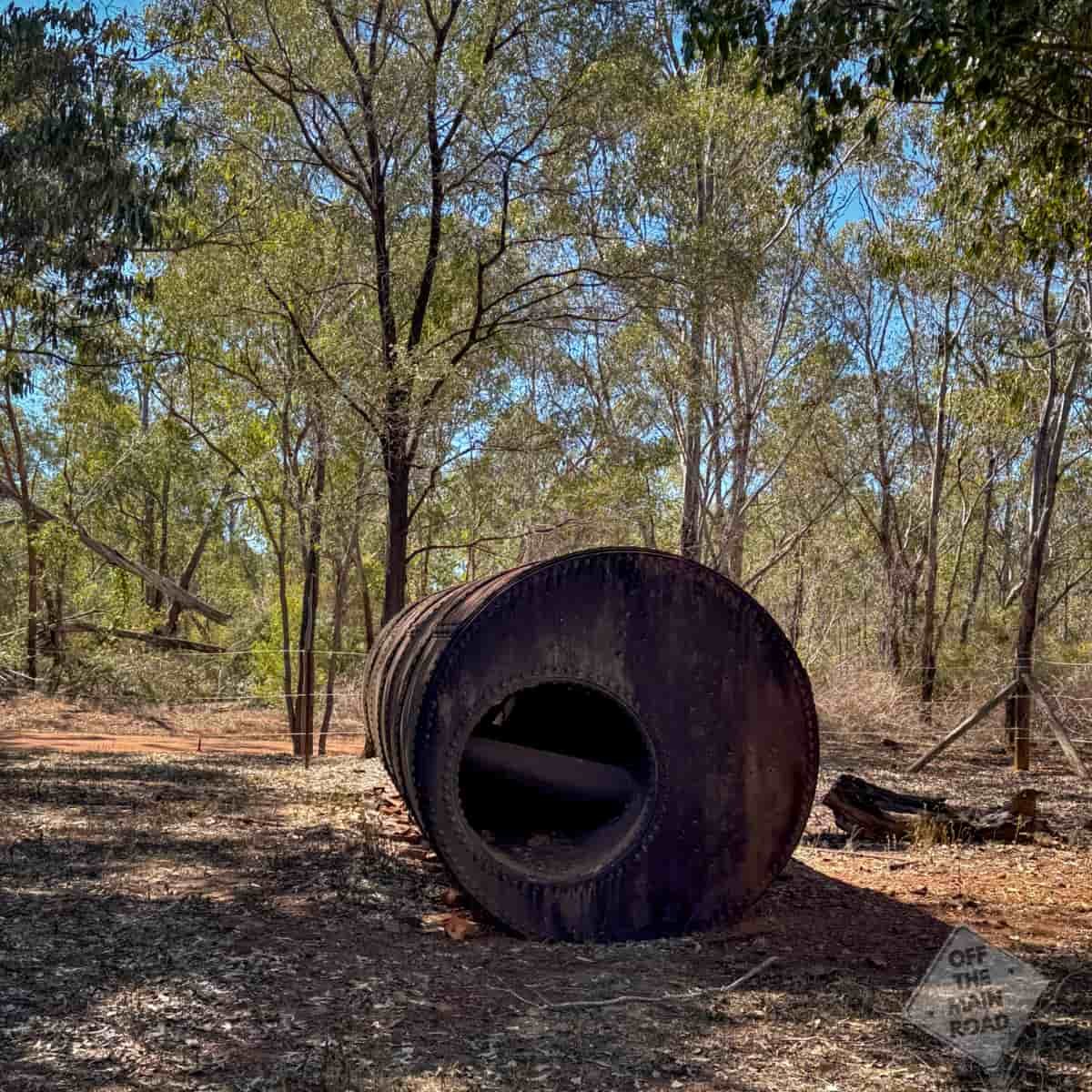
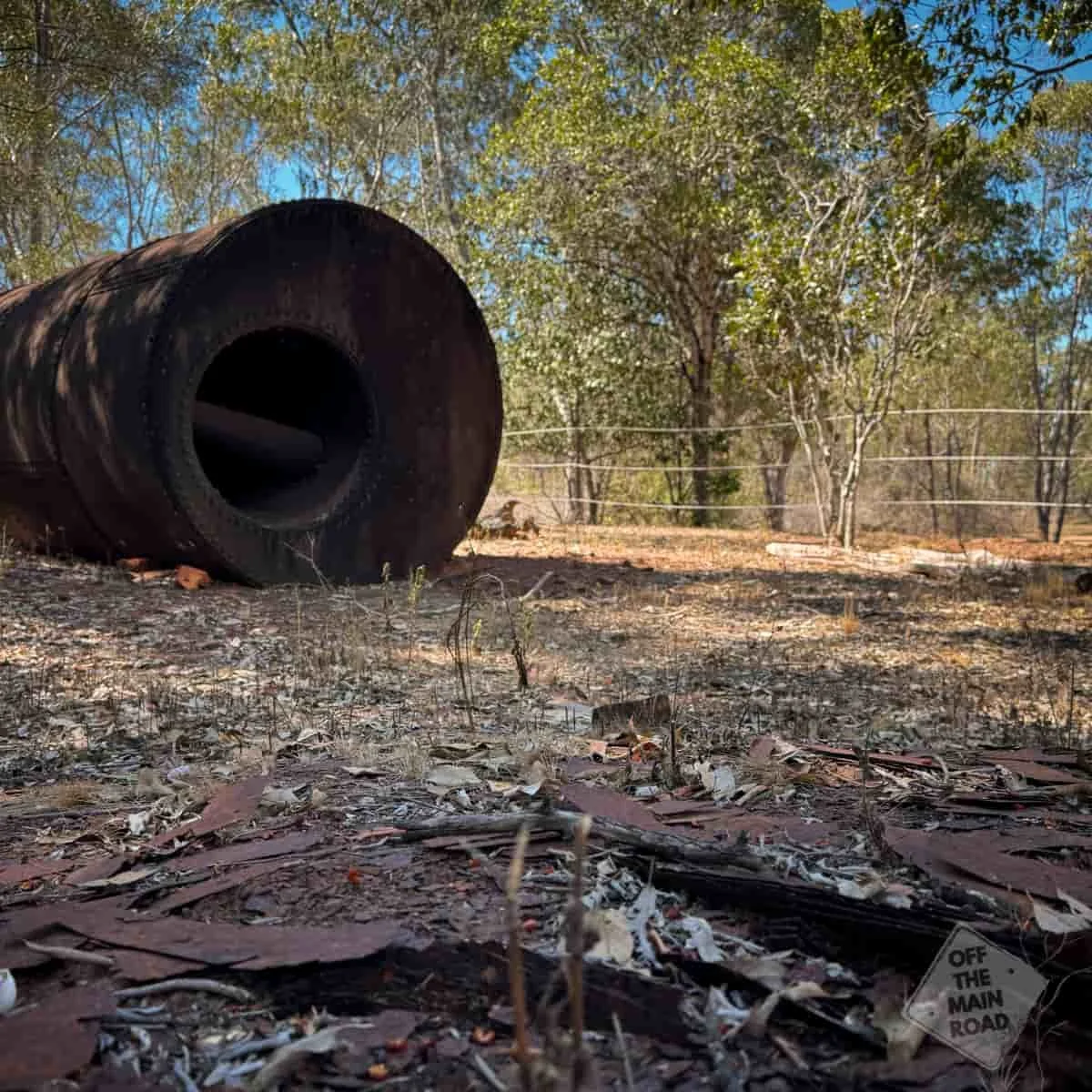
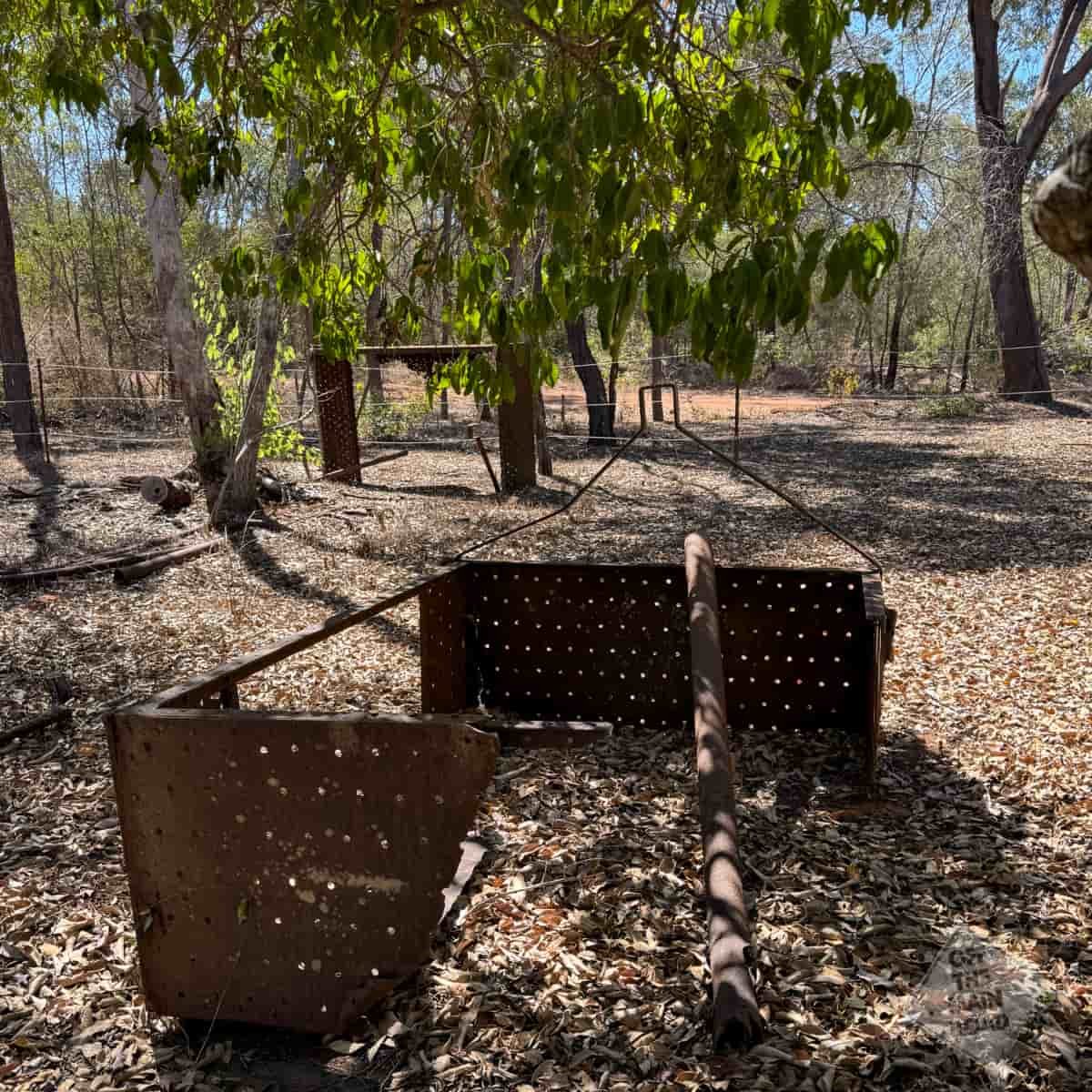
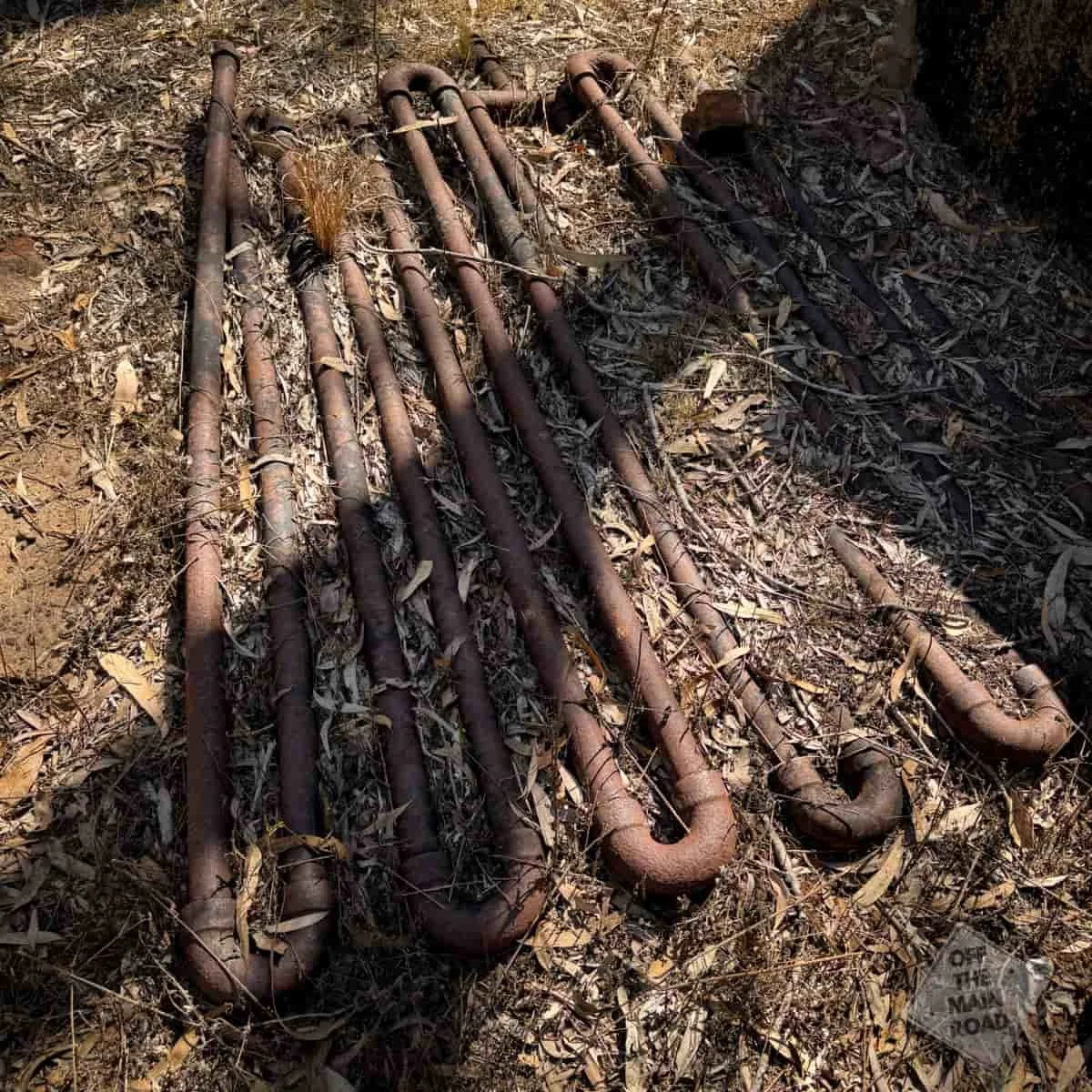
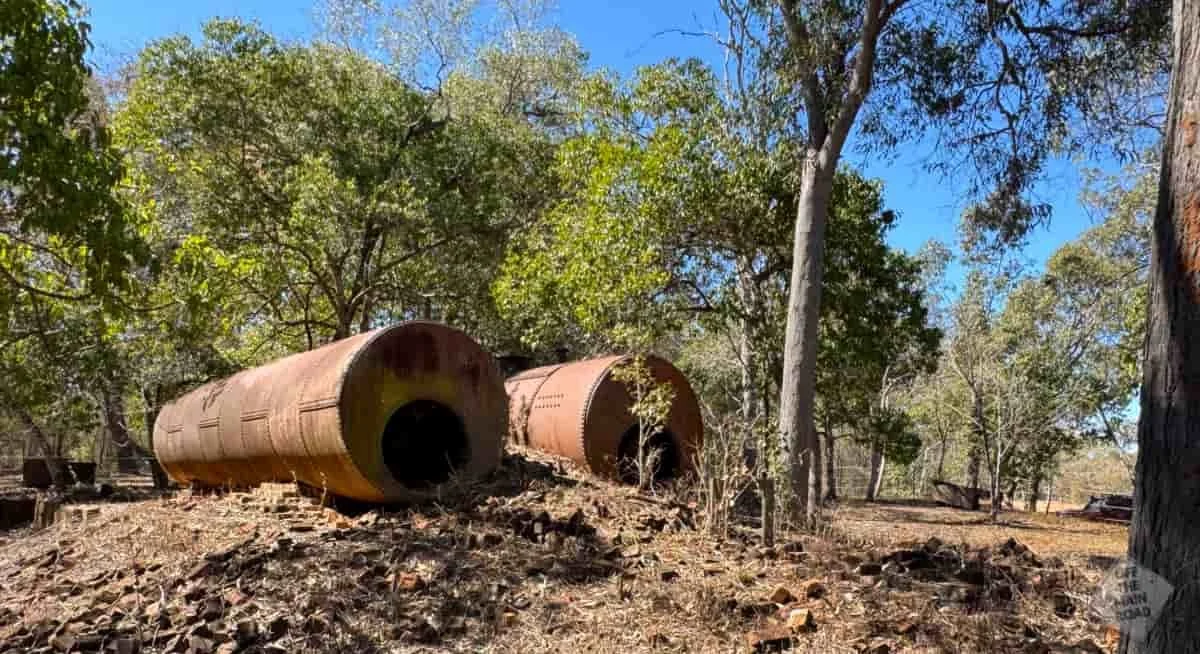
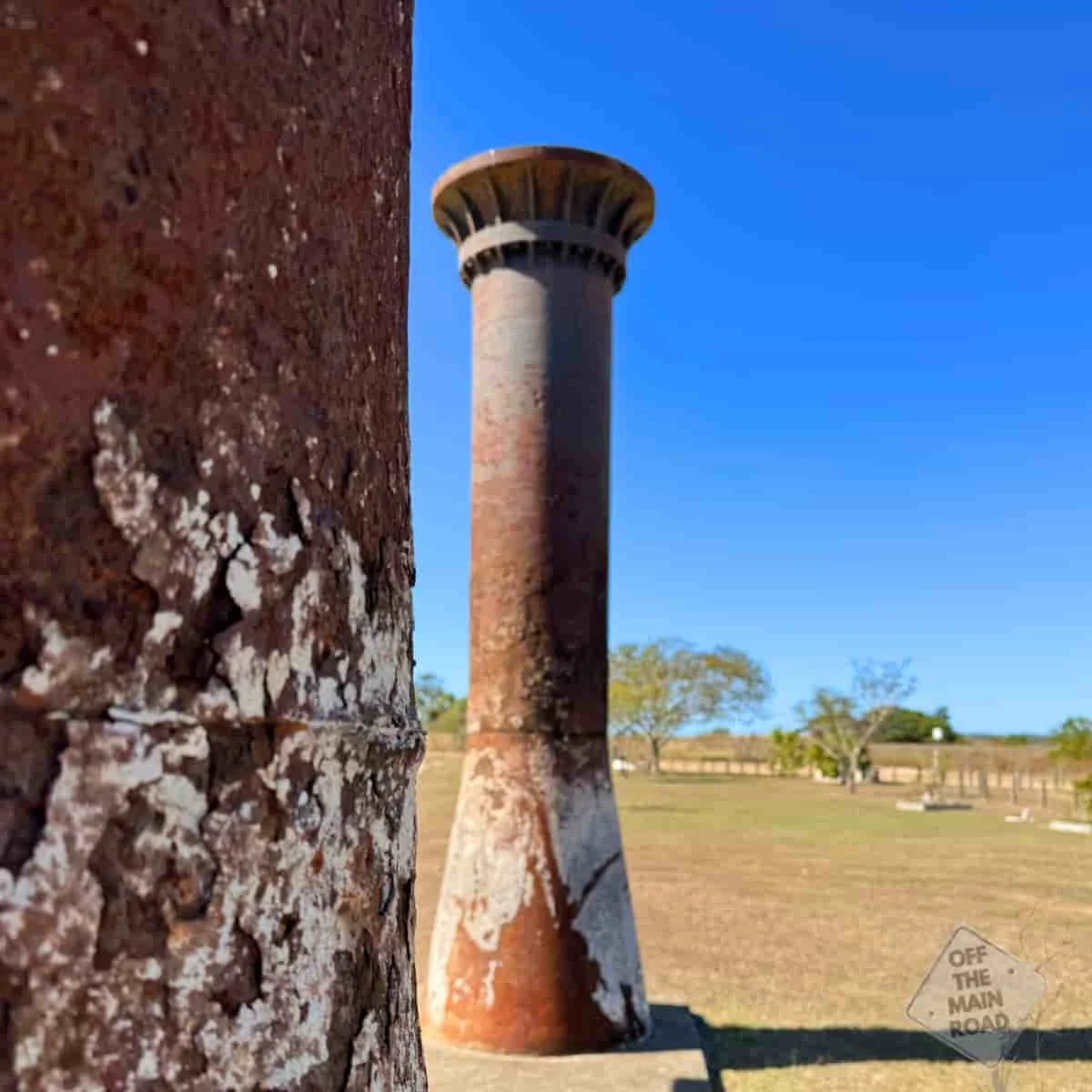
Down Settlement Road, near the Newport Conservation Park, sits a scatter of rusting iron boilers and machinery in the bush, and they look for all the world like some rusted sculpture garden. They are the remains of St Lawrence’s industrial heart, and the story behind them is remarkable for such a quiet place. St Lawrence began in the 1860s as a tallow works, rendering cattle into tallow in the days before refrigeration. By the 1890s it had grown into a full meatworks, salting, canning and preserving beef that was loaded onto ships at the town’s own wharf, much of it bought to feed crews on long voyages with no way to keep fresh meat. The works ran until around 1911, when remoteness, drought and competition finally closed it down, and the machinery was dismantled and sold. What is left is those boilers, quietly rusting where they stood, a century-old reminder that this sleepy town was once a working port sending preserved meat out across the sea.
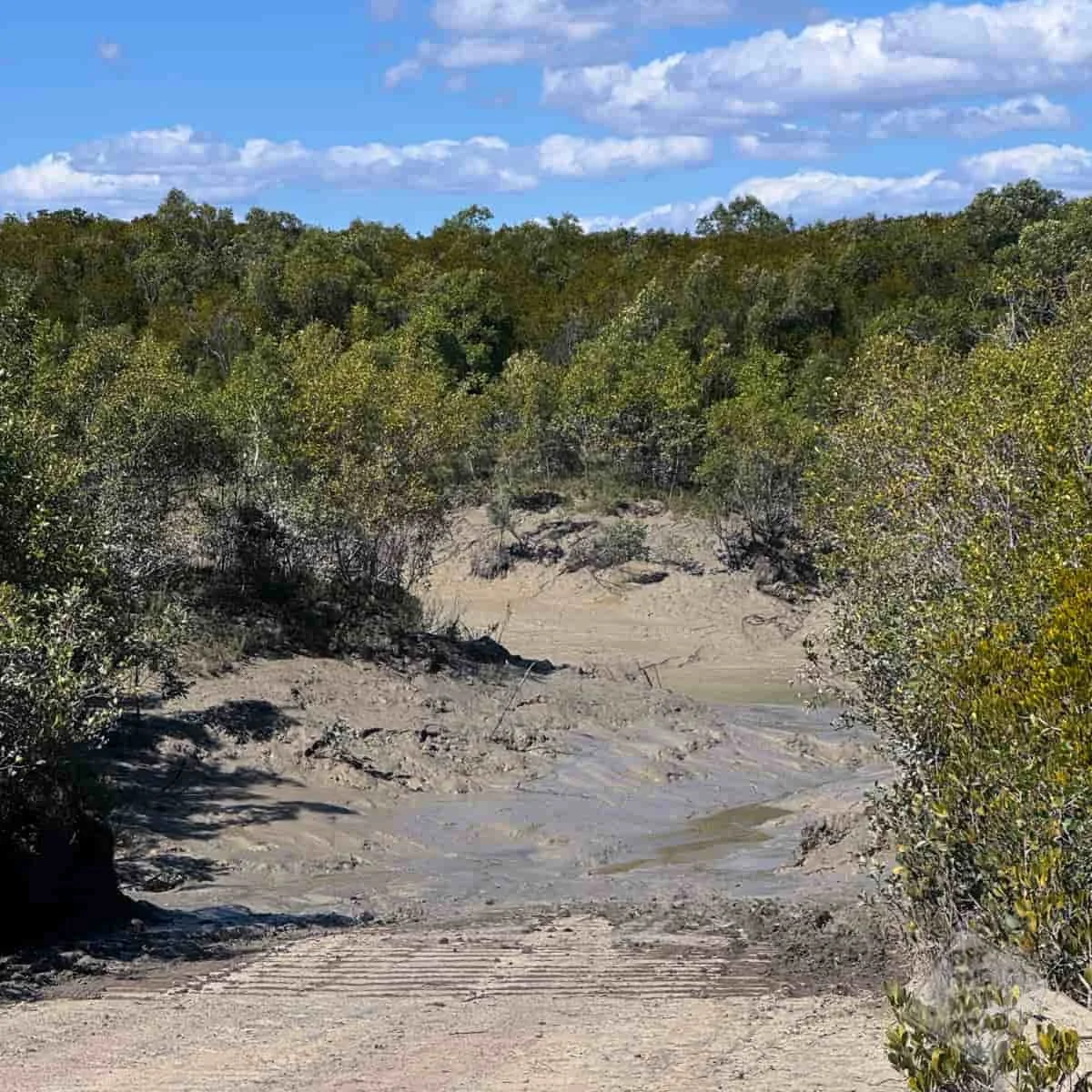
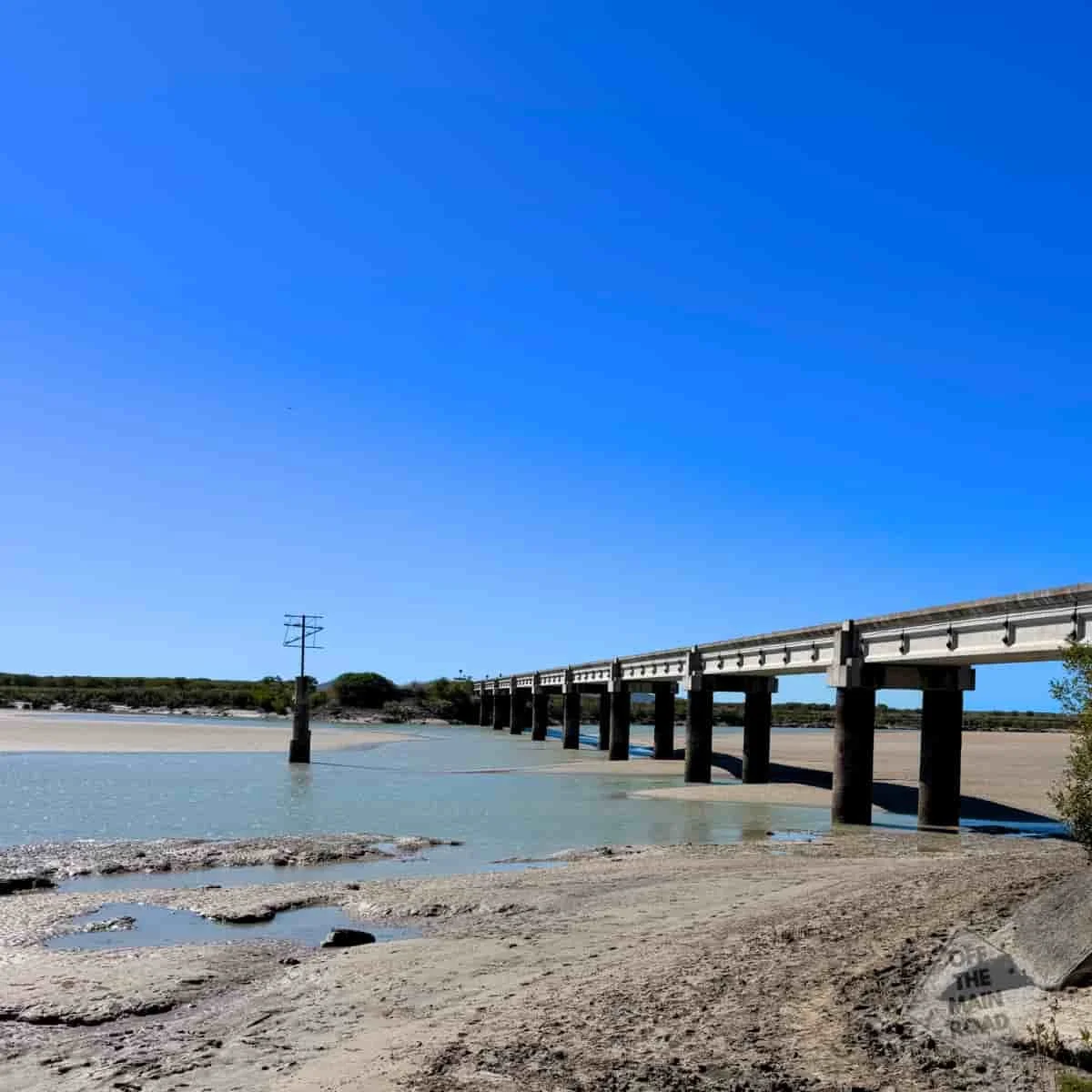
There is a reason a port grew here at all, and it is written in the tides. St Lawrence sits on Broad Sound, which has a tidal range of around nine metres, the largest on the entire east coast of Australia. The water comes and goes on a scale that is hard to picture until you see it, and it shaped everything: the port, the creeks, the wetlands, the whole character of the place. The town took its name from the creek, which some say was named for the St Lawrence River in Canada because of those same extreme tides.
He also showed us the barra spot. And no, before you ask, we are absolutely not telling you where it is. That is the deal with a local’s spot. You are shown it in confidence, and you take its location to your grave. All we will say is that it exists, that it is a good one, and that our mate has our eternal loyalty for sharing it. If you want to know where the barra are biting around St Lawrence, you’ll have to do what we did, and make a friend in town.
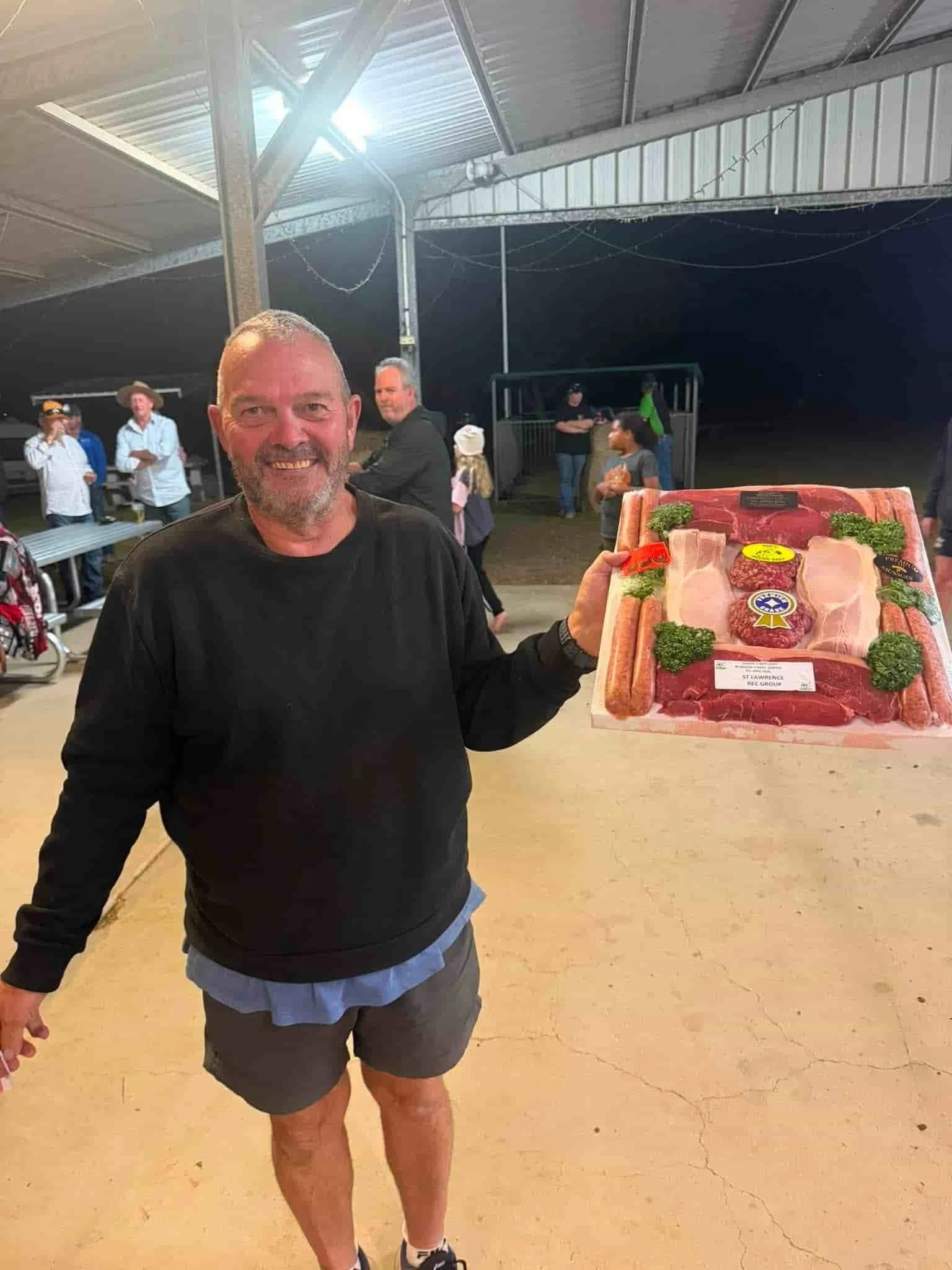
Between bouts of touring, there was the small matter of Neil’s raffle win. On the Friday night Neil won the meat tray, which is a fine thing to win anywhere in Australia, except that Neil does not eat meat. So the honour, and the duty, fell to Cameron and our mate, who cooked the steaks to perfection on the barbecue between wanders around town. It is the sort of small, silly, perfect thing that makes a stop stick, a semi-vegetarian winning a meat tray in a cattle town, and his mates happily accepting the burden. If you check out the St Lawrence Rec Group Facebook page, you may see a sneaky pic of Neil with his winnings!
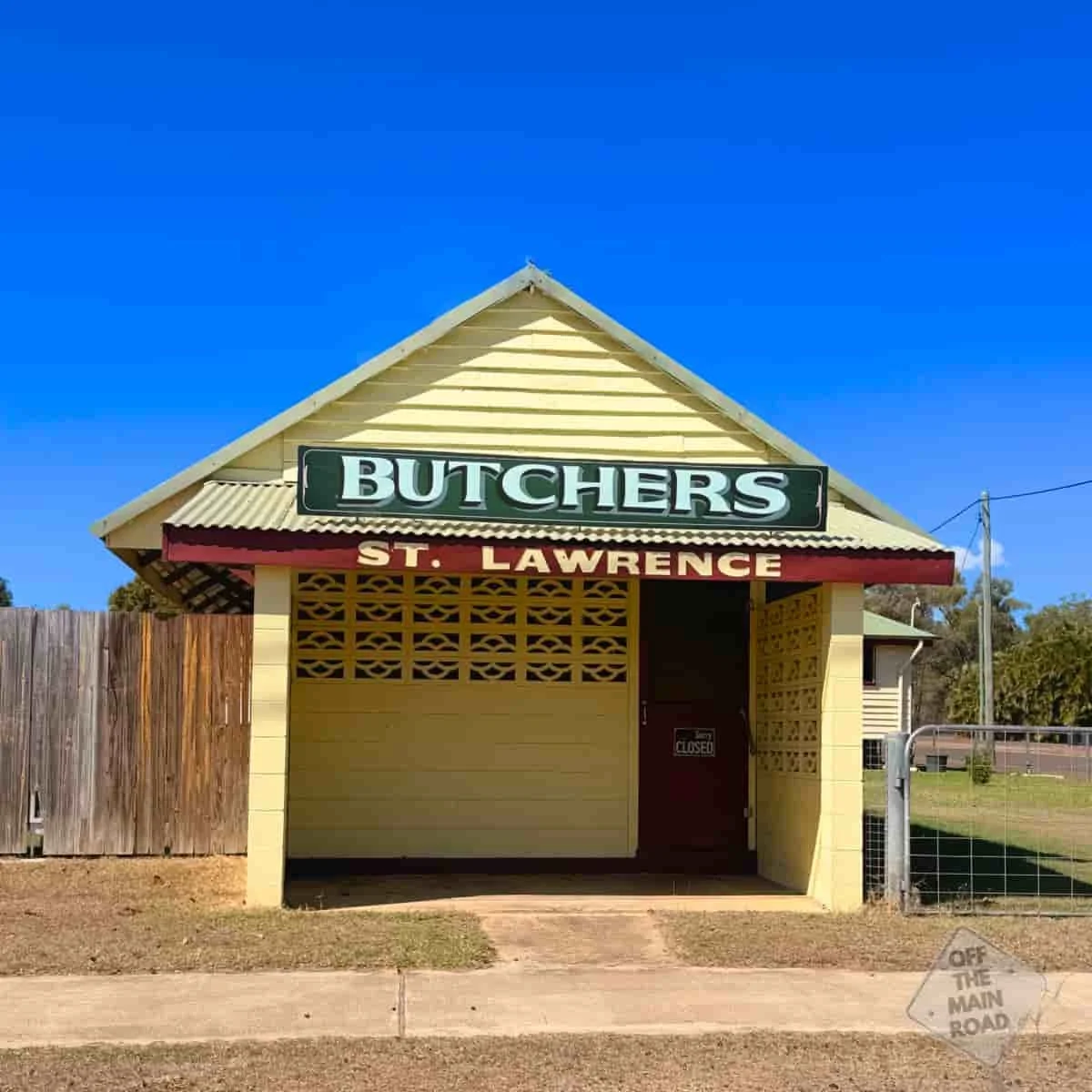
Of course, there is more to St Lawrence than boilers and lasagna. The wetlands are the town’s natural drawcard, freshwater habitats alive with birds, brolgas among them, best on the walking track from the camp out to the viewing platform, gazebo and all, which is a fine place to see the sun go down. The town has held onto its old bones too, heritage buildings from its days as a customs port, the restored railway building, the old council office. Once a year the whole place comes alive for the St Lawrence Wetlands Weekend, a music and community festival that fills the rec grounds. And the town was, for decades, a steam-age refreshment stop on the North Coast railway, so the odd train still rattles through, a sound we rather liked from the camp.
We left St Lawrence the way we always seem to when we fall for a town, reluctantly, and already thinking about the next time. It is not a town that performs for visitors. It just gets on with being itself, and lets you in if you take the time. Good mates, a giant plate of lasagna, a steak that should have been Neil’s, and a set of old boilers with a story to tell. That is a very good couple of days by any measure.
If you like the towns that most people drive straight past, our Travel Dispatch is full of them. You can sign up HERE
St Lawrence
St Lawrence is a small rural town midway between Mackay and Rockhampton in Central Queensland, just off the Bruce Highway. One of the oldest towns on the Queensland coast, it began in the 1860s as a tallow and boiling-down works, grew into a meatworks and port, and served as a customs station and a steam-age railway refreshment stop. Today it is a quiet community of a few hundred people, best known for its wetlands and birdlife, its heritage-listed former meatworks, and a welcoming community-run camp at the recreation grounds. It sits on Broad Sound, which has the largest tidal range on the east coast of Australia.
How to Get There
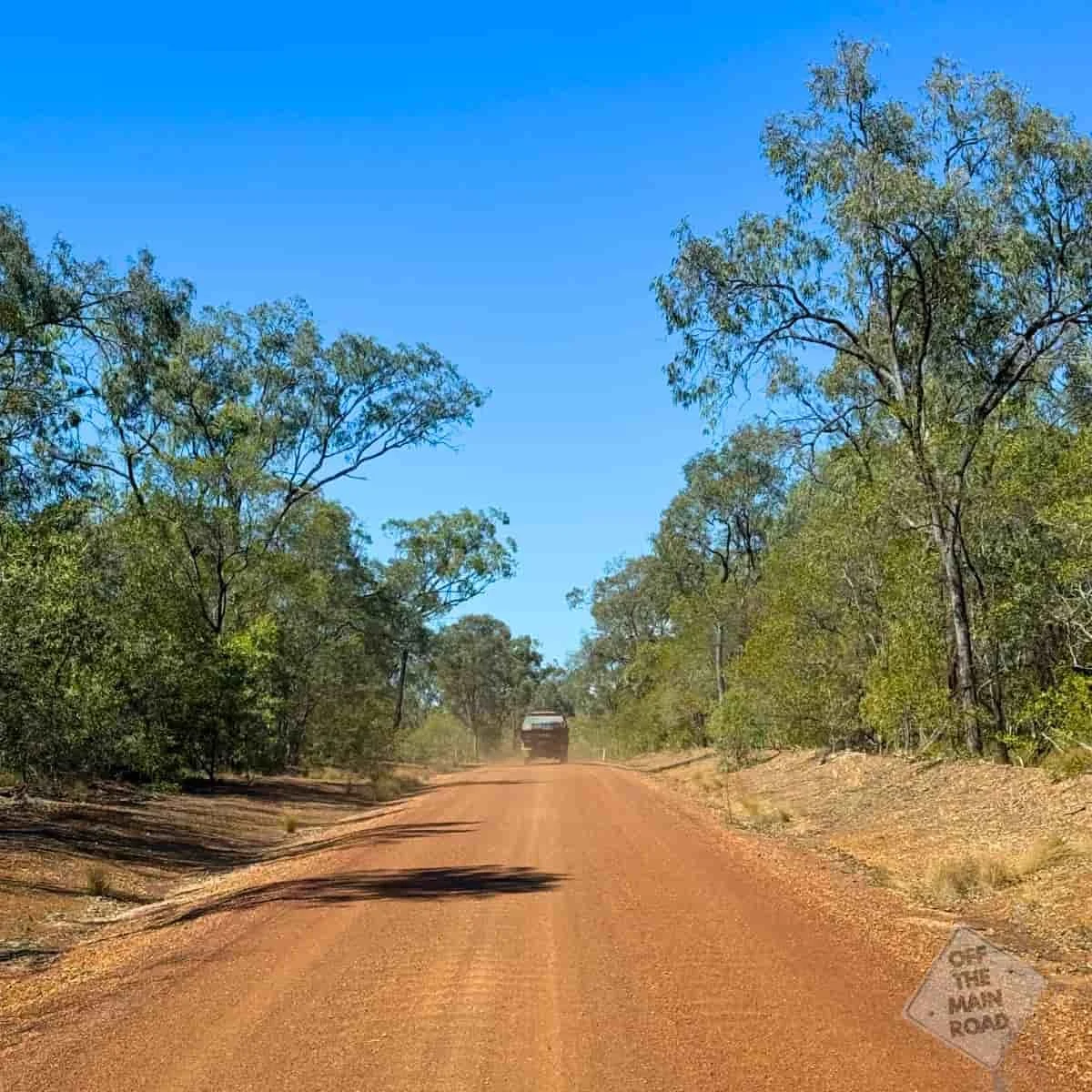
St Lawrence is just off the Bruce Highway, roughly midway between Mackay (about 150km north) and Rockhampton (about 160km south), an easy stop on the main coastal run. The turn-off is well signed. The St Lawrence Connection Road into town is 6.5km and sealed, suitable for all vehicles and rigs. The town and the recreation grounds are a short distance in from the highway, and everything in town is within an easy walk once you are there.
What to See and Do
What we did:
Camped two nights at the St Lawrence Recreation Grounds beside the wetlands.
Turned up on a Friday for the community lasagna night at the rec ground.
Caught up with a mate, who gave us the local'’ tour of town.
Explored the wetlands and the river, and explored the historic former Meatworks and Wharf Site, heritage-listed, on Settlement Road near Newport Conservation Park.
Visited the St Lawrence Wetlands, with walking track, viewing platform and gazebo, excellent for birdwatching.
Other highlights nearby:
The town's heritage buildings, including the restored railway building and old council office.
Cape Palmerston National Park, on the coast to the north, for beaches and four-wheel driving.
The St Lawrence Wetlands Weekend, an annual music and community festival, usually mid-year.
A Working Port in a Quiet Town
It is hard to picture now, but St Lawrence was once an industrial port. It started in the 1860s as a tallow works, boiling cattle down for tallow in the days before refrigeration made fresh export possible. By the 1890s it had become a full meatworks, salting, canning and preserving beef that was loaded onto ships at the town's wharf, a good deal of it bought to feed crews on long sea voyages. The operation ran until around 1911, when the town's remoteness, drought years and competition from better-placed works finally closed it. The machinery was dismantled and sold, and what remains today is a scatter of great rusting boilers in the bush off Settlement Road, one of them a rare surviving donkey boiler. They are heritage-listed now, and worth the short trip to see, a genuinely evocative reminder of the industry that built the town.
When to Visit
The dry season, from about April to September, gives the most comfortable weather for camping and exploring, with mild days and cool nights. For the wetlands specifically, the birdlife is richest after the wet, roughly January to April, when water levels are up, though you will still see plenty through the drier months. The town is busiest during the St Lawrence Wetlands Weekend, usually mid-year, when the rec grounds fill up and booking ahead is wise. And if you can time it for a random Friday, do; the lasagna night alone is worth planning around.
Final Thoughts
St Lawrence is proof that the best stops are often the ones nobody tells you about. Twice now it has given us more than we expected: good company, ridiculous quantities of lasagna, a slice of forgotten industrial history, and the deep quiet of a town content to be exactly what it is. We will be back. There is always a reason to return to a place where you have a mate, a camp you love, and the standing possibility of a Friday night lasagna.
What's Nearby
St Lawrence sits on the Bruce Highway between Mackay to the north and Rockhampton to the south, good country for anyone tracing the central Queensland coast slowly. Cape Palmerston National Park is within reach on the coast, and the whole Broadsound area rewards the traveller willing to leave the highway. Whichever way you are headed, St Lawrence is worth the short detour off the main road.
We share the quiet towns and the good camps through our Travel Dispatch. If that is your pace, you can join us HERE


Fast Facts
Location: St Lawrence, Isaac Region, Central Queensland, off the Bruce Highway
Distance: About 150km south of Mackay; 160km north of Rockhampton
Traditional Owners: Barada Barna and Koinmerburra peoples (Broadsound area)
Access: Sealed 6.5km connection road off the Bruce Highway, all vehicles and rigs
Camping: St Lawrence Recreation Grounds, community-run, honesty-box fee (around $15/night), hot showers, BBQs, beside the wetlands. Check for which Friday is lasagna night
Facilities: General store, post office, hotel, in town. Fuel best obtained on the highway
Don’t Miss: The wetlands and birdlife; the historic meatworks boilers; a Friday community night
Best Time to Visit: Dry season for camping; Jan to Apr for peak wetland birdlife
Dog Friendly: Camp yes (on lead); note kangaroos and croc-country creeks nearby
Things That Could Kill You (Probably Won’t)
A semi-serious guide to surviving Australia. Mostly common sense, occasionally luck.
Saltwater crocodiles: This is croc country, so this is a serious warning. The tidal creeks and Broad Sound are saltwater crocodile habitat. Do not swim in the creeks or near the mangroves, and heed the signs.
The big tides: Broad Sound has the largest tidal range on the east coast, around nine metres. If you are fishing or exploring the creeks and flats, know the tide; it comes in fast and far.
Large kangaroos: The roos around the rec ground and wetlands are notably big. Give them room, especially on the path to the viewing deck, and watch for them on the roads at dawn and dusk.
Overeating: On lasagna night, the servings are enormous, and the value is absurd. Pace yourself…We did not!

Other updates you may like…




A solo flight to Lady Elliot Island brought a famously short grass runway, an hour in the lagoon, guano mining history, a 150-year-old lighthouse, a communal buffet, and an afternoon among turtles, manta rays and coral gardens.