Zoe made the decision for us a couple of weeks ago. The Northern Territory had turned on the sort of heat that a solid English staffy simply will not tolerate, and somewhere north of the border she let us know, in the way dogs do, that she had had quite enough of it. So we turned the moho south, then east, and started the long trek back toward the coast and cooler air. After we left the territory, a couple of nights at Mary Kathleen and then Julia Creek, Hughenden was where we stopped to catch our breath.
We had come this way before, tracing the Overlander’s Way, but last time we drove through it was a fleeting morning tea break. This time we pulled in and stayed, taking advantage of the free RV camp beside the showgrounds, a short and welcome stroll from the main street. After the wide empty runs of the outback, there is something restful about a small town where everything is a few minutes' walk from everything else. We had come off an overnight stop at Julia Creek the day before, and Hughenden felt like the right place to slow down and give Zoe and ourselves a proper day off.
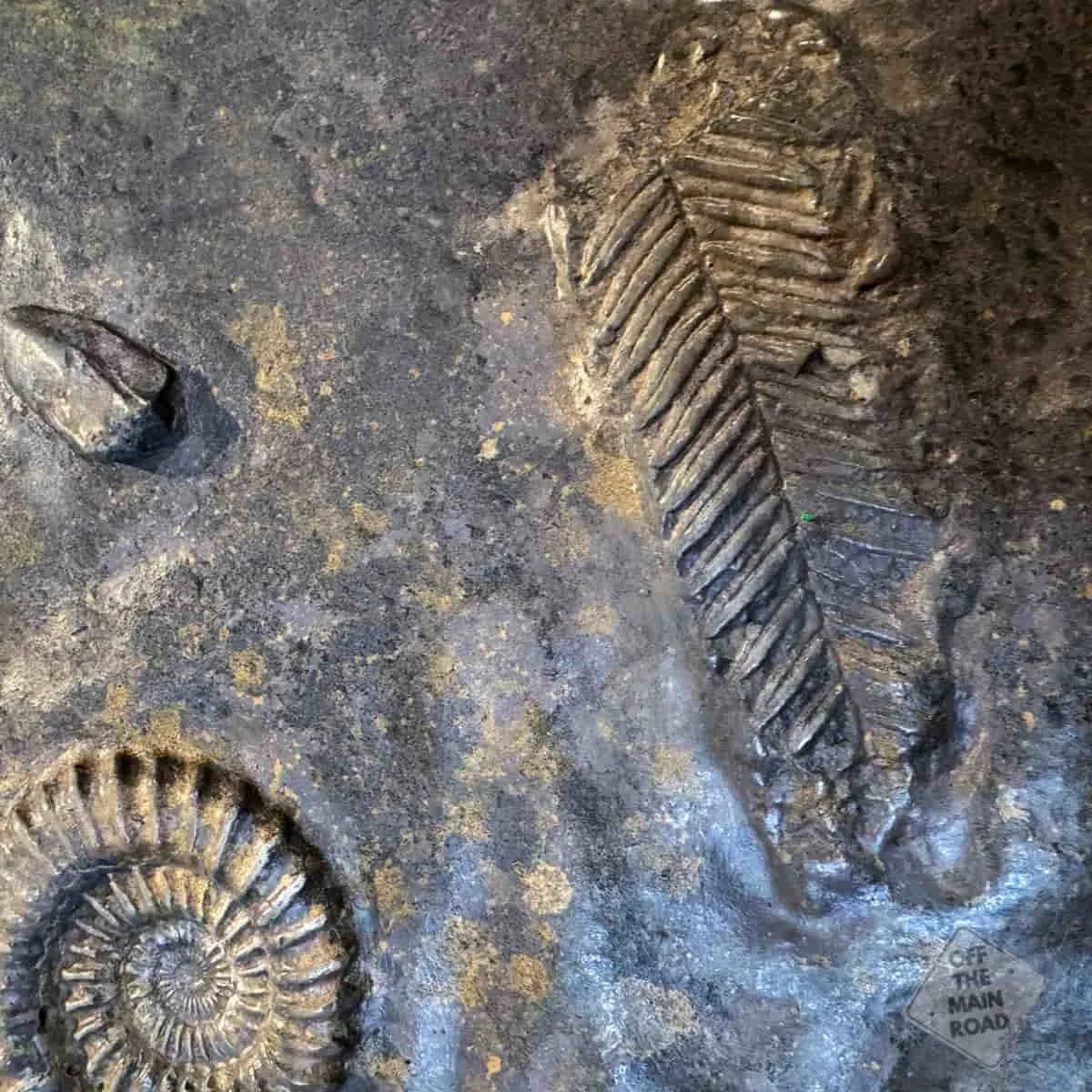
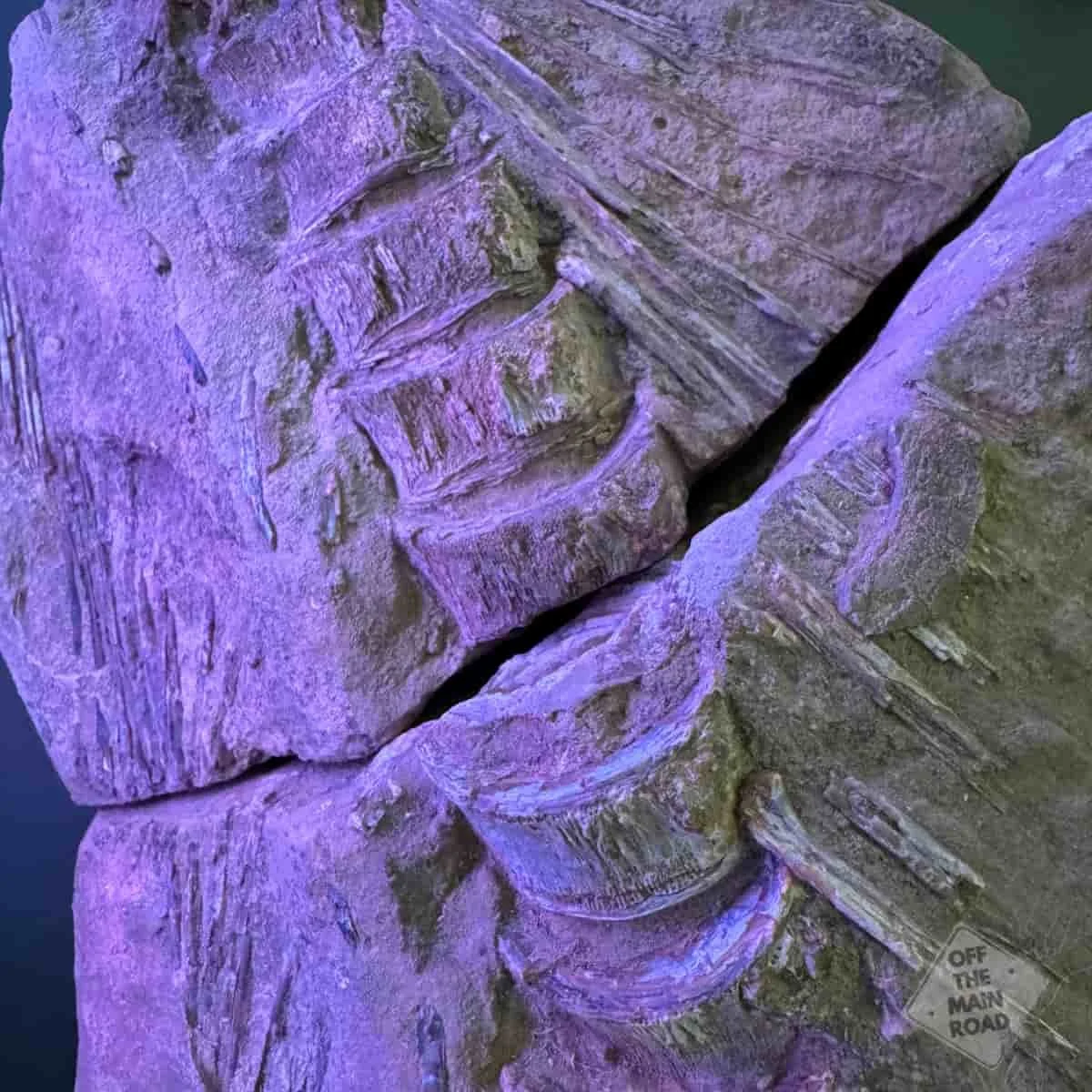
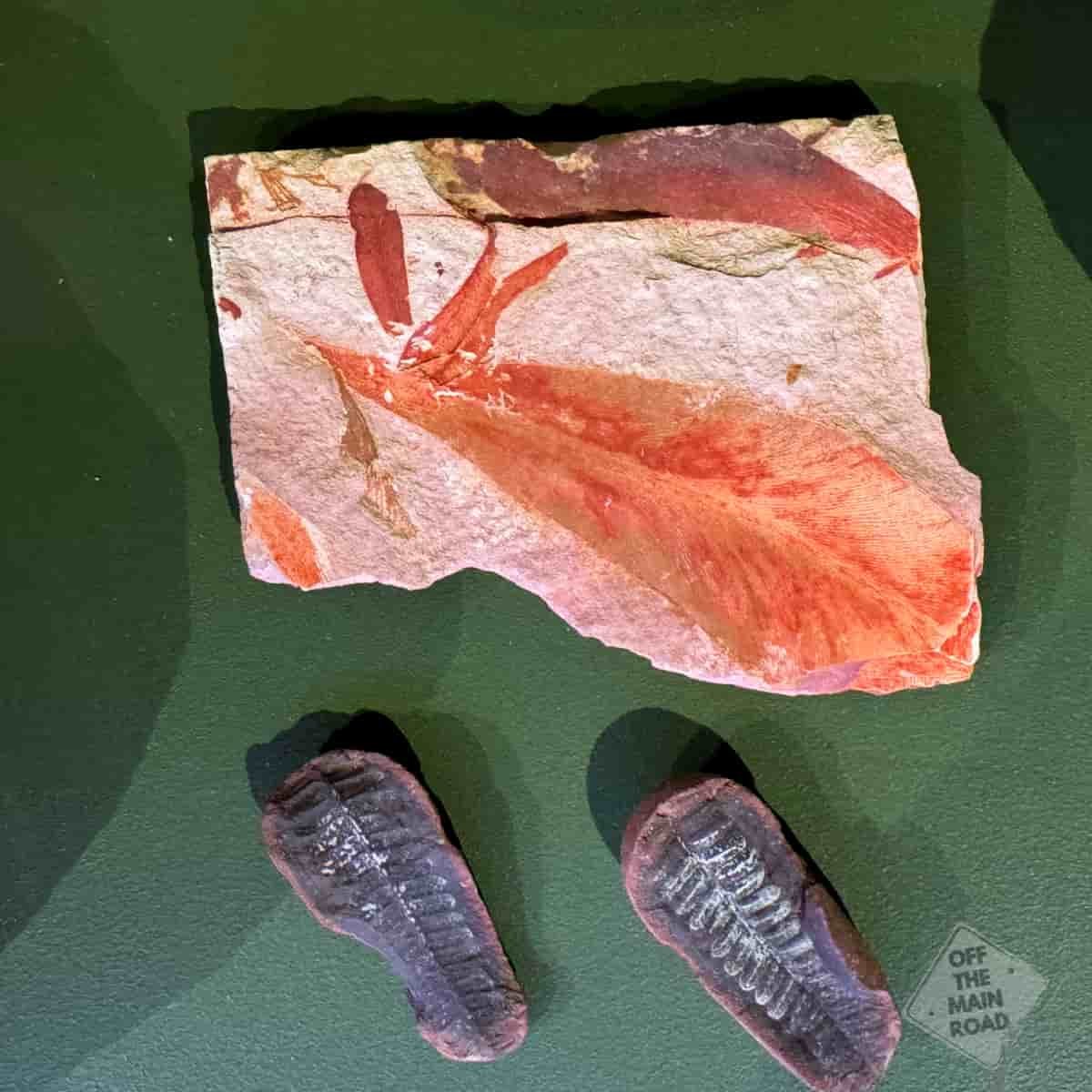
Hughenden sits on the banks of the Flinders River, Queensland’s longest, out on the flat plains west of Townsville. It is quiet, it wears its history plainly, and it turns out to be sitting on top of something remarkable. This is the edge of an ancient inland sea, and the country around here is thick with fossils. Hughenden is a stop on Australia’s Dinosaur Trail, and it takes that very seriously.
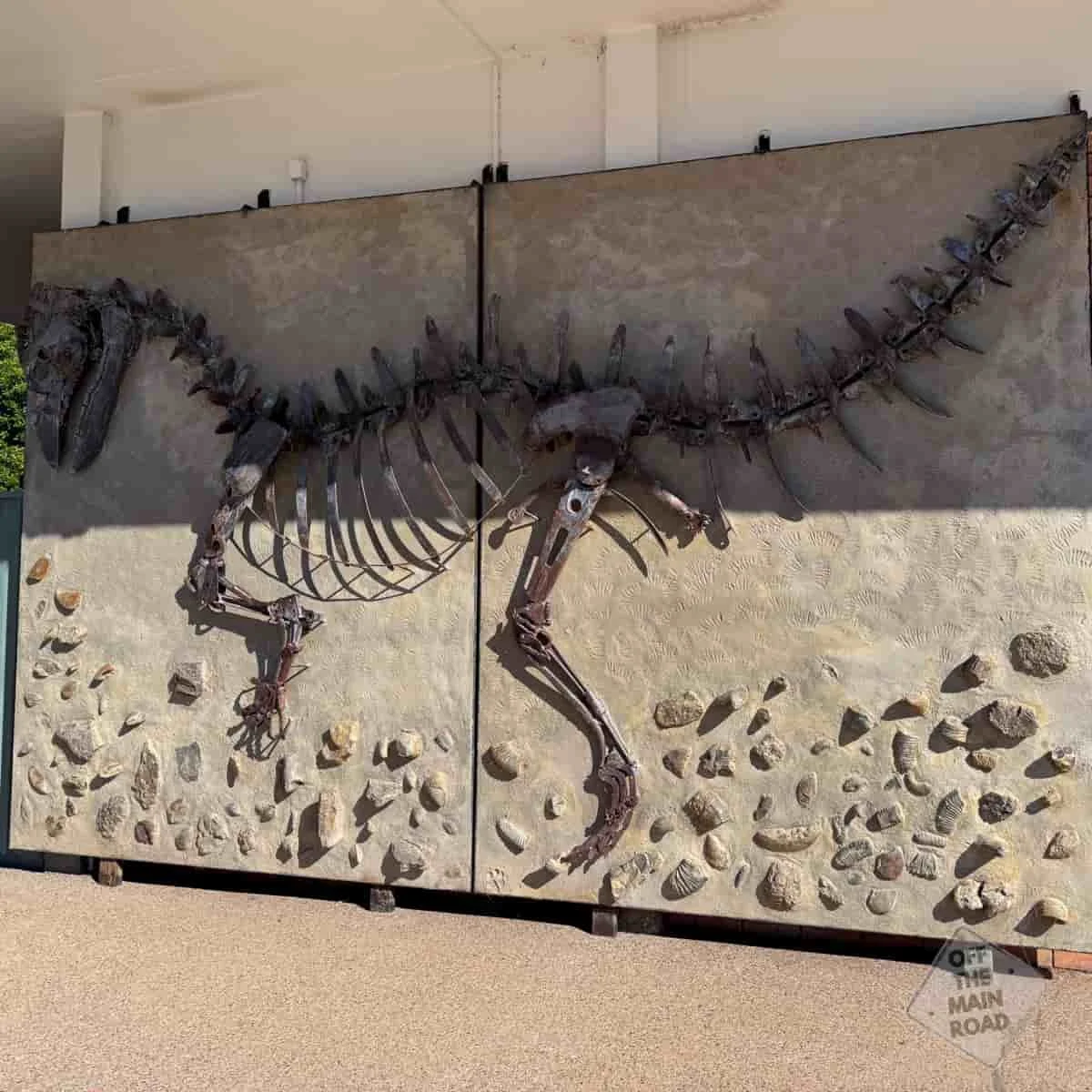
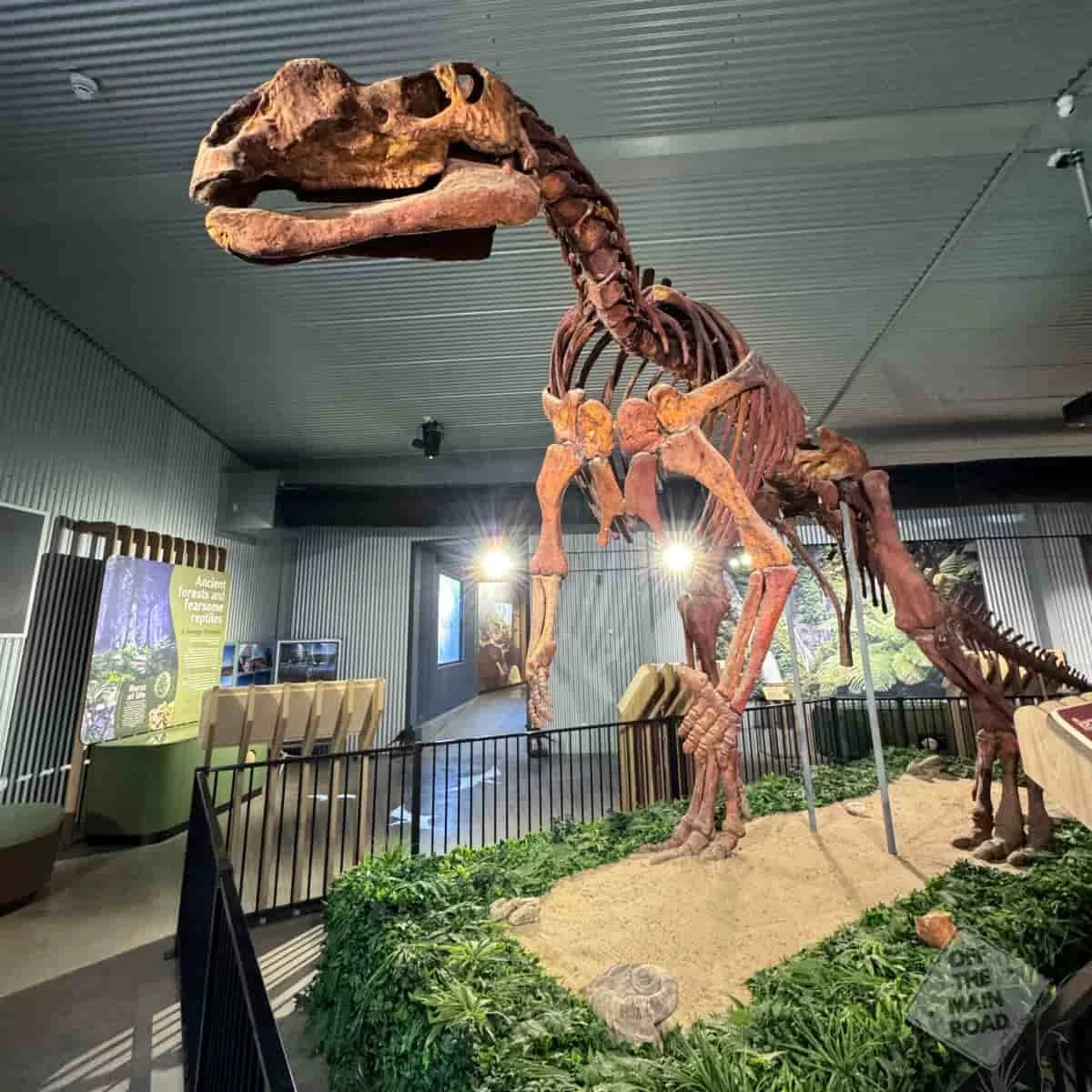
At the Flinders Discovery Centre we spent a couple of good hours among the fossils, with the centrepiece a life-size replica of Hughie, Muttaburrasaurus, a big plant-eating dinosaur whose bones were found in this district. It is a genuinely impressive thing to stand next to, and all around it is the story of the inland sea, the creatures that lived and died here, and how a corner of dry outback Queensland came to be one of the country’s richest fossil grounds. There is a good display on the sheep and shearing years too, the hard grind of the industry that built the town.
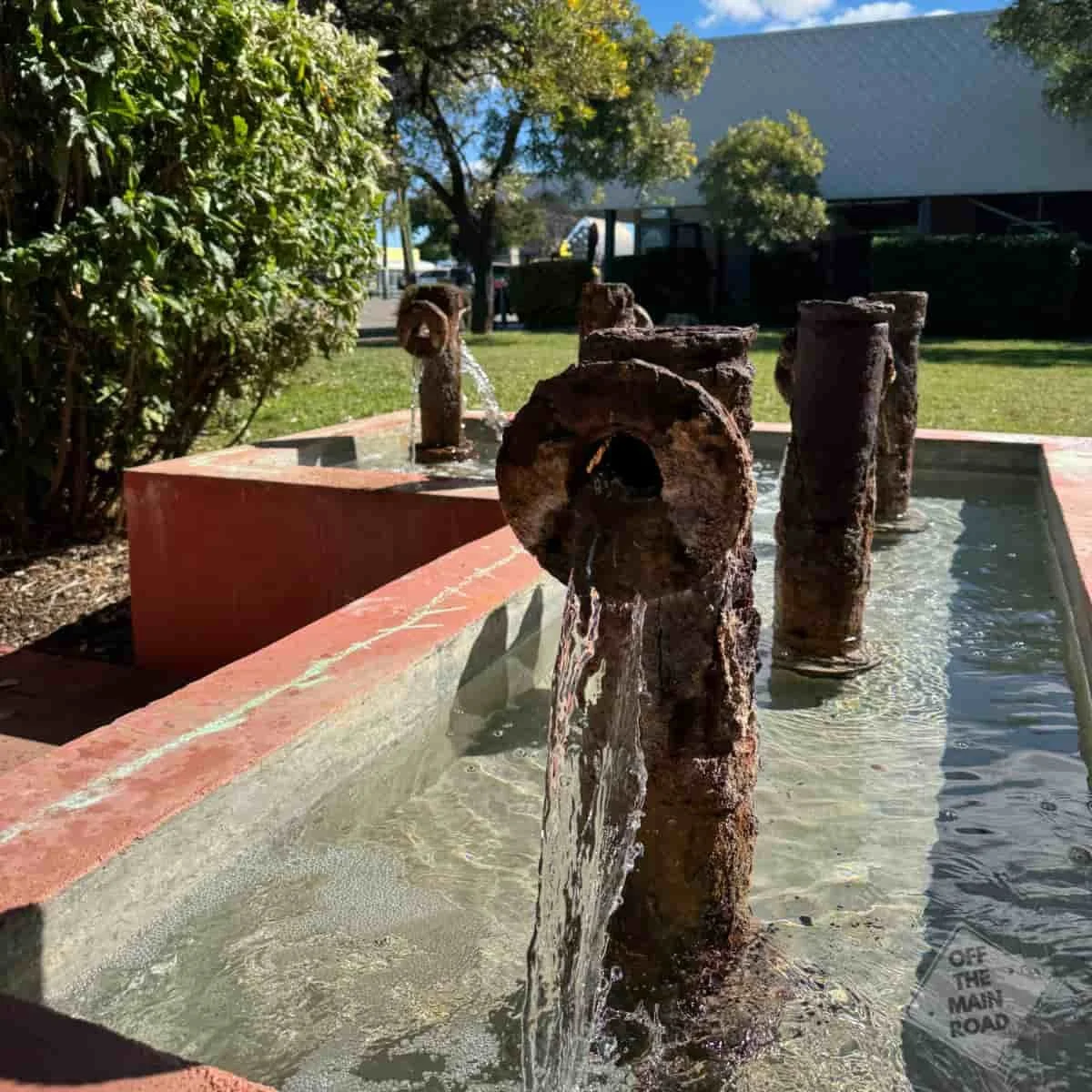
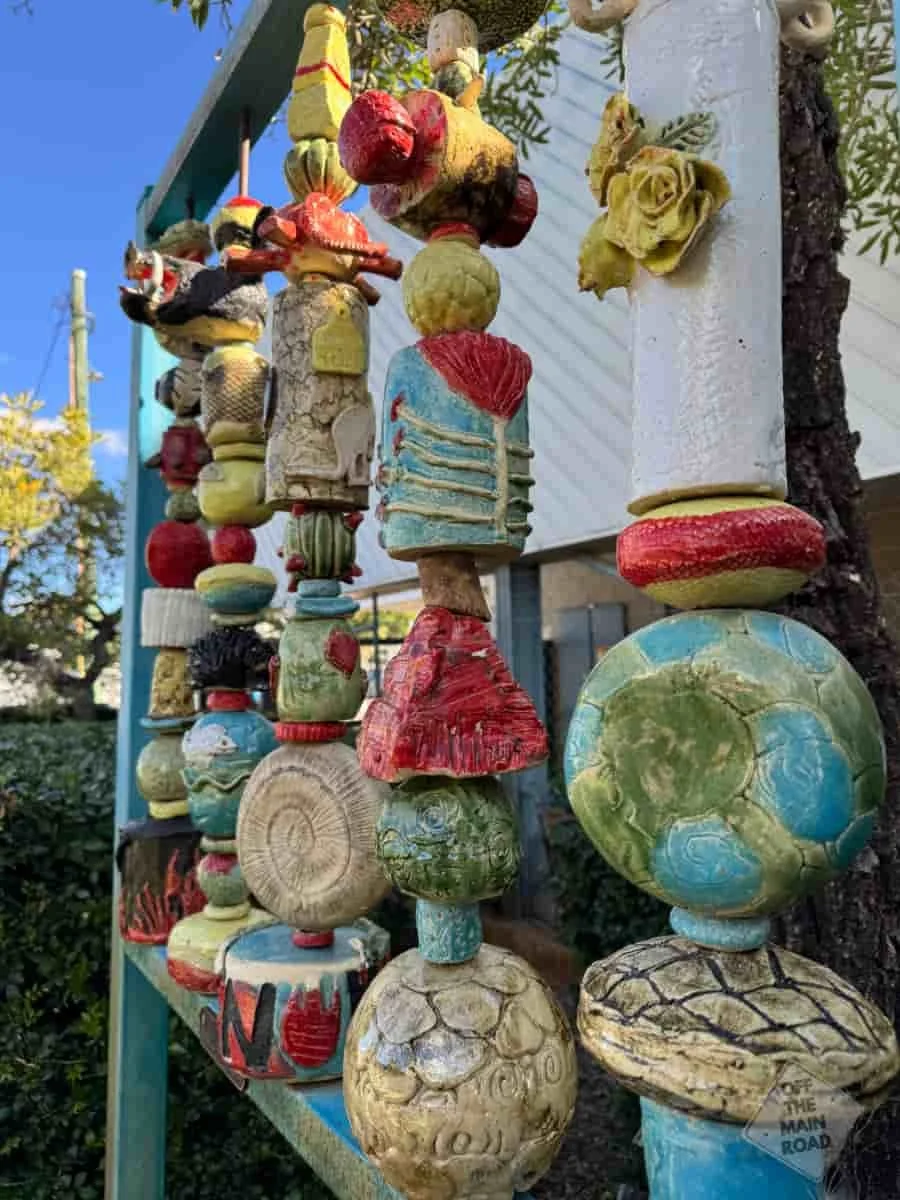
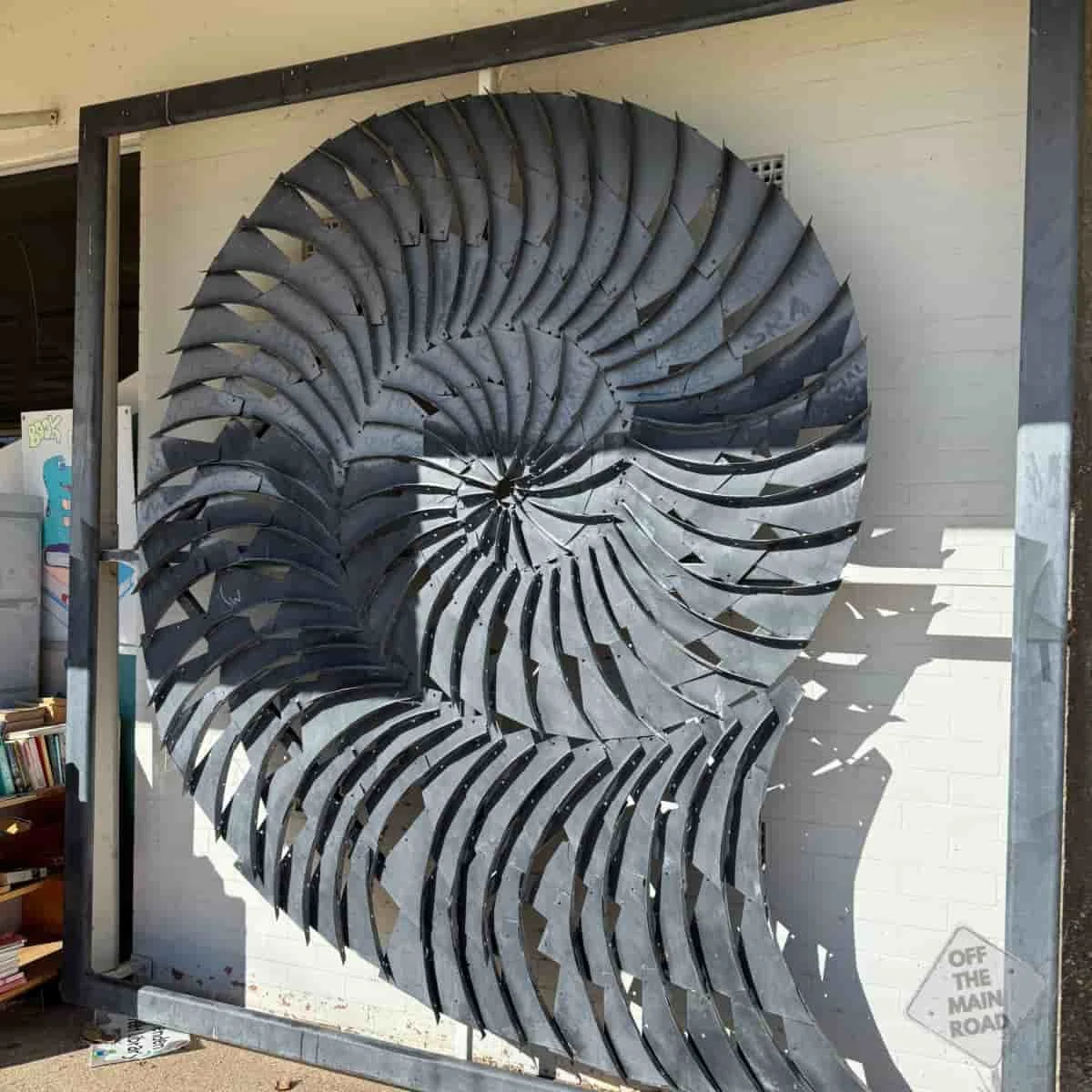
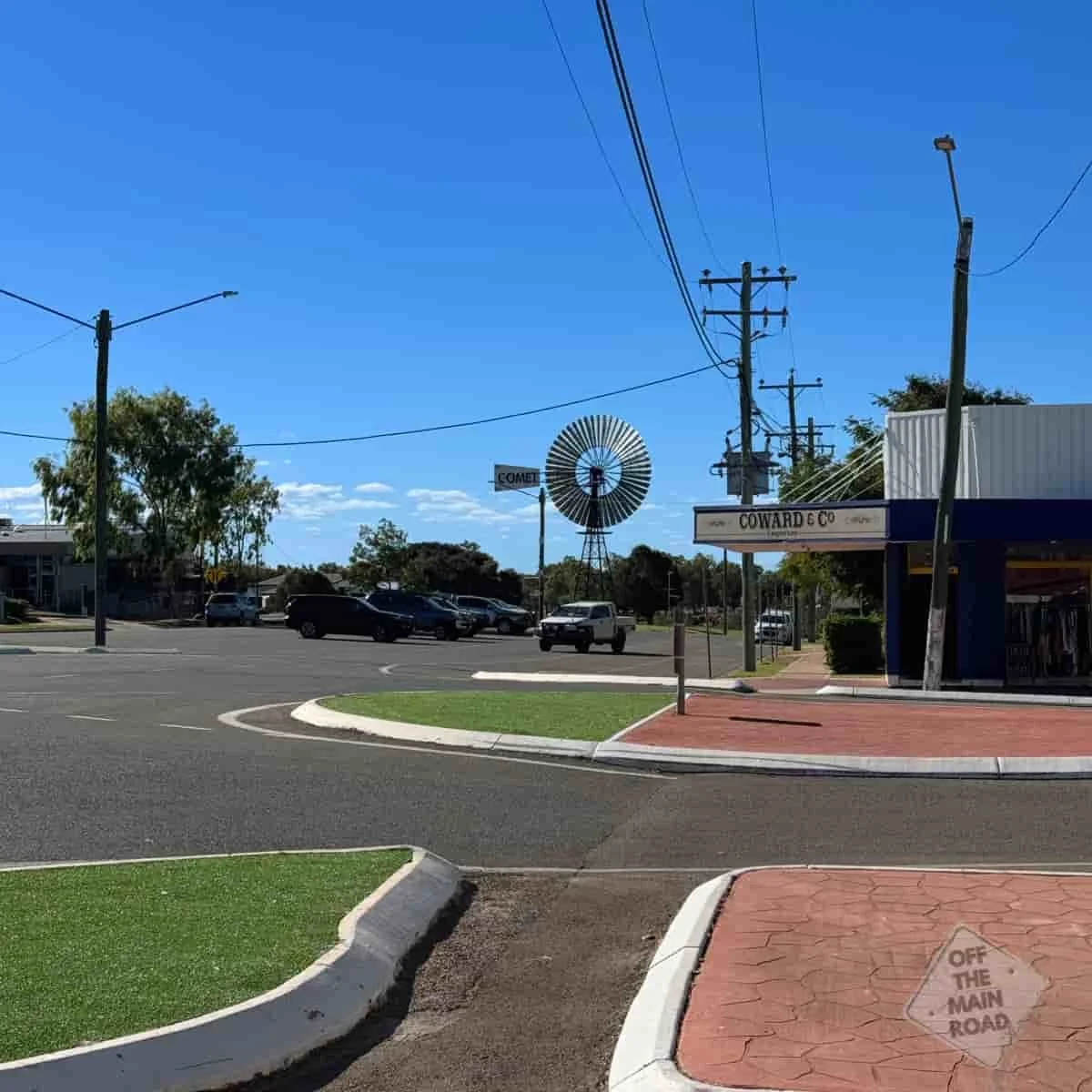
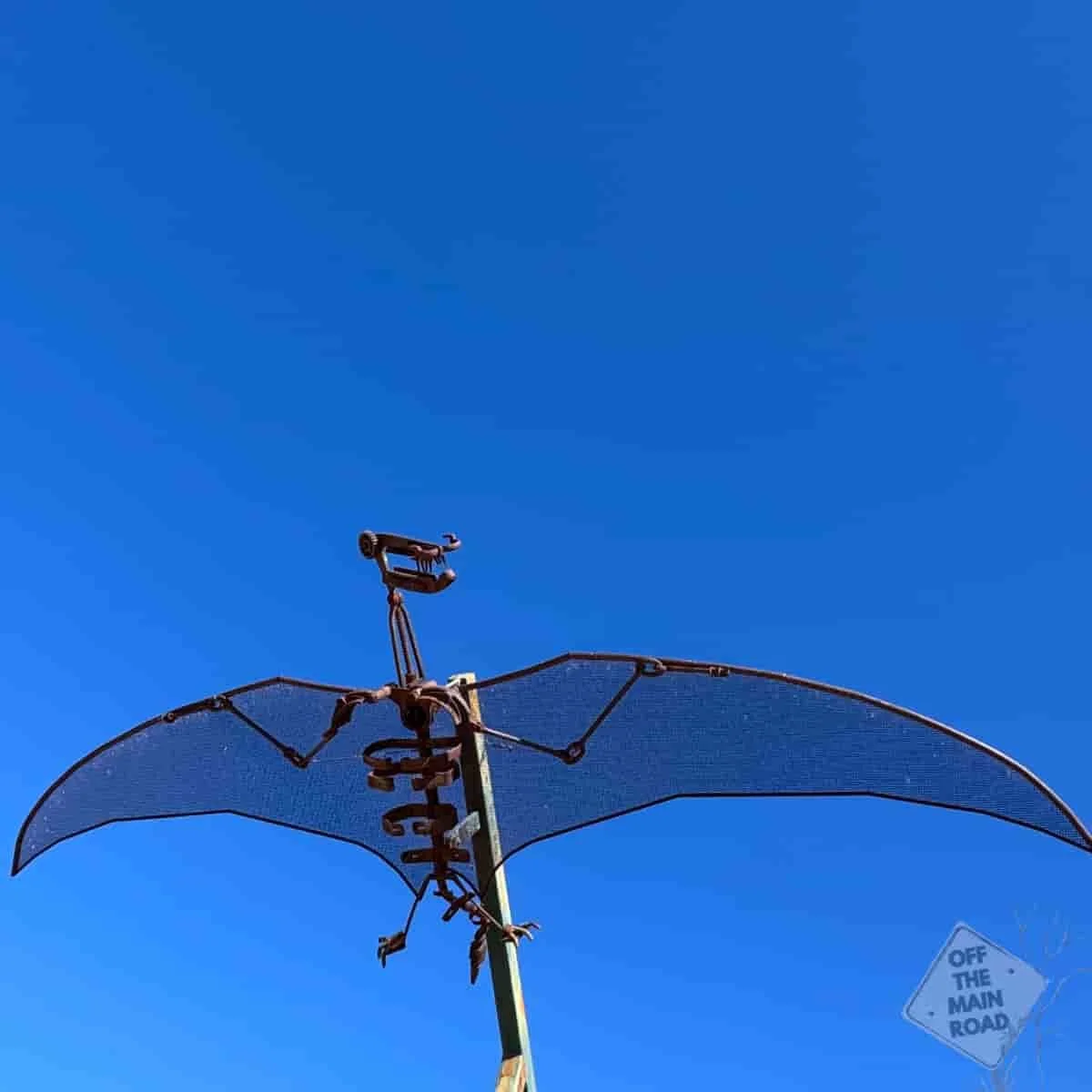
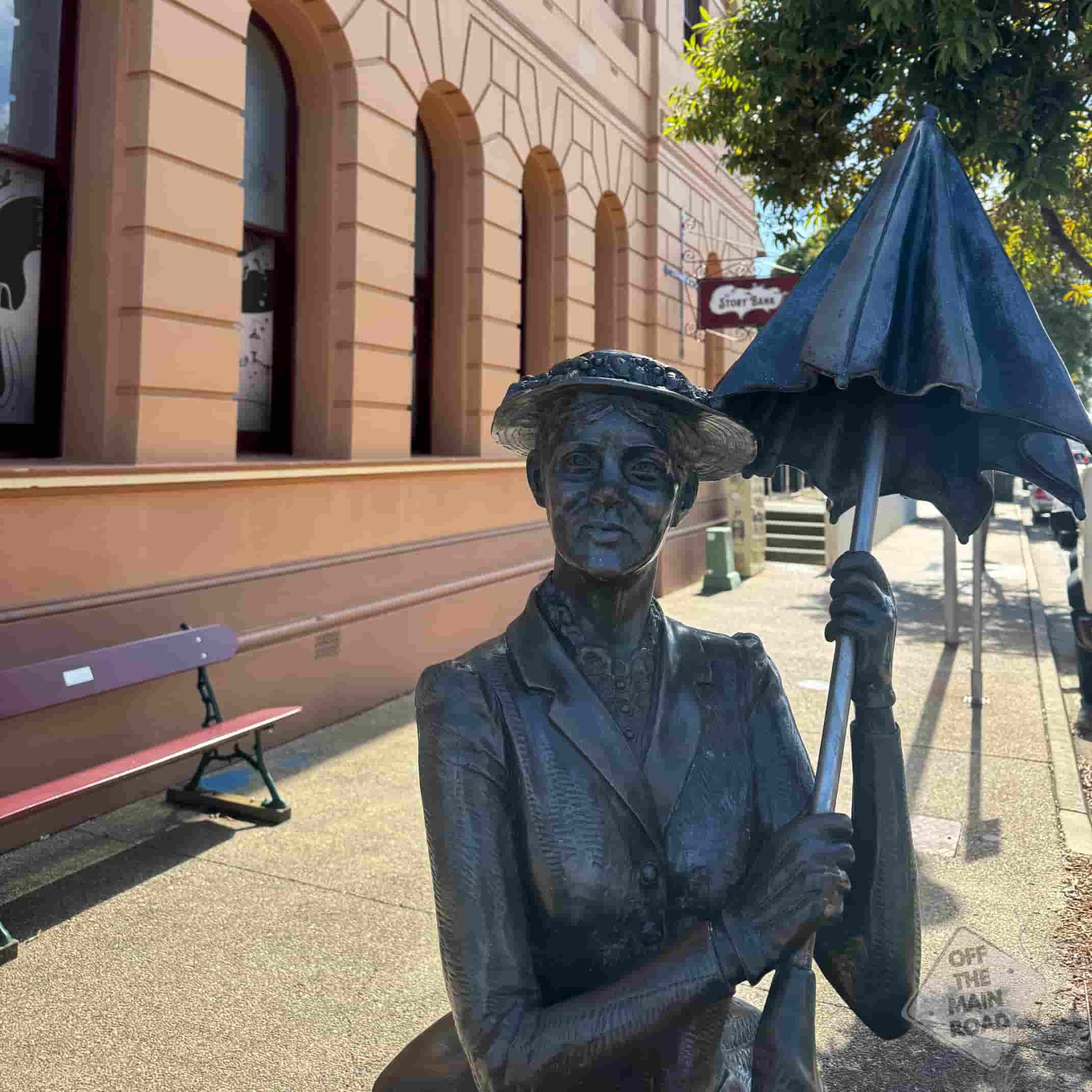
Out in the streets, Hughenden is a quiet, interesting gallery of street art. We wandered the town following its sculptures and street art, much of it built around old windmill blades, and it speaks well to the country it comes from, the cattle, the birds, the pioneers, the land itself. It is the sort of public art that feels like it grew out of the place rather than being dropped onto it. A slow wander with a camera is time well spent.
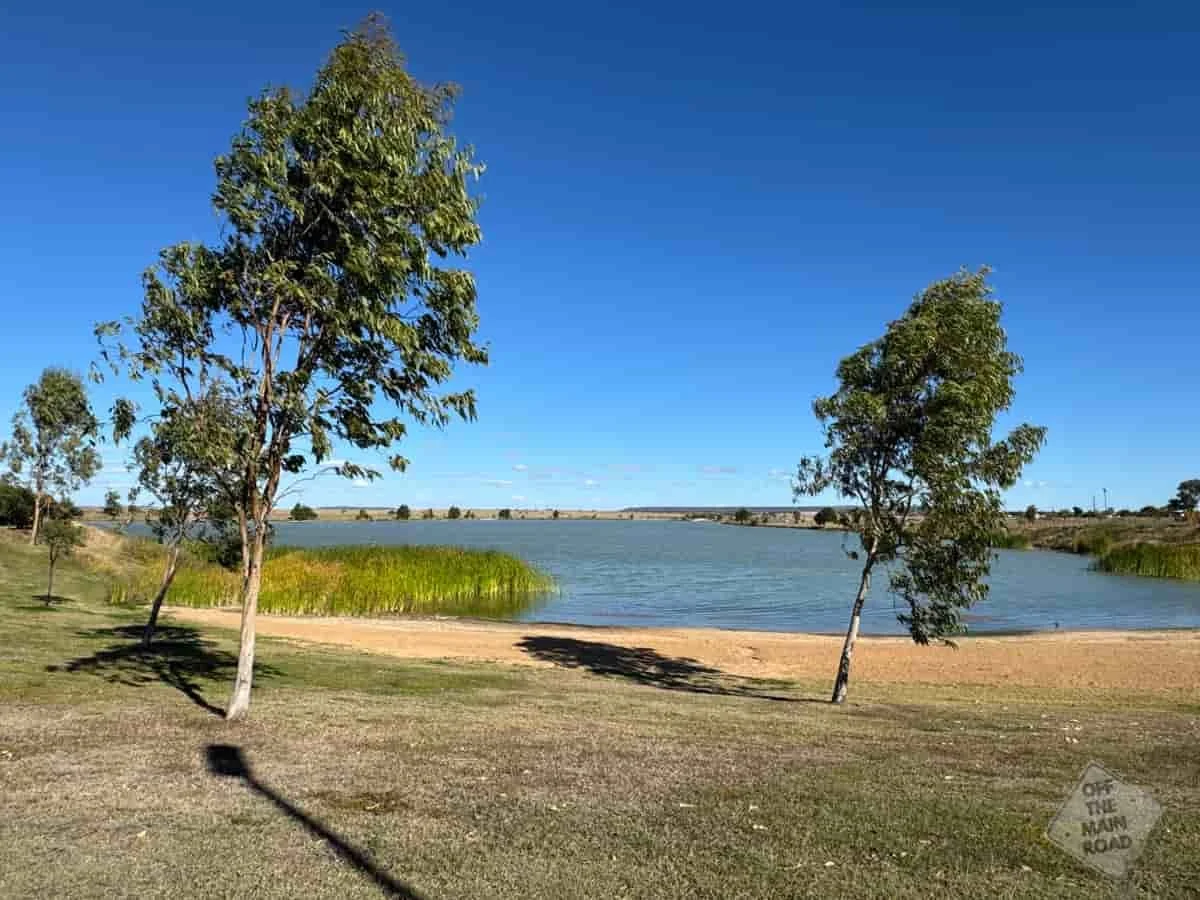
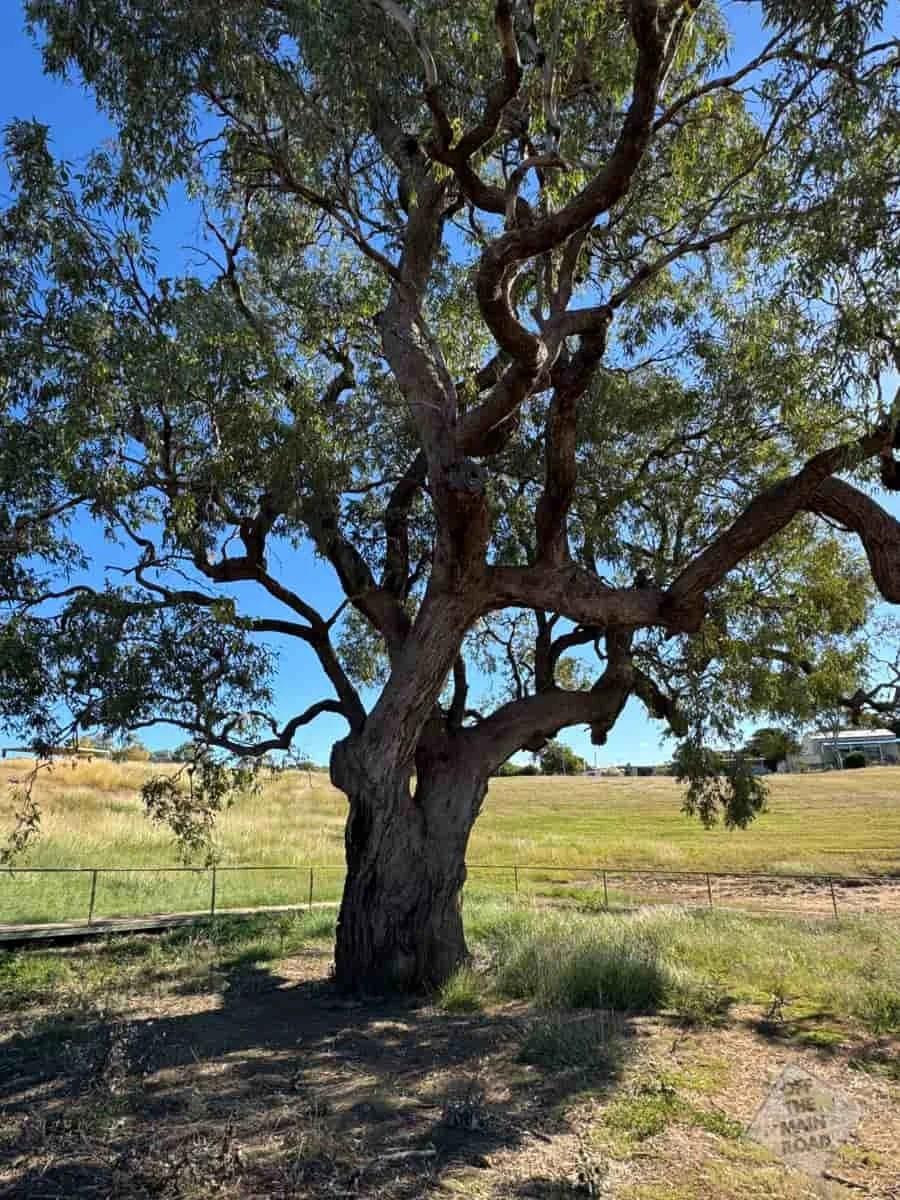
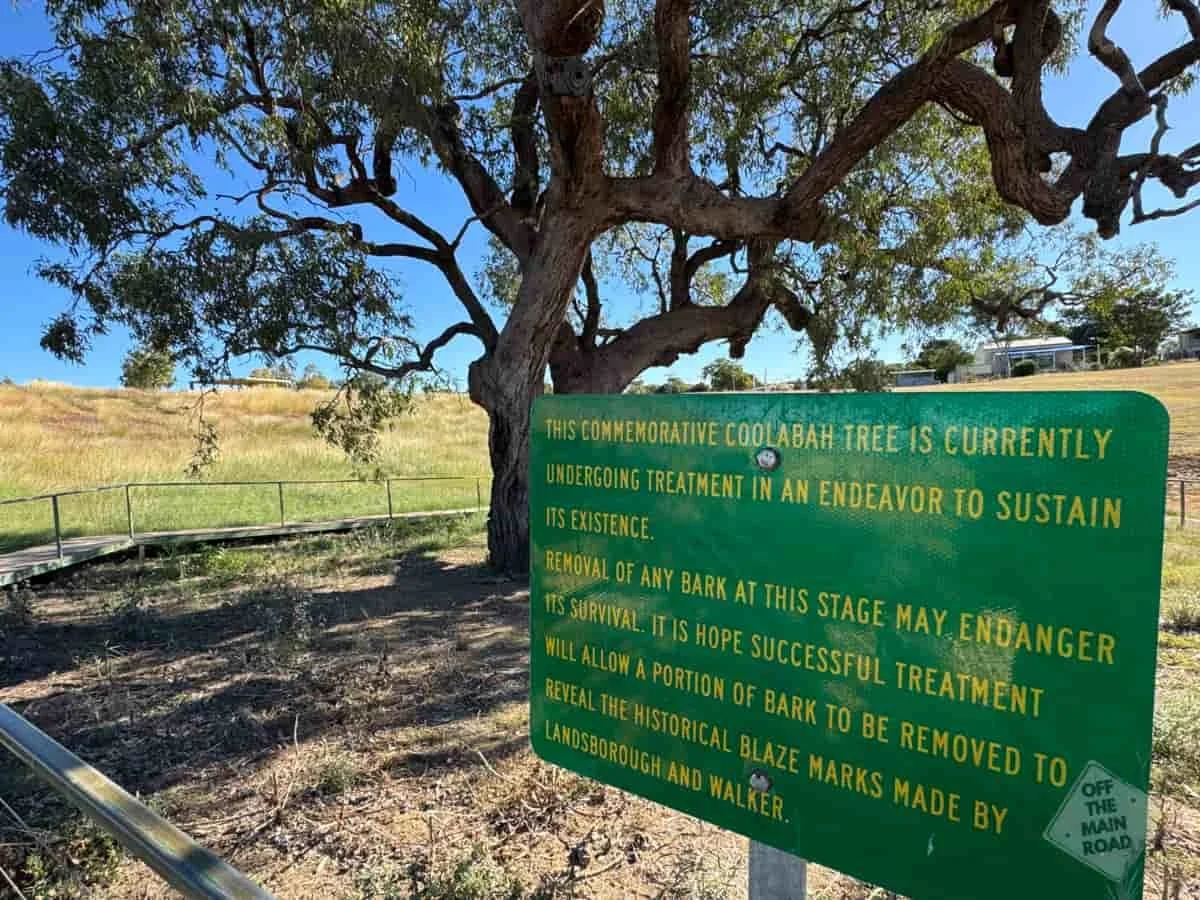
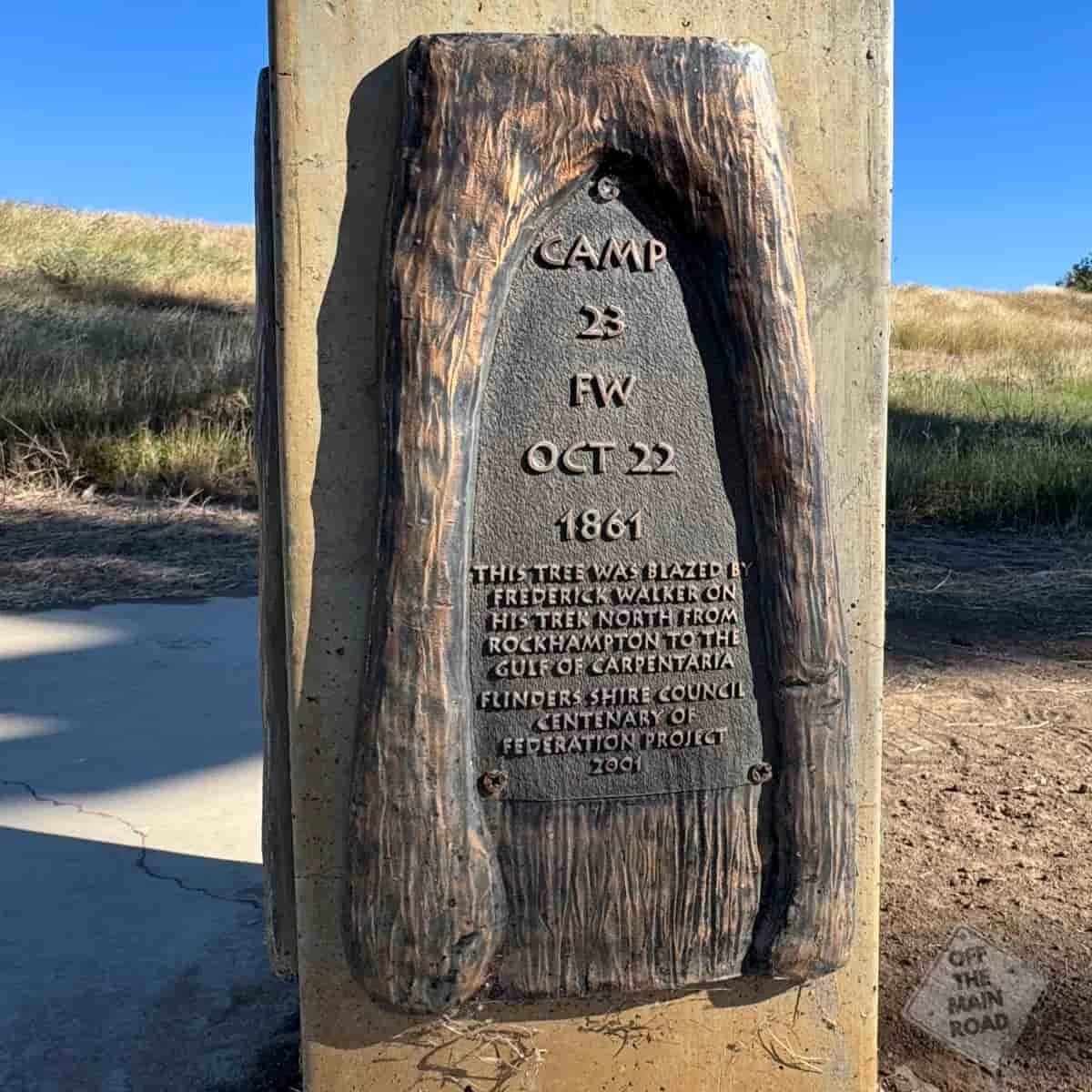
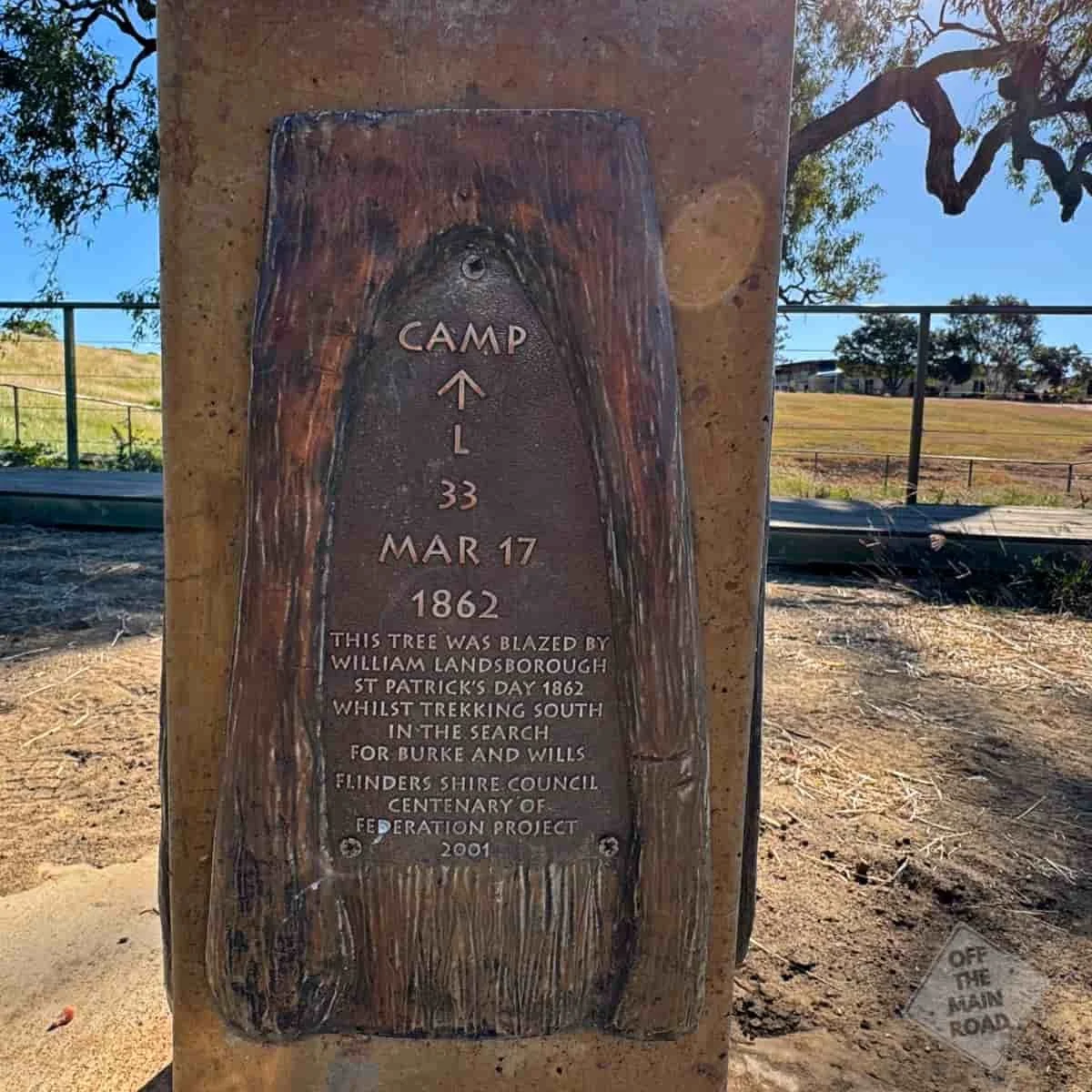
On the way back to the moho we strolled past the recreation lake, and there we found the thing we have thought about most since. A coolibah tree, old and gnarled, that was blazed by Frederick Walker in 1861 and again by William Landsborough in 1862, both of them passing through on the search for the lost explorers Burke and Wills. The story behind those two blazes is worth knowing.
In 1860 Robert O'Hara Burke and William John Wills set out from Melbourne to cross the continent from south to north, the first Europeans to attempt it. They reached the top, near the Gulf of Carpentaria, but the expedition unravelled on the way back through a grim run of bad luck and worse decisions, and both men died near Cooper Creek in 1861, having very nearly made it home. When word got out that they were missing, relief parties fanned out across the inland to look for them. Frederick Walker led one up from Rockhampton, and William Landsborough came down from the Gulf, and both, at different times, camped here on the banks of what is now Station Creek and cut their mark into this same tree. Neither found Burke or Wills alive. But in crisscrossing the country to search, men like these opened up the grazing plains that would become towns like Hughenden, which is a strange and typically Australian sort of legacy, a town that exists in part because of a search that failed. Standing in front of the tree, you are looking at a living link to all of it, a trunk these men blazed more than a hundred and sixty years ago, still growing beside the creek.
There is more to Hughenden that we did not get to. We didn’t drive up Mount Walker, known locally as Tower Hill, for the sunset, and we did not make it out to Porcupine Gorge, the spectacular canyon north of town that is occasionally called Australia’s Little Grand Canyon. Both meant leaving Zoe too long in the heat, and neither felt fair on her. So we have left them for next time, which is no problem. A reason to come back to a good town is not the worst thing to carry away.
If you like the towns that reward a proper stop rather than a drive-through, our Travel Dispatch is full of them. You can sign up HERE
Hughenden
Hughenden is a small town on the Flinders River in outback Queensland. It grew up as a railhead and grazing centre and today is best known as dinosaur country, a key stop on Australia’s Dinosaur Trail, sitting on the edge of an ancient inland sea rich with fossils. The town has a free RV camp, a well-regarded fossil museum, a lake, and a strong thread of public art running through its streets. It is the gateway to Porcupine Gorge National Park and a natural resting point on the run between Townsville and the western outback.
How to Get There
Hughenden sits on the Flinders Highway, the Overlander's Way, roughly 380 kilometres west of Townsville and about 250 kilometres east of Richmond. The highway is sealed the whole way and suitable for all vehicles. The town is also on the Inlander train line between Townsville and Mount Isa. It makes a natural overnight or day stop on the east-west run, and the free RV camp beside the showgrounds is an easy walk from the main street.
What to See and Do
What we did:
Stayed at the free RV camp beside the Hughenden Showgrounds.
Spent a couple of hours at the Flinders Discovery Centre with Hughie the Muttaburrasaurus and the fossil displays.
Wandered the town’s street art and windmill-blade sculptures.
Walked past the recreation lake to the historic coolibah tree blazed by Walker and Landsborough.
Other highlights nearby:
Porcupine Gorge National Park, about 60km north (we saved this for next time).
Mount Walker, or Tower Hill, a lookout just out of town with big sunset views over the plains.
Prairie, Torrens Creek and Stamford, the small communities of the Flinders Shire, each with its own story.
Richmond and Winton further along the Dinosaur Trail, for more fossils and outback history.
When to Visit
The cooler, drier months from April to September are the pick, with mild days and comfortable nights, and the best conditions for exploring Porcupine Gorge and the lookouts. Summer out here is fierce, hot and dry with the odd big storm, and it was exactly that heat that sent us east in the first place. If you are travelling with a dog, plan around the temperature the way we did, and save the exposed walks and drives for the cool of the day.
Final Thoughts
Hughenden turned out to be just what we needed, a quiet, walkable town with more under the surface than you would guess from the highway. Dinosaurs, explorers, shearers and a tree with a story carved into it, all in an easy day on foot. We came to give Zoe a break from the heat and left having stumbled into a proper slice of outback Queensland. And we drove out already half-planning the return trip, the one where we finally see the gorge.
What's Nearby
Hughenden sits on the Overlander’s Way, the long east-west run we have travelled before. To the east the highway heads back toward Townsville and the coast, our direction of travel this time as we chased cooler air for Zoe.
To the west it carries on through Richmond and toward Mount Isa and the Territory. North of town, Porcupine Gorge is reason enough to plan a return, and the smaller Flinders Shire towns are worth a look for anyone with the time.
We share as we find it, the quiet stops and the good towns, through our Travel Dispatch. If that is your pace, you can join us HERE

Fast Facts
Location: Hughenden, Flinders Shire, outback Queensland, on the Overlander’s Way
Distance: About 380km west of Townsville; 250km east of Richmond
Traditional Owners: Yirandhali people
Access: Sealed roads (Flinders Highway), all vehicles. Also on the Inlander train line
Camping: Free RV camp beside the showgrounds for self-contained rigs, walking distance to the main street
Facilities: Fuel, food, supplies, accommodation, museum, lake. Full services in town
Don’t Miss: Flinders Discovery Centre and Hughie; the historic coolibah tree; the town’s street art
Best Time to Visit: April to September (cooler, drier months)
Dog Friendly: Town and RV camp yes; note the heat, and that Porcupine Gorge National Park does not permit dogs
Things That Could Kill You (Probably Won’t)
A semi-serious guide to surviving Australia. Mostly common sense, occasionally luck.
The heat: The reason we came east. Outback Queensland summers are punishing, especially for dogs and kids. Travel and walk in the cool of the day and carry plenty of water.
Porcupine Gorge: Beautiful, and steep. The descent into the gorge is a real walk with unfenced edges up top. Watch your footing and keep back from the rim.
The highway: Long distances, road trains and wandering stock. Watch for wildlife at dawn and dusk on the Overlander’s Way.
Dehydration: Dry heat sneaks up on you out here. Drink more than you think you need, and keep the dog watered and shaded.
If this post helped, you can support our work here.

Other updates you may like…




A solo flight to Lady Elliot Island brought a famously short grass runway, an hour in the lagoon, guano mining history, a 150-year-old lighthouse, a communal buffet, and an afternoon among turtles, manta rays and coral gardens.