Toowoomba: Big Town, Bigger Surprise
We rolled into Toowoomba with no expectations and left genuinely impressed. Perched high on the range, this neat and unexpectedly big city felt like a breath of fresh, cool mountain air after weeks of small towns and red dirt. What we thought would be a two-night stop quickly stretched to four — partly because there was so much to see, and partly because it just felt good to be somewhere with leafy streets and strong Wi-Fi.
As usual, our first stop was the Visitor Information Centre, and it didn’t disappoint. The team loaded us up with brochures, a big self-drive map, and a handful of local secrets scrawled across it in yellow highlighter. Armed with our new treasure map, we set out on what we called the “magical mystery tour of Toowoomba.”
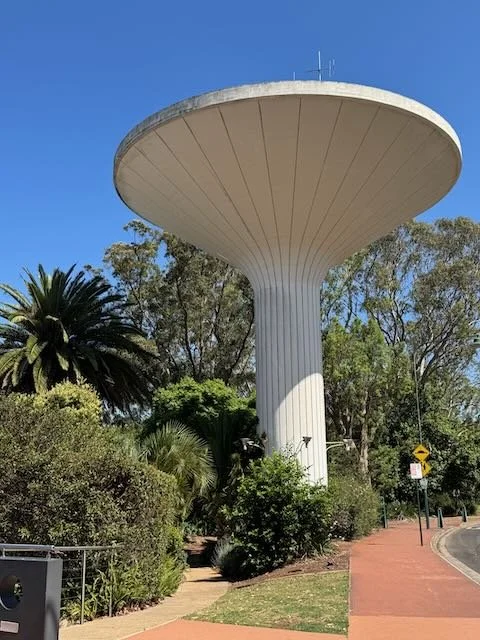
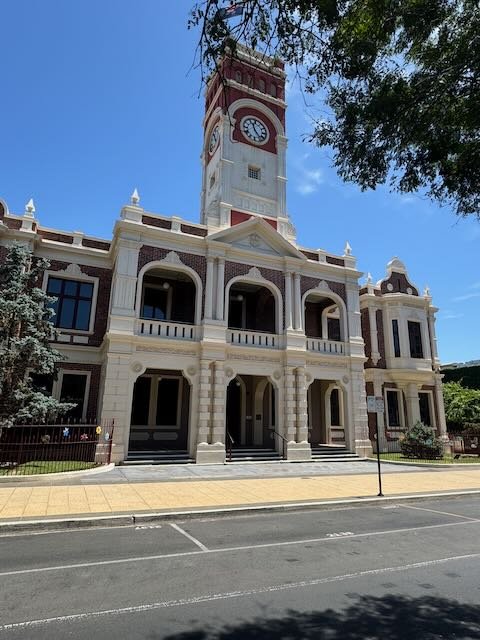
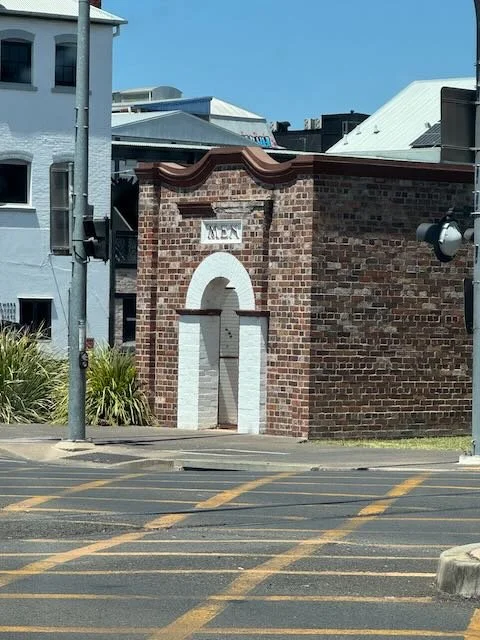
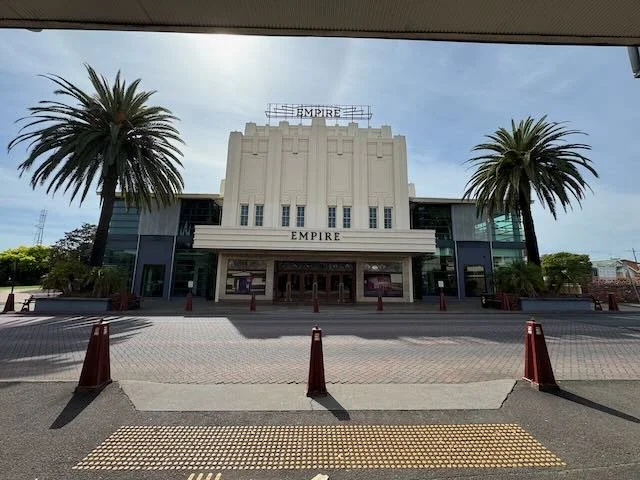
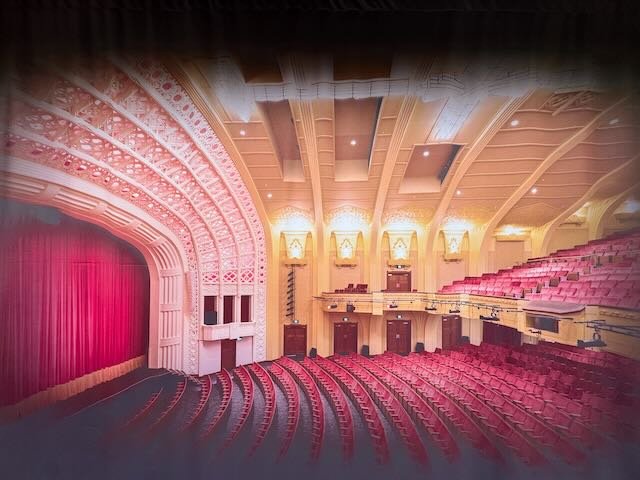
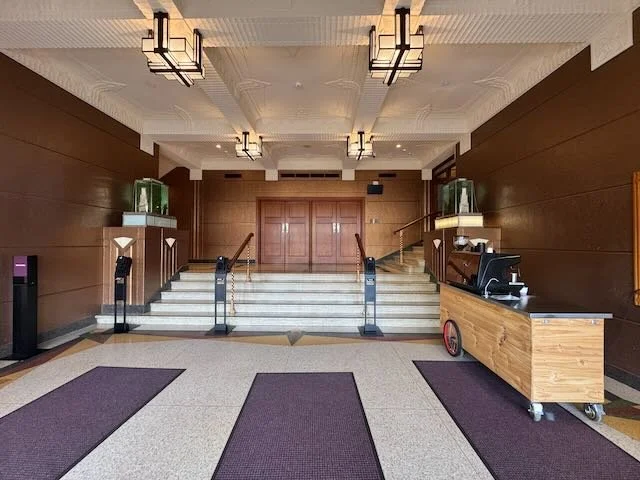
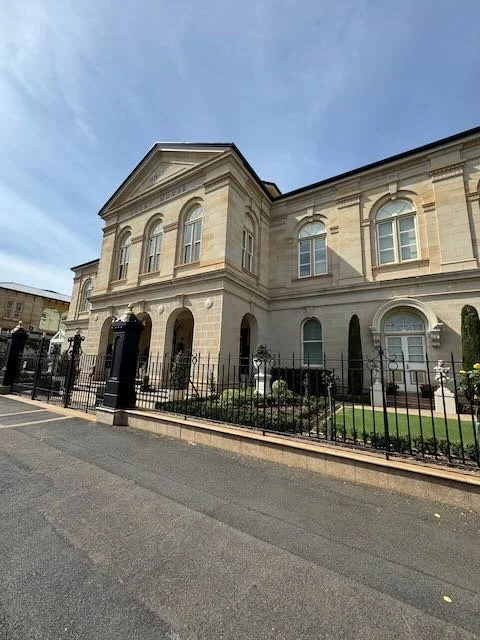
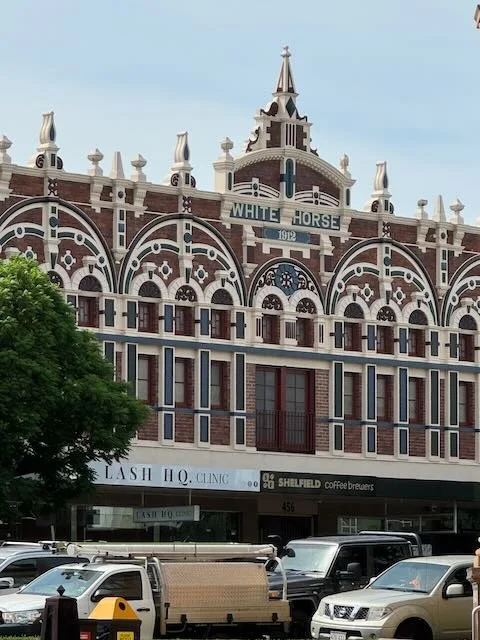
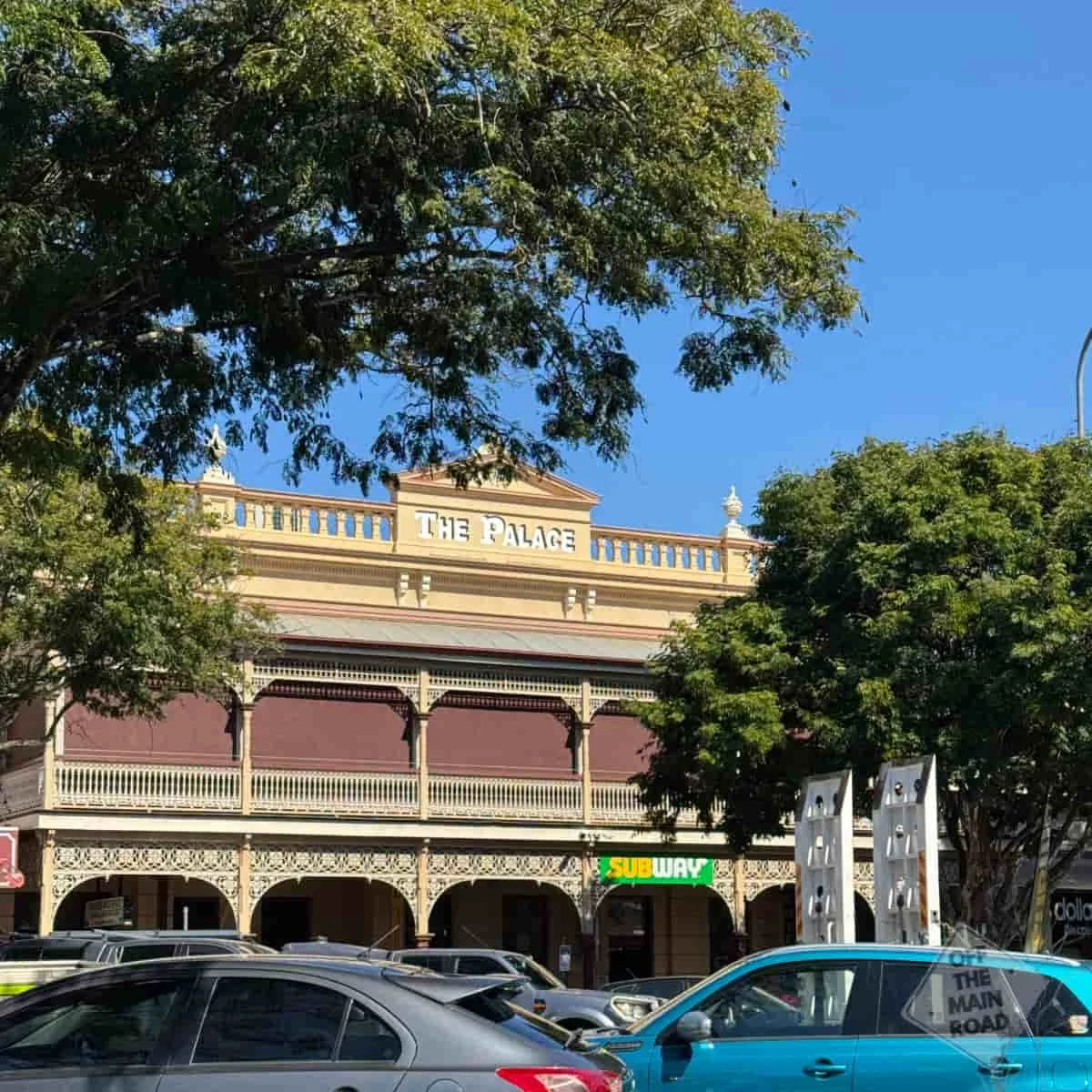
The drive took us past the city’s highlights — elegant old churches, stately Queenslanders, the Empire Theatre (Cameron’s pick of the day), and the Toowoomba Railway Station, where heritage meets day-to-day commuter life. The Picnic Point Lookout was another standout, with sweeping views across the Lockyer Valley and the kind of wind that reminds you you’re properly up high. We even stopped at the first public toilet in Toowoomba — yes, really — a heritage-listed little brick house that somehow made good architecture look effortless, even in the smallest of spaces.
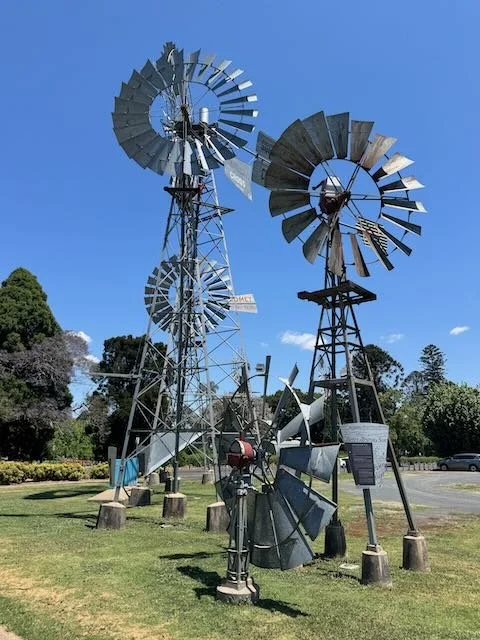
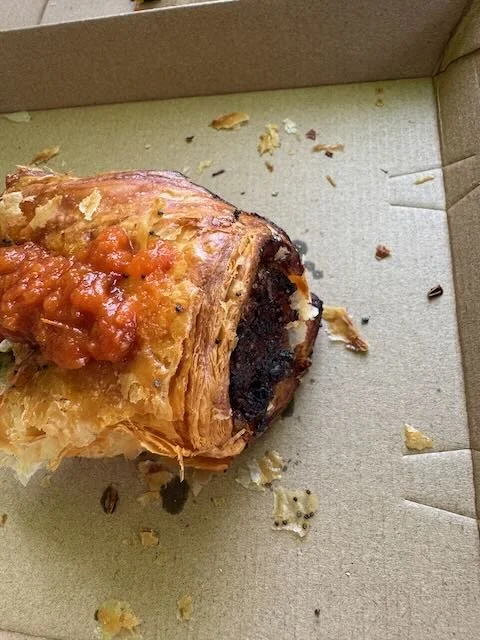
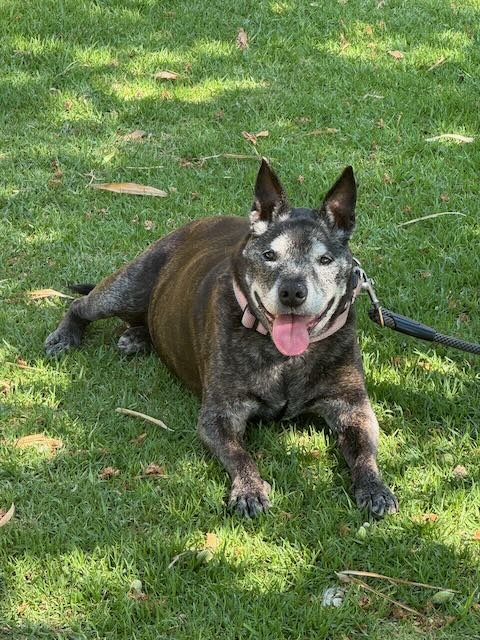
That night, a classic Queensland thunderstorm rolled in, drenching the motorhome roof in a steady drumbeat of rain. By morning, the clouds had cleared and the sky was the kind of blue that makes you want to wander. We headed off to one of the best farmers markets we’ve found on the road, tucked near the Cobb+Co Museum and Queens Park Botanic Gardens. Zoe was in her element, trotting between stalls and soaking up the attention of every friendly local.
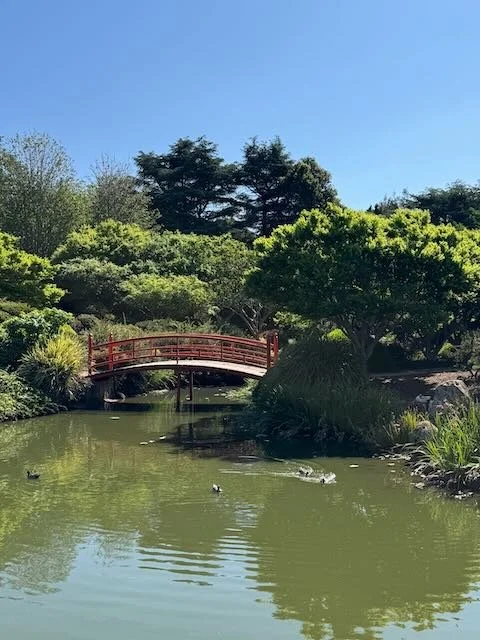
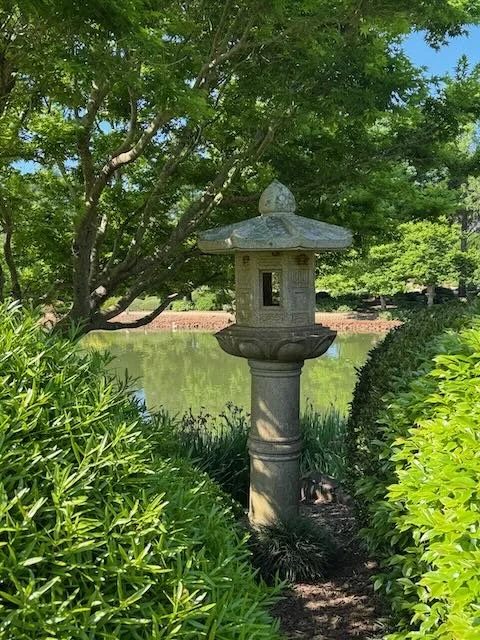
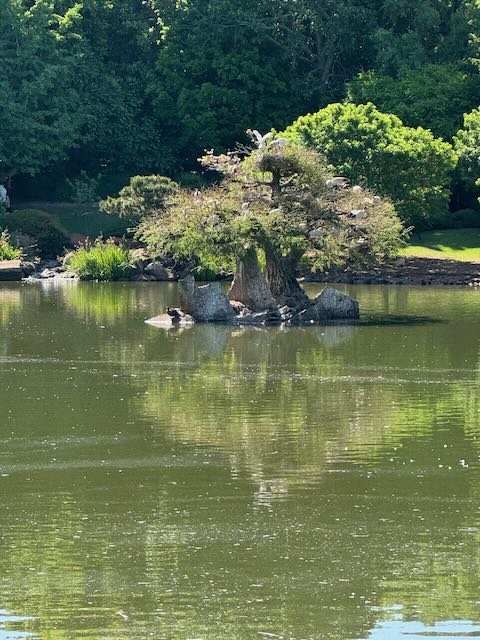
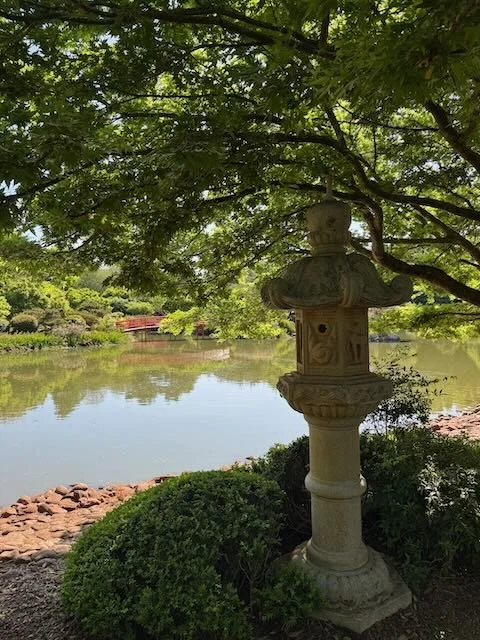
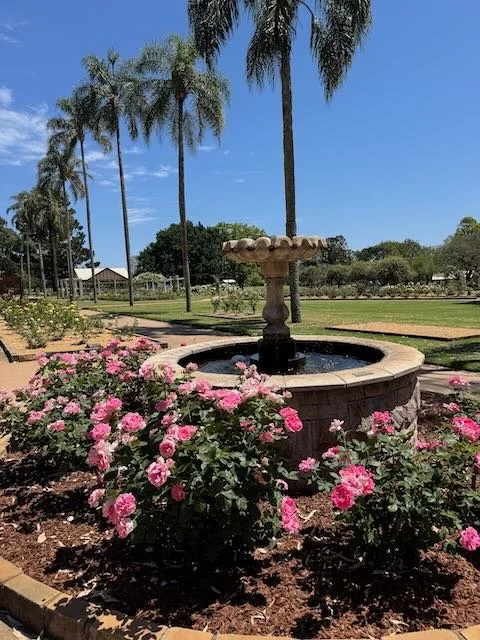
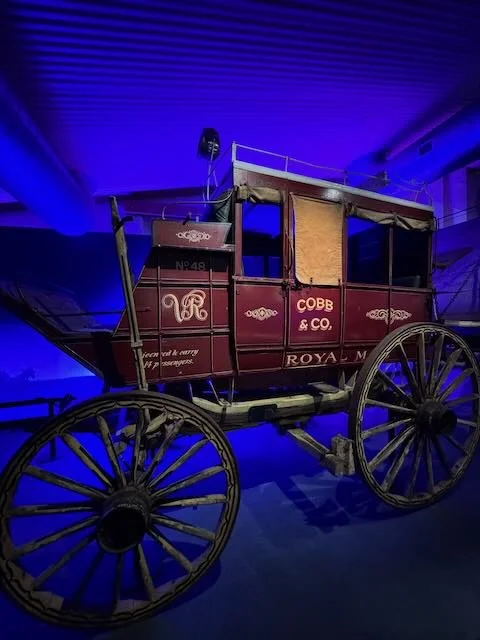
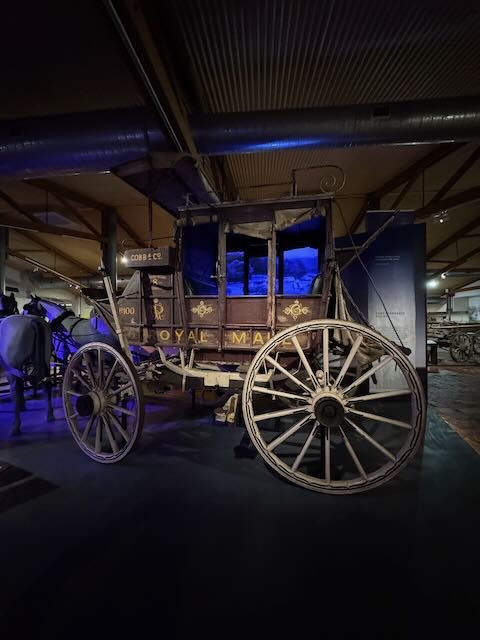
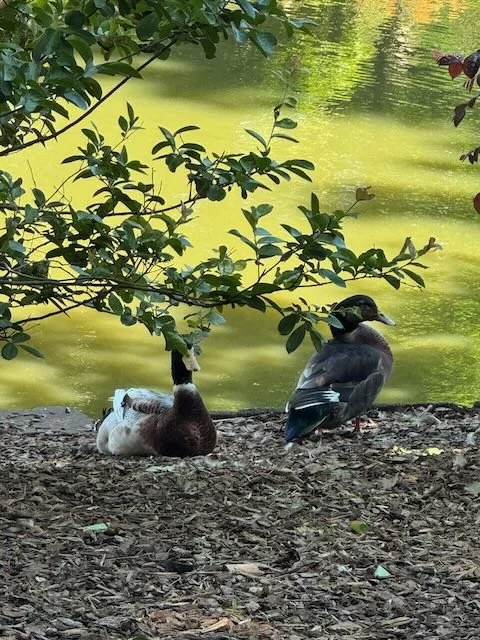
After a slow brunch (Zoe’s favourite, always), we spent the afternoon exploring the Cobb+Co Museum — a fascinating mix of old wagons, trade tools, and the history of travel long before the moho came along. Later, we wandered through the Japanese Gardens, one of the largest of its kind in Australia, all still ponds, curved bridges, and quiet paths that made even Zoe slow down a little.
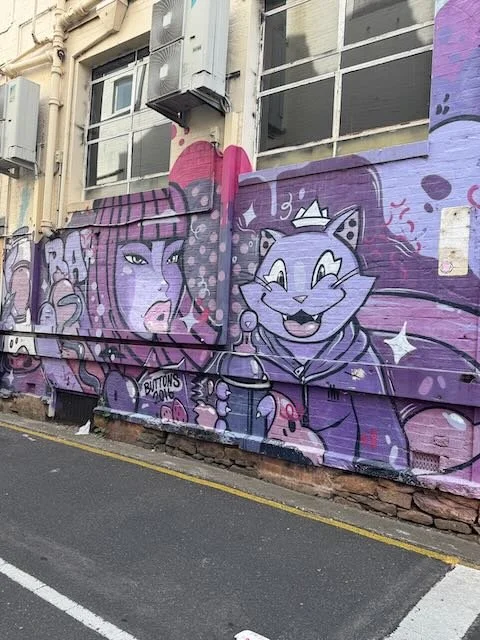
We wrapped up our stay with a bit of shopping — the start of what would become Neil’s Great Apple Chase, but that’s a story for next time. Toowoomba won us over completely: grand architecture, lush gardens, and an easy charm that makes it feel more like a big country town than a city.
If you enjoy stories like this — the unexpected ones that catch you off guard in the best way — join our Travel Dispatch. It’s how we keep the stories rolling, one stop at a time.
Next Stop: Brisbane. Where Cameron’s inner fanboy made a rare appearance (subscribers might’ve read about that one in our secret Travel Dispatch). We didn’t fall for the city itself, but Neil’s ‘Great Apple Chase’ shifted into high gear!

What is?
Known as Queensland’s Garden City, Toowoomba is perched 700 metres above sea level on the Great Dividing Range. It’s full of surprises — leafy parks, historic buildings, excellent food, and a creative pulse that blends country warmth with city style.
How to Get There
Toowoomba is about 125 km west of Brisbane and is reached via the Warrego Highway. From Kingaroy, it’s around 180 km south via the Burnett Highway. All roads are sealed and scenic, with rest stops and lookouts along the way.
Tours and Access
What we did:
Followed the self-drive heritage and architecture tour recommended by the Visitor Centre.
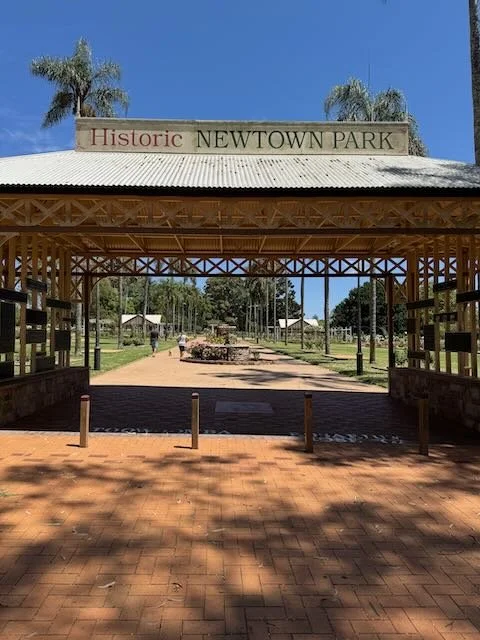
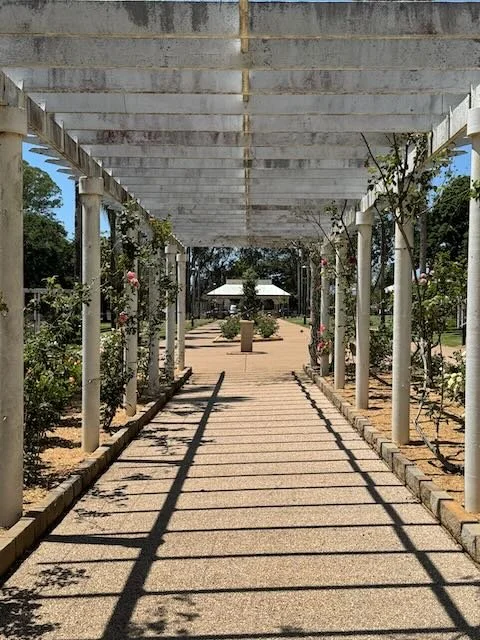
Explored Picnic Point Lookout, Empire Theatre, and Queens Park Botanic Gardens.
Enjoyed a long brunch and great produce at the farmers markets near the Cobb+Co Museum.
Wandered through the Japanese Gardens—Zoe’s clear favourite.
Visited the Cobb+Co Museum for a dose of history and craftsmanship.
Discovered Toowoomba’s “first public toilet”—surprisingly photogenic.
Other highlights you might explore:
Visit during the Carnival of Flowers in spring.
Explore the Toowoomba Regional Art Gallery for local works.
Drive the Murphys Creek route for bushland views and historic bridges.
Best Time to Visit
Spring and autumn are perfect for mild weather and blooming gardens. Summer storms add drama (and mozzies), while winter brings crisp mornings and clear skies.
Final Thoughts
Toowoomba was one of those stops that reminded us to keep our expectations low and our curiosity high. It’s grand and green, old and new, and full of character.
What’s Nearby
From Toowoomba, you can follow the highway south toward Warwick and the Granite Belt wine region, or head west toward Dalby and the Darling Downs plains. East will take you to Brisbane. Wherever you go next, the range always seems to follow you in the mirror.
If you’ve enjoyed this story, sign up for our Travel Dispatch. We’ll keep you company on the next leg.
Fast Facts
Location: Toowoomba, Queensland
Distance: Kingaroy to Toowoomba – 180 km
Traditional Owners: Giabal and Jarowair Peoples
Access: Sealed via Burnett and Warrego Highways
Facilities: Visitor Centre, museums, gardens, cafés, markets, showgrounds, RV parking
Walking Track: Japanese Gardens, Queens Park, Picnic Point trails
Dog Friendly: Limited in gardens, good in town and markets
Best Time to Visit: Spring and autumn
If you’ve enjoyed wandering Toowoomba’s gardens with us, join our Travel Dispatch. Don’t miss out on the top secret dispatches…the behind-the-scenes stories, quiet laughs, and occasional city confessions that never make the blog.

Other updates you may like…




A solo flight to Lady Elliot Island brought a famously short grass runway, an hour in the lagoon, guano mining history, a 150-year-old lighthouse, a communal buffet, and an afternoon among turtles, manta rays and coral gardens.