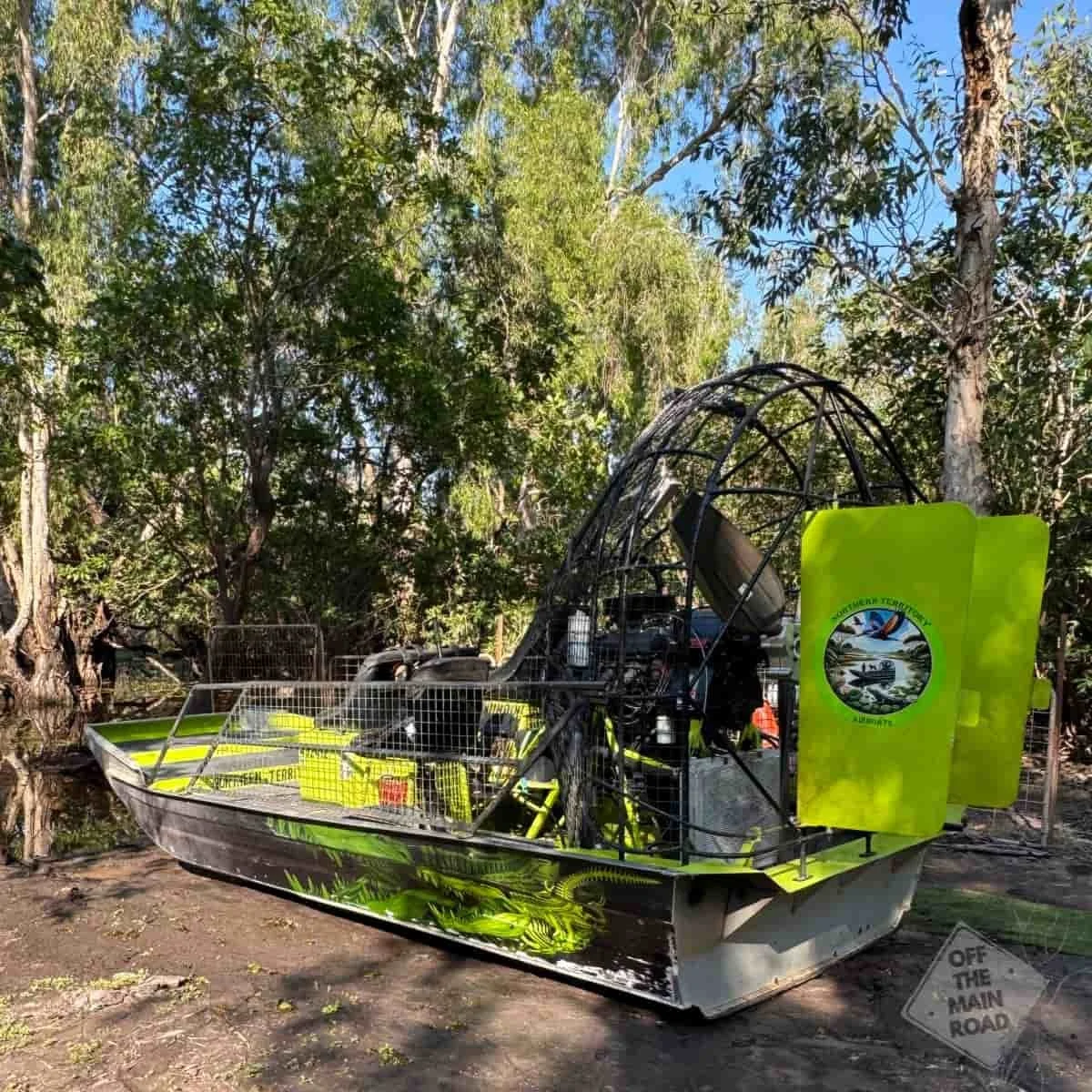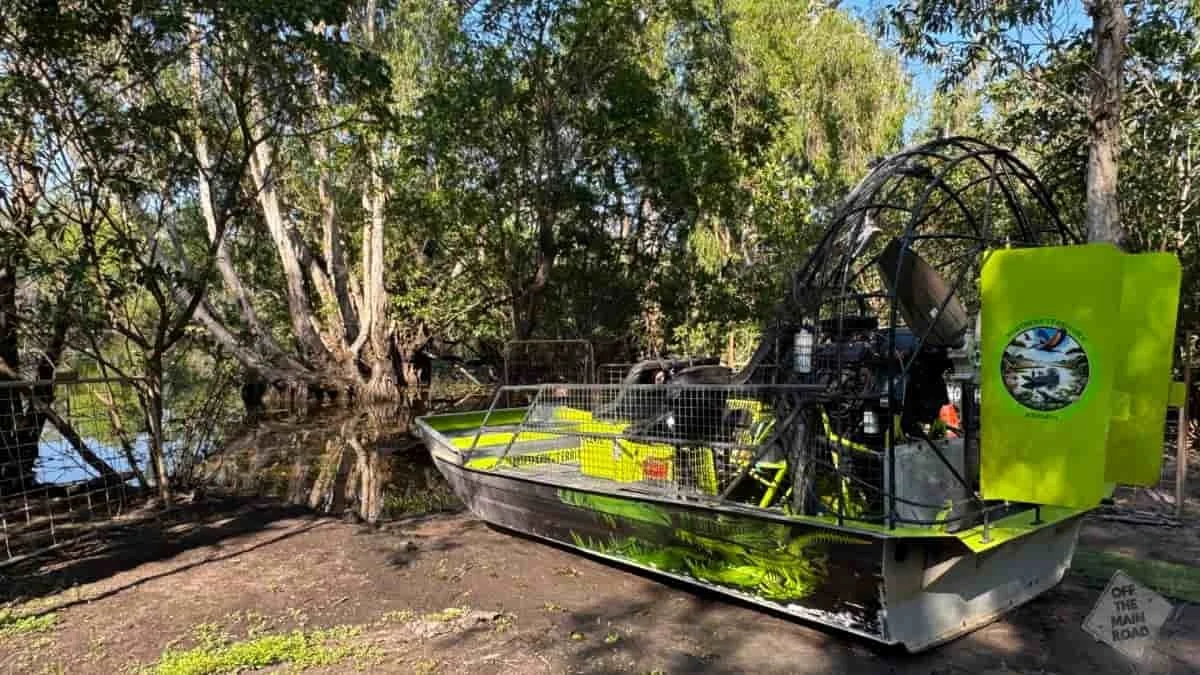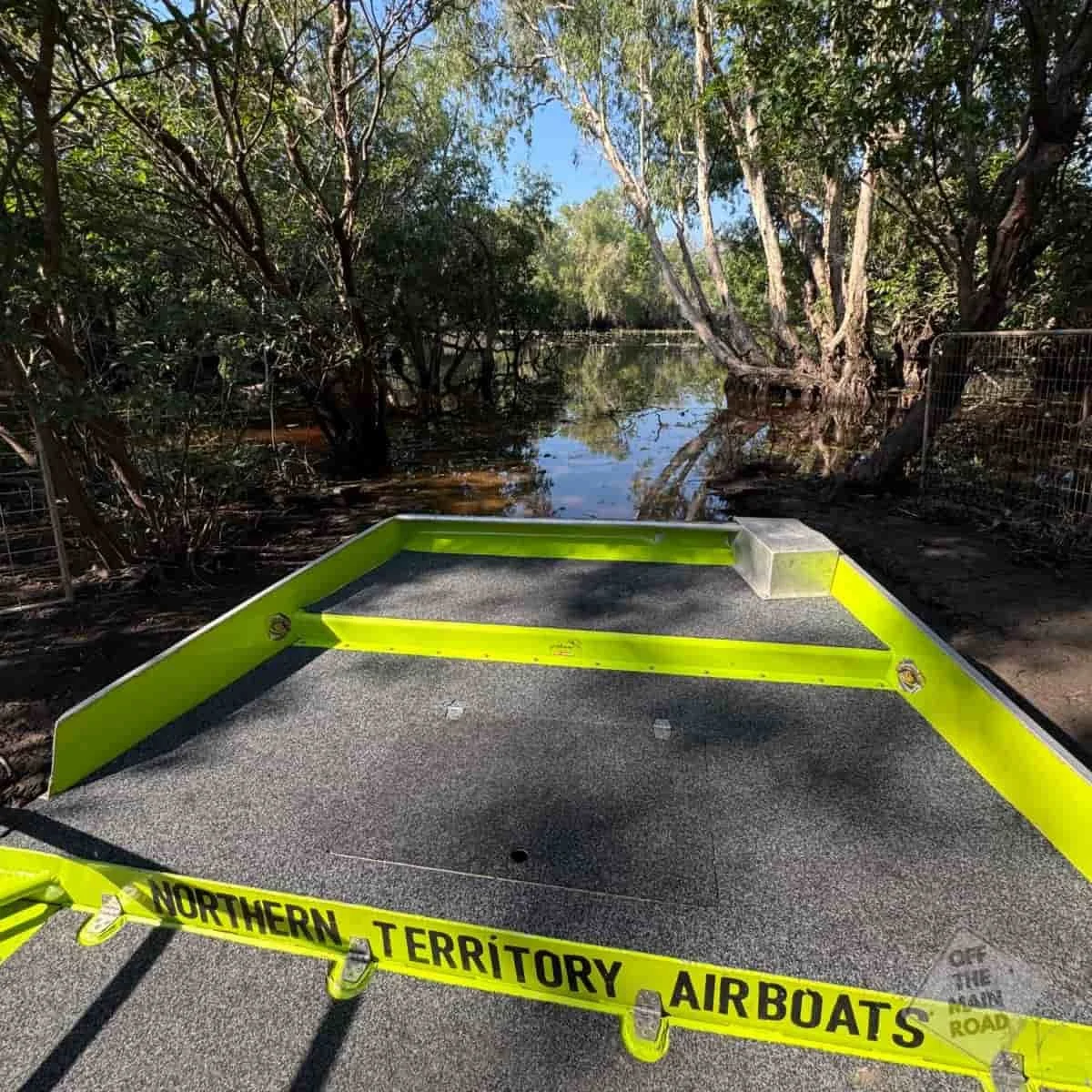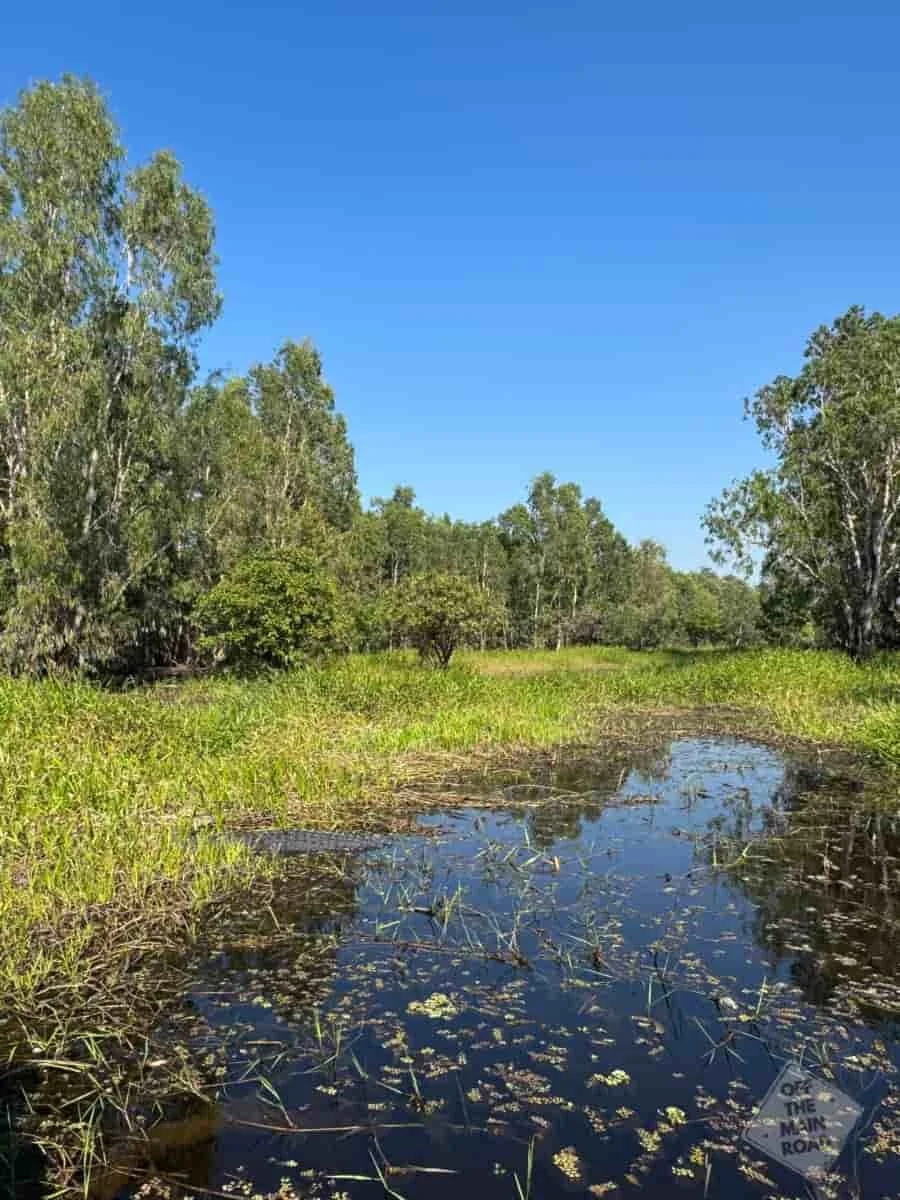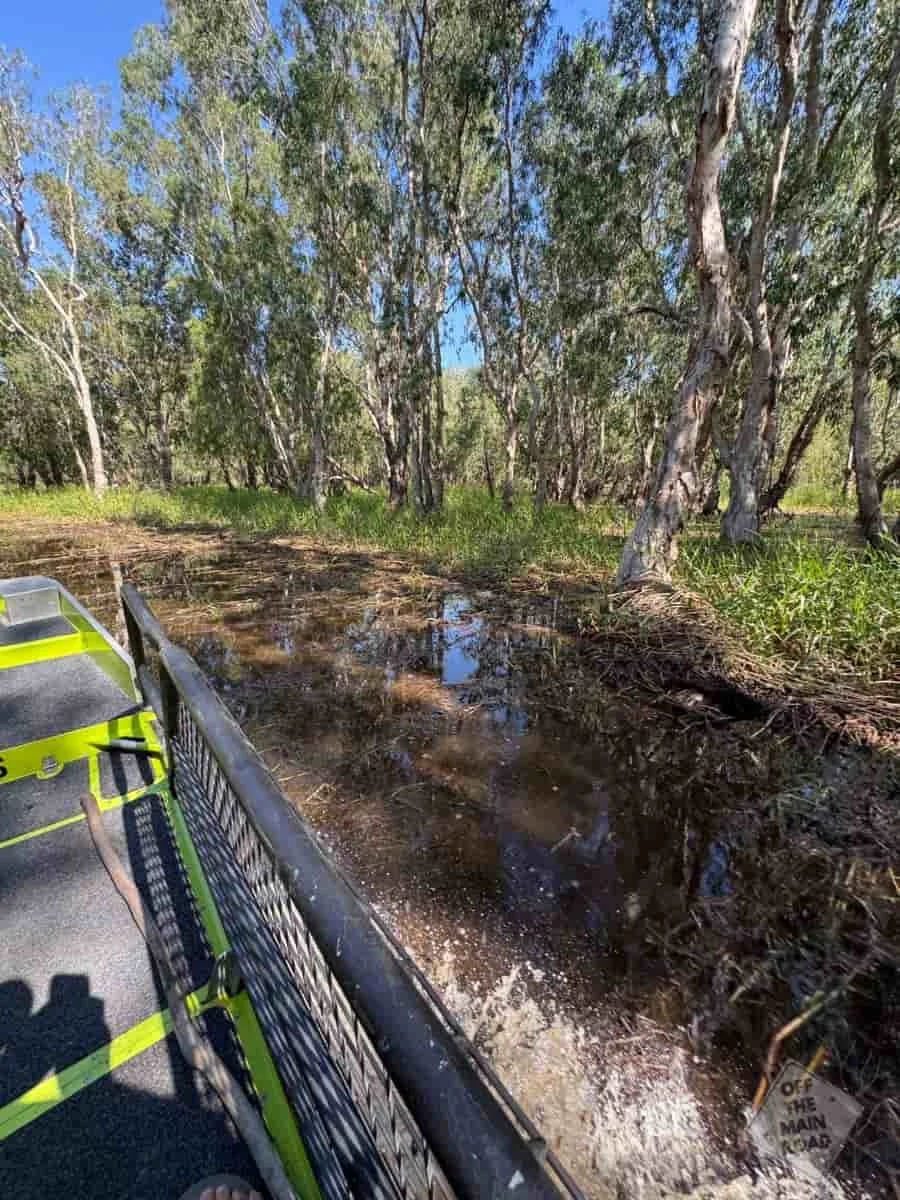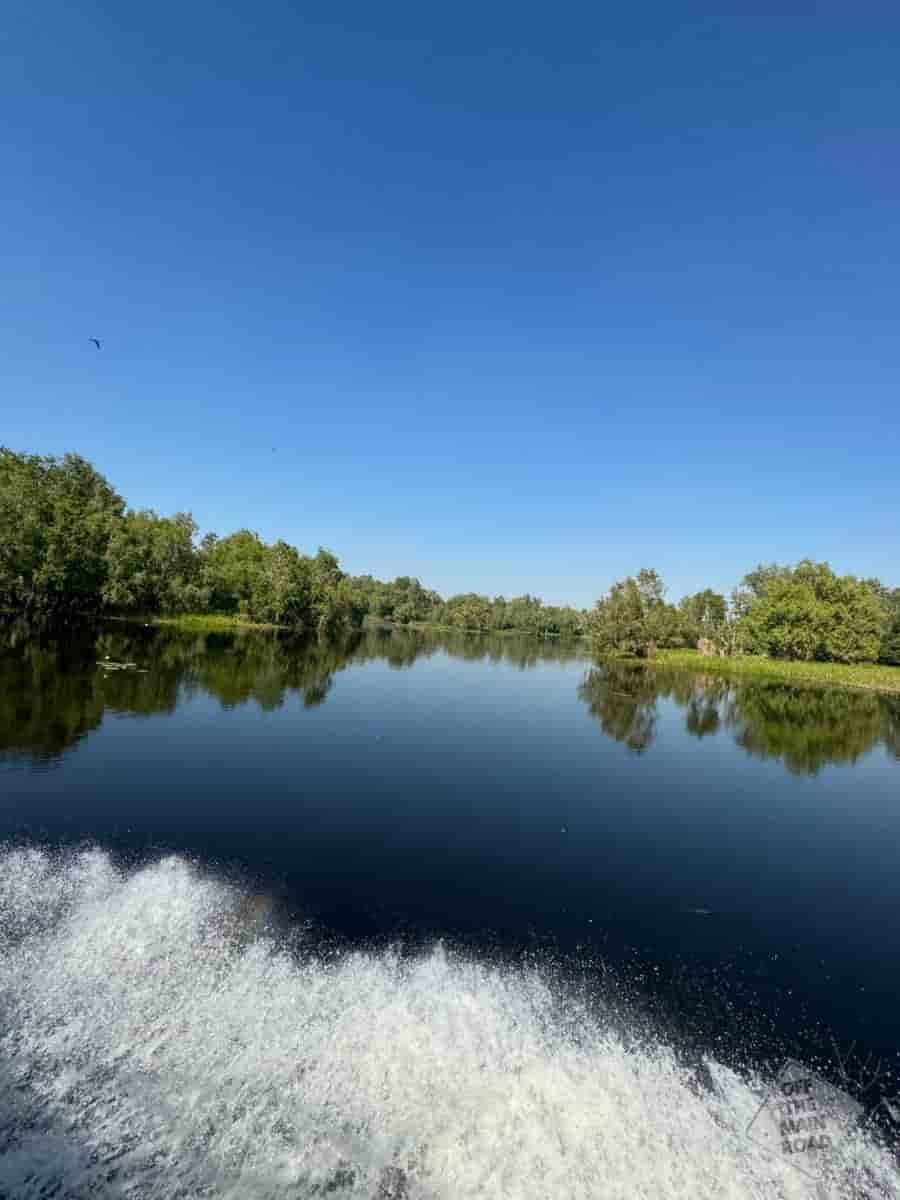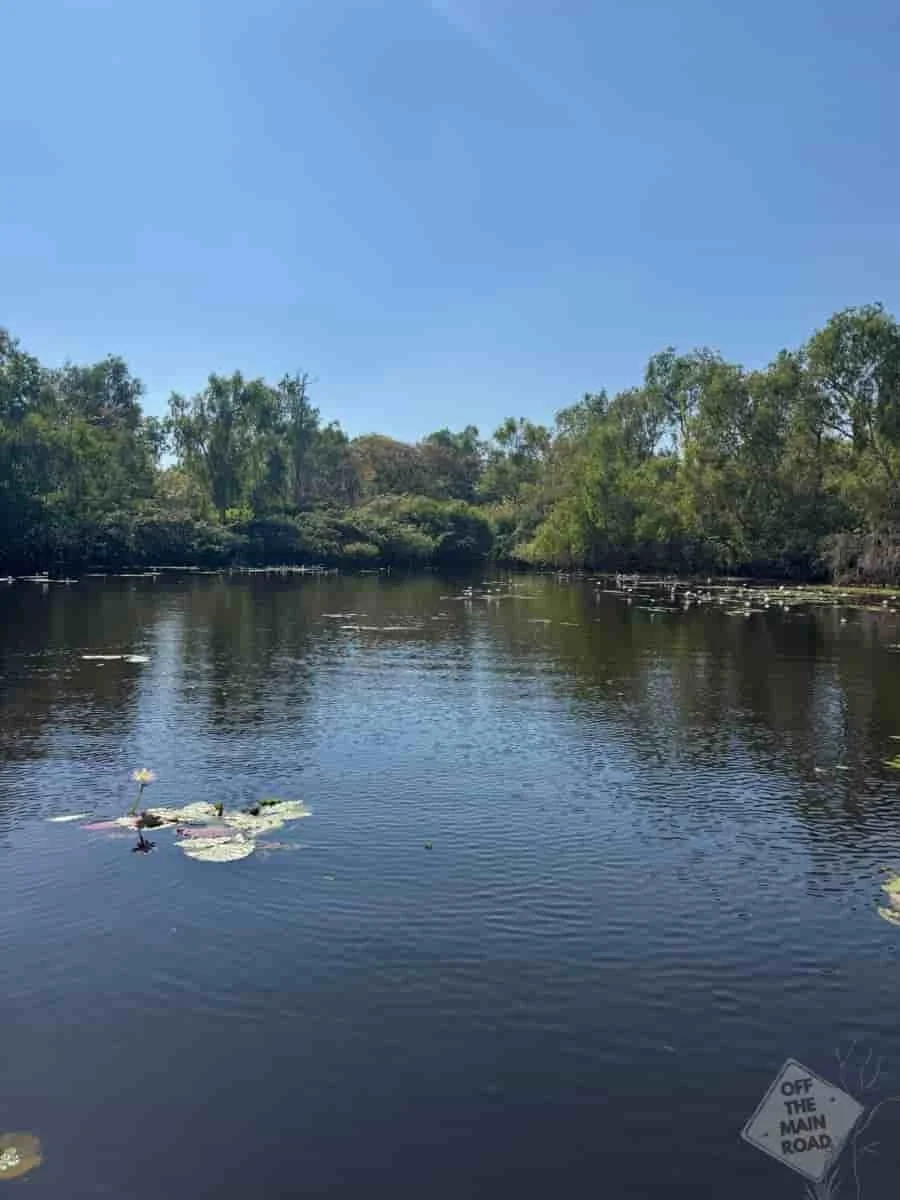

Our airboat trip with Northern Territory Airboats, out near Bynoe, turned into one of the more memorable mornings we had in the Top End. It’s fast, loud and surprisingly calm in between. The boat skimmed across the surface as soon as the fan kicked in, gliding over shallow water and twisting channels that would stop a normal vessel immediately.
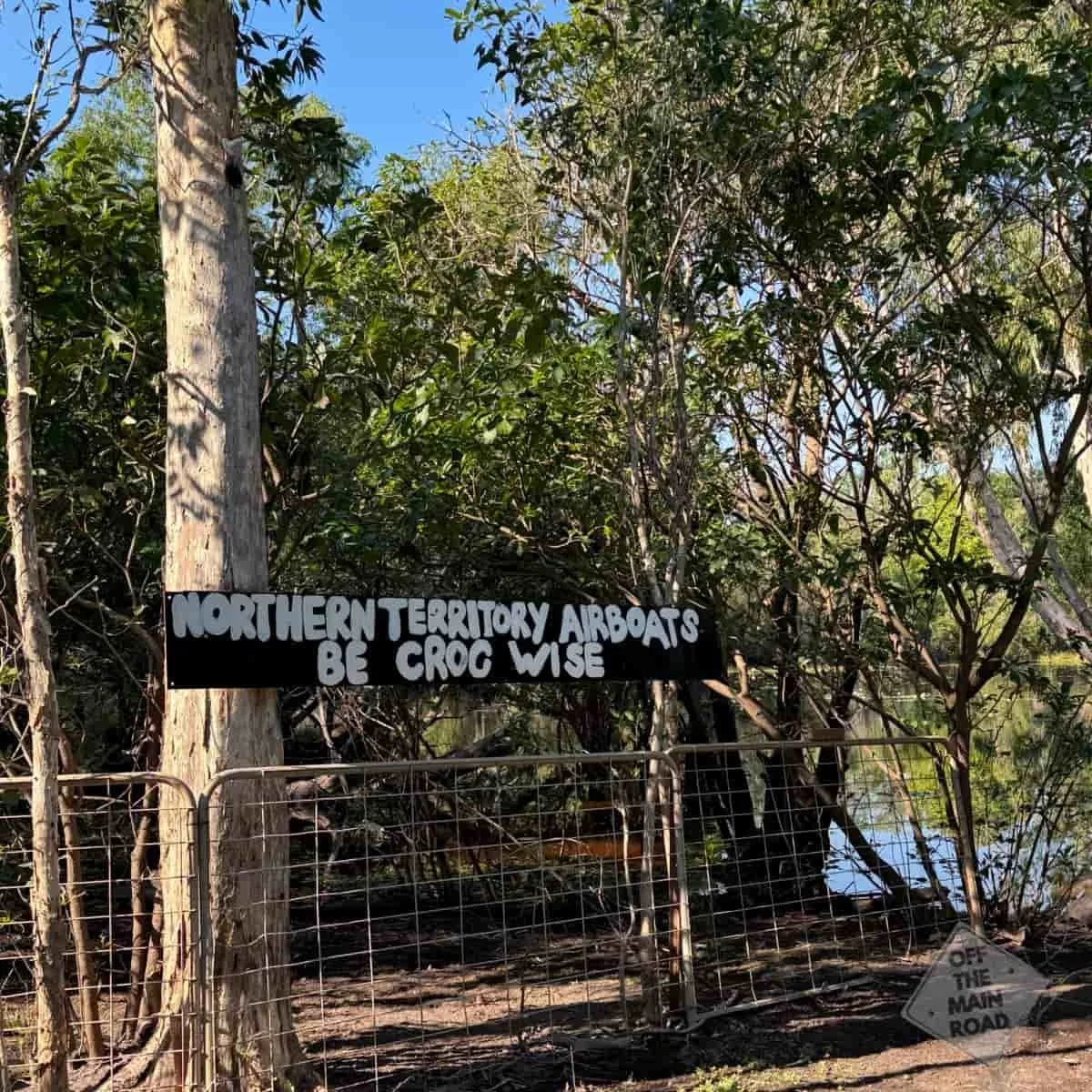
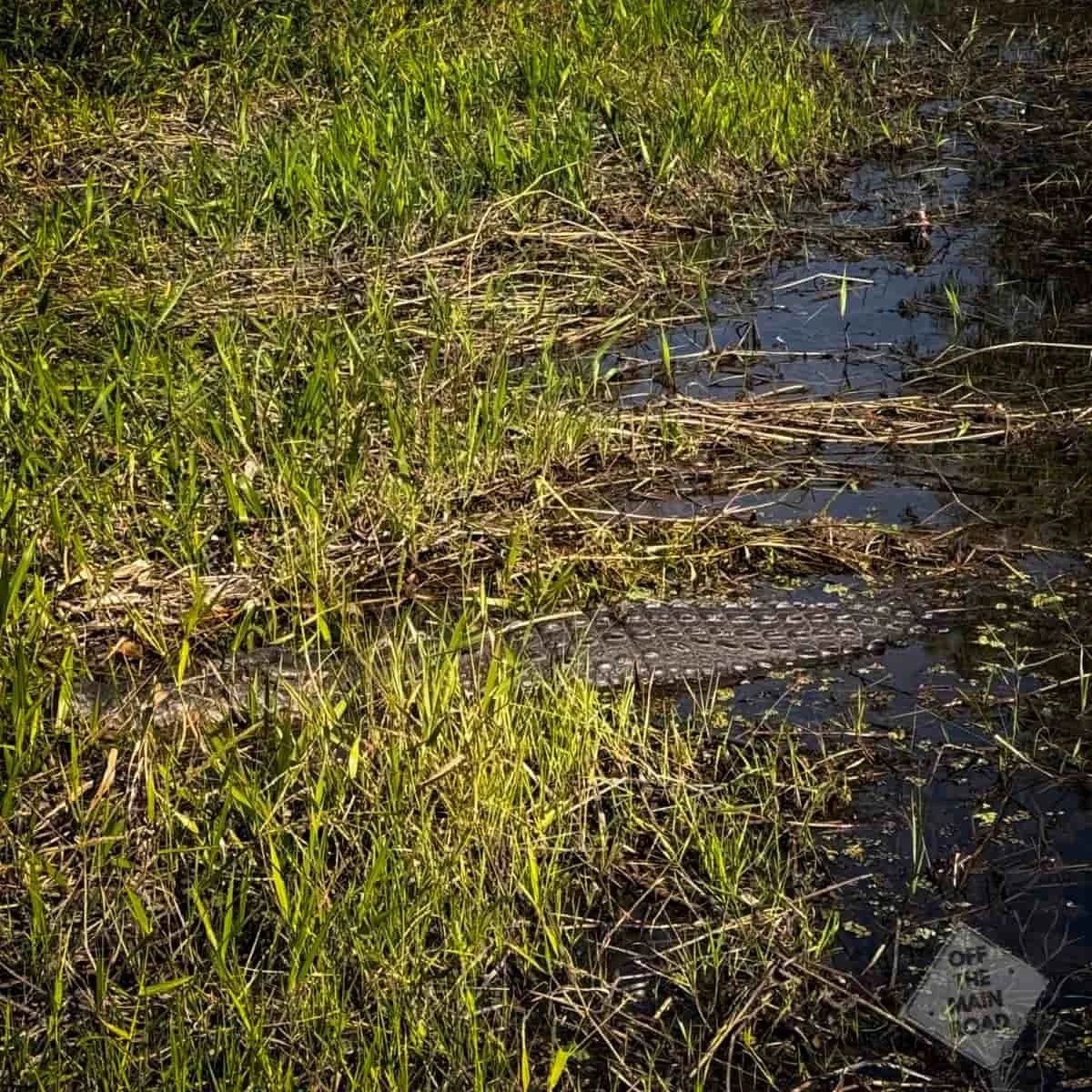
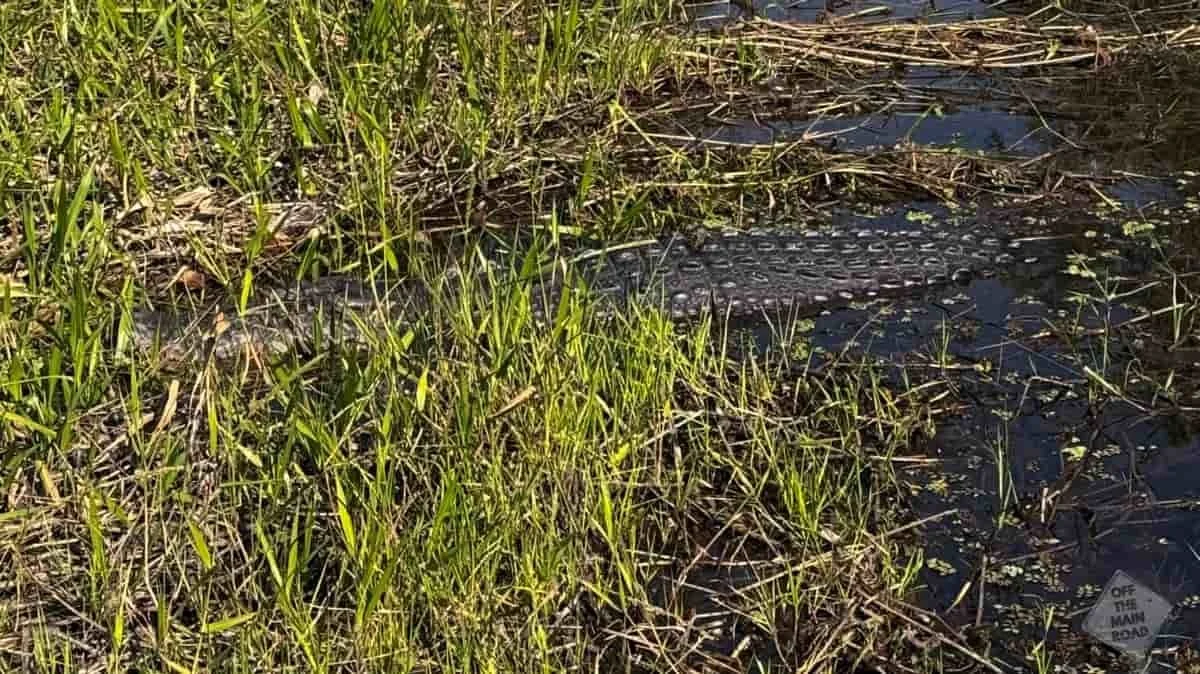
Once we settled into the rhythm, the crocs appeared first. A few saltwater crocodiles were sunning themselves along the banks, keeping their distance but making their presence known. Seeing them out here feels different to spotting them near towns; quieter, a bit more ancient, and clearly at home.
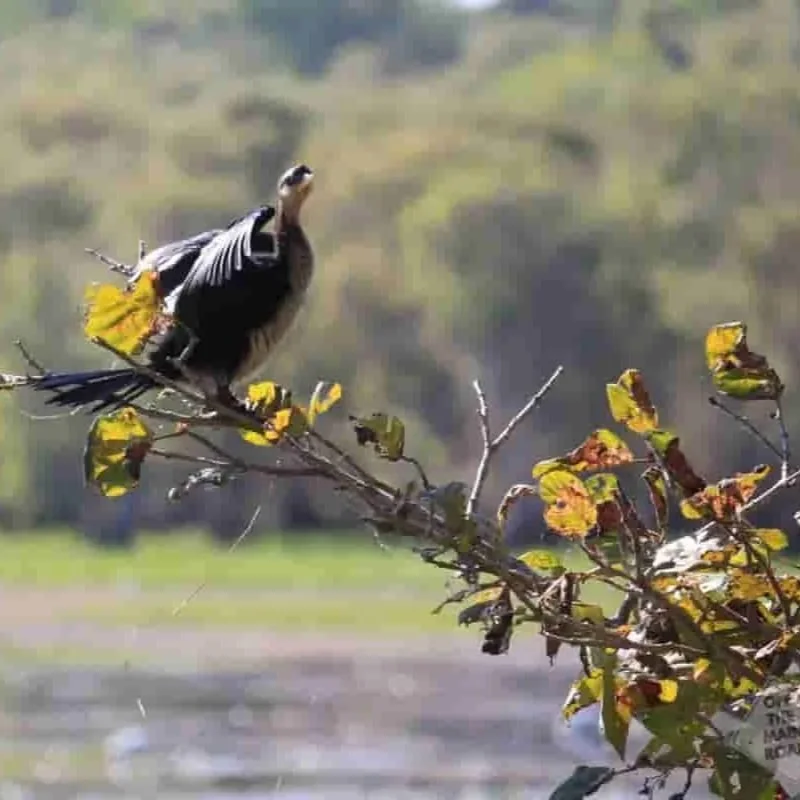
Birdlife was the real standout. Our guide, Josh, pointed out species we would’ve missed on our own, adding enough context to make the wetlands feel alive rather than just scenic. The airboat itself helped; it moves quickly but doesn’t churn up the shallows, letting us slip close without disturbing much.
Most of the time, the only sounds were the fan winding down, the calls of birds across the floodplain and the water settling behind us. It was an easy way to experience the wetlands without needing a big day trip or a long drive into the national parks.
If you enjoy these quieter wildlife encounters mixed with a bit of speed, join our Travel Dispatch
Northern Territory Airboats (Bynoe)
Northern Territory Airboats offers guided airboat tours across the Bynoe wetlands, with a focus on birdlife, crocodile spotting and the ecology of the floodplains. Tours operate seasonally, with experienced local guides leading each trip.
Website: northernterritoryairboats.com.au
Phone Number:0428 474 710
How to Get There
Bynoe is roughly 70–90 minutes southwest of Darwin via sealed roads until the final approach. Northern Territory Airboats provides clear directions when booking.
What to See, Tours and Activities
What we did:
• Joined a guided airboat tour with Northern Territory Airboats.
• Spotted saltwater crocodiles relaxing on the banks.
• Watched birdlife across the floodplains.
Other highlights you might explore:
• Fishing charters operating out of Bynoe Harbour.
• Mandorah and Cox Peninsula drives.
• Dundee Beach for sunsets and long horizons.
When to Visit
Dry season (May–October) offers clearer conditions and easier access. The wet season brings dramatic skies and active wildlife, but tours may vary with water levels.
Final Thoughts
Northern Territory Airboats gave us an easy way to see a different part of the Top End. A mix of wetlands, wildlife and open space without needing a full-day adventure or long hike. A good option if you’re already exploring the coastline between Darwin and Dundee.
What’s Nearby
Bynoe sits between Darwin and Dundee Beach, making it a convenient stop to combine with Berry Springs, Cox Peninsula or a run out to Dundee Beach for sunset.
Dundee Beach, NT
📍 Approx 33km West from BynoeDundee Beach is beautiful — and absolutely not for swimming. Timor Sea sunsets, the tavern, fishing, and what to know before the 120 km drive from Darwin.
Berry Springs, NT
📍 Approx 55km East from BynoeVisit Territory Wildlife Park at Berry Springs near Darwin. A spacious, walkable wildlife park showcasing Top End animals, ecosystems, and conservation in a calm, family-friendly setting.
Fast Facts
Location: Bynoe Harbour, NT
Distance: 70–90 minutes from Darwin
Traditional Owners: Larrakia People
Access: Mostly sealed roads; final access varies
Facilities: Parking and tour meeting point
Walking Track: None; tours are boat-based
Dog Friendly: No
Best Time to Visit: Dry season
Things That Could Kill You (Probably Won’t)
A semi-serious guide to surviving Australia. Mostly common sense, occasionally luck.
Saltwater Crocs: They run the place. Stay in the boat. They WILL kill you!
Sun: Wide-open wetlands and limited shade…hats on, water up.
Wind: Airboats move fast. Secure your hat or wave it goodbye.
Other updates you may like…
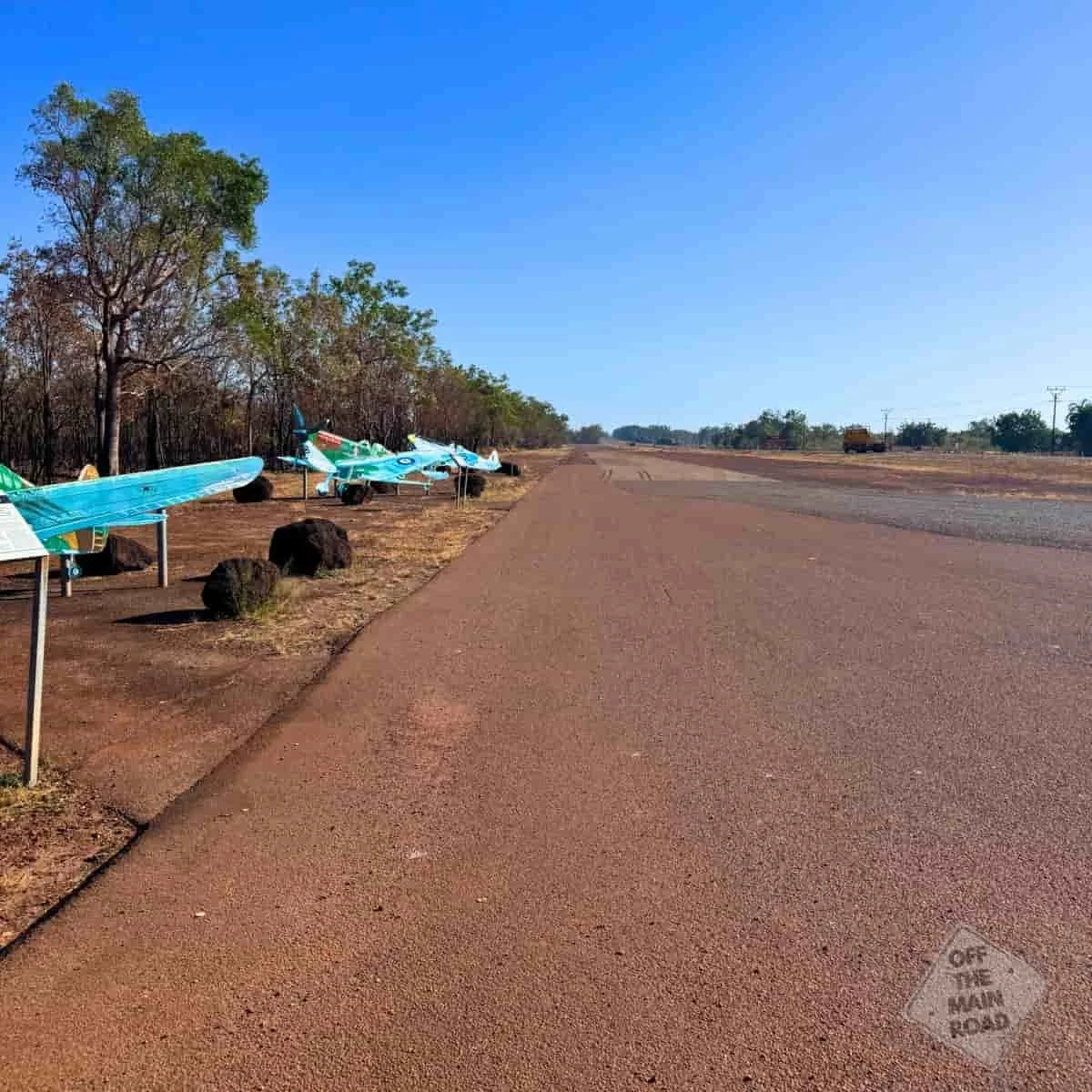
A chain of World War Two airstrips lines the Stuart Highway on the run to Darwin. We stopped at Strauss and Gorrie, once the country's biggest airbase, and drove past the rest, each named for a lost pilot.
Our airboat trip with Northern Territory Airboats gave us a fast look at the Bynoe wetlands. Crocodiles on the banks, birdlife across the floodplains and a guide who knew the country well. A relaxed Top End wildlife experience.
We drove to Fogg Dam near Darwin expecting a few ducks and found hundreds of birds, three crocodiles, and two tourists we probably saved from becoming breakfast on the closed, croc-lined dam wall.
We broke the curse the only way we could, by cheating and flying. A doorless chopper, sandstone towers older than almost anything on earth, and a walk through a Lost City with no one else in sight.
Every expedition needs a curse, and ours began the moment we left Mount Isa chasing the Lost Cities. Plagues of bugs, biblical rain, a brutal road, and a mysterious rash.
We arrived dusty and travel-worn, but Alice Springs greeted us with warmth, colour and comfort. From quirky cafes to red desert sunsets — don’t believe everything you read about Alice.
We returned to Uluru with fresh eyes, riding out for sunrise, circling the base, and watching rain turn the rock to copper. Quiet, powerful, and unforgettable—the red heart of Australia.
Massive, mysterious and far less crowded than Uluru, Kata Tjuṯa blew us away. We wandered among towering domes, soaked in the silence, and left feeling tiny, dusty, and full of quiet awe.
We hiked the Rim Walk at sunrise, cooled off in the Garden of Eden, and took to the skies for a birthday flight. Kings Canyon is vast, ancient, and one of the Territory’s true wonders.
Often, when travelling together, it’s great to visit places individually so we can each have a different point of view. Neil’s quieter view of Ormiston Gorge. Red walls, soft light, and the sound of wind through the ranges.
Cameron’s take on Ormiston Gorge. A cool desert waterhole framed by red cliffs and silence. A refreshing swim, a perfect view, and a reminder of how still the Outback can be.
Hidden in the West MacDonnell Ranges, the Ochre Pits reveal layers of colour and culture. Once used by the Arrernte people for ceremony and trade, they remain a sacred reminder of Australia’s enduring connection to land.
A short, bright walk through one of the Red Centre’s most dramatic natural landmarks. Standley Chasm glows with midday light and cultural depth, cared for by the Western Arrernte people of Central Australia.
Standley Chasm changes completely depending on the light. Here’s a quick guide covering the best time to see the glow, how long the walk takes, and what to expect when you arrive.
This stunning natural landmark feels like a hidden sanctuary, where the arid landscape meets the cool refuge of a dry creek bed nestled between towering cliffs.
Karlu Karlu (Devil’s Marbles) rises from the desert floor in enormous rounded granite boulders, glowing red at sunset and pink at dawn. We stayed overnight and caught both. One of the Northern Territory's most striking stops.
Crocodylus Park in Darwin brought us face to face with the Territory’s wildest locals. From croc feedings to holding a baby reptile, this visit was thrilling, educational, and a little bit terrifying.
Territory Wildlife Park at Berry Springs offers a relaxed way to explore Top End wildlife. We wandered open trails, watched birds in free flight, and learned how wetlands, forests, and savannahs shape life in the Northern Territory.
The Darwin Botanic Gardens gave us a quiet break from the city. Rainforest paths, tropical plants, a shady waterfall area and easy walking. A simple, relaxing morning in one of the NT’s best green spaces.
The Darwin Aviation Museum gave us a steady half-day indoors. A B-52 bomber, military aircraft, WWII history and curious stories from NT aviation. A cool, informative break just minutes from the city.
Darwin’s build-up delivered heat, humidity and some of the best skies we’ve seen. Slow days, big clouds and long sunsets showed us a different side of the Top End. Intense, colourful and uniquely tropical.
Mindil Beach Markets gave us a classic Darwin evening. Warm air, good food and a sunset crowd drifting to the sand. A relaxed mix of colour, flavour and that dry-season atmosphere the Top End does so well.
The Darwin Oil Storage Tunnels offered a calm step into the city’s wartime past. Cool underground chambers, simple displays and a quiet look at how Darwin prepared for air raids during WWII.
The NT Legislative Assembly gave us a calm, informative look at Territory politics: modern architecture, guided tours and stories like the 1996 Remonstrance. A thoughtful Darwin stop for anyone interested in how the Top End governs itself.
Dundee Beach gave us a quiet NT coastal break. With long sand, wide horizons, fishing boats heading out and a sunset worth sitting still for. No swimming here, just the sea breeze and the feel of the Top End coast.
Litchfield’s waterfalls and swimming holes gave us three days of cool, easy walking and clear water. From Florence Falls to Buley and Wangi, this Top End park delivers exactly what hot travellers need.
Adelaide River blends wartime history, weekly markets, and Top End quiet. We wandered the War Cemetery, chatted with locals at the dry-season market, and found a town that carries both stillness and life with ease.
Tucked away in the bush near Adelaide River, this vast complex was once one of the largest fixed installations in the Northern Territory during the war.
Robin Falls, tucked away near Adelaide River, is one of those places that feels like a secret waiting to be shared.
Cameron is a travel writer, photographer, and freelance copywriter with more than fifteen years of experience crafting stories that connect people and place. Travelling full-time on the road in a motorhome with his partner, he documents Australia’s quieter corners through Off the Main Road, a travel journal devoted to the towns, landscapes, and characters often overlooked by the tourist trail.
His writing blends observation with lived experience, drawing on a professional background in brand storytelling. With a photographer’s instinct and a writer’s eye for detail, Cameron captures moments that reveal the character of regional Australia, from weathered towns and open landscapes to the honest texture of life on the road.


Most people drive through Batchelor on the way to Litchfield. Stop, and you find a miniature Czech castle built by a homesick miner, a Cold War uranium mine, and a wartime airfield with a famous visitor.