

Litchfield National Park: Chasing Waterfalls
Three days in Litchfield National Park gave us the chance to slow down and properly enjoy some of the Top End’s most reliable swimming spots. After weeks of heat and red dirt, the promise of shade, clear water, and short walking tracks was exactly what we needed.
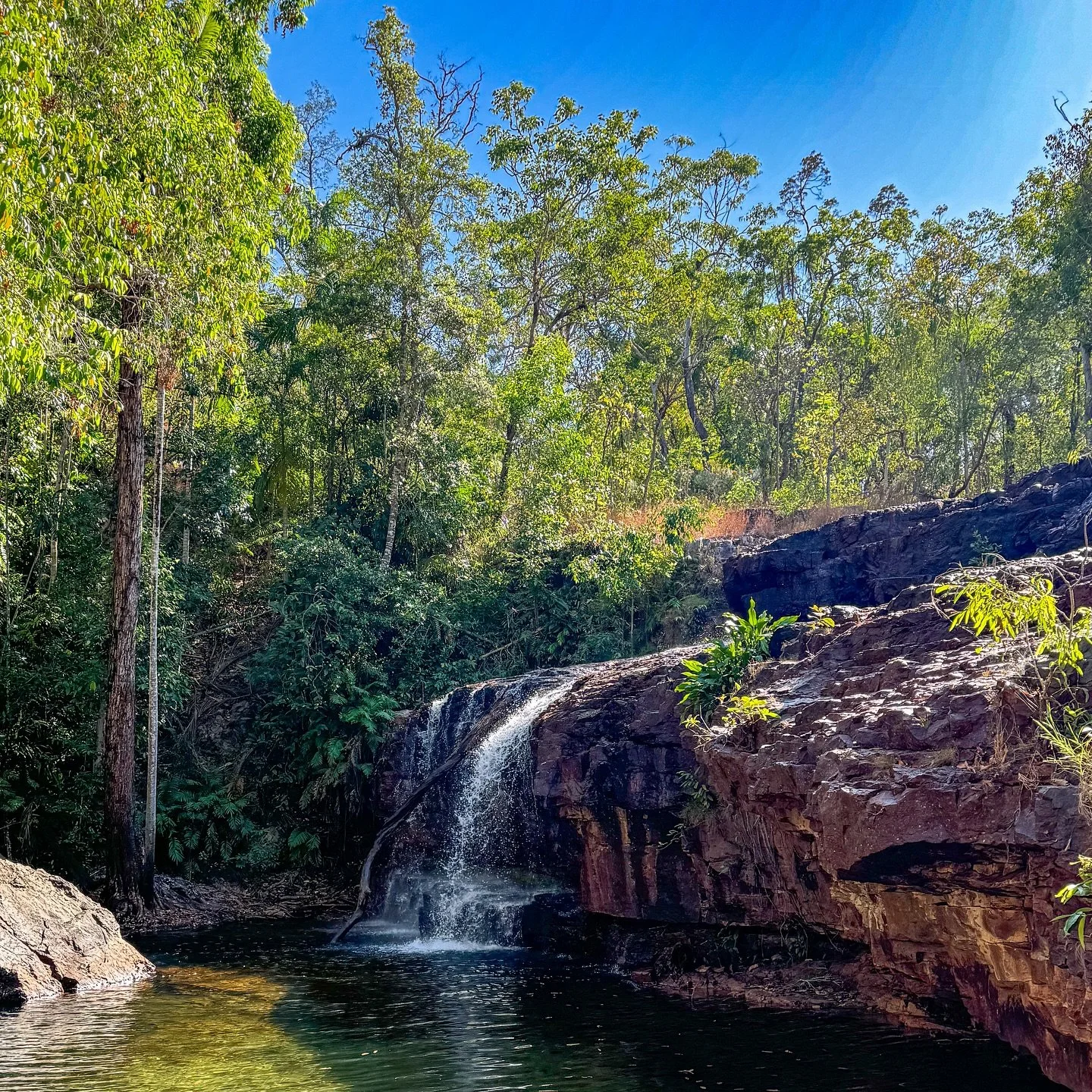
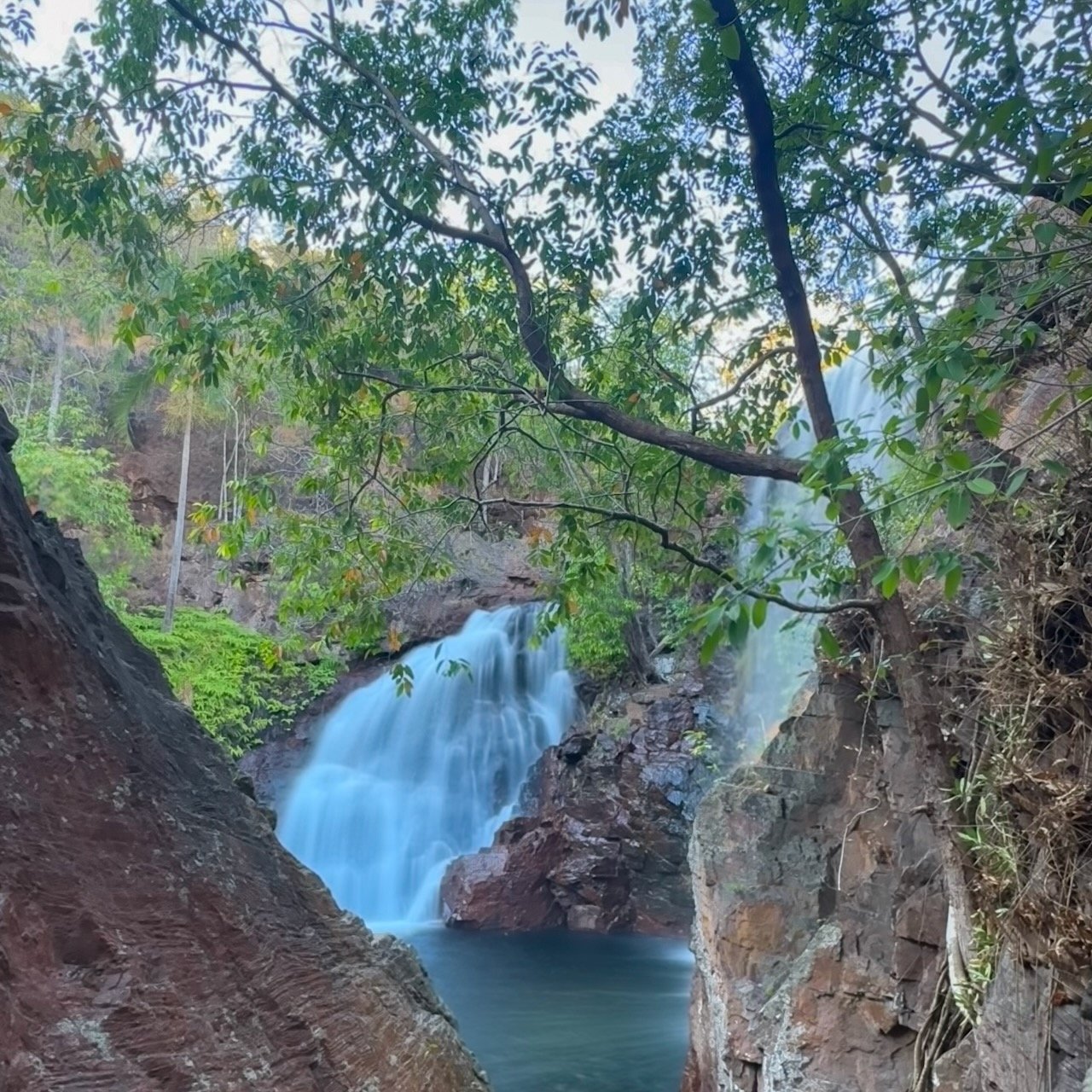
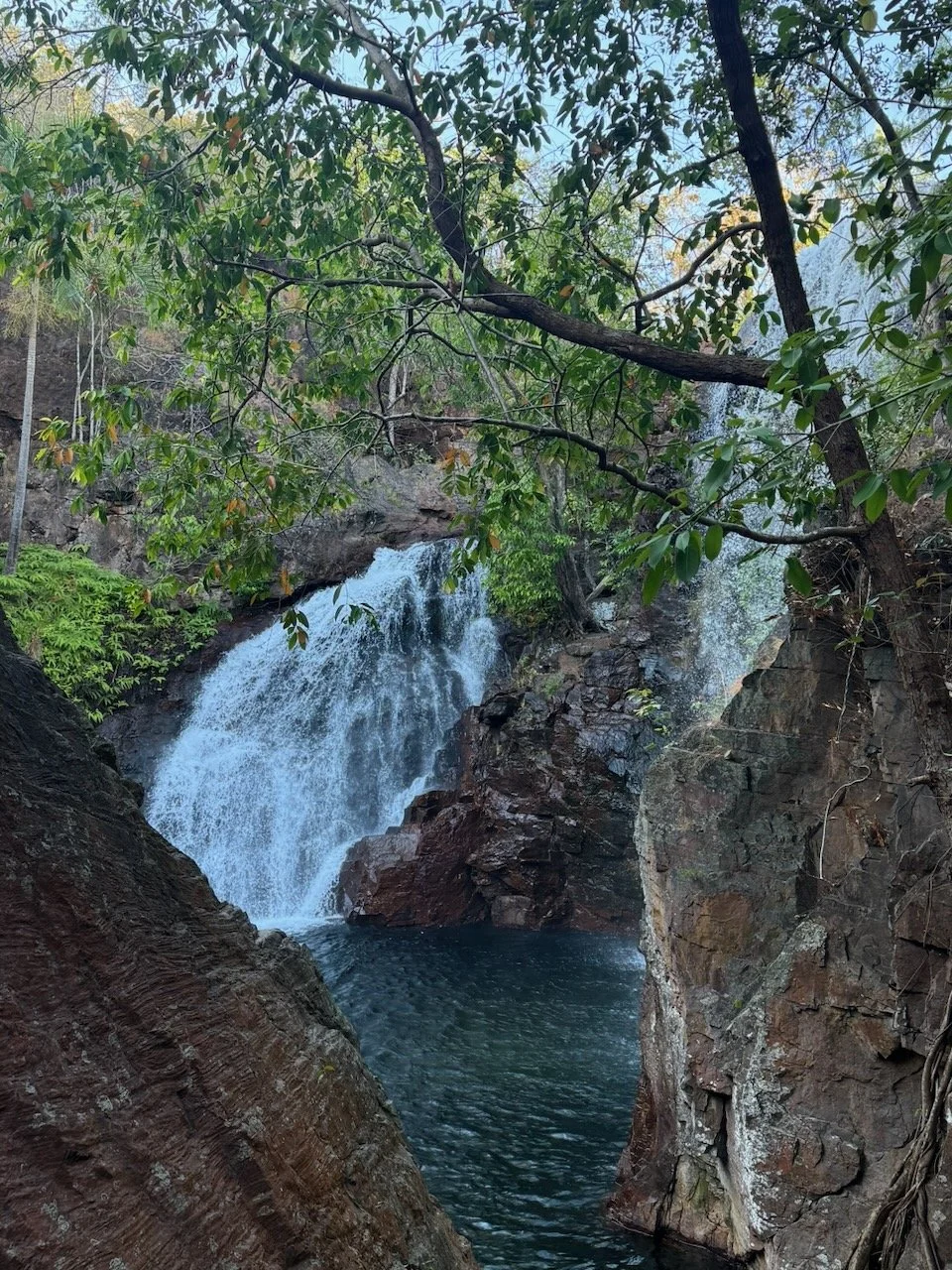
We started at Florence Falls, taking the bush track down through monsoon forest to the base of the twin falls. The plunge pool was cool and deep, with ample space to take a proper swim. It’s popular, but the cliffs around the water keep it feeling sheltered.
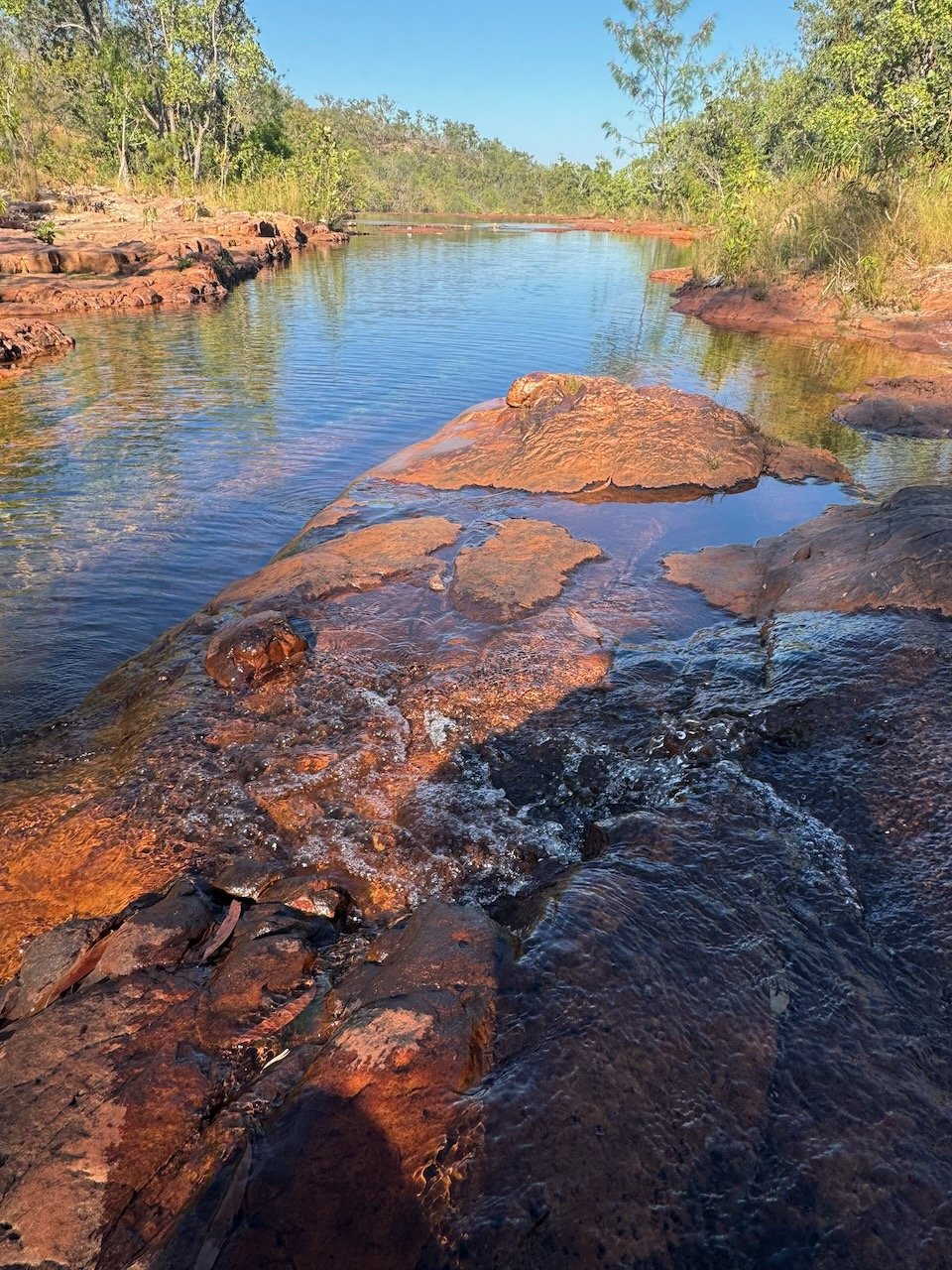
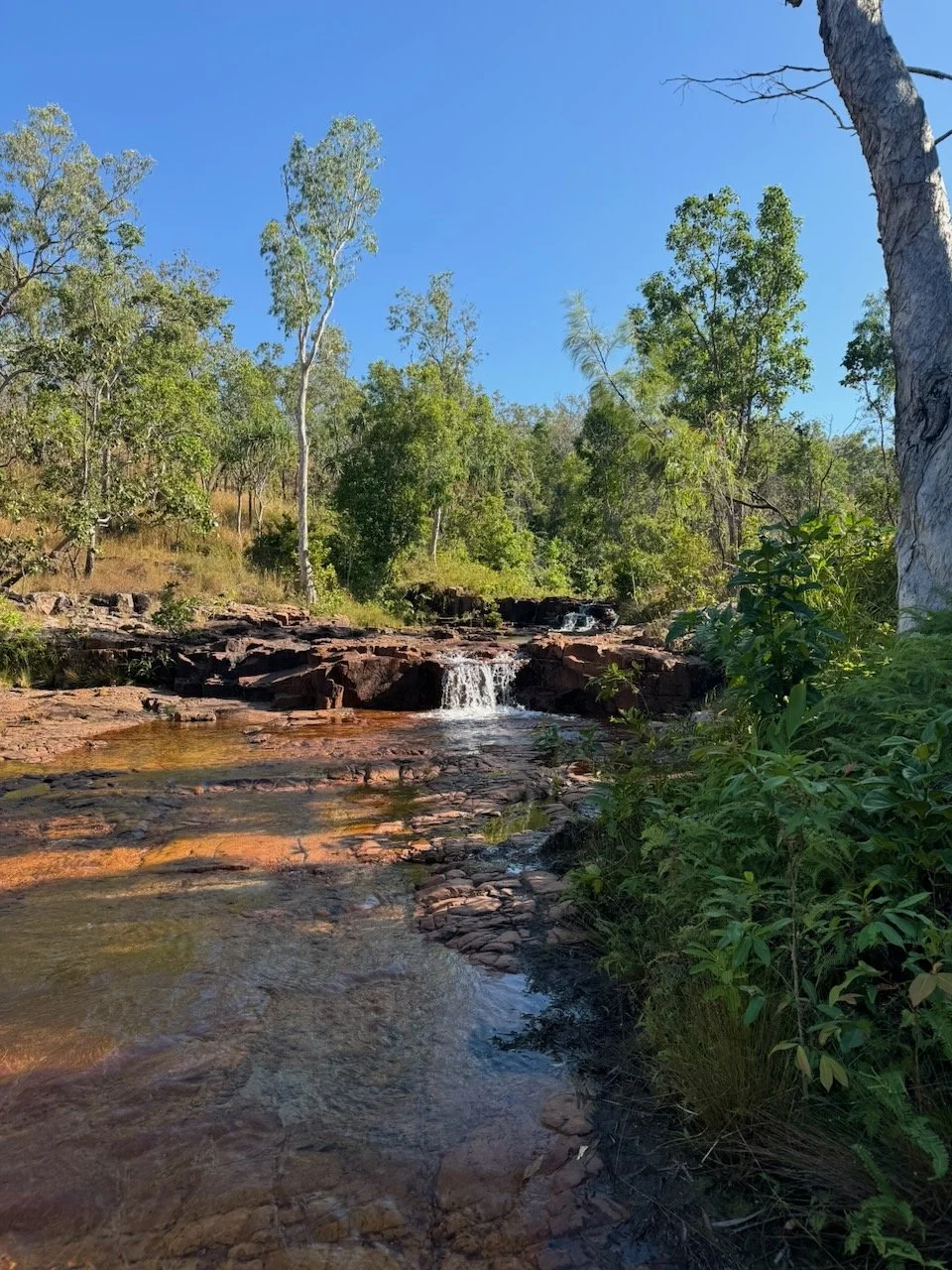
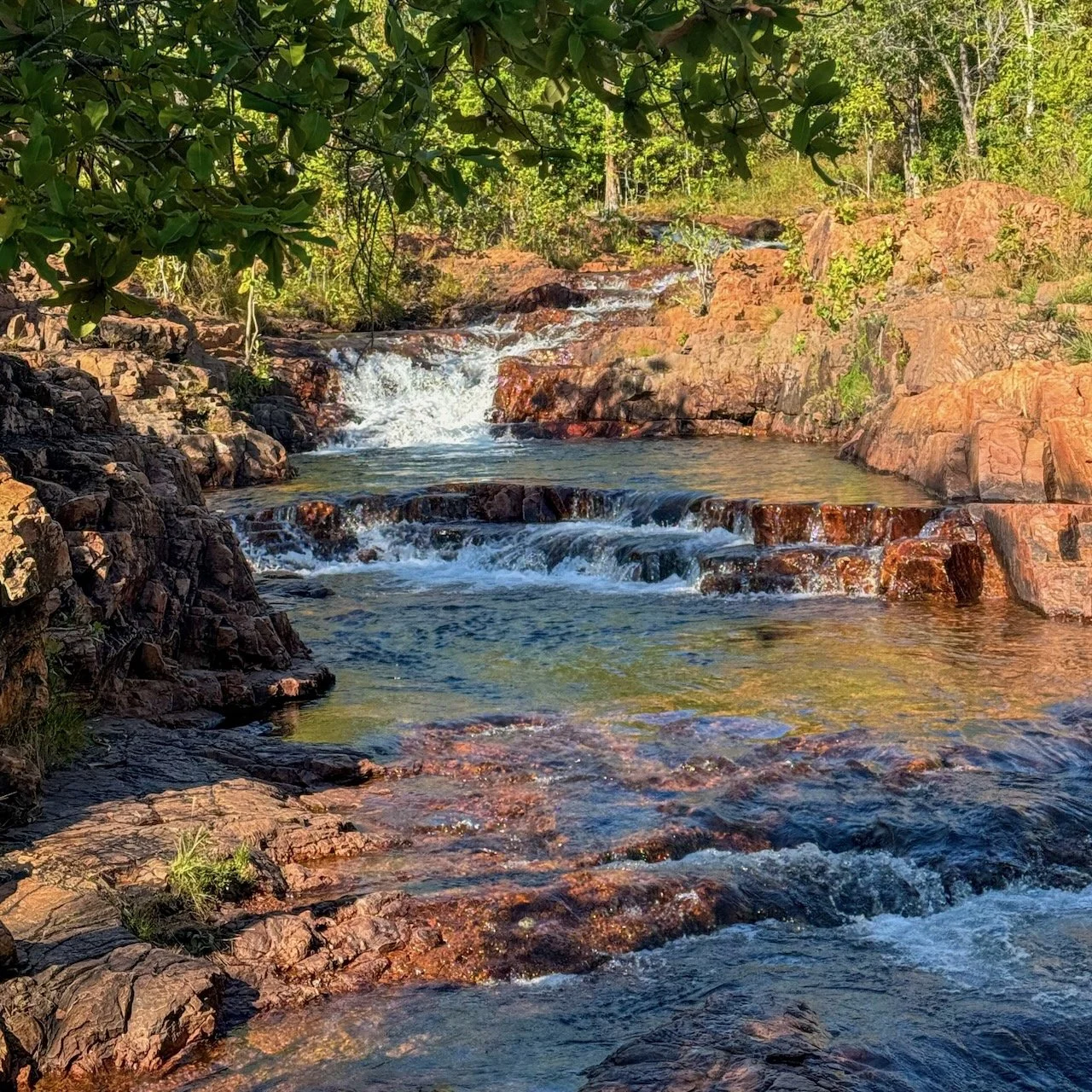
Next up was Buley Rockhole, only a few minutes up the road. The pools run one after another. Small cascades, shallow pockets of water, and spots where the current sweeps past just fast enough to cool you off. We ended up spending longer here than planned, moving between pools and letting the day drift by.
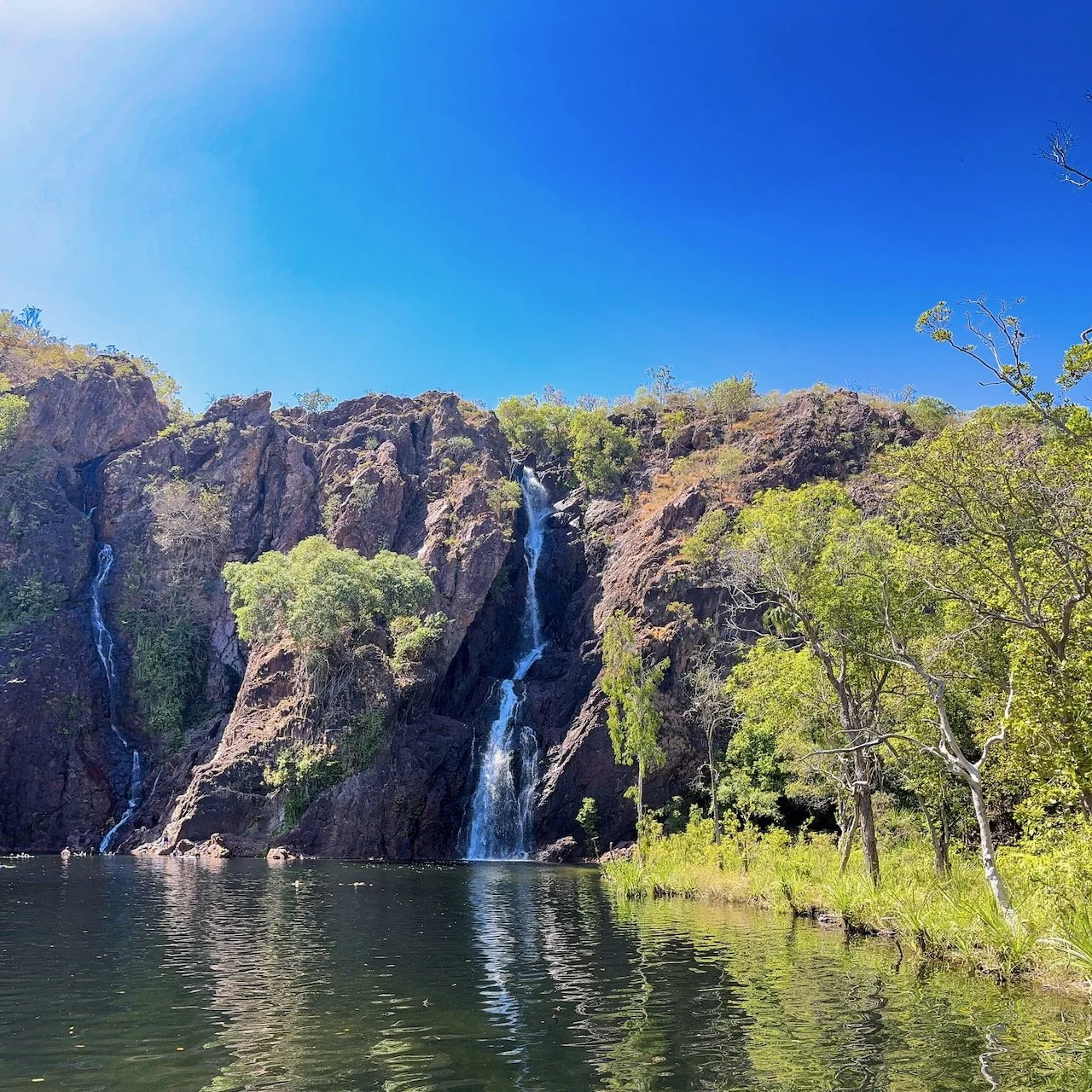
On our second day, we visited Wangi Falls, one of the park’s best-known stops. The main pool was open for swimming, so we stayed most of the afternoon, drifting between shade and sun with the sound of the falls carrying across the water. It’s an easy, comfortable spot to spend time.
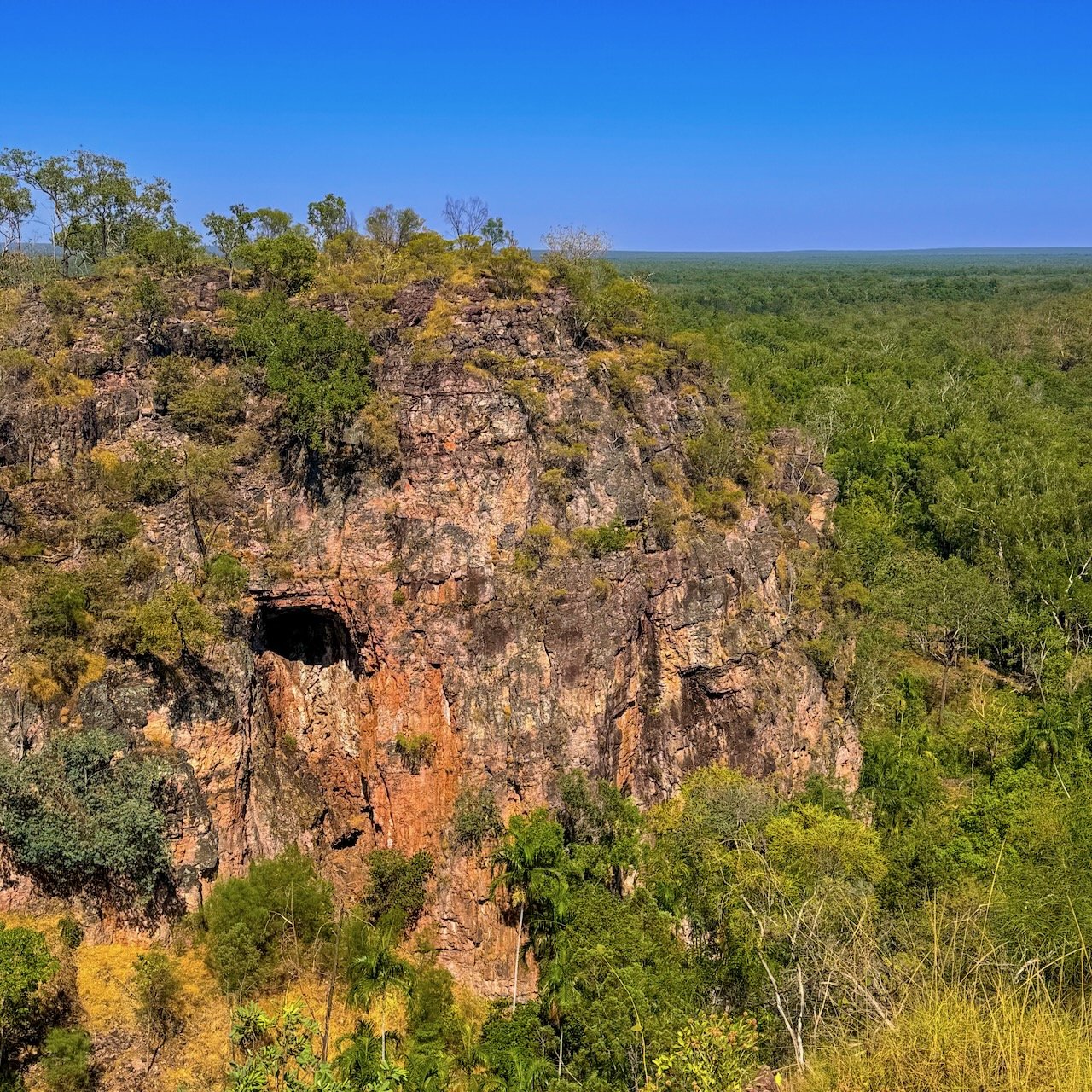
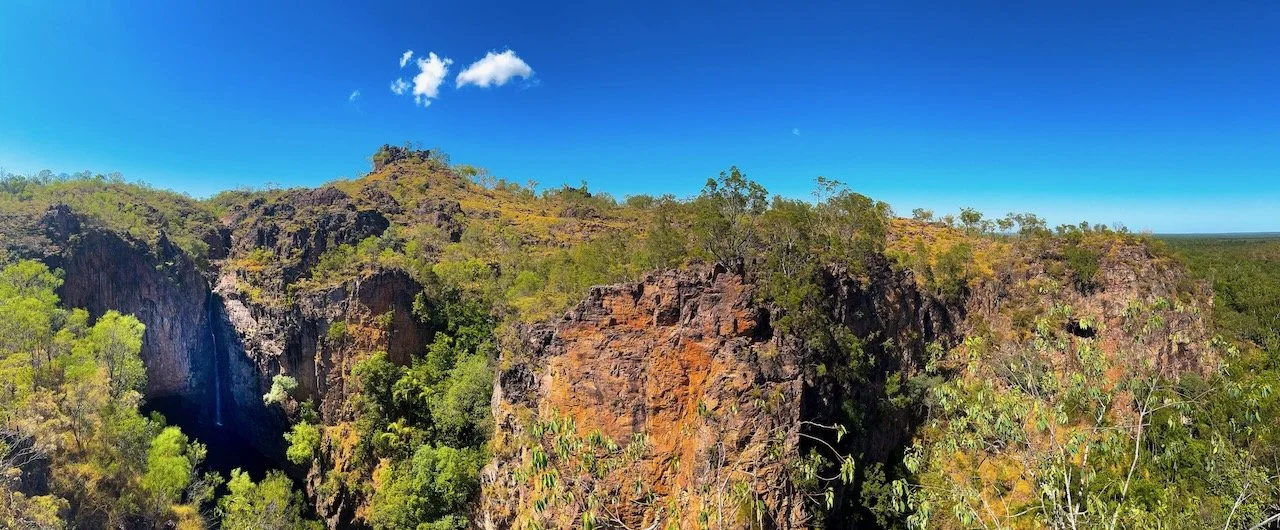
We saved Tolmer Falls for our final day. You can’t swim here, but the lookout offers a clear view over the long drop and the escarpment around it. It’s quieter than the other sites, making it a nice spot to slow the pace before heading back out of the park.
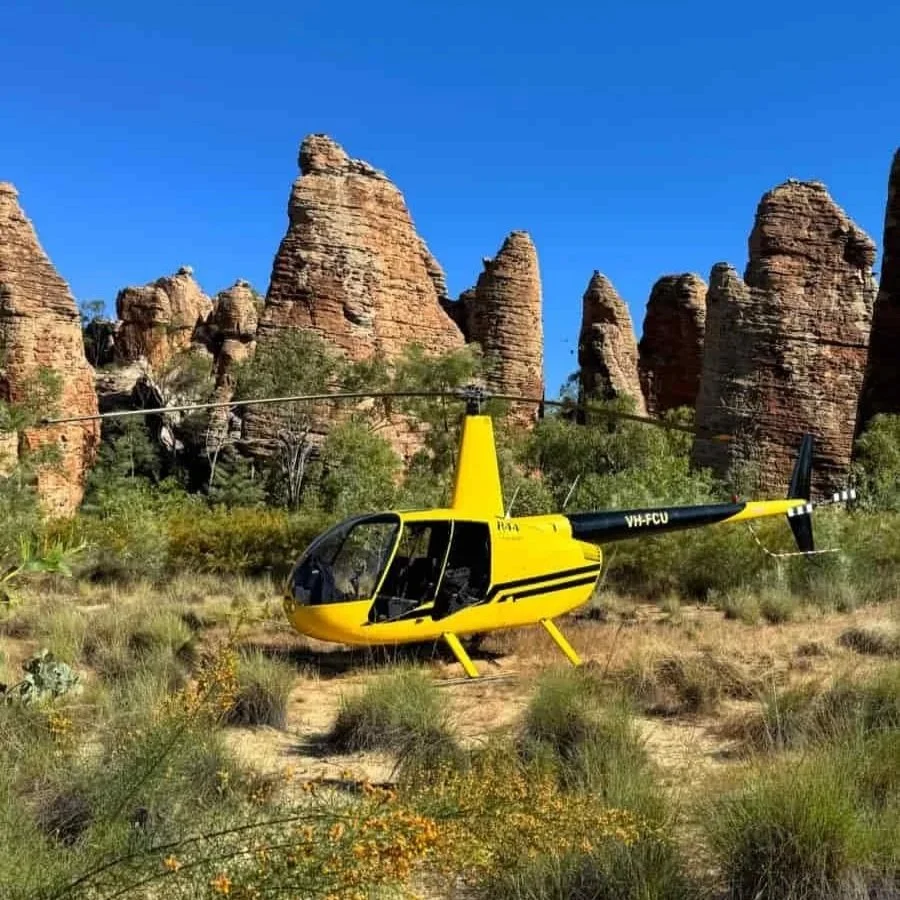
We didn’t make it out to the Lost City or Tjaynera Falls (also known as Sandy Creek Falls) this time. Both sit along 4WD-only tracks, and with just the motorbikes on board, we weren’t going to push our luck. Especially after Cameron came off his bike the day before (It was soft sand, and apart from a few sore bones and a bruised ego, he was fine). The Lost City in particular has been on our list for years. A maze of weathered sandstone pillars tucked deep in the bush and Tjaynera Falls has that quieter, more remote feel we always seem to chase. They’re high on the list for our next run through Litchfield.
Litchfield has no shortage of places to cool off, and three days gave us time to see the main circuit without rushing. The drives are short, the tracks are well marked, and the water is clear. All the things you hope for when the heat builds and the Top End feels endless.
Litchfield continues to earn its place on every northern itinerary. And with the park set to expand in the coming years, there’ll be even more ground to explore next time.
Sign up for our Travel Dispatch to follow our next steps through the NT.


2025 Update: Litchfield National Park Set to Expand
The Northern Territory Government has announced a major expansion of Litchfield National Park, purchasing the 30,000-hectare property known as Silkwood on the park’s south-eastern boundary. The acquisition adds new terrain to one of the Territory’s most popular parks — including gorges, hot springs, 4WD tracks, and additional camping areas.
The expansion is the first of its kind in over 25 years and is set to bring Robin Falls into the official boundaries of Litchfield National Park. It’s a big change for travellers who’ve long treated the falls as a free, low-key stopover on the road south of Batchelor.
While the long-term plans for access and management are still being developed, the inclusion of Robin Falls in the park raises one question for many regular visitors: will dogs still be allowed?
At present, no new rules have been announced. However, pets are not permitted in the rest of Litchfield National Park, and existing campgrounds within the park require paid, pre-booked stays through the NT Parks booking system. Robin Falls is currently one of the few free and dog-friendly camps in the Top End — so if those rules eventually align with the rest of the park, travellers with dogs may need to plan ahead or seek nearby alternatives such as Adelaide River.
For now, access remains unchanged, but it’s worth keeping an eye on park updates as the expansion moves forward.
Litchfield National Park
Litchfield sits about 120 km south of Darwin and is known for its waterfalls, rainforest pockets, and short, accessible tracks. Florence Falls, Buley Rockhole, Wangi Falls and Tolmer Falls form the core circuit, with clear pools and shaded walks throughout.
How to Get There
Litchfield is an easy 90-minute drive from Darwin via the Stuart Highway and Batchelor Road. All major attractions are accessed by sealed roads, with unsealed alternatives available for high-clearance vehicles in the dry season.
What to See, Tours and Activities
What we did:
Swam at Florence Falls.
Spent a morning moving through the pools at Buley Rockhole.
Relaxed at Wangi Falls with a long swim and shaded break.
Visited Tolmer Falls lookout.
Other highlights nearby:
Magnetic termite mounds near the park entrance.
Tolmer Creek walk (seasonal).
4WD tracks to Lost City and Tjaynera Falls (dry season only).
Historic Batchelor township.
When to Visit
May to September is the most comfortable time to explore the park, with cooler days and steady water levels. Wet season access varies, and swimming areas may close depending on conditions.
Final Thoughts
Litchfield delivers the Top End essentials without the long drives. Shade, water, and tracks that don’t ask too much of you. A couple of days is enough to do the main circuit, but it’s a place that rewards repeat visits.
What’s Nearby
North leads back toward Darwin; south takes you through Adelaide River and into Katherine country. Plenty of stops and swimming holes lie between the two.
Don’t miss our Top Secret Travel Dispatches — the stories we only share off the main road. Join here.
Fast Facts
Location: Litchfield National Park, NT
Distance: 120 km south of Darwin
Traditional Owners: Marrathiel and Waray Peoples
Access: Sealed roads to main sites; some 4WD tracks seasonal
Facilities: Carparks, toilets, picnic areas, campground bookings required in advance
Walking Track: Short walks at each waterfall; moderate options at Tolmer Falls
Dog Friendly: No; pets are not permitted in the park
Best Time to Visit: May to September
Things That Could Kill You (Probably Won’t)
A semi-serious guide to surviving Australia. Mostly common sense, occasionally luck.
Crocodiles: Swim only where signage says it’s safe.
Heat: The sun wins every argument — carry water.
Rockholes: Slippery when you’re over-confident.
Other updates you may like…






If this is your kind of country…heat, waterholes, big skies…you’ll find plenty more of it in our Long Road North guide. It’s the whole run from Adelaide to Darwin

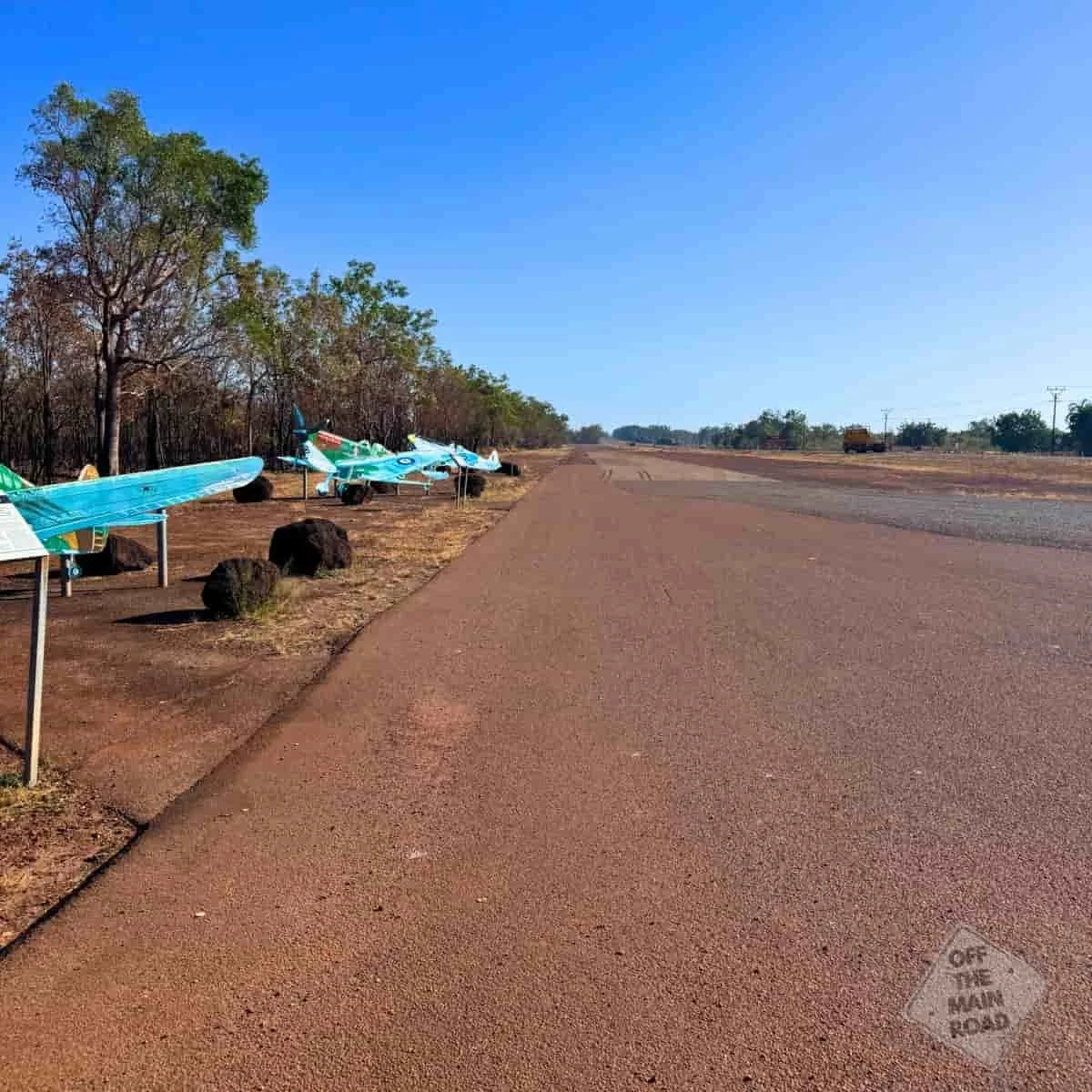
Most people drive through Batchelor on the way to Litchfield. Stop, and you find a miniature Czech castle built by a homesick miner, a Cold War uranium mine, and a wartime airfield with a famous visitor.