

Simpsons Gap: A Peaceful Desert Retreat
Simpson’s Gap, or Rungutjirpa, was one of the first stops on our Autopia full-day tour through the West MacDonnell Ranges. It sits close to Alice Springs, is easy to reach, and is surprisingly calm given how many people pass through each day. The short walk in from the car park is simple and steady, following a wide track toward the cliffs that frame the gap.
Even in the middle of the day, the place holds a sense of stillness. Ghost gums stand out against the red rock, spinifex clumps edge the path, and the dry creek bed leads you straight toward the narrow opening between the walls. The sandstone rises sharply on both sides, throwing shade across the sand and giving the spot a coolness you don’t expect in the central desert.
We stood for a while taking it in: the shape of the cliffs, the quiet breeze moving through the trees, and the occasional zebra finch darting across the gap. Nothing dramatic, nothing loud, just a good moment to pause after a few long NT driving days.
Rungutjirpa is a significant site for the Arrernte people, and being there makes it easy to understand why. The calm, the shape of the place, the way the light shifts across the walls. It all adds to the sense of importance held within the landscape.
It was a simple stop for us, but memorable. Another reminder that some of the best places in the West Macdonnells don’t ask much of you, just a bit of time and an open morning.
Sign up for our Travel Dispatch to follow our run through the rest of the West MacDonnell Ranges.


Simpson’s Gap (Rungutjirpa)
A significant Arrernte site in the West MacDonnell Ranges, known for its narrow gorge, ghost gums and shaded dry creek bed.
How to Get There
Simpson’s Gap is about 18 km west of Alice Springs via Larapinta Drive. Accessible on a self-drive route or as part of a full-day West MacDonnell tour with Autopia or other local operators. Roads are fully sealed.
What to See, Tours and Activities
What we did:
Visited Simpson’s Gap as part of an Autopia full-day West MacDonnell tour.
Walked the short track to the gap.
Watched birdlife around the creek bed.
Spent time taking in the cliffs and shaded gorge.
Other highlights nearby:
Standley Chasm (Angkerle Atwatye).
Ellery Creek Big Hole.
Serpentine Gorge and Ormiston Gorge.
West MacDonnell National Park day tours and walking trails.
When to Visit
Early mornings and late afternoons offer cooler temperatures and better light. Summer days can be extremely hot; winter mornings are cool with bright sunshine.
Final Thoughts
Simpson’s Gap was an easy, worthwhile stop on our West Macs tour — a calm moment of shade, red rock and open space that set the mood for the day ahead.
What’s Nearby
Further west leads into the heart of the West MacDonnell Ranges and its chain of gorges, waterholes and walks, including Ormiston Gorge and the Ochre Pits.
Don’t miss our Top Secret Travel Dispatches. Join here.
Fast Facts
Location: West MacDonnell Ranges, NT
Distance: 18 km west of Alice Springs
Traditional Owners: Arrernte People
Access: Fully sealed roads; available via organised tours
Facilities: Parking, toilets, walking paths
Walking Track: Simpson’s Gap trail (short, flat)
Dog Friendly: No, national park restrictions apply
Best Time to Visit: Early morning or late afternoon
Things That Could Kill You (Probably Won’t)
A semi-serious guide to surviving Australia. Mostly common sense, occasionally luck.
Heat: A constant companion in central Australia. Always take water!
Loose Sand: Sneaky enough to catch a careless step.
Zebra Finches: Too busy darting around to watch where you are going.
Other updates you may like…
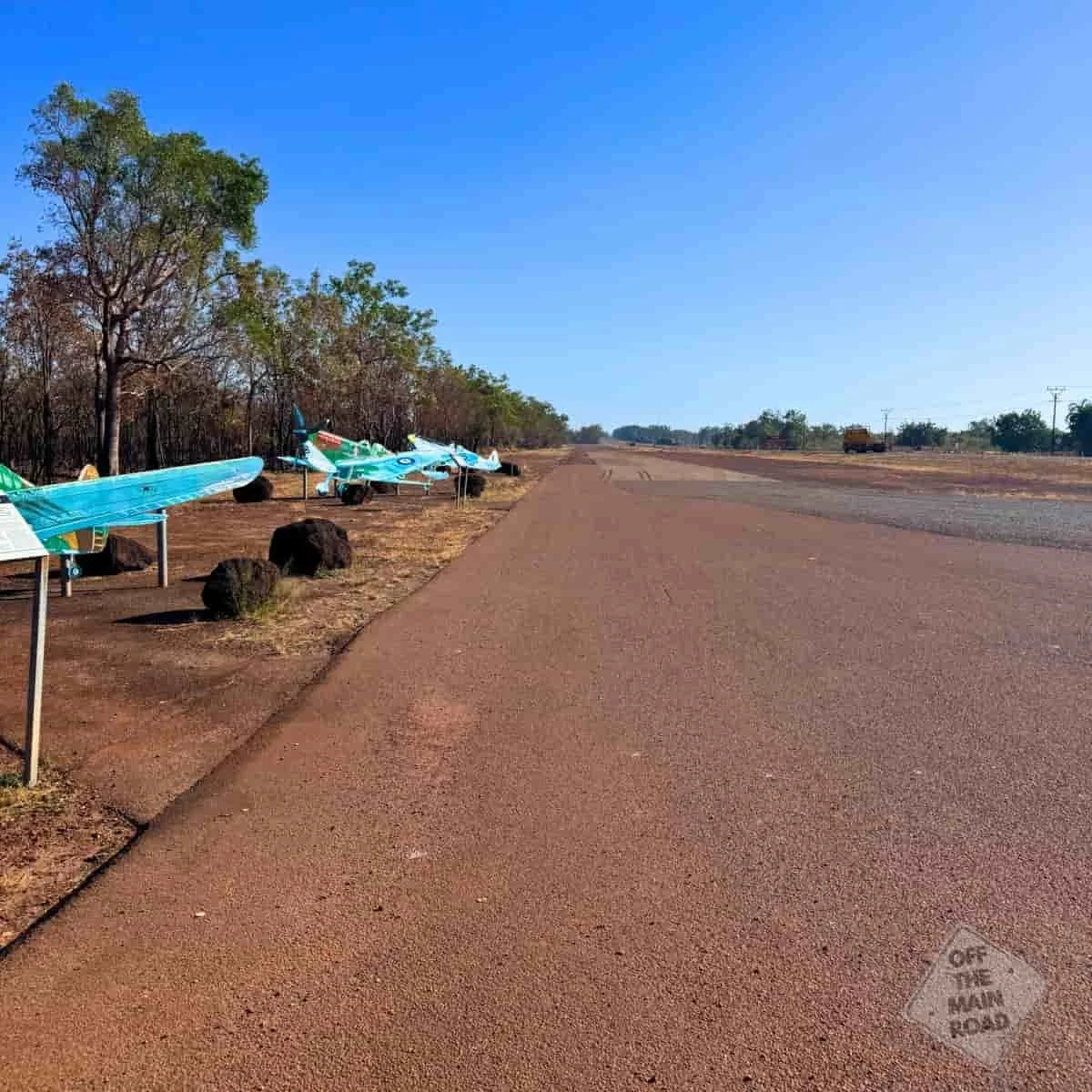

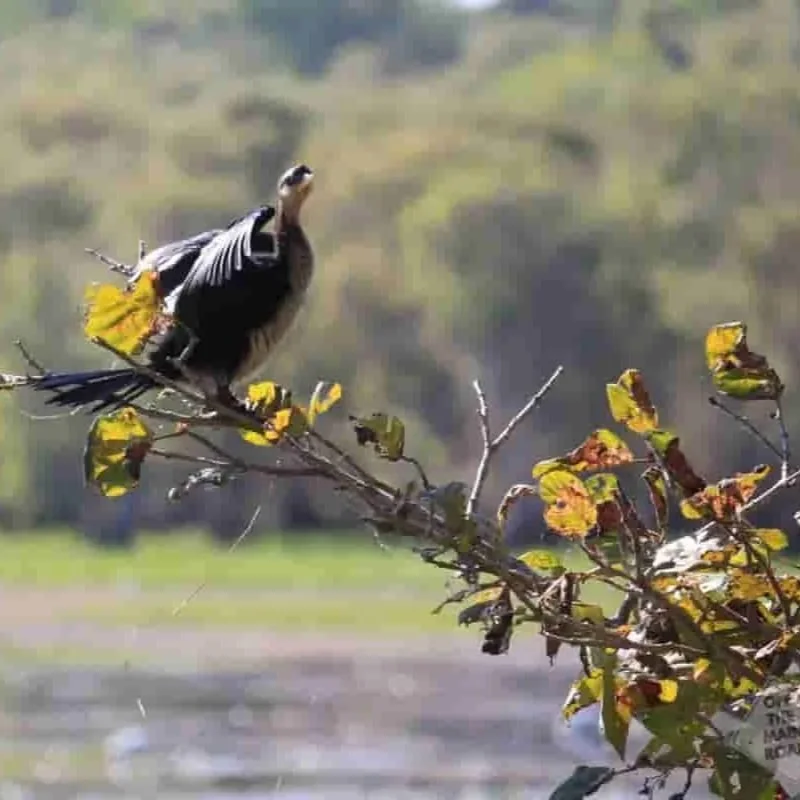
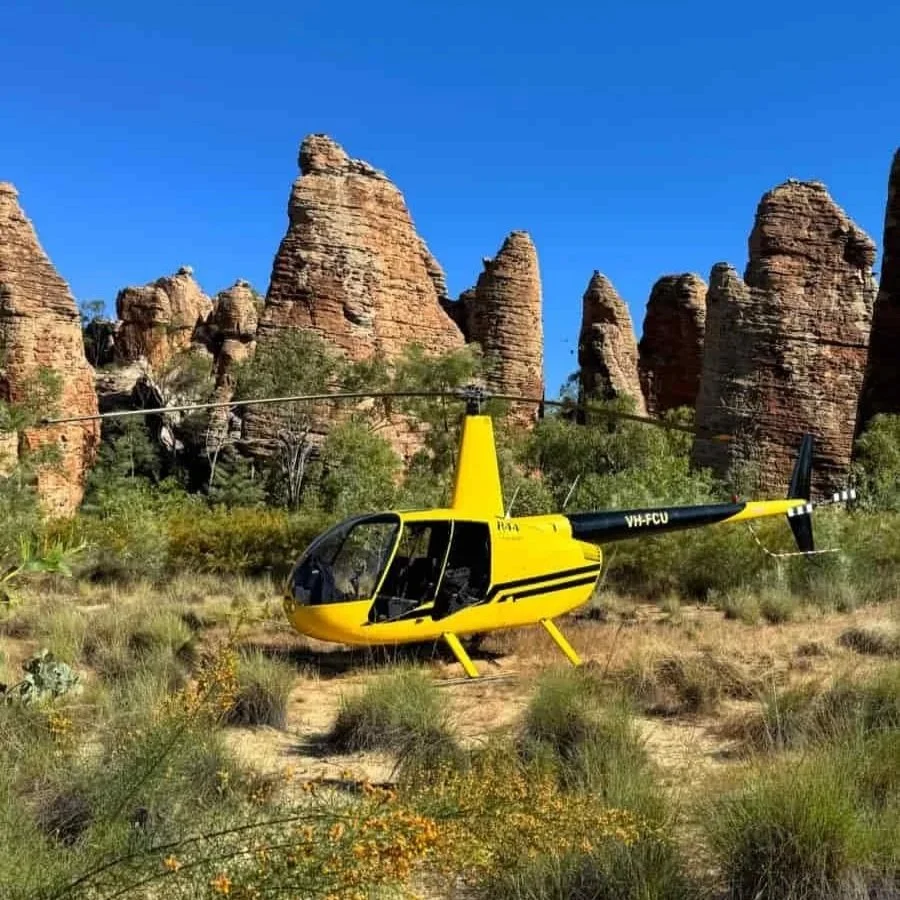







Most people drive through Batchelor on the way to Litchfield. Stop, and you find a miniature Czech castle built by a homesick miner, a Cold War uranium mine, and a wartime airfield with a famous visitor.