

Adelaide River: Quiet Roads and Big Stories
We rolled into Adelaide River after a steady run up from the south, the road opening and closing around pockets of bush and low ridges. It was the kind of drive that suits us these days. No rush, just the chance to watch the landscape shift in its own time. The town appeared quietly, with the pub on the corner, tall palms edging the park, and that familiar Top End feeling that life moves at a slower, sensible pace.
We settled in for three nights, which turned out to be a good call. Adelaide River doesn’t demand much from you. It gives you room to wander, poke around the backroads, and ease into the heat. The days took on their own shape while we explored the area.
Among the beautiful landscapes of the Northern Territory lies a solemn reminder of Australia’s wartime history. The Adelaide River War Cemetery is a peaceful and respectful site dedicated to those who lost their lives in this region during World War II. We hadn’t arrived with a plan to visit, but it was a short walk from the Adelaide River Inn Tourist Park, where we were parked up.
We walked through the rows, taking our time. The ages caught us first. The stillness carried the rest. The cemetery is the final resting place for 435 servicemen and women, along with civilians who died during the war. Many were taken far too young, and standing there, surrounded by rows of headstones, brought the sacrifices of that era into sharp focus.
The setting is serene, with manicured lawns, flowering trees, and a sense of quiet that encourages reflection. Each grave tells a story, marked by plaques detailing the names, ranks, and ages of those buried here. A separate memorial honours 292 people whose remains were never recovered, ensuring their contributions are not forgotten.
Back in town, the dry-season market was running. Stalls were set up with fruit, homemade mango fruit cake, and various bits and pieces. The whole thing had that relaxed feel you get across the NT.
Adelaide River worked well as a base. We headed out to a few spots in the area, Snake Creek Armament Depot and Robin Falls among them, though those stories sit better on their own. What surprised us most was how easy it was to settle into the town. No fuss, no rush, just a place that lets you take things slow and call it a day when you’re ready.
If you enjoy stories like this, you might like our free Travel Dispatches.


Adelaide River
Adelaide River sits just over an hour south of Darwin on the Stuart Highway. It’s a small Top End town with strong wartime history, a relaxed community feel, and a few surprises tucked around its edges. The pub is a classic stop, the old railway precinct holds more history than you’d expect, and the weekly dry-season markets bring everyone together. It’s a place that rewards taking things slow.
How to Get There
Adelaide River lies about 112 kilometres south of Darwin on the Stuart Highway. The road is fully sealed, wide, and easy for caravans and motorhomes. If you’re coming up from Katherine, it’s about a two-hour run north. Everything in town is simple to reach, with the cemetery just a short turn-off from the main road.
What to See / Tours / Activities
What we did:
Wandered the Adelaide River War Cemetery and walked the grounds.
Visited the old railway precinct to see the restored buildings and signage.
Browsed the weekly dry-season market back in town.
Used Adelaide River as a base while we explored the wider area.
Other highlights nearby:
Adelaide River Pub, home of Charlie the Buffalo from Crocodile Dundee.
Robin Falls for a short walk and cool shady pockets.
Snake Creek Armament Depot for a look at WWII history.
Litchfield National Park a short drive north.
Scenic drives around Batchelor and Coomalie Creek.
When to Visit
The dry season is the easiest time to visit. May to September brings blue skies, cooler nights, and the weekly markets. The wet season can be humid and unpredictable, but the landscape turns lush and green.
Final Thoughts
Adelaide River took us by surprise. We arrived expecting a quiet stop and left feeling like we’d stepped briefly into two worlds — one shaped by the weight of history and another held together by the small, everyday rhythm of Top End life. It’s the kind of town that doesn’t try too hard, and maybe that’s why it lingers.
What’s Nearby
If you’re heading north, Litchfield’s waterfalls and swimming holes sit temptingly close. If you’re drifting south, the long run toward Katherine opens up fast. And we’ve got a good story waiting on the next stretch, so come along for the ride.
Before you hit the road again, join our Top-Secret Travel Dispatches. It’s where we stash the stories we don’t put anywhere else. Quiet little notes from the road.
Fast Facts
Location: Top End, Northern Territory
Distance: 112 km south of Darwin
Traditional Owners: The Kungarakany people
Access: Sealed roads suitable for all vehicles
Facilities: Pub, picnic areas, small shops, markets in the dry season
Walking Track: Short paths through the War Cemetery and Railway Precinct
Best Time to Visit: May to September
Dog Friendly: Dogs allowed in town, but not inside the War Cemetery
Things That Could Kill You (Probably Won’t)
A semi-serious guide to surviving Australia. Mostly common sense, occasionally luck.
Heat: The Territory sun is loud. Drink water before you realise you need it.
Road Trains: Give them space. They’re friendly enough, just very, very large.
Croc Country: The river systems up here aren’t for paddling. Stick to designated safe areas.
Other updates you may like…
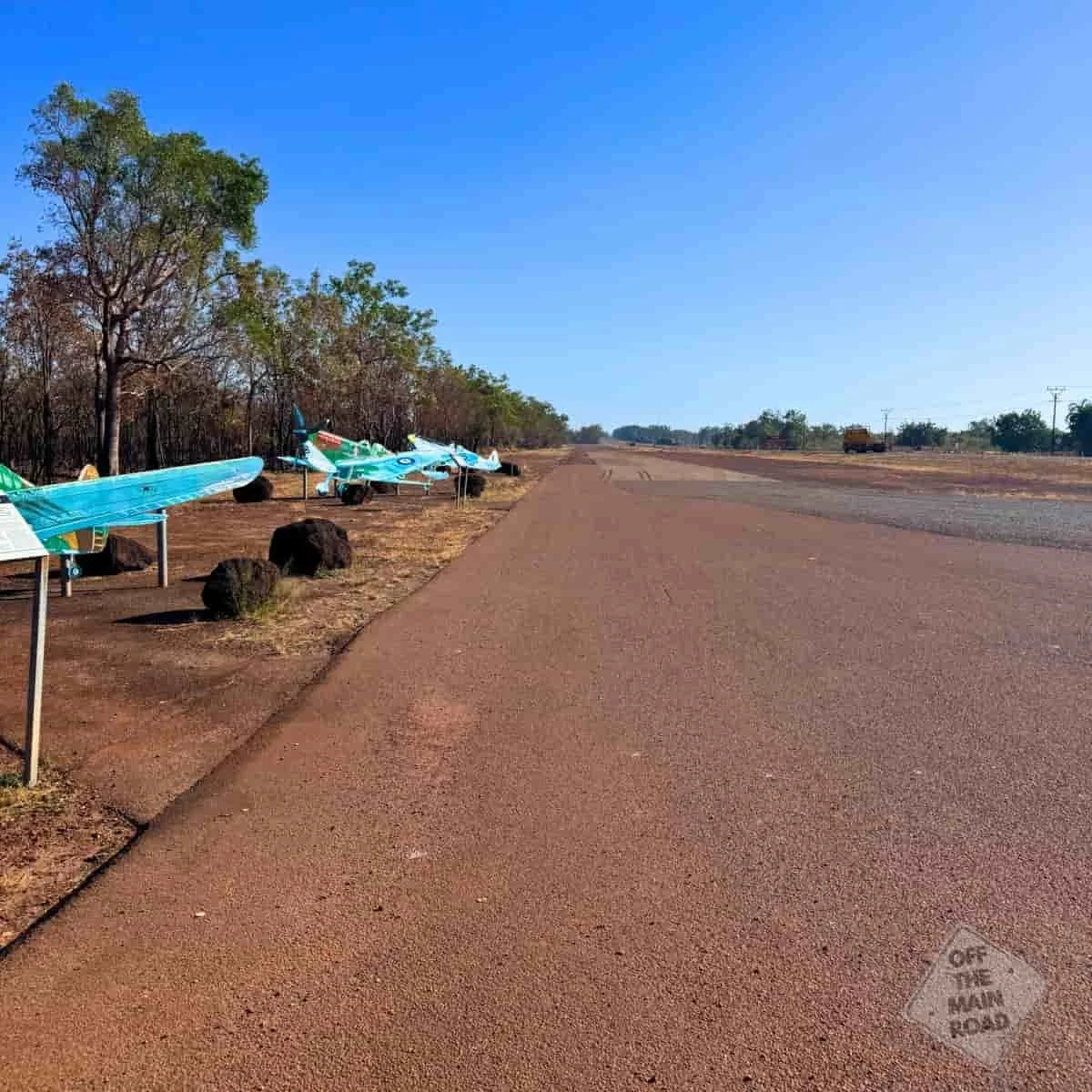


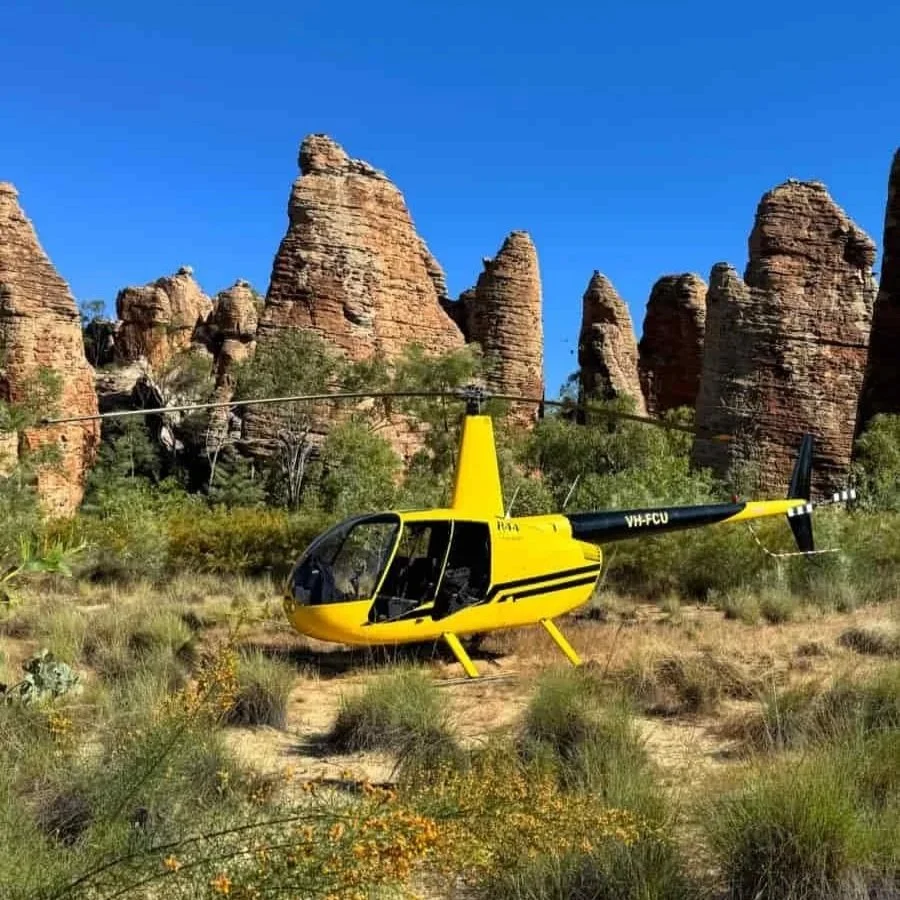
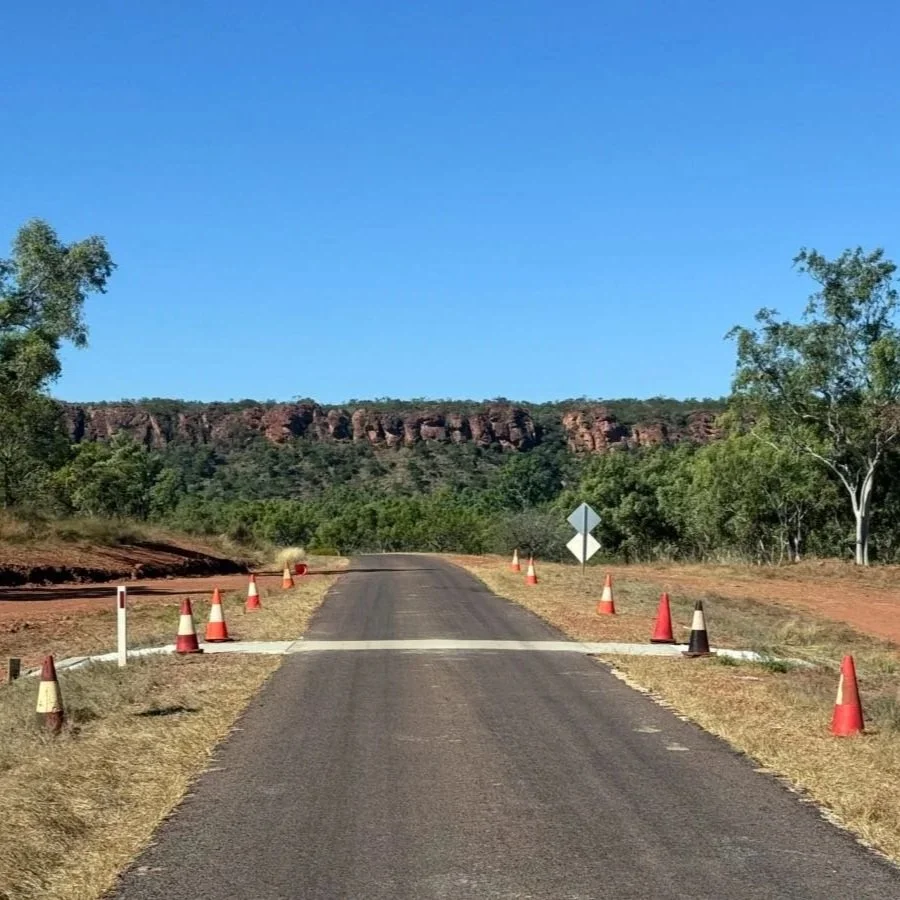







Most people drive through Batchelor on the way to Litchfield. Stop, and you find a miniature Czech castle built by a homesick miner, a Cold War uranium mine, and a wartime airfield with a famous visitor.