Alice Springs: Heart of the Centre
Alice Springs has a way of pulling you in. It’s the middle of Australia in almost every sense, a place of red dust, sharp light, and quiet rhythm. The first time we stayed for a couple of weeks, long enough to get a proper feel for the town. The second time was anything but slow—a short, urgent stop as we raced through with Zoe, bound for Adelaide and hoping for good news.
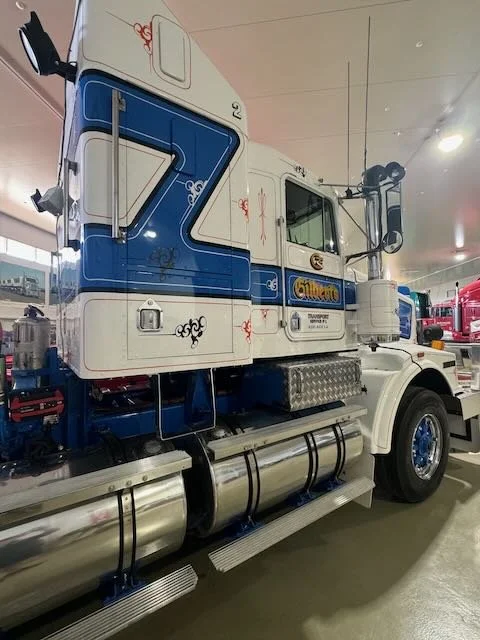
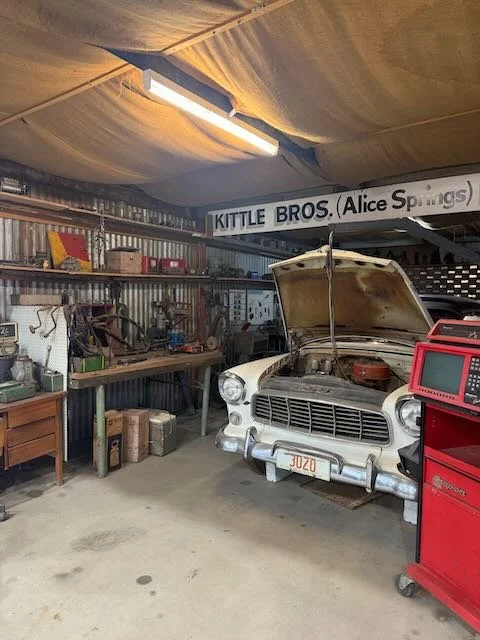
We spent a couple of weeks here our first visit, somewhere between the Devil’s Marbles and Simpsons Gap, soaking up the mix of old and new that defines Alice. There’s the Kenworth and Road Transport Museum, all chrome and horsepower, sitting alongside the Railway Museum, where you can trace the history of the Ghan through stories of dust, steel, and stubborn persistence.
Our favourite ritual quickly became brunch at Page 27 Café, a leafy, tucked-away spot that served food you don’t expect to find in the middle of the desert. Between good meals and laundry loads, we caught up on life admin, repaired a few things around the moho, and let the pace slow right down.
One morning started at the Olive Pink Botanic Garden, wandering its shaded trails before the heat hit. The Alice Springs Telegraph Station offered another glimpse into the town’s beginnings. The old stone buildings standing quietly against the red earth are a reminder of how far this place once felt from everything.
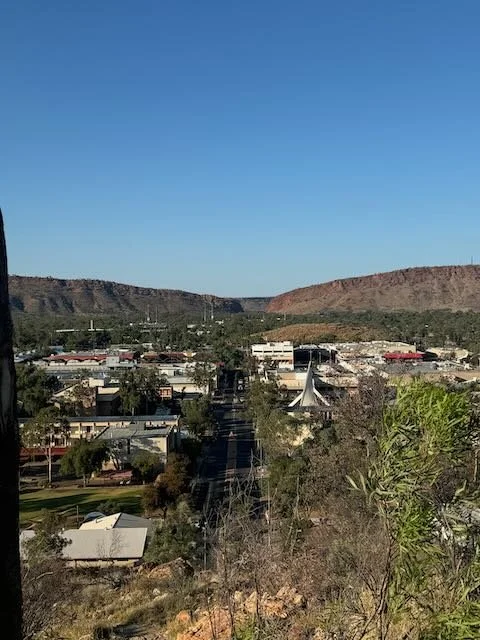
One morning, we climbed Anzac Hill just after dawn. The view stretched out over the town, bathed in soft light and that cool stillness that only lasts a few minutes in Central Australia.
Across the road from our caravan park sat one of Neil’s favourite finds—the local Alice Springs Brewing Co. We wandered over a couple of times for meals, and it quickly became our go-to spot. Good food, friendly staff, and a relaxed crowd made it an easy choice after long days in the desert. If you’re planning a visit and enjoy a drink, it’s worth checking the local alcohol restrictions first. Alice has specific rules for takeaway alcohol, and they’re taken seriously, so plan ahead and drink local instead.
When we returned weeks later, it wasn’t for sightseeing. It was for Zoe. The dash from Uluru to Alice was a blur of worry and speed, but the vet team here were calm, capable, and kind. Those few days waiting for news were some of the longest we’ve known. Thankfully, she pulled through, and Alice Springs became something different to us. It became more than a stop on the map; it became a place where the road gave back more than it took.
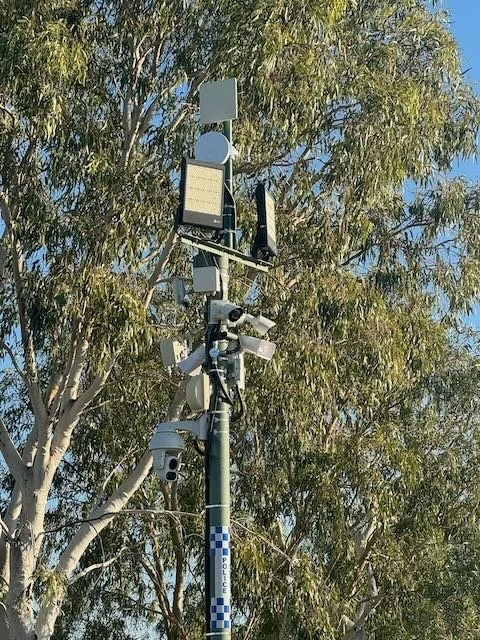
Alice Springs has copped a bit of bad press lately, and we get why some travellers are hesitant. But here’s the truth—it’s safe, especially if you use a bit of common sense. We stayed at one of the caravan parks past the Gap and always felt comfortable. Like any town, it has its rough patches, so we kept our nights quiet and didn’t wander out after dark. But during the day, the town’s friendly, full of life, and worth getting to know. We never once felt unsafe or unwelcome, just part of the easy rhythm that makes Alice what it is.
If you’ve followed Zoe’s story, you’ll know how much that meant. If not, you can read it here.




Alice Springs
Set against the MacDonnell Ranges, Alice Springs sits at the heart of the Northern Territory, both geographically and culturally. It’s home to around 25,000 people, a rich mix of Aboriginal heritage, pioneering history, and creative energy that feels unlike anywhere else in Australia.
How to Get There
Located about halfway between Darwin and Adelaide, Alice Springs is reached via the Stuart Highway. The town has full services, caravan parks, and an airport for those flying in. All main roads into Alice are sealed.
What to See, Tours and Activities
What we did:
Explored the Kenworth & Road Transport Museum and the Railway Museum.
Wandered through Olive Pink Botanic Garden and the Telegraph Station.
Climbed Anzac Hill at sunrise for panoramic views of the town.
Enjoyed brunch (several times) at Page 27 Café, our top Alice pick.
Spent time resting, fixing, and resetting — part of every long trip.
Other highlights you might explore:
Araluen Cultural Precinct for local art and stories.
Simpsons Gap and Standley Chasm—both easy half-day trips. Check out our posts on these!
Desert Park for native wildlife and desert ecosystem insights.
When to Visit
April to September offers cooler days and comfortable nights, perfect for exploring. Summer brings heat, storms, and heavy flies — plan for early starts and plenty of water.
Final Thoughts
Alice Springs has a heartbeat you can feel if you stay long enough—part resilience, part creativity, part red dust.
It’s a town that asks you to look a little deeper, to see beyond the headlines and find its real warmth. For us, it became both a place to rest and a place to regroup and a reminder that life on the road can twist from adventure to worry and back to gratitude in the space of a single week.
What’s Nearby
Heading west takes you into the West MacDonnell Ranges, with stops like Simpsons Gap, Standley Chasm, and Ellery Creek Big Hole waiting to be explored. South, the road leads toward Coober Pedy — where the desert heat moves underground.
Fast Facts
Location: Central Australia, Northern Territory
Distance: 1,500 km south of Darwin, 1,530 km north of Adelaide
Traditional Owners: Arrernte People
Access: Sealed via Stuart Highway; flights and rail available
Facilities: Full town services, caravan parks, cafés, fuel
Walking Track: Anzac Hill, Olive Pink Gardens trails
Dog Friendly: Permitted at select campgrounds (not in national parks)
Best Time to Visit: April – September
Things That Could Kill You (Probably Won’t)
A semi-serious guide to surviving Australia. Mostly common sense, occasionally luck.
Heatstroke: Even on “cool” days, the desert sun sneaks up. Hat first, water second, ego last.
Flies: They outnumber people. You’ll wave more than you ever have in your life.
Locals at the Pub: Friendly, but they’ll outlast you on both stories and schooners.
You can read more about what came next in our Coober Pedy post — a quick stop that turned into something special.
And if you’d like the top secret updates — the quiet stories, the tough bits, and the ones that never make the blog — join our Travel Dispatch.
Other updates you may like…
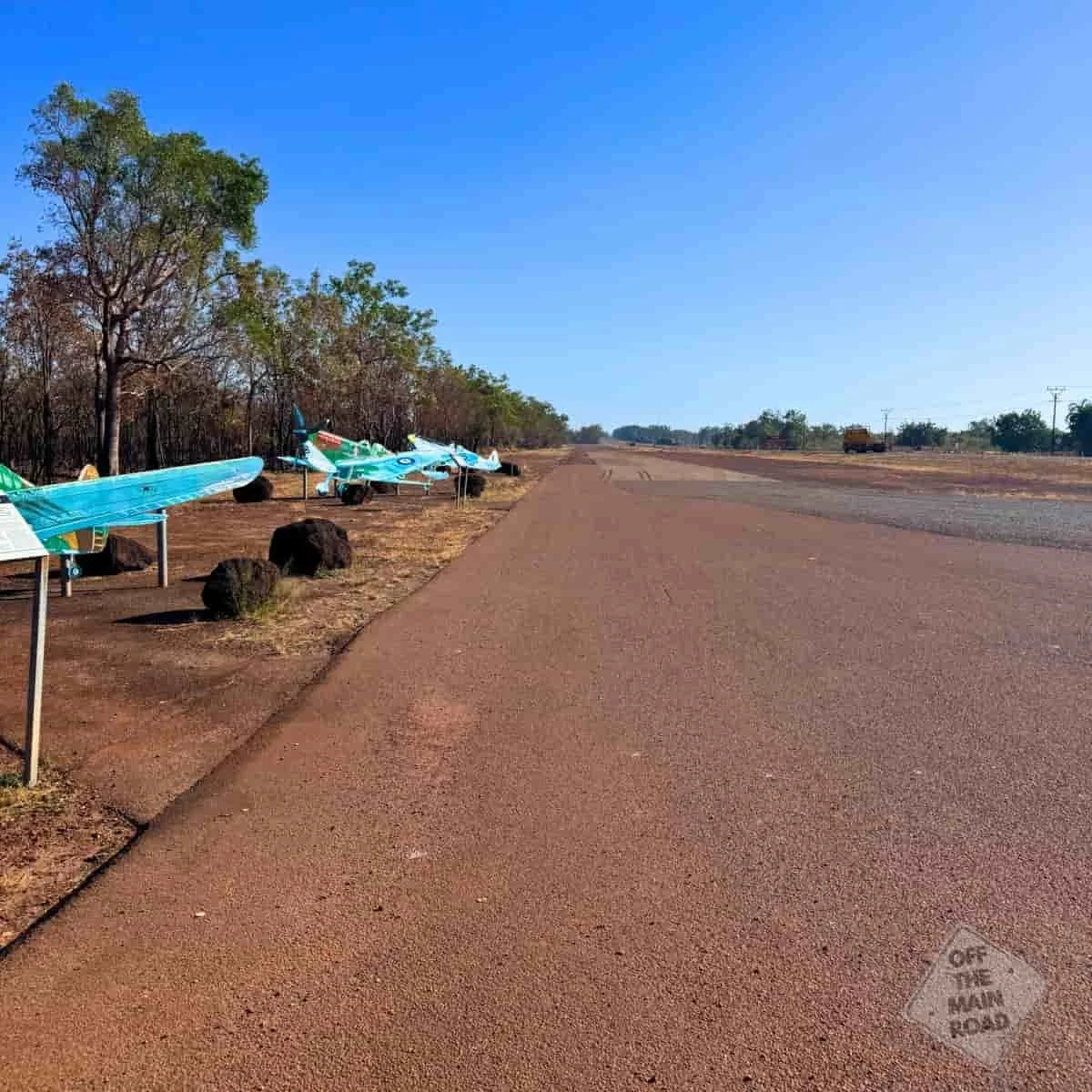






Most people drive through Batchelor on the way to Litchfield. Stop, and you find a miniature Czech castle built by a homesick miner, a Cold War uranium mine, and a wartime airfield with a famous visitor.