Rockhampton Rhythm
We spent about five easy days soaking up Rockhampton’s quiet charm. There’s a steady, unhurried vibe to the town that suits us just fine, plenty to explore without rushing or the usual tourist bustle.
Riverston Tea Rooms quickly became a favourite brunch spot, with its friendly atmosphere, strong coffee, and fresh, simple meals that hit the spot every time. It was the kind of place where you could easily settle in with a book or watch the town start its day.
The Railway Museum was a highlight for us, a real treat for anyone interested in history and machinery. Wandering among the giant steam engines and carriages gave a sense of how important the rail network has been to this part of Queensland, a reminder of the people and stories behind those iron tracks.
But the real gem was the Rockhampton Art Gallery. Its mix of impressive permanent collections and thoughtfully curated changing exhibitions kept us coming back. We loved how the space invited slow wandering and quiet reflection, with each visit offering something fresh to discover. It felt like a creative heartbeat in the middle of town, connecting the past and present in unexpected ways.
On the road into Rockhampton, we passed a towering piece of mining equipment, an enormous reminder of the region’s industrial roots and the hard work that fuels much of Queensland’s economy. Its scale was humbling, almost like a sculpture dedicated to grit and determination.
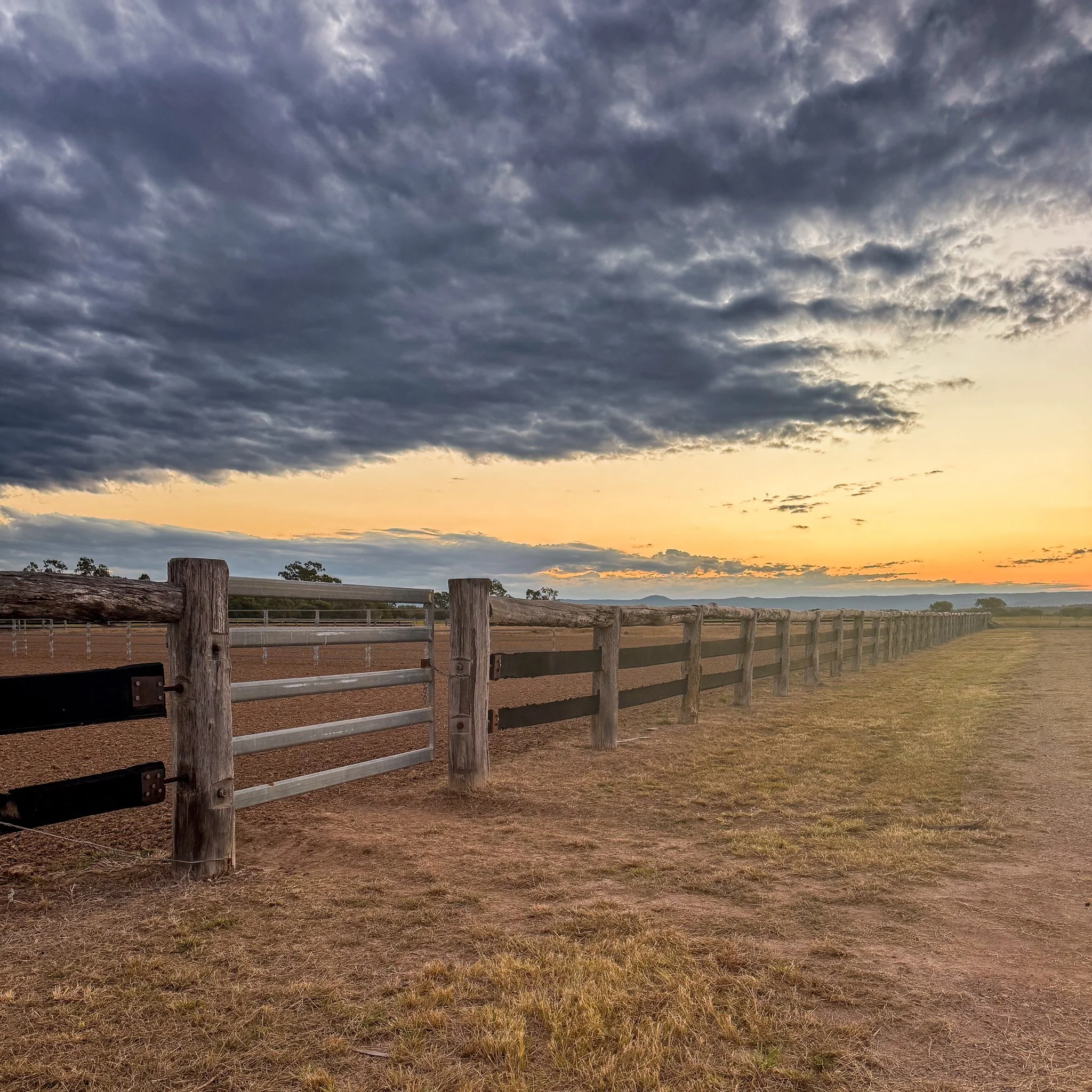
On our way from Winton, we camped under the wide-open skies at Jericho. Then a few days in Emerald saw us catching up on washing and chores, a practical pause that felt good, sometimes the little tasks remind you you’re really on the move.
This stretch of Queensland was a patchwork of small moments…quiet cafés, massive machines, thoughtful galleries, and open skies.
If you enjoy the quieter side of travel, the art, the stories, and the small towns that reveal themselves slowly, join our Travel Dispatch. It’s how we stay connected with fellow travellers who appreciate the journey as much as the destination.
Rockhampton
Rockhampton sits on the Fitzroy River and is one of Central Queensland’s largest regional hubs. Known as the “Beef Capital of Australia,” it balances heritage architecture with a modern cultural scene, and is a key gateway to both inland and coastal adventures.
How to Get There
Rockhampton lies on the Bruce Highway, about 620 kilometres north of Brisbane. It’s also serviced by the North Coast railway line and has a regional airport with regular connections to Brisbane, Mackay, and Townsville. Many of the city’s main sights are clustered close to the centre, with others a short drive away.
What to See / Tours / Activities
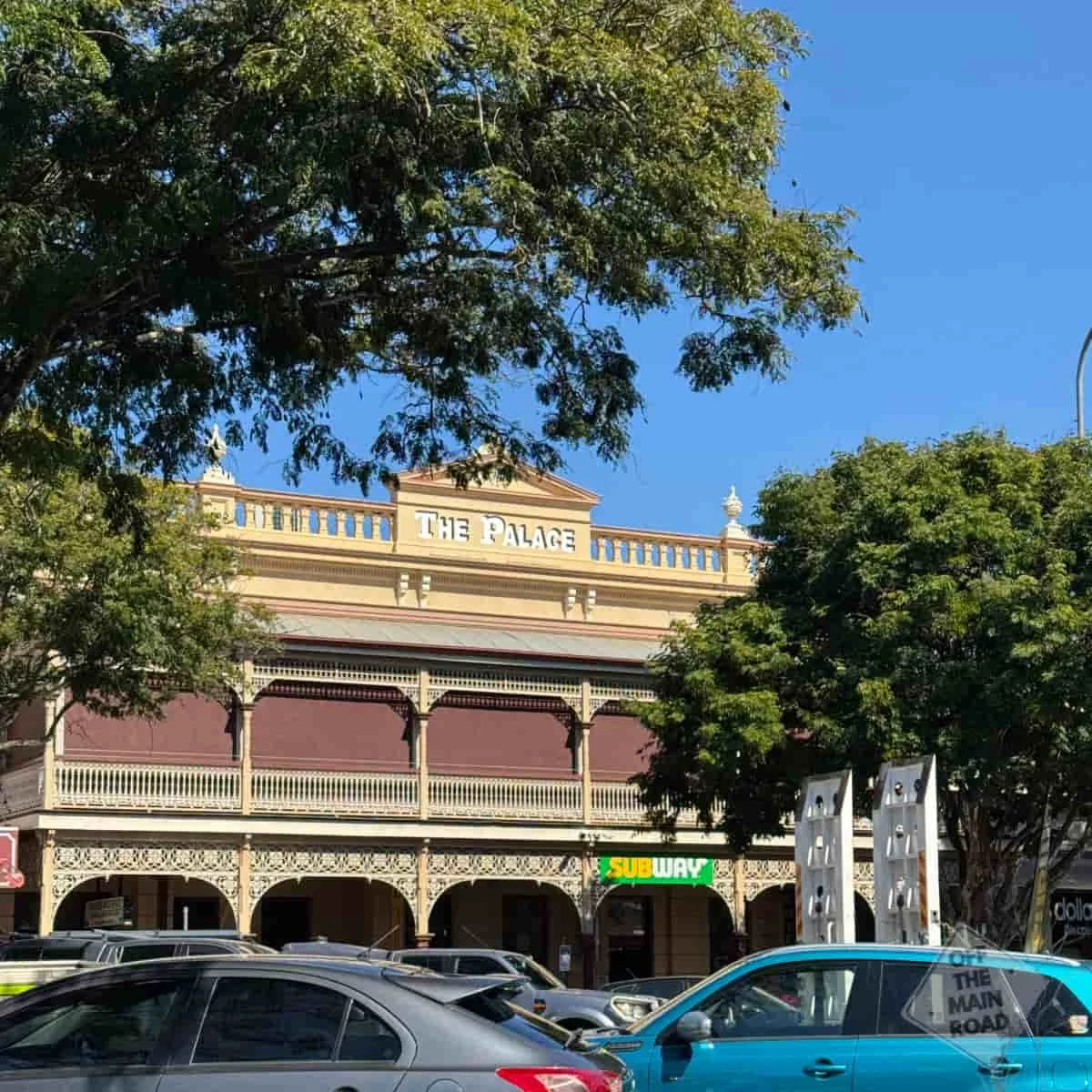
Heritage & History Walks – Explore Quay Street’s grand facades, historic buildings, and riverfront charm.
Rockhampton Museum of Art – Queensland’s largest regional gallery, home to contemporary and local works.
Rockhampton Heritage Village – A living museum with restored buildings and glimpses of early Central Queensland life.
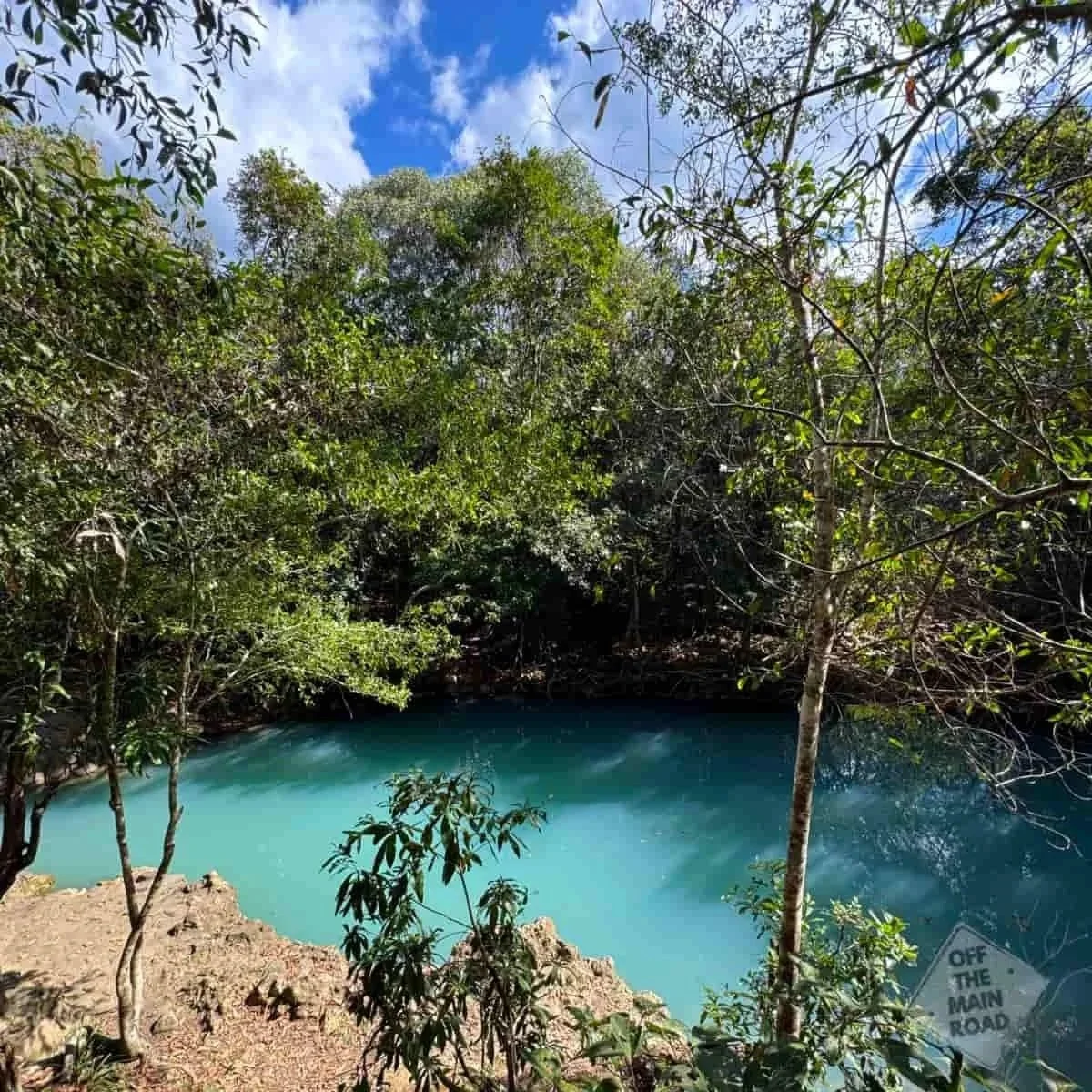
Capricorn Caves – Guided tours through dramatic limestone formations just north of town.
Mount Archer Lookout & Bushwalks – Panoramic views across the city and hinterland.
Botanic Gardens & Kershaw Gardens – Leafy escapes perfect for picnics or an easy afternoon stroll.
Archer Park Rail Museum – A nostalgic dive into the region’s railway heritage.
When to Visit
The best time to visit Rockhampton is during the dry season (May to October), when the weather is more pleasant for walking and outdoor exploring. Summers can be hot and humid, with the wet season bringing heavy rain and occasional flooding, so plan for early mornings or late afternoons if travelling then.
Final Thoughts
Rockhampton struck us as a city that wears its history on its sleeve while pushing forward with new cultural energy. Between its art scene, heritage treasures, and nearby natural wonders, it gave us plenty to enjoy before the road called us north once again.
What’s Nearby
Before reaching Rockhampton, we’d explored the dramatic landscapes of Carnarvon Gorge, a true highlight of central Queensland. After leaving Rockhampton, we carried on towards St Lawrence, a quieter coastal stop known for its wetlands and wharf ruins.
Fast Facts
Location: Rockhampton, Central Queensland
Distance from Brisbane: 615 km north via Bruce Highway (A1)
Traditional Owners: Darumbal people
Access: Fully sealed highway suitable for all vehicles and motorhomes
Facilities: Caravan parks, cafes, restaurants, museums, galleries, fuel, supermarkets
Walking Track: Riverside precinct, Botanic Gardens and Zoo, and Mount Archer Summit Walk
Dog Friendly: Allowed in most outdoor public areas and parks
Best Time to Visit: April to September for warm, dry days and comfortable exploring conditions
Enjoyed learning about Rockhampton?
Sign up for our Travel Dispatch for more Queensland travel stories — from country towns to coastal stops and everything in between.
Other updates you may like…
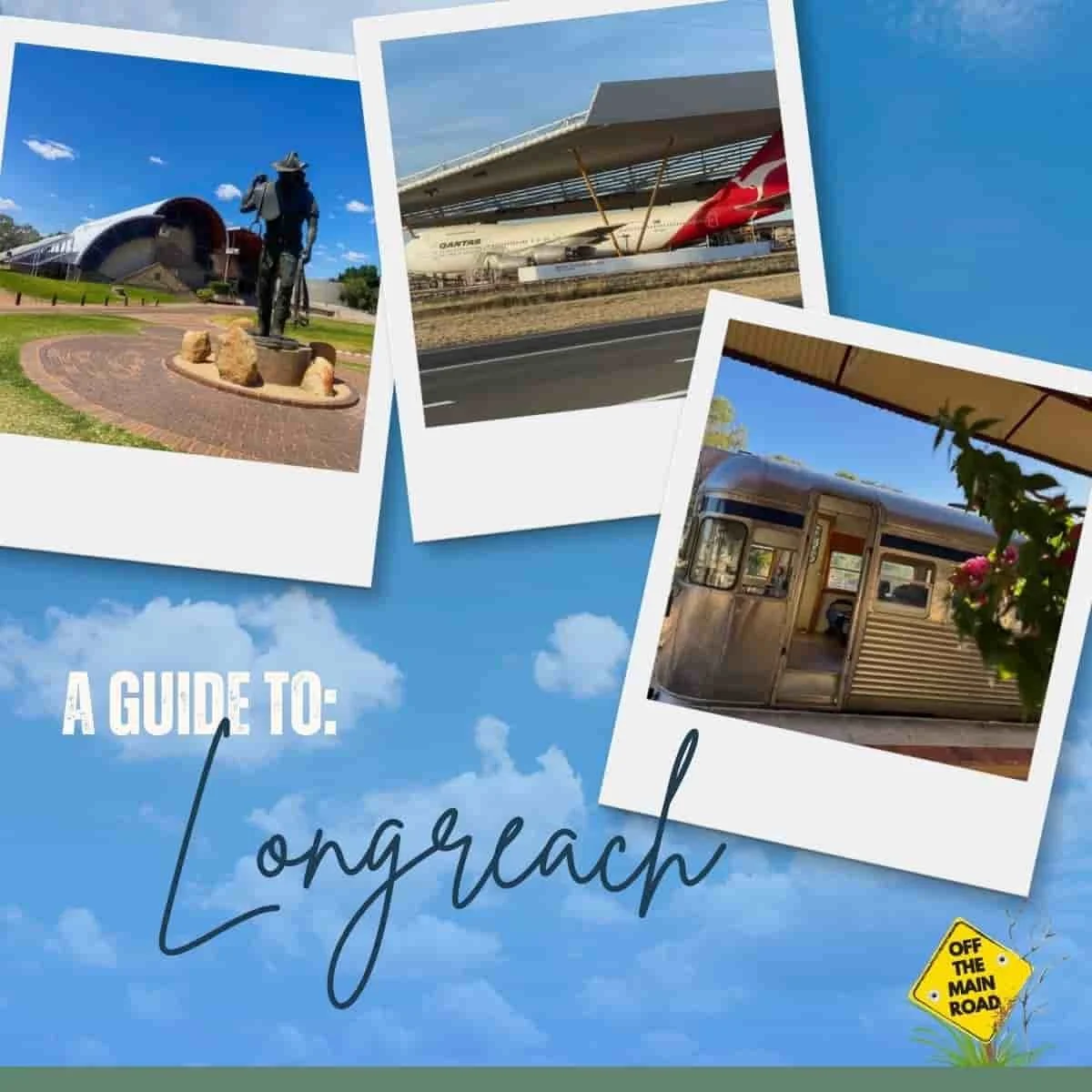
After three visits, here's what we'd actually send a friend to do in Longreach! Qantas history, outback rail and river tours, and a stockman's show. Not everything, just our favourites.
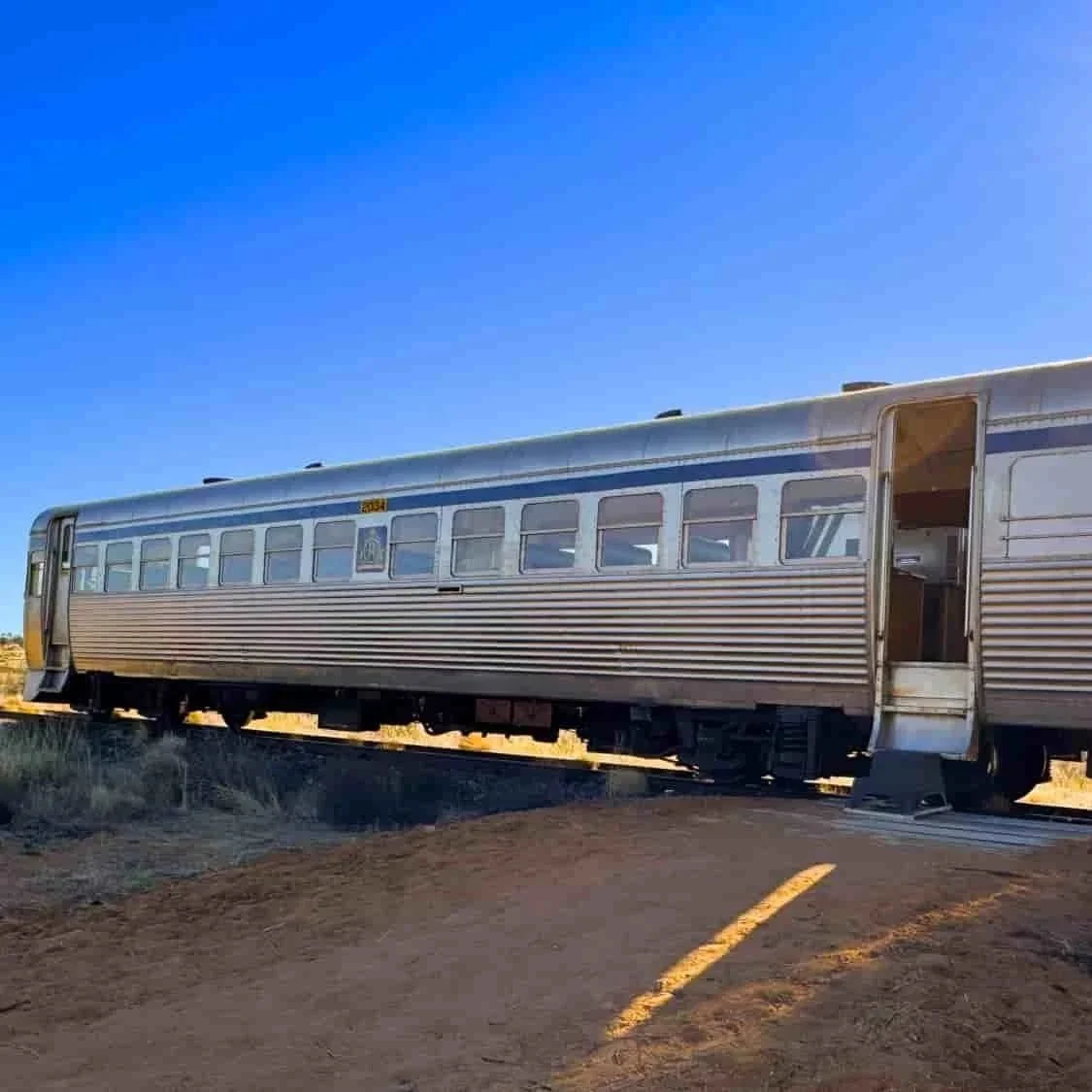
Back in Longreach for our third visit. Outback rail adventures, a sunset cruise on the Thomson River, the Longreach Races, new Akubras, and the friendliest welcome yet.
The Matilda Way is a 1,900-kilometre touring route from Bourke in New South Wales to Karumba on the Gulf of Carpentaria, passing through the heart of outback Queensland via Charleville, Longreach and Winton.
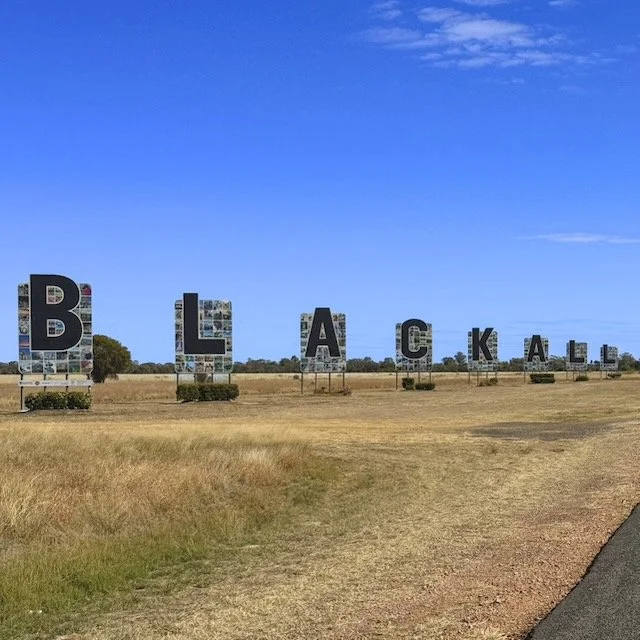
Blackall’s Historical Woolscour is the only surviving steam-powered woolscour in Australia, operating since 1908. Add Jackie Howe’s unbroken shearing record and a free camp on the Barcoo River, and you have one of outback Queensland’s best stops.
Tambo delivers more than it advertises — Tambo Teddies and a station side quest, chicken races that got out of hand, and the site of Qantas’s first fatal crash in 1927. A small town with a lot going on.
Four visits to Charleville and still finding new things — the Angellala Creek explosion site, the Airfield Museum, the Bureau of Meteorology weather balloon and the WWII quarry that built the airport runways.
From the Cosmos Centre and Bilby Experience to the Airfield Museum, WWII Secret Base, Outback Date Farm, and the Angellala Creek explosion site. There’s a lot going on!
Halfway between Cunnamulla and Charleville, Wyandra is a quiet railway town on the Warrego River with a sandy beach, outback burgers, a peaceful camp and sunsets good enough for a calendar cover.
An overnight pub camp at Enngonia, then north to Cunnamulla; the Robbers Tree, the All Aboard rail show, a day at the races for Neil and artesian hot springs for Cameron. A weekend well spent.
The Kidman Way is a 644-kilometre sealed touring route through inland NSW, from Jerilderie in the south to Barringun on the Queensland border. Named after the 'Cattle King', it passes through Griffith, Cobar and Bourke.
Five rain-soaked days at Nyngan Weir and then north to Bourke, the Darling River’s great port, Fred Hollows’ resting place, an Afghan mosque in the outback, and a town that rewards anyone who slows down.
From Melbourne via Warrnambool and St Arnaud to Hay, a town that keeps earning return visits. Free camping on the Murrumbidgee, a gaol with many lives, and one of regional NSW’s most joyful festivals.
A Victorian summer with family and friends behind us, a polar cold snap nudging us north, and rising fuel prices reshaping how we travel. Time to head out again and see what's up the road.
A slow morning in the mist at Warrnambool's historic Botanic Gardens, a drive out to Hopkins Falls running at full strength, and an afternoon browsing Fletcher Jones Market.
Two nights on the Barwon River at Winchelsea’s free camp, and a guided tour of Barwon Park Mansion, the bluestone homestead built to impress a duke, by the man who gave Australia its rabbit problem.
Our favourite way to experience Melbourne is on foot, looping between the State Library, NGV, laneways, arcades, gardens and the Yarra, with a tram ride to St Kilda and the occasional MSO concert.
First visits feel longer because novelty stretches time. Returning compresses it. This reflection explores how attention shapes memory, and how slow travel allows familiar places to feel deeper rather than shorter.
J Ward in Ararat began as a gold rush gaol before becoming Victoria’s Criminally Insane Division. A guided tour reveals bluestone cells, preserved gallows, and a confronting chapter in Australia’s justice and mental health history.
Aradale in Ararat is one of Australia’s largest former psychiatric hospitals. A guided history tour reveals confronting stories, evolving mental health care, and the complex legacy of an institution that operated for more than a century.
A moving degustation through Bellarine farmland, The Q Train pairs heritage rail with seriously good food. From steam departures to thoughtful non-alcoholic pairings, it’s one of Victoria’s most memorable regional dining experiences.
Neil returned to Melbourne for a short city break, wandering the Yarra, visiting the State Library, eating well, and stocking up on freckles, while back at the motorhome Zoe gave Cameron a small health scare.
Travelling Australia with a dog means national parks require planning. Here’s how we responsibly visit parks while travelling full-time with Zoe, from splitting up visits to safe short stays and practical local dog-minding options.
A guided visit to the Victorian Pride Centre reveals a thoughtfully designed space built for connection, advocacy, and support. More than a landmark, it’s a working hub that honours the past while shaping a practical, inclusive future.
Werribee Open Range Zoo offers a surprisingly immersive safari experience just outside Melbourne. With open savannahs, accessible paths, and thoughtful design, it feels far removed from the city while remaining easy to navigate.
Photography slowed our travel down. By staying longer, noticing light, and relying on simple techniques, we learnt to photograph with more intention. Sometimes the best images arrive quietly, once a place feels familiar.
Slow travel isn’t about distance or aesthetics. It’s about rhythm, familiarity, and staying long enough for places to reveal themselves. A reflective look at what slowing down actually feels like, from life on the road.
The Holden Museum in Echuca has since closed, but we’re glad we visited when it was still open. A quiet retrospective on everyday Australian cars, regional passion projects, and noticing things before they disappear.
Exploring the mouth of the Hopkins River near Warrnambool, from calm water and dog beaches to coastal walks, fishing spots, historic graves, and wide ocean views. A lived-in stretch of coast best discovered slowly.
Just offshore from Warrnambool, guardian dogs quietly protect a colony of little penguins. The Middle Island Maremma Project is a thoughtful conservation success, best understood from the mainland, where learning matters more than access.
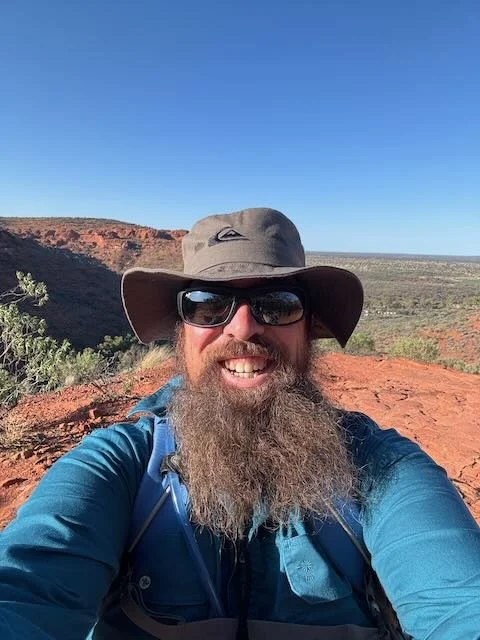
Cameron is a travel writer, photographer, and freelance copywriter with more than fourteen years of experience crafting stories that connect people and place. Based on the road in a motorhome with his partner, he documents Australia’s quieter corners through Off the Main Road, a travel journal devoted to the towns, landscapes, and characters often overlooked by the tourist trail.
His writing blends observation with lived experience, drawing on a professional background in brand storytelling. Blending visual storytelling with a writer’s eye for detail, Cameron captures moments that reveal the character of regional Australia—from weathered towns and open landscapes to the honest rhythm of life across Australia.


Three days out to Boulia via Poddy Creek and the Middleton Hotel, the Min Min Encounter, outback sunsets and no actual Min Min sightings. Then north to a spectacular free camp at Dajarra Dam on the way to Mount Isa.