Travel, Slowed Down
A Reflection from the Road
Slow travel gets talked about a lot, but it’s rarely explained in a way that feels achievable. It’s often framed as something radical. Quit your job. Sell everything. Disappear for a year. Take perfect photos. That version can feel inspiring, but it can also feel strangely hollow.
For us, slow travel didn’t arrive as a grand decision. It crept in. Between staying an extra night because the weather turned good and realising we hadn’t looked at a map all day, we found that we were living a slow life.
At its core, slow travel is about rhythm. Not how far you go, but how long you stay. It’s choosing to remain still long enough for a place to stop performing and start behaving like itself. The first day in a town is often noisy. You’re alert, noticing everything at once. By the third or fourth day, the edges soften. You stop scanning. You start recognising.
Familiarity is part of it as well. Returning to places matters. The second visit tells you more than the first ever could. You notice what’s changed, what hasn’t, and how you fit into it this time around. Being remembered, even briefly, shifts the experience from visitor to participant.
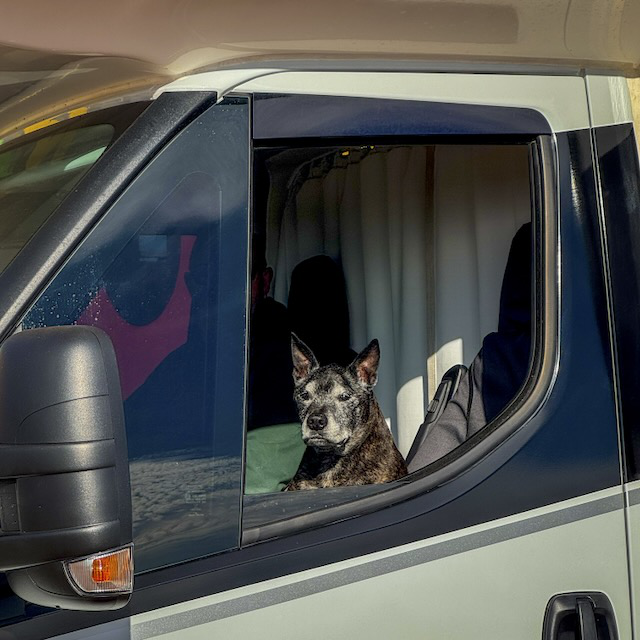
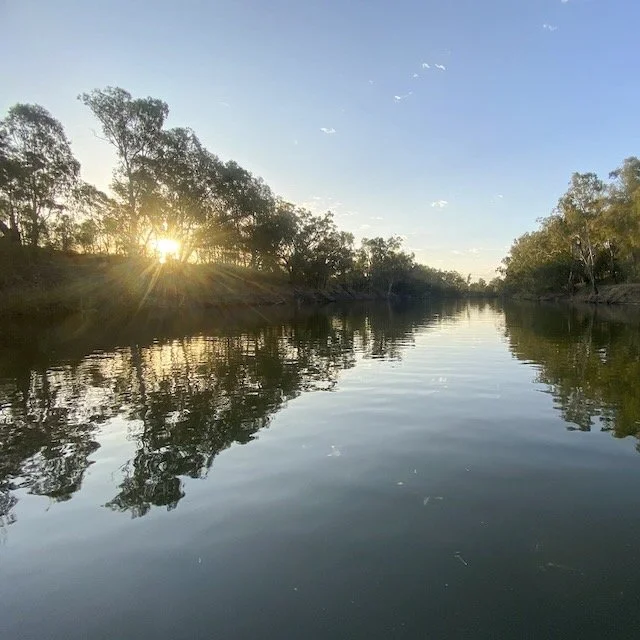
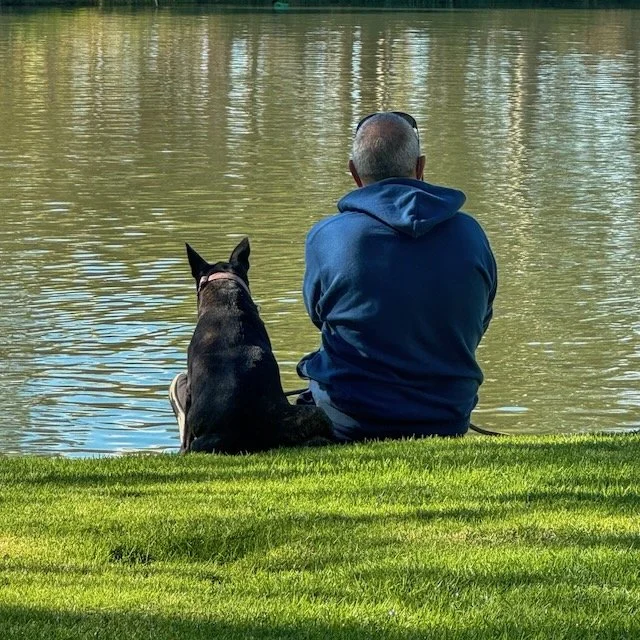
Slow travel also means resisting the urge to optimise everything. Not every day needs to be full. Some of the most meaningful moments happen when nothing much is planned. Sitting by a river longer than intended. Wandering in a cemetery because it feels right. Watching dogs find calm water. These aren’t filler moments. They’re the point.
There’s a practical side that doesn’t get much discussion. Staying put is easier on the body and the budget. Less driving. Less decision fatigue. Fewer days spent packing up just as you’ve settled in. Slow travel isn’t indulgent. It’s sustainable.
It also asks of you in return. You have to sit with boredom long enough for it to pass. You have to be willing to see the same street twice. To walk the same track again. To accept that not every place will reveal itself loudly.
We’ve learned that places don’t open up on demand.
They respond to attention. To patience. To showing up more than once.
Slow travel isn’t about doing less. It’s about doing fewer things more fully. Staying long enough to notice when the wind changes. When the town quietens. When you stop asking what’s next.
And that’s when travel starts to feel less like movement, and more like presence.

Some of our other thoughts
Travel Safe, Zoe 🐾
13 Nov 2010 - 1 Oct 2026