Why Familiar Feels Shorter
A Reflection from the Road
Have you noticed this?
The first time you drive into a new town, it feels like it takes forever. You’re scanning everything. Street signs. Shopfronts. That slightly confusing intersection you don’t want to miss.
Then you return months later and suddenly it feels… smaller. Shorter. Like someone trimmed the edges. We’ve felt this a lot on the road.
The first time we rolled into Charleville, we were alert. Finding the caravan park. Working out the best place to walk Zoe. Figuring out where the bakery was. It felt expansive.
The next visit? We knew exactly where to turn. We knew which streets had shade in the afternoon. We understood the rhythm of the place. It felt slightly quicker, even though nothing had physically changed.
Same with Carnarvon Gorge. The first walk-in, we were watching the distances and checking the map. The second time, we noticed the texture of the rock walls and how the air cooled as we moved deeper into the gorge. The track didn’t shrink. Our attention shifted.
There’s a reason for it.
When something is new, your brain works harder. It records more detail. More detail makes an experience feel longer in hindsight. When something is familiar, fewer new details are stored. Our memory compresses everything
But here’s what we’ve learned from slow travel. Familiar doesn’t mean less interesting. It just means less frantic. On a first visit, we’re trying to orient ourselves. On a second visit, we’re free to observe.
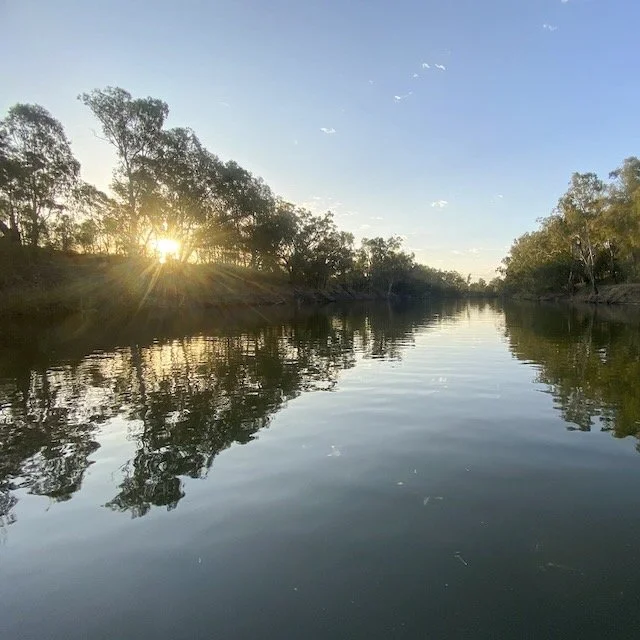
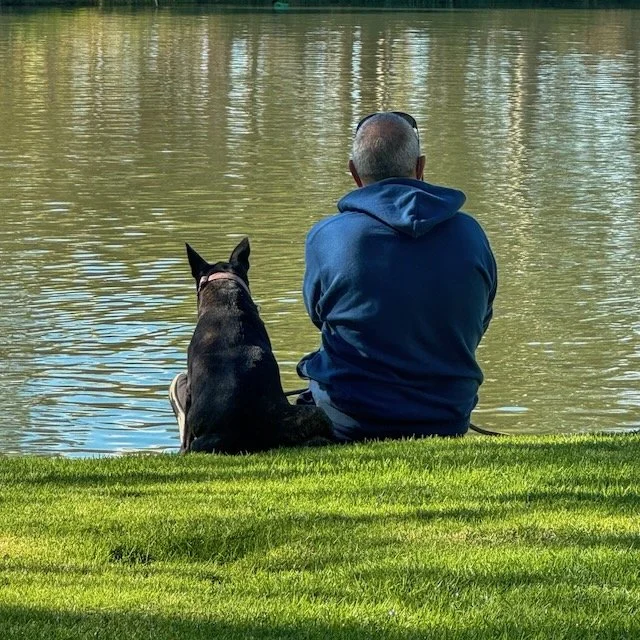
We’re not hunting for the highlights anymore. We’re noticing the ordinary things. The way the river looks in different light, or the café owner who remembers us, or the familiar dog park that Zoe loves.
Sometimes the return is actually richer.
When we stay longer in one place, or deliberately go back, the pressure drops. We don’t need to “do it all.” We don’t need to rush from lookout to lookout. We can walk the same stretch twice and see something different each time.
That’s where slow travel shifts things. It gives us permission to re-see, rather than constantly chasing the new. Familiar feels shorter because we’re no longer bracing for the unknown. We’re comfortable, our bodies relax faster, and our brains don’t work as hard.
But that comfort can open up depth. We notice details instead of directions and we experience nuance instead of novelty.
We used to think repeat visits meant less adventure. Now we think they mean more understanding. The first visit stretches time, while the second visit stretches connection.
And when we return, familiar stops feeling shorter altogether. It starts feeling like part of our story.

Some of our other thoughts
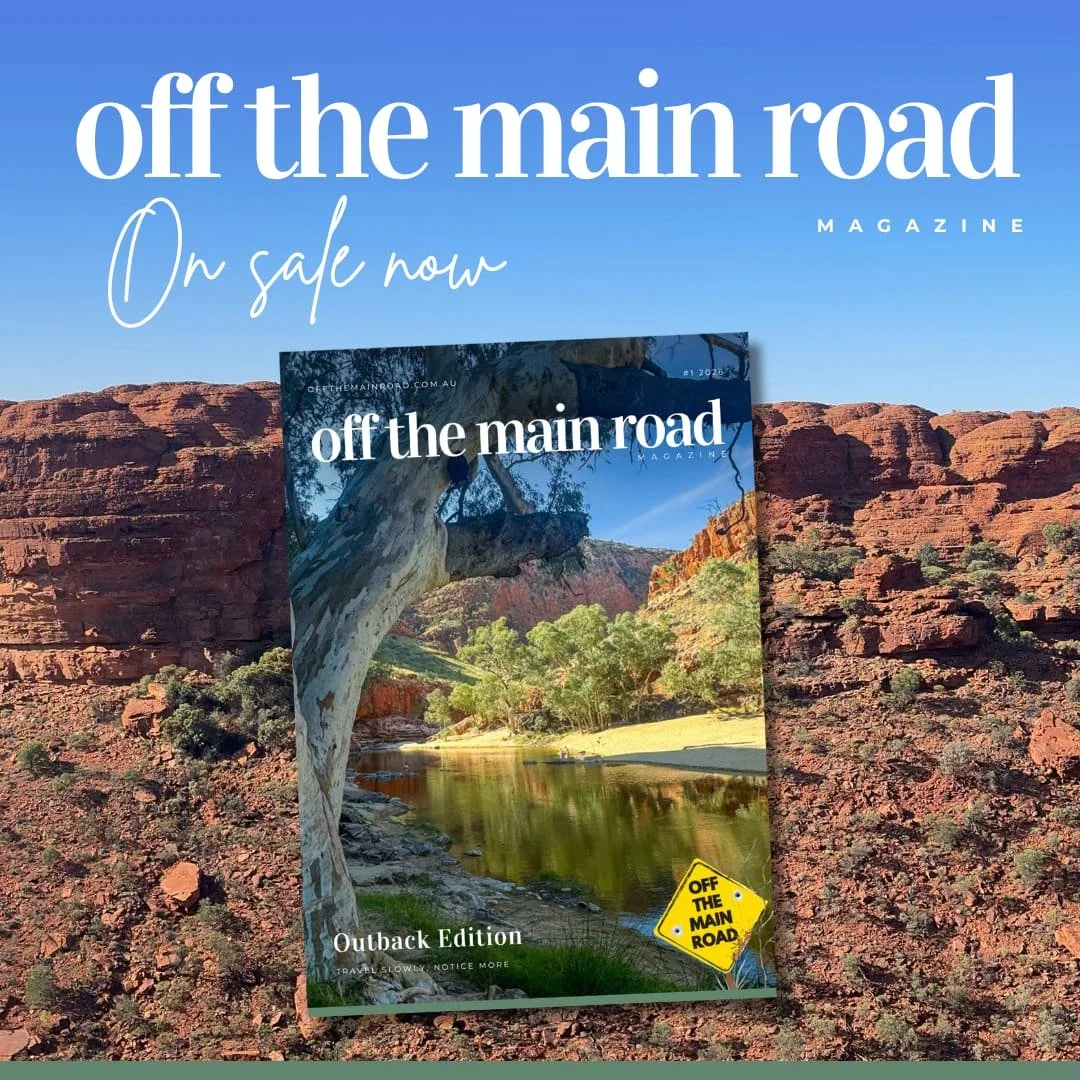




The response to the Outback Edition has been better than we hoped. Here’s how to get your copy.