

Ararat: Visiting J Ward
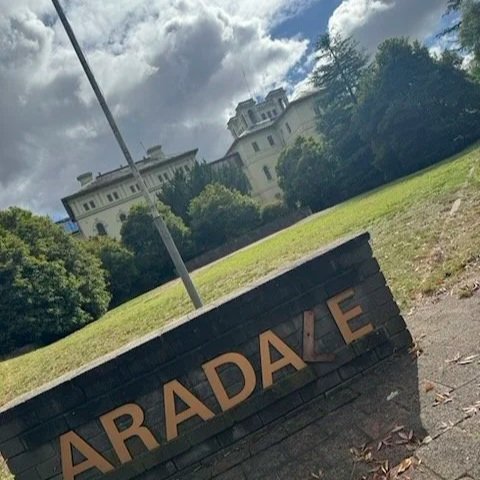
After walking through Aradale, we weren’t sure how we’d feel stepping into J Ward. If Aradale felt expansive and institutional, J Ward feels contained. Tight. Intentional.
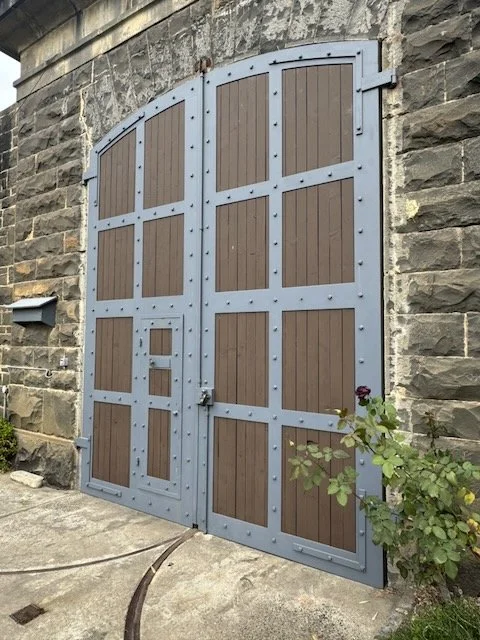
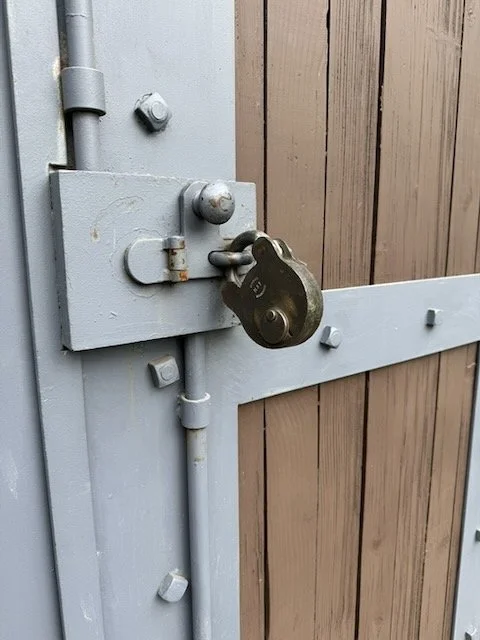
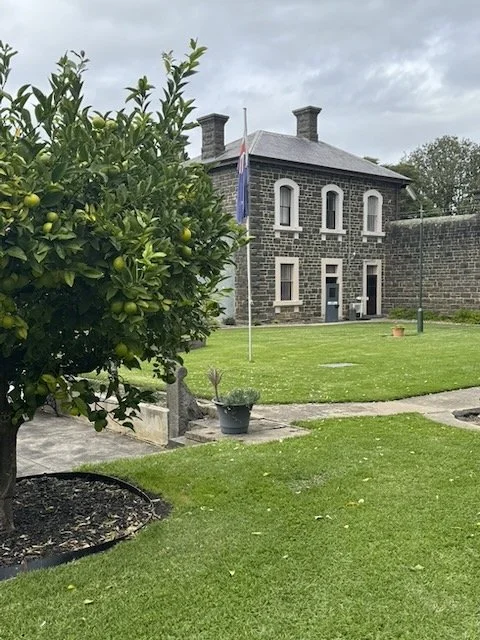
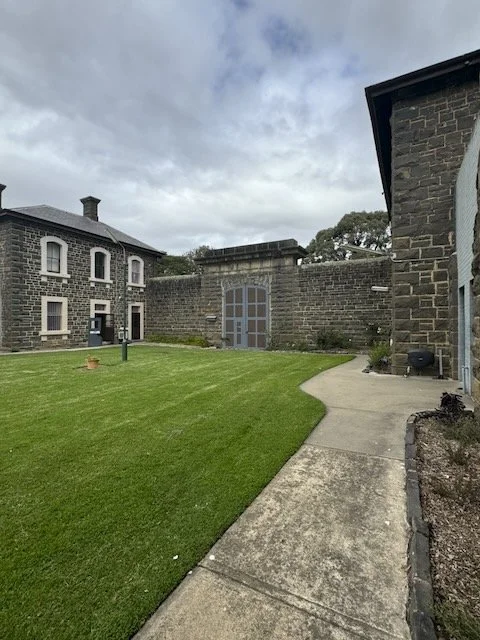
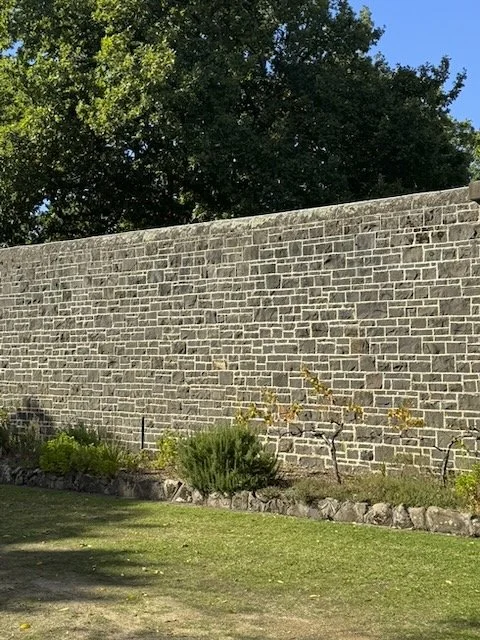
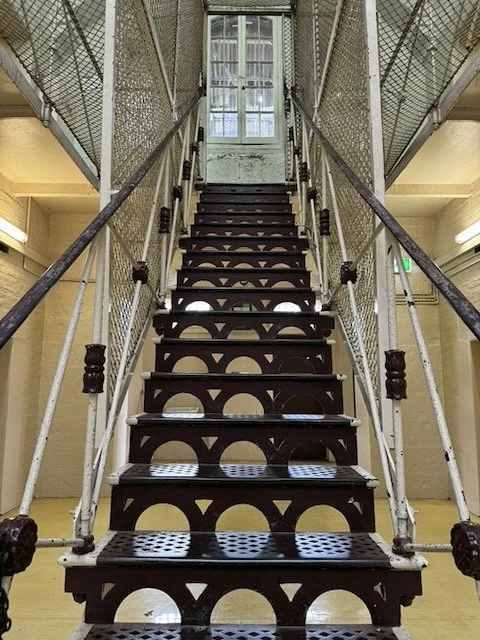
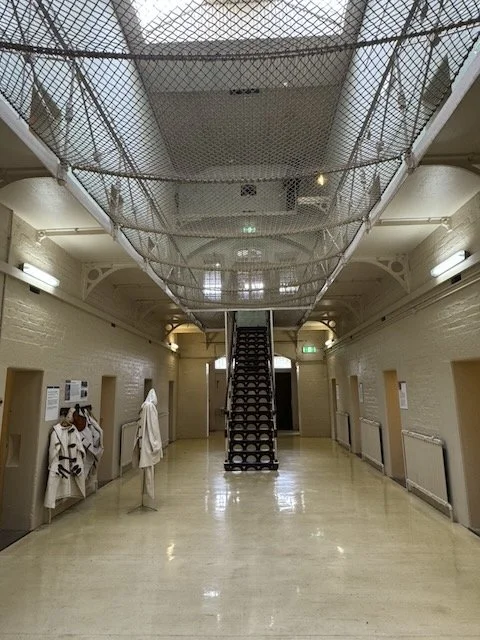
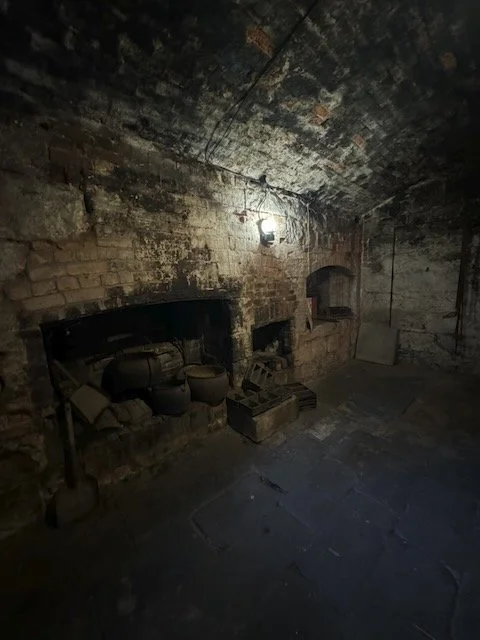
Built in 1859 as part of Ararat Gaol during the Victorian gold rush, J Ward originally housed goldfields offenders. Thick bluestone walls, narrow cells, iron doors that still clang when they close. It’s solid in a 19th-century prison architecture kind of way. But its later use is what gives it weight.
From 1887, J Ward became the “Criminally Insane Division” of the Victorian prison system. Men considered both mentally ill and criminal were transferred here from other institutions, including Aradale. It remained in operation in that capacity until 1991, making it one of the last facilities of its kind in Australia.
We joined a guided tour, which is the only way to access most of the site. The guide didn’t sensationalise the stories. Instead, they laid out the evolution of law, medicine, and incarceration in a way that felt factual and sobering.
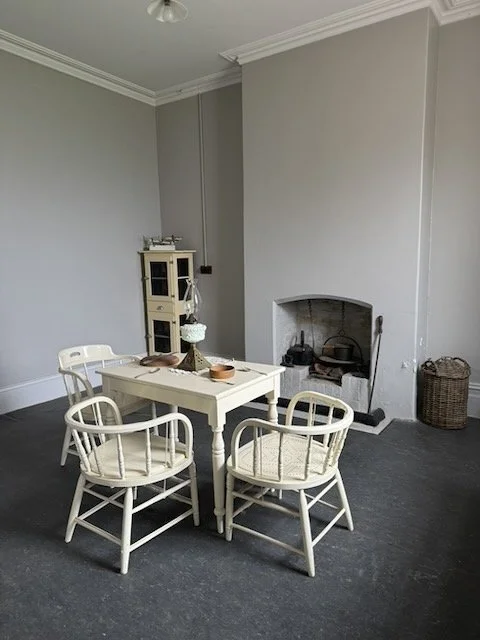
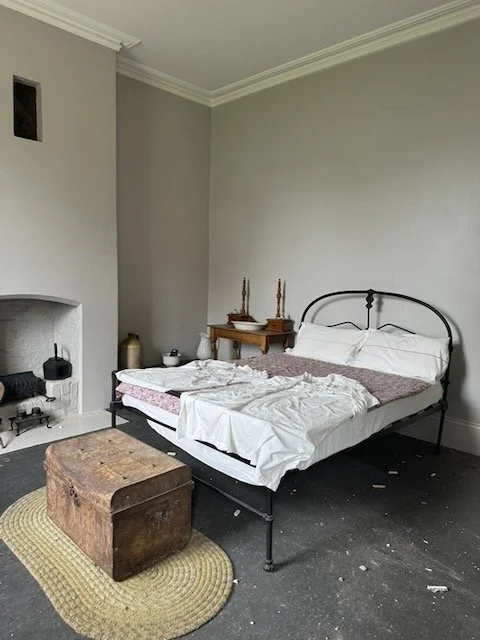
Some of the men held here had committed serious crimes. Others were caught in a system that blurred the line between punishment and treatment. The cells are small. The exercise yards are stark. It’s confronting to stand inside a space that once held someone indefinitely, with little clarity about their future.
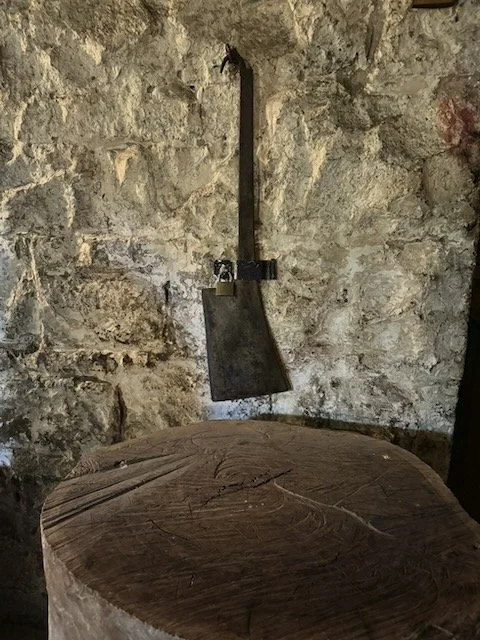
There’s a preserved gallows on site, used during its time as a functioning gaol before its conversion. It’s presented carefully, but it’s impossible to ignore the reality of what occurred here.
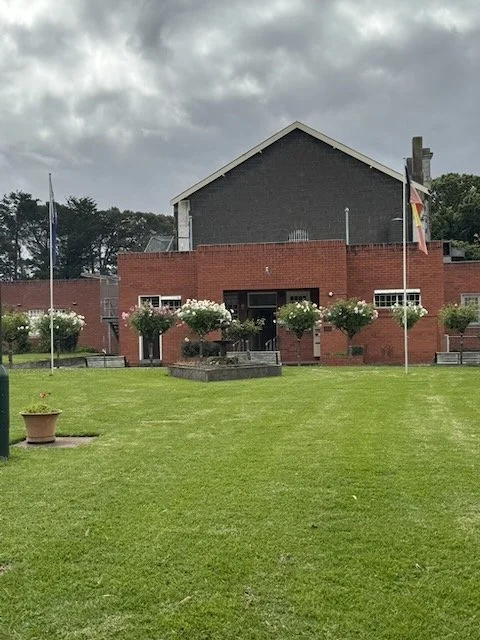
J Ward eventually closed in 1991, and today it operates as a museum offering historical tours. Like Aradale, it has been used as a filming location for various productions, drawn by its heavy atmosphere and intact architecture. Walking back into Ararat’s main street afterwards feels slightly surreal. Cafés. Cars. Everyday life. The contrast is sharp.
Places like J Ward don’t offer easy narratives. They sit in that uncomfortable space between justice and mental health, between reform and punishment. And maybe that’s why they’re worth visiting.
If you appreciate the more complex corners of Australian history, our Travel Dispatch explores them without gloss.
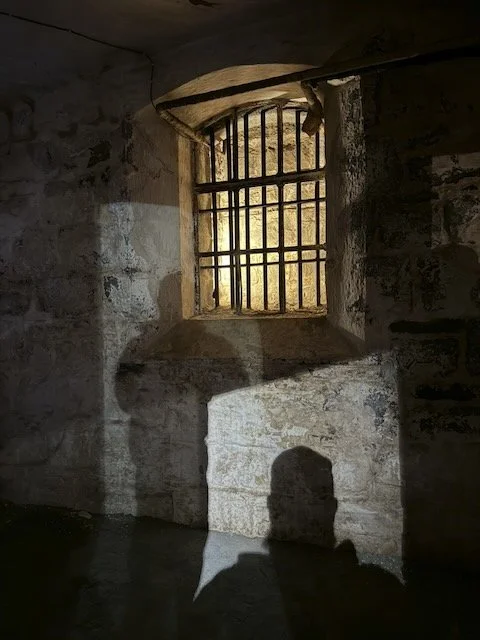
J Ward
J Ward was originally constructed in 1859 as part of Ararat Gaol during the Victorian gold rush. In 1887, it was repurposed as the Criminally Insane Division of the Victorian prison system, housing male prisoners deemed both mentally ill and criminally responsible. It operated in this capacity until its closure in 1991.
Today, J Ward is preserved as a museum offering guided tours that explore the intersection of crime, mental health, and 19th-century prison systems.
How to Get There
J Ward is located in central Ararat, Victoria, approximately two hours from Melbourne via the Western Highway. It sits within walking distance of Ararat’s town centre.
What to See / Tours / Activities
What we did:
Joined a guided historical tour.
Explored original prison cells and exercise yards.
Viewed the preserved gallows.
Learned about the prison’s role as the Criminally Insane Division.
Other highlights nearby:
Aradale historic site.
Green Hill Lake.
Ararat Gallery TAMA.
Grampians National Park.
When to Visit
Tours operate on select days and evenings. Book ahead. Day tours focus on historical context.
Final Thoughts
J Ward is confronting without being theatrical. It reflects a time when mental health, criminal justice, and social policy intersected in ways we’re still unpacking today. It’s not light history. But it is important history.
What’s Nearby
Ararat pairs naturally with the Grampians and the wider Wimmera region. Combining J Ward and Aradale offers a fuller picture of how Victoria once approached institutional care and incarceration.
Fast Facts
Location: Ararat, Victoria
Distance: Approx. 2 hours from Melbourne
Traditional Owners: Djab Wurrung People
Access: Central town location
Facilities: Guided tours only
Walking Track: Uneven surfaces, stairs
Best Time to Visit: Year-round
Dog Friendly: No
Things That Could Kill You (Probably Won’t)
A semi-serious guide to surviving Australia. Mostly common sense, occasionally luck.
Heavy doors: Mind your fingers.
Uneven stone floors: Watch your footing.
Historical discomfort: Some stories stay with you longer than expected.
If this post helped, you can support our work here.

Other updates you may like…








A slow morning in the mist at Warrnambool's historic Botanic Gardens, a drive out to Hopkins Falls running at full strength, and an afternoon browsing Fletcher Jones Market.