We’ve done plenty of dinners out over the years. Few of them move at 40 kilometres an hour through saltmarsh and farmland.
The first time we boarded The Q Train, we weren’t entirely sure what to expect. A degustation menu on a heritage train running between Queenscliff and Drysdale sounded slightly theatrical. It turned out to be one of the most quietly impressive food experiences we’ve had in regional Victoria.
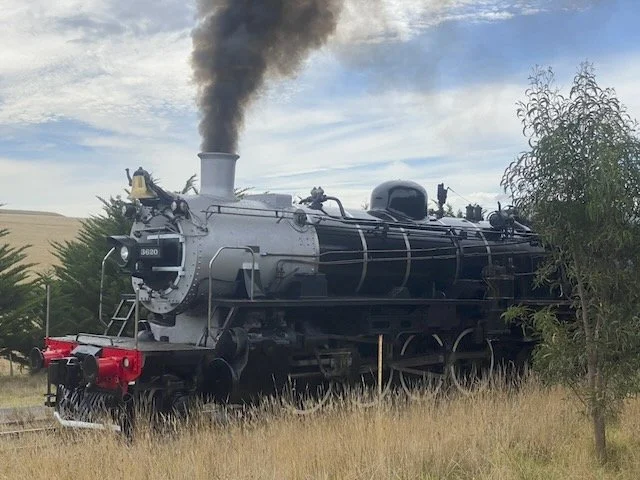
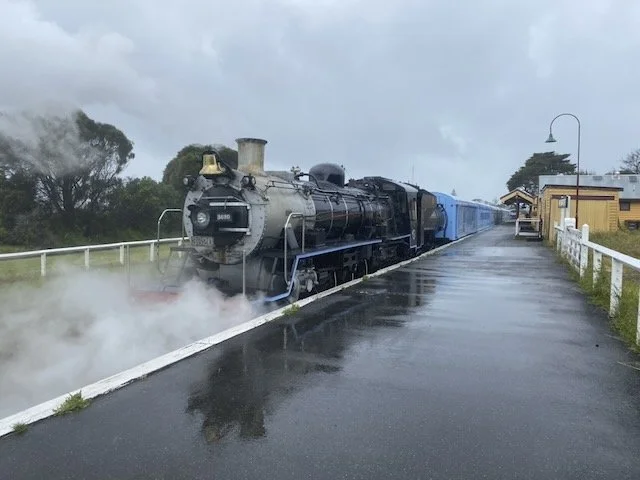
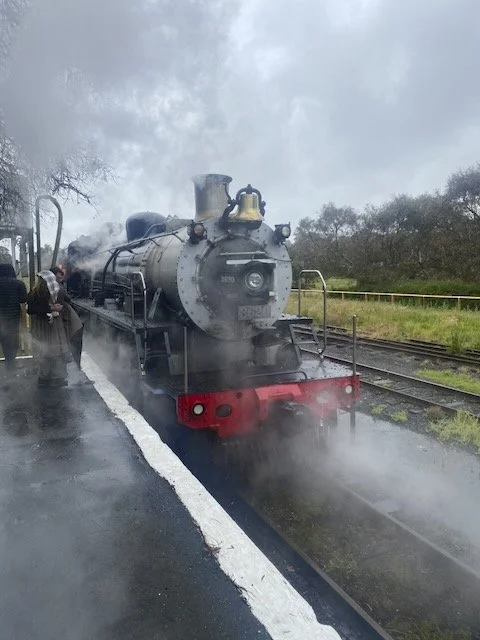
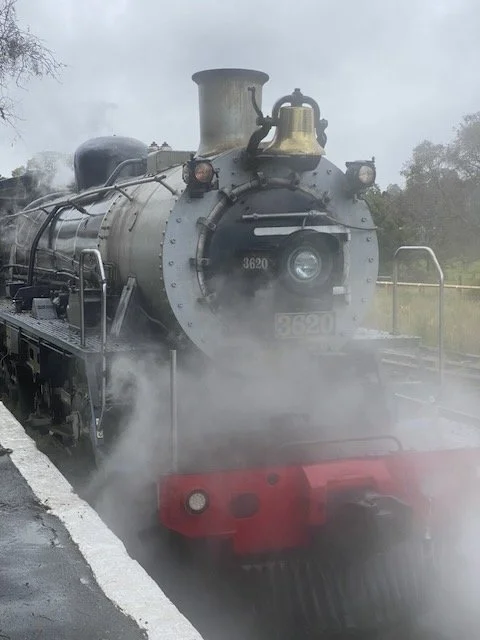
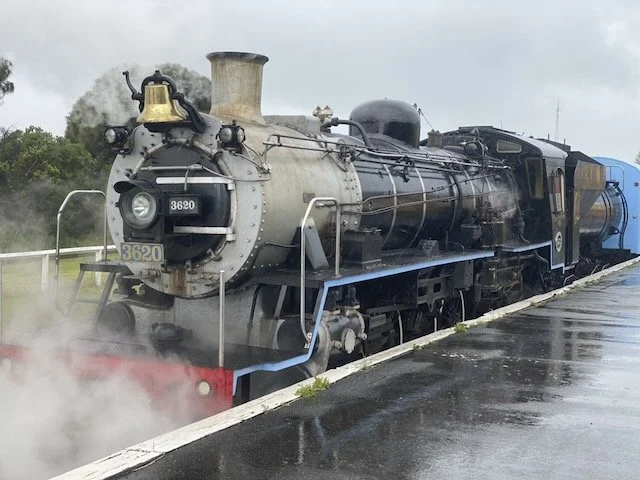
The train itself is part of the Bellarine Railway, and on the various days we travelled, we were lucky enough to be hauled by steam. Proper steam that hisses and breathes, making the whole platform feel cinematic before you’ve even taken your seat.
Once underway, the pace settles. The Bellarine Peninsula rolls past in wide paddocks and low coastal light. Inside, it’s polished timber, linen, attentive service and the slow rhythm of courses arriving as the landscape changes.
The food is the headline act. Local produce, beautifully plated, genuinely restaurant-quality, not “good for a novelty train,” just good, full stop. We’ve done it twice now, and both times the menu felt thoughtful rather than gimmicky.
And for anyone wondering: yes, you can swap the wine pairing for non-alcoholic options. Cameron doesn’t drink, and the alternative pairings were excellent. Not an afterthought, but carefully matched and equally considered. It made the whole experience feel inclusive rather than exclusive.
There’s something slightly surreal about eating a beautifully composed dish while farmland glides past the window. You’re moving, but you’re also unhurried. It’s slow travel in the most literal sense.
Before or after the journey, we usually wander Queenscliff itself with its heritage streets, sea air, and slightly faded coastal elegance, which we always enjoy. At the Drysdale end, the countryside feels entirely different again. Same line, different mood.
It’s not cheap. It’s not rushed. And that’s exactly the point.
What is The Q Train?
The Q Train is a moving restaurant operating along the historic Bellarine Railway between Queenscliff and Drysdale on Victoria’s Bellarine Peninsula.
Guests dine in restored heritage carriages while travelling a 16km return journey through farmland and coastal landscapes. The experience includes multi-course dining with optional beverage pairings.
How to get there
The train departs from Queenscliff Station, about 90 minutes from Melbourne via Geelong. It pairs easily with a Bellarine Peninsula weekend, including Portarlington, Ocean Grove and Point Lonsdale. Bookings are essential.
What to expect
• Multi-course seasonal degustation menu
• Optional wine or non-alcoholic beverage pairing
• Heritage carriages with individual dining compartments
• Steam locomotive departures on select dates
• A 3–4 hour relaxed dining experience
When to visit
The Q Train operates year-round with seasonal menus. Cooler months feel cosy inside the carriages. Summer evenings offer long light across the paddocks. Steam services run on selected dates, so check ahead if that’s high on your list.
Final Thoughts
We’ve travelled plenty of kilometres chasing food. This is one of the few times the journey genuinely elevated the meal. It’s indulgent without being flashy. Regional without being rustic. And if you’re doing the Bellarine, it’s a memorable way to spend an afternoon or evening.
Sometimes the best table isn’t stationary.
Join our Travel Dispatches for more slow finds, oddities and proper regional gems:
Fast Facts
Location: Queenscliff–Drysdale, Bellarine Peninsula, VIC
Distance: 90 minutes from Melbourne
Traditional Owners: Wadawurrung People
Access: Bookings essential
Facilities: Toilets on board, accessible options available
Walking Track: N/A
Best Time to Visit: Year-round (check steam dates)
Dog Friendly: No
Things That Could Kill You (Probably Won’t)
A semi-serious guide to surviving Australia. Mostly common sense, occasionally luck.
Overeating. Pace yourself. It’s a marathon, not a sprint.
Steam nostalgia. Standing too close for the perfect photo might earn you a face full of soot.
Wine pairing enthusiasm. Or the non-alcoholic equivalent. Either way, you’re not driving the train, but you are heading home afterwards.
If this post helped, you can support our work here.
Other updates you may like…
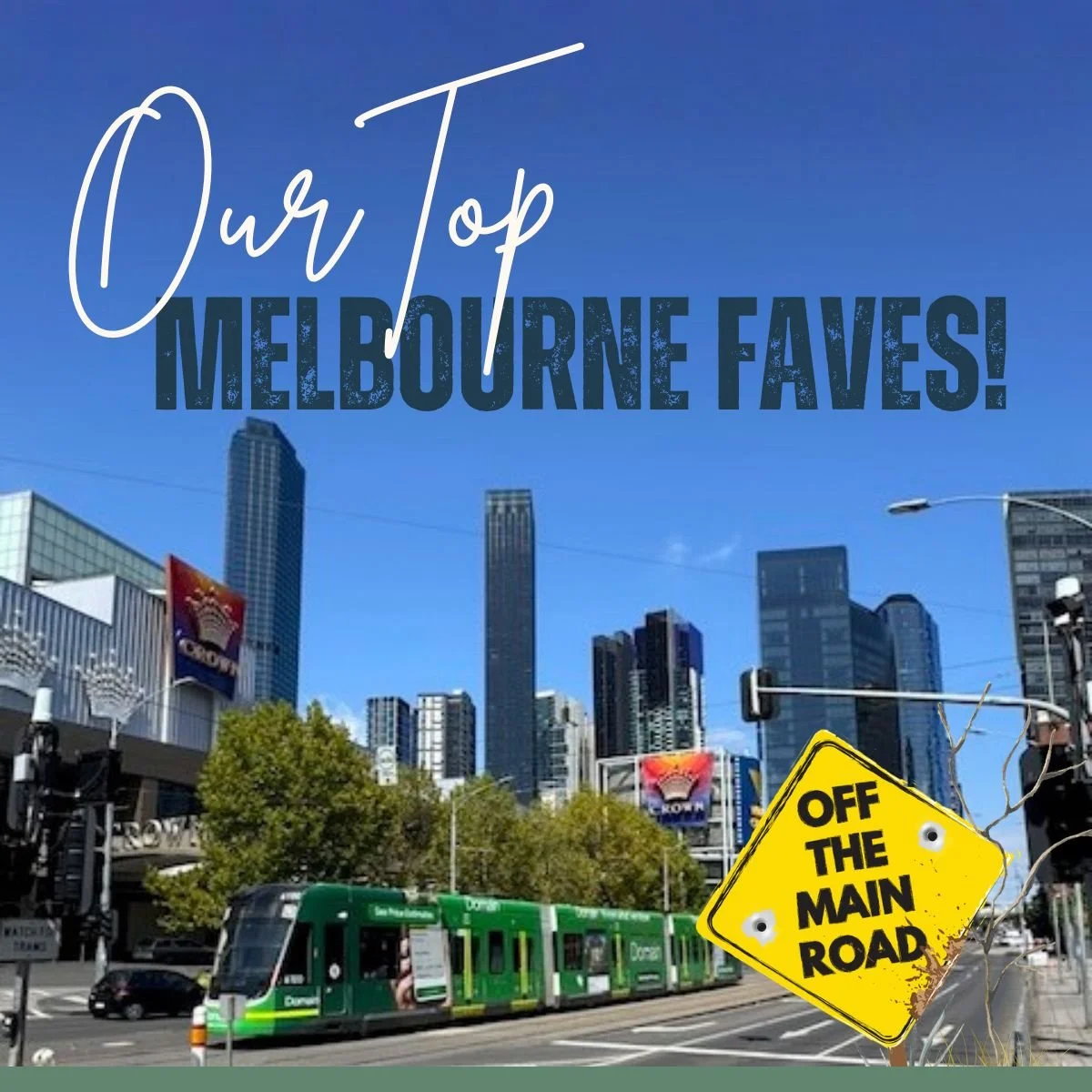
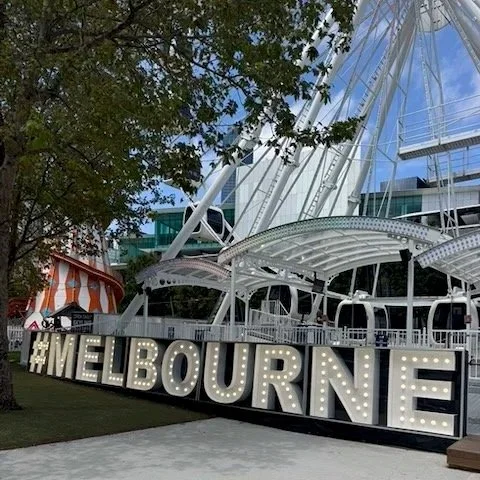
Our favourite way to experience Melbourne is on foot, looping between the State Library, NGV, laneways, arcades, gardens and the Yarra, with a tram ride to St Kilda and the occasional MSO concert.
First visits feel longer because novelty stretches time. Returning compresses it. This reflection explores how attention shapes memory, and how slow travel allows familiar places to feel deeper rather than shorter.
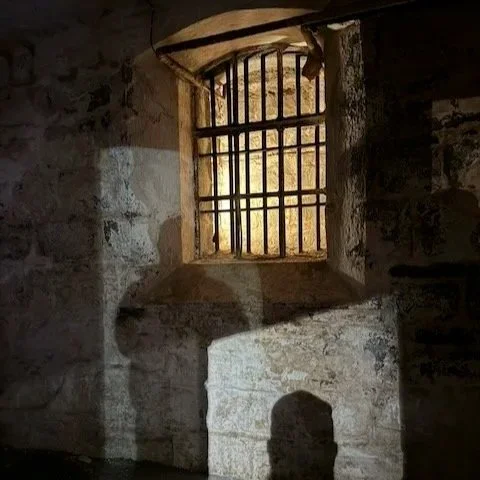
J Ward in Ararat began as a gold rush gaol before becoming Victoria’s Criminally Insane Division. A guided tour reveals bluestone cells, preserved gallows, and a confronting chapter in Australia’s justice and mental health history.
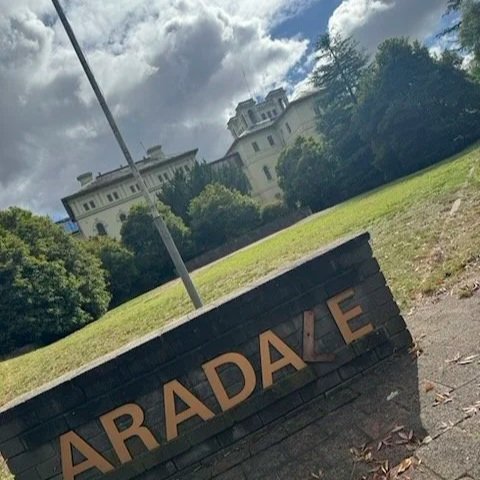
Aradale in Ararat is one of Australia’s largest former psychiatric hospitals. A guided history tour reveals confronting stories, evolving mental health care, and the complex legacy of an institution that operated for more than a century.
A moving degustation through Bellarine farmland, The Q Train pairs heritage rail with seriously good food. From steam departures to thoughtful non-alcoholic pairings, it’s one of Victoria’s most memorable regional dining experiences.
Neil returned to Melbourne for a short city break, wandering the Yarra, visiting the State Library, eating well, and stocking up on freckles, while back at the motorhome Zoe gave Cameron a small health scare.
Travelling Australia with a dog means national parks require planning. Here’s how we responsibly visit parks while travelling full-time with Zoe, from splitting up visits to safe short stays and practical local dog-minding options.
A guided visit to the Victorian Pride Centre reveals a thoughtfully designed space built for connection, advocacy, and support. More than a landmark, it’s a working hub that honours the past while shaping a practical, inclusive future.
Werribee Open Range Zoo offers a surprisingly immersive safari experience just outside Melbourne. With open savannahs, accessible paths, and thoughtful design, it feels far removed from the city while remaining easy to navigate.
The Holden Museum in Echuca has since closed, but we’re glad we visited when it was still open. A quiet retrospective on everyday Australian cars, regional passion projects, and noticing things before they disappear.
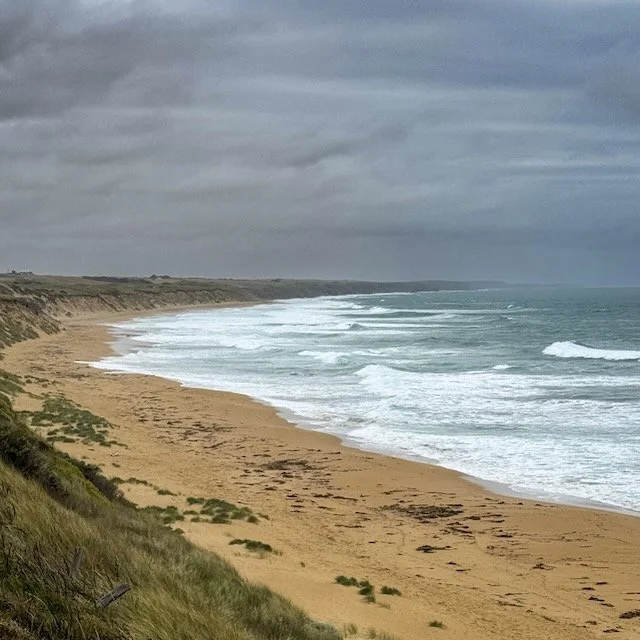
Exploring the mouth of the Hopkins River near Warrnambool, from calm water and dog beaches to coastal walks, fishing spots, historic graves, and wide ocean views. A lived-in stretch of coast best discovered slowly.
Just offshore from Warrnambool, guardian dogs quietly protect a colony of little penguins. The Middle Island Maremma Project is a thoughtful conservation success, best understood from the mainland, where learning matters more than access.
Those concrete domes near Warrnambool’s breakwater aren’t public art. They’re the remains of an underground aquarium built in 1971 and closed in 1997, a small coastal curiosity with an unexpected past.
Lava tubes are formed when flowing lava cools on the surface while molten lava continues beneath, draining away to leave hollow tunnels. The Undara system in Queensland is one of the world’s best preserved examples
Planning the Aramac Sculpture Trail? These traveller’s notes outline road conditions, timing and what to expect on the 200-kilometre loop from Aramac, including practical tips for motorhome travellers.
A quick look at the Charleville Bilby Experience and whether it’s worth your time. Short sessions, close-up viewing and a strong conservation story make it an engaging stop for travellers passing through Outback Queensland.
Our journey from Warrnambool to Cobar marked the beginning of a new chapter, chasing the sun and warmer days.
Selling our house in Melbourne was one of the biggest decisions we’ve ever made — and one of the best. Letting go of bricks and mortar gave us the freedom to live life on the road full-time.
Wannon Falls gave us a quiet pause west of Hamilton. Basalt cliffs, a deep gorge and short walks that fit neatly into a day on the road. A simple detour, but well worth the stop.
What started as a pebble-eating mishap near Uluru turned into a race across the outback to save our girl, Zoe. With expert care and plenty of love, she’s now on the mend in Adelaide.
Standley Chasm changes completely depending on the light. Here’s a quick guide covering the best time to see the glow, how long the walk takes, and what to expect when you arrive.
Breaking down is never fun, but if it’s going to happen, better in town than out in the middle of nowhere.
The Murtoa Stick Shed in Victoria is the last surviving grain stick shed in Australia. Built in 1941 from timber poles, its cathedral-like interior reveals the scale and ingenuity of wartime agricultural infrastructure.
If you’re ever passing through, be sure to stop by the Woomelang Shearing Shed and check out the silo art trail. It’s a rare chance to connect with Australia’s rural past and witness the community’s dedication to preserving its story.
We pulled into Lake Lascelles in Hopetoun, Victoria, planning for a quick stop. Instead, we found ourselves lingering, drawn in by the peaceful atmosphere and the stunning lakeside setting.
Lake Lonsdale is a free camp with wide-open water and easy access to the Grampians. We paired it with a tour of Seppelt's hand-dug underground cellars at Great Western. A quiet Victorian stop worth slowing down for.
We spent a slow morning at the Great Stupa near Bendigo, wandering reflective gardens, exploring inside the stupa, and enjoying lunch at the café. A calm, thoughtful stop that left us feeling lighter and at ease.
We spent a few days in Bendigo visiting family and exploring its gold rush past. Going underground at Central Deborah Gold Mine revealed a larger, more industrial story than nearby gold towns, echoed above ground in Bendigo’s grand architecture.
Cameron is a travel writer, photographer, and freelance copywriter with more than fourteen years of experience crafting stories that connect people and place. Based on the road in a motorhome with his partner, he documents Australia’s quieter corners through Off the Main Road, a travel journal devoted to the towns, landscapes, and characters often overlooked by the tourist trail.
His writing blends observation with lived experience, drawing on a professional background in brand storytelling. Blending visual storytelling with a writer’s eye for detail, Cameron captures moments that reveal the character of regional Australia—from weathered towns and open landscapes to the honest rhythm of life across Australia.
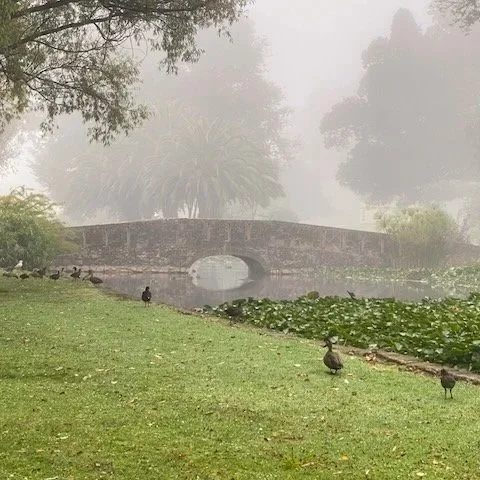
A slow morning in the mist at Warrnambool's historic Botanic Gardens, a drive out to Hopkins Falls running at full strength, and an afternoon browsing Fletcher Jones Market.