
Ararat: Inside Aradale
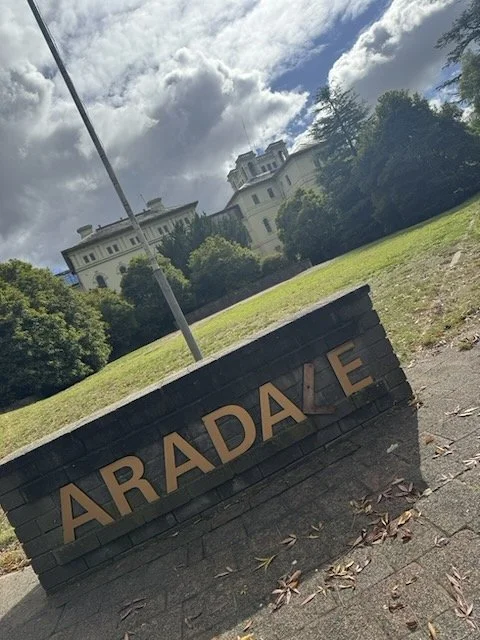
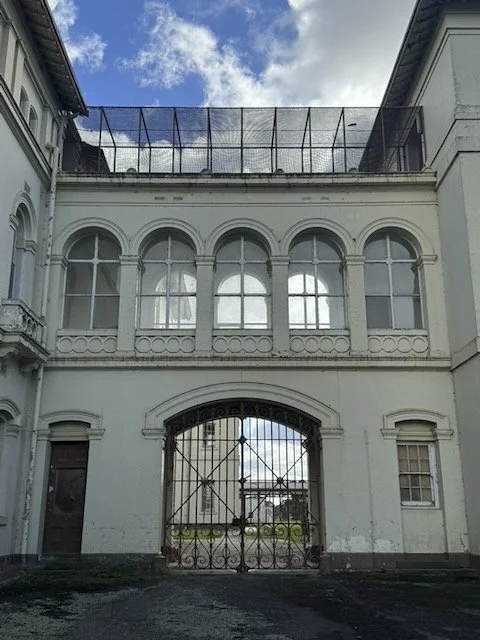
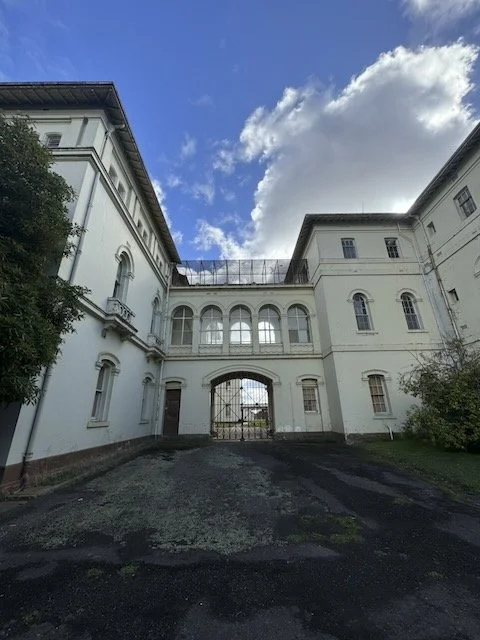
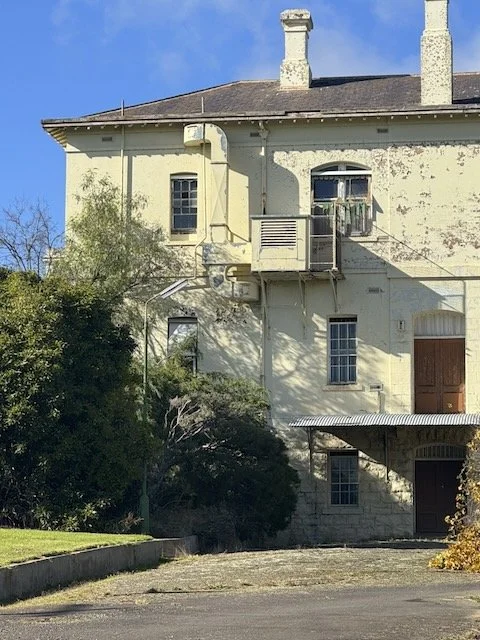
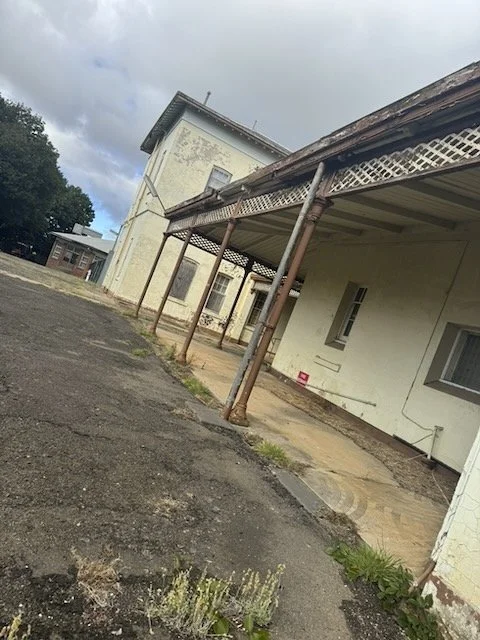
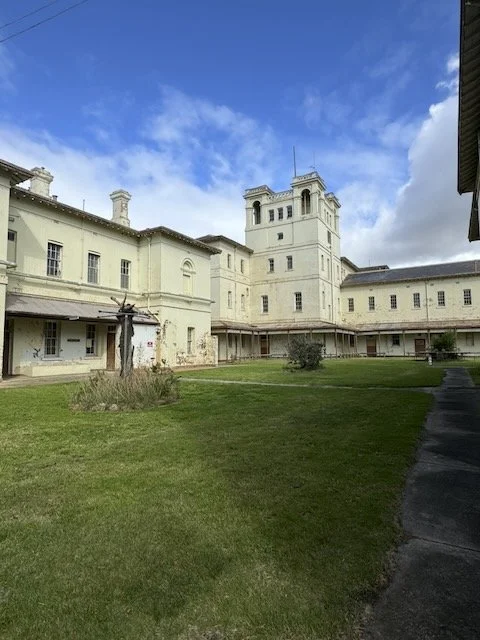
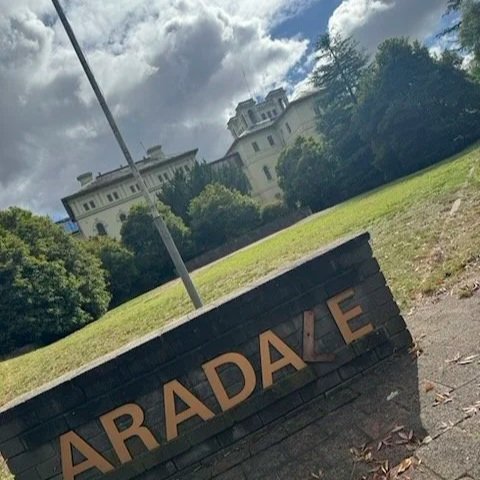
We weren’t sure what to expect walking through the gates of Aradale. The buildings sit high above Ararat, sprawling across the hill with solid bluestone confidence. It looks imposing from a distance. Up close, it feels heavier.
Aradale opened in 1867 as the Ararat Lunatic Asylum and grew to become one of Australia’s largest psychiatric institutions. At its peak, it housed more than 1,000 patients. The scale alone is confronting.
We joined a guided history tour, not a ghost tour. That distinction mattered to us.
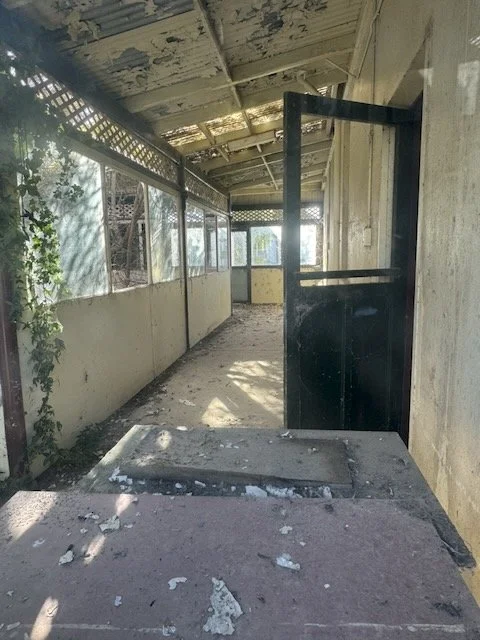
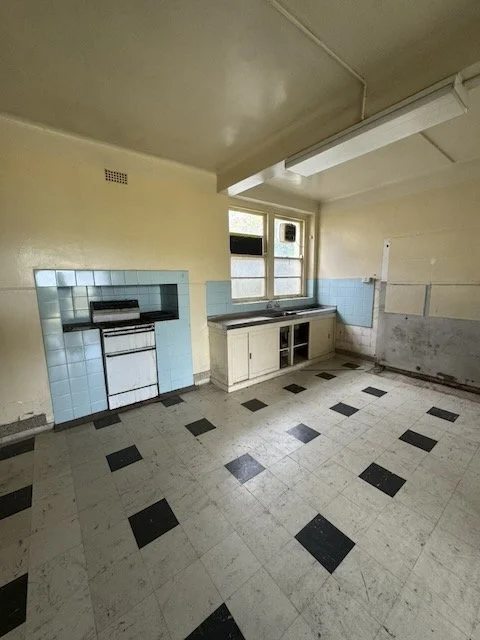
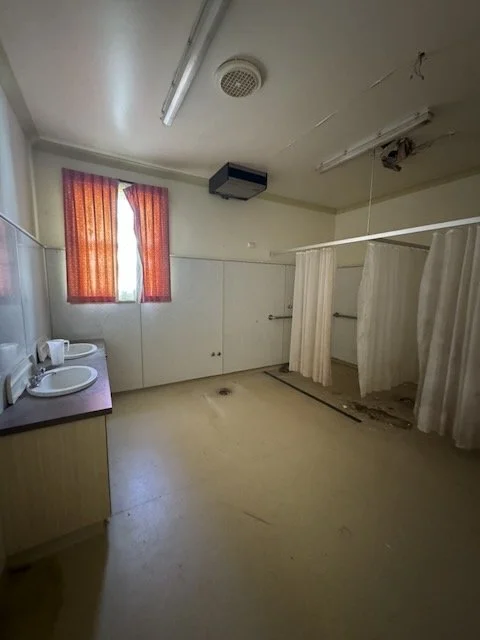
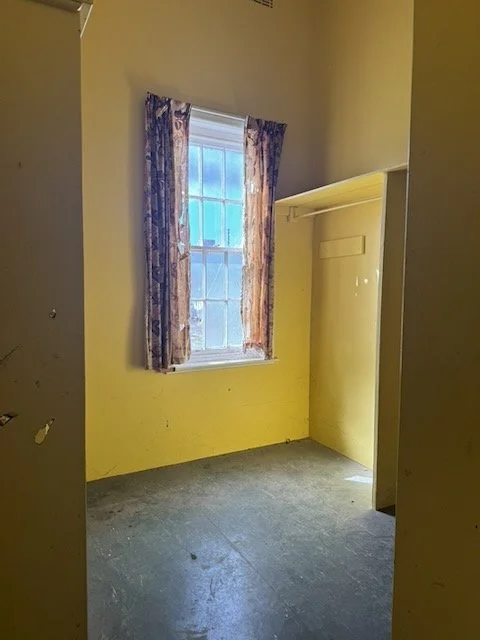
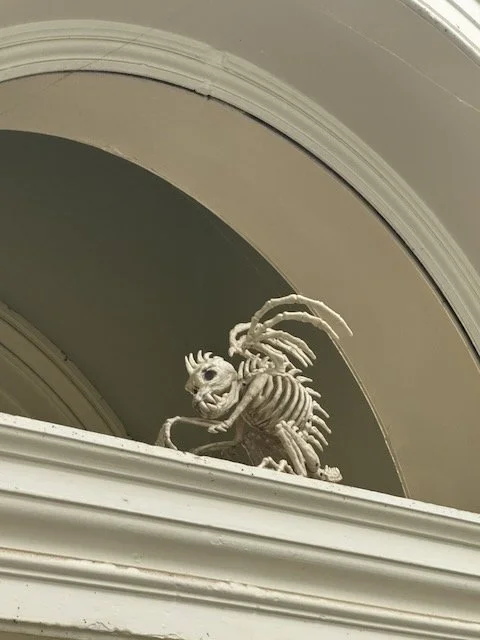
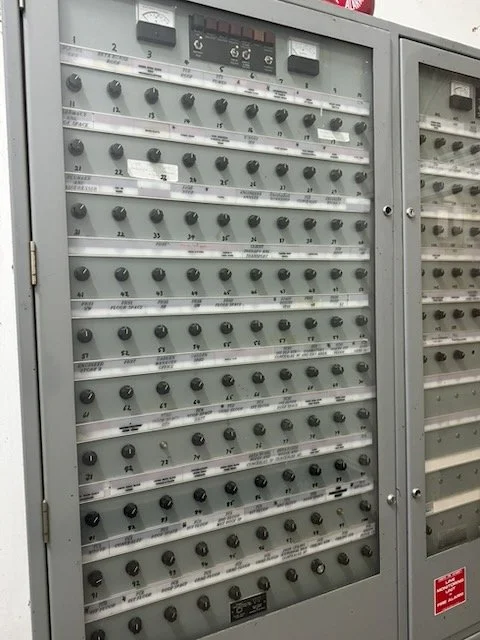
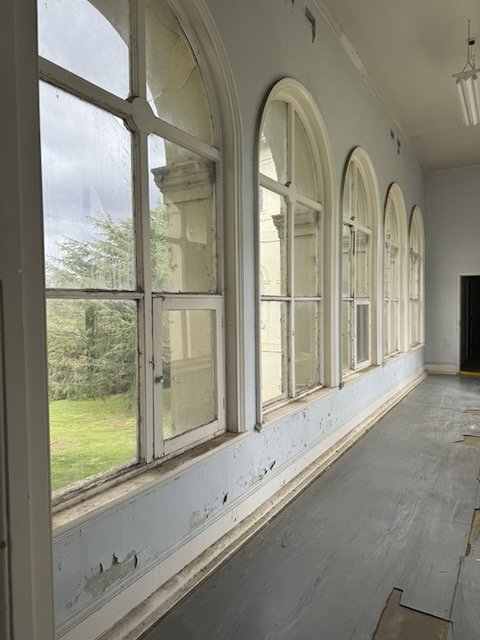
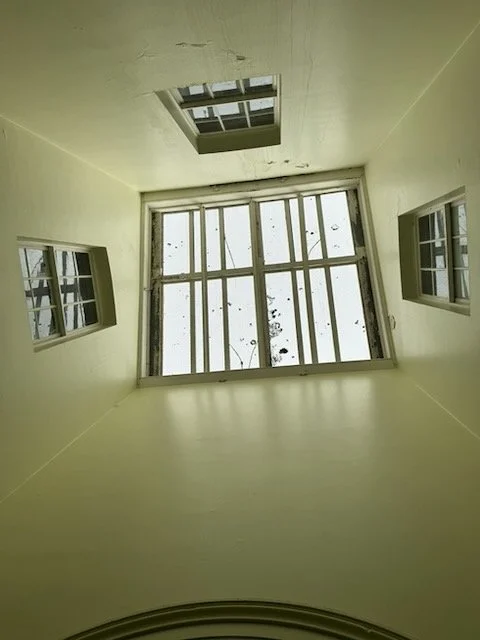
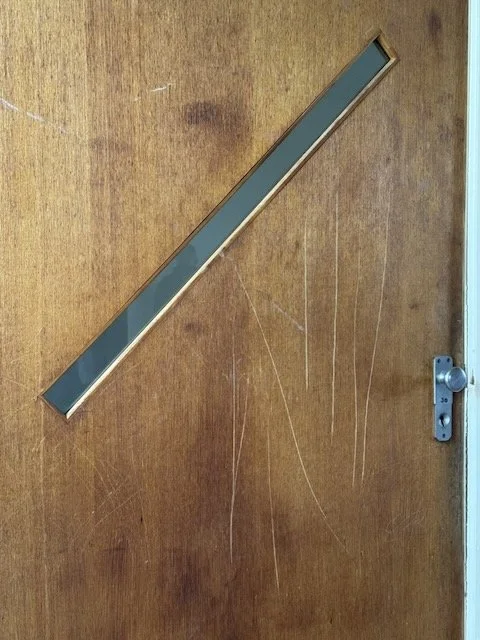
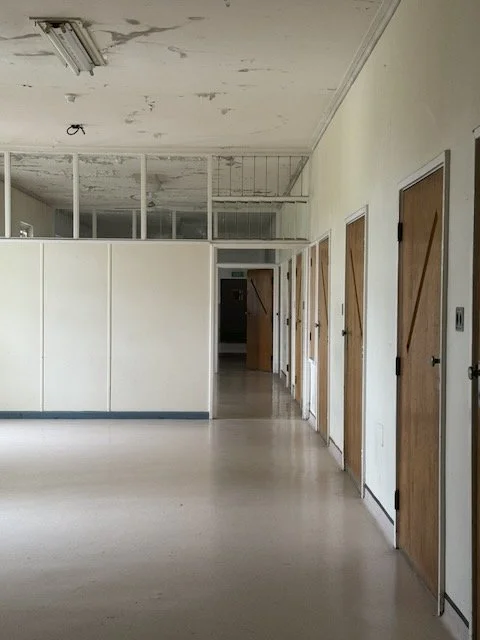
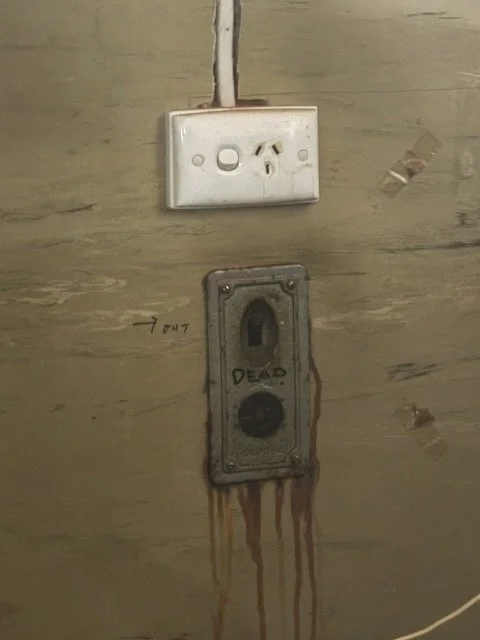
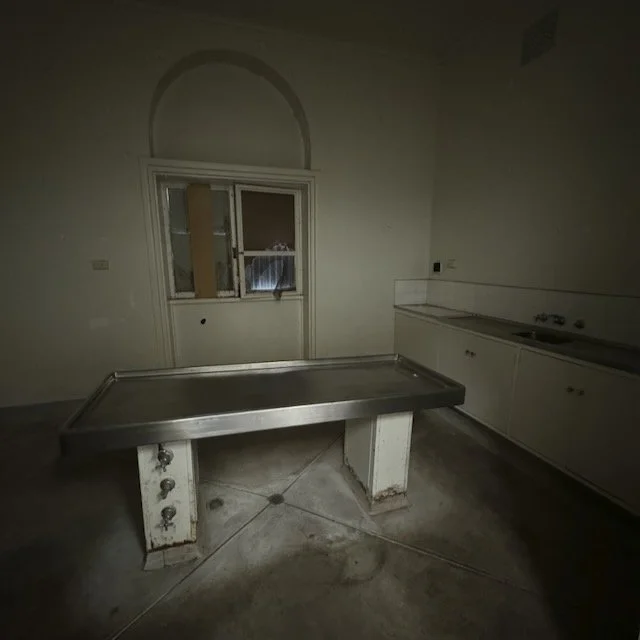
Inside, long corridors stretch further than expected. Wards branch off in repeating patterns, with Thick walls, high ceilings, and cast-iron fittings. It’s easy to focus on the architecture, but the real weight of this place comes from the stories.
In the 19th and early 20th centuries, mental health care was deeply flawed. Institutions like Aradale were designed around containment as much as treatment. Patients were admitted for reasons that today would seem shocking: postnatal depression, epilepsy, intellectual disability, trauma, and even poverty. Some stayed for months. Some for decades.
It’s uncomfortable to sit with. But walking through the site now, it’s clear that history is being presented with more context than spectacle. The guides spoke about evolving medical understanding, changing ethics, and the long, complicated path toward more humane treatment.
Aradale eventually closed in 1993. Surprisingly, not that long ago. Since then, parts of the site have been used for education, tourism, and film. The setting lends itself easily to that genre. But standing there, it feels less like a movie set and more like a reminder.
A reminder of how far we’ve come, and how far we still have to go.
We stayed at Green Hill Lake while exploring Ararat, and walking back into sunlight after the tour, with the open water and hills beyond, felt grounding in a way that’s hard to describe.
Places like Aradale aren’t about fear. They’re about context.
If you appreciate the layered, complicated parts of Australian history, we share more of these stories in our Travel Dispatch.
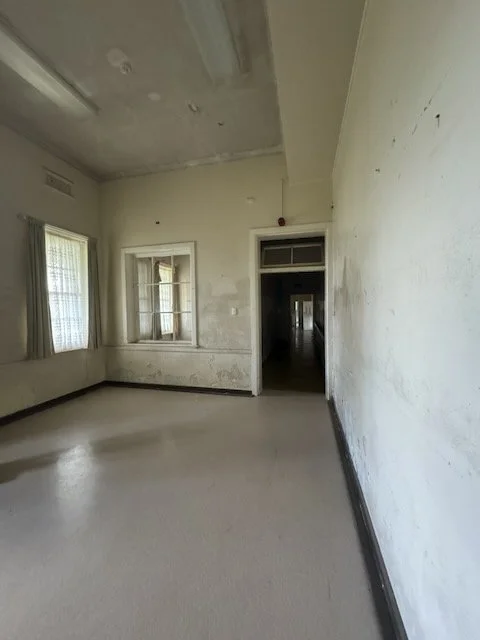
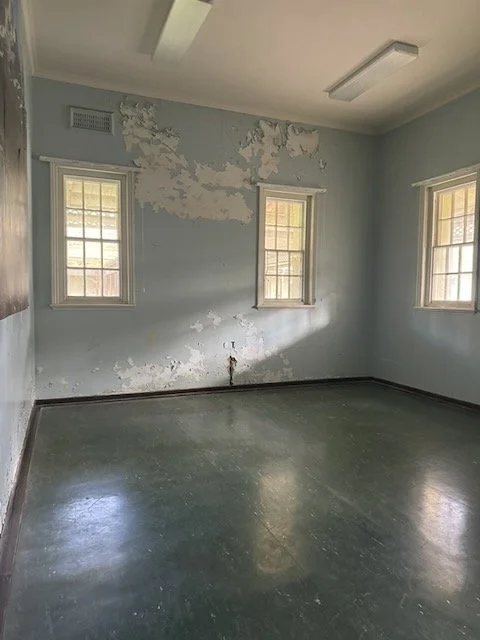
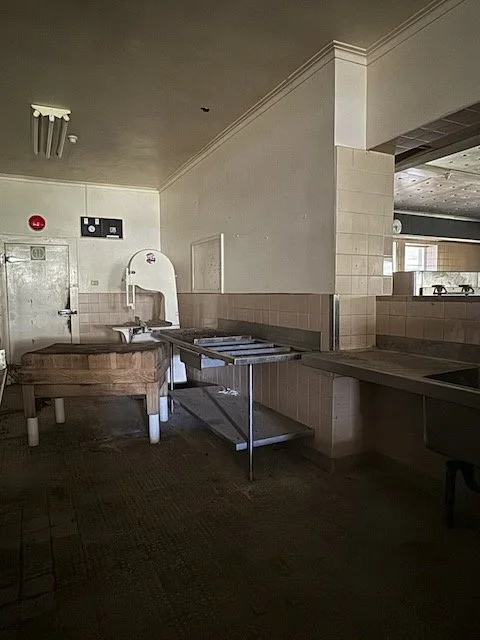
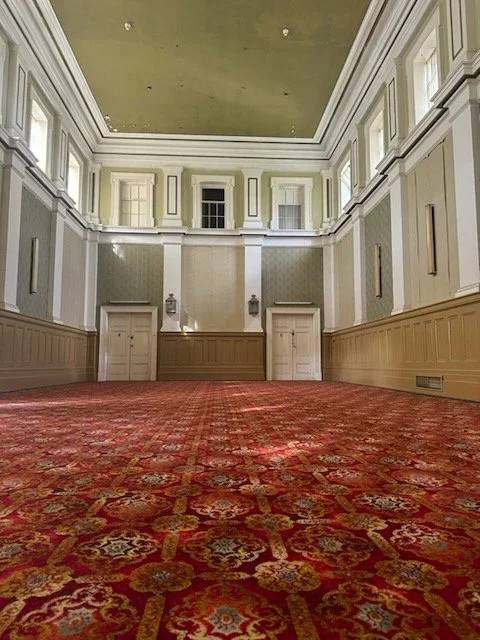
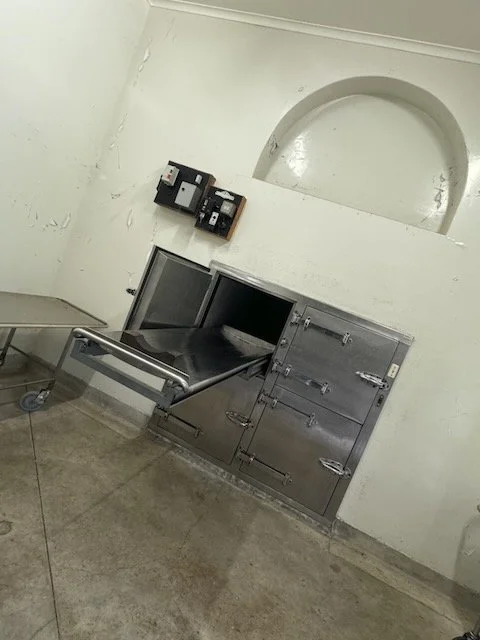
Aradale
Aradale was a psychiatric hospital established in 1867 in Ararat, Victoria. Originally known as the Ararat Lunatic Asylum, it expanded significantly during the late 19th century and became one of the largest institutions of its kind in Australia.
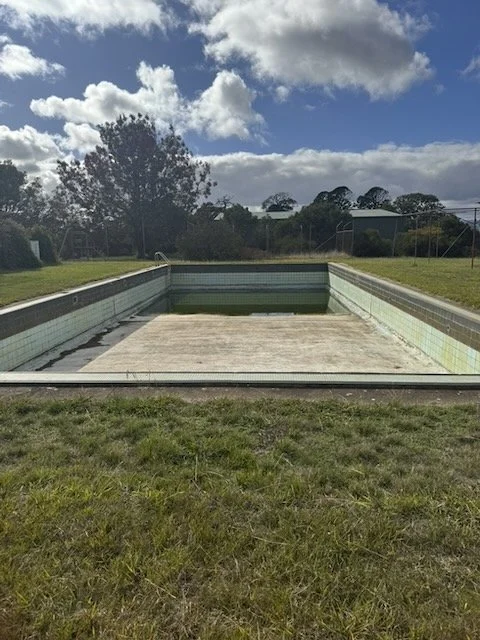
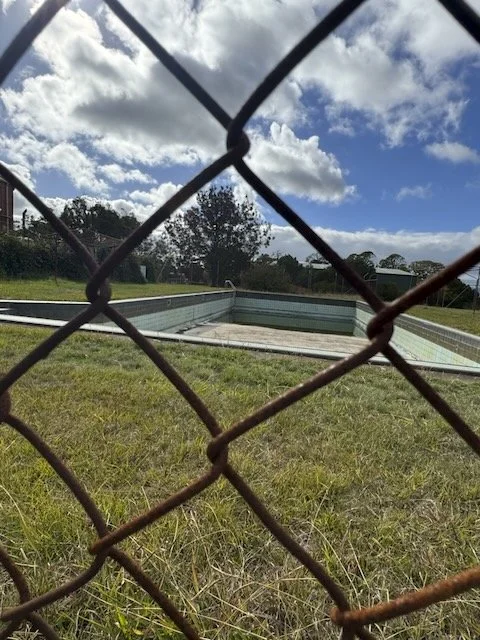
The complex includes bluestone wards, administrative buildings, and extensive grounds. It operated as a psychiatric hospital until its closure in 1993 Today, guided tours provide historical insight into the site and the evolution of mental health care in Victoria.
How to Get There
Ararat is located in western Victoria, approximately two hours from Melbourne via the Western Highway. Aradale sits on a hill just outside the town centre. Sealed roads provide easy access.
What to See / Tours / Activities
What we did:
Joined a guided historical tour of Aradale.
Explored the former wards and corridors.
Learned about the history of psychiatric care in Victoria.
Other highlights nearby:
Green Hill Lake free camp.
J Ward (former prison and gaol museum)
Ararat Gallery TAMA.
Grampians National Park (short drive).
When to Visit
Tours operate on select days and evenings. Check availability ahead of time. Day tours provide a clearer historical context. Night tours tend to focus more on atmosphere.
Final Thoughts
Aradale isn’t an easy visit, and it shouldn’t be. It holds stories that reflect both neglect and reform, suffering and progress. Walking through it feels less like chasing ghosts and more like confronting history.
What’s Nearby
Ararat pairs well with a visit to the Grampians, the Wimmera region, or the silo art trails across western Victoria. Green Hill Lake provides a relaxed base if you’re travelling by motorhome.
Fast Facts
Location: Ararat, Victoria
Distance: Approx. 2 hours from Melbourne
Traditional Owners: Djab Wurrung People
Access: Sealed road access
Facilities: Guided tours, visitor amenities
Walking Track: Uneven interior surfaces
Best Time to Visit: Year-round
Dog Friendly: No (tour site)
Things That Could Kill You (Probably Won’t)
A semi-serious guide to surviving Australia. Mostly common sense, occasionally luck.
Uneven floors: It’s an old building. Watch your step.
Emotional weight: Some stories are confronting.
Echoing corridors: Your imagination may work overtime.
If this post helped, you can support our work here.
Other updates you may like…
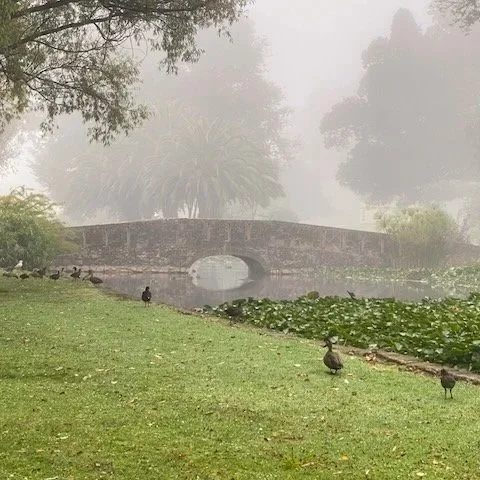

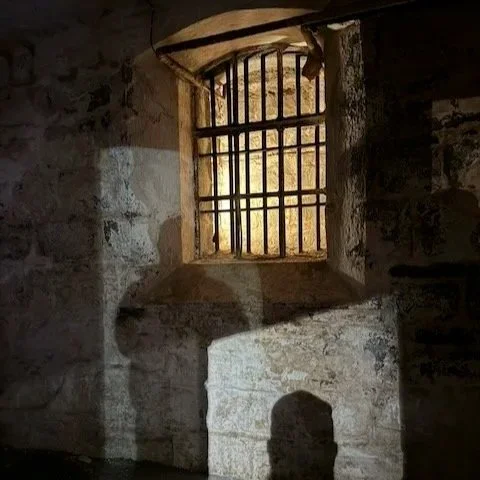


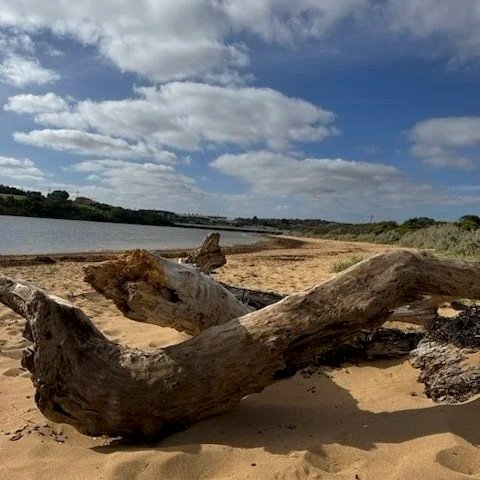
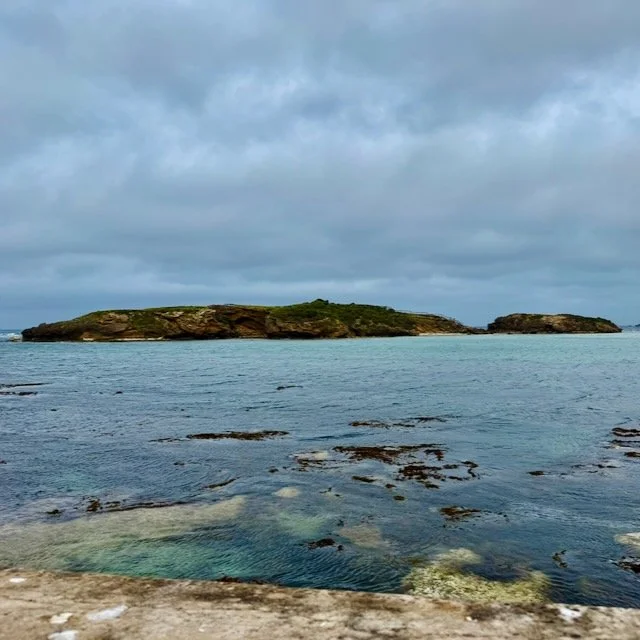



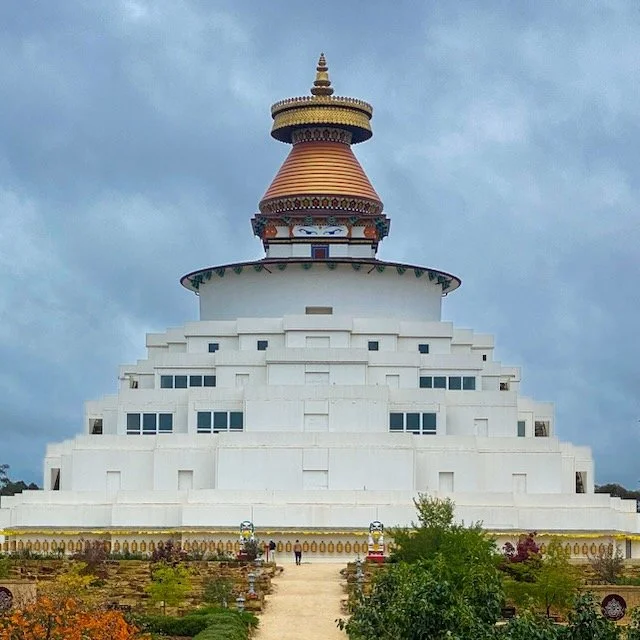
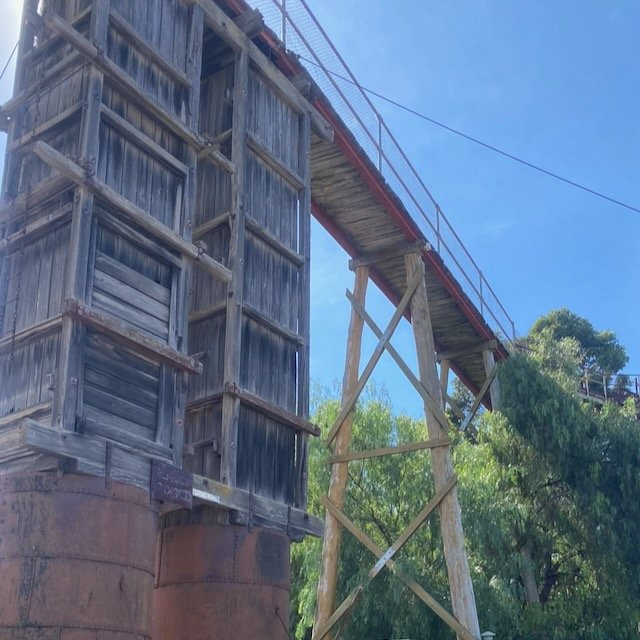


Two nights on the Barwon River at Winchelsea’s free camp, and a guided tour of Barwon Park Mansion, the bluestone homestead built to impress a duke, by the man who gave Australia its rabbit problem.