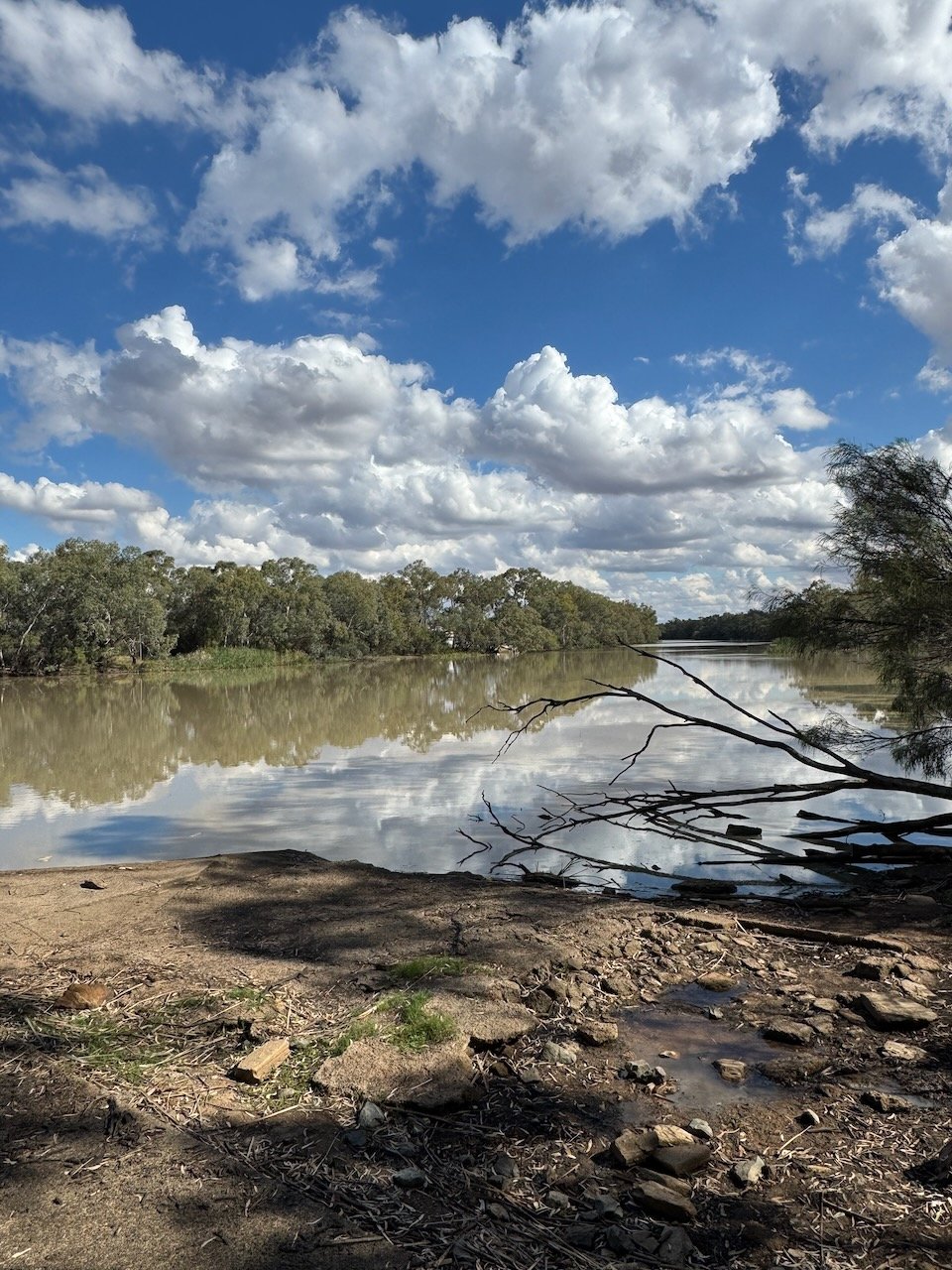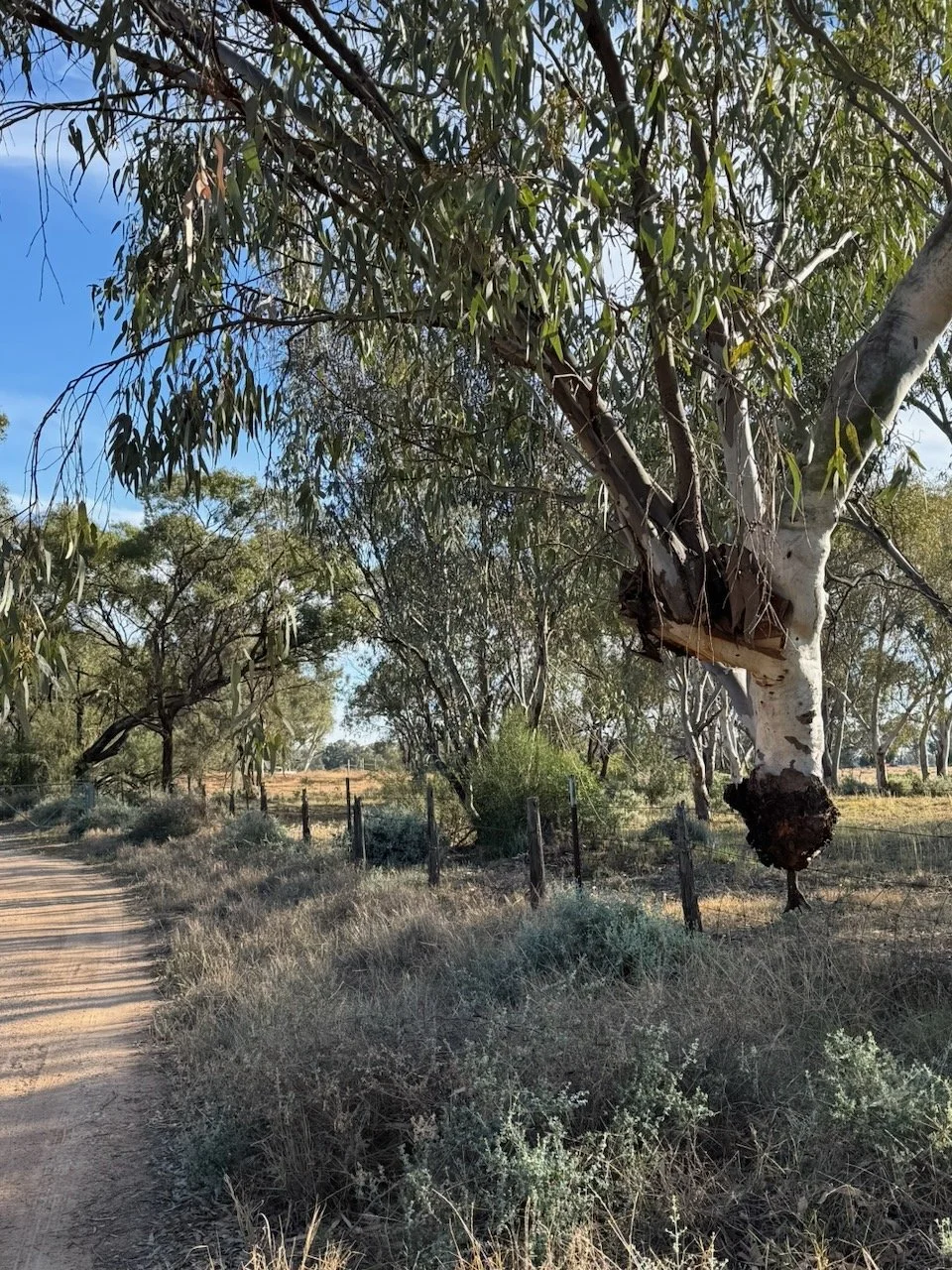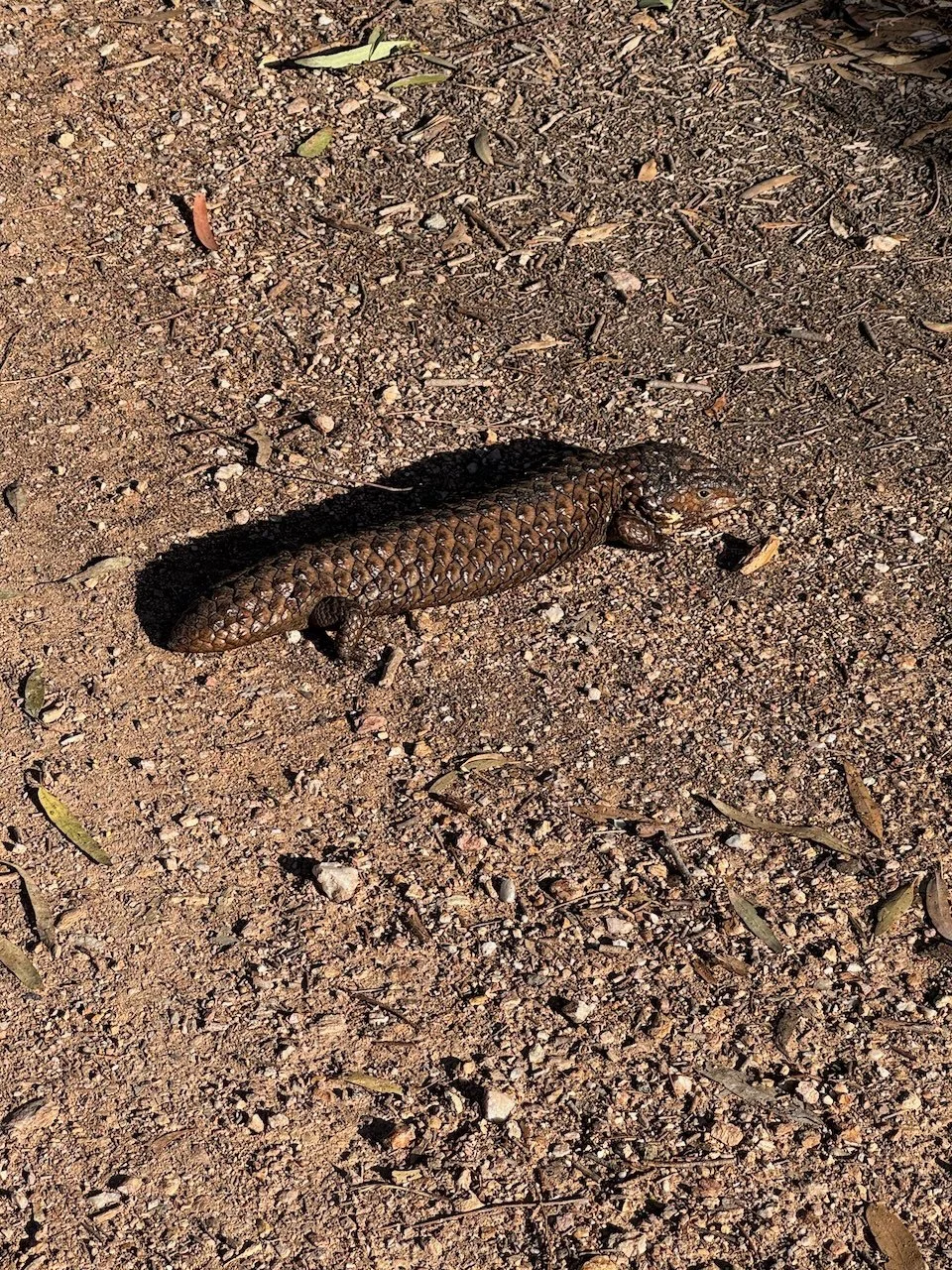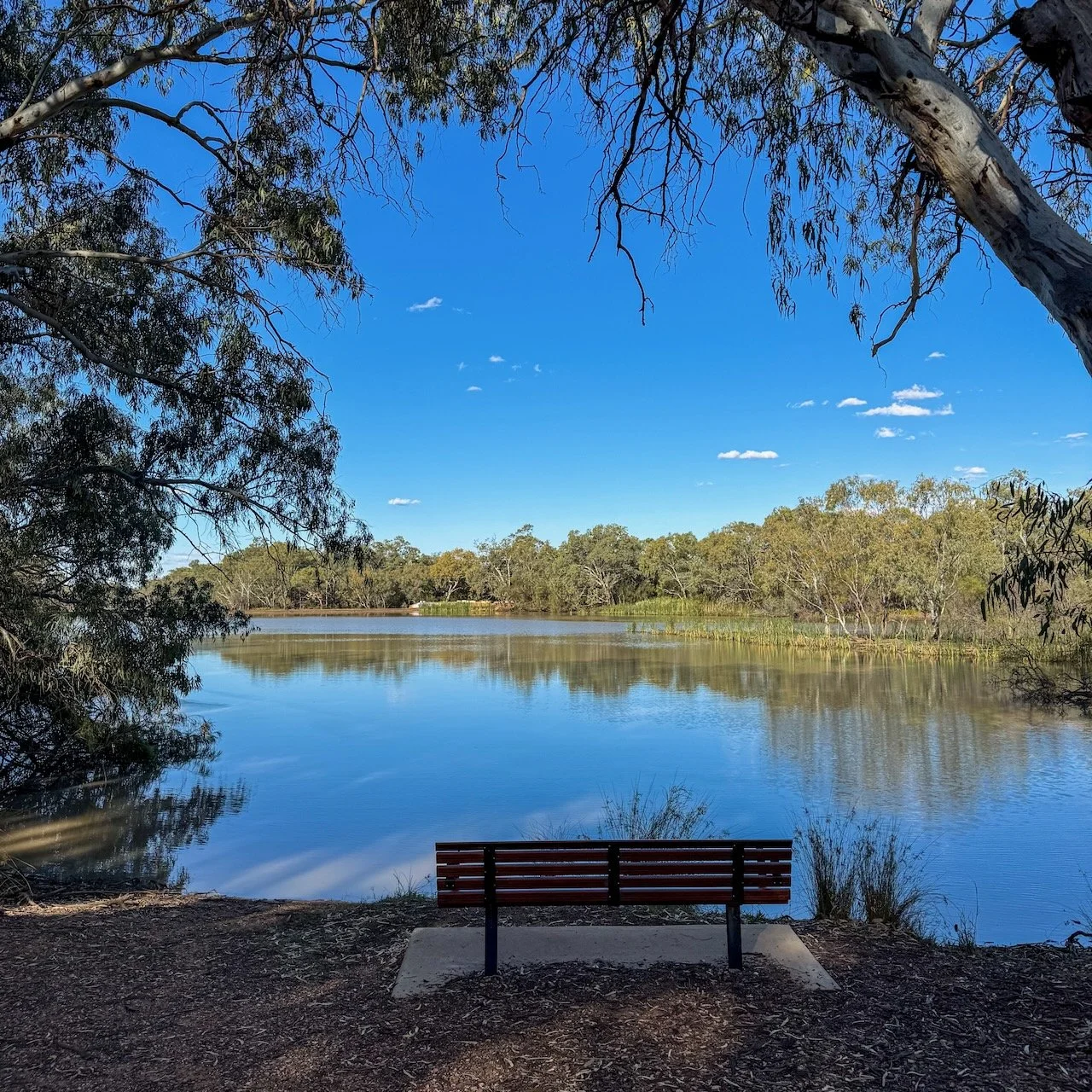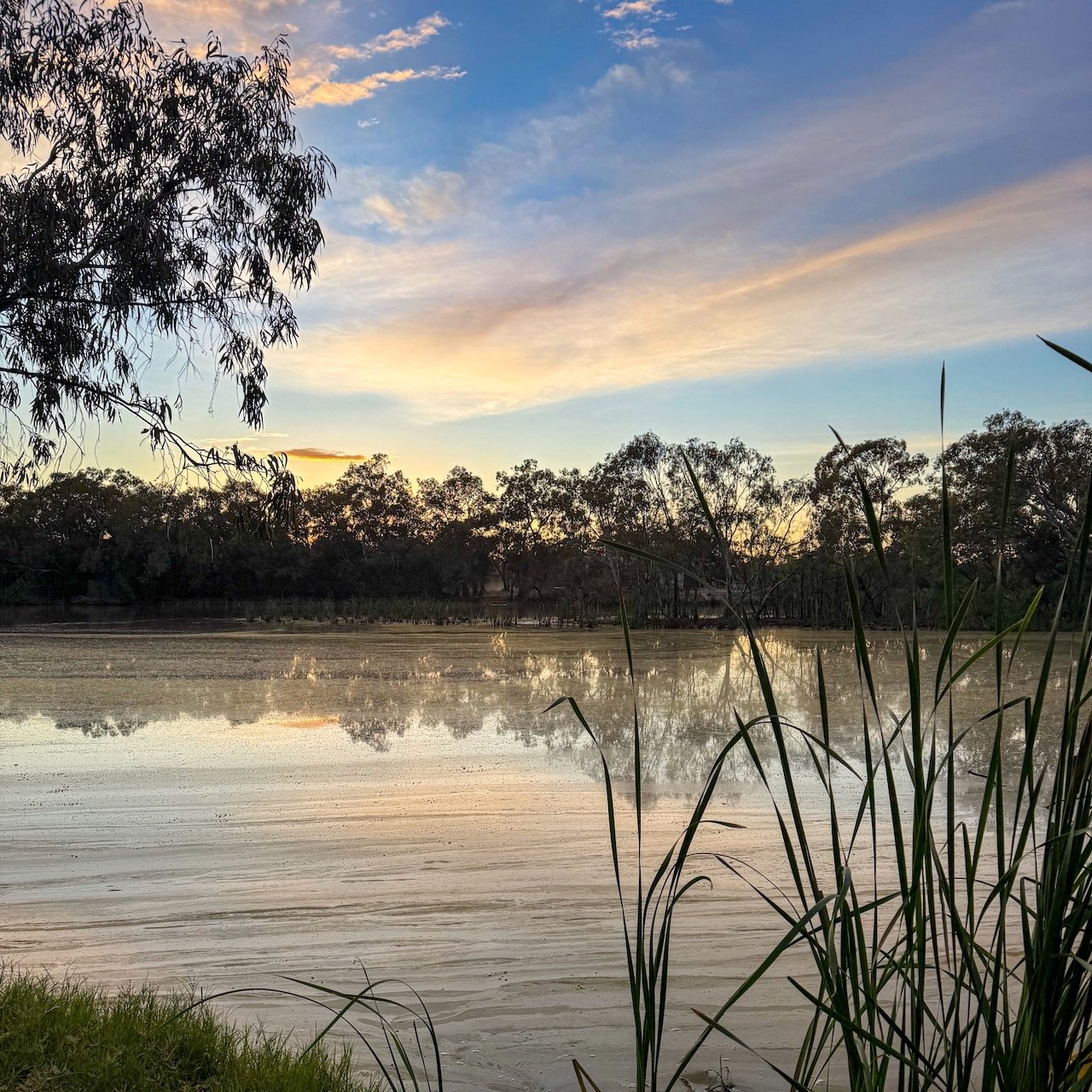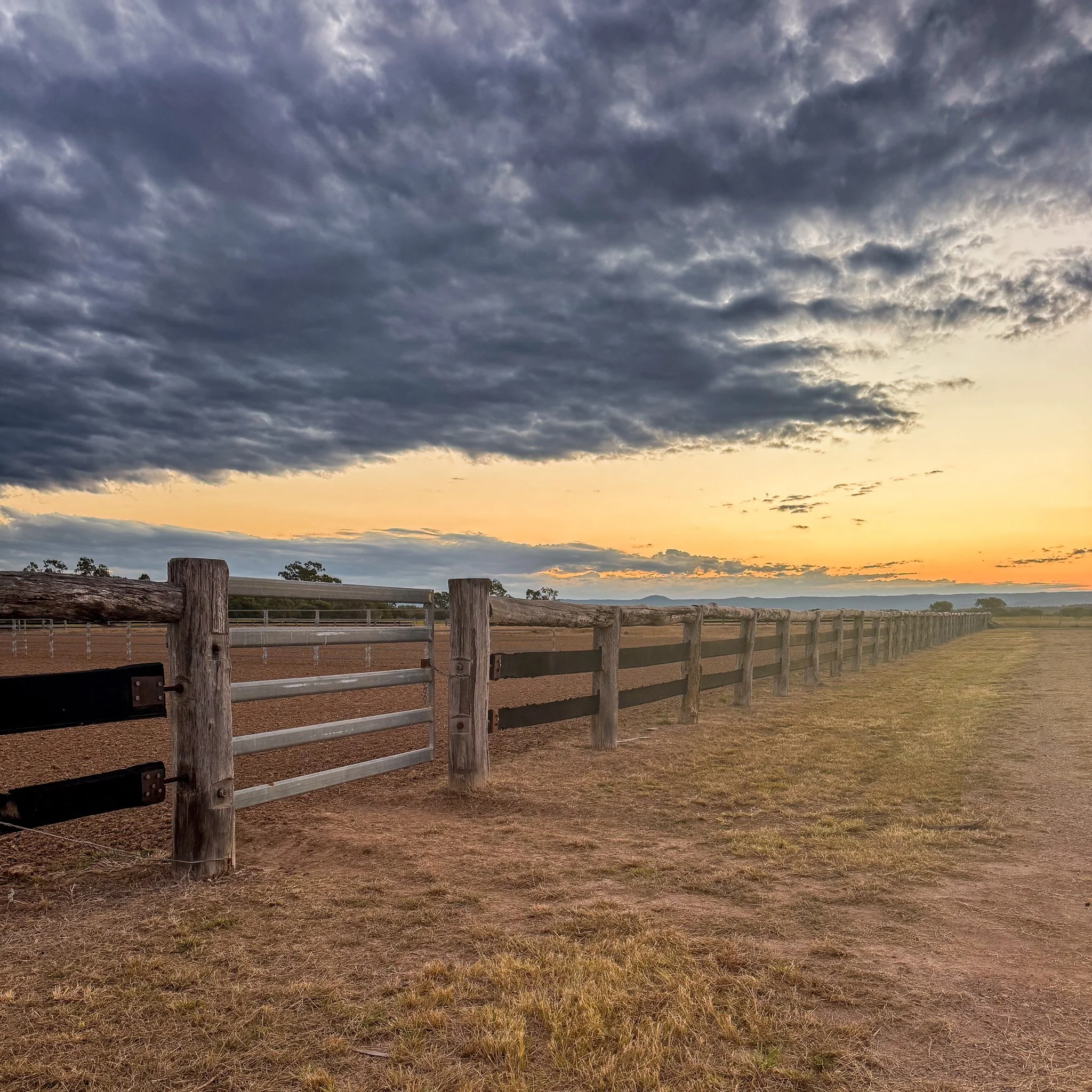
Returning to Nyngan Weir felt a bit like coming home. We pulled in under a big sky, parked by the water, and instantly remembered why we love this spot. A few lazy pelicans drifted by, the weir murmured quietly in the background, and the sun felt just right for doing absolutely nothing.
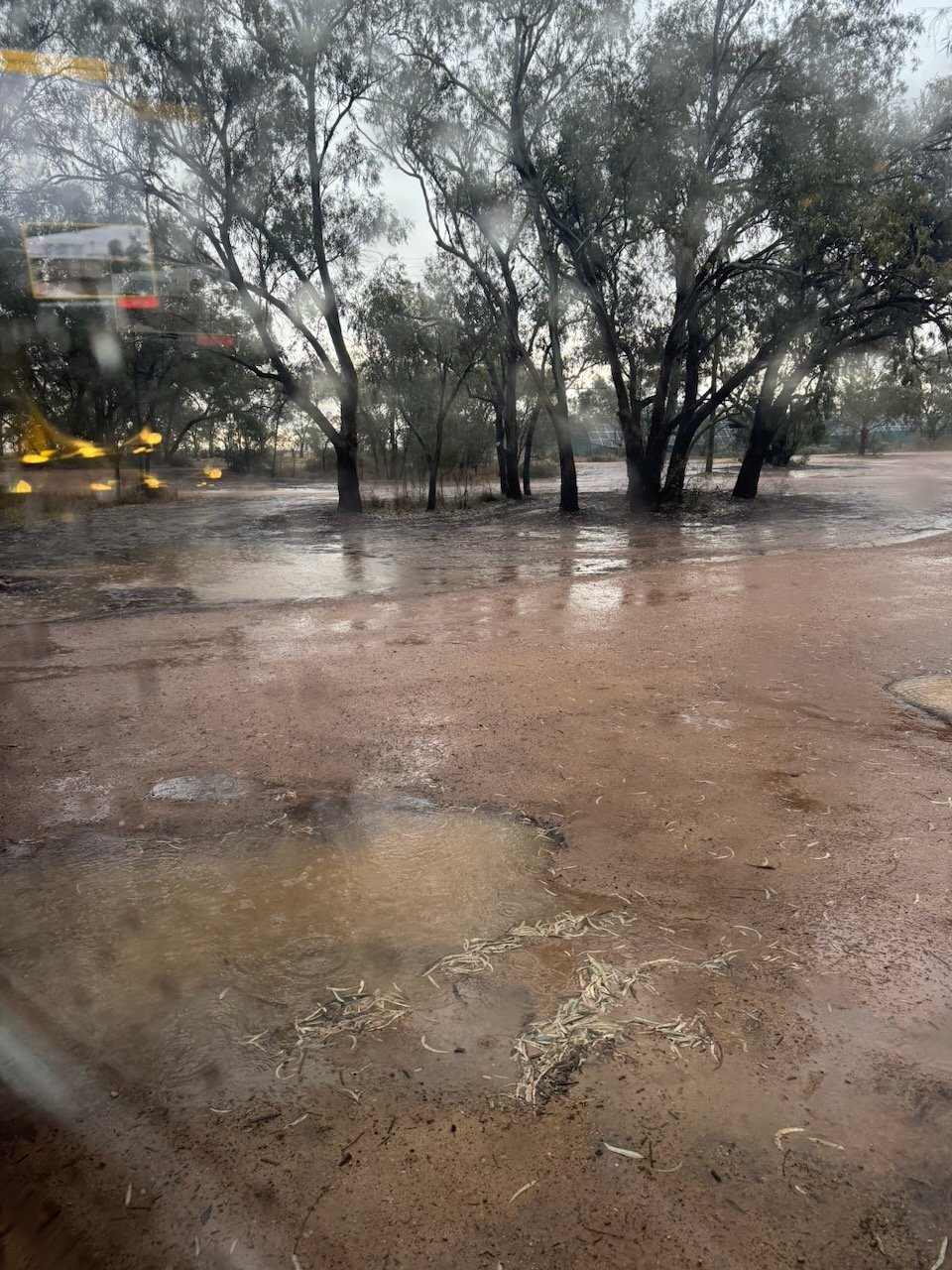
Well, eventually it did. Our first day was a complete washout with proper sideways rain that turned the campsite into a small inland sea. We hunkered down inside the moho, listening to the downpour and watching the puddles join forces around us. By morning, the sky had cleared, the water had vanished, and it was as if nothing had happened. Except for the squelch underfoot and a few soggy camp chairs drying in the sun.
We stayed a few days, catching up on life admin, tinkering with the moho, and wandering into town for brunch. There’s something about Nyngan that is calm, unhurried, and slightly rough around the edges in all the right ways.
When the road called again, we didn’t rush. We rolled west toward Cobar, stopping in at Glenhope Bush Camp, another of our favourites (except for the drop toilet!). We love that the only sounds are the wind through the trees and the low hum of a distant truck somewhere on the highway. We watched the sunset, and wondered why we ever leave spots like this.
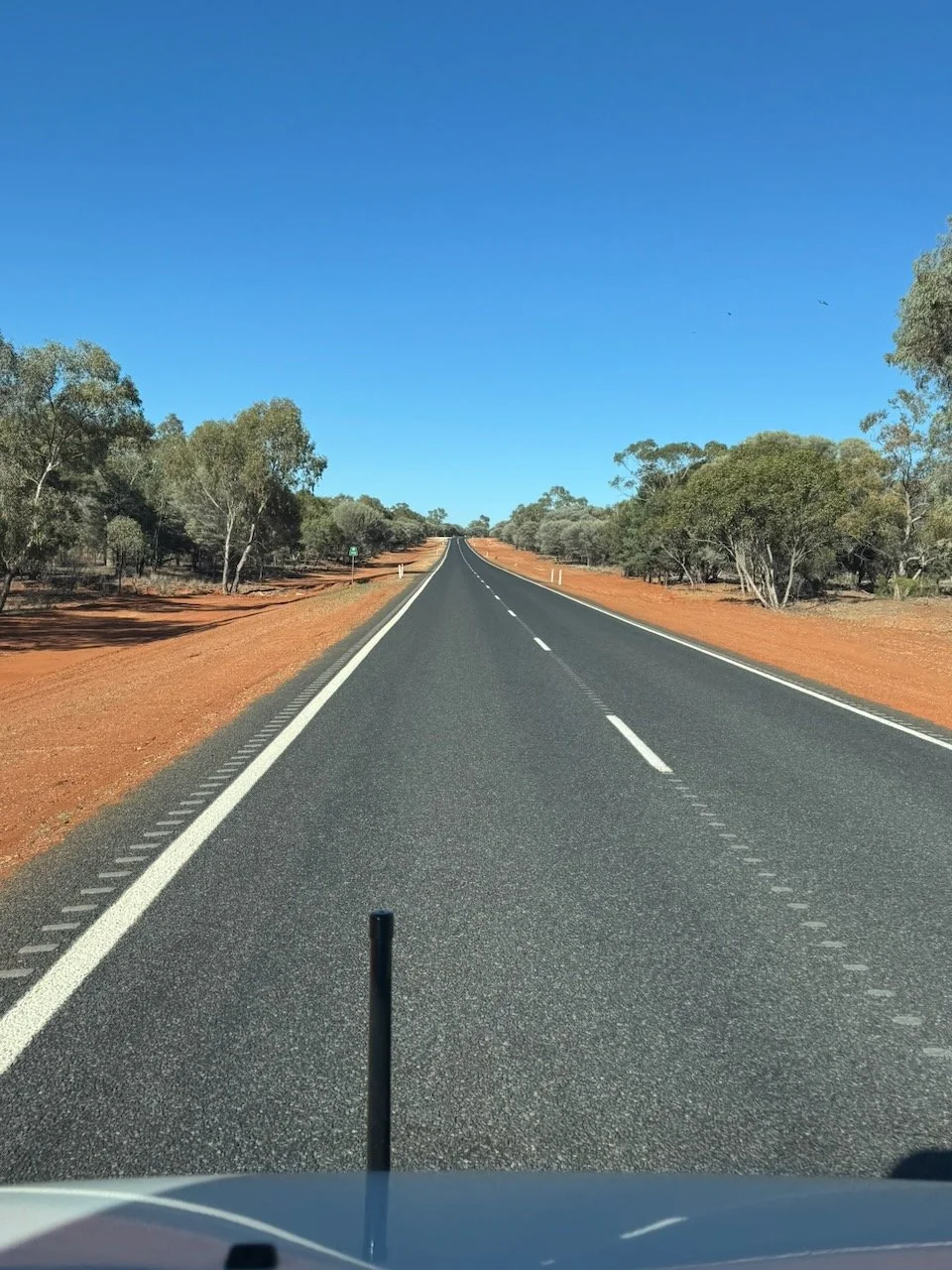
The next day took us further west, across long straight roads and that familiar shimmer of the outback horizon. Between Cobar and Broken Hill, the landscape was alive, not with kangaroos or cattle this time, but goats. Thousands of them. On the road, beside the road, under every tree and across every rise. They scattered as we approached, only to regroup in the rear-view mirror like a well-rehearsed chorus line. Anyone who’s driven this stretch knows the drill: one hand on the wheel, the other hovering near the horn, muttering quiet prayers that none of them decide to change their mind mid-lane.
Sometimes these middle stretches, the ones between destinations, are where you really feel the road. It’s not about the big sights or ticking boxes; it’s about breathing, watching the light change, and remembering that this life doesn’t need constant noise to be full.
By the time we rolled into Broken Hill, Zoe had endured one too many prickles in her paws, and the goats had finally stopped giving us side-eye. We were ready for a few days of civilisation and maybe a pub meal that didn’t involve dust. But Broken Hill had more in store for us than we expected…
If you’ve got a favourite road stop that always draws you back, join our Travel Dispatch. It’s where we share those little pieces of the journey that make this life on the move so addictive.
Nyngan Weir
A favourite riverside camp in western New South Wales, perfect for recharging before the long run west. Quiet, scenic, and just a short walk into town for a bite and a chat.
How to Get There
Nyngan sits on the Mitchell Highway, about 160 km west of Dubbo. From there, head west to Cobar (130 km), then continue another 460 km to Broken Hill along the Barrier Highway. All roads are sealed and suitable for motorhomes and caravans.
Final Thoughts
Some stretches of road feel like pause buttons — a chance to catch your breath before the next adventure. For us, Nyngan to Broken Hill is one of those. A familiar route, steady and quiet, with just enough room to reset.
What’s Nearby
Next up: Broken Hill — where art, mining history, and outback grit meet under one huge sky.
Don’t miss our Top Secret Travel Dispatches for stories that never make the blog. Sign up here.
Fast Facts - Nyngan
Location: Nyngan Weir, New South Wales
Distance: 590 km from Nyngan to Broken Hill
Traditional Owners: Wangaaypuwan Ngiyampaa People (Nyngan),
Access: Sealed highways (Mitchell & Barrier)
Facilities: Campground, toilets, dump point, shops and cafés nearby
Walking Track: Short walks along the Bogan River
Dog Friendly: Yes, on lead
Best Time to Visit: April – October for mild weather and clear skies
Fast Facts – Cobar
Location: Outback New South Wales, between Nyngan and Broken Hill
Distance: 130 km west of Nyngan, 460 km east of Broken Hill
Traditional Owners: Ngiyampaa Wangaaypuwan People
Access: Sealed via the Barrier Highway
Facilities: Fuel, cafés, pubs, caravan parks, dump points, Visitor Information Centre
Walking Track: Great Cobar Heritage Walk, Fort Bourke Hill Lookout
Dog Friendly: Yes, on lead in town and campsites
Best Time to Visit: April – October for cooler days and clearer skies
Other updates you may like…
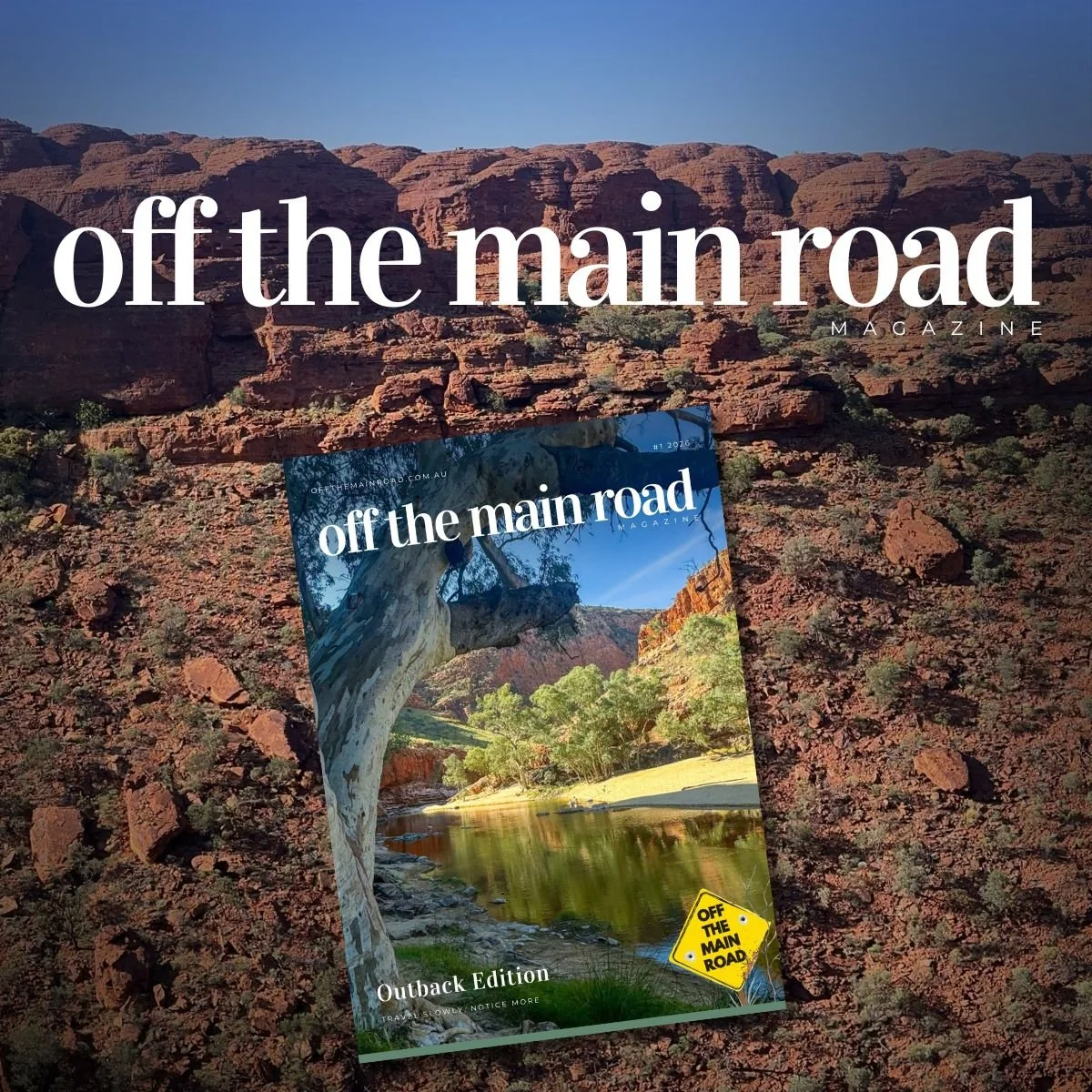
It’s official: Off the Main Road is now a magazine.
The Outback Edition is now on sale, in print and digital.
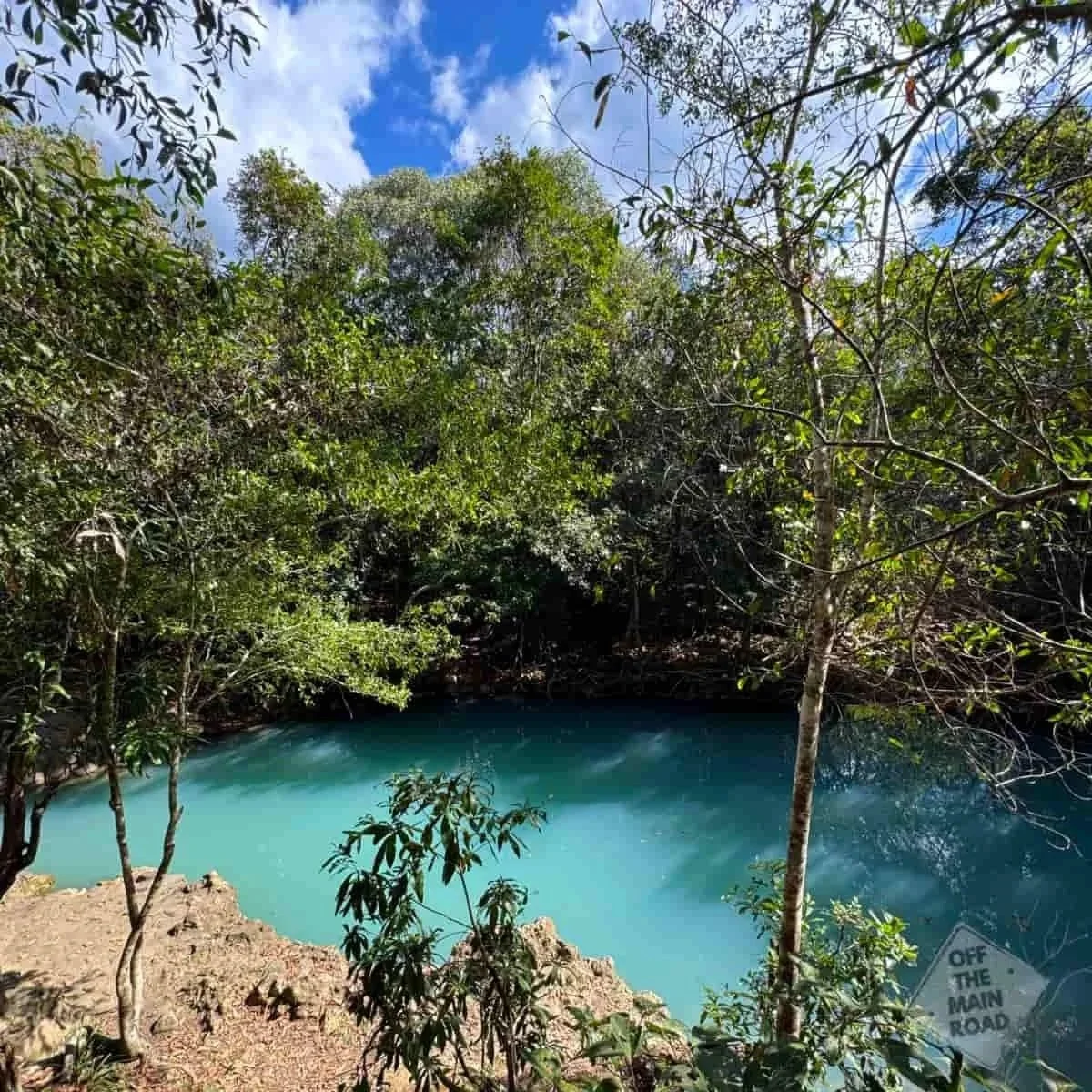
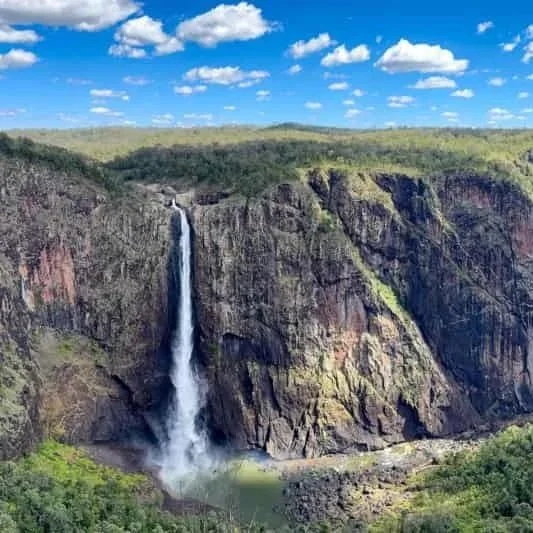
North of Townsville, two faces of the wet tropics: Big Crystal Creek, a clear rainforest swimming hole, and Wallaman Falls, Australia’s tallest single-drop waterfall, plunging 269 metres into a misty gorge.
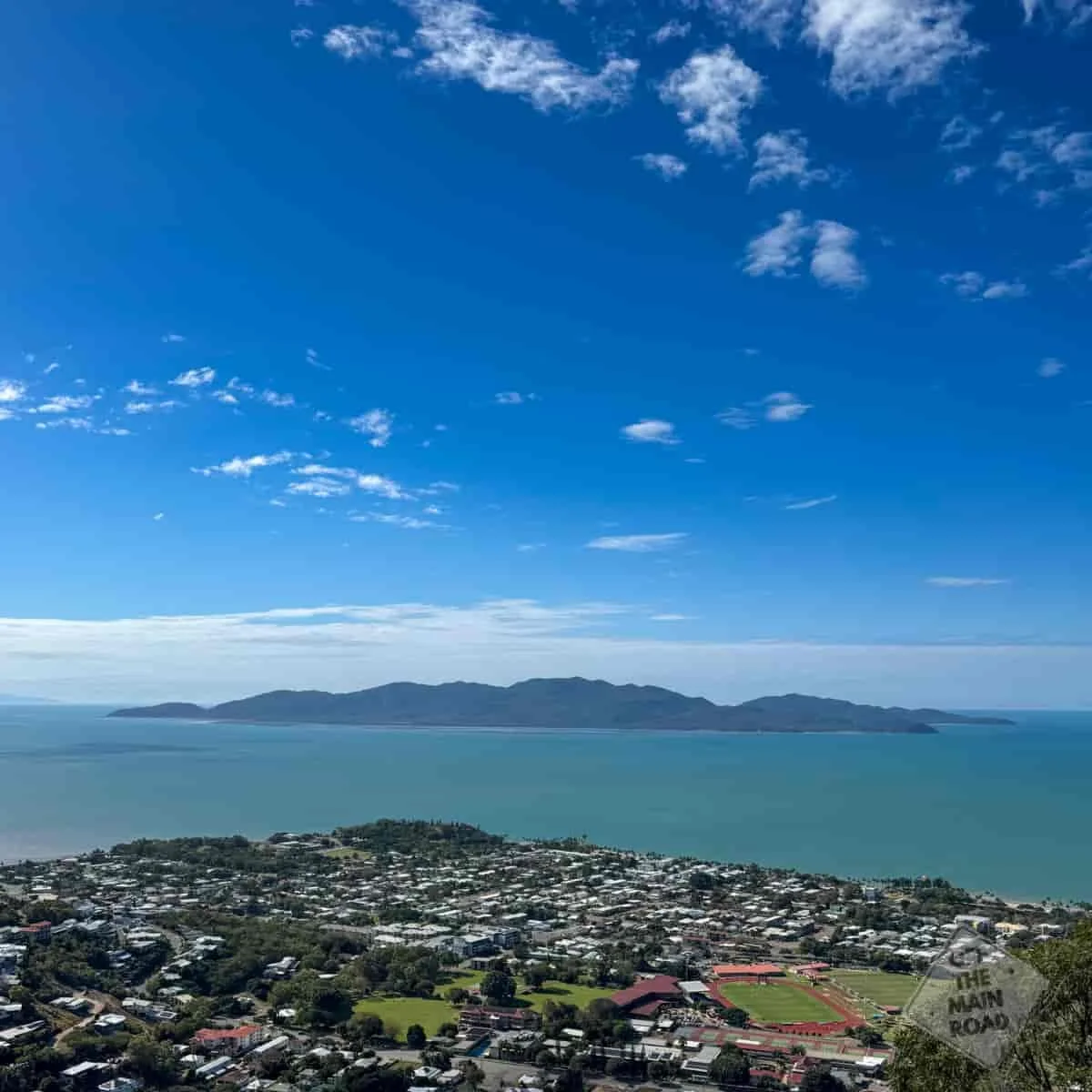
A slow guide to Townsville, North Queensland: Castle Hill views, the Strand, Queensland Museum Tropics, the RAAF Museum, and a dog-friendly wander at the Palmetum.
It's official: Off the Main Road is now a magazine. The Outback Edition launches mid-August, print and digital.
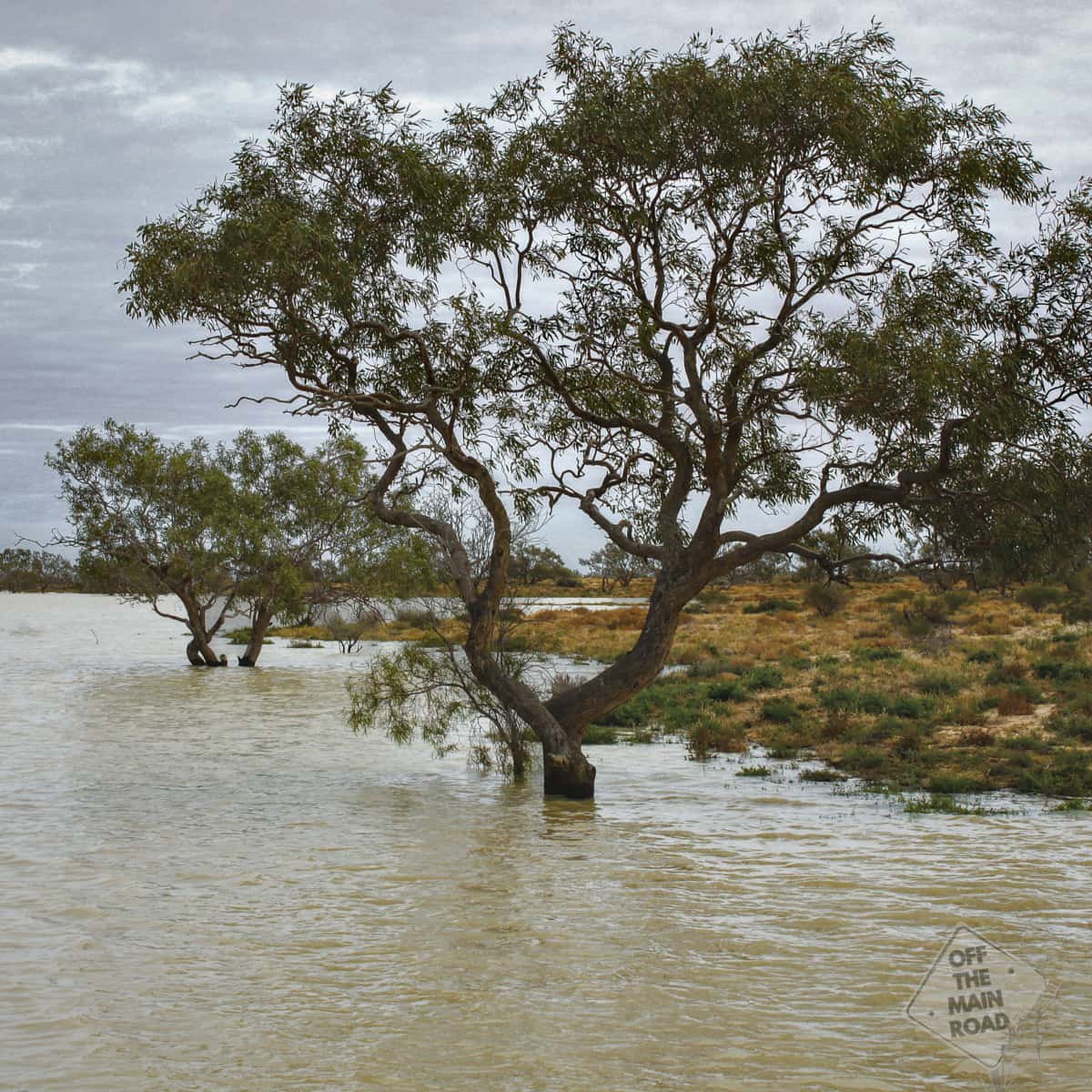
A 2010 camping trip with my dad into the outback: Mungo’s Walls of China, the Birdsville Track cut by a flooded Cooper Creek, the government punt, and Lake Eyre holding water. The trip that started everything.
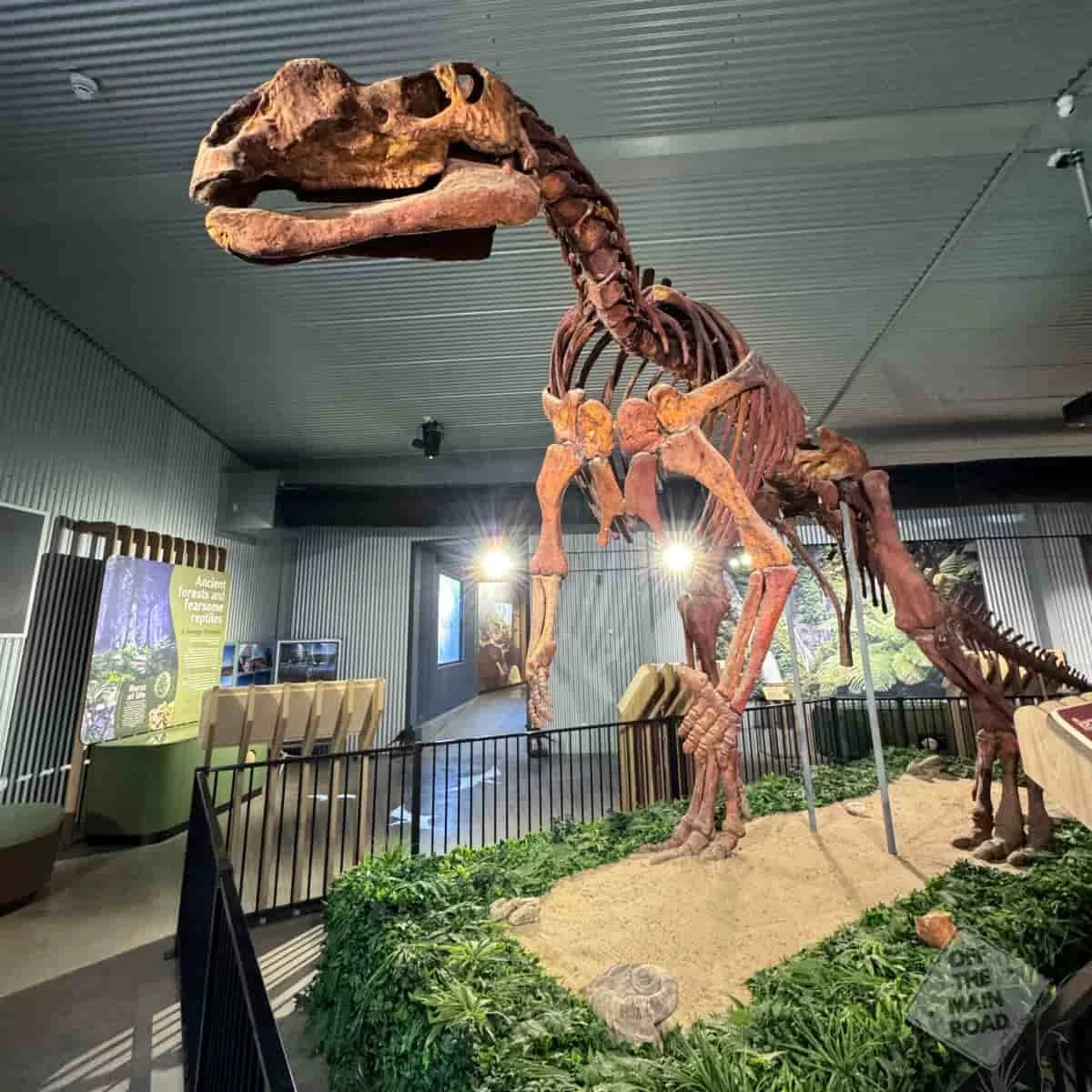
The heat sent Zoe (and us) east, and Hughenden was the perfect stop: a free RV camp, Hughie the Muttaburrasaurus, town street art, and a coolibah tree blazed by explorers hunting Burke and Wills.
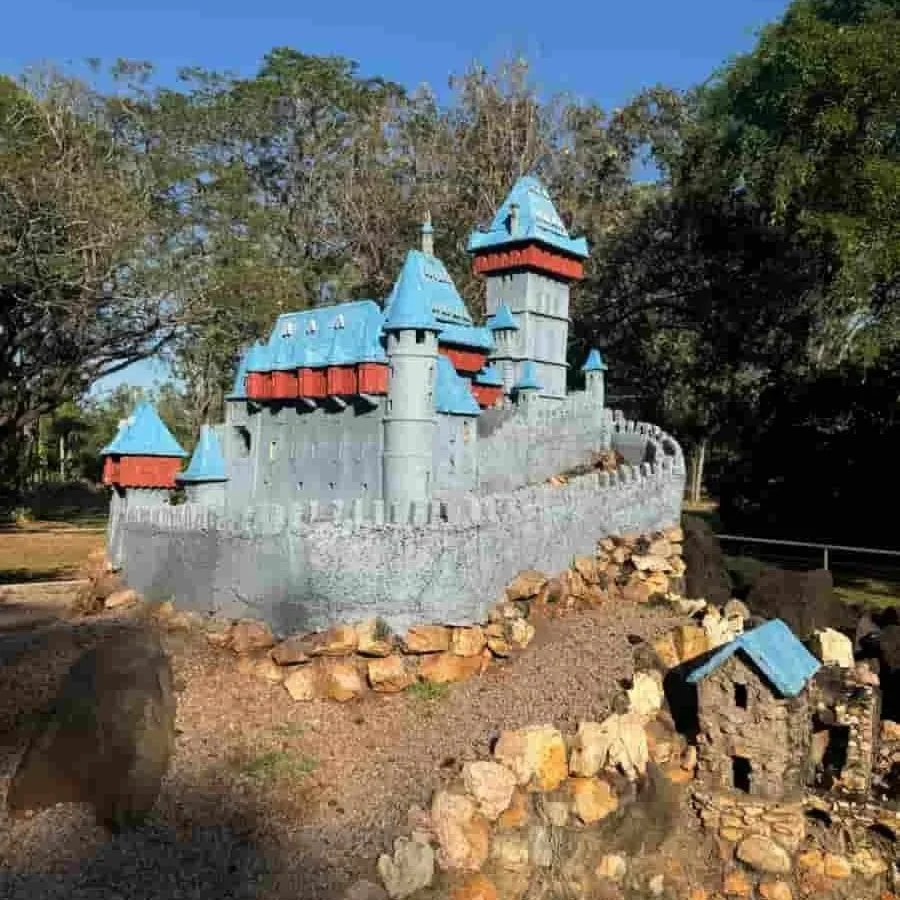
Most people drive through Batchelor on the way to Litchfield. Stop, and you find a miniature Czech castle built by a homesick miner, a Cold War uranium mine, and a wartime airfield with a famous visitor.
Between Mount Isa and Cloncurry sit the empty streets of Mary Kathleen, a uranium mining town built in the 1950s, sold off entirely at auction in 1983, and now a ghostly grid of slabs and silence. Perfect for camping!
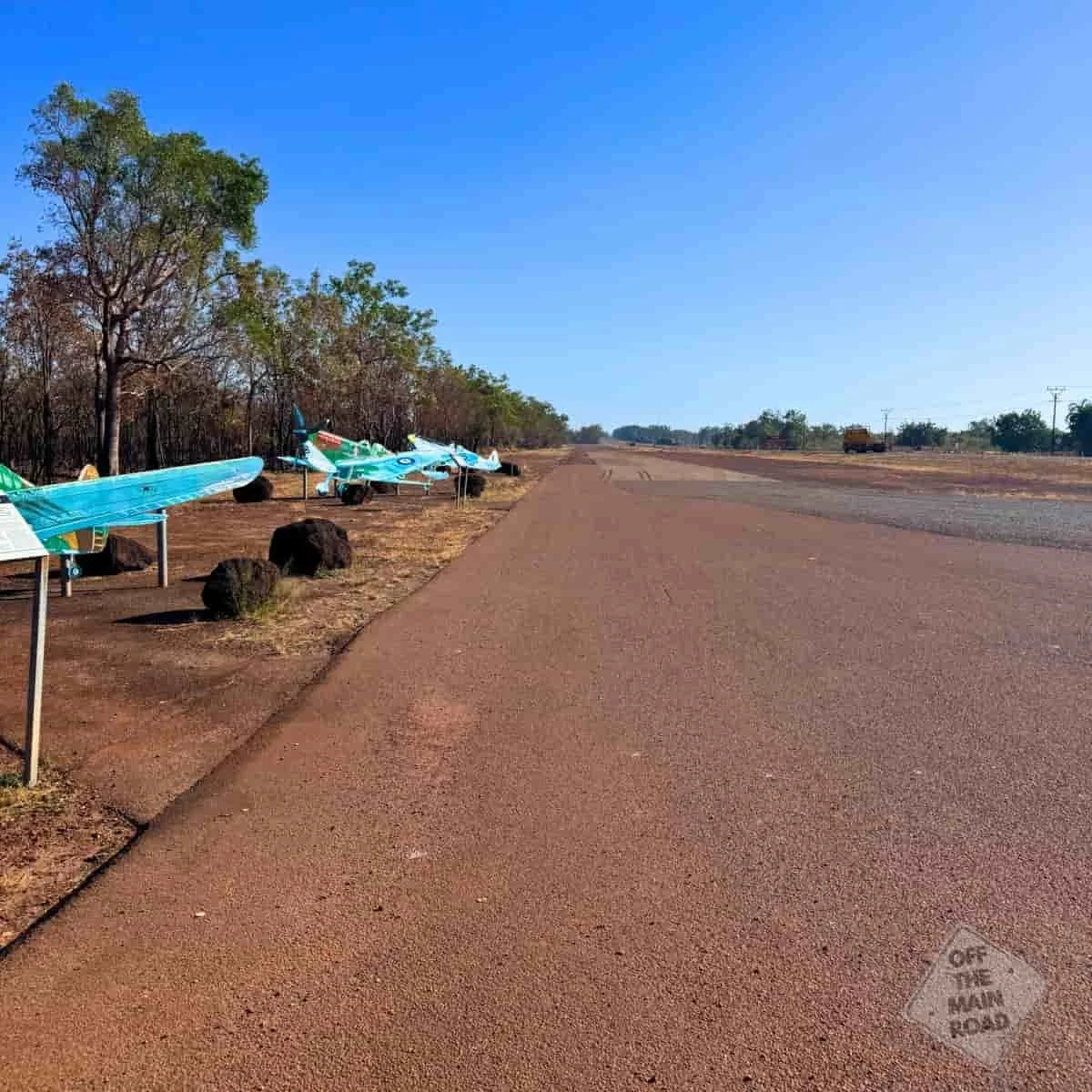
A chain of World War Two airstrips lines the Stuart Highway on the run to Darwin. We stopped at Strauss and Gorrie, once the country's biggest airbase, and drove past the rest, each named for a lost pilot.
Our airboat trip with Northern Territory Airboats gave us a fast look at the Bynoe wetlands. Crocodiles on the banks, birdlife across the floodplains and a guide who knew the country well. A relaxed Top End wildlife experience.
We drove to Fogg Dam near Darwin expecting a few ducks and found hundreds of birds, three crocodiles, and two tourists we probably saved from becoming breakfast on the closed, croc-lined dam wall.
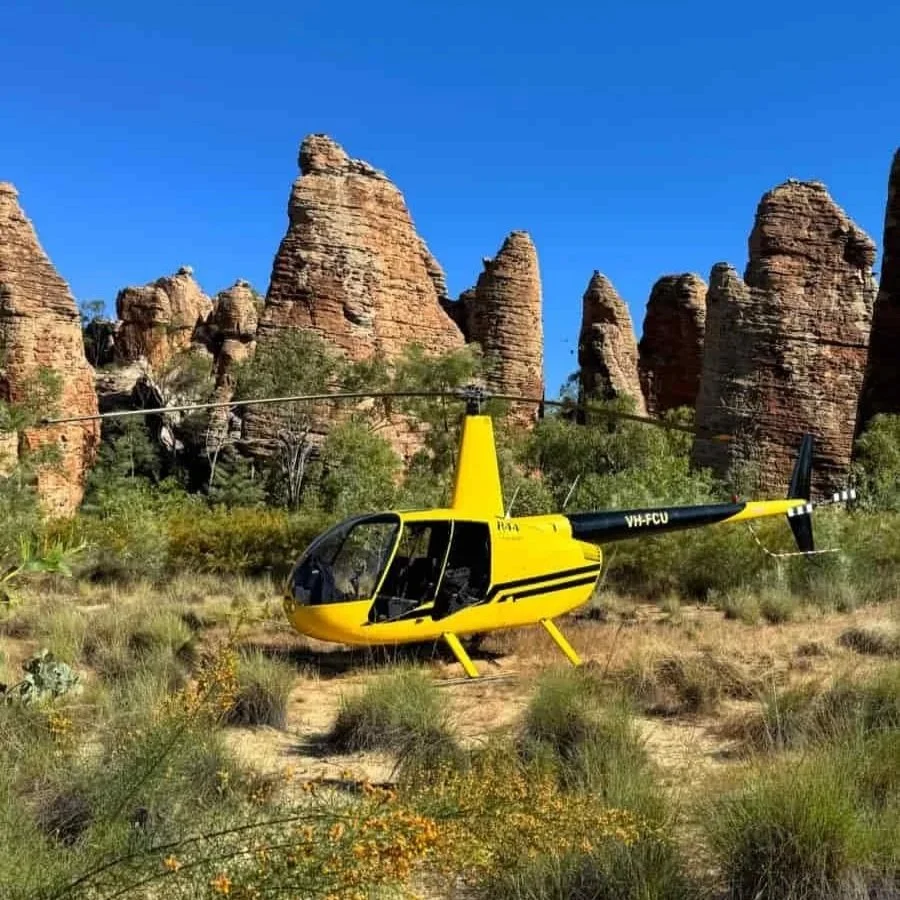
We broke the curse the only way we could, by cheating and flying. A doorless chopper, sandstone towers older than almost anything on earth, and a walk through a Lost City with no one else in sight.
Every expedition needs a curse, and ours began the moment we left Mount Isa chasing the Lost Cities. Plagues of bugs, biblical rain, a brutal road, and a mysterious rash.
Three days out to Boulia via Poddy Creek and the Middleton Hotel, the Min Min Encounter, outback sunsets and no actual Min Min sightings. Then north to a spectacular free camp at Dajarra Dam on the way to Mount Isa.
After three visits, here's what we'd actually send a friend to do in Longreach! Qantas history, outback rail and river tours, and a stockman's show. Not everything, just our favourites.
Back in Longreach for our third visit. Outback rail adventures, a sunset cruise on the Thomson River, the Longreach Races, new Akubras, and the friendliest welcome yet.
The Matilda Way is a 1,900-kilometre touring route from Bourke in New South Wales to Karumba on the Gulf of Carpentaria, passing through the heart of outback Queensland via Charleville, Longreach and Winton.
Blackall’s Historical Woolscour is the only surviving steam-powered woolscour in Australia, operating since 1908. Add Jackie Howe’s unbroken shearing record and a free camp on the Barcoo River, and you have one of outback Queensland’s best stops.
Tambo delivers more than it advertises — Tambo Teddies and a station side quest, chicken races that got out of hand, and the site of Qantas’s first fatal crash in 1927. A small town with a lot going on.
Four visits to Charleville and still finding new things — the Angellala Creek explosion site, the Airfield Museum, the Bureau of Meteorology weather balloon and the WWII quarry that built the airport runways.
From the Cosmos Centre and Bilby Experience to the Airfield Museum, WWII Secret Base, Outback Date Farm, and the Angellala Creek explosion site. There’s a lot going on!
Halfway between Cunnamulla and Charleville, Wyandra is a quiet railway town on the Warrego River with a sandy beach, outback burgers, a peaceful camp and sunsets good enough for a calendar cover.
An overnight pub camp at Enngonia, then north to Cunnamulla; the Robbers Tree, the All Aboard rail show, a day at the races for Neil and artesian hot springs for Cameron. A weekend well spent.
The Kidman Way is a 644-kilometre sealed touring route through inland NSW, from Jerilderie in the south to Barringun on the Queensland border. Named after the 'Cattle King', it passes through Griffith, Cobar and Bourke.
Five rain-soaked days at Nyngan Weir and then north to Bourke, the Darling River’s great port, Fred Hollows’ resting place, an Afghan mosque in the outback, and a town that rewards anyone who slows down.
From Melbourne via Warrnambool and St Arnaud to Hay, a town that keeps earning return visits. Free camping on the Murrumbidgee, a gaol with many lives, and one of regional NSW’s most joyful festivals.
A Victorian summer with family and friends behind us, a polar cold snap nudging us north, and rising fuel prices reshaping how we travel. Time to head out again and see what's up the road.
A slow morning in the mist at Warrnambool's historic Botanic Gardens, a drive out to Hopkins Falls running at full strength, and an afternoon browsing Fletcher Jones Market.
Two nights on the Barwon River at Winchelsea’s free camp, and a guided tour of Barwon Park Mansion, the bluestone homestead built to impress a duke, by the man who gave Australia its rabbit problem.
Cameron is a travel writer, photographer, and freelance copywriter with more than fifteen years of experience crafting stories that connect people and place. Travelling full-time on the road in a motorhome with his partner, he documents Australia’s quieter corners through Off the Main Road, a travel journal devoted to the towns, landscapes, and characters often overlooked by the tourist trail.
His writing blends observation with lived experience, drawing on a professional background in brand storytelling. With a photographer’s instinct and a writer’s eye for detail, Cameron captures moments that reveal the character of regional Australia, from weathered towns and open landscapes to the honest texture of life on the road.


Our second stop in St Lawrence, the quiet town between Mackay and Rockhampton: two nights at the community rec ground, Friday lasagne night, a local’s tour with a mate, and the old meatworks boilers in the bush.