Cooktown: Warm Days and Rough Edges
We rolled into Cooktown, planning to stay two nights, but ended up staying five. The town had an easy, laidback charm that’s hard to leave behind.
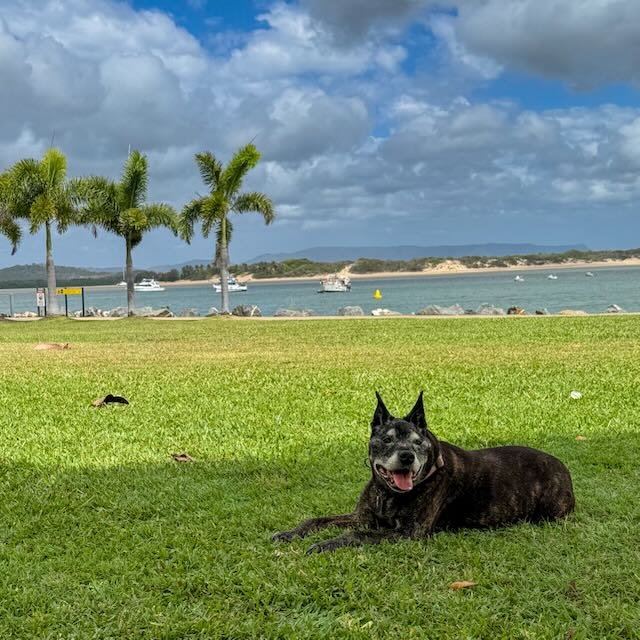
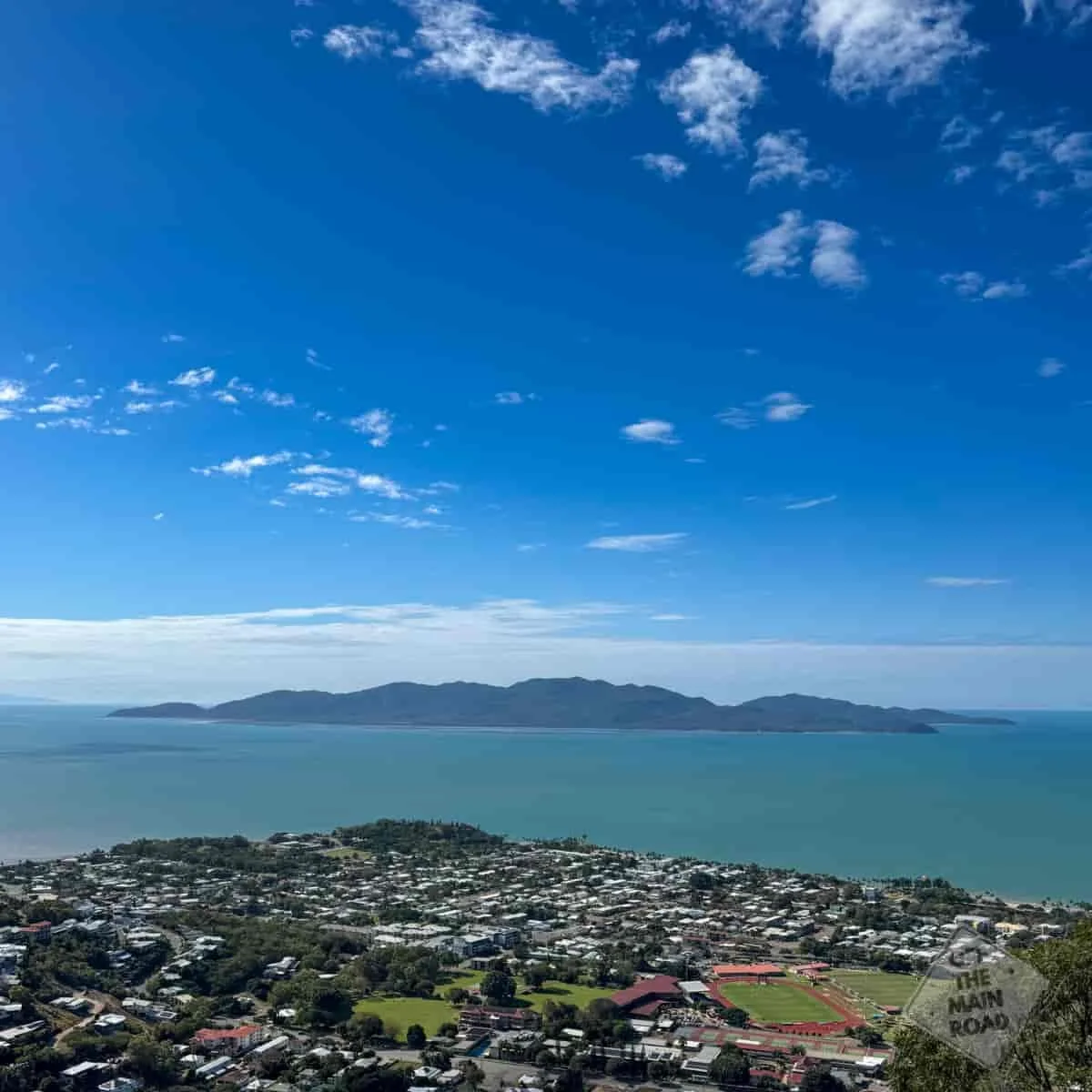
First up, the obligatory trip to the top of Grassy Hill, where the sweeping views over the Coral Sea and the Endeavour River are breathtaking. We wandered through the Botanical Gardens, which were surprisingly lush and rich in history, and enjoyed a coffee at the café. Zoe was in heaven with the shady lawns to roll around on.
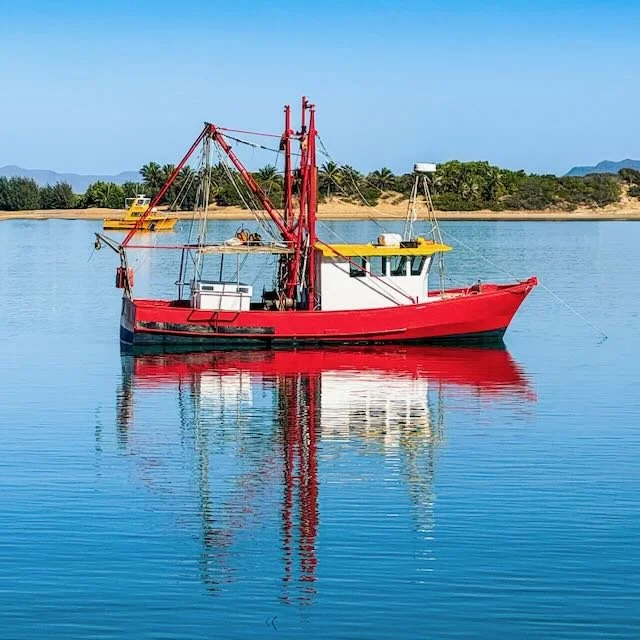
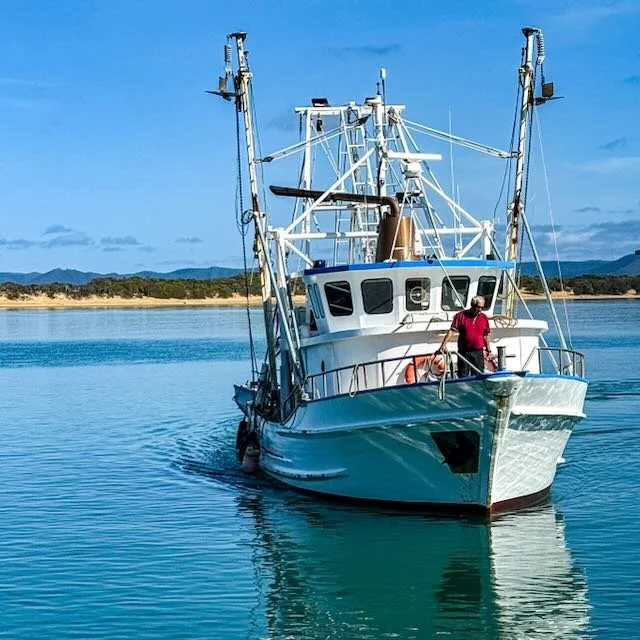
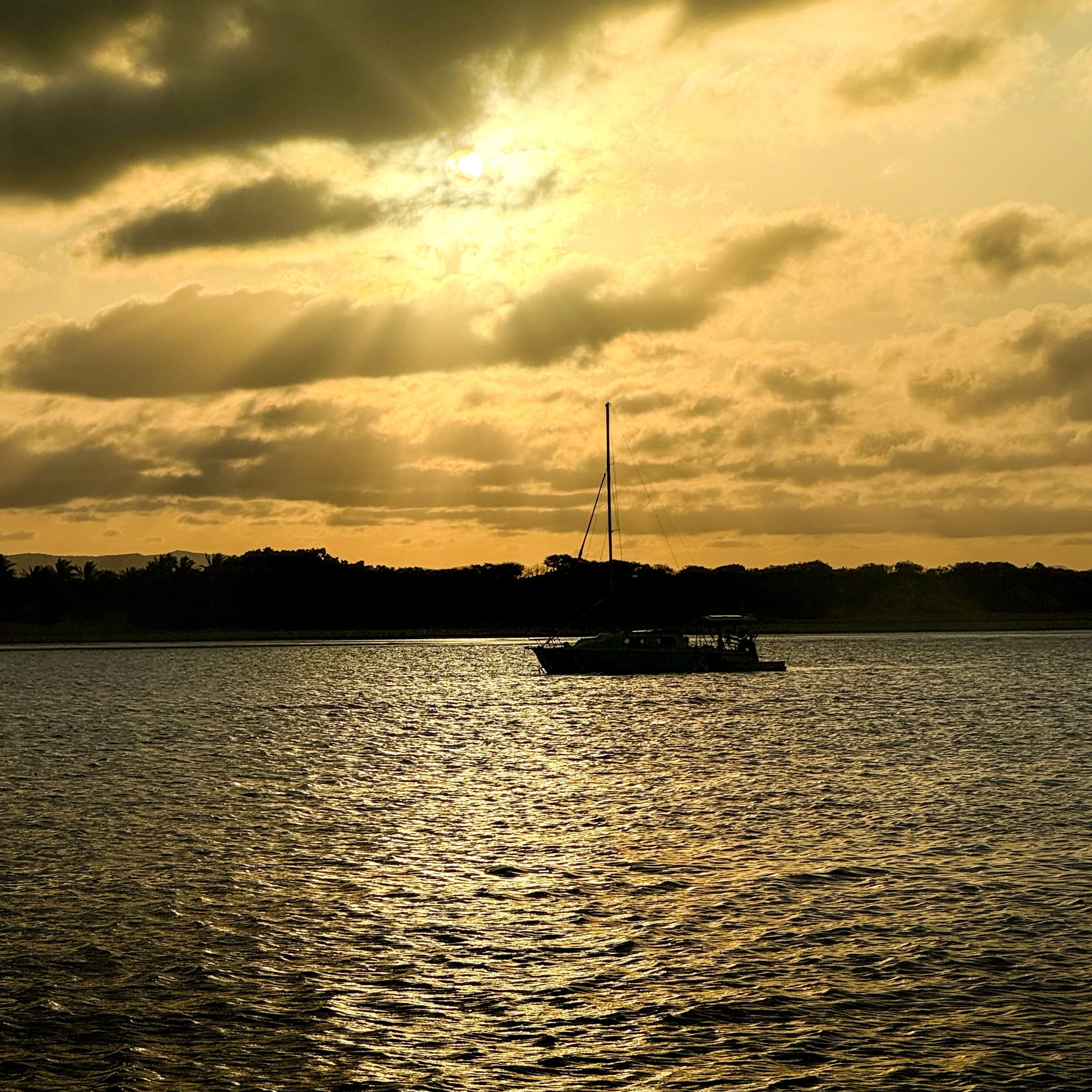
Like the locals, we did a daily “wharfy” with a couple of stops along the way for coffee and breakfast! A sunset cruise with Riverbend Tours provided us with another perspective of Cooktown, as the coastline was bathed in gold and pink as the day faded. We enjoyed a gourmet cheese platter while anchored in the mangroves, before heading back to town for a good night’s rest.
We bumped into our mates Dan and Dan in a Van in town, briefly crossing paths before they pushed on towards the tip of the Cape. It’s always nice to see familiar faces on the road. Even though we had only left them a few days earlier! 😂
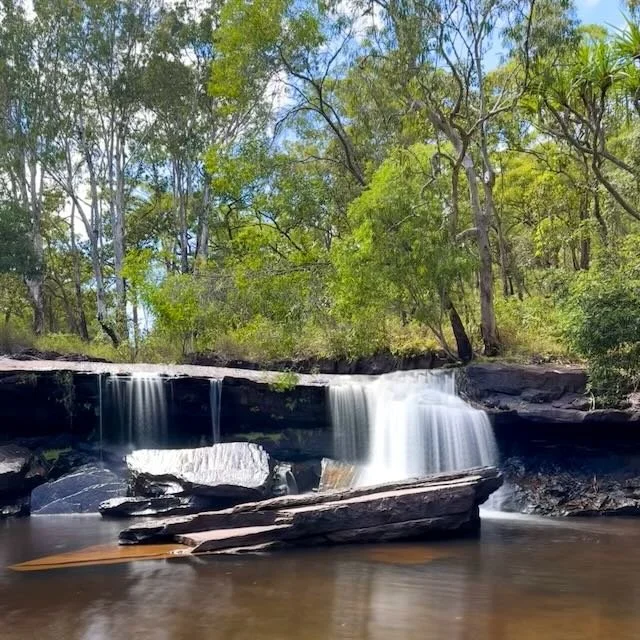
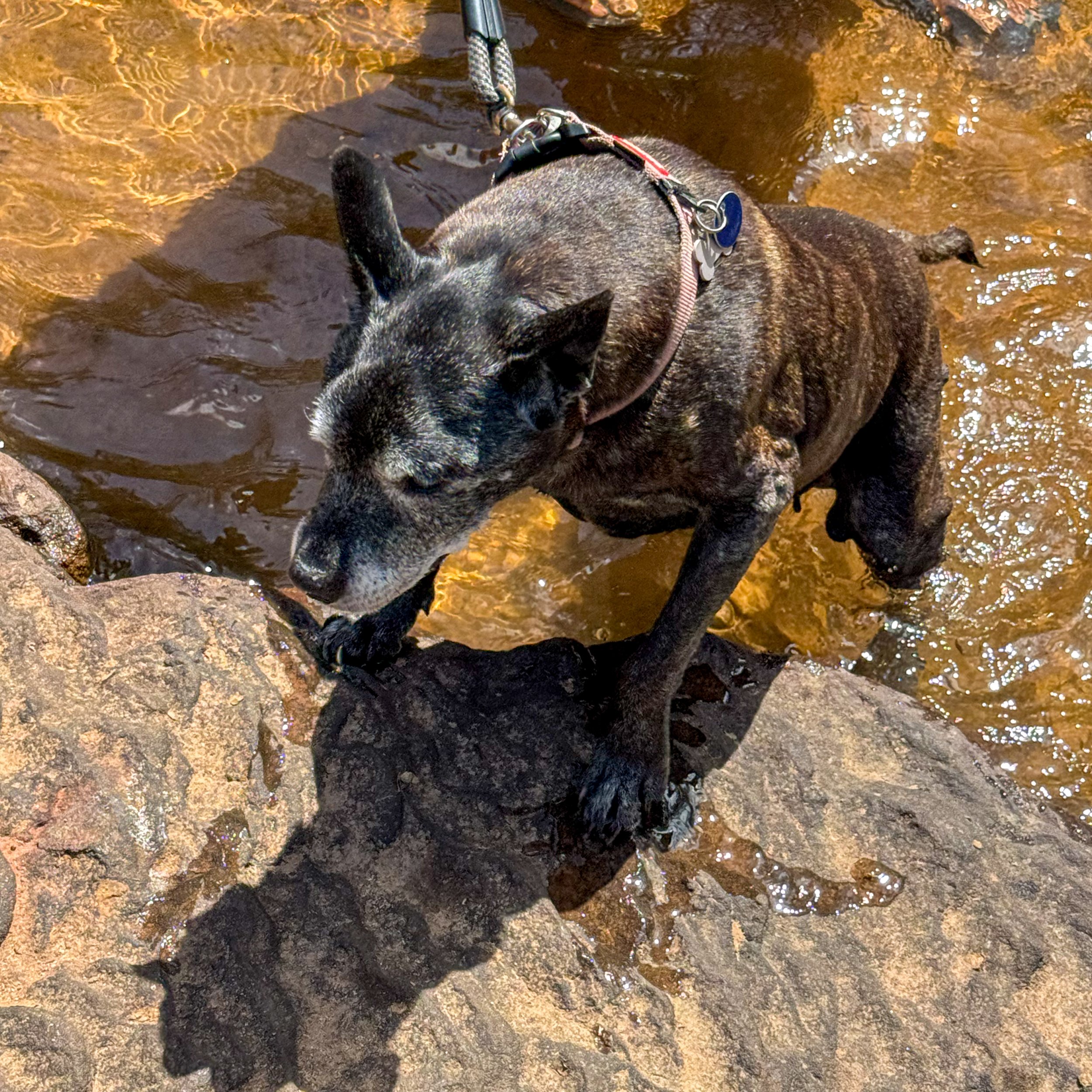
On one of our days exploring the area, we drove out to Isabella Falls, a picturesque little cascade just off the road. Zoe wasted no time splashing about in the shallow pools at the top, delighted with her own private paddling spot. It was a peaceful stop and a reminder that sometimes the simplest moments, such as watching the water trickle past, with toes (or paws) in the cool stream, are the best part of travelling.
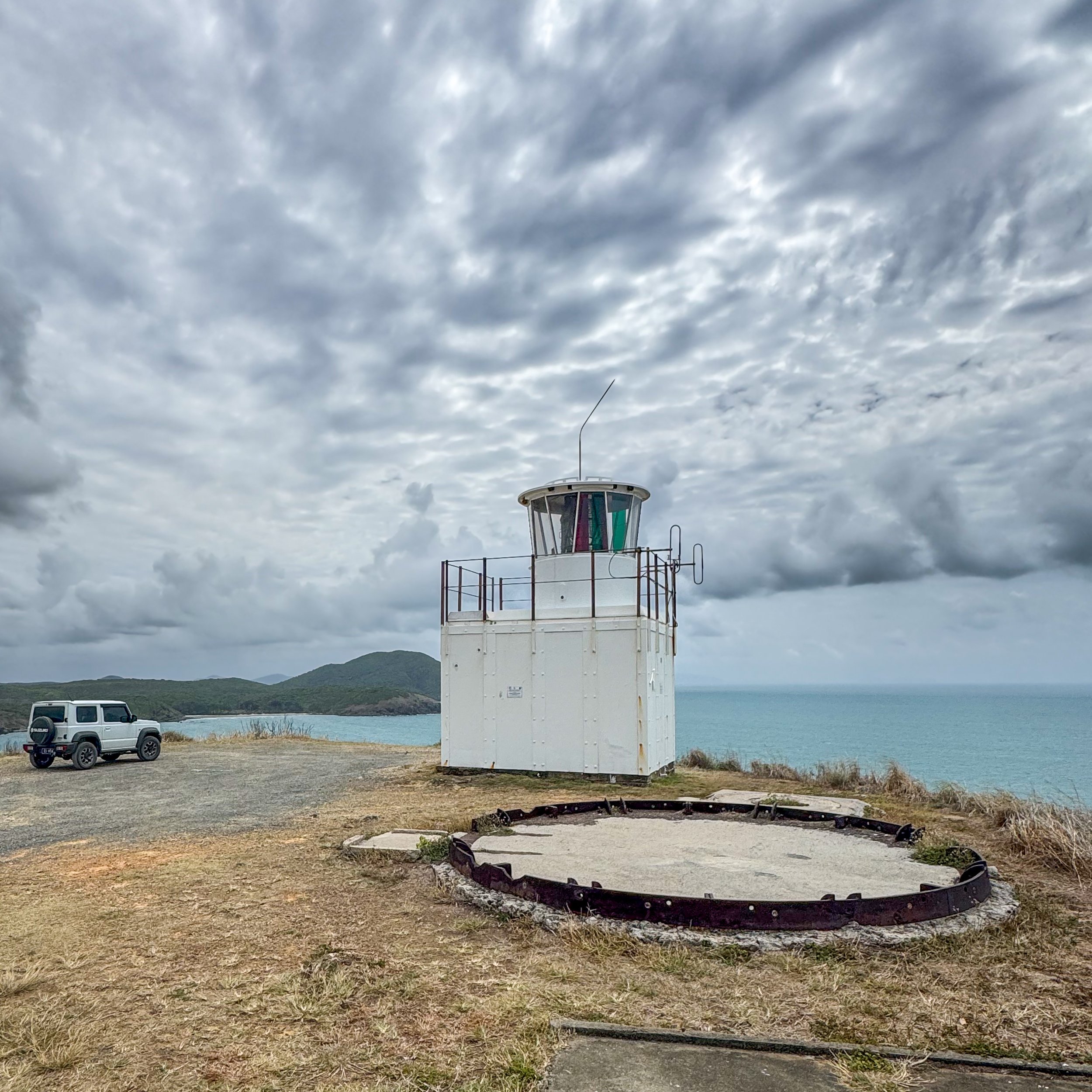
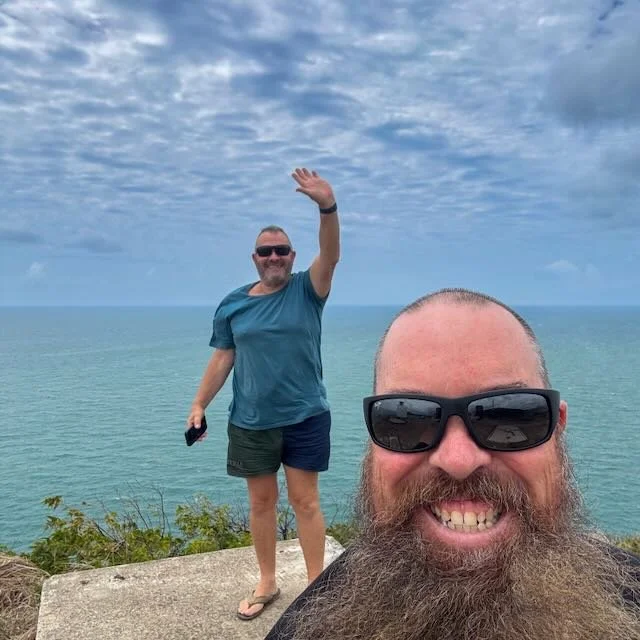
We also took a drive out to Archer Point Lighthouse, perched high on the headland south of Cooktown. The sweeping views over the Coral Sea were worth the bumpy track in, with turquoise waters stretching endlessly below and the wind whipping around.
The James Cook Museum was well worth the visit, packed with stories and relics from Cook’s time here, but after a few days, we were admittedly feeling a little Captain Cooked out! A final dinner at the local Thai restaurant provided a tasty send-off to our stay.
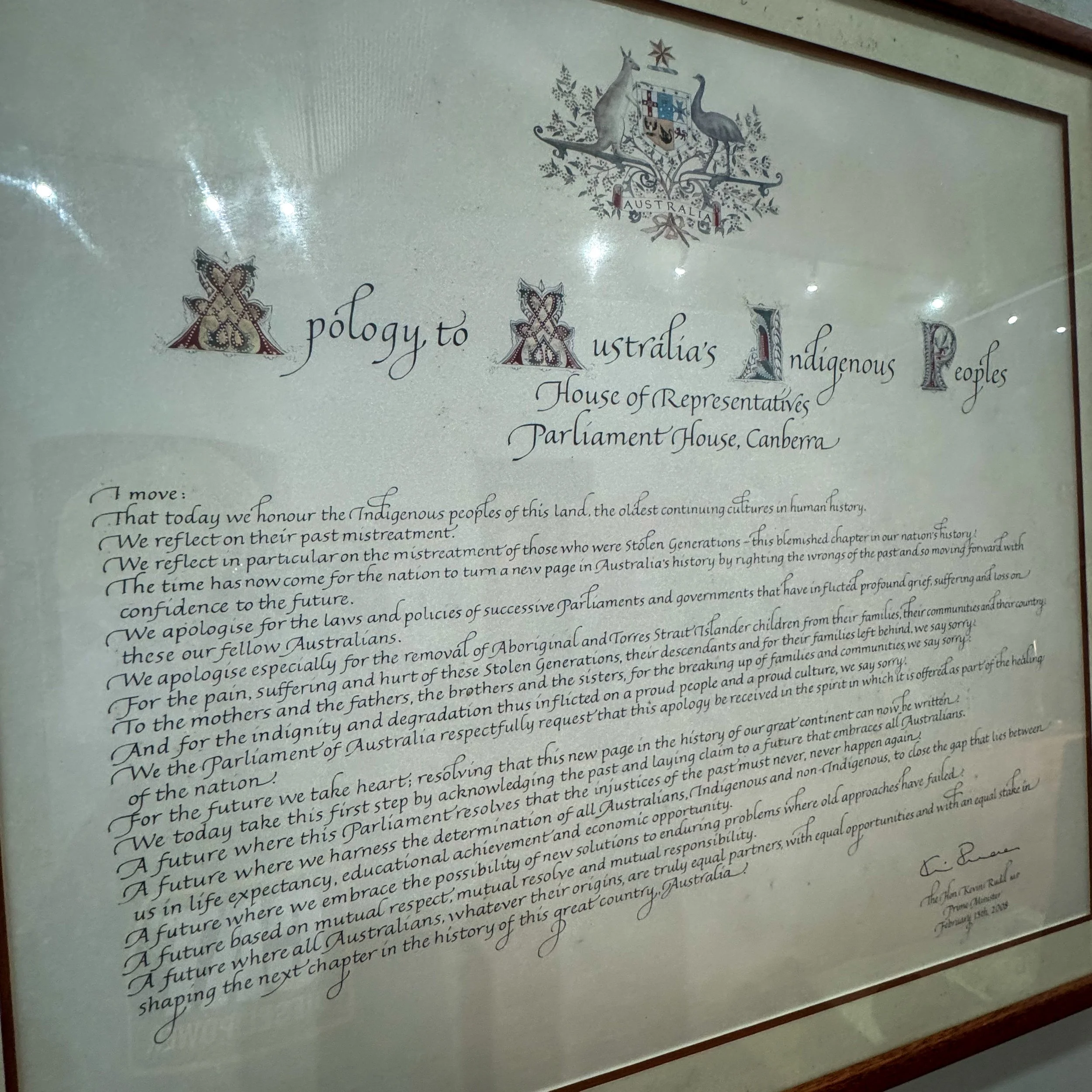
Not every moment was perfect; an unpleasant experience of homophobia from the president of the local re-enactment society marred our visit to the Waalmbal Birri Heritage and Culture Centre. Sadly, a reminder that not everyone has been able to move on from the past. It stood in stark contrast to the general warmth and acceptance we’ve felt across rural Australia.
Still, that one sour note didn’t overshadow the bigger picture. Cooktown left us with fond memories, a slower pace, and a real sense of being welcomed into its community. It’s the kind of place that gets under your skin—and makes it very easy to linger.
We wrapped up our Cooktown adventure with a night at the iconic Lions Den Hotel. Cold drinks, hearty meals the size of small caravans, and live music under the stars made for the perfect finale.
We’re always on the lookout for the quiet tracks and unexpected gems. If that’s your kind of travel too, join our newsletter and come along for the ride.
Exploring the unbeaten paths of Australia, one adventure at a time! 🌿 Follow along as we uncover hidden gems, tackle rugged terrains, and head Off the Main Road to embrace the thrill of exploring offbeat destinations. 🚙💨










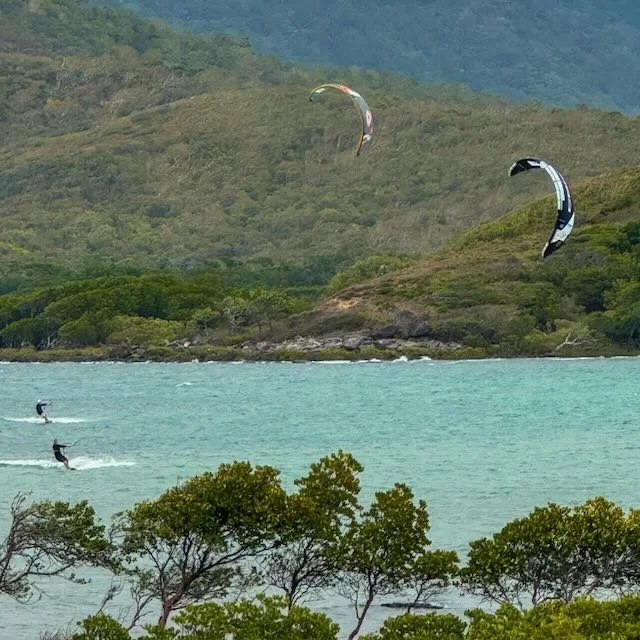

Exploring Cooktown, Queensland: Local Travel Guide
With sweeping Coral Sea views, rich history, mangrove sunset cruises, and hidden waterfalls, Cooktown isn’t just a stopover: it’s a destination worth lingering for.
Getting there & getting around
Cooktown is at the top end of Queensland’s Cape York region. Depending on where you're coming from:
By road: The drive from Cairns is about 326km (approx 4-hour drive). The road is fully sealed if you take the inland rou.tete. The coastal route includes the Bloomfield track, which is unsuitable for caravans and is not sealed. Check road conditions, especially in the wet season (Nov–Apr).
By air: There’s a small airport in Cooktown; flights from Cairns are limited.
Once you’re there, things are walkable around town. To reach points of interest like Isabella Falls or Archer Point Lighthouse, you’ll need a car. Be prepared for bumpy tracks and limited signage.
Best time to visit Cooktown
The dry season (May to September) is the most comfortable: low rain, cooler temps, and clear skies — perfect for hiking, swimming, and seaside views. The wet season brings lush landscapes but also potential road closures, mosquitoes, and heavy rainfall that can make access difficult. We visited in September and found it quite warm and slightly humid, but not unpleasant.
Practical tips
Supplies: Stock up in Cairns. Cooktown has groceries and fuel but options are limited.
Connectivity: Mobile reception is patchy once you leave town.
Respect: This is Guugu Yimithirr country; tread carefully and respectfully when exploring.
Gear: Bring mozzie repellent, plenty of water, and sunscreen.
Final thoughts
Cooktown was supposed to be a quick stop. Instead, it became one of those rare places where we slowed down, soaked in the stories, and felt full-hearted at the end of each day. If you’re heading up Queensland’s coast, give yourself extra time here — you might not want to leave.
Fast Facts
Location: Cooktown, Cape York Peninsula, Queensland
Distance from Cairns: 330 km north via Mulligan Highway (sealed)
Traditional Owners: Guugu Yimithirr people
Access: Fully sealed highway suitable for all vehicles and motorhomes
Facilities: Caravan parks, cafes, supermarket, museums, fuel, medical services
Walking Track: Cook’s Landing Walk, Grassy Hill Lookout, and Botanic Gardens trails
Dog Friendly: Allowed in most public areas and some caravan parks; not permitted inside museums or heritage sites
Best Time to Visit: May to October during the dry season for pleasant weather and road access
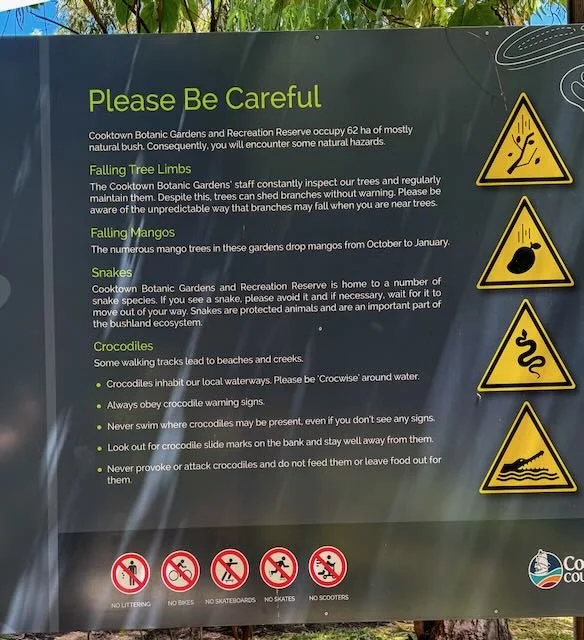
Things That Could Kill You (Probably Won’t)
Crocodiles: Don’t swim anywhere you can’t see the bottom or the signs, maybe just don’t swim!
Stingers: In summer, the ocean becomes a no-go zone without a stinger suit.
Sandflies: They’ll love you more than you love Cooktown sunsets.
The Humidity: Feels like you’re swimming even when you’re not.
Enjoyed learning about Cooktown? Sign up to our newsletter for more stories and travel stops across Far North Queensland and the Cape. Subscribe here.
Other updates you may like…





A solo flight to Lady Elliot Island brought a famously short grass runway, an hour in the lagoon, guano mining history, a 150-year-old lighthouse, a communal buffet, and an afternoon among turtles, manta rays and coral gardens.