Undarra Lava Tubes: Underground Adventure
While camped at Mount Surprise for the night, our travels briefly split in two. Neil held down the fort with Zoe in the motorhome, while Cameron headed off on a side quest he’d been itching to tick off: the Undara Lava Tubes.
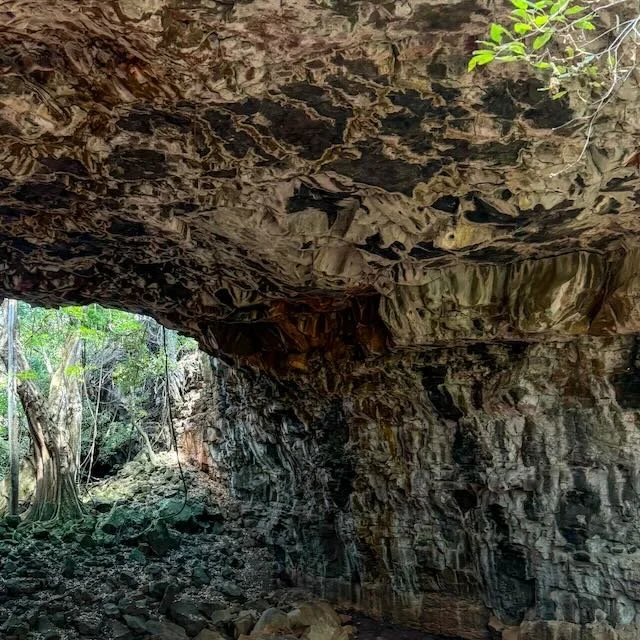
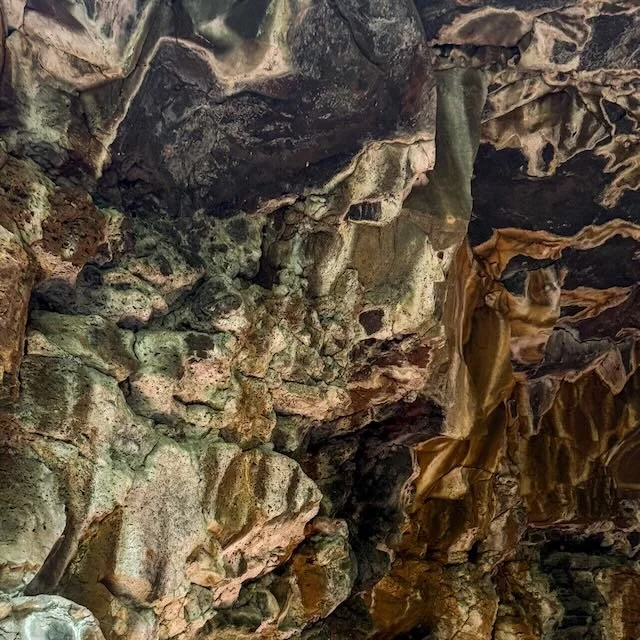
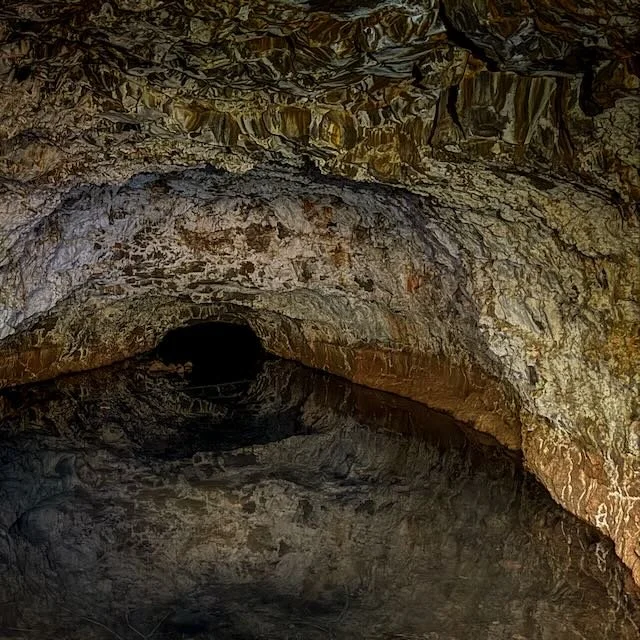
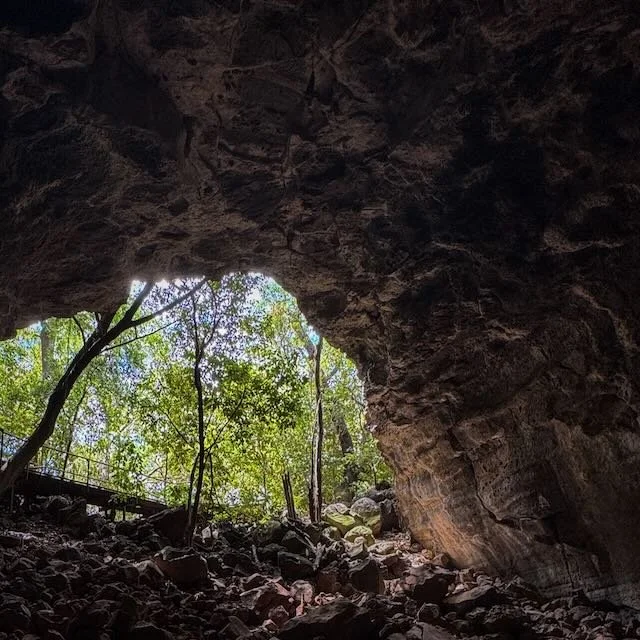
Formed over 190,000 years ago, rivers of molten lava flowed from the Undara Volcano, creating these tubes. The surface cooled and hardened as the fiery lava beneath continued to move, leaving behind long, hollow tunnels. Today, they make up one of the world’s most extensive lava tube systems—and they’re right here in Far North Queensland.
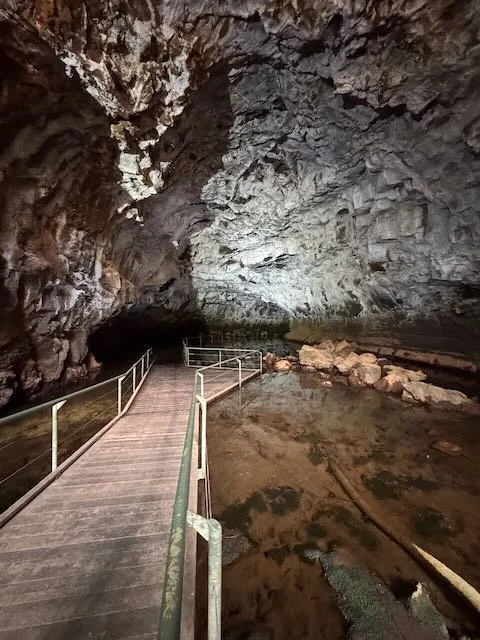
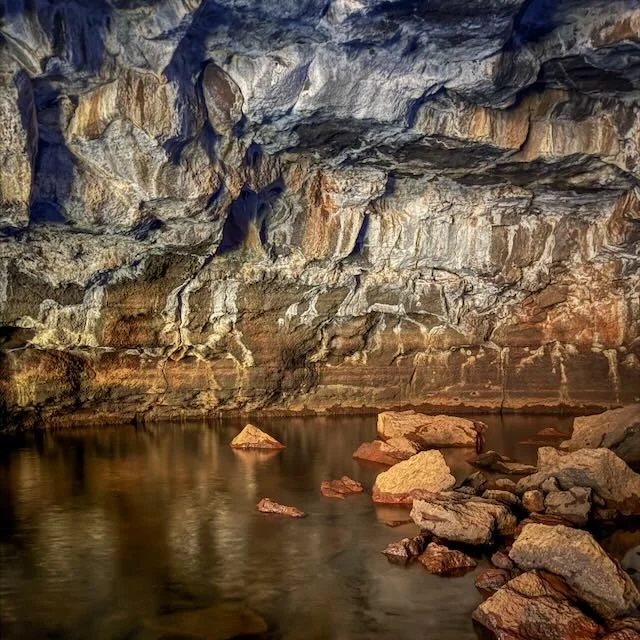
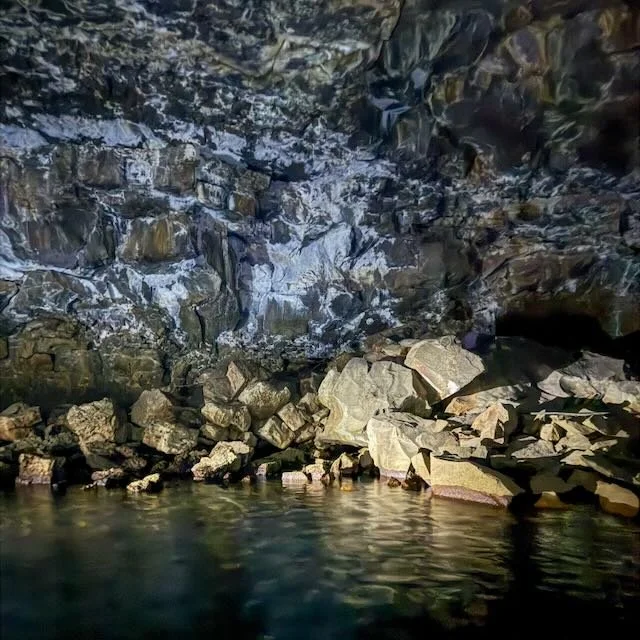
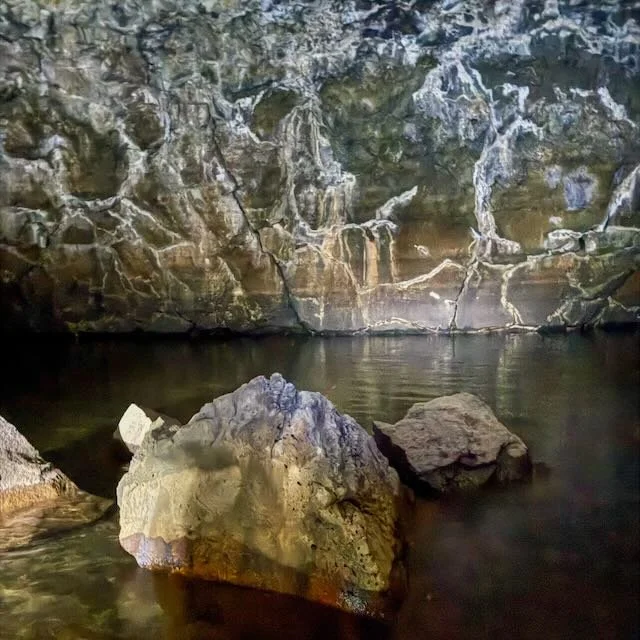
The guided tour takes you down into these giant underground caverns, some stretching so wide and high they feel more like cathedrals than caves. In places, water still pools inside, catching the dim light and making the space even more surreal. Tania, the super-knowledgeable guide, wove geology with history, from Indigenous stories of the landscape to the European discovery of the tubes.
It’s not a challenging walk, but you do need to be on a guided tour; access is only available with a guide to help protect the fragile environment. And honestly, having someone explain the scale of what you’re standing in makes it all the more mind-blowing.
While Neil and Zoe enjoyed a quieter afternoon back at camp, Cameron returned buzzing with excitement (and a couple of hundred photos). The Undara Lava Tubes might not be the easiest detour, but if you’re anywhere nearby, they’re worth every kilometre.
Fascinated by the Undara Lava Tubes? Join our newsletter to uncover more Far North Queensland wonders, hidden natural marvels, and off-the-main-road adventures delivered straight to your inbox. Sign up here.
Exploring the unbeaten paths of Australia, one adventure at a time! 🌿 Follow along as we uncover hidden gems, tackle rugged terrains, and head Off the Main Road to embrace the thrill of exploring offbeat destinations. 🚙💨
What are the Undara Lava Tubes?
The Undara Lava Tubes were formed by one of the Earth’s longest recorded lava flows from a single volcano. As the lava travelled more than 160 km, the outer surface cooled and hardened, while molten lava continued to flow inside. When the eruption ended, it left behind long, hollow tunnels stretching across the landscape.
Today, sections of the system are accessible on guided tours, giving a rare look into one of nature’s most extraordinary formations.
How to Get There
Undara is located in Far North Queensland, about 275 km southwest of Cairns and a short 45 minute drive on sealed roads from Mount Surprise.
Self-drive: Best accessed along the Savannah Way. The road is sealed but remote, so fuel up beforehand..
Tours and Access
Access to the lava tubes is only possible with a guide, helping to protect the fragile environment. Tours vary in length, but all involve some walking and stair climbing. We used Undara Lava Tube Tours
Guides: Knowledgeable and engaging, combining geology, history, and culture.
Difficulty: Moderate - not strenuous, but uneven ground and stairs mean sturdy shoes are a must.
Highlights: Towering cavern ceilings, hidden pools, and incredible acoustics that give the tunnels a cathedral-like feel.
Best Time to Visit
The best time to explore the lava tubes is during the dry season (April–September). Conditions are cooler, roads are more reliable, and wildlife is abundant.
The wet season can restrict access due to flooding and road closures. Always check conditions before you travel.
Final Reflections
The Undara Lava Tubes are more than just a geological wonder — they’re a reminder of the raw, fiery forces that shaped this land. Walking through them feels otherworldly, and for us, this side quest turned into a highlight of the trip. If you’re anywhere in the region, make the detour. It’s worth every kilometre.
✨ We love detours that lead somewhere unforgettable — like the Undara Lava Tubes. For more side quests, maps, and motorhome moments, join our newsletter here.
Other updates you may like…
Updated September 2026
Beach walks, local markets, and whales in calm blue water. Hervey Bay is the coast at its most easygoing. Perfect for slow mornings, sea breezes, and a good reminder to pause for a while.
Updated September 2026
Mossman surprised us: a relaxed camp at Newell Beach, a proper Saturday market under the rain trees, an honest look at Mossman Gorge, and an unplanned coastal detour back again to Cairns via Yorky's Knob.
Updated August 2026.
We stopped in Babinda for cheap roadside bananas and found the beautiful Babinda Boulders, the notoriously deadly Devil's Pool, Josephine Falls, and the sad Yidinji legend of Oolana woven through it all.
Maryborough is full of surprises: the birthplace of Mary Poppins, a smugglers' bond store where opium was once legal, a lively arts scene, and the Cistern Chapel, public toilets complete with a golden throne.
Updated August 2026.
You smell Tully before you see it: steam and sweet sugar from the mill. This is Australia’s wettest town by record, marked by a 7.9m Golden Gumboot, exactly the height of the rain that fell in 1950.
The response to the Outback Edition has been better than we hoped. Here’s how to get your copy.
Childers is a busy little heritage town on the Bruce Highway, known for its beautiful early-1900s main street and the deeply moving Palace Backpackers Memorial to the fifteen young travellers lost in the 2000 fire.
Updated August 2026
Most people drive through Cardwell. We stayed and found a milky-blue swimming hole in the hills, a calm upgraded foreshore, and the quiet gateway to Hinchinbrook Island. Just time your Spa Pool visit for rain.
Our second stop in St Lawrence, the quiet town between Mackay and Rockhampton: two nights at the community rec ground, Friday lasagne night, a local’s tour with a mate, and the old meatworks boilers in the bush.
Updated August 2026
We broke up the drive north with stops at coastal Cardwell, rainy Tully with its Golden Gumboot, and the atmospheric Paronella Park. Each stop offered its own charm before we pushed on towards Cairns.
It’s official: Off the Main Road is now a magazine.
The Outback Edition is now on sale, in print and digital.
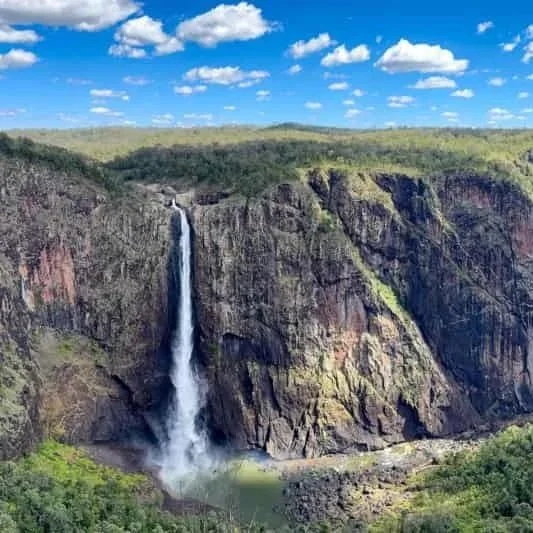
North of Townsville, two faces of the wet tropics: Big Crystal Creek, a clear rainforest swimming hole, and Wallaman Falls, Australia’s tallest single-drop waterfall, plunging 269 metres into a misty gorge.
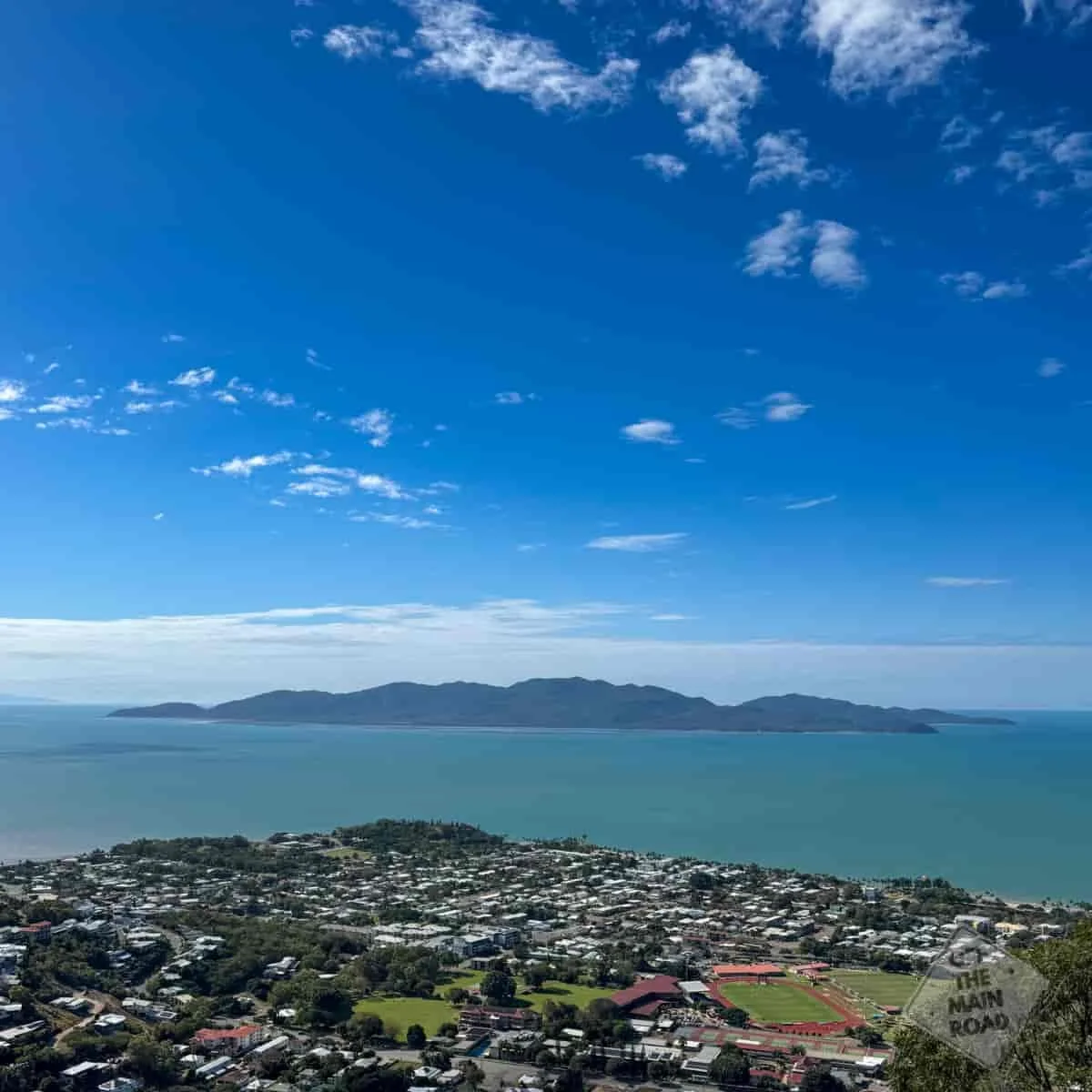
A slow guide to Townsville, North Queensland: Castle Hill views, the Strand, Queensland Museum Tropics, the RAAF Museum, and a dog-friendly wander at the Palmetum.
It's official: Off the Main Road is now a magazine. The Outback Edition launches mid-August, print and digital.
A 2010 camping trip with my dad into the outback: Mungo’s Walls of China, the Birdsville Track cut by a flooded Cooper Creek, the government punt, and Lake Eyre holding water. The trip that started everything.
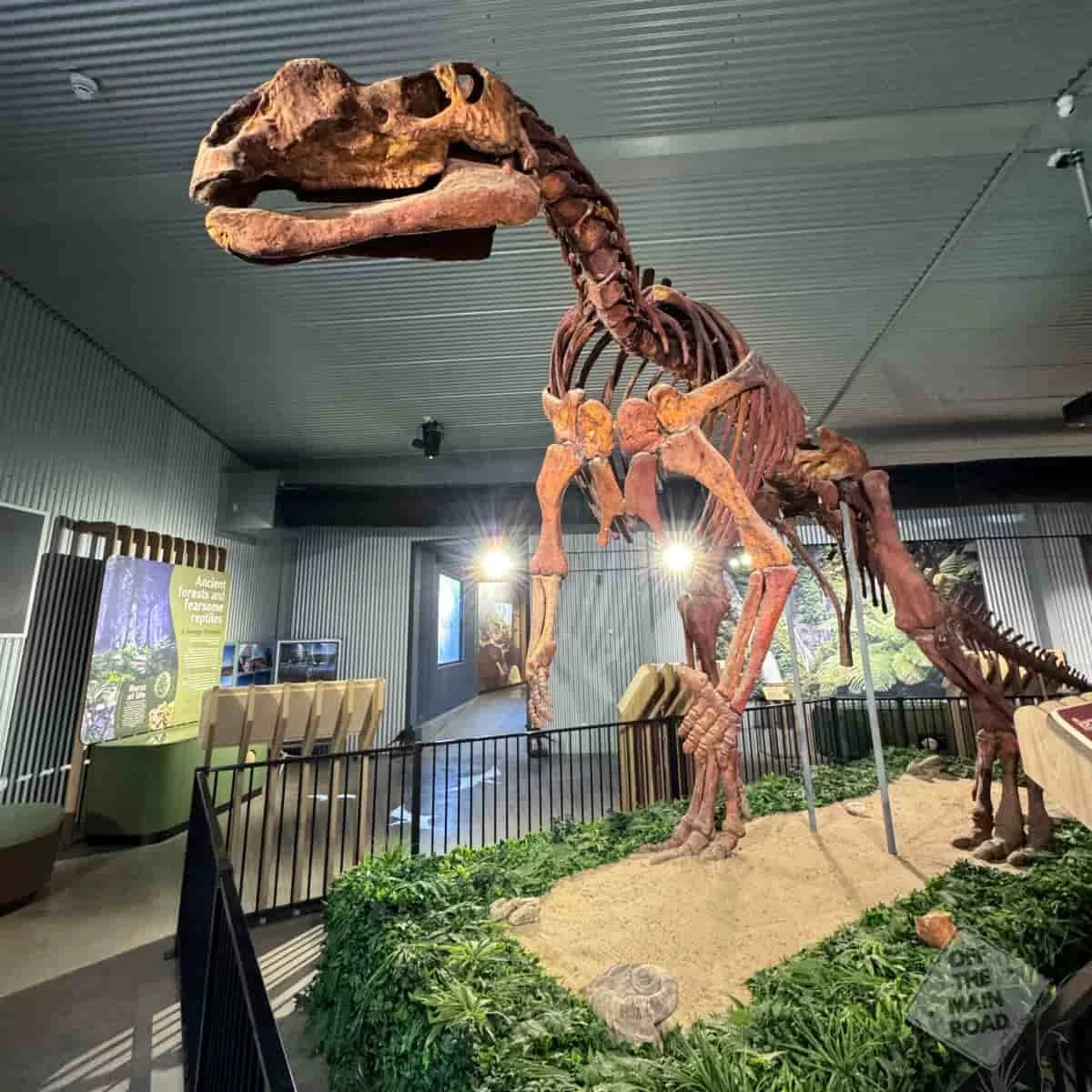
The heat sent Zoe (and us) east, and Hughenden was the perfect stop: a free RV camp, Hughie the Muttaburrasaurus, town street art, and a coolibah tree blazed by explorers hunting Burke and Wills.
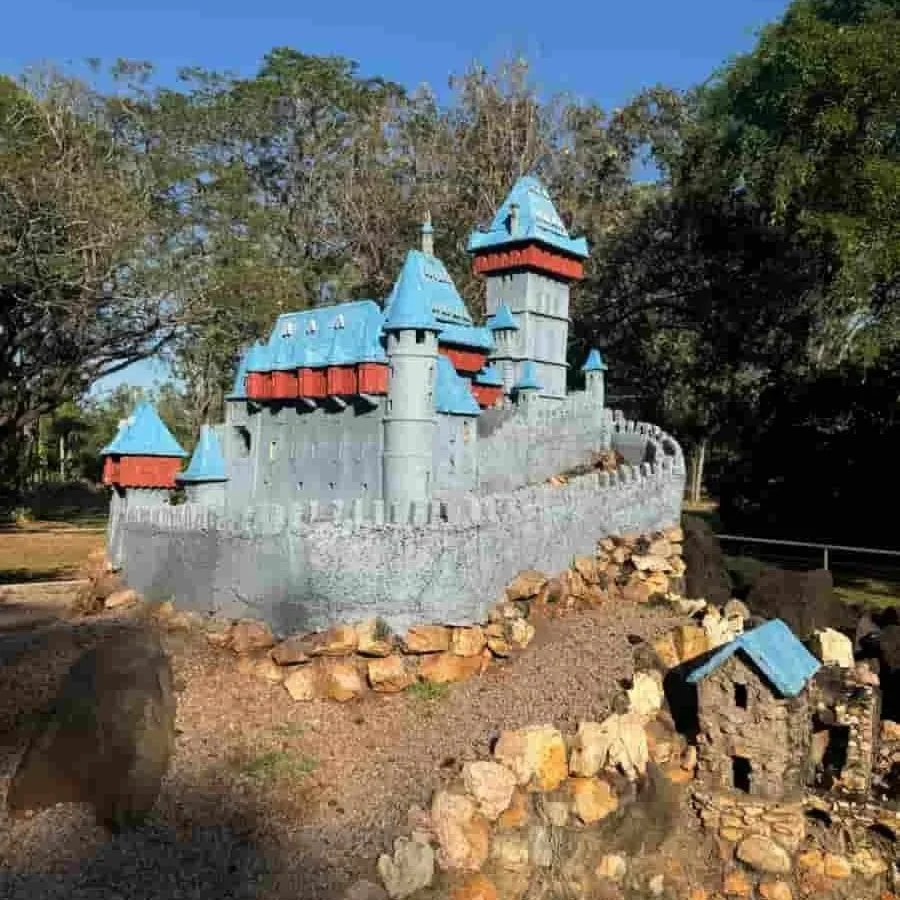
Most people drive through Batchelor on the way to Litchfield. Stop, and you find a miniature Czech castle built by a homesick miner, a Cold War uranium mine, and a wartime airfield with a famous visitor.
Between Mount Isa and Cloncurry sit the empty streets of Mary Kathleen, a uranium mining town built in the 1950s, sold off entirely at auction in 1983, and now a ghostly grid of slabs and silence. Perfect for camping!
A chain of World War Two airstrips lines the Stuart Highway on the run to Darwin. We stopped at Strauss and Gorrie, once the country's biggest airbase, and drove past the rest, each named for a lost pilot.
Our airboat trip with Northern Territory Airboats gave us a fast look at the Bynoe wetlands. Crocodiles on the banks, birdlife across the floodplains and a guide who knew the country well. A relaxed Top End wildlife experience.
We drove to Fogg Dam near Darwin expecting a few ducks and found hundreds of birds, three crocodiles, and two tourists we probably saved from becoming breakfast on the closed, croc-lined dam wall.
We broke the curse the only way we could, by cheating and flying. A doorless chopper, sandstone towers older than almost anything on earth, and a walk through a Lost City with no one else in sight.
Every expedition needs a curse, and ours began the moment we left Mount Isa chasing the Lost Cities. Plagues of bugs, biblical rain, a brutal road, and a mysterious rash.
Three days out to Boulia via Poddy Creek and the Middleton Hotel, the Min Min Encounter, outback sunsets and no actual Min Min sightings. Then north to a spectacular free camp at Dajarra Dam on the way to Mount Isa.
After three visits, here's what we'd actually send a friend to do in Longreach! Qantas history, outback rail and river tours, and a stockman's show. Not everything, just our favourites.
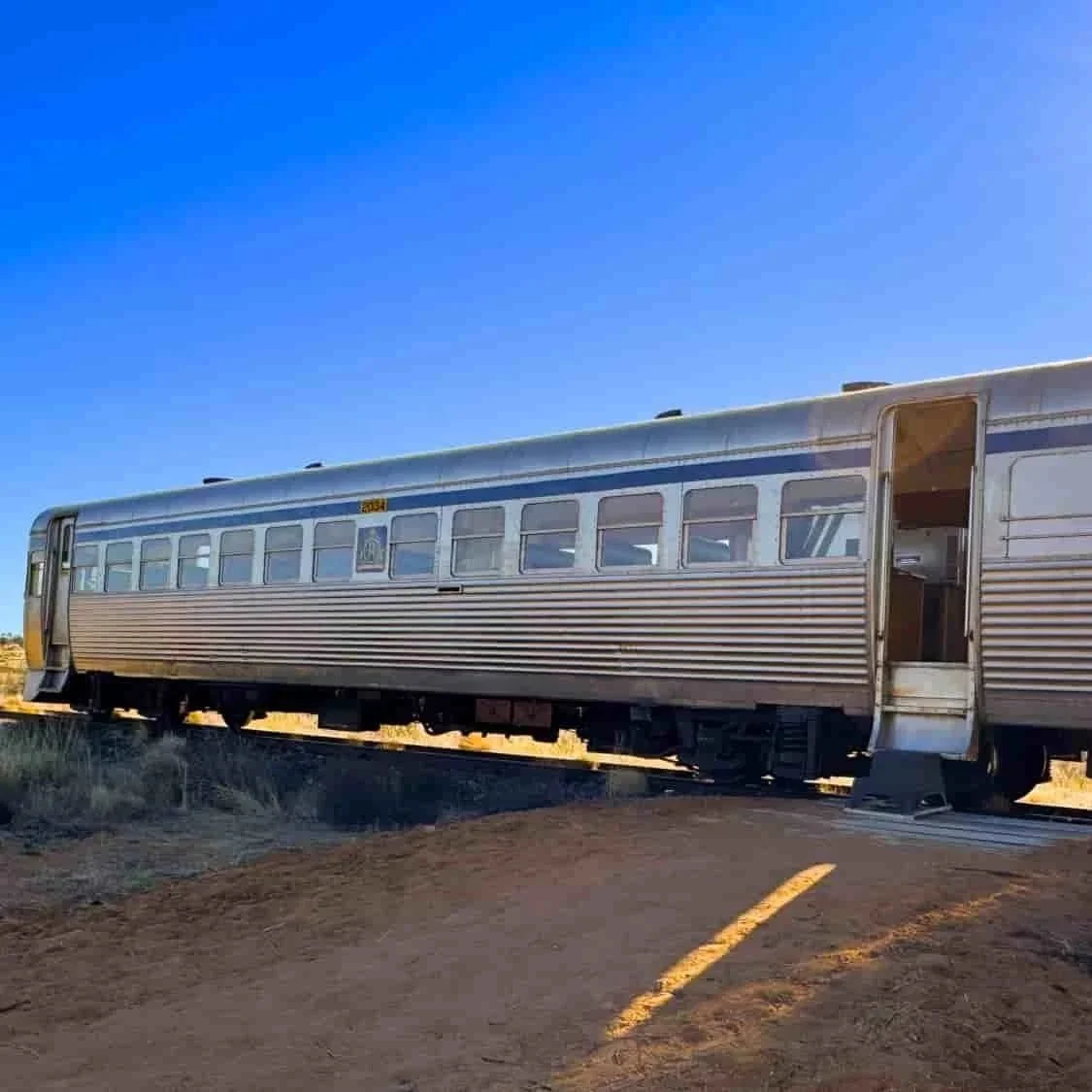
Back in Longreach for our third visit. Outback rail adventures, a sunset cruise on the Thomson River, the Longreach Races, new Akubras, and the friendliest welcome yet.
The Matilda Way is a 1,900-kilometre touring route from Bourke in New South Wales to Karumba on the Gulf of Carpentaria, passing through the heart of outback Queensland via Charleville, Longreach and Winton.
Blackall’s Historical Woolscour is the only surviving steam-powered woolscour in Australia, operating since 1908. Add Jackie Howe’s unbroken shearing record and a free camp on the Barcoo River, and you have one of outback Queensland’s best stops.
Tambo delivers more than it advertises — Tambo Teddies and a station side quest, chicken races that got out of hand, and the site of Qantas’s first fatal crash in 1927. A small town with a lot going on.
Cameron is a travel writer, photographer, and freelance copywriter with more than fifteen years of experience crafting stories that connect people and place. Travelling full-time on the road in a motorhome with his partner, he documents Australia’s quieter corners through Off the Main Road, a travel journal devoted to the towns, landscapes, and characters often overlooked by the tourist trail.
His writing blends observation with lived experience, drawing on a professional background in brand storytelling. With a photographer’s instinct and a writer’s eye for detail, Cameron captures moments that reveal the character of regional Australia, from weathered towns and open landscapes to the honest texture of life on the road.


A solo flight to Lady Elliot Island brought a famously short grass runway, an hour in the lagoon, guano mining history, a 150-year-old lighthouse, a communal buffet, and an afternoon among turtles, manta rays and coral gardens.