

Traveller's Notes: How are Lava Tubes Formed?

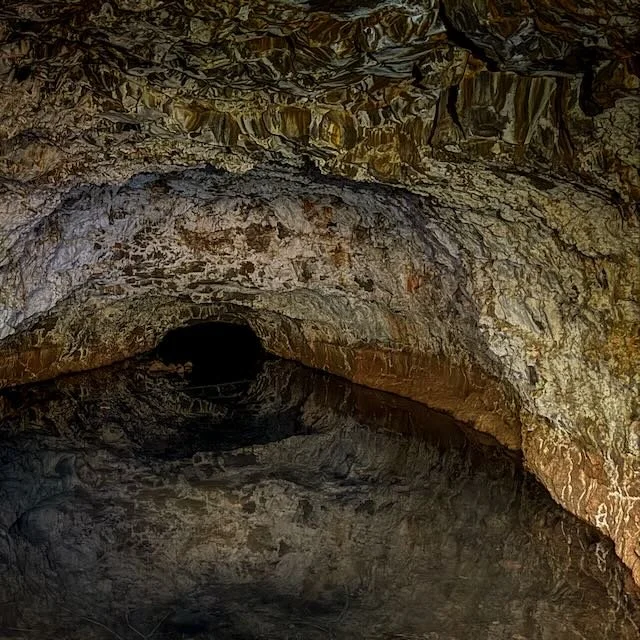
Lava tubes form during volcanic eruptions when the surface of a flowing lava stream cools and hardens, while molten lava continues to flow beneath it. As the eruption slows or stops, the remaining lava drains away, leaving behind long, hollow tunnels beneath the solid crust.
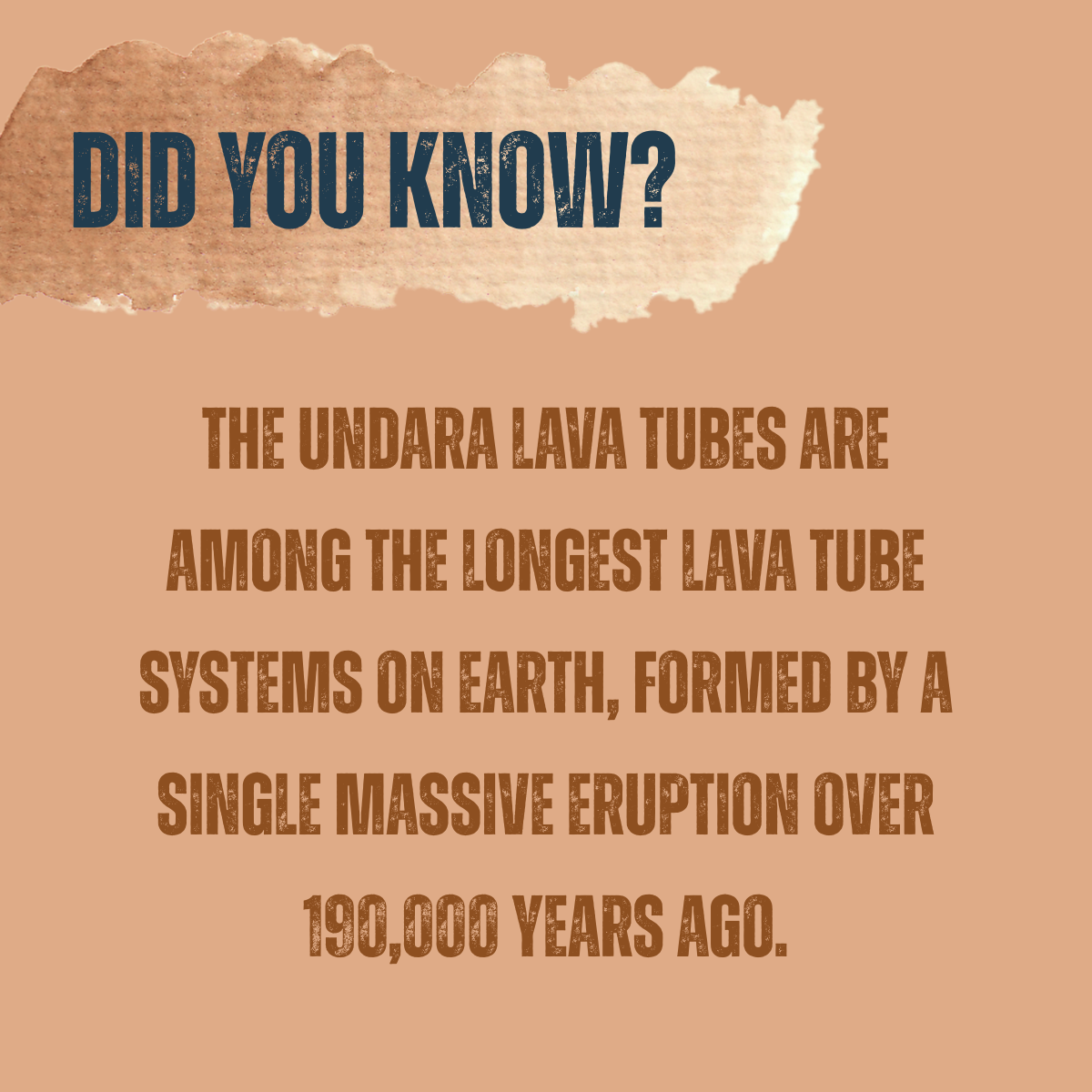
Over time, these tunnels cool completely and become lava tubes. Their size and shape depend on the speed, volume, and temperature of the original lava flow. Some remain small and narrow, while others, like those at Undara, grow large enough to walk through.
Lava tubes are relatively rare and well preserved only in places where erosion is minimal, which is why northern Queensland’s dry conditions have allowed the Undara system to survive largely intact.
If you’d like the whole story, you can read our main post on the Undarra Lava Tubes for more photos and tips.


Other updates you may like…











Travel Safe, Zoe 🐾
13 Nov 2010 - 1 Oct 2026