Bourke: Where the Darling Tells the Story
We didn’t plan to spend five days in Nyngan.
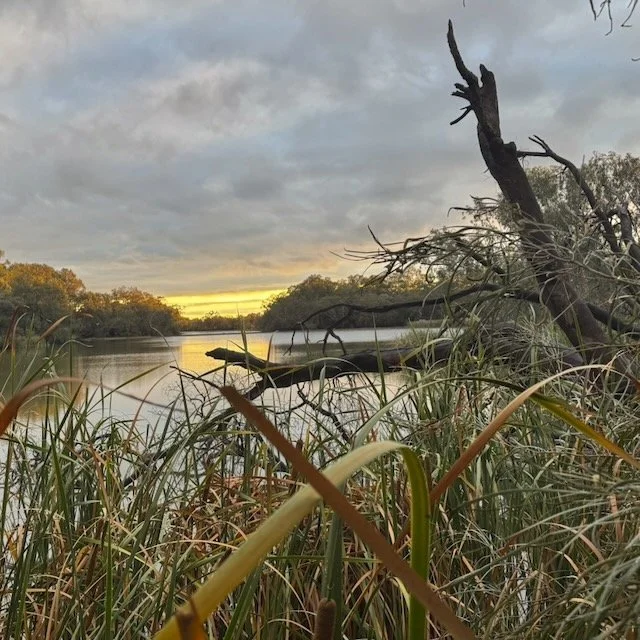
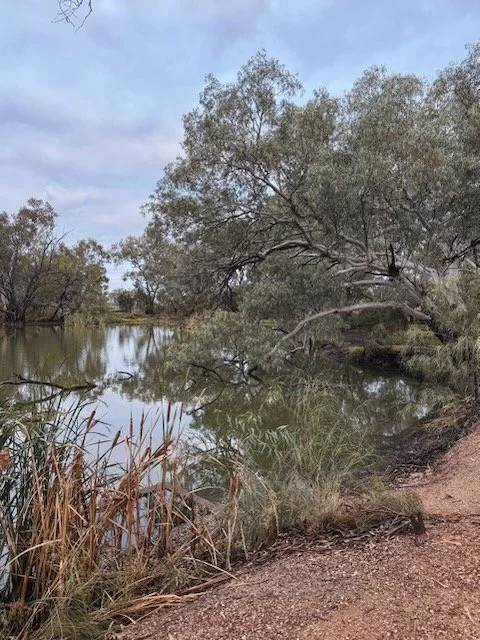
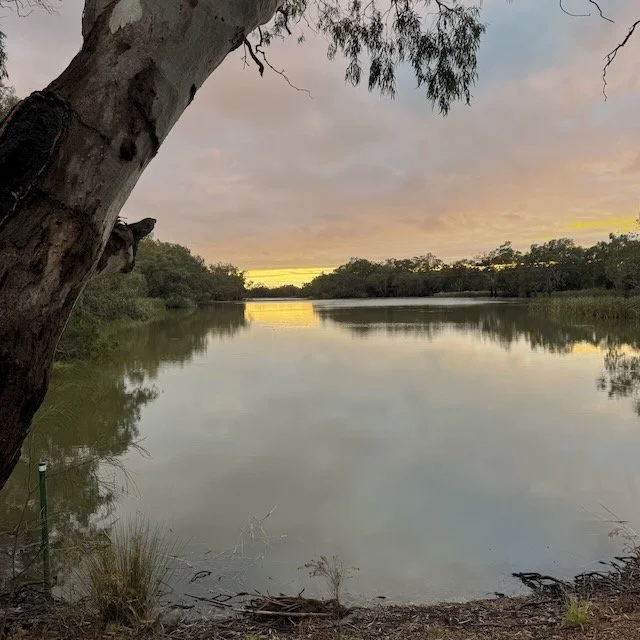
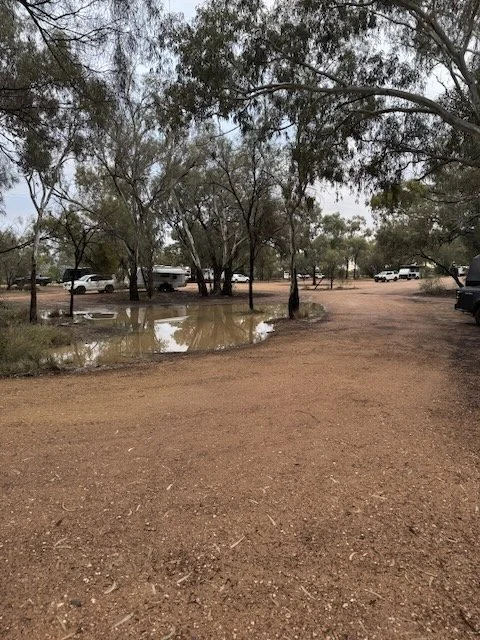
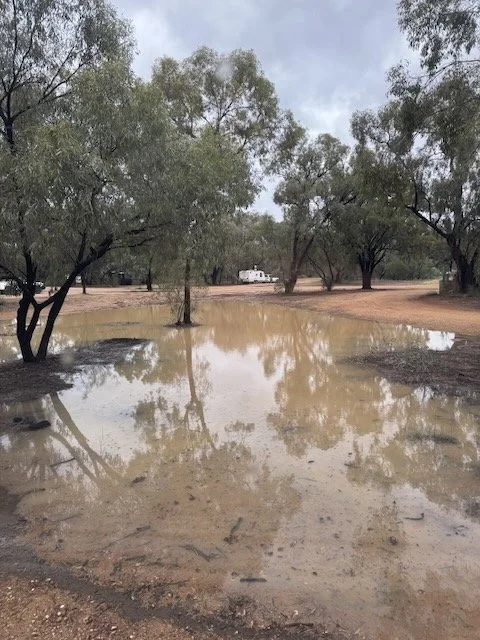
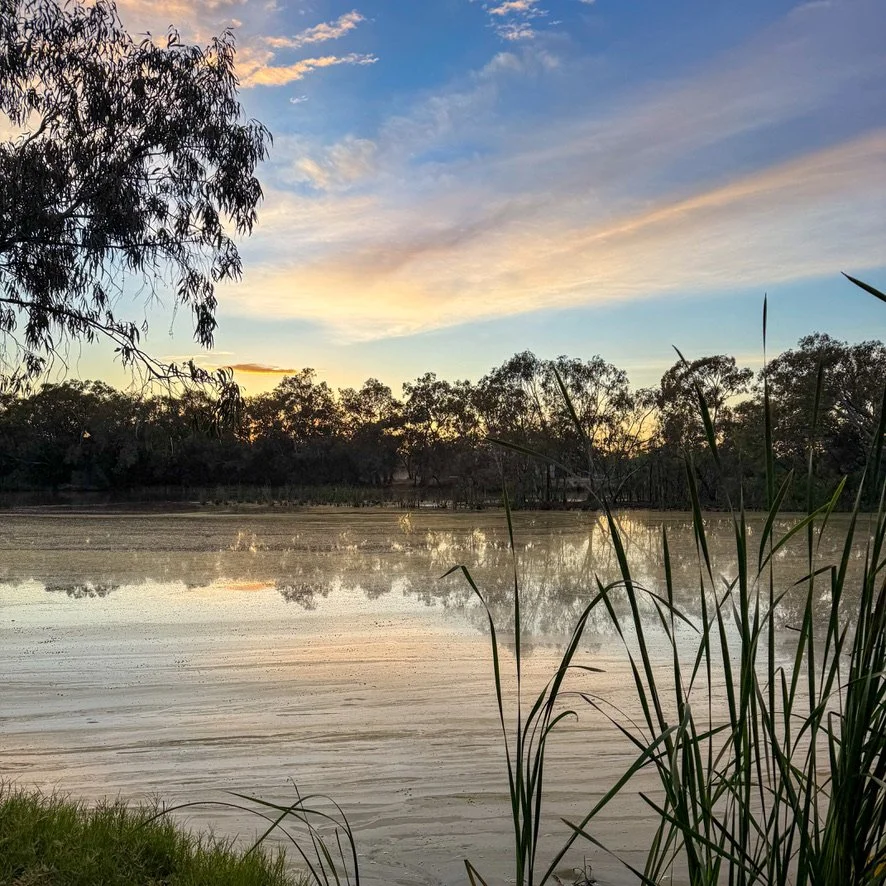
Lucky Nyngan Weir free camp on the Bogan River is one of our favourite stops in the country! Big trees, shade, water alongside, birdlife in the mornings and a quiet that settles in fast. We’d planned for a night or two before pushing north to Bourke. Then the rain came. Fifty millimetres in a day, which in central NSW is not a gentle shower. It’s rain that turns paddocks into lakes and the free camp into a mud pit for the overconfident.
We watched a few of those travellers from the comfort of our warm, dry moho. There’s a particular blind optimism in the decision to drive a large van through a large body of mud, and a particular expression that follows when it doesn’t work out. (We didn’t need to be able to lipread to work out what was being said!)
We felt for them (a little). We were also very glad we had moved to higher ground at the campsite before the rain.
So we stayed. Life admin got done, trashy television got watched, and the Bogan River rose a little, then settled. By day five, the roads north had dried enough, and we pointed the motorhome toward Bourke.
Bourke sits on the Darling River about 800 kilometres north-west of Sydney, and the river is the whole story here. Not just a backdrop, the actual reason this town exists, and the reason it once mattered enormously to the rest of the country.
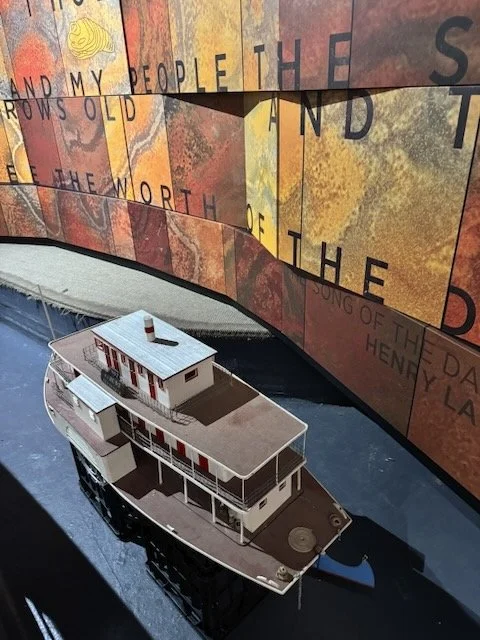
In the second half of the 19th century, the Port of Bourke was the centre of the world’s wool industry. Up to 80 riverboats worked the Darling at its peak, carrying bales of wool from stations across western NSW and south-western Queensland down the river to the Murray, then on to Adelaide and Melbourne, and from there by ship to England. At its height, 40,000 bales of wool a year were moving through Bourke’s port. The river was a highway, and Bourke was its busiest junction.
The railway reached Bourke in 1885 and began drawing trade away from the river. The Darling's flow itself was never reliable enough to compete. The last commercial paddlesteamer made its final journey in 1931, and the river highway slowly closed.
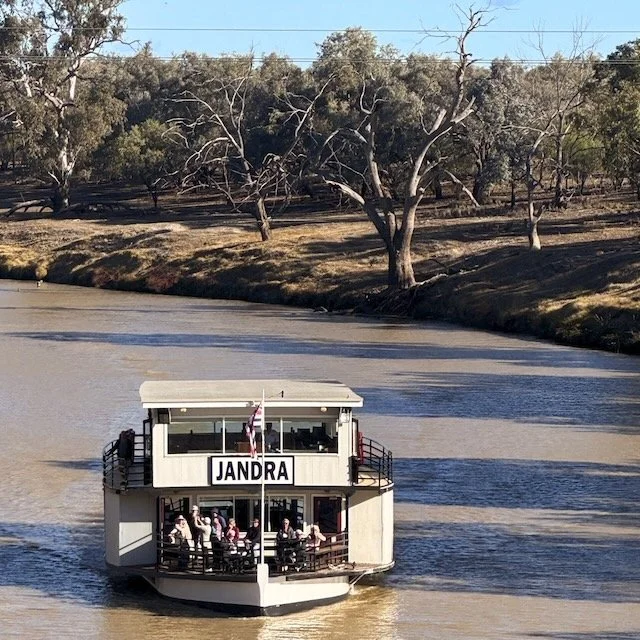
You can still get out on the Darling aboard the PV Jandra, a modern diesel paddle vessel built as a replica of a 1894 steam paddle boat. We were there when the river was running high after all the rain upstream, and the cruise gave us a proper sense of the scale of what this waterway once carried. The three-tiered wharf on Sturt Street is a replica of the original 1897 structure, and standing at its edge, with the brown river moving past, it's not hard to picture what it looked like, with boats stacked three deep and wool bales piled to the railing.
We stayed two nights at the Mitchell Caravan Park to properly spend some time around town.
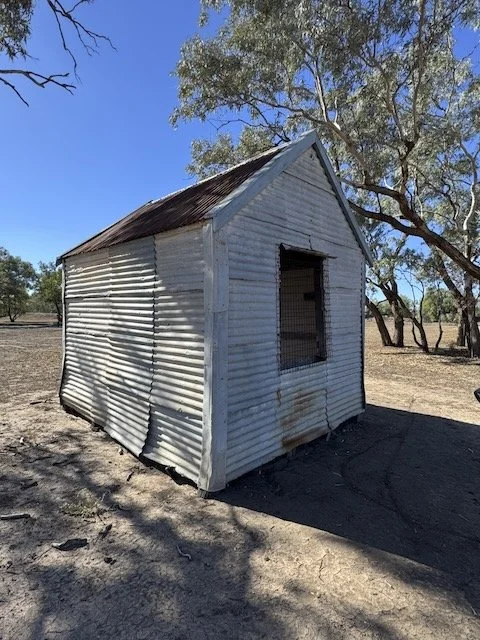
The Bourke Historic Cemetery sits about a kilometre from town and holds more Australian history per square metre than almost anywhere we’ve been. The graves of bushrangers and drovers, riverboatmen and pioneering children, sit beside the Afghan section of the cemetery, where a small corrugated-iron mosque that has stood since the 1880s is housed. It was built in Hope Street by the community of Afghan cameleers who worked the camel transport routes radiating out of Bourke, carrying wool from distant stations to the river. In 1998, it was relocated to the cemetery for safekeeping, still oriented toward Mecca, still sitting close to the graves of those who used it. It’s one of the oldest surviving places of Muslim worship in the country, and it’s easy to walk past without knowing what you’re looking at.
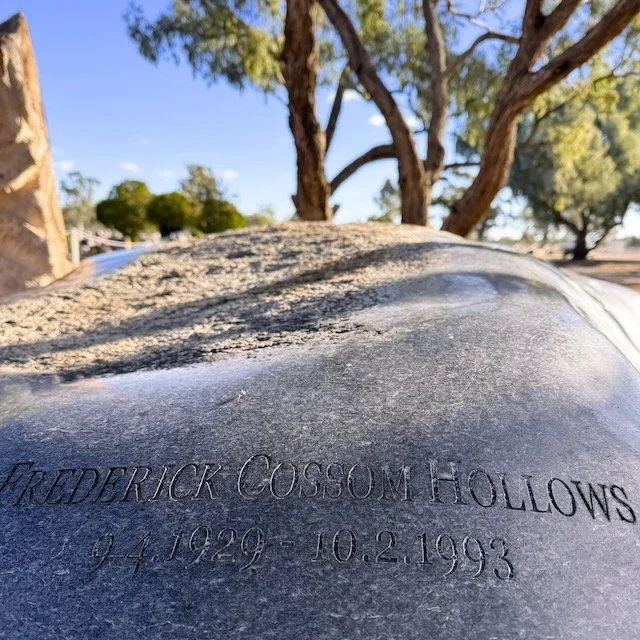
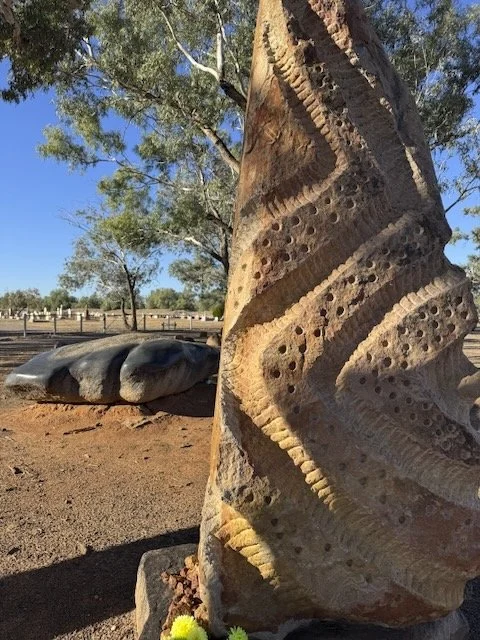
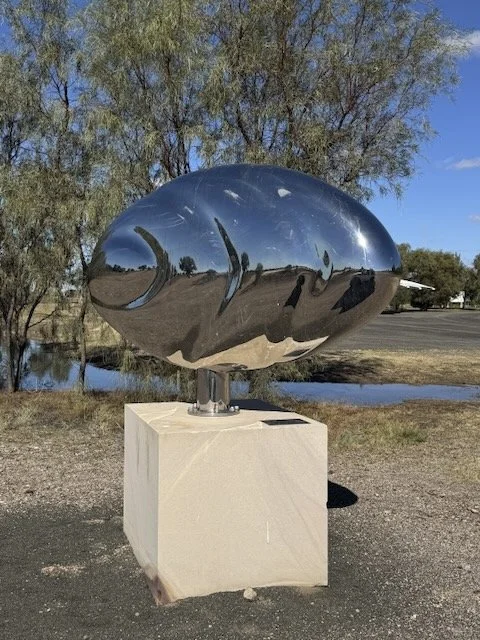
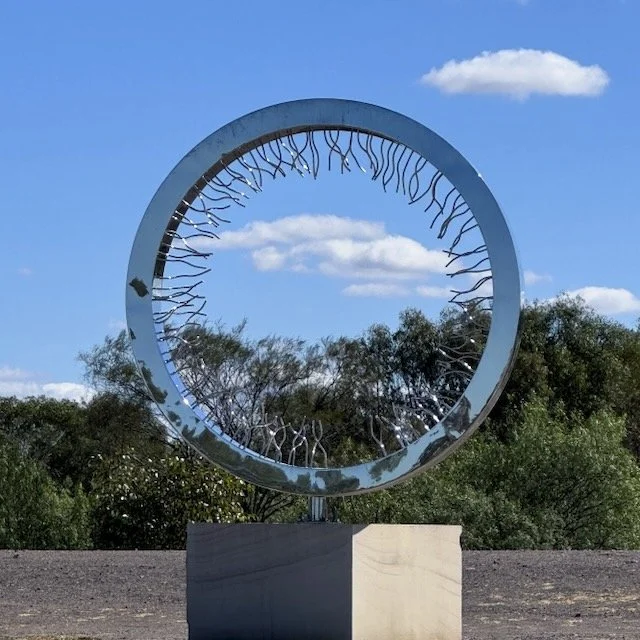
Fred Hollows is buried here, too. The ophthalmologist and social justice campaigner began his work restoring vision among Aboriginal communities in the Bourke area in the 1970s before taking that work around the world. He died in February 1993 and, in keeping with his own wishes, was laid to rest in the Bourke cemetery under a coolabah tree. His grave is marked by a large polished black granite stone, convex and curved so that the light reflects back at you from every angle. It was designed by Austrian sculptor Andreas Buisman and replaced the original headstone in 2006. Fred was buried with his glasses, his pipe, a bottle of whisky, and letters from his children. The Fred Hollows Foundation continues his work today.
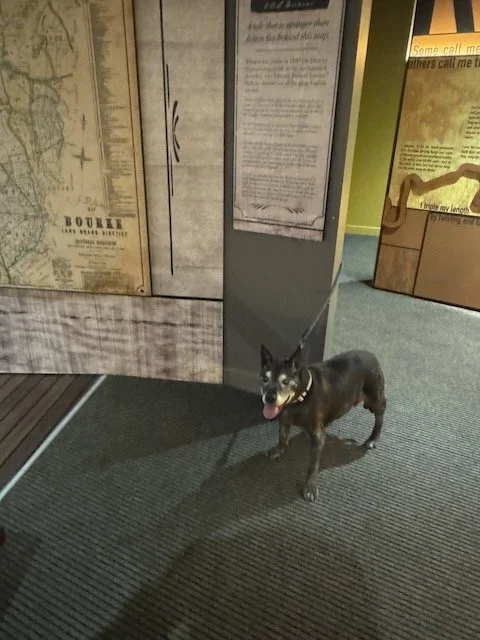
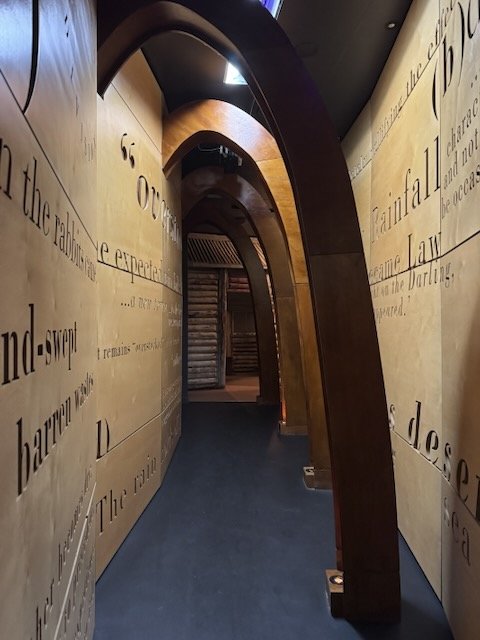
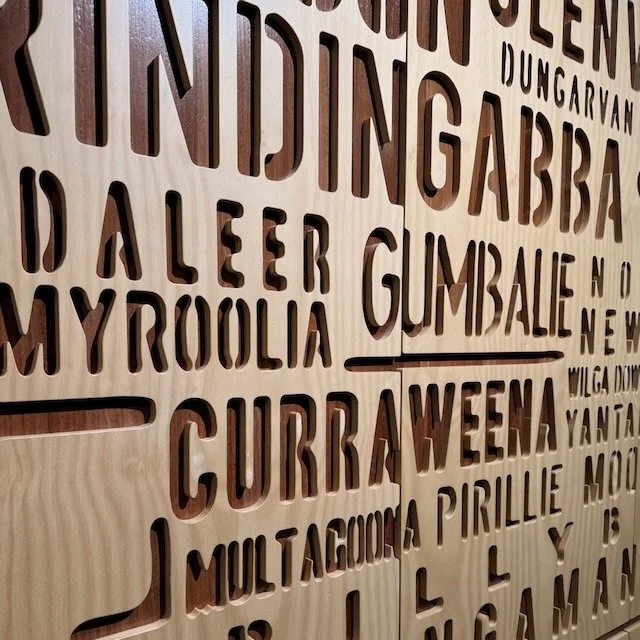
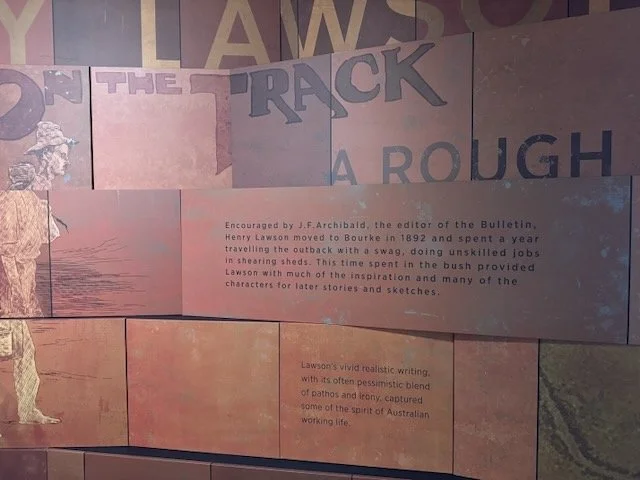
The Back O’Bourke Exhibition Centre is Bourke’s main museum, and it's thorough, genuinely comprehensive, well-presented, and packed with the kind of detail that rewards slow visitors. It’s worth saying, honestly, that there's a lot of reading involved, which may not suit everyone, particularly families with younger kids. But for anyone with an interest in outback history, the Darling River era, and the people who shaped this part of the country, it’s worth every minute.
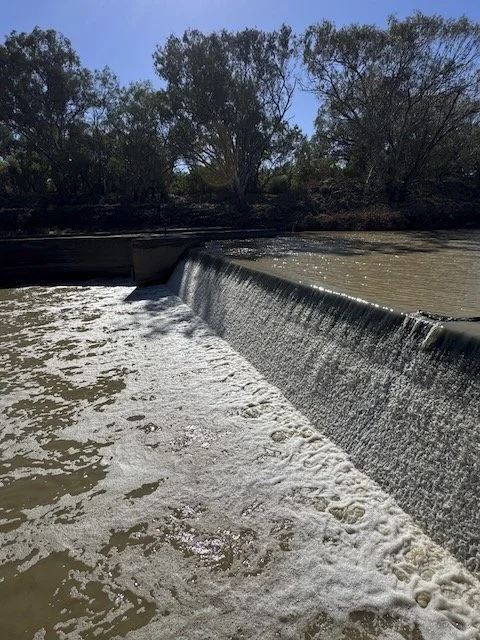
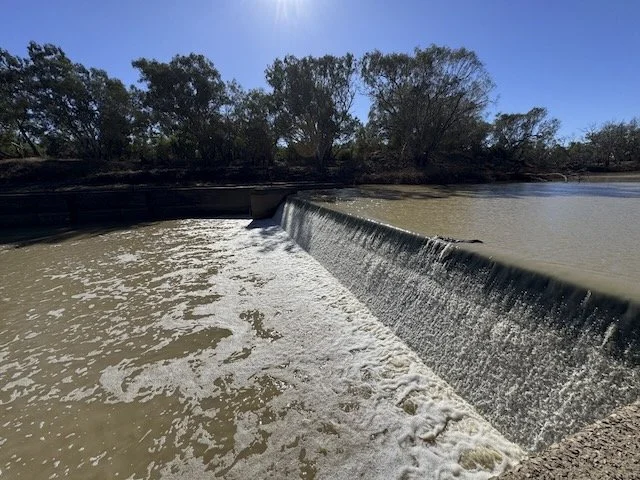
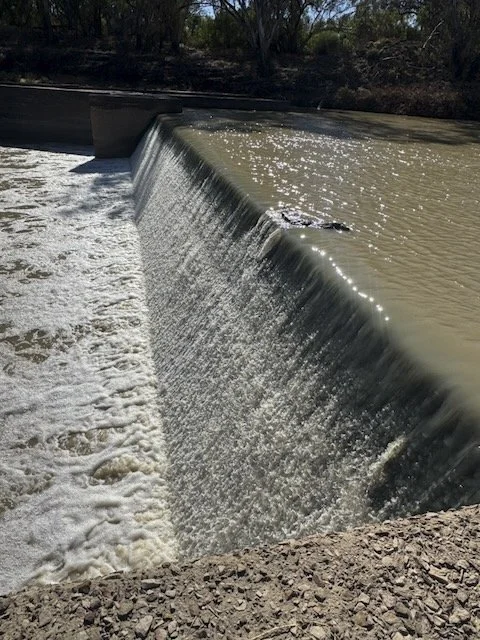
We drove out to the weir and lock on the Darling while we were there. It was the very first lock and weir built on the river, and the water was high and moving well after all the rain upstream. Standing at the lock and looking out at the width of the Darling, it’s easier to understand why this river was once taken seriously as a highway.
If slow travel and proper outback history are your thing, the Travel Dispatch has more of it. Sign up HERE.
Bourke is part of our growing collection of small towns in Australia worth slowing down for.
Bourke, New South Wales
Bourke sits on the Darling River in outback NSW, approximately 800 kilometres north-west of Sydney via the Mitchell and Kamilaroi Highways. It was one of Australia's most important inland ports during the paddlesteamer era of the late 19th century, and the Darling River remains central to the town’s identity and its tourism offer. The town is the northern start of the Darling River Run, a 750-kilometre touring route south to Wentworth, and is considered the gateway to outback NSW.
How to Get There
From Sydney, Bourke is approximately 800 kilometres via the Great Western Highway to Dubbo, then north on the Mitchell Highway. The road is sealed throughout and suitable for caravans and motorhomes. From Nyngan, it's around 200 kilometres north on the Mitchell Highway.
What to See / Tours / Activities
What we did:
Stayed five nights at Nyngan Weir free camp on the Bogan River (waiting out the rain).
Viewed the Darling River and the PV Jandra paddle vessel.
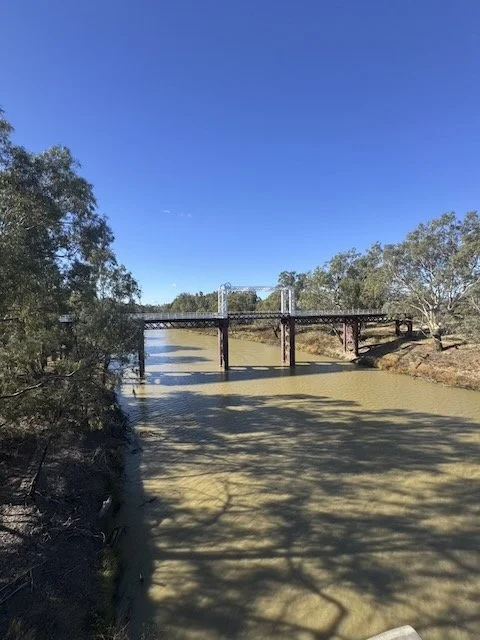
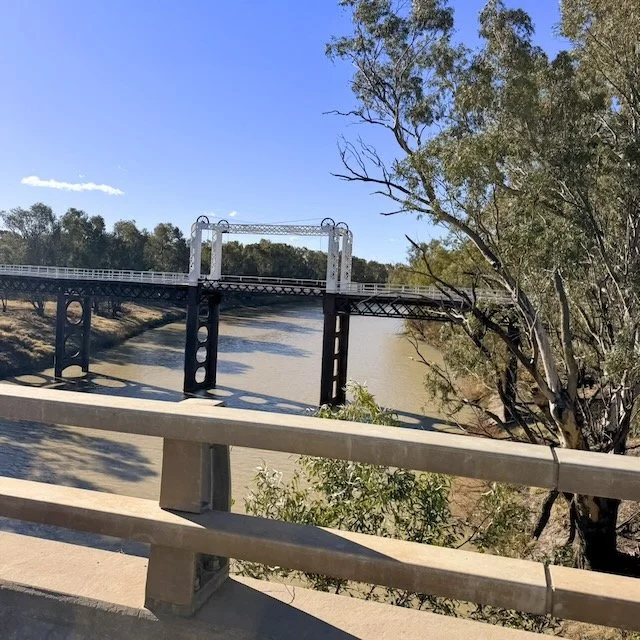
Visited the North Bourke suspension bridge, the oldest surviving suspension bridge in NSW.
Visited the Bourke Historic Cemetery, including the Afghan mosque and Fred Hollows' grave.
Explored the Back O'Bourke Exhibition Centre.
Drove out to the Darling River weir and lock, the first built on the river.
Other highlights nearby:
Back O'Bourke Exhibition Centre mud map walking tour of heritage buildings.
Mount Oxley, 65 kilometres north of Bourke, a significant landmark for early explorers.
The Darling River Run south toward Wilcannia and Wentworth.
Brewarrina, about 100 kilometres east, home to the ancient Brewarrina fish traps.
When to Visit
Autumn through spring offers the most comfortable temperatures. Summer in Bourke is extreme; it regularly tops 45 degrees and has recorded some of the highest temperatures in Australia. The Darling River runs best after good rainfall in the catchment; in dry years, the river can drop significantly, and the Jandra may not operate. Check conditions before travelling.
Final Thoughts
Bourke is a town that makes more sense the longer you stay. This river town has a story to tell; the wool, boats, cameleers, missionaries, and drovers, all came through, and the cemetery holds what’s left of the record. Well worth a stop for a few days
What’s Nearby
Nyngan is about 200 kilometres south on the Mitchell Highway and we've written about it here. Brewarrina is 100 kilometres east and worth a dedicated stop. The Darling River Run heads south from Bourke toward Wilcannia and Wentworth, and we’ll be linking those posts as they go live.
There’s always more road ahead. The Travel Dispatch keeps you in the loop — sign up HERE
Fast Facts
Location: Bourke, New South Wales
Distance: 800km north-west of Sydney; 200km north of Nyngan
Traditional Owners: Ngemba and Muruwari Peoples
Access: Sealed roads throughout; Mitchell Highway from Sydney via Dubbo
Facilities: Full town facilities; Mitchell Caravan Park; dump point; visitor centre
Walking Track: Heritage Trail walking map available from visitor centre
Best Time to Visit: Autumn to spring
Dog Friendly: Yes (cemetery, river areas, caravan park — check individual sites)
Things That Could Kill You (Probably Won’t)
A semi-serious guide to surviving Australia. Mostly common sense, occasionally luck.
The summer heat: Bourke holds some of Australia’s hottest temperature records. This is not a joke.
Muddy roads after rain: Fifty millimetres in a day turns a lot of NSW into a problem. Wait it out.
The cemetery: Allow more time than you think. You’ll keep finding things.
If this post helped, you can support our work here.
Other updates you may like…





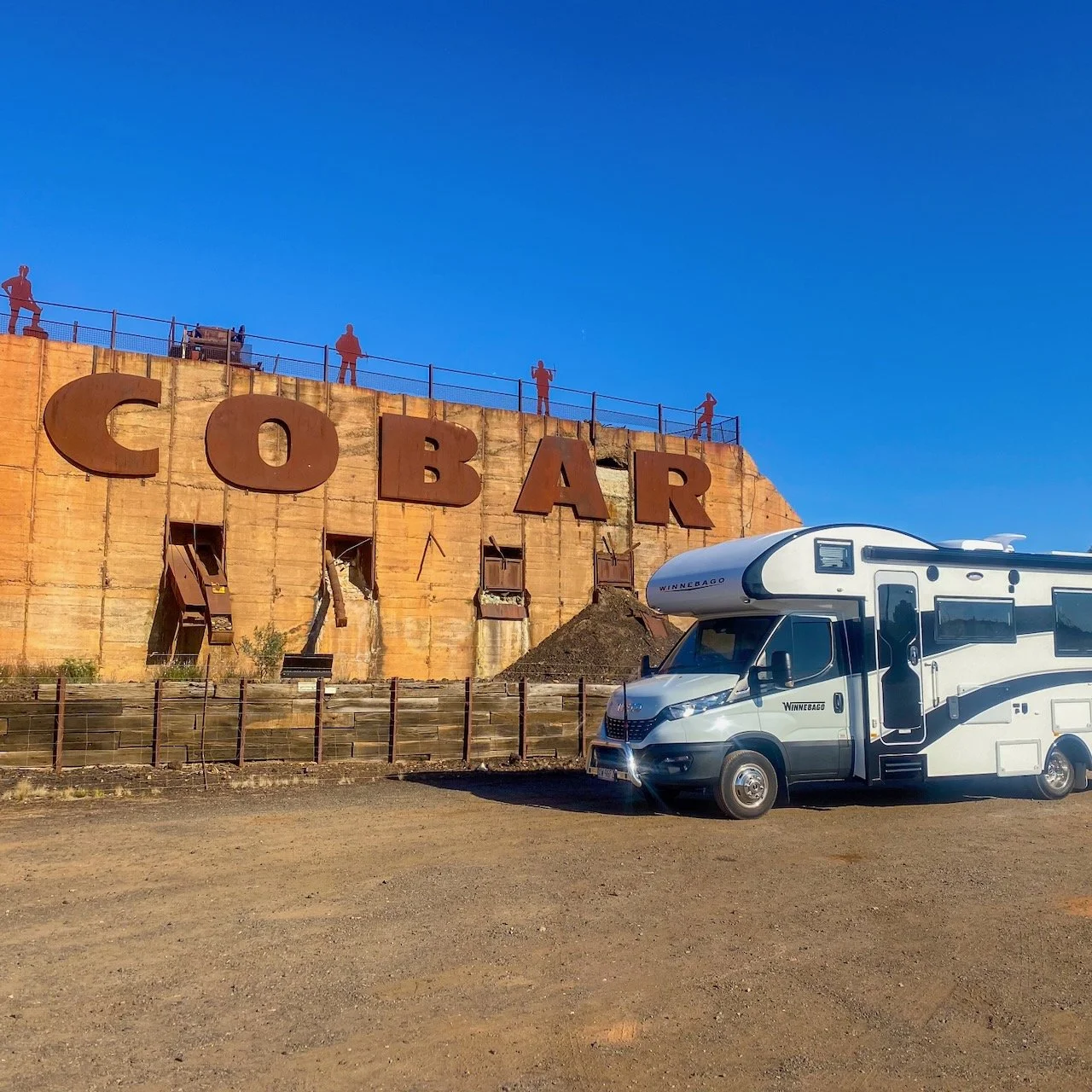




The Kidman Way is a 644-kilometre sealed touring route through inland NSW, from Jerilderie in the south to Barringun on the Queensland border. Named after the 'Cattle King', it passes through Griffith, Cobar and Bourke.