
Parkes: Standing Under The Dish
Exploring the Parkes Radio Telescope: A Must-See Landmark
On our travels through New South Wales, we couldn’t resist making a stop at the Parkes Radio Telescope. As huge fans of space and science, this iconic landmark was a definite must-see, and it did not disappoint.
The Parkes Observatory, also known as “The Dish,” is located just outside the town of Parkes, and its towering structure is hard to miss. This massive radio telescope is one of the most important in the world, playing a key role in deep space research and communication with spacecraft.
We were lucky enough to join a 3D video presentation, where we learned about its fascinating history and how it was instrumental in relaying the famous footage of the Apollo 11 Moon landing in 1969. The telescope’s role in that momentous event is still one of its proudest achievements. The presentation shared some incredible insights about the science behind the telescope, how it works, and its current projects. It was so interesting to see how a piece of technology this big and important still contributes to space exploration today.
What we really loved about the Parkes Radio Telescope is that it’s more than just a scientific landmark—it’s also a great place to enjoy the views and the surrounding countryside. We spent time walking around the observatory’s grounds, taking in the sheer size of the dish and the surrounding landscape. The whole experience felt incredibly humbling.
If you’re ever in the area, a visit to Parkes and its radio telescope is well worth it. Whether you're into science, space, or just enjoy seeing something truly unique, it’s an experience you won’t forget.
We share stops like this quietly through our Travel Dispatch. If that sounds like your pace, you can join us here
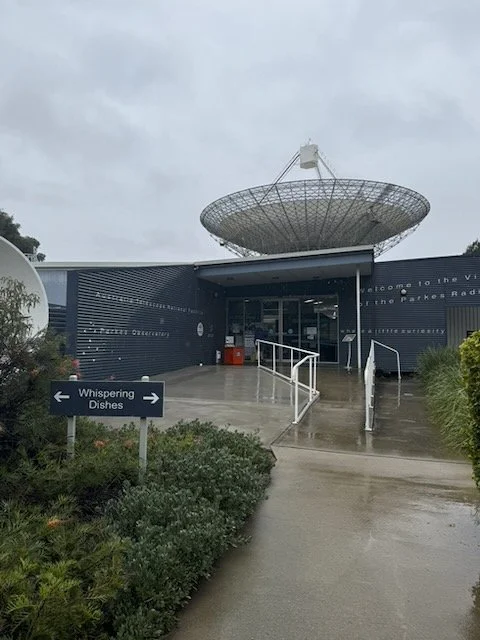
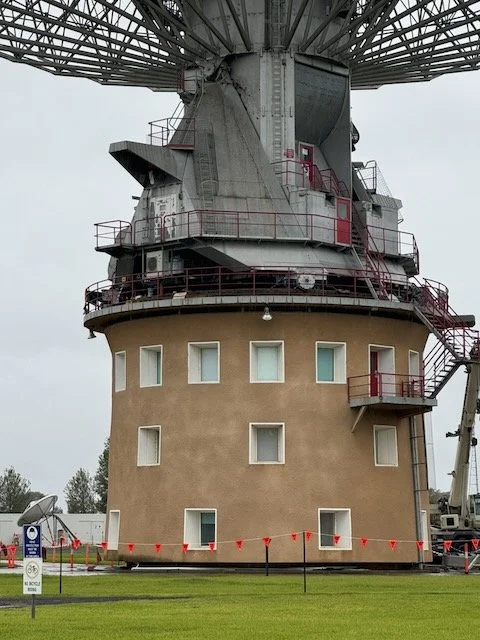
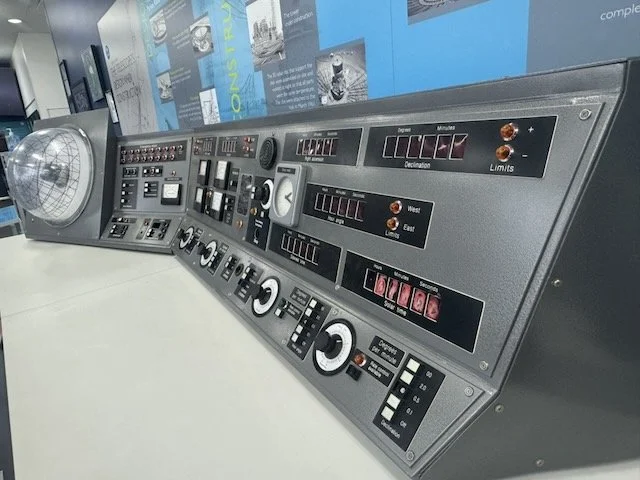
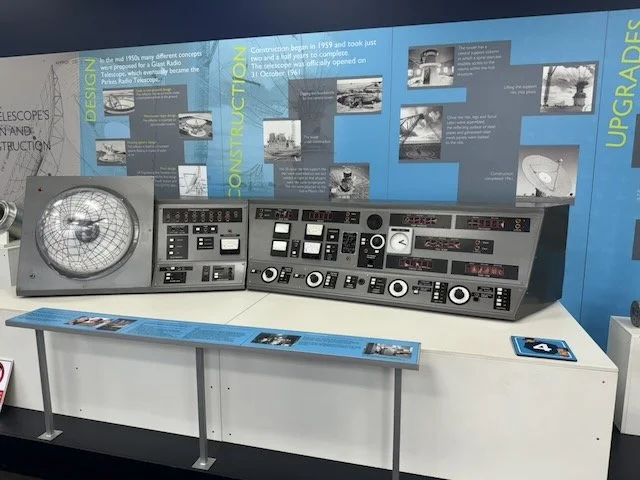
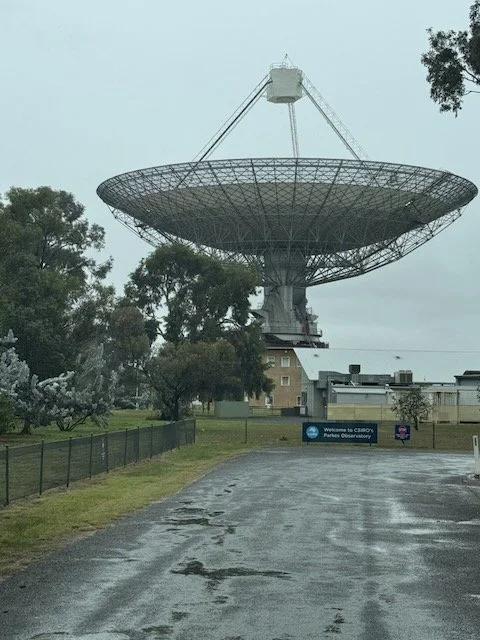
Parkes Radio Telescope
The Parkes Radio Telescope, often referred to as “The Dish,” is one of the world’s most significant radio astronomy instruments. Operated by CSIRO, it has been in continuous use since 1961 and remains active in space research and communication.
Located in a rural setting outside Parkes, the telescope’s position reduces radio interference, making it ideal for deep space observation.
How to Get There
The Parkes Observatory is located around 20 kilometres north of the town of Parkes in central New South Wales. Access is via sealed roads, with clear signage from town. The site is suitable for cars, motorhomes, and caravans.
What to See / Tours / Activities
What we did:
Explored the visitor centre exhibits.
Watched the 3D presentation on the Apollo 11 Moon landing.
Walked the grounds and viewed the telescope from multiple angles.
Other highlights nearby:
Town walks and cafes in Parkes.
Local parks and regional museums.
Scenic drives through surrounding farmland.
When to Visit
The observatory is accessible year-round. Spring and autumn offer the most comfortable conditions for walking around the site, while summer can be very hot in the open landscape.
Final Thoughts
Standing beneath the Parkes Radio Telescope puts scale into perspective. Not just the size of the structure, but the quiet patience behind the work it does. It’s a simple stop that leaves a lasting impression.
What’s Nearby
Parkes sits within easy reach of other central NSW towns and makes a practical base for exploring the wider region. The town itself has good facilities and works well as an overnight stop.
Some stories are written in silence and radio waves. We share those through our Travel Dispatches.
Fast Facts
Location: Parkes, New South Wales
Distance: Approx. 365 km west of Sydney
Traditional Owners: Wiradjuri people
Access: Sealed roads
Facilities: Visitor centre, parking, toilets
Walking Track: Short, easy paths around the site
Best Time to Visit: Spring and autumn
Dog Friendly: No (site restrictions)
Things That Could Kill You (Probably Won’t)
A semi-serious guide to surviving Australia. Mostly common sense, occasionally luck.
Heat: The site is exposed with limited shade. Carry water and plan visits outside the hottest part of the day.
Distraction: It’s easy to focus upward. Watch where you’re walking on open ground.
Weather: Sudden storms can roll through. Check conditions before heading out.
Other updates you may like…
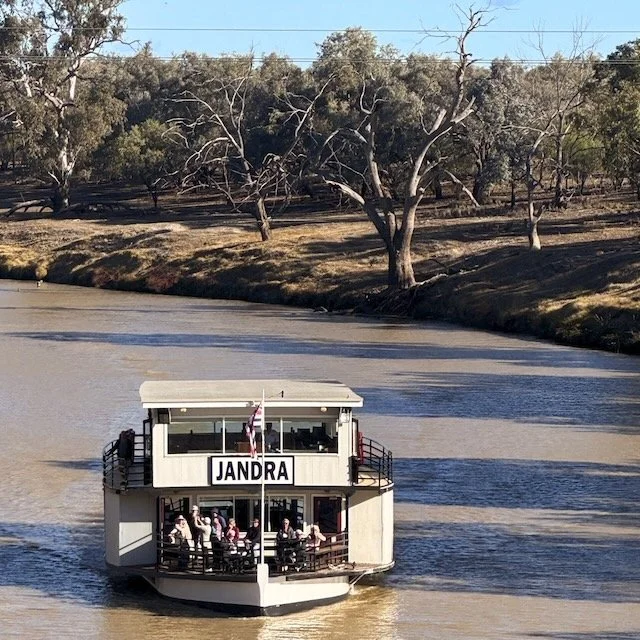





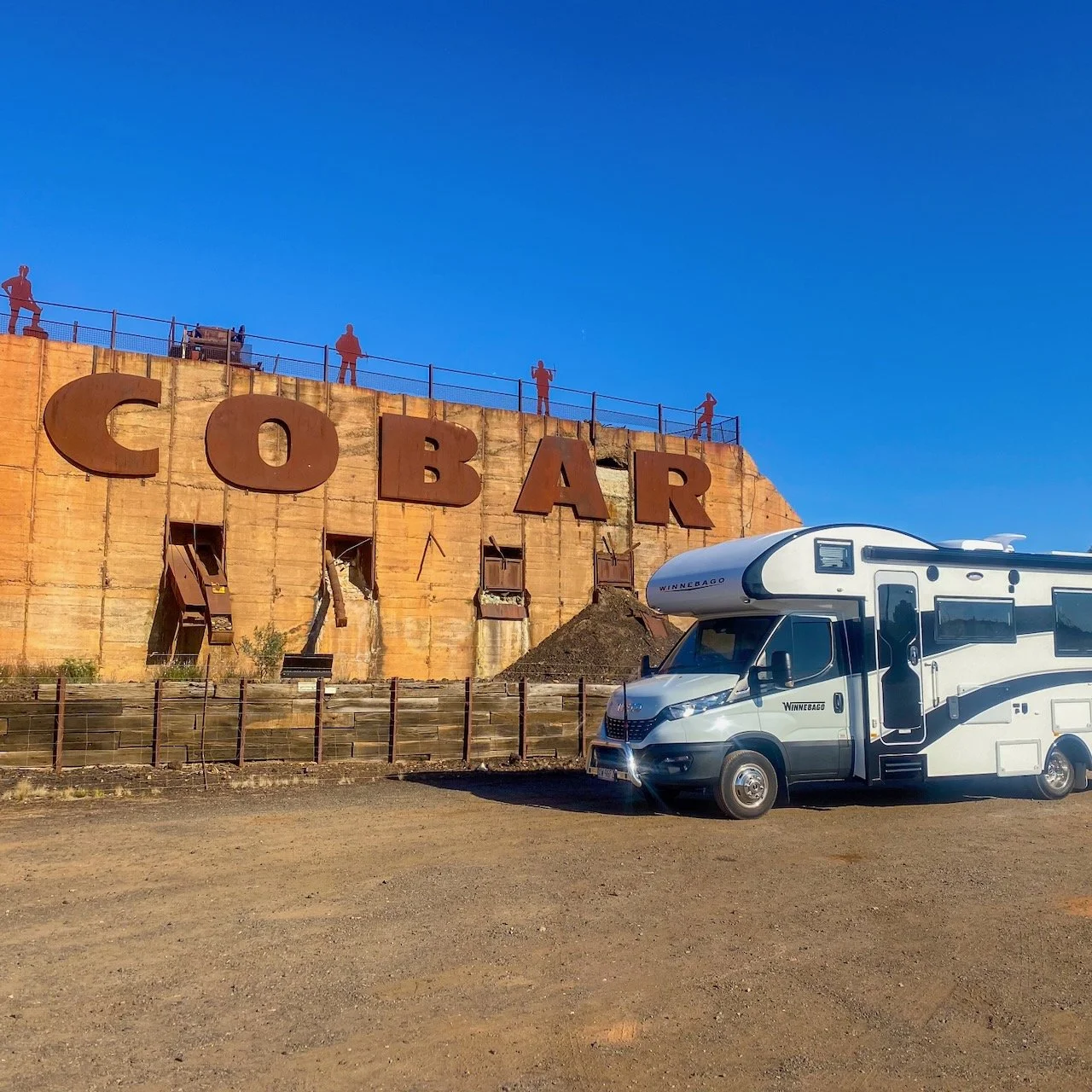






The Kidman Way is a 644-kilometre sealed touring route through inland NSW, from Jerilderie in the south to Barringun on the Queensland border. Named after the 'Cattle King', it passes through Griffith, Cobar and Bourke.