Stepping Back in Time at the Junee Roundhouse
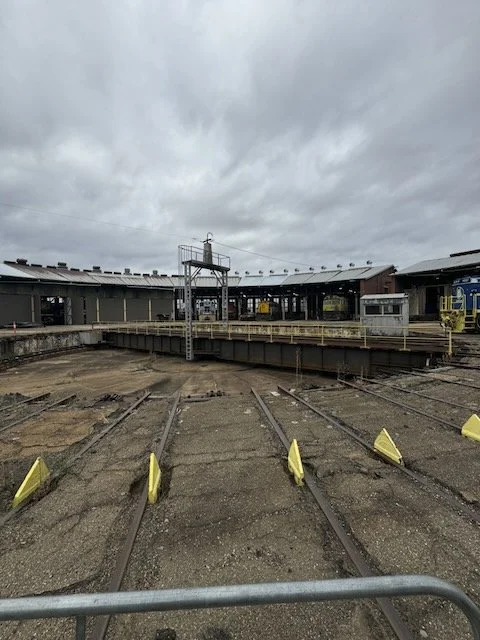
We’ve visited a lot of historic sites on our travels, but the Junee Roundhouse in New South Wales was a real standout. This incredible railway depot is one of the few remaining roundhouses in Australia, and stepping inside felt like stepping back in time.
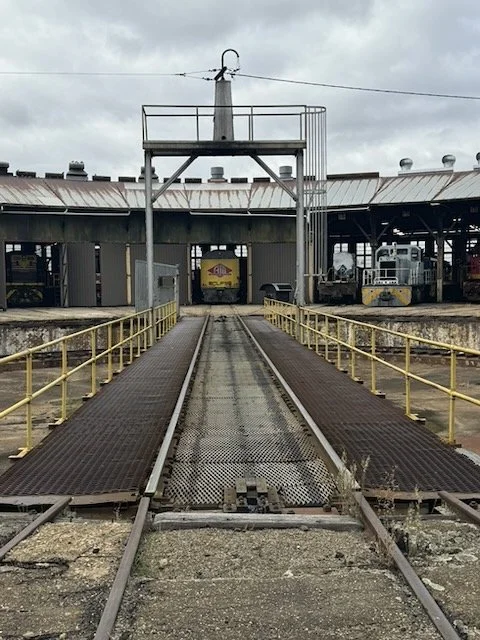
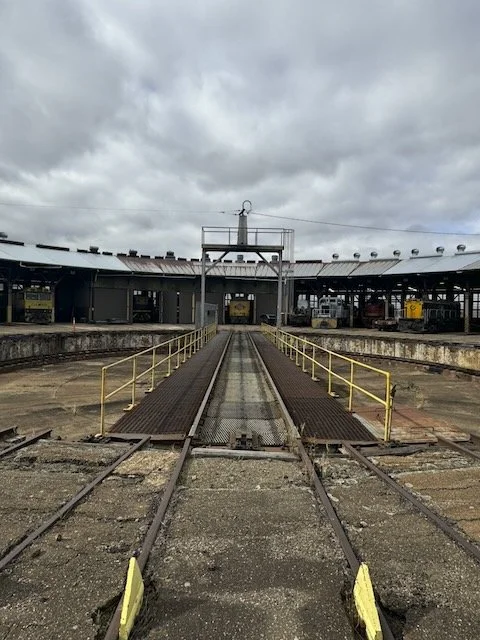
The Junee Roundhouse was once a bustling hub for the New South Wales rail network, built in the 1940s. It was designed for the maintenance and servicing of locomotives, and its circular structure allowed trains to be rotated and serviced in one spot. The whole design is just fascinating, and it’s hard not to be impressed by the sheer scale of the place.
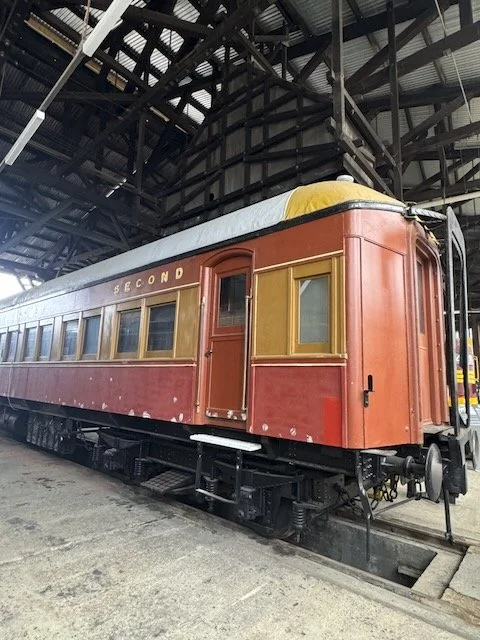
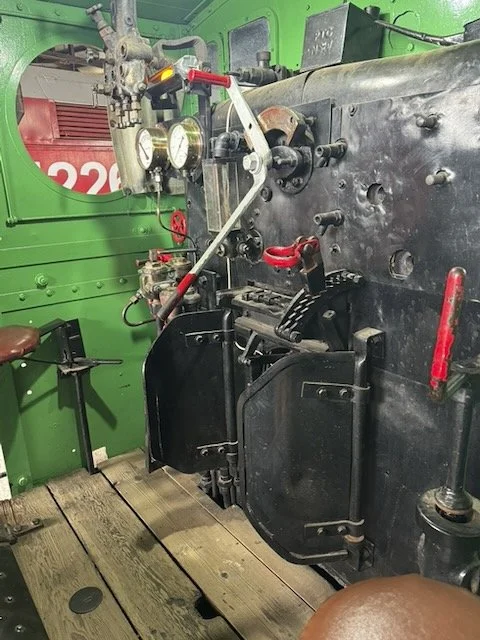
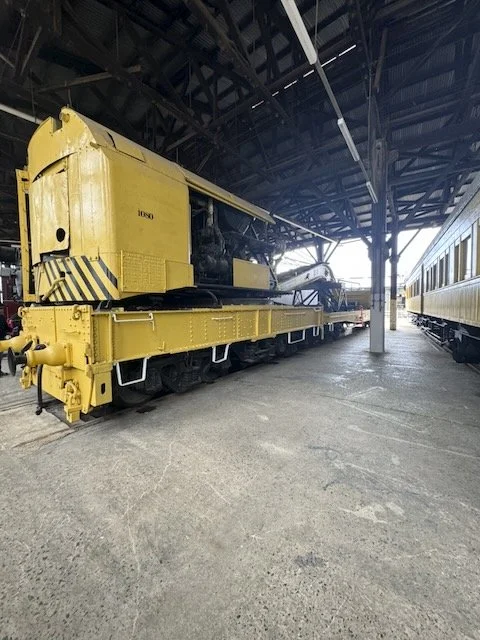
We were fortunate enough to join a guided tour, where we learned all about the history of the roundhouse, from its early days through to its role during the steam era. Our guide was full of knowledge, sharing stories of the workers who spent long hours here and the many trains that passed through. We even got a close-up look at some of the restored locomotives that are on display, including some that were in service for decades.
One of the highlights for us was learning about the maintenance of the trains—it’s incredible to think about the technical skills that were involved in keeping these massive machines running smoothly. The roundhouse itself has been beautifully preserved, and we spent hours wandering around, imagining what life was like when the place was fully operational.
We were also lucky enough to see the roundhouse in action, with a train being spun for the engineering company working out of the other half of the roundhouse!
If you’re ever in Junee, this is a must-see. Whether you’re a train enthusiast or just love history, the Junee Roundhouse offers a fascinating glimpse into Australia’s railway heritage.
We share places like this with solid, working history through our Travel Dispatch. If that’s your pace, you can join us here
The Junee Roundhouse
The Junee Roundhouse is a heritage railway maintenance facility built in 1947. It originally serviced steam locomotives and remains one of the largest and best-preserved roundhouses in Australia. Its central turntable and radial engine bays allowed trains to be rotated and maintained efficiently during the height of the steam era. Today, part of the site operates as a working engineering facility, while tours allow visitors to explore its history.
How to Get There
Junee is located in southern New South Wales, approximately 40 kilometres north of Wagga Wagga. The town is easily accessed via sealed regional highways and is suitable for caravans and motorhomes. The Roundhouse sits close to the town centre.
What to See / Tours / Activities
What we did:
Joined a guided tour of the Roundhouse.
Explored the turntable and engine bays.
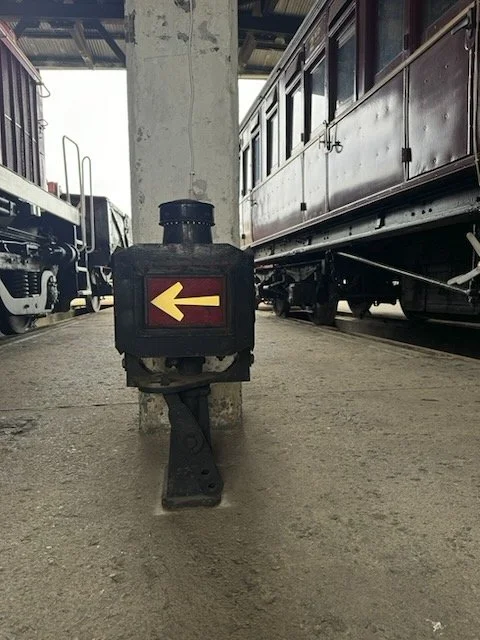
Viewed restored steam locomotives up close.
Watched a locomotive being rotated on the turntable.
Junee Licorice & Chocolate Factory. (Definitely worth a visit!)
Other highlights nearby:
Junee Railway Museum.
Wagga Wagga (40km south).
When to Visit
Tours run on select days, so check ahead. Cooler months make wandering the large shed more comfortable, though the building’s scale makes it workable year-round.
Final Thoughts
Industrial heritage doesn’t always get the spotlight, but the Junee Roundhouse deserves it. It’s practical, powerful and still partially working, which gives it an authenticity many historic sites lack.
What’s Nearby
Junee sits within easy reach of Wagga Wagga and the Riverina region. It pairs well with other railway and agricultural history stops through southern New South Wales, making it a strong addition to a regional road trip.
Fast Facts
Location: Junee, New South Wales
Distance: 40 km north of Wagga Wagga
Traditional Owners: Wiradjuri People
Access: Sealed roads, easy motorhome access
Facilities: Guided tours, toilets on site
Walking Track: Large industrial interior — enclosed space
Best Time to Visit: Year-round (check tour times)
Dog Friendly: No (inside building)
Things That Could Kill You (Probably Won’t)
A semi-serious guide to surviving Australia. Mostly common sense, occasionally luck.
Uneven surfaces: It’s an old industrial site. Watch your footing.
Heavy machinery: Stay within tour boundaries.
Steam nostalgia: You may leave wanting to collect model trains.
Other updates you may like…
Five rain-soaked days at Nyngan Weir and then north to Bourke, the Darling River’s great port, Fred Hollows’ resting place, an Afghan mosque in the outback, and a town that rewards anyone who slows down.
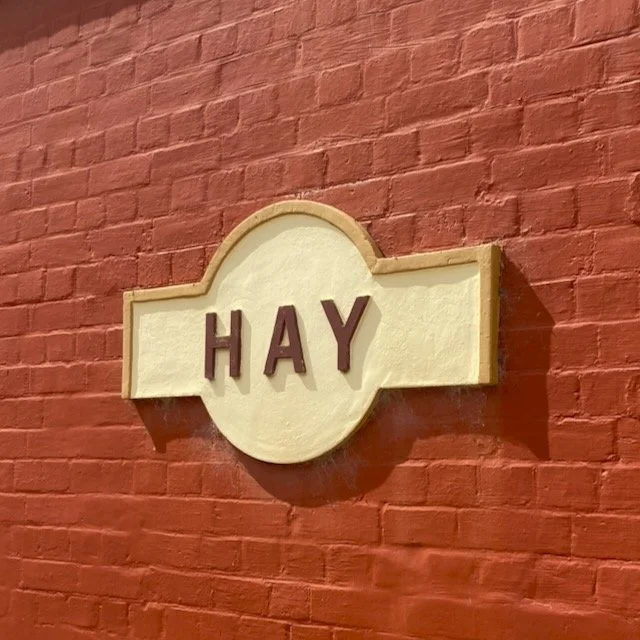
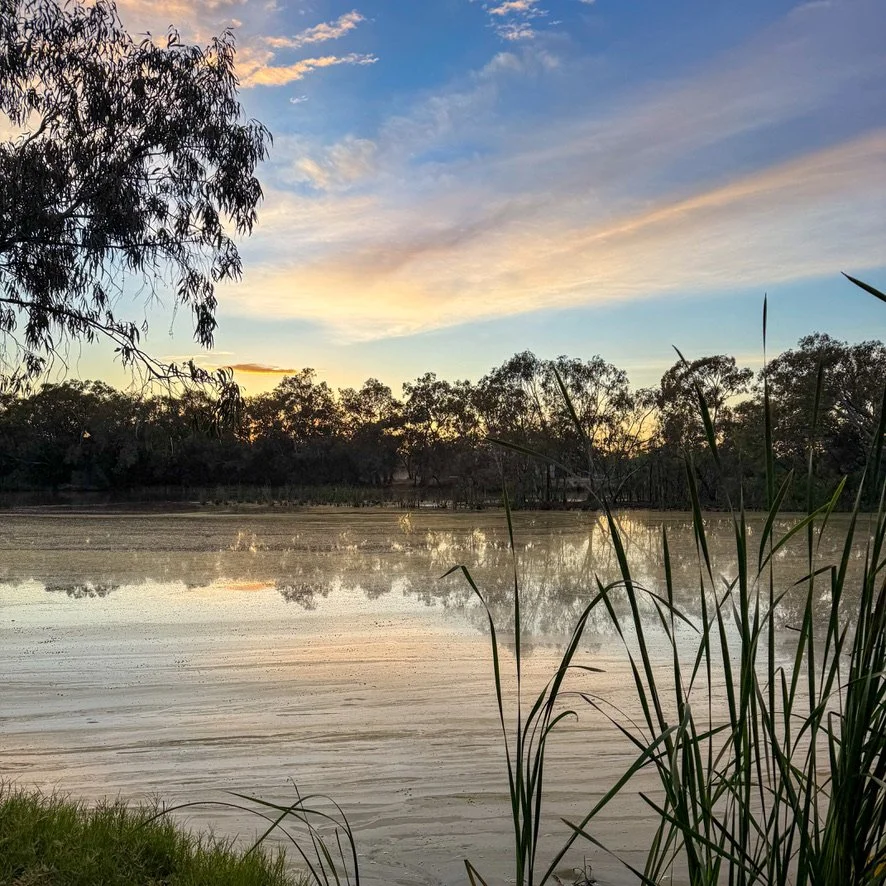
From Melbourne via Warrnambool and St Arnaud to Hay, a town that keeps earning return visits. Free camping on the Murrumbidgee, a gaol with many lives, and one of regional NSW’s most joyful festivals.
From buffalo chicken pizza to desert sculptures and Silverton’s donkeys, Broken Hill gave us art, weather, and classic outback humour in equal measure. It’s a place that surprises every time — dust storms included.
From Nyngan’s riverside calm to Cobar’s quiet bush camp and the long road to Broken Hill, this stretch of outback NSW is a reminder that sometimes, the in-between days are the best ones.
Armidale gave us cool mornings, friendly markets, and the joy of finding real bookshops again. With gardens, heritage, and country calm, it’s the kind of inland town that makes you want to stay a little longer.
The NSW coast is busy, but not everywhere. From laid-back Woolgoolga to Bellingen’s Butter Factory and the mountain roads to Dorrigo, we found the quiet corners still holding their charm.
After braving Brisbane and the Gold Coast, Mullumbimby was an exhale. A leafy hinterland town of markets, vintage shops, and slow mornings at the showgrounds. Proof that the best stops aren’t always planned.
Every now and then, you meet people on the road who feel like old friends. Mel and Susie’s bush poetry, humour, and warm-heartedness made us instant fans — and lifelong mates.
We rolled into Lightning Ridge for the third time — this visit a little muddier than usual. After dodging puddles and slick backroads, both the moho and Jimny looked rally-ready and well-travelled.
From Burren Junction’s steaming thermal pool to Rowena’s country pub, this stretch of Northern NSW delivered good food, warm water, and muddy roads—proof that slow travel still brings the best surprises.
Narrabri surprised us with its blend of geology, science and relaxed country charm — from Sawn Rocks to market scones and a slightly embarrassing moment at the Telescope Array. A simple, easy stop on the Newell Highway.
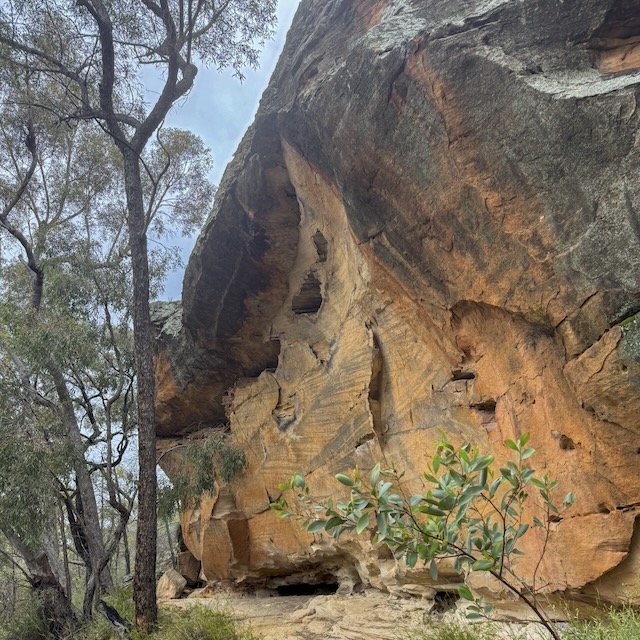
The Sandstone Caves in the Pilliga Forest offer a quiet, respectful walk to Aboriginal rock shelters. A short track that rewards slowing down and remembering that shared cultural places deserve the same care we give our own.
Baradine is a quiet country town on the edge of the Pilliga Forest. A practical base for slow travel, forest drives, and unhurried exploration, it’s the kind of place that rewards staying longer than planned.
While in town, we couldn’t skip a quick visit to the Big Bogan — cheeky as ever and just as good for a second round of photos.
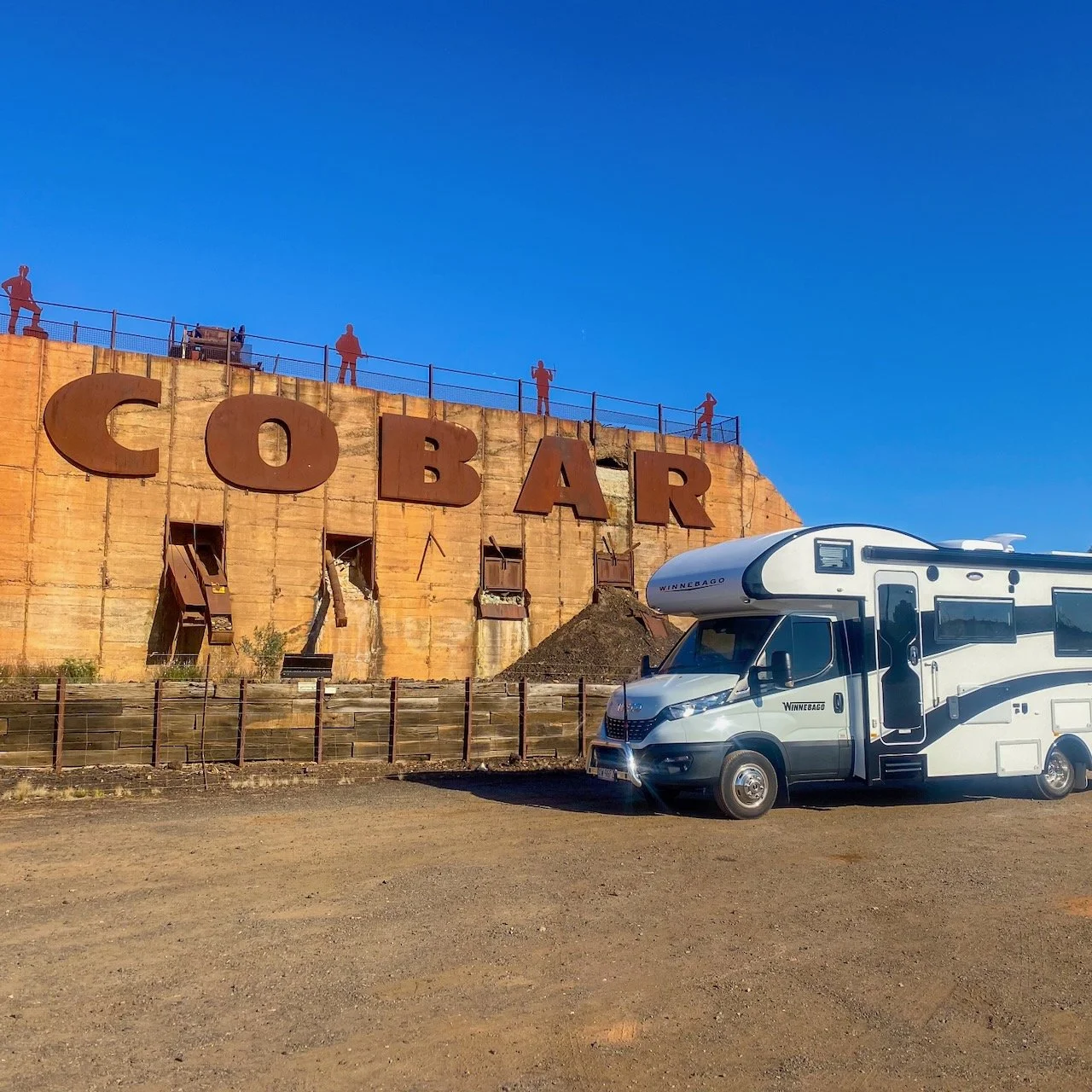
A couple of days in Cobar gave us history, quiet station camping and a steady outback pace. From the museum to Glenhope’s big skies, it’s a relaxed stop between the central west and the far west.
The Parkes Radio Telescope is an easy stop in central NSW, offering clear insight into Australia’s role in space science. Standing beneath the dish puts both scale and history into sharp perspective.
The Junee Roundhouse is one of Australia’s last working railway roundhouses. Built in 1947, its vast turntable and engine bays offer a powerful glimpse into the steam era and the people who kept it running.
Pies, saddles, and cool mountain air. Tenterfield surprised us in all the right ways. A heritage town with a big heart and small-town charm, perfect for slowing down and soaking it all in.
Sea breezes, dolphin sightings, and a pub by the bay. Ballina gave us exactly the kind of coastal calm we needed. A giant prawn, a quiet walk, and zero influencer chaos.
Canberra gave us politics, culture, frozen motorhome pipes, and a proper taste of ACT crispness. From Old Parliament House to Lake Burley Griffin, it was one of the most surprising stops of our shakedown trip.
From Bermagui to Batemans Bay, the coastal road carried us past dolphins, fish and chips, and a growing sense of ease. Small towns, quiet bays, and days that felt unhurried—finally finding our road rhythm.
Tilba Tilba cheese, Bermagui’s Blue Pool, and tall pub stories marked the moment we started finding our rhythm on the road — and learned that good cheese might just be worth every detour.
In Merimbula, we traded busy travel for slow days by the sea. We fixed our first flat tyre, ate oysters by the dozen, and learned that quiet time can be the best part of the trip.
Our first motorhome trip from Geelong to Eden was equal parts chaos and discovery. We packed too much, sang off-key in a winery, and learned fast that the road has its own rhythm.
Cameron is a travel writer, photographer, and freelance copywriter with more than fourteen years of experience crafting stories that connect people and place. Based on the road in a motorhome with his partner, he documents Australia’s quieter corners through Off the Main Road, a travel journal devoted to the towns, landscapes, and characters often overlooked by the tourist trail.
His writing blends observation with lived experience, drawing on a professional background in brand storytelling. Blending visual storytelling with a writer’s eye for detail, Cameron captures moments that reveal the character of regional Australia—from weathered towns and open landscapes to the honest rhythm of life across Australia.


The Kidman Way is a 644-kilometre sealed touring route through inland NSW, from Jerilderie in the south to Barringun on the Queensland border. Named after the 'Cattle King', it passes through Griffith, Cobar and Bourke.