Lightning Ridge: Lush Ridge and Muddy Boots
Third time’s a charm, right?
We rolled into Lightning Ridge for the third time, but this visit was a little different. After days of dodging puddles and mud-slicked backroads, the moho and the Jimny looked like they'd both starred in a four-wheel-drive rally. We parked up at the Big4 Opal Holiday Park, keen to wash off the dirt (from us and the vehicles) and reconnect with two of our favourites on the road: Mel and Suzie, queens of bush poetry, belly laughs and truly excellent scones. More about that in our next post!
Settling in gave us time to catch our breath. Travelling full-time means these little resets matter. The adventure is amazing — but this is life now, not just a holiday. Sometimes, that means washing your undies, fixing your grey water hose, and calling the bank. Glamorous? Not always. Worth it? Every time.
With a bit of sun drying out the tracks, we ventured out to do the iconic Pubs in the Scrub drive — classic outback charm and dusty beer garden vibes at their best. We followed it up with a soak in the famously hot Lightning Ridge bore bath, where the water is so warm it almost feels medicinal. It's hard to describe how good it is to float there under a big sky, even if your eyebrows start sweating.
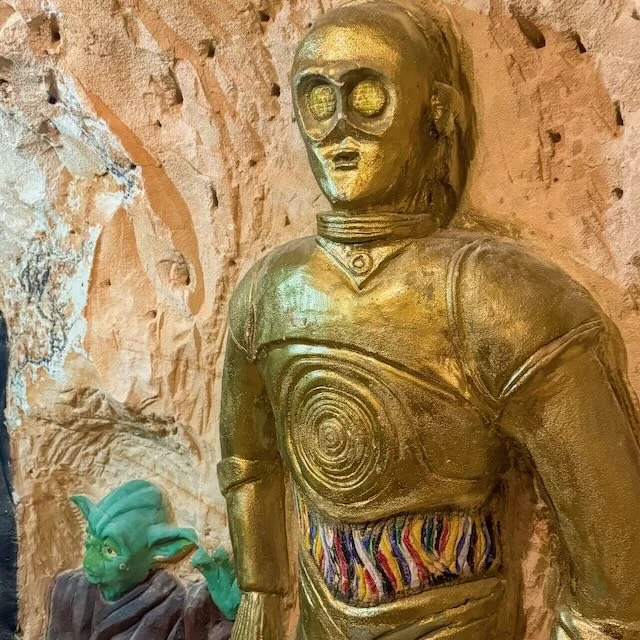
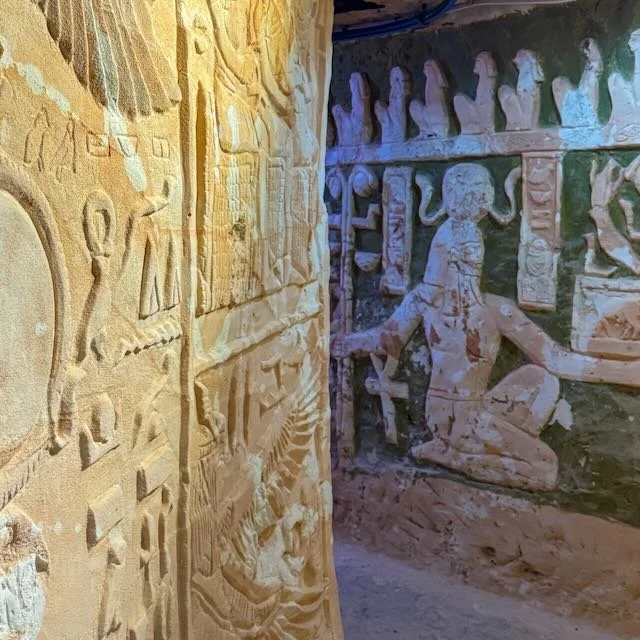
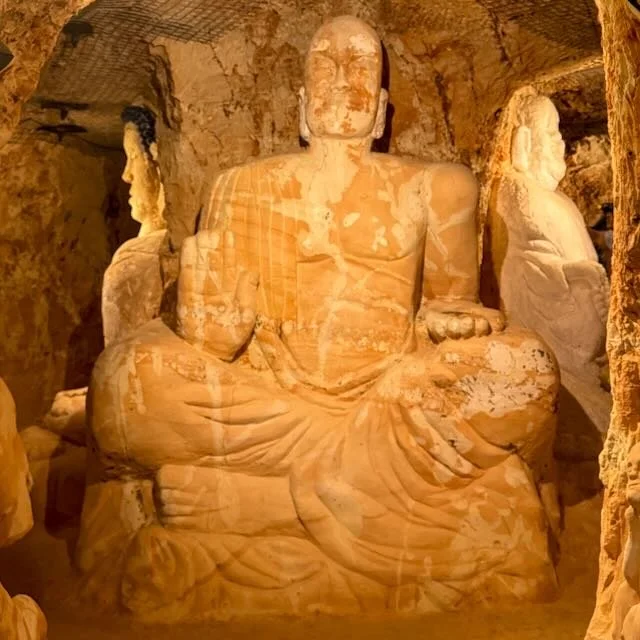
We also paid visit to the Black Hand underground sculptures. Carved into the sandstone walls of an old opal mine, the mix of Aussie humour, world history and pop culture references is delightfully odd and totally Lightning Ridge.
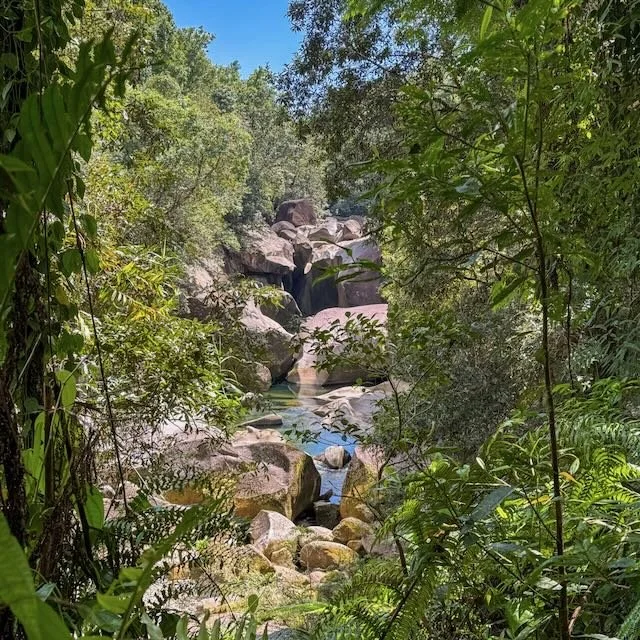
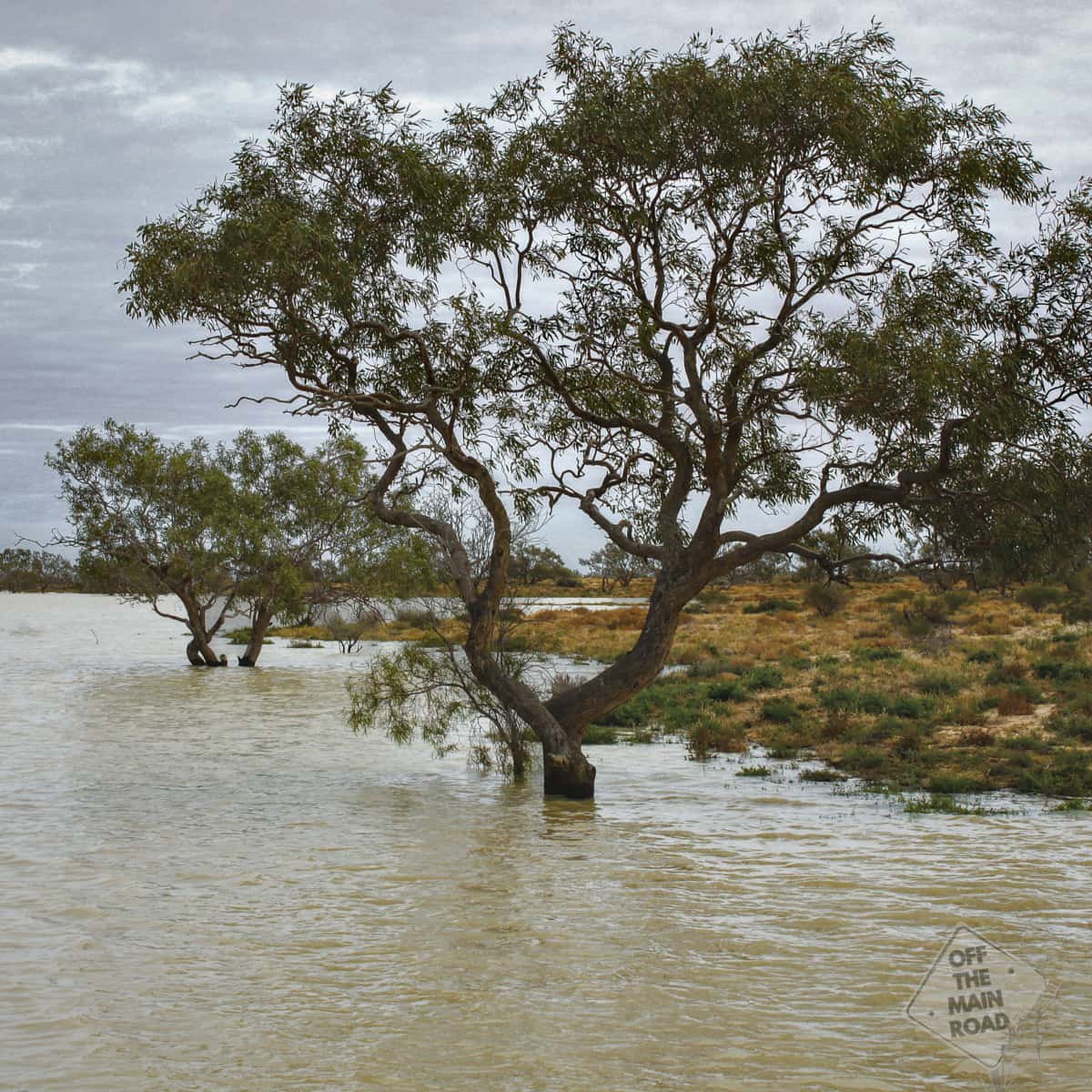
Despite having visited before, this time felt fresh. The outback had turned green from all the rain, giving the usually red-dust town a softer edge. Gum trees shimmered, roadside grass waved in the breeze, and the usual ochre tones were dotted with flashes of new life. It’s amazing what a bit of water can do out here.
Before leaving, we squeezed in one more poetry night — and one more scone.
With full hearts and full bellies, we pointed the moho towards Hebel, Dirranbandi, then on to St George — another favourite waiting in the wings. The road north is calling again, and we’re listening.
👉 Want to follow more of our outback adventures? Sign up for our newsletter here
Exploring the unbeaten paths of Australia, one adventure at a time! 🌿 Follow along as we uncover hidden gems, tackle rugged terrains, and embrace the thrill of exploring offbeat destinations. 🚙💨
Lightning Ridge
Lightning Ridge is famous as the only place in the world where rare black opals are mined. But it’s more than a gemstone hub—it’s a town that thrives on individuality, creativity, and a touch of eccentric flair. From hand-built castles to colourful open-air galleries, the Ridge is a living museum of people chasing big dreams in the red dust.
How to Get There
Lightning Ridge sits in far north-west New South Wales, around 750 kilometres from Sydney and 700 kilometres from Brisbane. Most travellers arrive by car or motorhome along the Castlereagh Highway. The Ridge is remote, so fuel up and stock up before making the drive. Supplies are limited and pricey once you’re here.
What to See and Do
Opal mines and tours – Learn how the famous black opal is found, and try your luck fossicking.
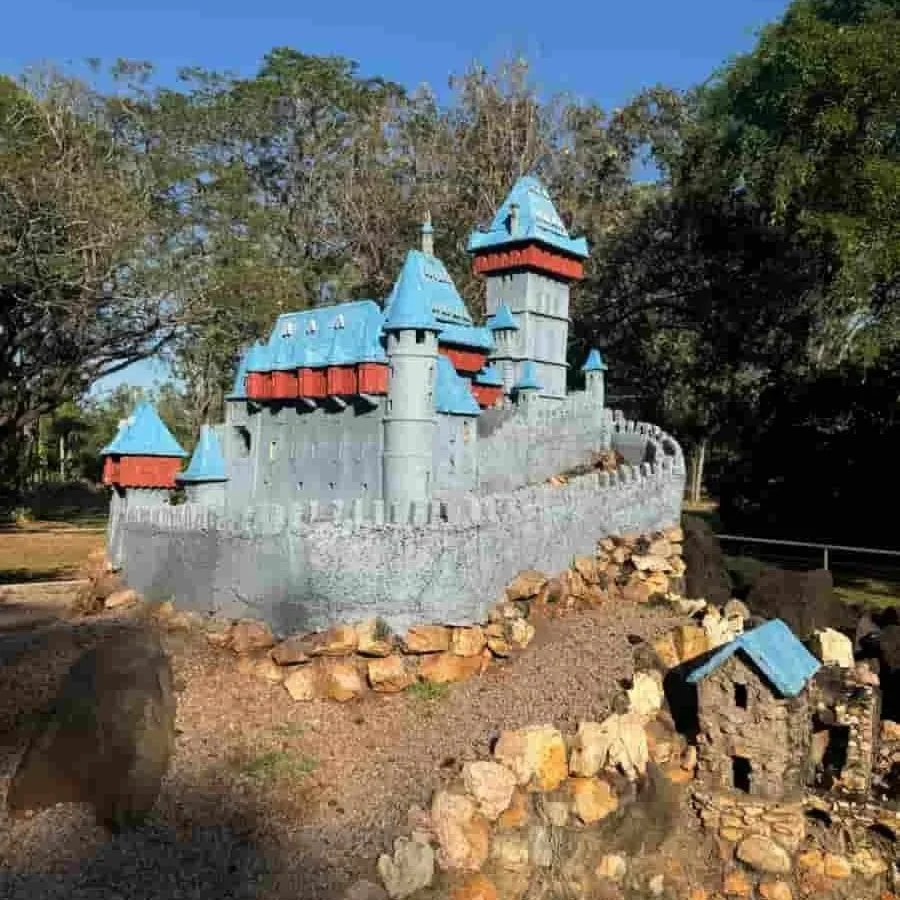
Amigo’s Castle – A hand-built stone castle, a testament to outback determination.
Car door tours – Self-guided drives marked by colour-coded car doors leading you to local oddities and attractions.
Artesian Bore Baths – Open 24/7, these naturally heated thermal pools are the perfect way to soak under the outback stars.
Local art and stories – From John Murray’s gallery to yarns at the pub, the Ridge is brimming with character.
When to Visit
Autumn and winter (April to September) are the most comfortable times, with cooler nights and mild days. Summer can be brutally hot, so if you visit then, plan your exploring early in the morning or later in the evening.
Final Thoughts
Lightning Ridge left us buzzing. There’s something about the mix of wild creativity, harsh outback life, and opal-fuelled dreams that makes it unlike anywhere else in Australia. It’s not polished—it’s raw, a little rough around the edges, but that’s the charm. We left with full hearts, a few good stories, and just a touch of opal fever.
What’s Nearby
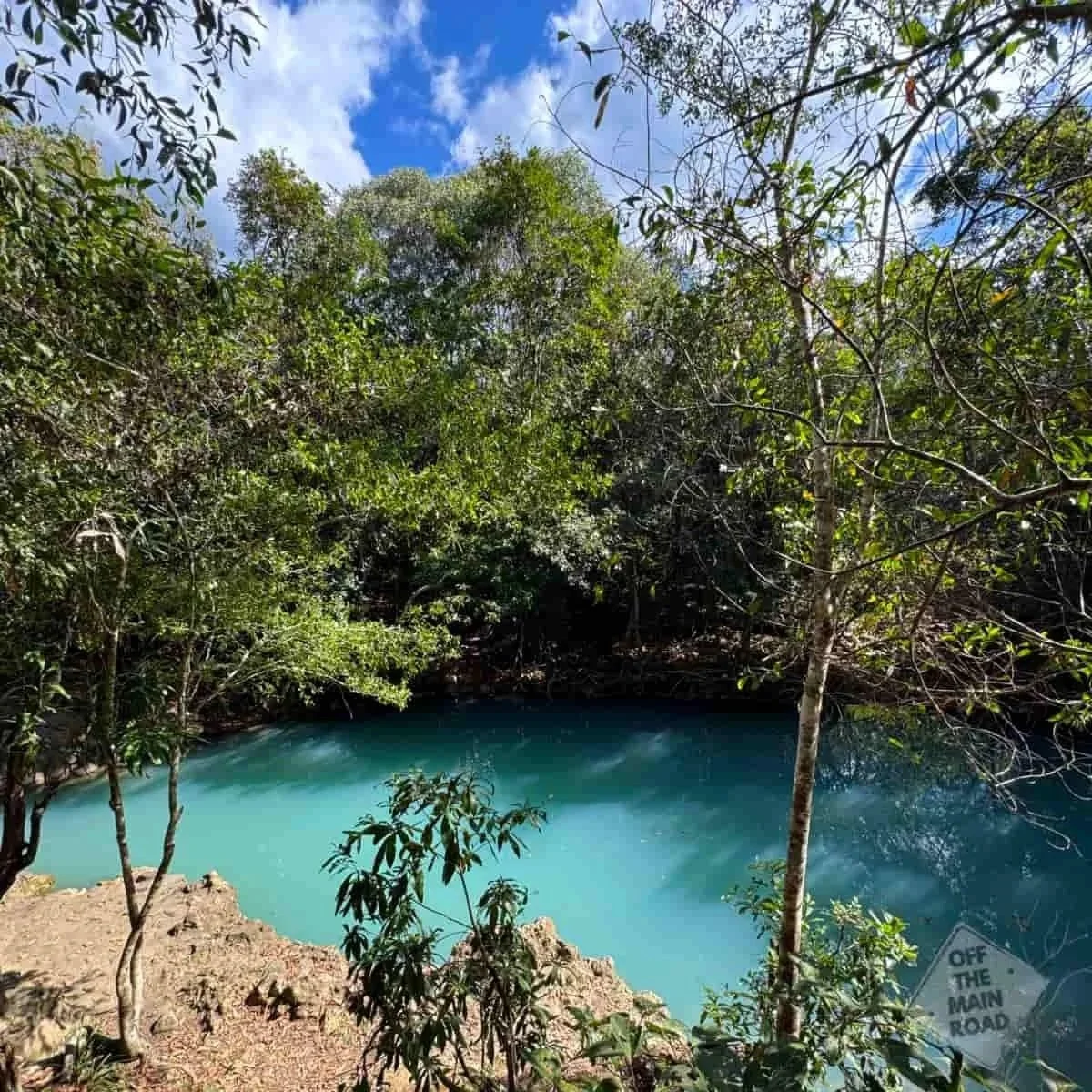
If you’re exploring further afield, there are some great stops either side of Lightning Ridge. South of town, the thermal pools make a perfect pitstop for a long soak. If you’d like to dive deeper into Ridge life, check out our follow-up post: Lightning Ridge Part 2. And heading north, the riverside town of St George offers a slower pace, shady walks, and a good meal to round out the day.
Want more outback stories like our Lightning Ridge adventure? From soaking in thermal bore baths to uncovering opal secrets, we share the full road trip experience in our newsletter. Sign up here: offthemainroad.com.au/signup
Other updates you may like…
After three visits, here's what we'd actually send a friend to do in Longreach! Qantas history, outback rail and river tours, and a stockman's show. Not everything, just our favourites.
Back in Longreach for our third visit. Outback rail adventures, a sunset cruise on the Thomson River, the Longreach Races, new Akubras, and the friendliest welcome yet.
The Matilda Way is a 1,900-kilometre touring route from Bourke in New South Wales to Karumba on the Gulf of Carpentaria, passing through the heart of outback Queensland via Charleville, Longreach and Winton.
Blackall’s Historical Woolscour is the only surviving steam-powered woolscour in Australia, operating since 1908. Add Jackie Howe’s unbroken shearing record and a free camp on the Barcoo River, and you have one of outback Queensland’s best stops.
Tambo delivers more than it advertises — Tambo Teddies and a station side quest, chicken races that got out of hand, and the site of Qantas’s first fatal crash in 1927. A small town with a lot going on.
Four visits to Charleville and still finding new things — the Angellala Creek explosion site, the Airfield Museum, the Bureau of Meteorology weather balloon and the WWII quarry that built the airport runways.
From the Cosmos Centre and Bilby Experience to the Airfield Museum, WWII Secret Base, Outback Date Farm, and the Angellala Creek explosion site. There’s a lot going on!
Halfway between Cunnamulla and Charleville, Wyandra is a quiet railway town on the Warrego River with a sandy beach, outback burgers, a peaceful camp and sunsets good enough for a calendar cover.
An overnight pub camp at Enngonia, then north to Cunnamulla; the Robbers Tree, the All Aboard rail show, a day at the races for Neil and artesian hot springs for Cameron. A weekend well spent.
The Kidman Way is a 644-kilometre sealed touring route through inland NSW, from Jerilderie in the south to Barringun on the Queensland border. Named after the 'Cattle King', it passes through Griffith, Cobar and Bourke.
Five rain-soaked days at Nyngan Weir and then north to Bourke, the Darling River’s great port, Fred Hollows’ resting place, an Afghan mosque in the outback, and a town that rewards anyone who slows down.
From Melbourne via Warrnambool and St Arnaud to Hay, a town that keeps earning return visits. Free camping on the Murrumbidgee, a gaol with many lives, and one of regional NSW’s most joyful festivals.
A Victorian summer with family and friends behind us, a polar cold snap nudging us north, and rising fuel prices reshaping how we travel. Time to head out again and see what's up the road.
A slow morning in the mist at Warrnambool's historic Botanic Gardens, a drive out to Hopkins Falls running at full strength, and an afternoon browsing Fletcher Jones Market.
Two nights on the Barwon River at Winchelsea’s free camp, and a guided tour of Barwon Park Mansion, the bluestone homestead built to impress a duke, by the man who gave Australia its rabbit problem.
Our favourite way to experience Melbourne is on foot, looping between the State Library, NGV, laneways, arcades, gardens and the Yarra, with a tram ride to St Kilda and the occasional MSO concert.
First visits feel longer because novelty stretches time. Returning compresses it. This reflection explores how attention shapes memory, and how slow travel allows familiar places to feel deeper rather than shorter.
J Ward in Ararat began as a gold rush gaol before becoming Victoria’s Criminally Insane Division. A guided tour reveals bluestone cells, preserved gallows, and a confronting chapter in Australia’s justice and mental health history.
Aradale in Ararat is one of Australia’s largest former psychiatric hospitals. A guided history tour reveals confronting stories, evolving mental health care, and the complex legacy of an institution that operated for more than a century.
A moving degustation through Bellarine farmland, The Q Train pairs heritage rail with seriously good food. From steam departures to thoughtful non-alcoholic pairings, it’s one of Victoria’s most memorable regional dining experiences.
Neil returned to Melbourne for a short city break, wandering the Yarra, visiting the State Library, eating well, and stocking up on freckles, while back at the motorhome Zoe gave Cameron a small health scare.
Travelling Australia with a dog means national parks require planning. Here’s how we responsibly visit parks while travelling full-time with Zoe, from splitting up visits to safe short stays and practical local dog-minding options.
A guided visit to the Victorian Pride Centre reveals a thoughtfully designed space built for connection, advocacy, and support. More than a landmark, it’s a working hub that honours the past while shaping a practical, inclusive future.
Werribee Open Range Zoo offers a surprisingly immersive safari experience just outside Melbourne. With open savannahs, accessible paths, and thoughtful design, it feels far removed from the city while remaining easy to navigate.
Photography slowed our travel down. By staying longer, noticing light, and relying on simple techniques, we learnt to photograph with more intention. Sometimes the best images arrive quietly, once a place feels familiar.
Slow travel isn’t about distance or aesthetics. It’s about rhythm, familiarity, and staying long enough for places to reveal themselves. A reflective look at what slowing down actually feels like, from life on the road.
The Holden Museum in Echuca has since closed, but we’re glad we visited when it was still open. A quiet retrospective on everyday Australian cars, regional passion projects, and noticing things before they disappear.
Exploring the mouth of the Hopkins River near Warrnambool, from calm water and dog beaches to coastal walks, fishing spots, historic graves, and wide ocean views. A lived-in stretch of coast best discovered slowly.
Just offshore from Warrnambool, guardian dogs quietly protect a colony of little penguins. The Middle Island Maremma Project is a thoughtful conservation success, best understood from the mainland, where learning matters more than access.
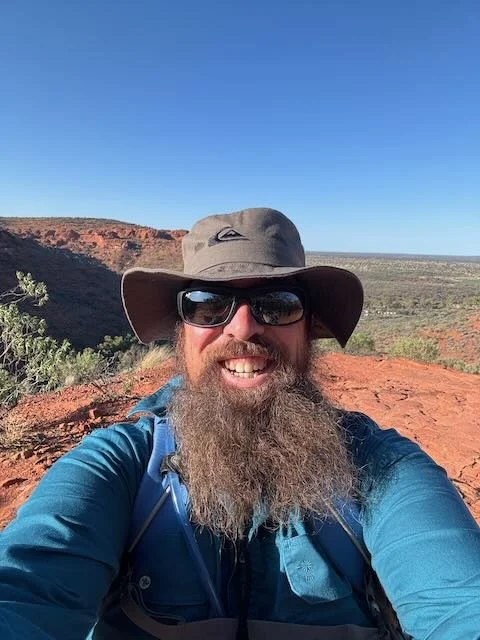
Cameron is a travel writer, photographer, and freelance copywriter with more than fourteen years of experience crafting stories that connect people and place. Based on the road in a motorhome with his partner, he documents Australia’s quieter corners through Off the Main Road, a travel journal devoted to the towns, landscapes, and characters often overlooked by the tourist trail.
His writing blends observation with lived experience, drawing on a professional background in brand storytelling. Blending visual storytelling with a writer’s eye for detail, Cameron captures moments that reveal the character of regional Australia—from weathered towns and open landscapes to the honest rhythm of life across Australia.


Three days out to Boulia via Poddy Creek and the Middleton Hotel, the Min Min Encounter, outback sunsets and no actual Min Min sightings. Then north to a spectacular free camp at Dajarra Dam on the way to Mount Isa.