Hay: History on the Murrumbidgee
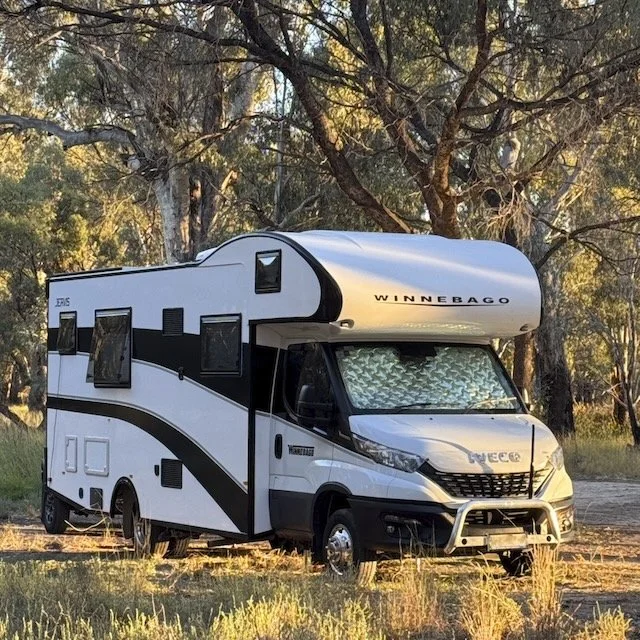
A few months parked up through the Victorian summer had been good…really good. The catching up with family and friends, that life on the road makes harder to come by. But the cool weather had arrived, and so had the familiar pull northward. We stopped in Warrnambool first to catch up with more family and friends, one last round of farewells before pointing the Moho towards the highway.
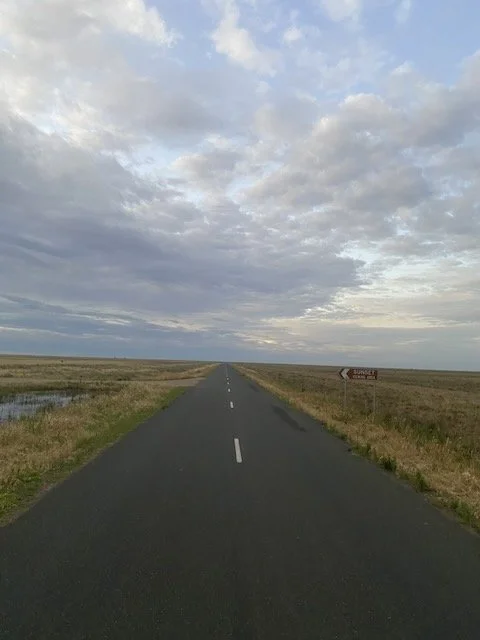
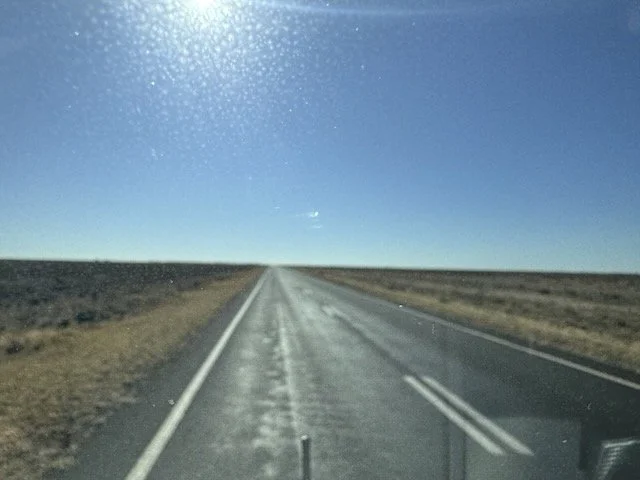
From Warrnambool, we headed north through St Arnaud for an overnight free camp, then pushed on toward Hay. The roads were noticeably quieter than usual. Whether it was the fuel prices keeping people closer to home or just the time of year, we’re not entirely sure, but the difference was real. Long stretches of highway with almost nothing coming the other way. It made the drive more relaxed than we’d expected.
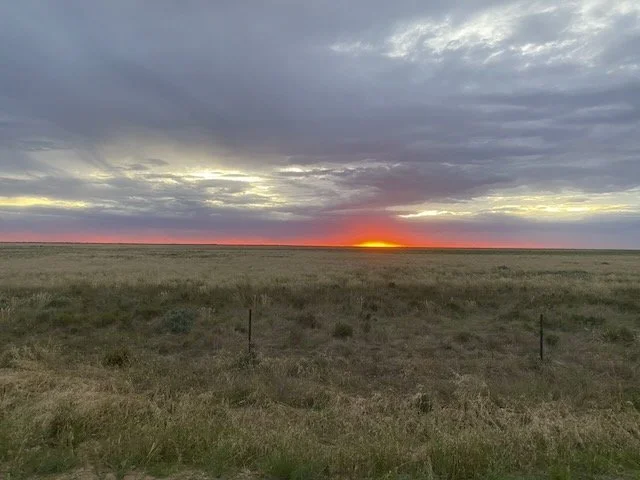
Hay is always a nice reward after crossing the flat, empty plains to get there. But we were happy to be back in Big Sky Country!
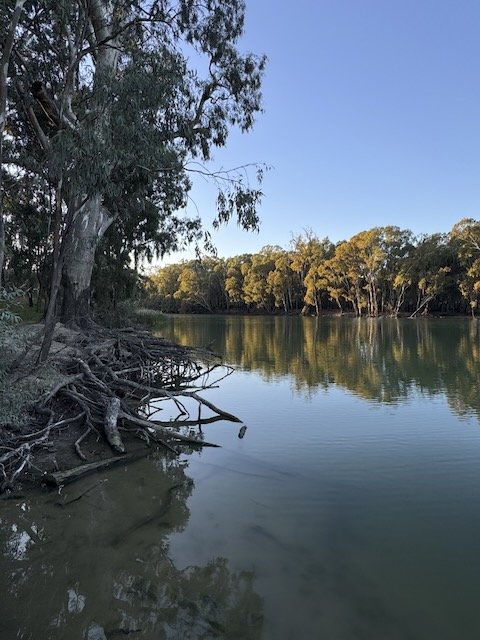
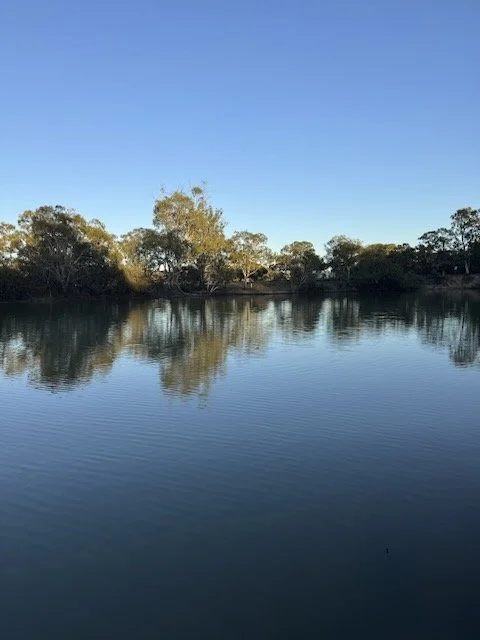
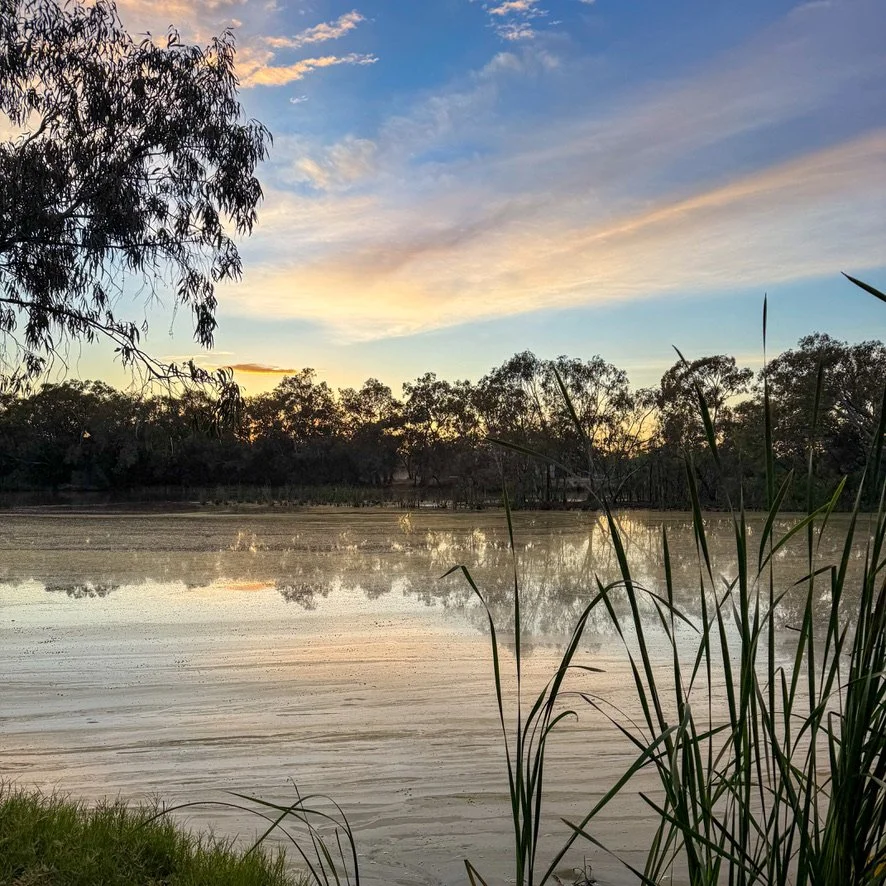
Sandy Point Reserve sits on the banks of the Murrumbidgee, accessed off Brunker Street just over the bridge. Large, shaded by old river red gums, with electric barbecues, clean toilets and a generous sandy riverbank. It’s free, pet-friendly and has a 72-hour maximum stay. We’ve been here before, and we’ll come back again. There’s a particular peace to this spot that’s easy to settle into.
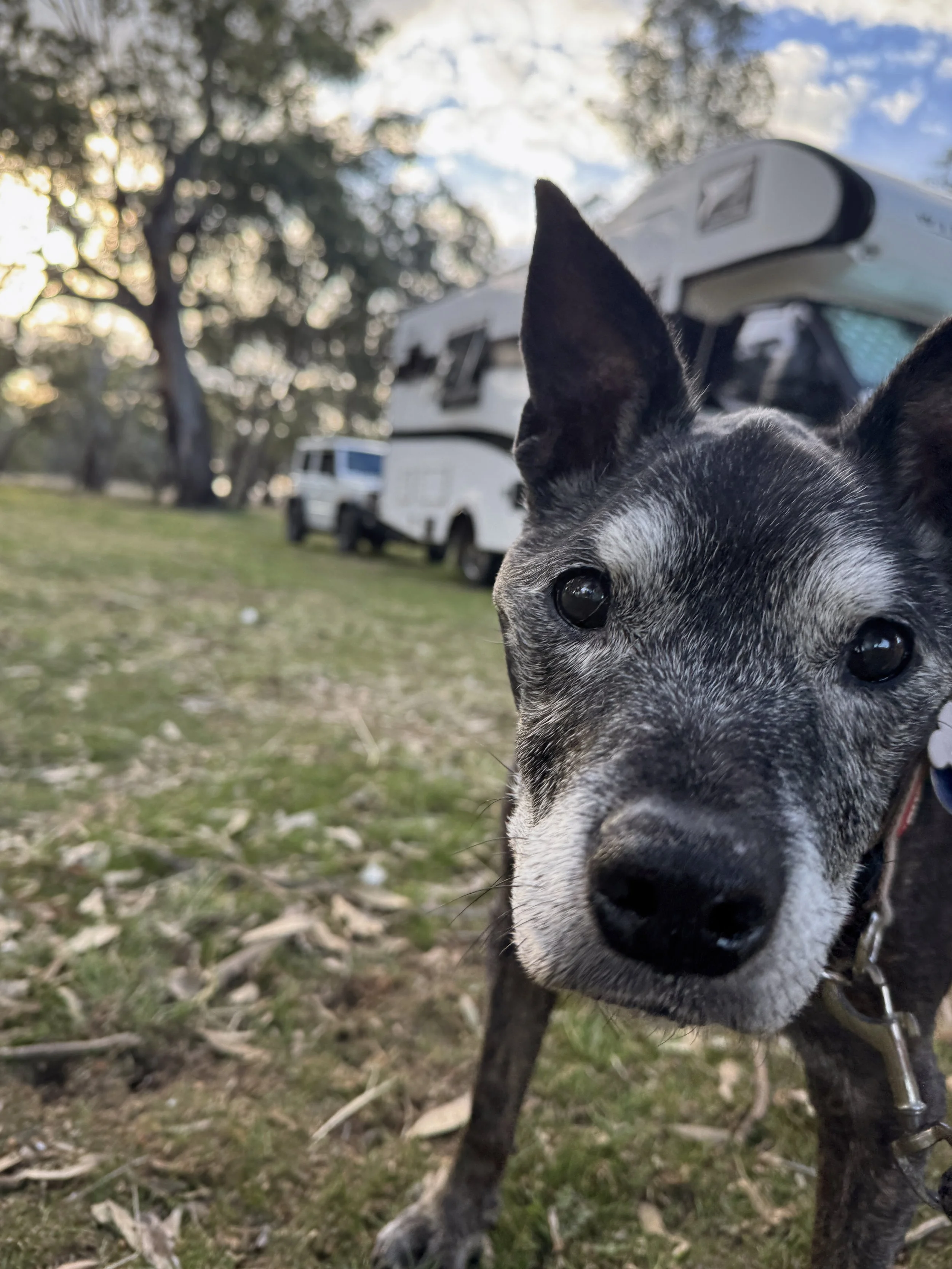
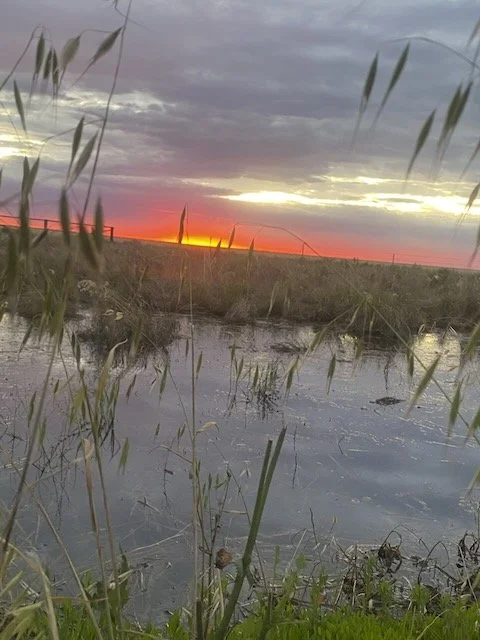
The Murrumbidgee was running well. Zoe approved of the sandy riverbank. We parked up overnight, and as we were racing a massive rain band across the country, we temporarily gave up on slow travel and left early the next day to get farther north of the rain.
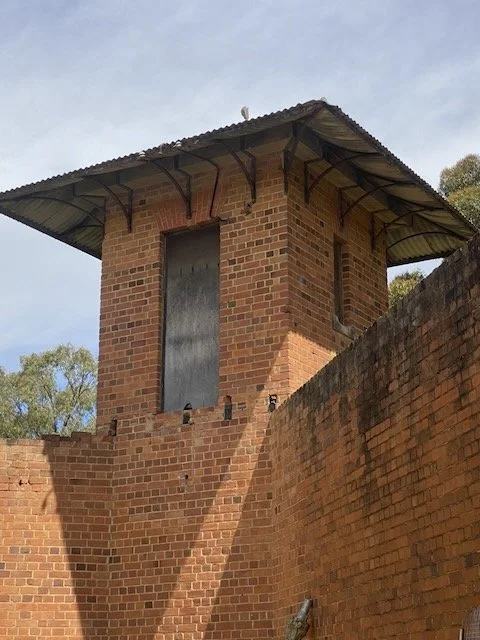
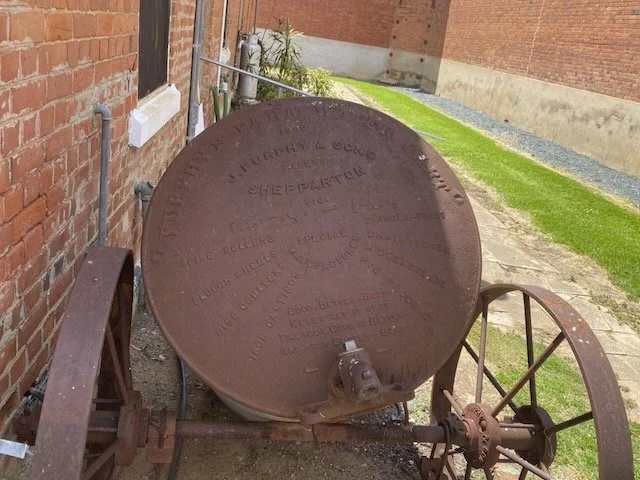
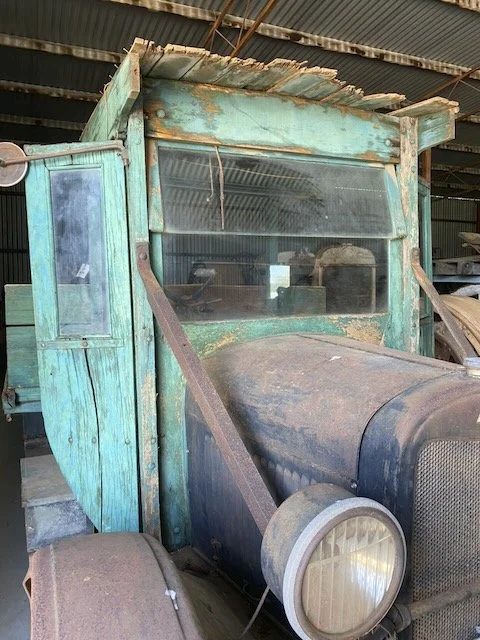
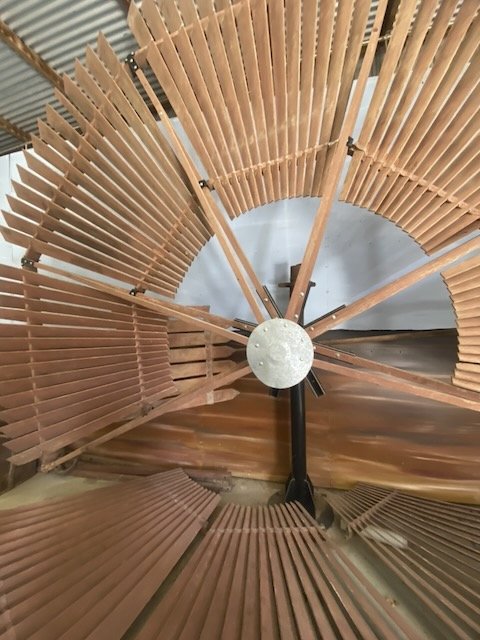
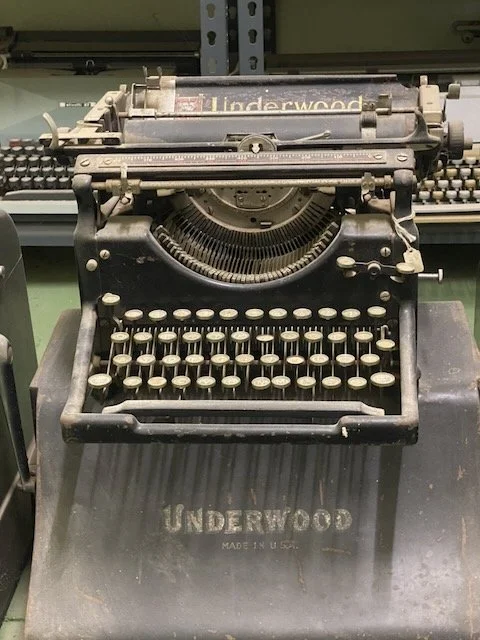
Hay is a town with more going on than its size suggests. We’ve visited a few times now, and each time we find something we missed. The Hay Gaol was built in 1878 and has had several lives since: an adult prison, a maternity hospital, a prisoner-of-war detention centre, an institution for girls in the 1960s, and now a museum. Each cell holds a different display, donated by locals from across the region. It’s a strange and fascinating collection: antique windmills, Australia’s oldest known bark canoe, the van that brought troubled girls in under the cover of night. The goal’s history is not always comfortable, and the museum doesn’t pretend any different.
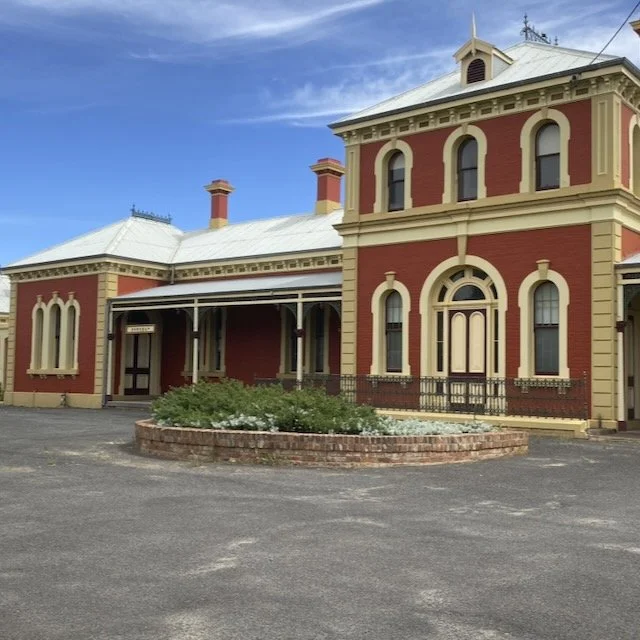
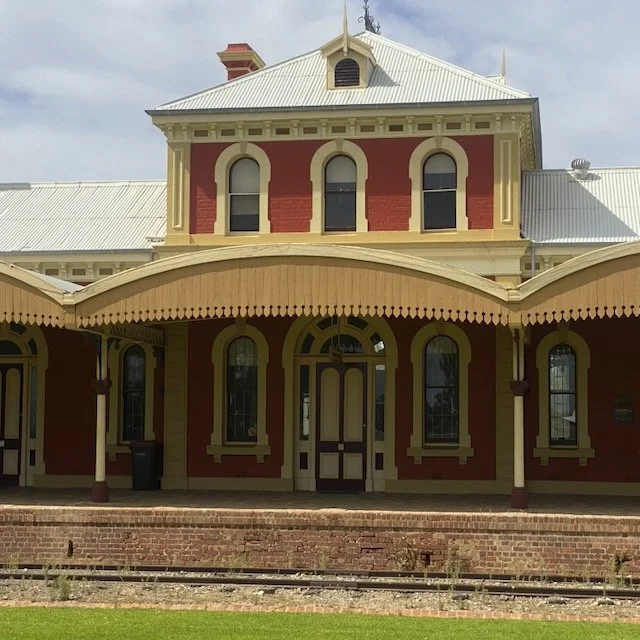
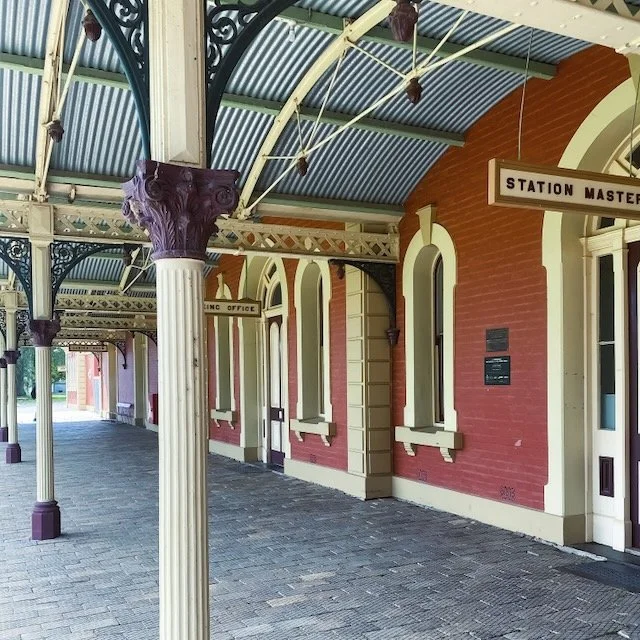
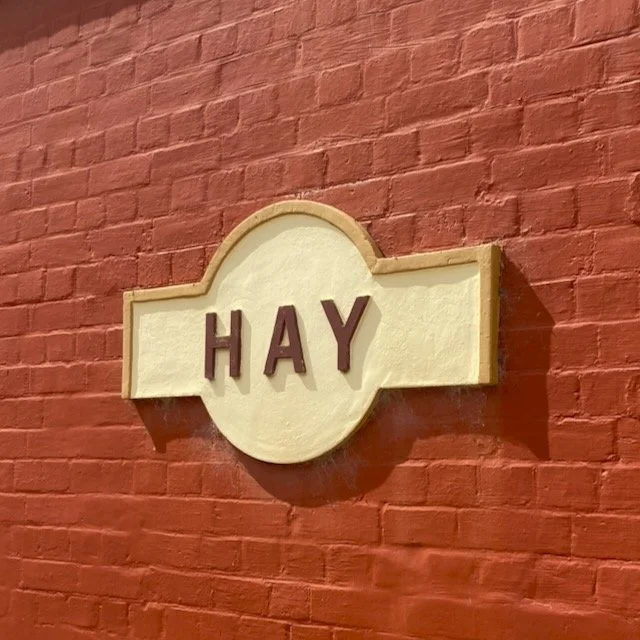
The railway station is worth a look too. It opened in 1882 and closed in 1989, with the last passenger train passing through six years earlier. The brick building has been beautifully restored to its original heritage colours and now houses the local community radio station and the Dunera Museum, a prisoner-of-war interpretive centre housed in two restored train carriages. The Dunera story of over 6,000 German, Italian and Japanese civilian internees and prisoners of war held in camps at Hay during World War II is one of the more remarkable, albeit dark, chapters in the town’s history.
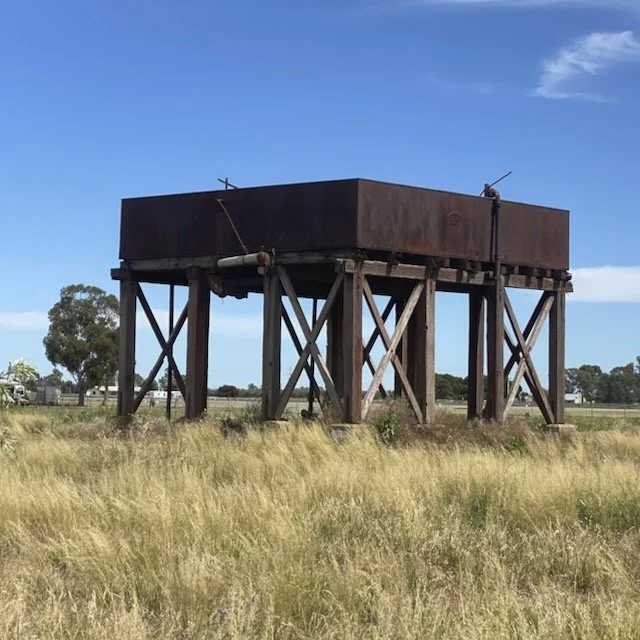
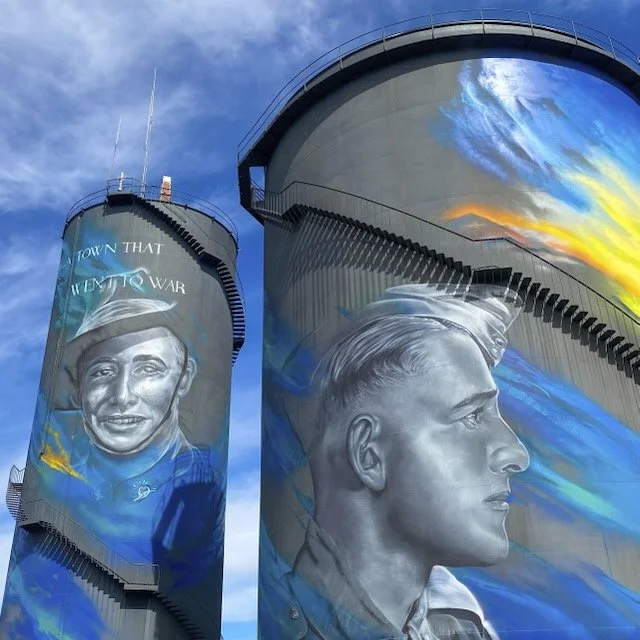
The water tower is hard to miss. Five enormous portraits of veterans painted across the tank, representing all those from the area who have served. It’s striking from a distance and worth getting closer to.
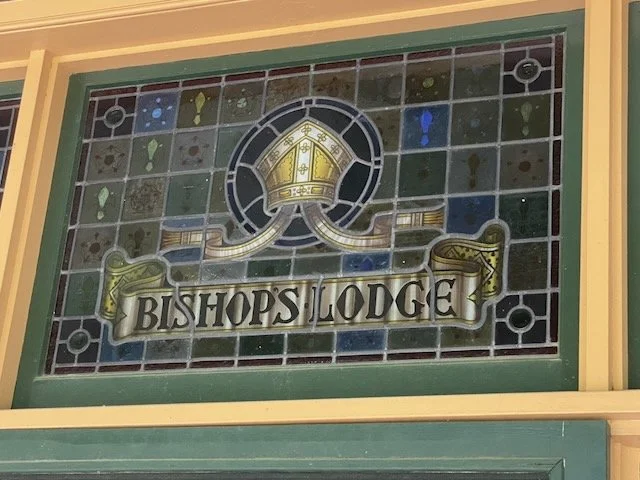
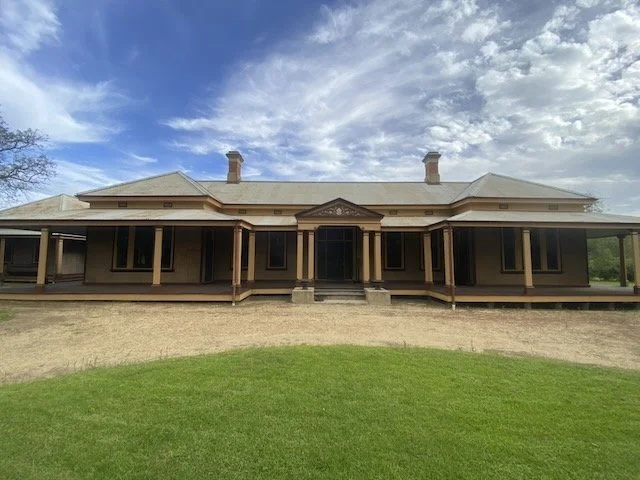
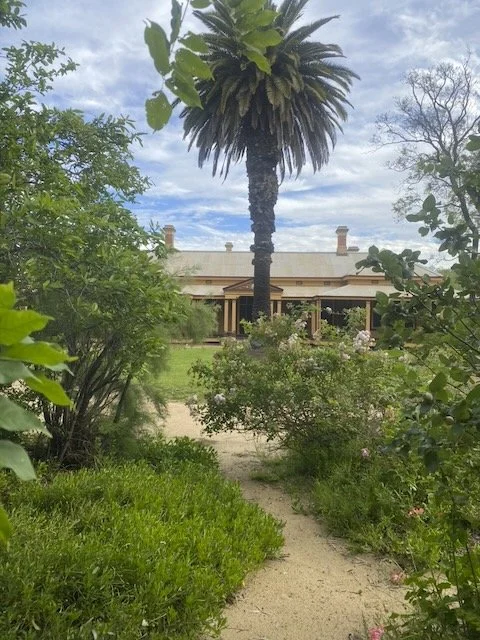
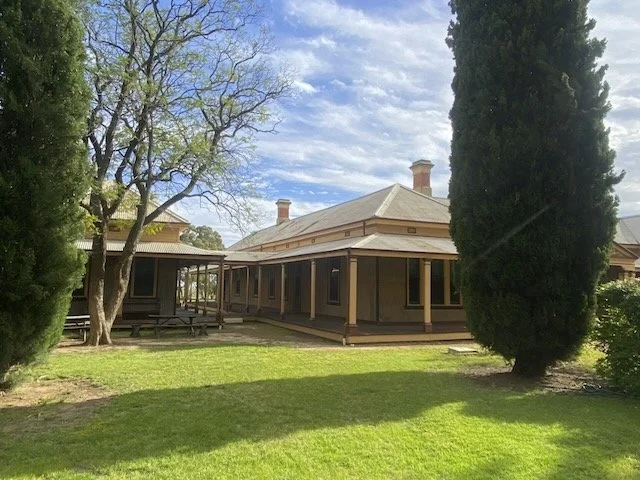
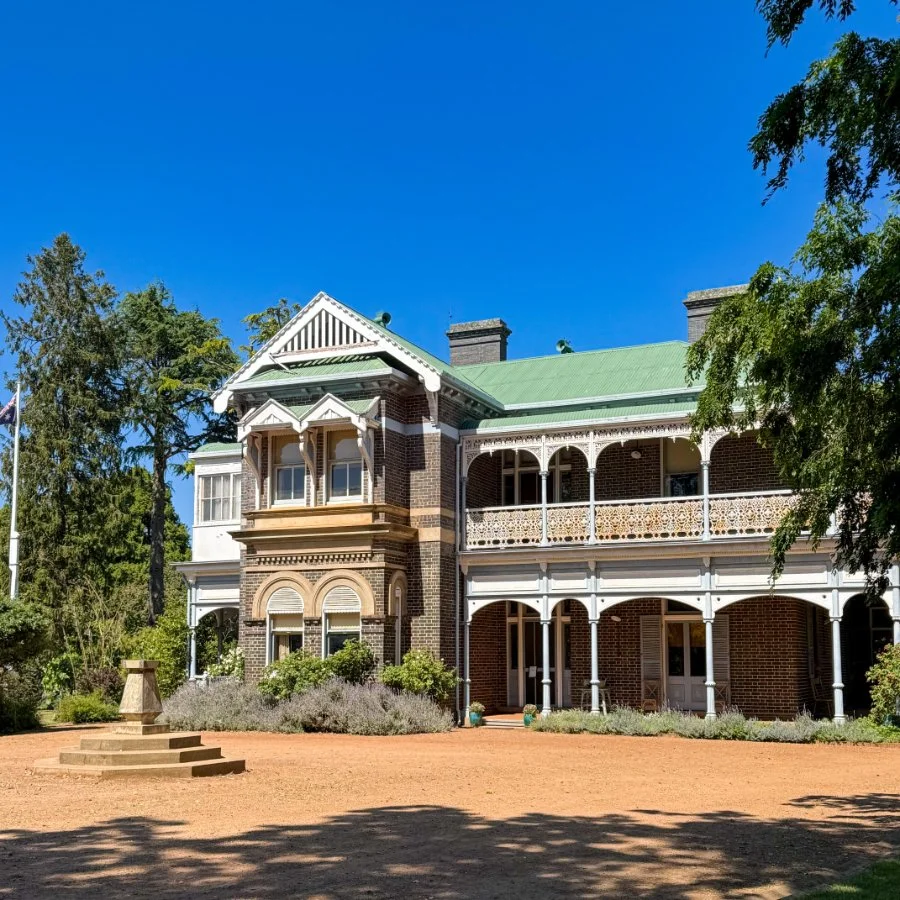
And then there’s Bishop's Lodge, on Moama Street. Built in 1888 by architect John Sulman for the first Anglican Bishop of the Riverina, Sydney Linton, it’s a remarkable iron building, designed specifically to withstand Hay’s extreme summer heat. Sawdust insulation, raised ventilation ridges, and a heritage rose garden surrounding it that’s been tended by volunteers for decades. It sat vacant and deteriorating for years before being restored as part of Hay’s bicentennial project in 1988. The self-guided tour is worth the $5 donation.
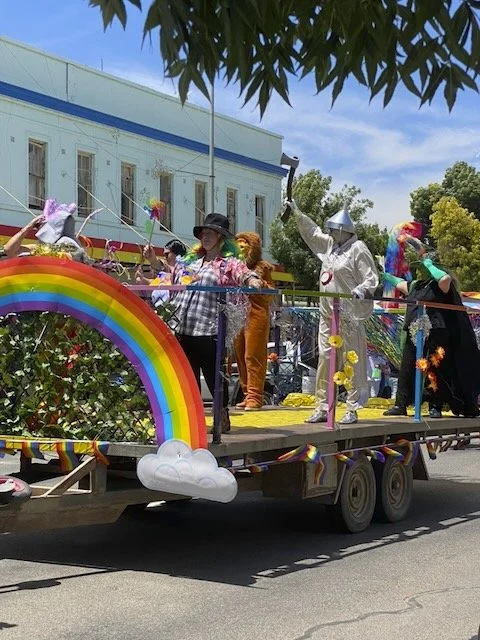
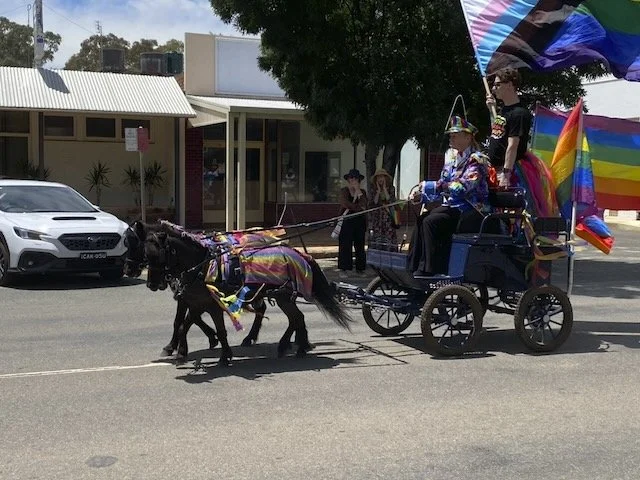
Cameron first came to Hay for the Rainbow on the Plains Festival, which has been running since 2018. It started simply enough, with a group of locals wanting to watch the Sydney Gay and Lesbian Mardi Gras parade together, and grew into a full weekend festival drawing thousands of visitors to this small Riverina town. Street parade, fair day, live entertainment, and an after-party that runs until the early hours. Hay puts on a proper welcome. The festival runs in November each year and has become one of the most genuinely inclusive events in regional NSW.
If you'd like more of this kind of travel in your inbox, the Travel Dispatch is worth signing up for HERE




Hay, New South Wales
Hay sits on the Murrumbidgee River in the heart of the Riverina, roughly halfway between Melbourne and Adelaide on the Sturt Highway. It's a flat, wide, quietly surprising town with a strong heritage precinct, a well-maintained free camp on the river, and a community that punches well above its weight. The town was gazetted in 1859 and grew as a key crossing point on the Murrumbidgee for stock routes heading to the Victorian goldfields. Its pastoral wealth funded some remarkable buildings in the late 19th century, several of which are still standing and open to visitors.
How to Get There
Hay is approximately 740 kilometres from Melbourne via the Calder and Sturt Highways, and around 750 kilometres from Sydney via the Hume and Sturt Highways. The Sturt Highway runs directly through town. Roads are sealed throughout and suitable for caravans and large motorhomes. From Victoria, the route north through St Arnaud and Balranald brings you in on the Western Highway and Sturt Highway combination, a quieter and more interesting drive than the direct freeway route.
What to See / Tours / Activities
What we did:
Camped at Sandy Point Reserve on the Murrumbidgee River.
Walked the riverbank and explored the Heritage Trail through town.
Visited the Hay Gaol Museum.
Explored the Hay Railway Station and Dunera Museum.
Visited Bishop's Lodge Historic House and Heritage Garden.
Took in the water tower veterans' art.
Other highlights nearby:
Shear Outback Museum (Australian Shearers Hall of Fame).
Rainbow on the Plains Festival, held annually in November.
Sunset Viewing Area, 16 kilometres north on the Cobb Highway, with 360-degree views across the plains.
Murrumbidgee Valley Regional Park, 4 kilometres west of town on the Maude Road, with free camping at Wooloondool.
Balranald, about 165 kilometres west along the Sturt Highway.
When to Visit
Hay is a year-round destination, though summer temperatures can be extreme. Autumn through spring offer the most comfortable conditions for camping and exploring on foot. The Rainbow on the Plains Festival runs in November each year. River levels and road conditions around the Murrumbidgee can change quickly after heavy rain.
Final Thoughts
There’s something about arriving in Hay after a long drive across the plains. The town earns its place on the map in its own quiet way. Good free camp, good history, good people. We’ll keep coming back.
What's Nearby
Hay sits naturally on a route between Balranald to the west and Wagga Wagga to the east, and makes a solid base for a few days. We passed through St Arnaud on the way up, and Warrnambool was our last stop before heading north. We'll link those posts here as they go live.
The Travel Dispatch is where we share more of the road. Sign up at HERE
Fast Facts
Location: Hay, New South Wales
Distance: 740km from Melbourne; 750km from Sydney
Traditional Owners: Nari Nari and Wiradjuri Peoples
Access: Sealed roads throughout; Sandy Point Reserve via Brunker Street off the Sturt Highway
Facilities: Free camp with toilets, electric BBQs, river access; full town facilities
Walking Track: Bidgee Riverside Trail and Heritage Trail through town
Best Time to Visit: Autumn to spring
Dog Friendly: Yes (Sandy Point Reserve and surrounds)
Things That Could Kill You (Probably Won’t)
A semi-serious guide to surviving Australia. Mostly common sense, occasionally luck.
The Hay Plains at dusk: Kangaroos and wallabies cross the road in numbers at dawn and dusk. Take it slow.
The summer heat: Hay’s summers are serious. Bishop’s Lodge was literally engineered to survive them.
The 72-hour limit at Sandy Point: It goes faster than you’d think. Plan accordingly.
If this post helped, you can support our work here.
Other updates you may like…
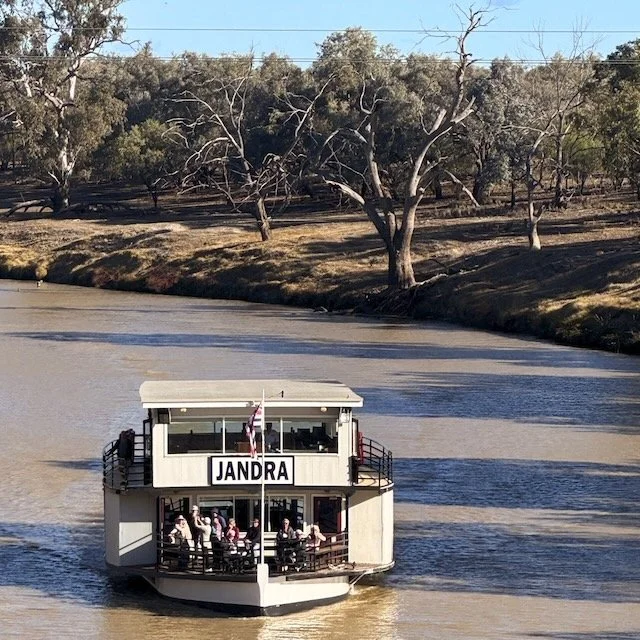



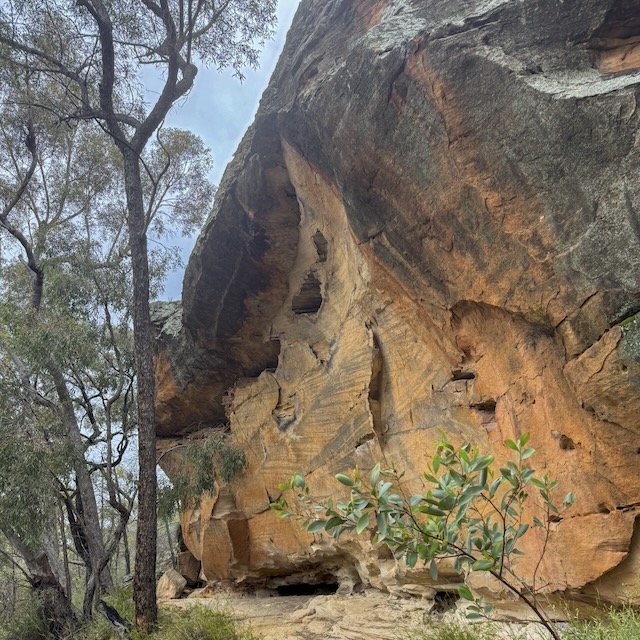


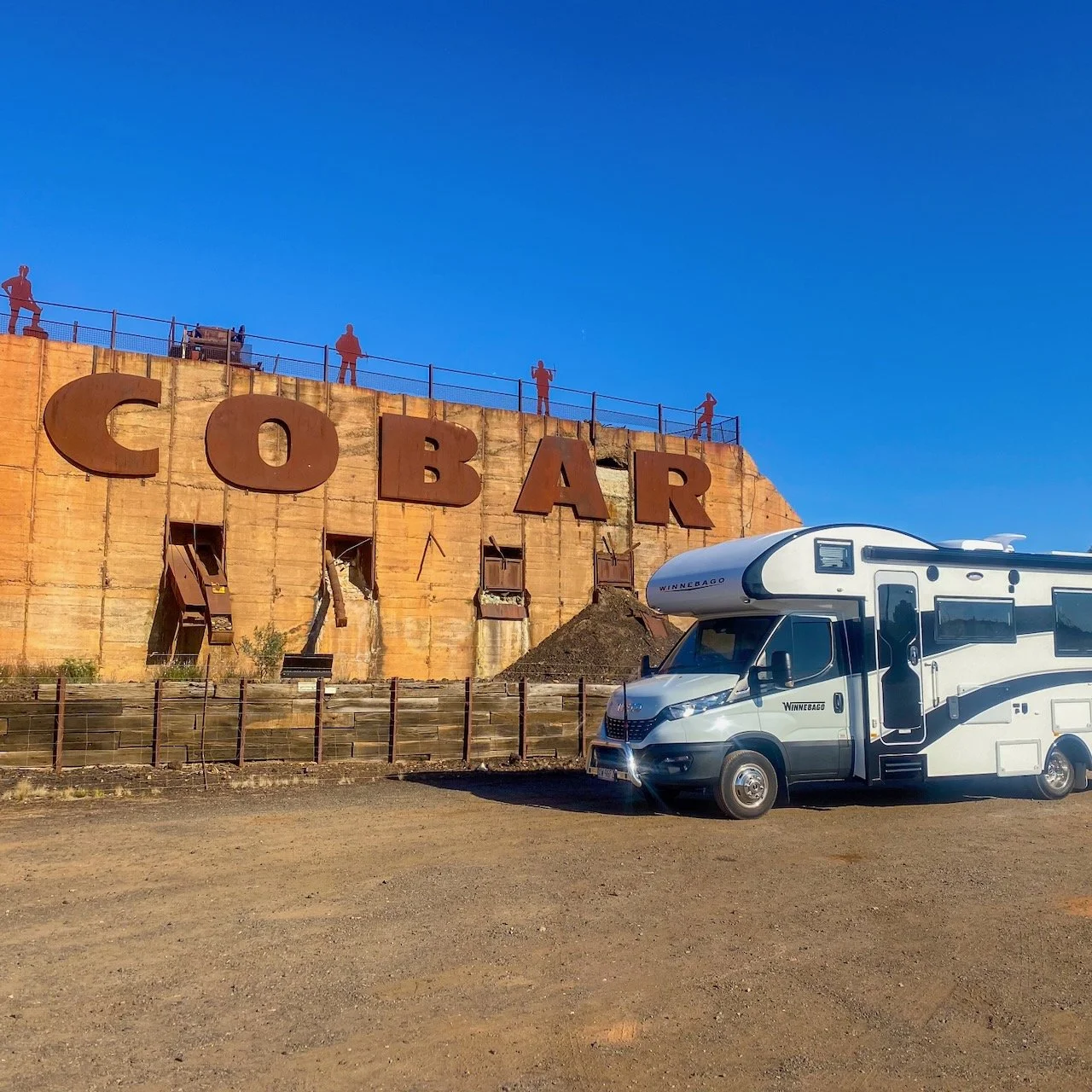





The Kidman Way is a 644-kilometre sealed touring route through inland NSW, from Jerilderie in the south to Barringun on the Queensland border. Named after the 'Cattle King', it passes through Griffith, Cobar and Bourke.