Baradine: Into the Pilliga
We rolled into Baradine without much of a plan and left a few days later, wondering why more people don’t stop here. It’s a small town, easy to miss if you’re pushing on toward somewhere else, but it turned out to be exactly the kind of place that rewards slowing down.
We set up at the Baradine Showgrounds, which suited us perfectly. Quiet, spacious, and uncomplicated. A no-fuss camp where days stretch out naturally, and you don’t feel the need to be anywhere in a hurry. It made a good base too, Close enough to town for supplies, and right on the edge of the forest.
After setting up, we wandered into town for lunch at Reggie’s Tattersalls Hotel. We’d heard good things from other travellers and understood why within a few bites. Proper country pub food, generous portions, and easy hospitality that makes you feel welcome without fuss. The steak sandwich did the job so well that we may have repeated the experience later in our stay.
With bellies full and batteries recharged, we turned our attention to the forest. Pilliga National Park is vast in a way that sneaks up on you.
The Pilliga Forest covers more than 5,000 square kilometres, making it the largest remaining area of native forest west of the Great Dividing Range. Its scale isn’t obvious at first, but once you’re inside it, the distance starts to register. Roads stretch on, landmarks thin out, and the forest feels enclosing rather than open. It’s dominated by cypress pine, ironbark, and box woodland growing in sandy soils that were never well suited to farming. What couldn’t be cleared or cultivated was left behind, and that lack of usefulness is largely why the forest still exists today.
The Pilliga sits on Gamilaraay Country and has long been a place of movement, shelter, and connection. Historically, it gained a reputation as a hard place to travel through, with poor water, sandy tracks, and dense growth making navigation slow and uncertain. That sense of difficulty lingers, even now. Modern roads have softened the edges, but the forest still asks you to pay attention. Much of its wildlife stays hidden, including threatened species that rely on large, continuous habitat. You feel that presence more than you see it, and it shapes the quiet, settled atmosphere that makes time in the Pilliga feel different.
One of our first stops was the Pilliga Fire Tower. The climb is short but steep, and while Neil made it to the top, Cameron decided halfway was high enough. From above, the forest spreads out in every direction, with views reaching toward the Warrumbungles National Park on a clear day. Even from partway up, it’s enough to appreciate just how much country this forest covers.
We also stopped at the Salt Caves to pause and take in a different side of the Pilliga. The picnic area nearby made it a good break spot, and the signage offered insight into the area’s geology and history. From there, we wandered along the Sculpture Walk, a short track dotted with art pieces that add a thoughtful layer to the landscape without overwhelming it.
Back in town, the Pilliga Discovery Centre helped tie everything together. It’s well laid out, informative without being heavy, and gave us a better understanding of what we’d been driving through. Friendly staff and a genuine sense of pride in the place rounded it out nicely.
What we thought would be a quick overnight stop turned into three nights. That extra time made all the difference. Baradine gave us space to slow down, settle in, and really take in the forest at its own pace.
If places like this are your thing, our Travel Dispatches often share the quieter stops that don’t shout for attention. You can sign up here:
https://www.offthemainroad.com.au/signup




Baradine
Baradine is a small country town in north-western New South Wales, sitting right on the edge of the Pilliga Forest. It’s a practical, welcoming base for exploring the surrounding national park and suits travellers looking for space, quiet, and easy access to nature.
How to Get There
Baradine is accessed via sealed regional roads, around 45 minutes north of Coonabarabran. It’s an easy detour if you’re travelling through the Warrumbungle or Pilliga regions.
What to See / Tours / Activities
What we did:
Camped at the Baradine Showgrounds for several nights.
Had lunch (more than once) at Reggie’s Tattersalls Hotel.
Drove through the Pilliga Forest and explored key stops.
Visited the Pilliga Fire Tower (as far up as courage allowed).
Walked the Sculpture Walk and stopped at the Salt Caves.
Spent time at the Pilliga Discovery Centre.
Other highlights nearby:
Long forest drives through the Pilliga.
Picnic areas and short walks within the national park.
Day trips toward Coonabarabran and the Warrumbungles.
When to Visit
Spring and autumn are ideal, with mild temperatures and comfortable days for exploring. Summer can be hot, while winter brings cooler nights and quieter conditions.
Final Thoughts
Baradine surprised us. Not by trying to impress, but by offering space, calm, and easy access to one of New South Wales’ most expansive forests. Sometimes that’s all a place needs to do.
What’s Nearby
From Baradine, the road leads naturally toward Coonabarabran and the Warrumbungles, or deeper into the Pilliga itself. It’s a region that works best when you don’t rush it.
Fast Facts
Location: North-western New South Wales
Distance: Approx. 45 km north of Coonabarabran
Traditional Owners: Gamilaraay people
Access: Sealed roads into town; unsealed roads within the forest
Facilities: Campgrounds, pub, general store, discovery centre
Walking Track: Short forest walks and Sculpture Walk
Best Time to Visit: Spring and autumn
Dog Friendly: Yes, on-lead in town and some forest areas
Things That Could Kill You (Probably Won’t)
A semi-serious guide to surviving Australia. Mostly common sense, occasionally luck.
Heat: The Pilliga can get hot. Carry water and plan your day.
Distance: Fuel and services are spread out. Top up early.
Overconfidence: Forest roads reward patience more than speed.
Other updates you may like…





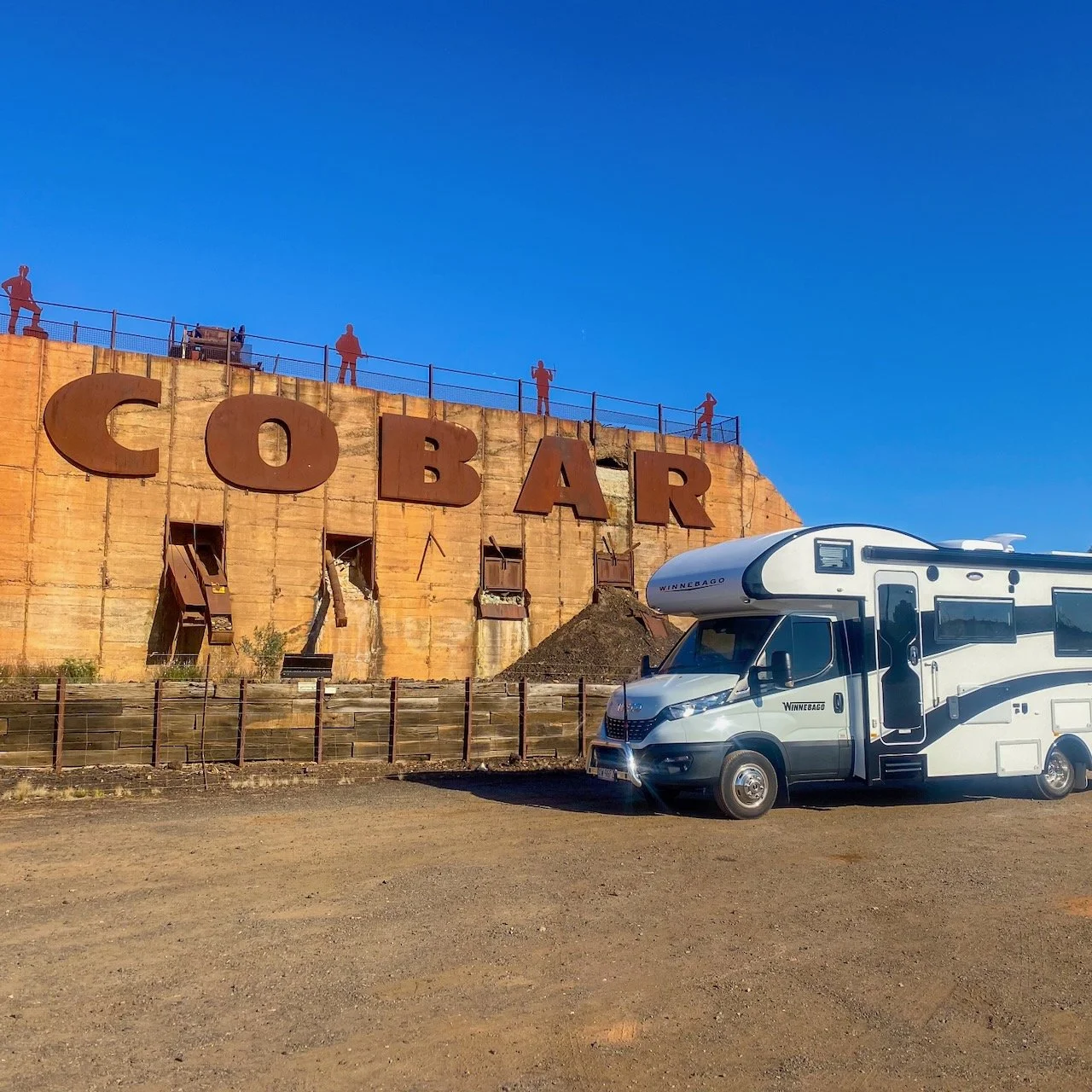





The Kidman Way is a 644-kilometre sealed touring route through inland NSW, from Jerilderie in the south to Barringun on the Queensland border. Named after the 'Cattle King', it passes through Griffith, Cobar and Bourke.