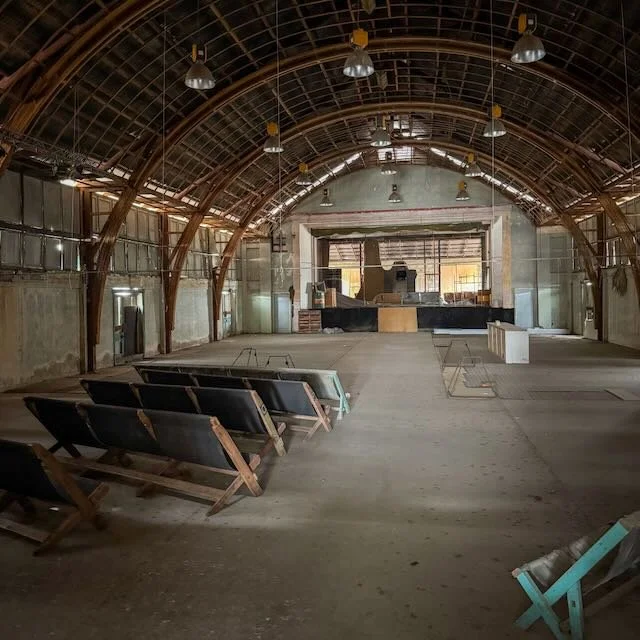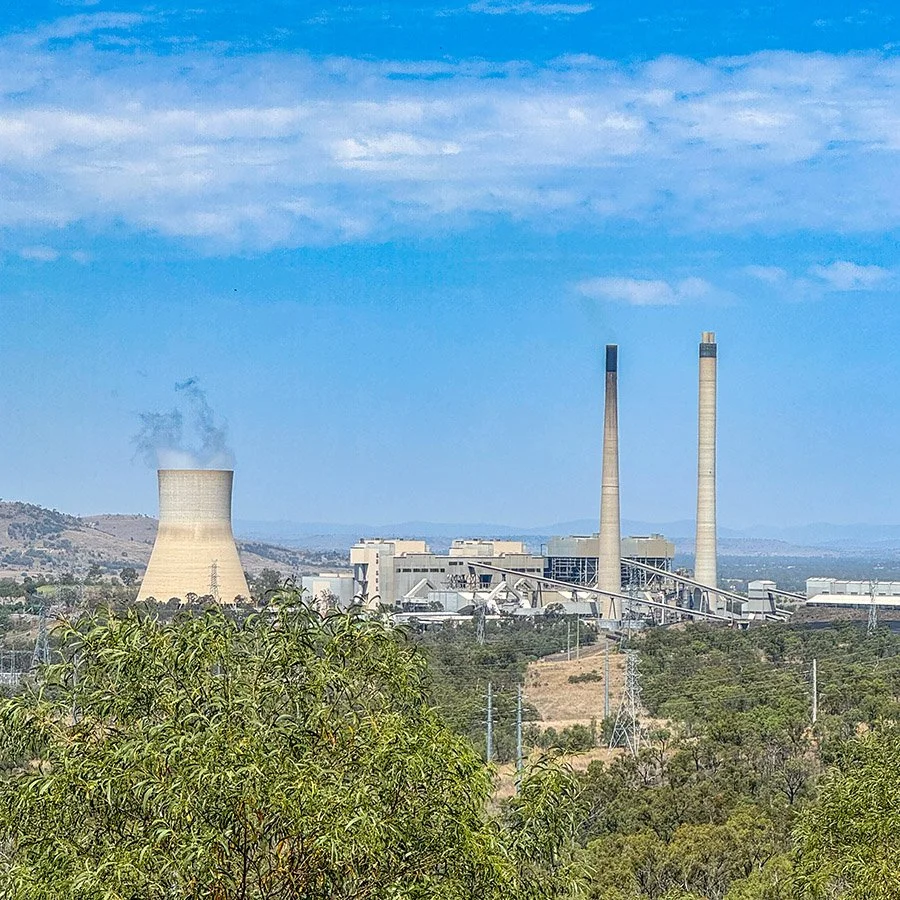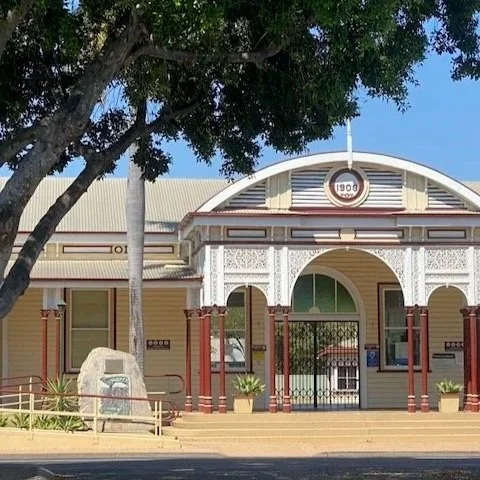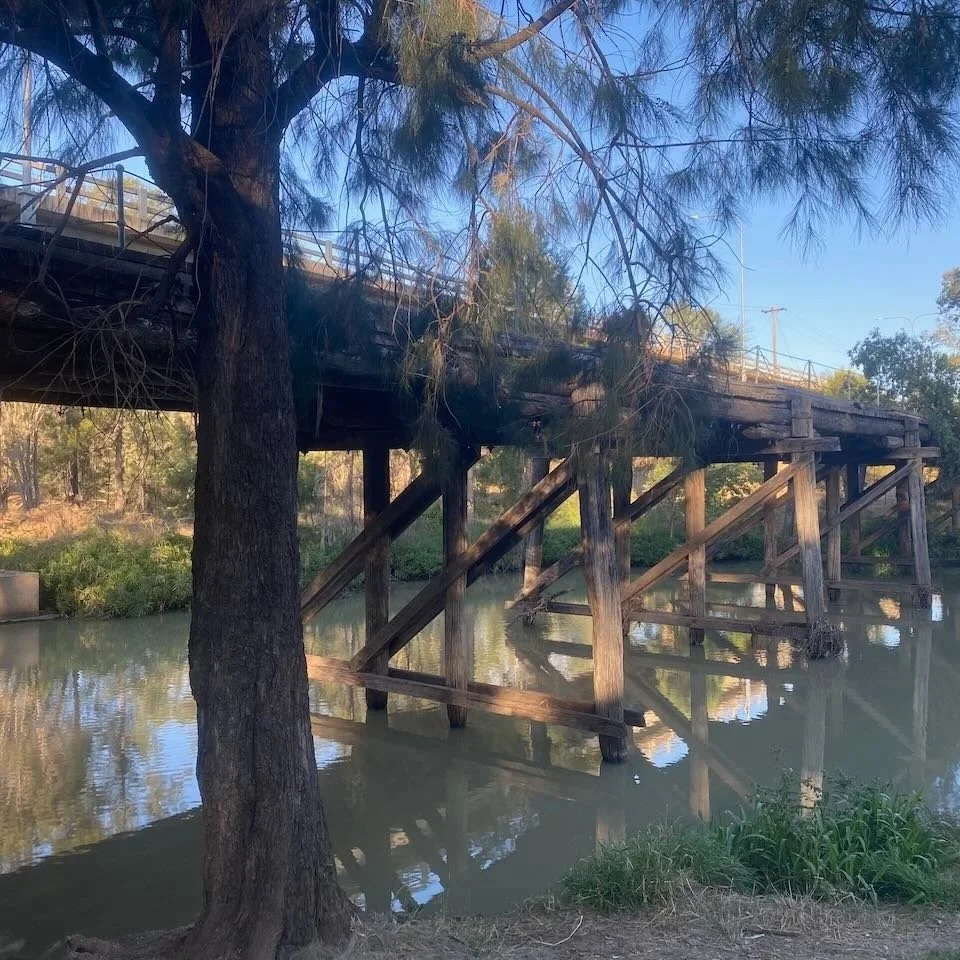
We made our way to Miles, a charming town in Queensland, and we’re so glad we did. Although small, it’s packed with history, and one of the standout spots is the Miles Historical Village Museum.
The museum is a gem. Located just off the main highway, it’s a bit of an unassuming spot from the outside, but once you step in, it’s like being transported back in time. The collection spans over 100 years of Australian history, with an emphasis on the local area’s past.
We wandered through the museum’s extensive collection of early settler artifacts, old farm machinery, and even a section dedicated to the region’s railway history. There’s a lot to see, and we spent a couple of hours here, reading the informative plaques and marvelling at the preserved items.
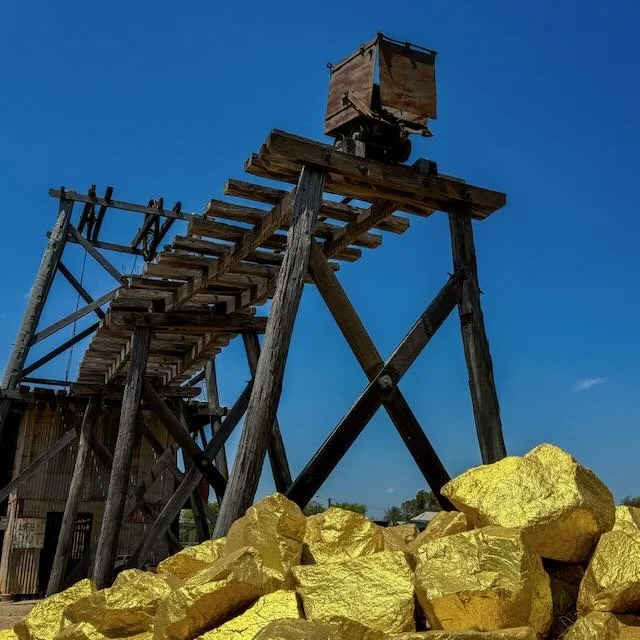
One of the highlights for us was the historic buildings on the museum grounds. The village is laid out as a series of relocated and restored buildings, each one telling a small part of the region’s story. Old homes, shops, sheds, a schoolhouse. Not grand architecture, just everyday structures that quietly explain how people lived, worked, and adapted to this landscape.
We left with a better understanding of Miles itself. A town shaped by agriculture, transport, and later, the oil and gas industry. Each layer is added without erasing what came before. It made wandering back through town afterwards feel different, like we were walking through a place we now knew a little better.
After our visit, we grabbed a bite in town and took a moment to appreciate the peaceful atmosphere of Miles. It’s a perfect stop for anyone interested in history or just looking for a quiet getaway. If you’re passing through, make sure to visit the Miles Historical Village Museum—you’ll leave with a much better understanding of the area’s past.
We share stories like this quietly, away from algorithms and urgency. If that sounds like your pace, you can join our Travel Dispatch here.
Miles
Miles is a small rural town in south-western Queensland, sitting along the Warrego Highway. It has long served as a service and agricultural centre for the surrounding region, with layers of history tied to farming, rail, and energy industries.
The town feels functional and lived-in rather than curated for visitors. Its appeal lies in slowing down, wandering on foot, and taking the time to understand how regional towns like this have adapted over time.
How to Get There
Miles is located on the Warrego Highway, roughly 340 kilometres west of Brisbane. It’s an easy sealed-road stop for travellers heading further into outback Queensland or looping between regional centres.
What to See / Tours / Activities
What we did:
Spent several hours exploring the Miles Historical Village Museum.
Wandered through town afterwards with a better sense of its past.
Took time to slow down rather than treating Miles as a drive-through stop.
Other highlights nearby:
Local parks and town walks.
Regional pubs and cafes.
Nearby agricultural landscapes that show the working nature of the area.
When to Visit
Spring and autumn are the most comfortable times to visit, with mild days and cooler nights. Summer can be very hot, while winter mornings are often crisp but clear.
Final Thoughts
Miles isn’t flashy, and it doesn’t need to be. Spending time here reminded us how much depth sits just beneath the surface of regional towns, especially when you’re willing to stay long enough to notice it.
What’s Nearby
Miles sits at a useful crossroads in southern Queensland, making it a practical hub rather than just a single-stop town. From here, roads head in four different directions, linking a mix of agricultural centres and inland routes.
To the east, the Warrego Highway leads back toward Dalby and on to Brisbane. Heading west, the same highway continues toward Roma and further into outback Queensland and Charleville. North of town, roads connect to Chinchilla, while routes south link Miles with smaller rural communities and farming country.
That layout makes Miles a natural place to pause, refuel, resupply, or spend a night or two before choosing which direction to head next. It’s less about nearby attractions and more about how easily it fits into longer regional journeys.
Fast Facts
Location: Miles, Queensland
Distance: Approx. 340 km west of Brisbane
Traditional Owners: Barunggam people
Access: Sealed roads
Facilities: Fuel, shops, accommodation, museum
Walking Track: Town and museum grounds
Best Time to Visit: Spring and autumn
Dog Friendly: Town, yes; museum grounds, yes!
Things That Could Kill You (Probably Won’t)
Heat: Summer temperatures can be extreme. Plan walks early or late in the day.
Highway traffic: The Warrego Highway is busy with trucks. Take care when entering or crossing.
Underestimating time: The museum is bigger than it looks. Allow longer than planned.
Other updates you may like…
From the old Rex Cinema in Monto to a four-kilo peanut haul in Kingaroy, this stretch of Queensland had everything—local tips, bush learning, and the stories you only find on the road.
Charters Towers caught us off guard — a planned two-night stop turned into four days of gold-rush history, quirky landmarks, tyre trouble and small surprises!
We spent three days in Cloncurry, exploring its history, murals, aviation heritage, and dam. From the first Qantas hangar to the birthplace of the RFDS, this outback town surprised us with stories and charm.
Croydon, Normanton, and Karumba gave us history, character, and Gulf Coast charm. From welcoming the Gulflander to cold drinks at the Purple Pub and sunsets in Karumba, this stretch of the Savannah Way was unforgettable.
We explored Cobbold Gorge after a rugged drive from Forsayth. Floating along the calm waters and hiking to the glass bridge, we were captivated by the towering cliffs, wildlife, and serene beauty of this Queensland outback gem.
Exploring the Undara Lava Tubes was like stepping into another world…towering underground tunnels carved by ancient lava flows, part history, part geology, and all awe. A side quest well worth the detour.
Lava tubes are formed when flowing lava cools on the surface while molten lava continues beneath, draining away to leave hollow tunnels. The Undara system in Queensland is one of the world’s best preserved examples
Soaked in Mareeba, charmed by Herberton’s historic village, waterfall-hopped around Ravenshoe, and finished with cheesecake and live guitar—our journey through the Tablelands mixed history, nature, and indulgence in perfect balance (with Zoe happily in tow).
Cooktown charmed us with laid-back days, sunset cruises, museums, and even a cheeky paddle for Zoe. We wrapped it all up at the iconic Lions Den Hotel—live music, hearty meals, and full hearts.
Camping at Newell Beach set the scene for exploring Mossman. We browsed markets, braved Mossman Gorge, detoured back to Cairns on a stunning coastal drive (with a giggle at Yorky’s Knob), before heading inland towards Cooktown.
From swimming holes to rainforest tracks, our time between Babinda and Kuranda was a mix of sightseeing, family catch-ups, and a long-overdue crocodile feast.
We broke up the drive north with stops at coastal Cardwell, rainy Tully with its Golden Gumboot, and the atmospheric Paronella Park. Each stop offered its own charm before we pushed on towards Cairns.
Exploring North Queensland took us from the busy streets of Townsville to the calm waters of Big Crystal Creek and the sheer power of Wallaman Falls. City views, creek swims, and unforgettable waterfalls in one stretch.
From a tense river crossing and a surprise snake encounter to a crowded Airlie Beach and a quiet roadside camp in Home Hill — our journey north was full of unexpected turns and memorable stops.
A quick coastal stop turned into seven relaxing days camped beneath palms in Seaforth. Beach swims for Zoe, fresh scones, friendly neighbours, and a kangaroo tourism reality check made this one of our favourite unexpected stays.
Camping behind the Pinnacle Family Hotel gave us the perfect base to explore Hatton Finch and Eungella. Great hikes, homemade pies, and sugarcane trains rolling by—this little stop had charm and adventure in spades.
We spent a week in Mackay with family, exploring art galleries, sugar tours, vibrant laneway murals, and orchid-filled gardens. While the city didn’t charm us completely, the time together made it memorable.
A roadside rescue, a closed pub, and a peaceful night in St Lawrence. Our trip from Rockhampton to Mackay was a reminder to slow down, lend a hand, and savour the road’s unexpected moments.
Back in Rockhampton after two years, we camped at peaceful Kershaw Gardens, revisited favourite spots by the river, soaked up local art, stocked up on fresh produce, and enjoyed a slice of city life before heading north.
Carnarvon Gorge had been on our bucket list for years, and it didn’t disappoint. Panoramic views, ancient rock art, dramatic cliffs, and lush pockets of green made this one of the most rewarding stops so far.
Our Carnarvon adventure kicked off with black bull “bears,” startled tourists and a stunning warm-up walk into Mickey Creek Gorge. A perfect taster before the main hike into the heart of the gorge.
From railway tragedy in Bogantungan to the supermarket aisles of Emerald, this leg of our trip marked the shift from outback stillness to something closer to civilisation — with Carnarvon Gorge waiting just around the bend.
Barcaldine blends rich history with small-town charm. We stayed at a peaceful local park, visited the famous Tree of Knowledge, admired the mighty Comet windmill, and soaked up the stories that shaped this resilient outback town.
White Station Healing Circle sits quietly near Lake Dunn. We visited without expectations, walked the stone ring, and reflected on similar spaces we’ve seen elsewhere. A grounded look at a place designed simply to pause and feel.
A peaceful few days along the Lake Dunn Sculpture Trail gave us quiet skies, curious art, and a dose of outback magic - including a visit to the healing circle that worked wonders for Zoe.
Planning the Aramac Sculpture Trail? These traveller’s notes outline road conditions, timing and what to expect on the 200-kilometre loop from Aramac, including practical tips for motorhome travellers.
We camped among locusts and legends in Muttaburra, the Home of the Muttaburrasaurus. A tiny town with a big story. Dinosaurs, country hospitality, and that unmistakable Outback sense of humour.
A night of chicken races, rain, and school holiday chaos had us making a quick dash through Tambo, Blackall and Barcaldine — chasing dry ground and peaceful camps before heading into Queensland’s quieter heart.
Charleville gave us two slow weeks of outback charm, filled with friendly faces, hearty meals, and quiet mornings. From historic pubs to bilbies and bombers, there’s more here than first meets the eye.
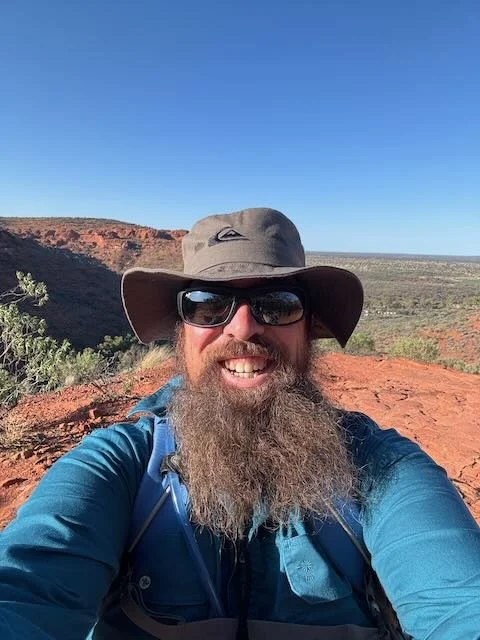
Cameron is a travel writer, photographer, and freelance copywriter with more than fourteen years of experience crafting stories that connect people and place. Based on the road in a motorhome with his partner, he documents Australia’s quieter corners through Off the Main Road, a travel journal devoted to the towns, landscapes, and characters often overlooked by the tourist trail.
His writing blends observation with lived experience, drawing on a professional background in brand storytelling. Blending visual storytelling with a writer’s eye for detail, Cameron captures moments that reveal the character of regional Australia—from weathered towns and open landscapes to the honest rhythm of life across Australia.
We came to Toowoomba for two nights and stayed four. Drawn in by gardens, markets, thunderstorms, and easy charm. A big city with a small-town heart, full of stories and surprises on the range.