Goondiwindi felt immediately settled. Not sleepy, not rushed. Just a town that knows what it’s there for.
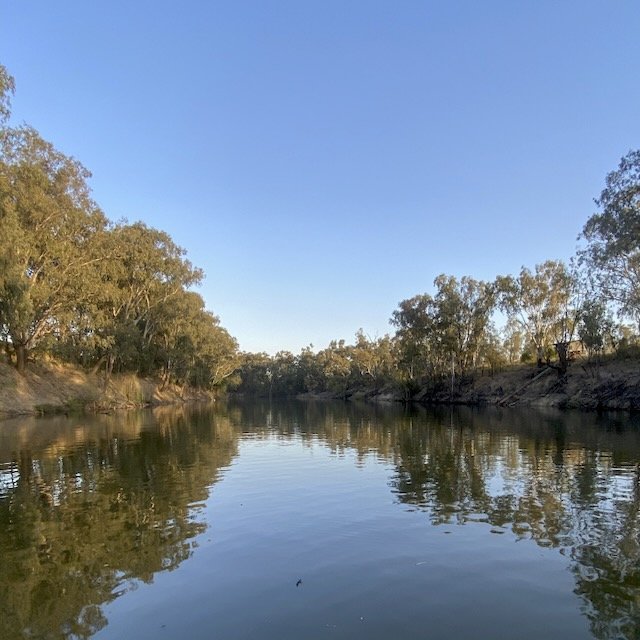
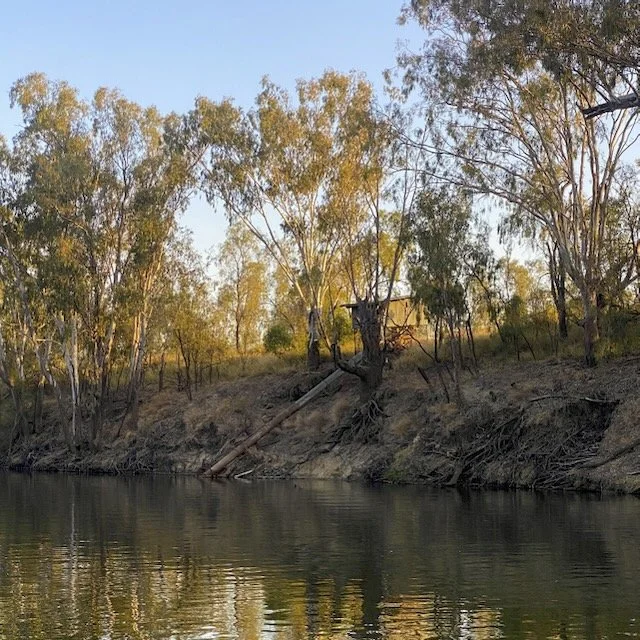
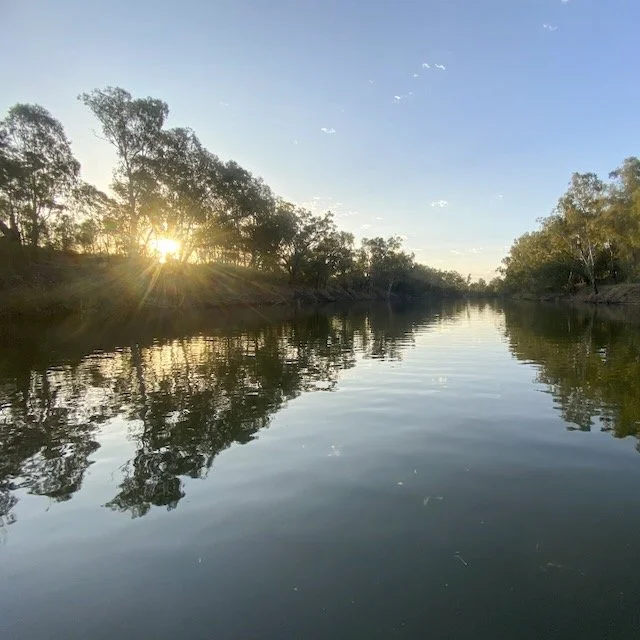
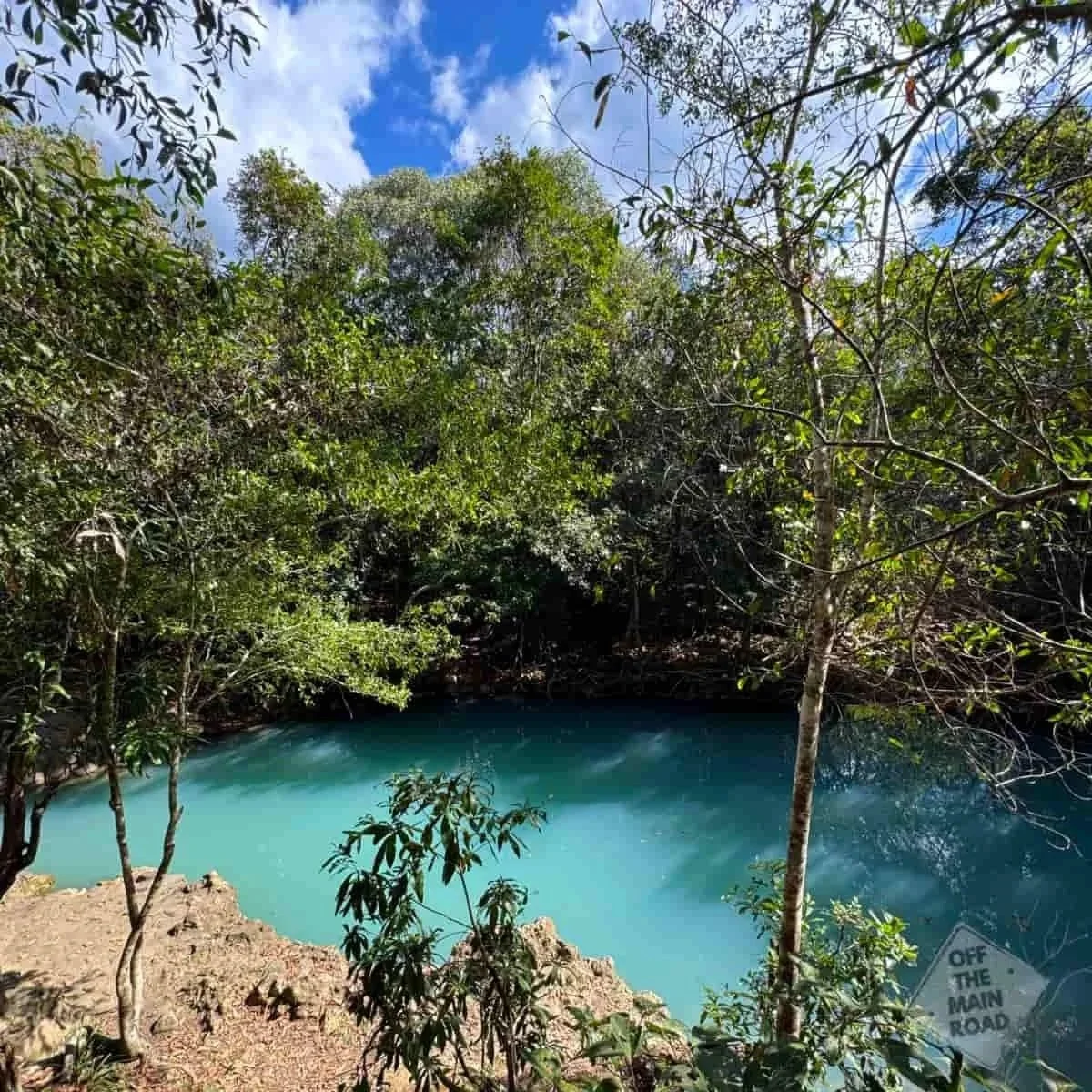
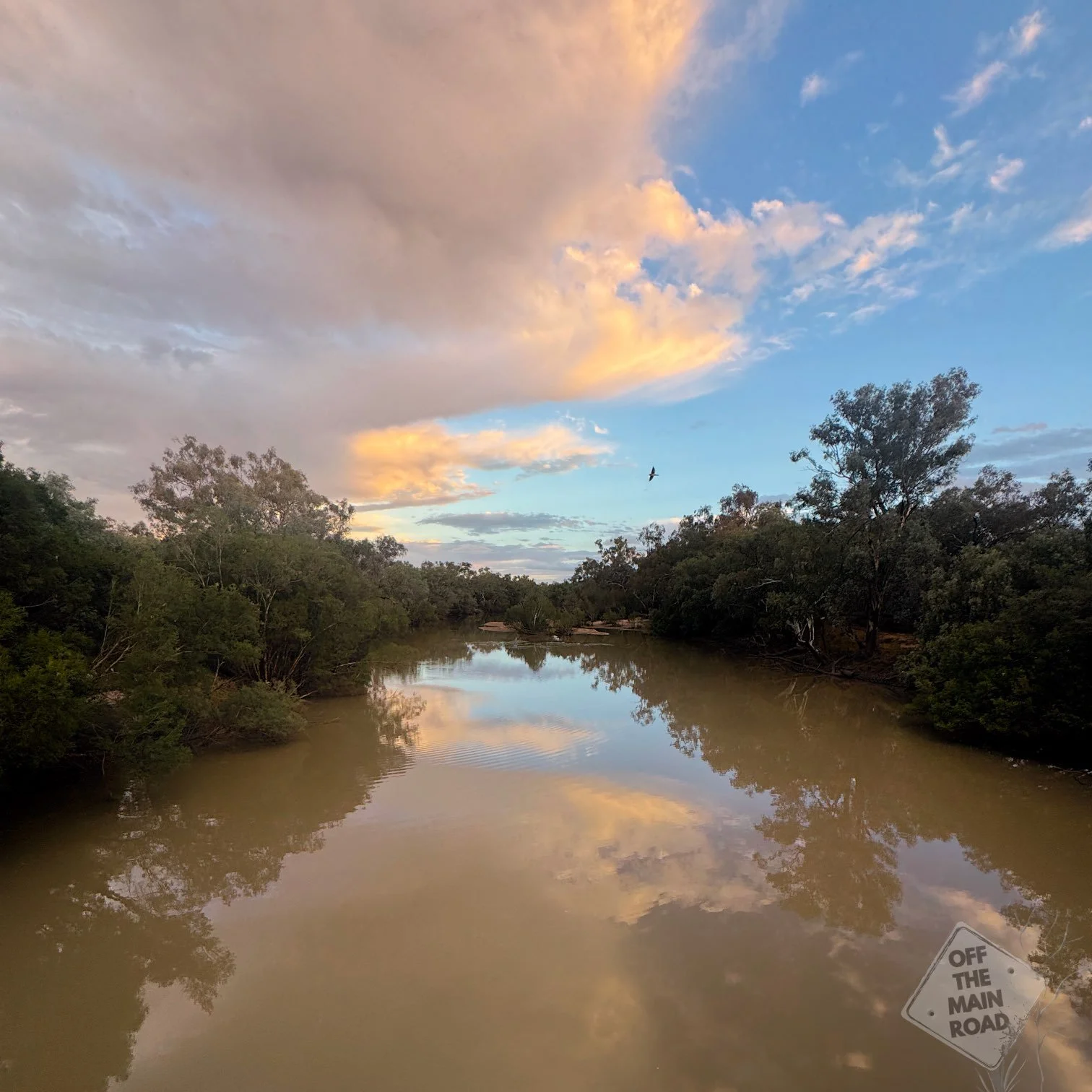
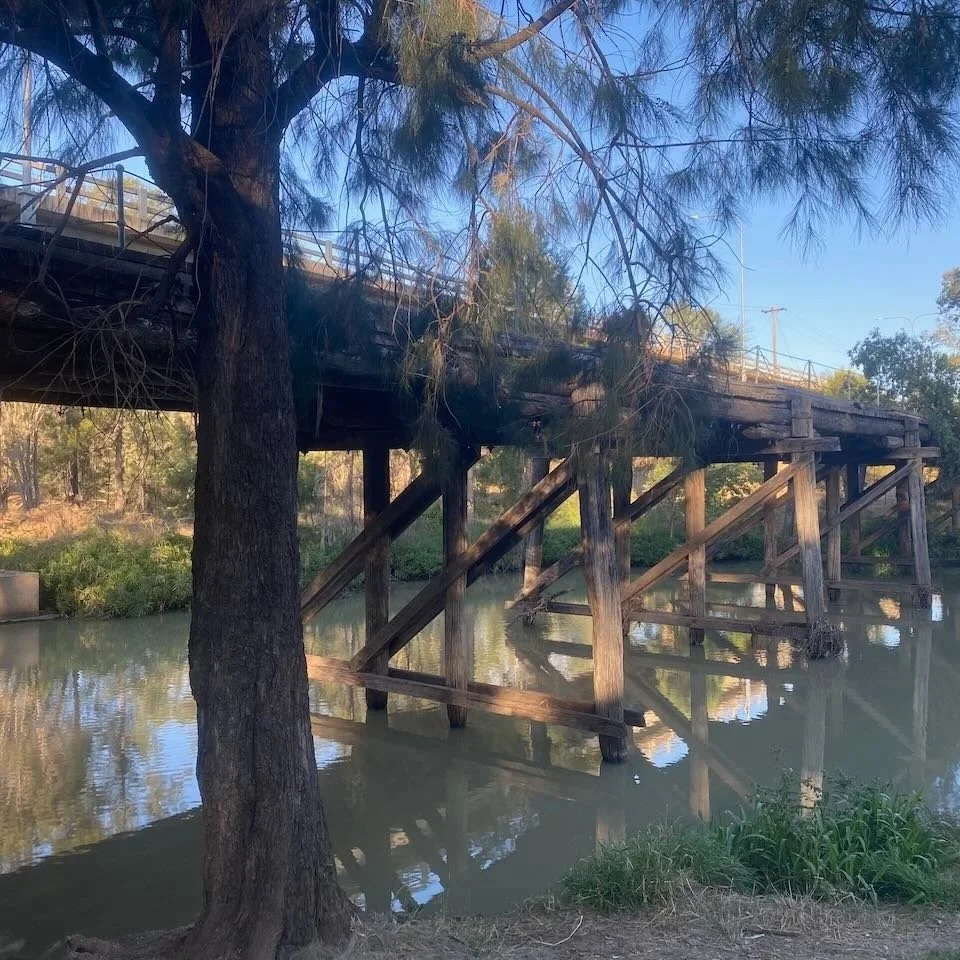
We spent our time doing simple things. Walking along the river. Wandering through town. Letting the place explain itself without needing a checklist. The Macintyre River runs right alongside Goondiwindi, and the river walk is one of the town’s quiet strengths. Flat, shaded in parts, and easy to dip in and out of as you explore.
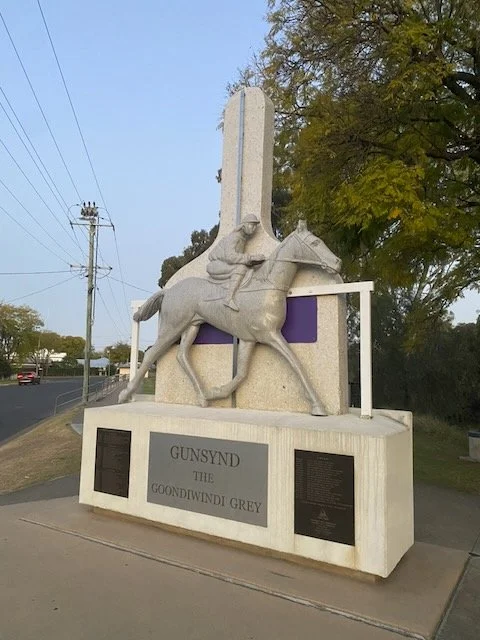
One of the first stops was the Gunsynd Memorial, which honours the famous racehorse bred and trained in the Goondiwindi district. Gunsynd’s story is closely tied to the town, and the memorial sits in a prominent spot, quietly acknowledging the pride the region still holds for its racing history.
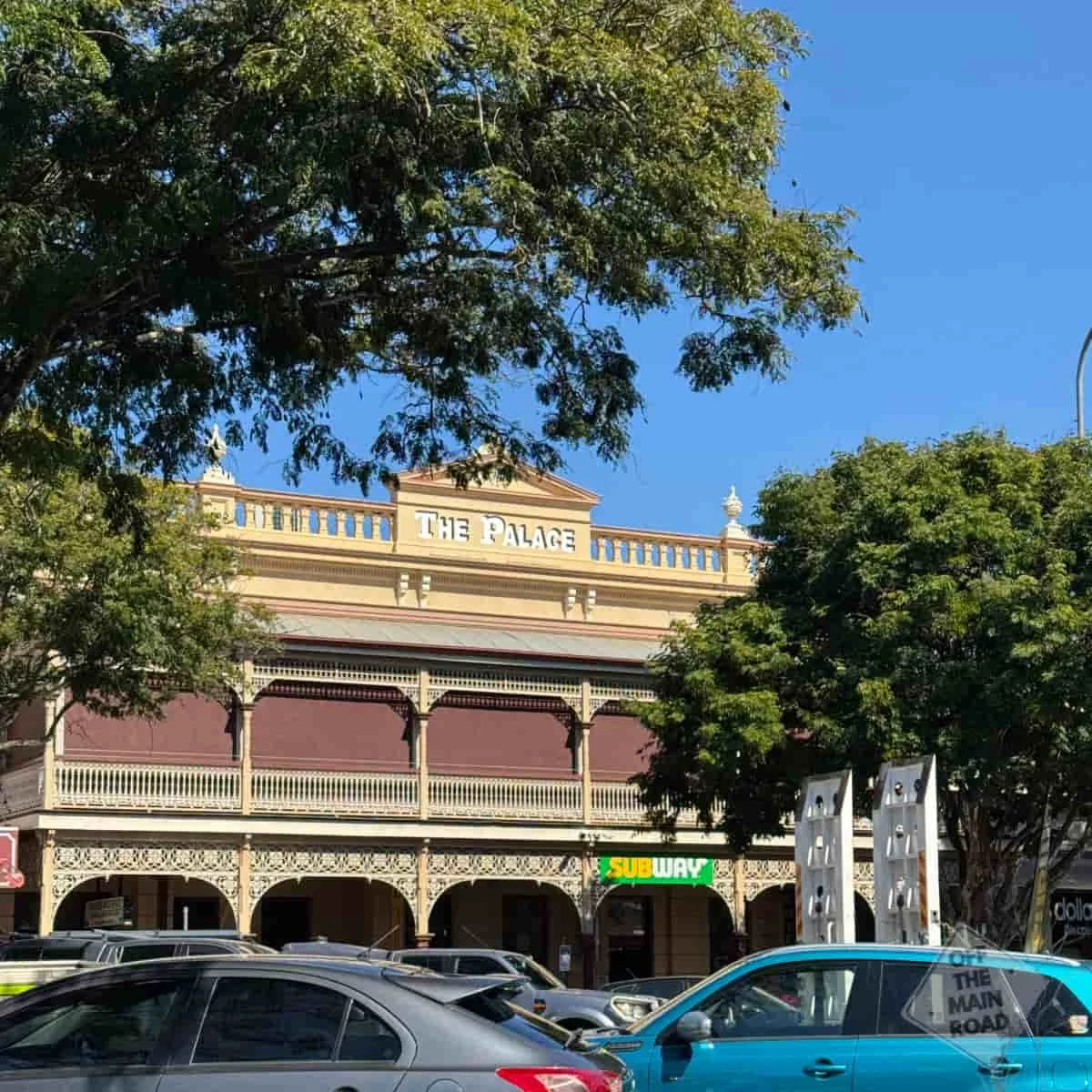
From there, we spent time wandering the town centre. Goondiwindi has a practical layout, with wide streets, solid local businesses, and none of the forced polish that sometimes creeps into regional centres. It feels lived in. Useful. Comfortable.
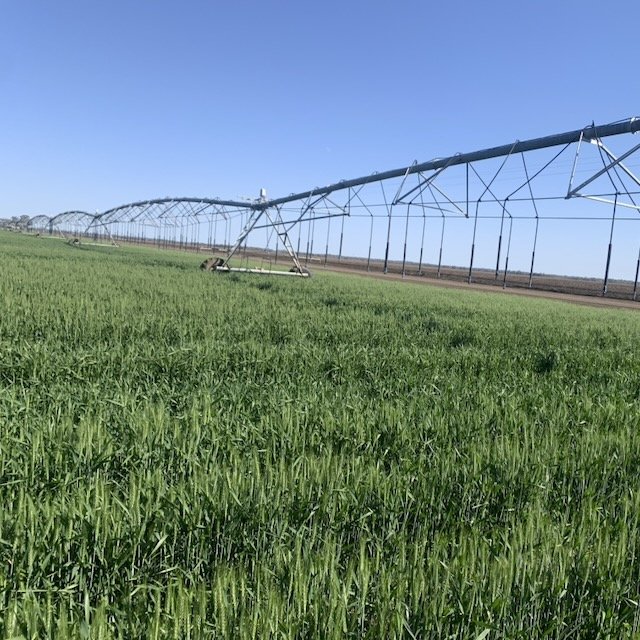
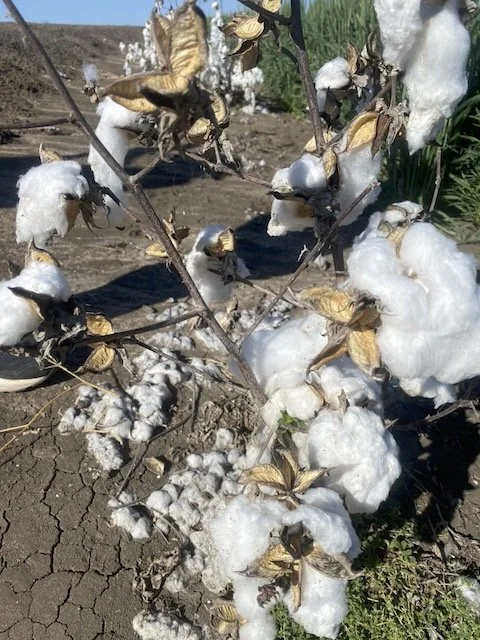
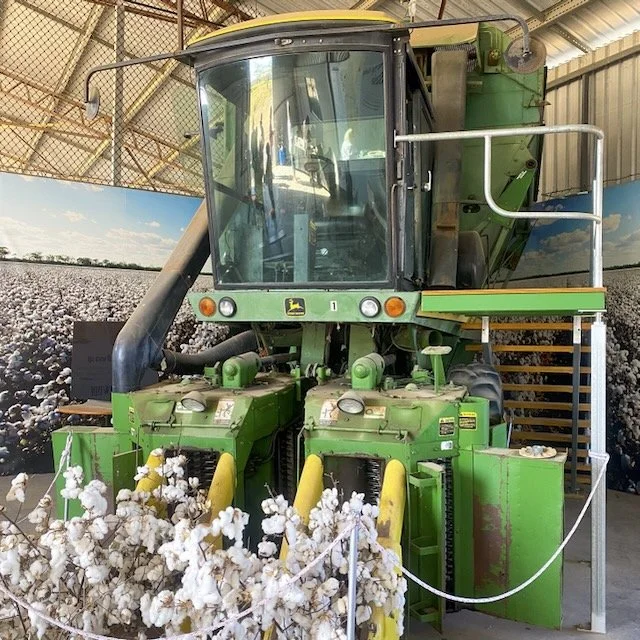
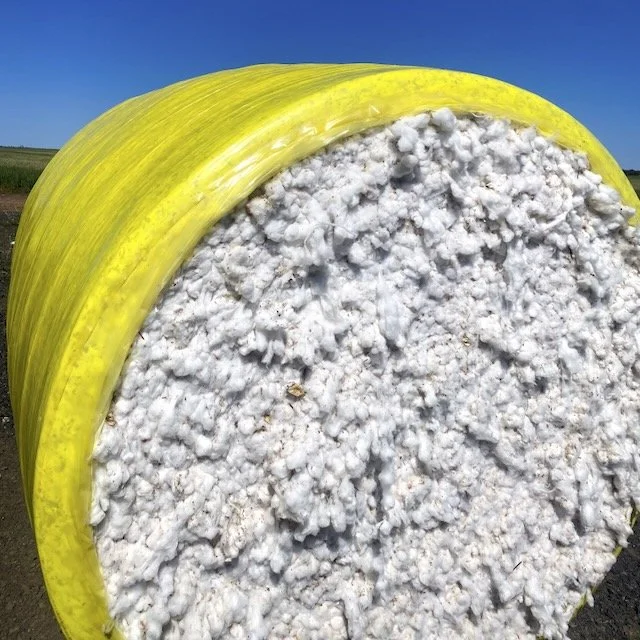
One of the more unexpectedly interesting parts of our visit was touring Goondiwindi Cotton. We went in curious and left far better informed. The tour walked through the full cotton growing process, from planting to harvesting and processing, and gave a clear picture of how important cotton is to the region.
Cotton farming often carries strong opinions, particularly around water use. What stood out here was how much has changed. Australian cotton growers now produce significantly more cotton using far less water than they did decades ago. Advances in irrigation technology, soil monitoring, and crop science have dramatically improved water-use efficiency. In fact, Australian cotton is among the most water-efficient in the world.
Seeing that story explained on the ground, by people directly involved, added context that’s easy to miss when cotton is discussed in abstract terms.
Goondiwindi isn’t a town that overwhelms you with attractions. It works because everything fits together. River, history, agriculture, and everyday life, all moving at a steady pace.
We share places like this quietly through our Travel Dispatch, where context matters more than hype. If that’s your pace, you can join us here
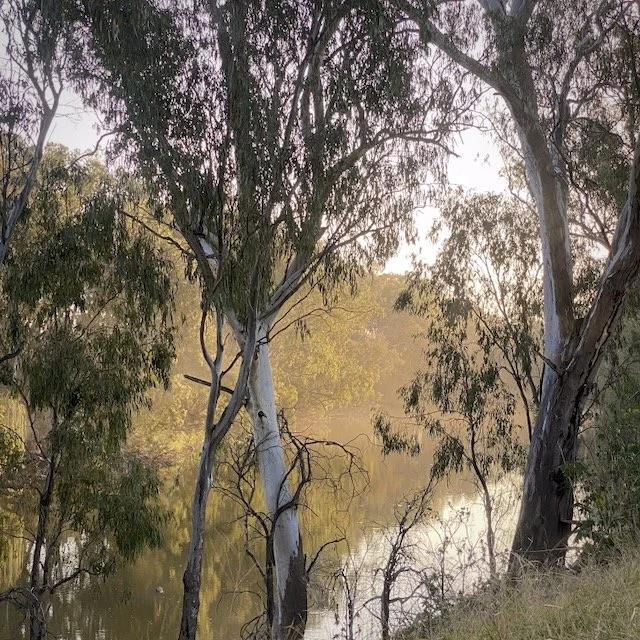
Goondiwindi
Goondiwindi is a major regional centre on the Queensland–New South Wales border, set along the Macintyre River. It plays an important role in agriculture, particularly cotton, grain, and grazing.
The town balances its farming identity with strong community spaces, river access, and a walkable centre that makes it easy to explore without needing to rush.
How to Get There
Goondiwindi is located on the Cunningham Highway, roughly 360 kilometres south-west of Brisbane. All major access roads are sealed, making it an easy stop for caravans, motorhomes, and general road travel.
What to See / Tours / Activities
What we did:
Walked the Macintyre River path.
Visited the Goondiwindi Grey Memorial.
Took a guided tour at Goondiwindi Cotton.
Wandered through town and local shops.
Other highlights nearby:
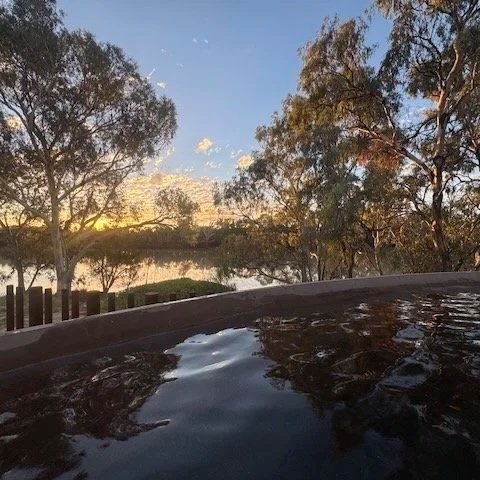
Mungindi Hot Artesian Pool.
Border country drives along the Macintyre River.
Local parks and picnic areas.
When to Visit
Spring and autumn offer the most comfortable weather for walking and exploring. Summer can be extremely hot, while winter days are mild with cool nights.
Final Thoughts
Goondiwindi is a town that makes sense once you spend a little time in it. The river, the memorials, and the working landscape all contribute to a place that feels grounded rather than performative.
What’s Nearby
Goondiwindi sits within easy reach of other Queensland–NSW border towns and works well as a base for exploring the region. It pairs naturally with stops like Mungindi and Nindigully, especially if you’re interested in how rivers and agriculture shape border communities.
✨ Join our newsletter for stories, secret spots, and off-the-main-road adventures that don’t make the guidebooks — delivered straight to your inbox. Sign up here.
Fast Facts
Location: Goondiwindi, Southern Queensland
Distance: Approx. 360 km south-west of Brisbane
Traditional Owners: Bigambul people
Access: Sealed highways
Facilities: Fuel, shops, tours, river walks
Walking Track: Macintyre River walk
Best Time to Visit: Spring and autumn
Dog Friendly: Yes (on lead in town)
Things That Could Kill You (Probably Won’t)
A semi-serious guide to surviving Australia. Mostly common sense, occasionally luck.
Heat: Summer temperatures can be extreme. Plan walks early or late in the day.
River edges: Uneven banks near the Macintyre River require attention underfoot.
Assumptions: Cotton farming is complex. Seeing it firsthand helps avoid oversimplified conclusions.
If this post helped, you can support our work here.
Other updates you may like…
From the old Rex Cinema in Monto to a four-kilo peanut haul in Kingaroy, this stretch of Queensland had everything—local tips, bush learning, and the stories you only find on the road.
Charters Towers caught us off guard — a planned two-night stop turned into four days of gold-rush history, quirky landmarks, tyre trouble and small surprises!
We spent three days in Cloncurry, exploring its history, murals, aviation heritage, and dam. From the first Qantas hangar to the birthplace of the RFDS, this outback town surprised us with stories and charm.
Croydon, Normanton, and Karumba gave us history, character, and Gulf Coast charm. From welcoming the Gulflander to cold drinks at the Purple Pub and sunsets in Karumba, this stretch of the Savannah Way was unforgettable.
We explored Cobbold Gorge after a rugged drive from Forsayth. Floating along the calm waters and hiking to the glass bridge, we were captivated by the towering cliffs, wildlife, and serene beauty of this Queensland outback gem.
Exploring the Undara Lava Tubes was like stepping into another world…towering underground tunnels carved by ancient lava flows, part history, part geology, and all awe. A side quest well worth the detour.
Lava tubes are formed when flowing lava cools on the surface while molten lava continues beneath, draining away to leave hollow tunnels. The Undara system in Queensland is one of the world’s best preserved examples
Soaked in Mareeba, charmed by Herberton’s historic village, waterfall-hopped around Ravenshoe, and finished with cheesecake and live guitar—our journey through the Tablelands mixed history, nature, and indulgence in perfect balance (with Zoe happily in tow).
Cooktown charmed us with laid-back days, sunset cruises, museums, and even a cheeky paddle for Zoe. We wrapped it all up at the iconic Lions Den Hotel—live music, hearty meals, and full hearts.
Camping at Newell Beach set the scene for exploring Mossman. We browsed markets, braved Mossman Gorge, detoured back to Cairns on a stunning coastal drive (with a giggle at Yorky’s Knob), before heading inland towards Cooktown.
From swimming holes to rainforest tracks, our time between Babinda and Kuranda was a mix of sightseeing, family catch-ups, and a long-overdue crocodile feast.
We broke up the drive north with stops at coastal Cardwell, rainy Tully with its Golden Gumboot, and the atmospheric Paronella Park. Each stop offered its own charm before we pushed on towards Cairns.
Exploring North Queensland took us from the busy streets of Townsville to the calm waters of Big Crystal Creek and the sheer power of Wallaman Falls. City views, creek swims, and unforgettable waterfalls in one stretch.
From a tense river crossing and a surprise snake encounter to a crowded Airlie Beach and a quiet roadside camp in Home Hill — our journey north was full of unexpected turns and memorable stops.
A quick coastal stop turned into seven relaxing days camped beneath palms in Seaforth. Beach swims for Zoe, fresh scones, friendly neighbours, and a kangaroo tourism reality check made this one of our favourite unexpected stays.
We spent a week in Mackay with family, exploring art galleries, sugar tours, vibrant laneway murals, and orchid-filled gardens. While the city didn’t charm us completely, the time together made it memorable.
A roadside rescue, a closed pub, and a peaceful night in St Lawrence. Our trip from Rockhampton to Mackay was a reminder to slow down, lend a hand, and savour the road’s unexpected moments.
Back in Rockhampton after two years, we camped at peaceful Kershaw Gardens, revisited favourite spots by the river, soaked up local art, stocked up on fresh produce, and enjoyed a slice of city life before heading north.
Carnarvon Gorge had been on our bucket list for years, and it didn’t disappoint. Panoramic views, ancient rock art, dramatic cliffs, and lush pockets of green made this one of the most rewarding stops so far.
Our Carnarvon adventure kicked off with black bull “bears,” startled tourists and a stunning warm-up walk into Mickey Creek Gorge. A perfect taster before the main hike into the heart of the gorge.
From railway tragedy in Bogantungan to the supermarket aisles of Emerald, this leg of our trip marked the shift from outback stillness to something closer to civilisation — with Carnarvon Gorge waiting just around the bend.
Barcaldine blends rich history with small-town charm. We stayed at a peaceful local park, visited the famous Tree of Knowledge, admired the mighty Comet windmill, and soaked up the stories that shaped this resilient outback town.
White Station Healing Circle sits quietly near Lake Dunn. We visited without expectations, walked the stone ring, and reflected on similar spaces we’ve seen elsewhere. A grounded look at a place designed simply to pause and feel.
A peaceful few days along the Lake Dunn Sculpture Trail gave us quiet skies, curious art, and a dose of outback magic - including a visit to the healing circle that worked wonders for Zoe.
Planning the Aramac Sculpture Trail? These traveller’s notes outline road conditions, timing and what to expect on the 200-kilometre loop from Aramac, including practical tips for motorhome travellers.
We camped among locusts and legends in Muttaburra, the Home of the Muttaburrasaurus. A tiny town with a big story. Dinosaurs, country hospitality, and that unmistakable Outback sense of humour.
A night of chicken races, rain, and school holiday chaos had us making a quick dash through Tambo, Blackall and Barcaldine — chasing dry ground and peaceful camps before heading into Queensland’s quieter heart.
Charleville gave us two slow weeks of outback charm, filled with friendly faces, hearty meals, and quiet mornings. From historic pubs to bilbies and bombers, there’s more here than first meets the eye.
A quick look at the Charleville Bilby Experience and whether it’s worth your time. Short sessions, close-up viewing and a strong conservation story make it an engaging stop for travellers passing through Outback Queensland.
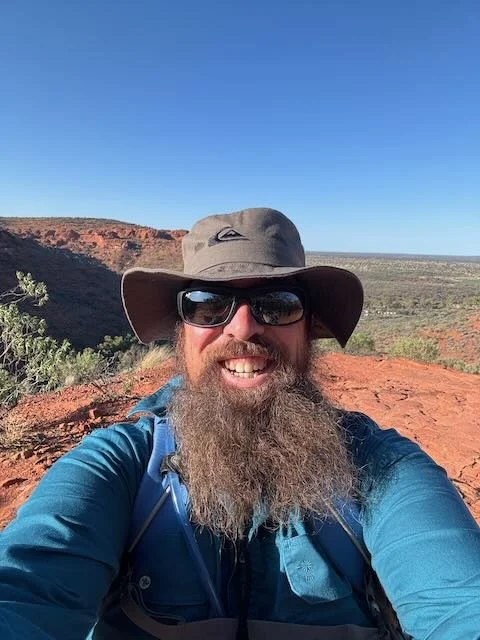
Cameron is a travel writer, photographer, and freelance copywriter with more than fourteen years of experience crafting stories that connect people and place. Based on the road in a motorhome with his partner, he documents Australia’s quieter corners through Off the Main Road, a travel journal devoted to the towns, landscapes, and characters often overlooked by the tourist trail.
His writing blends observation with lived experience, drawing on a professional background in brand storytelling. Blending visual storytelling with a writer’s eye for detail, Cameron captures moments that reveal the character of regional Australia—from weathered towns and open landscapes to the honest rhythm of life across Australia.
We came to Toowoomba for two nights and stayed four. Drawn in by gardens, markets, thunderstorms, and easy charm. A big city with a small-town heart, full of stories and surprises on the range.