Glen Innes: Granite and Heritage
We left Tenterfield mid-morning, heading south through the New England Highlands. The road was quiet, winding between farmland and patches of bush where the mist doesn’t clear till late. It was an easy drive, just over an hour, and we’d planned a quick stop in Glen Innes before continuing on to Inverell for the night.
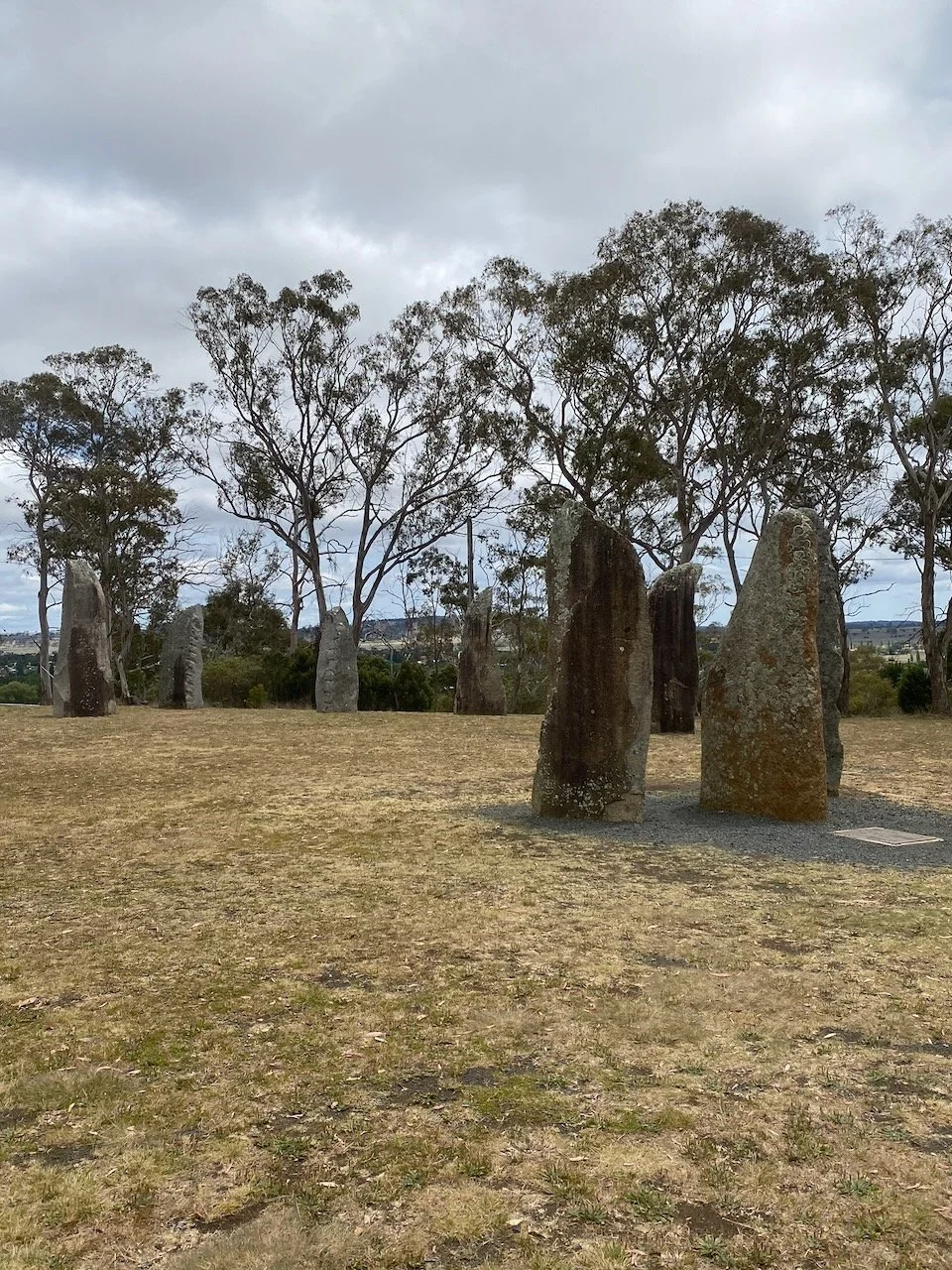
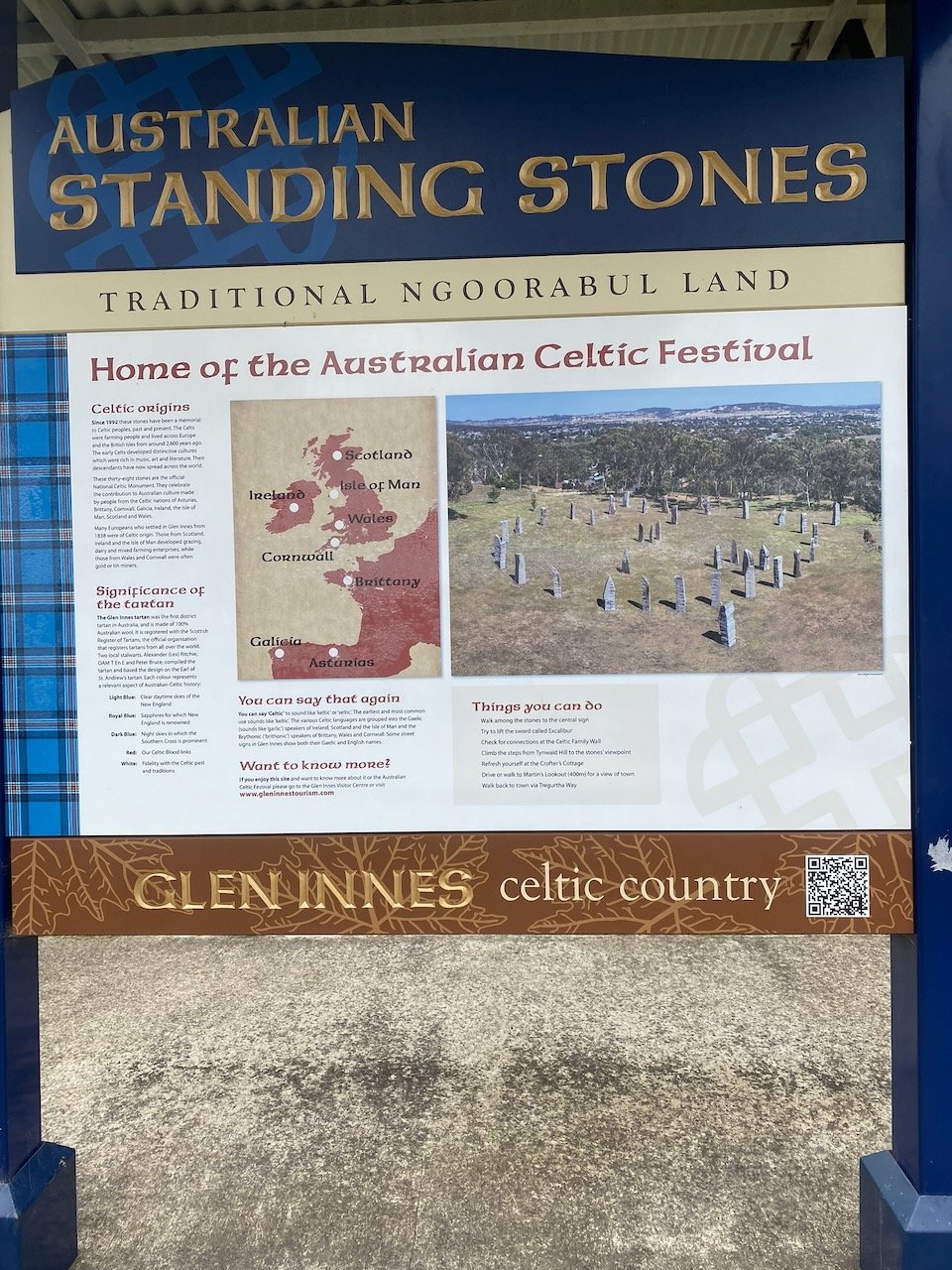
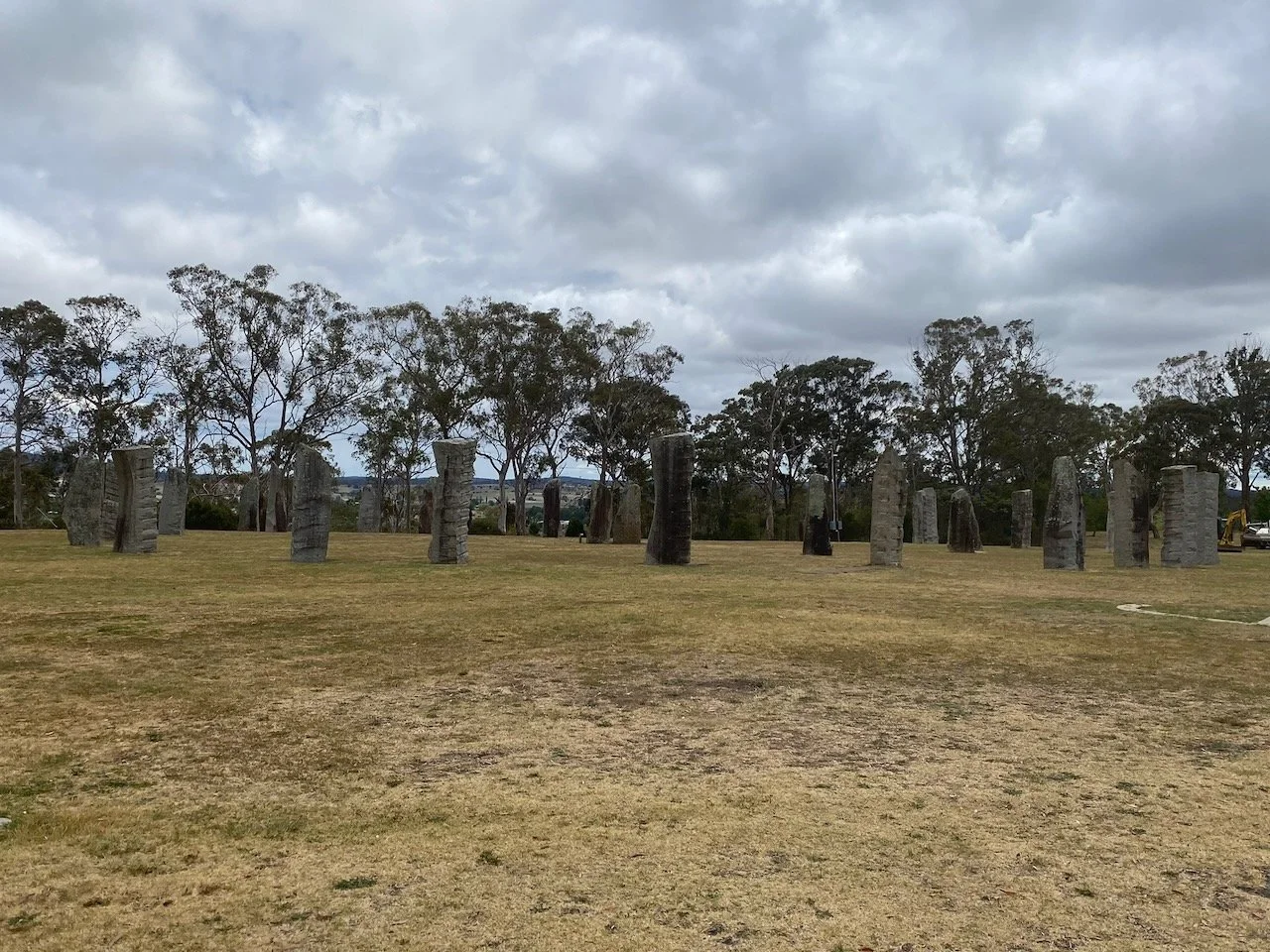
The Standing Stones were our main reason for stopping. Cameron’s Celtic side got the better of him, so we followed the signs out of town to a grassy rise overlooking the valley. The site looked a bit like something out of Scotland, with twenty-odd granite pillars arranged in a big circle and a central “golden boulder” marking the solstice point. Built in the early 1990s, it’s the National Celtic Monument, celebrating the six Celtic nations. It’s also surprisingly peaceful.
We walked around for a while, reading the plaques and checking how the sun lined up with the stones. Zoe was more interested in the wallabies grazing nearby. The breeze had a bite to it, typical of the high country, and by the time we got back to the moho, we were glad for a bit of warmth.
Back in town, we parked near the main street and went for a wander. Glen Innes has an old-fashioned country feel, with wide streets, stone buildings, and locals who are happy to stop for a chat. We grabbed a hot drink at a café, browsed a few antique and second-hand shops, and popped into the visitor centre to get a map of the heritage walk for next time. It’s a neat little town, easy to spend a couple of hours without realising.
By early afternoon, we were back on the road. The drive to Inverell took us through open paddocks and rolling hills; country that glows gold in the late light.
It was only a short stop, but the Standing Stones turned out to be one of those unexpected highlights. A little piece of Celtic history in the middle of rural New South Wales.
Enjoyed our stop in Glen Innes?
Join our newsletter for more stories and offbeat travel stops. Subscribe here.
Glen Innes
A high-country town with Celtic bones and a country heart. Between the granite stones, cool air, and easy pace, Glen Innes gave us space to breathe before rolling on towards Inverell.
How to Get There
Follow the New England Highway north from Tenterfield. It’s around 115 kilometres through hilly farmland and forest, an easy drive with a few good photo stops.
What to See, Tours and Activities
What we did:
Visited the Australian Standing Stones and learned how they mark the Celtic nations.
Wandered the town centre and heritage buildings.
Grabbed a coffee (or two) before continuing to Inverell.
Other highlights you might explore:
Check out the Land of the Beardies History House Museum.
Time your trip for the Australian Celtic Festival in early May.
Try your luck fossicking for sapphires or crystals nearby.
When to Visit
Autumn and spring bring the clearest skies and easiest weather for exploring. Winter mornings can be icy but beautiful, especially if you catch the mist rising over the fields.
Final Thoughts
We didn’t spend long in Glen Innes, but it left an impression. The stones stood silent in the wind, and for a moment, everything around us felt both ancient and quietly alive.
What’s Nearby
Next, we carried on to Bingara by way of Inverell, where the high country started to give way to the wide plains again.
Other updates you may like…
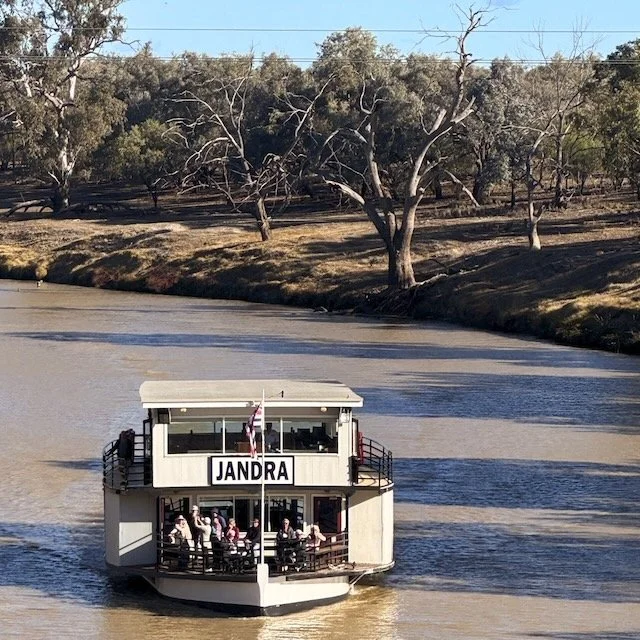
From Nyngan’s riverside calm to Cobar’s quiet bush camp and the long road to Broken Hill, this stretch of outback NSW is a reminder that sometimes, the in-between days are the best ones.
Armidale gave us cool mornings, friendly markets, and the joy of finding real bookshops again. With gardens, heritage, and country calm, it’s the kind of inland town that makes you want to stay a little longer.
The NSW coast is busy, but not everywhere. From laid-back Woolgoolga to Bellingen’s Butter Factory and the mountain roads to Dorrigo, we found the quiet corners still holding their charm.
After braving Brisbane and the Gold Coast, Mullumbimby was an exhale. A leafy hinterland town of markets, vintage shops, and slow mornings at the showgrounds. Proof that the best stops aren’t always planned.
Every now and then, you meet people on the road who feel like old friends. Mel and Susie’s bush poetry, humour, and warm-heartedness made us instant fans — and lifelong mates.
We rolled into Lightning Ridge for the third time — this visit a little muddier than usual. After dodging puddles and slick backroads, both the moho and Jimny looked rally-ready and well-travelled.
From Burren Junction’s steaming thermal pool to Rowena’s country pub, this stretch of Northern NSW delivered good food, warm water, and muddy roads—proof that slow travel still brings the best surprises.
Narrabri surprised us with its blend of geology, science and relaxed country charm — from Sawn Rocks to market scones and a slightly embarrassing moment at the Telescope Array. A simple, easy stop on the Newell Highway.
We rolled into Baradine with no big expectations and left a few days later completely charmed.
While in town, we couldn’t skip a quick visit to the Big Bogan — cheeky as ever and just as good for a second round of photos.
A couple of days in Cobar gave us history, quiet station camping and a steady outback pace. From the museum to Glenhope’s big skies, it’s a relaxed stop between the central west and the far west.
As huge fans of space and science, this iconic landmark was a definite must-see, and it did not disappoint.
This incredible railway depot is one of the few remaining roundhouses in Australia, and stepping inside felt like stepping back in time.
Pies, saddles, and cool mountain air. Tenterfield surprised us in all the right ways. A heritage town with a big heart and small-town charm, perfect for slowing down and soaking it all in.
Sea breezes, dolphin sightings, and a pub by the bay. Ballina gave us exactly the kind of coastal calm we needed. A giant prawn, a quiet walk, and zero influencer chaos.
Canberra gave us politics, culture, frozen motorhome pipes, and a proper taste of ACT crispness. From Old Parliament House to Lake Burley Griffin, it was one of the most surprising stops of our shakedown trip.
From Bermagui to Batemans Bay, the coastal road carried us past dolphins, fish and chips, and a growing sense of ease. Small towns, quiet bays, and days that felt unhurried—finally finding our road rhythm.
Tilba Tilba cheese, Bermagui’s Blue Pool, and tall pub stories marked the moment we started finding our rhythm on the road — and learned that good cheese might just be worth every detour.
In Merimbula, we traded busy travel for slow days by the sea. We fixed our first flat tyre, ate oysters by the dozen, and learned that quiet time can be the best part of the trip.
Our first motorhome trip from Geelong to Eden was equal parts chaos and discovery. We packed too much, sang off-key in a winery, and learned fast that the road has its own rhythm.
Cameron is a travel writer, photographer, and freelance copywriter with more than fourteen years of experience crafting stories that connect people and place. Based on the road in a motorhome with his partner, he documents Australia’s quieter corners through Off the Main Road, a travel journal devoted to the towns, landscapes, and characters often overlooked by the tourist trail.
His writing blends observation with lived experience, drawing on a professional background in brand storytelling. Blending visual storytelling with a writer’s eye for detail, Cameron captures moments that reveal the character of regional Australia—from weathered towns and open landscapes to the honest rhythm of life across Australia.
From buffalo chicken pizza to desert sculptures and Silverton’s donkeys, Broken Hill gave us art, weather, and classic outback humour in equal measure. It’s a place that surprises every time — dust storms included.