Camooweal Billabong: Quiet Water on the Border
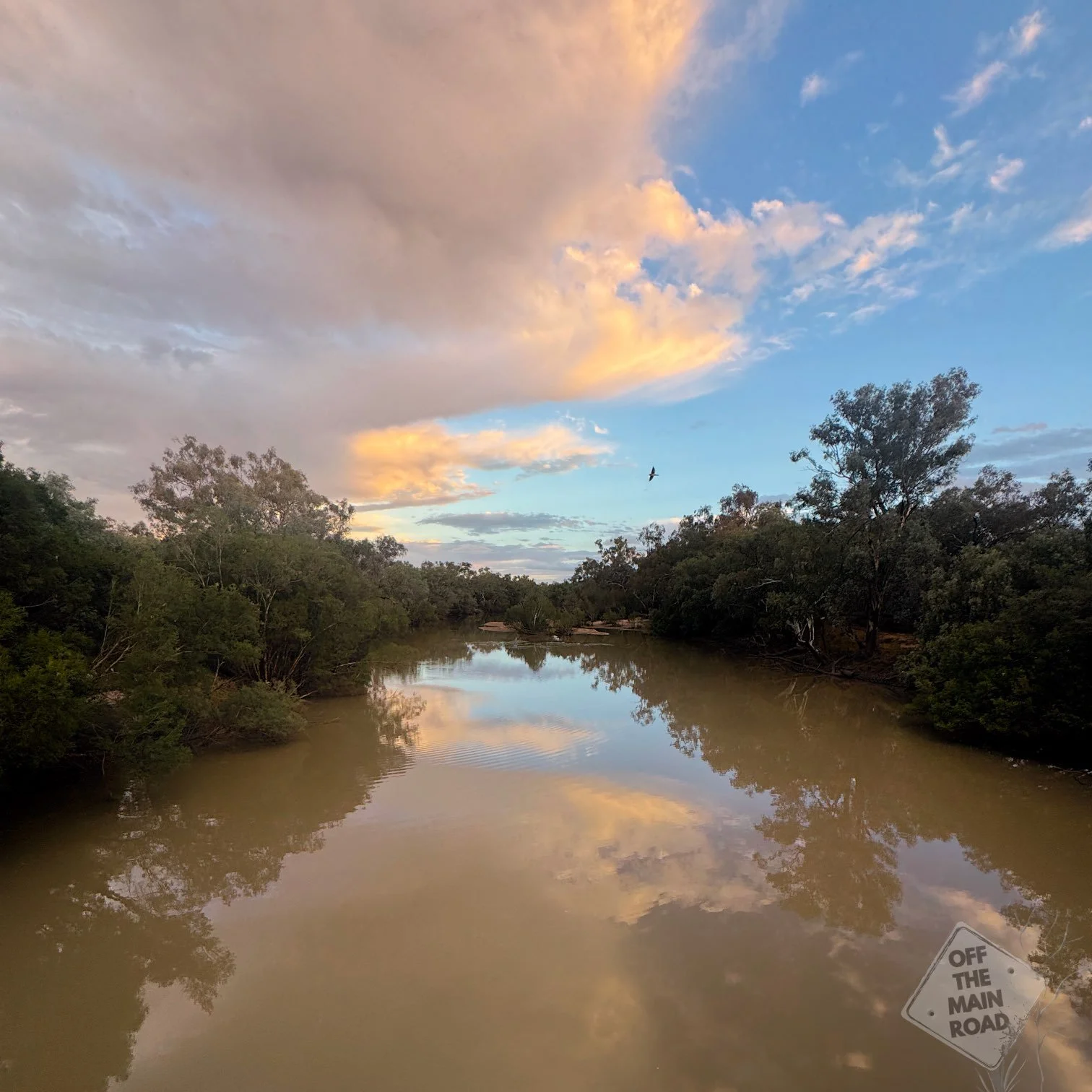
Camooweal Billabong gave us a proper pause after a few big days rolling across outback Queensland. Sitting right near the NT border, it’s one of those spots that feels removed from everything the moment you pull in. We found a level patch by the water and settled in without any need to rush.
The billabong stretched out beside us, long and still, with birds moving across it from first light to dusk. Pelicans drifted in slow arcs, black swans cut across the reflections, and smaller birds flicked through the reeds. A pair of brolgas wandered along the edge one afternoon, unbothered by anything except their own pace. It’s the sort of place where the activity is constant but gentle, easy to watch without feeling like you need to chase anything.
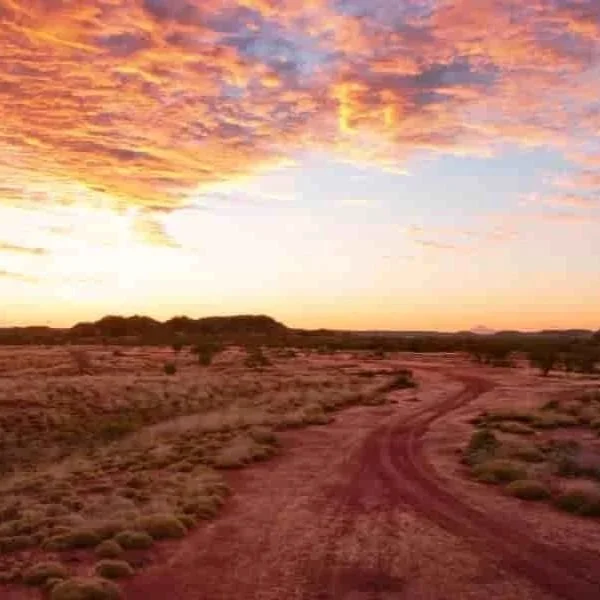
Evenings were the highlight. The sky would shift through layers of orange, pink and soft purple, mirrored perfectly in the water. We sat outside most nights, just watching the colours change and listening to the low hum of birds settling for the evening. Simple, quiet, and exactly what we needed.
We took a few slow walks along the narrow tracks that follow the billabong, weaving through scrub and open patches of grass. Apart from the rustle of leaves and the occasional splash, it stayed calm the whole way. No big queues, no noise, just wide country doing what it does.
Camooweal Billabong was one of those stops that resets you a bit. Nothing fancy, nothing forced, just open space and room to breathe on the edge of the Northern Territory.
Sign up for our Travel Dispatch to follow our run across the Queensland–NT border and the desert stretch that came next.


Camooweal Billabong
A wide, still waterhole on the Georgina River floodplain near the Queensland–Northern Territory border, known for birdlife and peaceful bush camping.
How to Get There
Camooweal is 12 km east of the NT border on the Barkly Highway, around 190 km west of Mount Isa. The billabong can be accessed via short unsealed tracks suitable for most vehicles in dry weather.
What to See, Tours and Activities
What we did:
Camped beside the billabong.
Watched birdlife (pelicans, swans, brolgas).
Walked the tracks along the water’s edge.
Enjoyed sunset views across the floodplain.
Other highlights nearby:
Camooweal township and Drovers Camp Museum.
Lake Francis for short walks and birdwatching.
Barkly Tableland viewpoints along the highway.
When to Visit
Dry season (April–October) brings mild days and cooler nights. Wet season access can be restricted due to flooding and soft tracks — always check conditions first.
Final Thoughts
Camooweal Billabong was a calm, quiet stop that reminded us why we travel slowly. A simple slice of outback water that feels bigger than it looks.
What’s Nearby
West leads toward the NT border and Tennant Creek; east runs back toward Mount Isa.
Don’t miss our Top Secret Travel Dispatches — the stories we only share off the main road. Join here.
Fast Facts
Location: Camooweal, Outback Queensland
Distance: 190 km west of Mount Isa
Traditional Owners: Indjalandji-Dhidhanu People
Access: Short unsealed tracks from Barkly Highway (dry weather only)
Facilities: None at the billabong; limited facilities in town
Walking Track: Informal trails along the billabong
Dog Friendly: Yes, with care around wildlife
Best Time to Visit: April – September
Things That Could Kill You (Probably Won’t)
A semi-serious guide to surviving Australia. Mostly common sense, occasionally luck.
Flooded Tracks: The billabong expands fast after rain.
Wildlife Crossings: Birds appear without warning at dusk.
Brolga Stares: Elegant… but mildly intimidating.

Other updates you may like…


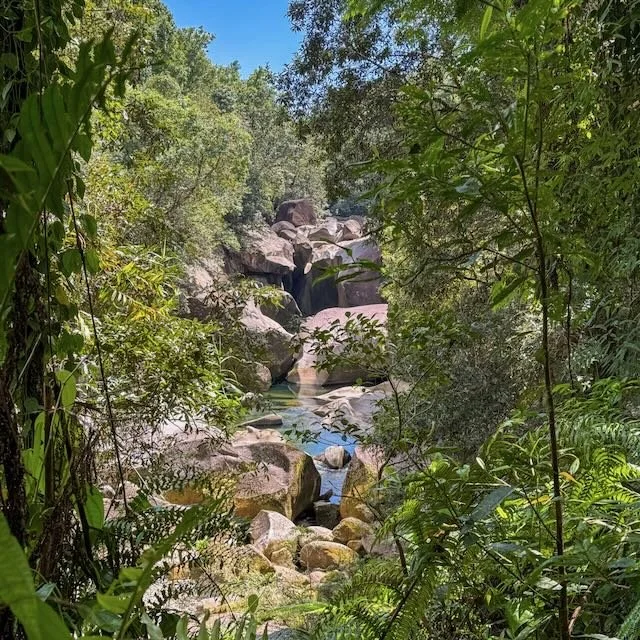
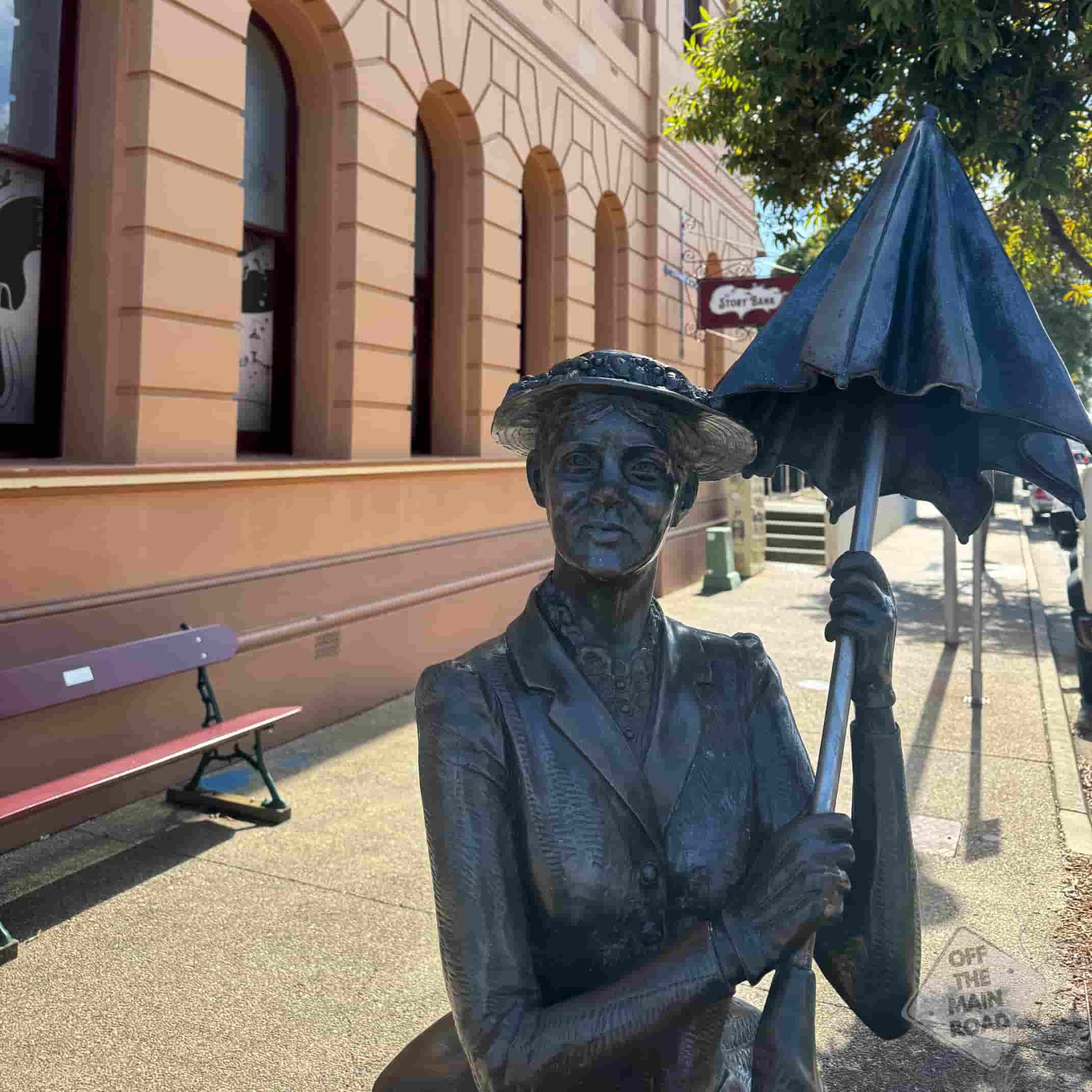


A solo flight to Lady Elliot Island brought a famously short grass runway, an hour in the lagoon, guano mining history, a 150-year-old lighthouse, a communal buffet, and an afternoon among turtles, manta rays and coral gardens.