Castlemaine: Goldfields Off the Main Road
We were drifting through central Victoria when we turned toward Castlemaine. The country around there has a settled look. Eucalypts that seem older than reason, gullies shaped by hands long gone, and little towns that have lived several lives without feeling the need to brag about it. Everyone knows Ballarat and Bendigo for their gold history, but the real surprises sit in the hills between them. Castlemaine, Maldon and Chewton carry their stories quietly.
We set up near Castlemaine for a few days and let the place unfold at its own pace. The town is a mix of old bluestone buildings, creative corners, and the kind of cafés that tempt you to linger longer than planned. Walk far enough, and you land in pockets of bush that look untouched until you notice the old diggings scattered around the tracks. The gold rush shaped everything here. It arrived in the 1850s with a force that pulled people from every corner of the world. Some struck it rich, most didn’t, but the towns grew anyway.
We spent one morning at the Chewton end of things, wandering the Heritage Creek Gold Workings trail. The gullies twist and turn, cut through by old water races and the remains of long, stubborn efforts to find something glittery in the dirt. The place feels still now, although you can imagine the noise it once held.
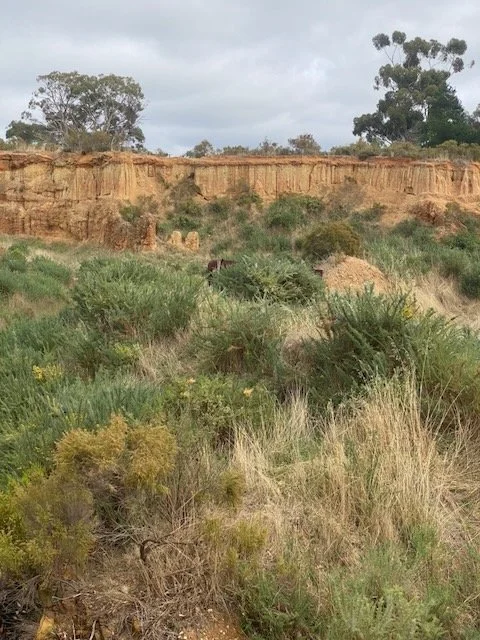
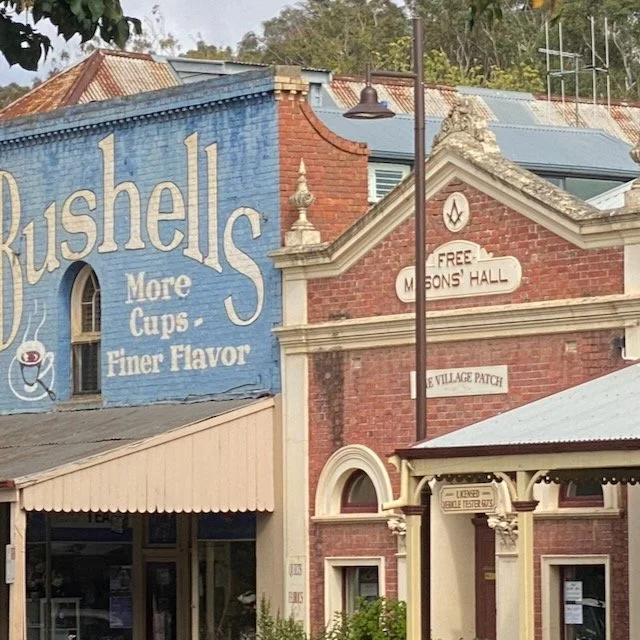
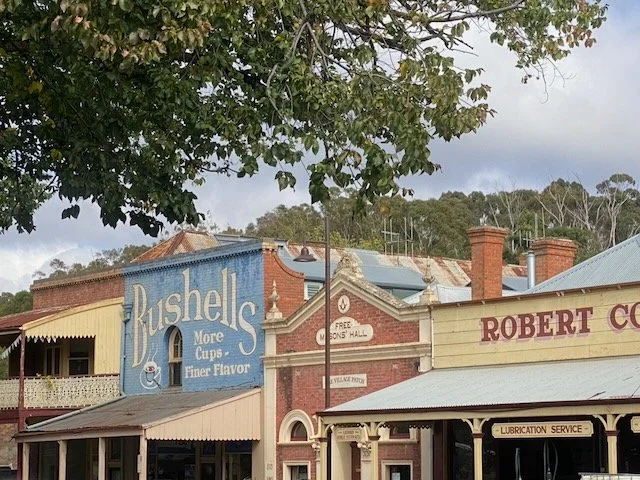
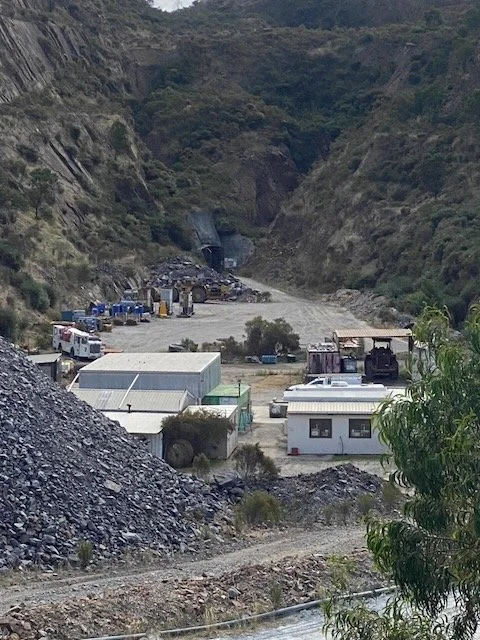
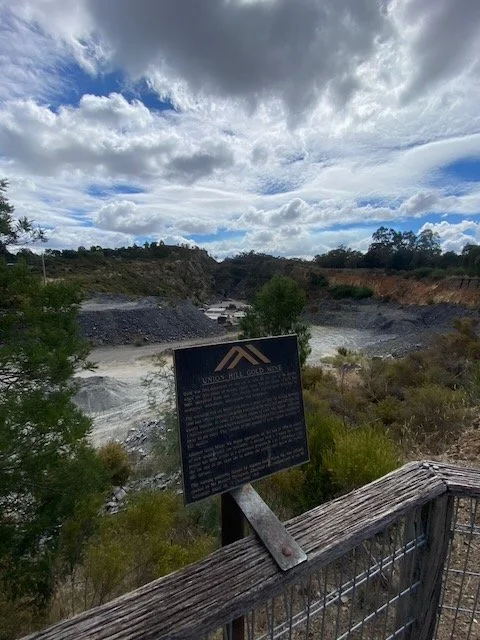
Another day, we drove out to Maldon. A town that seems perfectly preserved without feeling staged. Timber shopfronts, quiet streets, and enough old signage to remind you how long people have lived and worked here. We stopped at Union Hill Gold Mine, which sits on the edge of town, on one of the region’s oldest quartz-gold deposits, first worked during the Victorian gold rush in the 1850s. Mining continued on and off for more than a century, evolving from underground reef mining into large-scale open-cut operations in the late 20th century. During that period, millions of tonnes of rock were processed, and significant quantities of gold were extracted.
Today, the site is not actively producing gold but remains under a valid mining lease and is classified as in care and maintenance. This means the mine is not operating day-to-day, but retains approval and infrastructure should mining restart in the future. From the lookout near Maldon, you can see the scale of the site and get a clear sense of how gold extraction has shaped both the landscape and the town’s history.
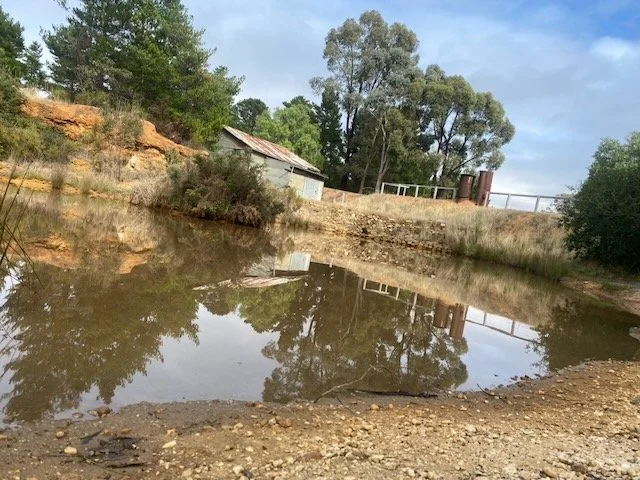
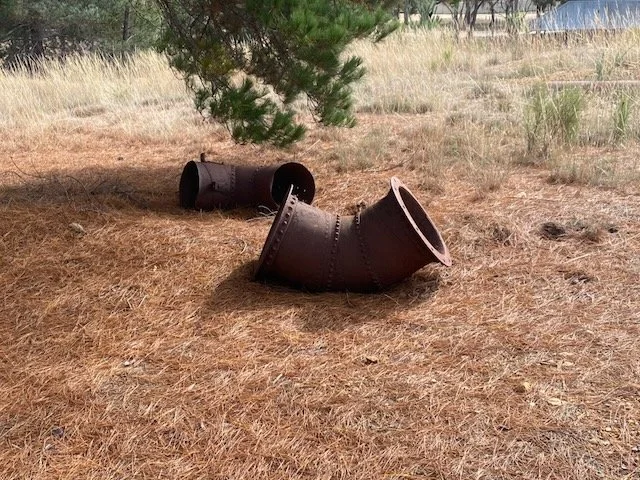
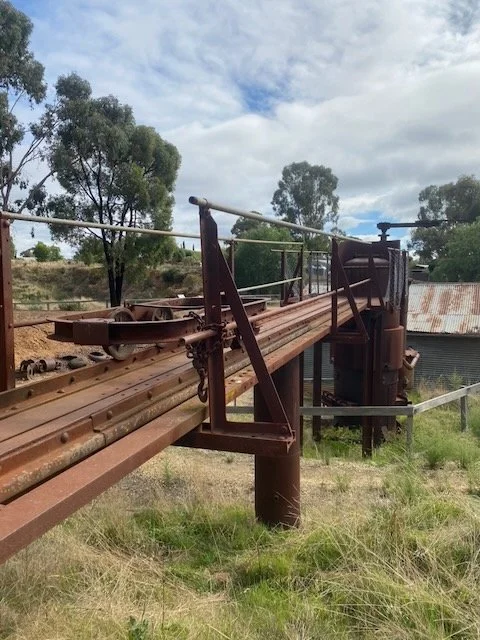
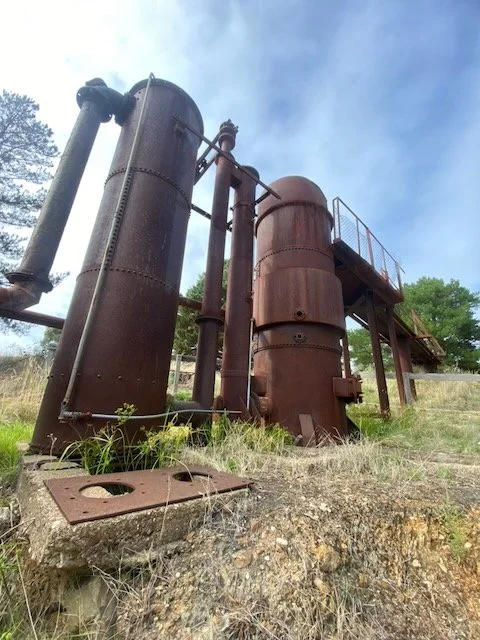
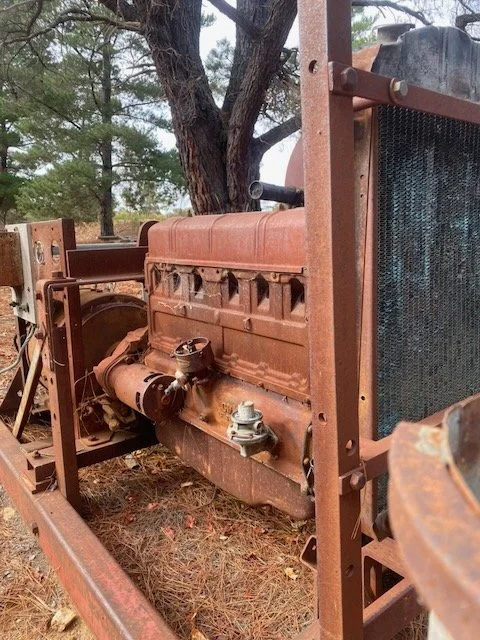
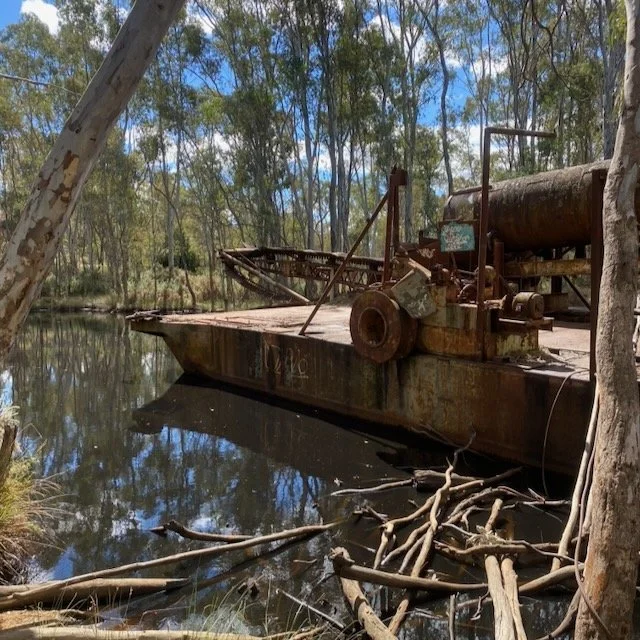
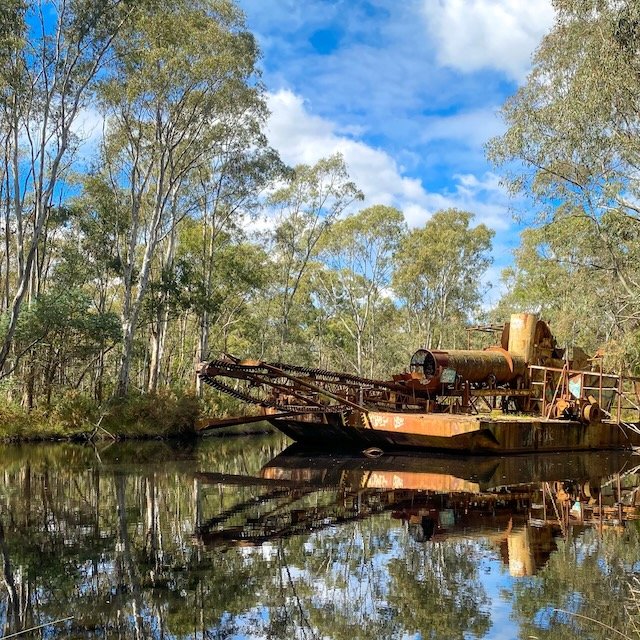
We kept going, searching for the Porcupine Flat gold dredge and dragline. They sit quietly in the bush, hulking and rusting, a reminder that the gold rush didn’t end with pans and picks. Machines took over and reshaped the landscape with a different kind of force.
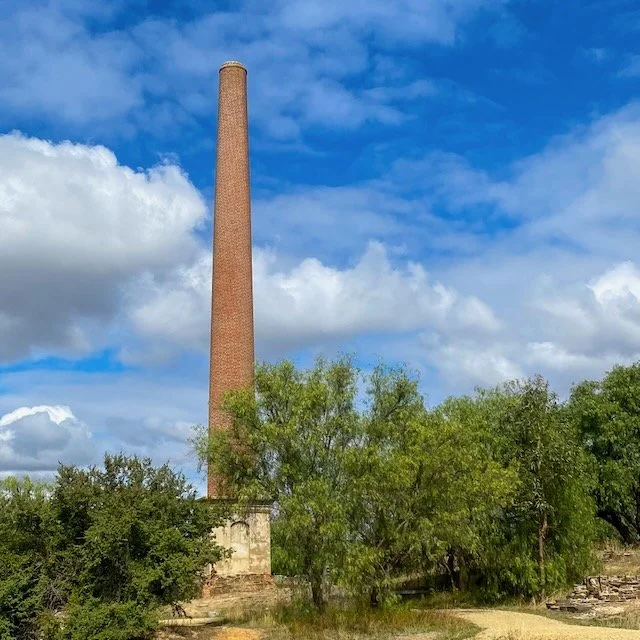
Back in town, we stopped at the old Beehive Mine Chimney in Maldon as well. It rises above the bush like a reminder of how intense the gold rush once was. Built for the Beehive Reef operations, it’s one of the strongest links to Maldon’s mining past. You can stand at the base and picture the noise and hard work that once filled the site, even though the surrounding landscape is quiet now.
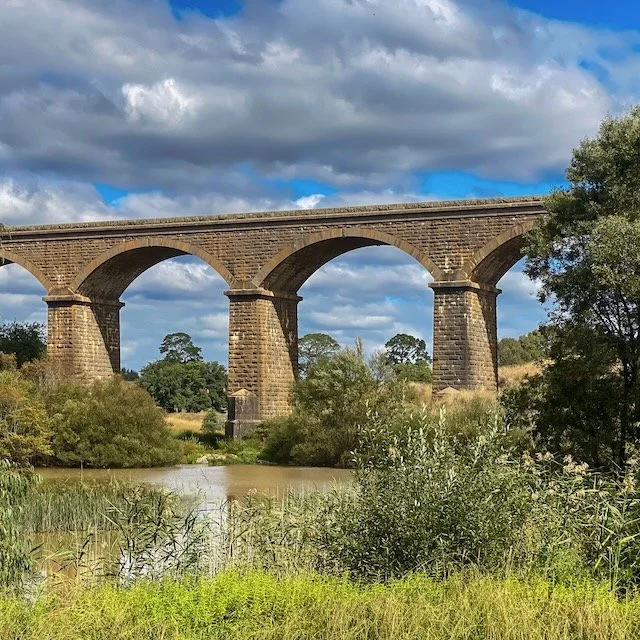
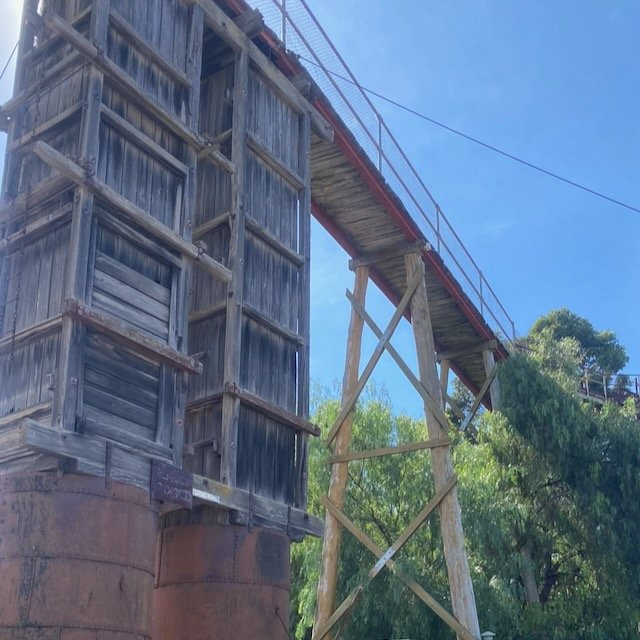
We finished the loop at Malmsbury. The viaduct rises out of the countryside like it’s trying to prove a point. Built in the 1800s, it’s one of those engineering feats that feels both too grand and completely right for the landscape. Trains still run across the top. We stood beneath it for a while, listening to the creek and watching the arches catch the light.
Castlemaine worked well as a base. Good food, good walks, and history you find by going left when everyone else goes right. The goldfields feel different when you’re not in the thick of the big-ticket attractions. Quieter. More human. Maybe even more honest.
If you like finding the quieter corners of Australia, you might enjoy our free travel dispatch. You can sign up HERE
Castlemaine
Castlemaine sits at the heart of Victoria’s historic gold belt. It’s a lively regional town with a strong arts scene, good food, and easy access to the old workings and diggings that shaped the region. The town blends history with a grounded, everyday rhythm that makes it easy to settle in for a few days.
How to Get There
Castlemaine is about 90 minutes north west of Melbourne via the Calder Freeway. Maldon is a short, easy drive west, and Malmsbury sits just to the east. Roads are sealed and suitable for all vehicles. Most sites are within short walks or easy drives from the town centre.
What to See / Tours / Activities
What we did:
Wandered the main streets of Castlemaine with their old bluestone terraces and shops.
Walked the Heritage Creek Gold Workings trail in Chewton.
Explored Maldon’s historic centre.
Visited Union Hill Gold Mine and the Porcupine Flat dredge and dragline.
Stopped at the old Beehive Mine Chimney in Maldon
Spent time at the Malmsbury Viaduct.
Other highlights nearby:
Castlemaine Art Museum for local art and social history.
Victorian Goldfields Railway between Castlemaine and Maldon.
Botanical Gardens and the lake precinct for an easy afternoon.
Wesley Hill Market on weekends.
Old mining landscapes around Fryerstown and Vaughan.
When to Visit
Autumn is crisp and colourful. Winter can be cold, but the landscape suits it. Spring brings green hills and bright days. Summer can run hot, though mornings and evenings are comfortable.
Final Thoughts
Castlemaine and its neighbours reminded us that the gold rush wasn’t just a moment. It shaped towns, creeks, rail lines and whole landscapes. Wandering the lesser-known pockets gave us a quieter, steadier view of the history that still sits just under the surface.
What’s Nearby
Bendigo and Ballarat hold the big-ticket attractions. If you want the underground tours and costumed villages, they’re close enough for a day trip.
You can also sign up for our top-secret Travel Dispatches. It’s where we keep the unpolished stories and the quiet moments we don’t publish anywhere else.
Other updates you may like…
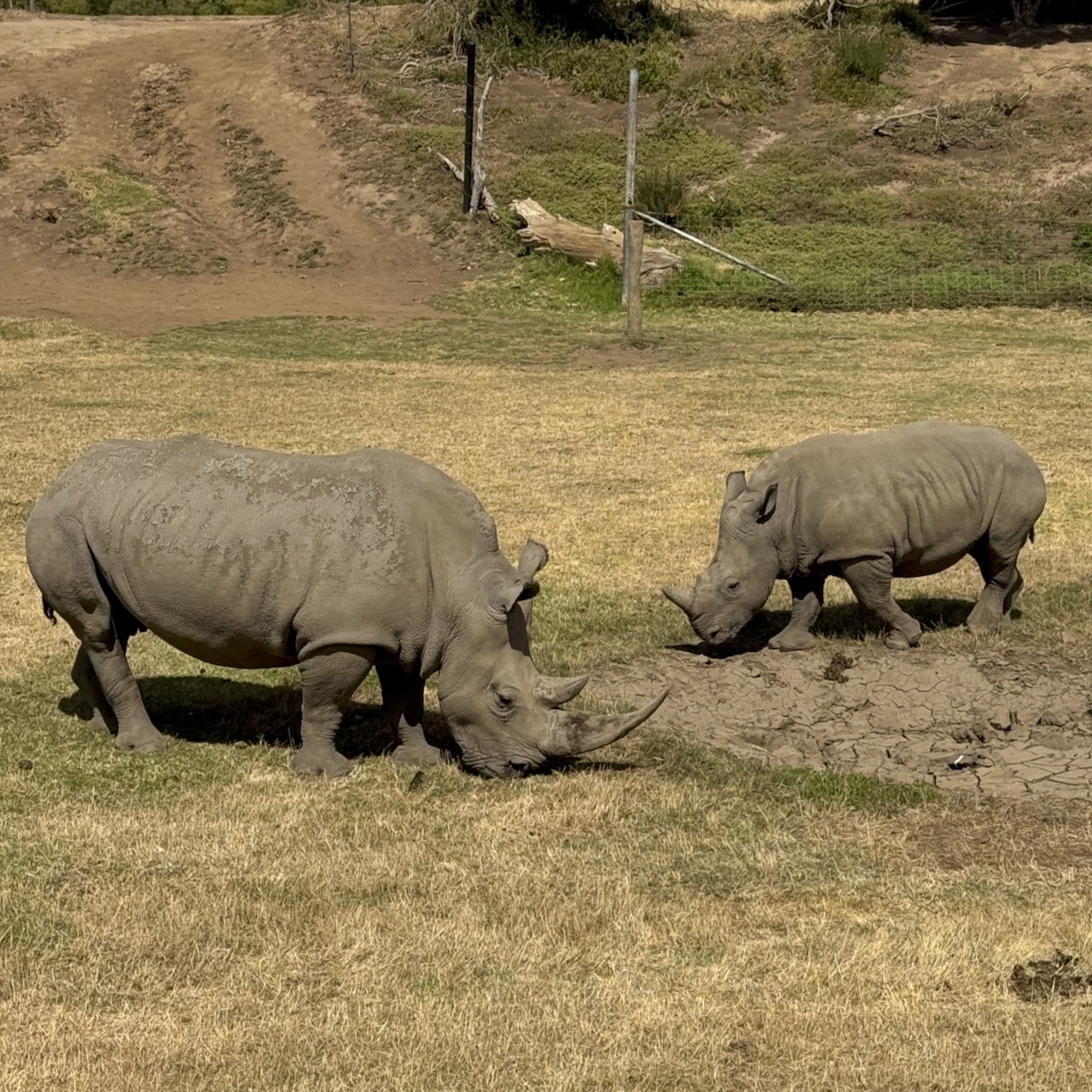
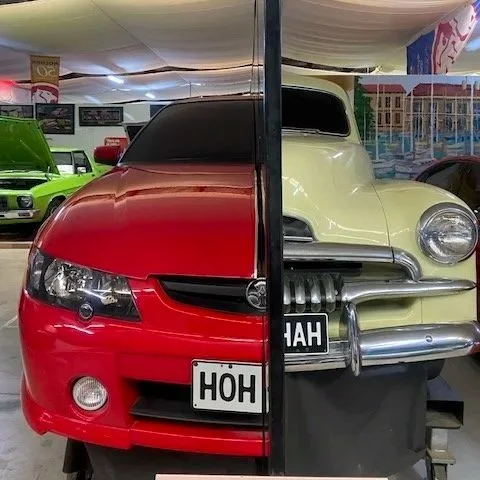



A slow morning in the mist at Warrnambool's historic Botanic Gardens, a drive out to Hopkins Falls running at full strength, and an afternoon browsing Fletcher Jones Market.