We didn’t roll into Woomelang with a plan. It was one of those towns we’d circled loosely on the map, more out of curiosity than expectation. The Mallee does that, with long straight roads, vast paddocks, and towns that don’t shout for attention. Woomelang sits quietly in the middle of it all.
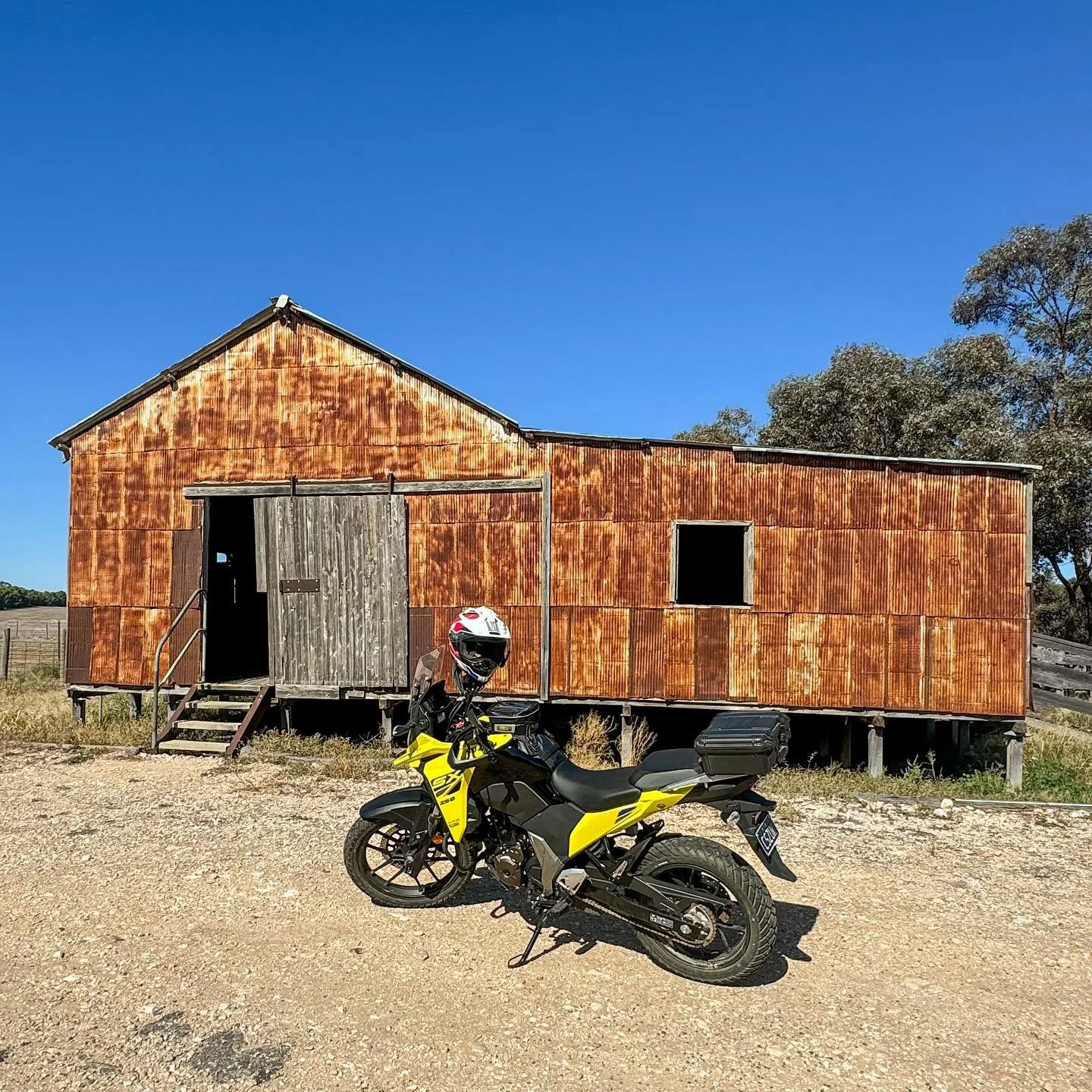
The first thing that caught our attention was the shearing shed. It’s not hidden, but it doesn’t announce itself either. You have to slow down enough to notice it. Built during the Second World War, the Woomelang Shearing Shed is a reminder of the extent to which rural Australia had to adapt during shortages. With metal in short supply, the interior walls were lined with pressed egg tins, a practical solution that still feels ingenious decades later.
The shed no longer operates as a working shearing shed, but it hasn’t been left to fade away either. It was gifted to the community, and that shows. Care has been taken to preserve it, not polish it. You can walk through, read the signs, and imagine the sound and pace that once filled the space. It feels lived-in, not curated.
Woomelang itself is small, but it doesn’t feel forgotten. A short wander around town reveals another layer of care and creativity in the form of the mini silo art. Where you might expect purely functional infrastructure, there’s colour instead. Not loud or flashy, just thoughtful.
In June 2020, the town invited a group of artists to transform the mini silos into artworks reflecting local wildlife and agricultural heritage. The result is a quiet trail that encourages you to stop, look, and learn a little more about the area. The focus on endangered species adds weight to the colour. It’s art with a reason to exist.
Woomelang was a short stop that became longer simply because there was enough here to warrant attention. It’s a reminder that some towns don’t need big attractions. They just need people willing to look properly.
If places like this are your thing, our Travel Dispatches often share the quieter stops that don’t make headlines.
Woomelang
Woomelang is a small Mallee town in north west Victoria, shaped by agriculture, resilience, and strong community involvement. While its population is small, local efforts have focused on preserving history and creating points of interest that invite visitors to pause rather than pass through.
How to Get There
Woomelang is located around 80 kilometres north of Swan Hill, accessed via sealed regional roads. It’s an easy stop if you’re exploring the Mallee or travelling between regional centres in north west Victoria.
What to See / Tours / Activities
What we did:
Explored the Woomelang Shearing Shed and read the interpretive signage.
Took time to look closely at the egg-tin lined interior walls.
Walked around town to view the mini silo art installations.
Other highlights nearby:
Mallee farming landscapes and backroads.
Small neighbouring towns with local halls and silos.
Seasonal wildflowers after rain.
When to Visit
Autumn and spring are the most comfortable times to visit, with mild temperatures and clear days. Summer can be hot, while winter brings quiet, open skies and crisp mornings.
Final Thoughts
Woomelang showed us that effort doesn’t always need scale. A preserved shed, a handful of painted silos, and a community that cares are enough to make a stop feel worthwhile.
What’s Nearby
The wider Mallee region offers long drives, big skies, and towns that reveal themselves slowly. It’s a part of Victoria best explored without rushing.
Fast Facts
Location: North-west Victoria, Mallee region
Distance: Approx. 80 km west of Swan Hill, 35 km south of Ouyen
Traditional Owners: Latji Latji people
Access: Sealed roads into town; surrounding roads are a mix of sealed and well-maintained gravel
Facilities: Public toilets, picnic tables, town hall; limited services so come prepared
Walking Track: Informal town walks around the shearing shed and mini silo art
Best Time to Visit: Autumn and spring for mild weather; summer heat can be extreme
Dog Friendly: Yes, on-lead in town areas
Things That Could Kill You (Probably Won’t)
A semi-serious guide to surviving Australia. Mostly common sense, occasionally luck.
Heat: Shade is limited in the Mallee. Plan stops and carry water.
Long Roads: Distances add up quickly out here. Fuel early.
Complacency: Quiet roads still need attention.
Other updates you may like…
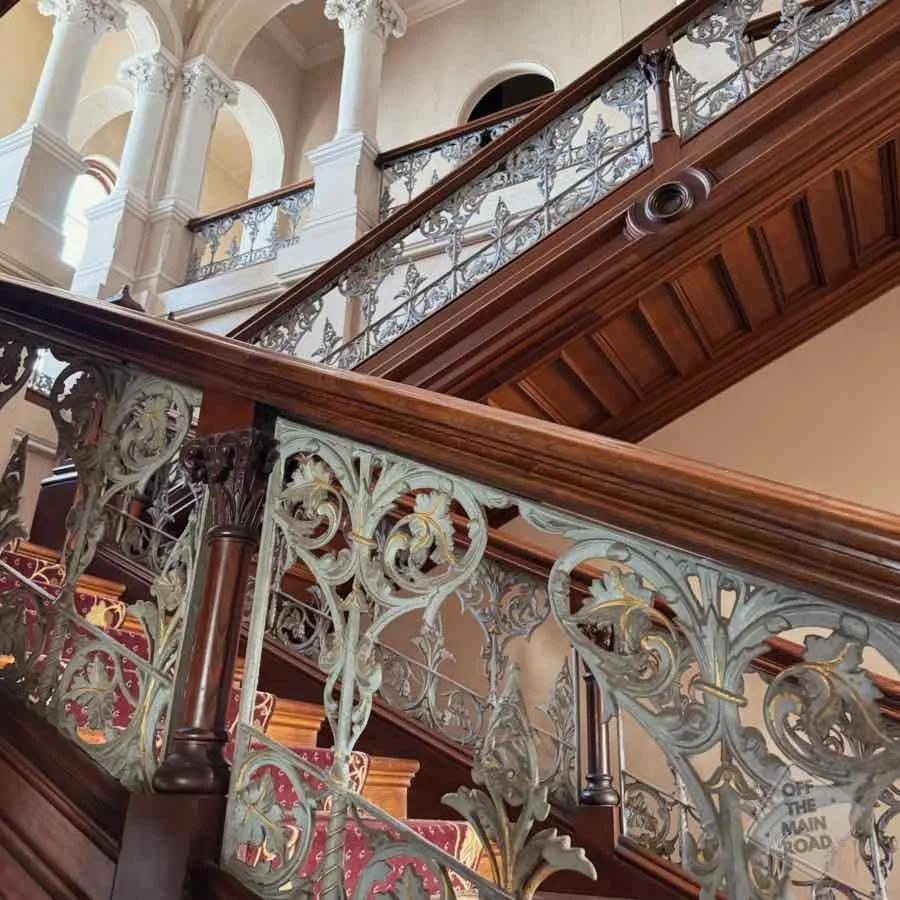
Two nights on the Barwon River at Winchelsea’s free camp, and a guided tour of Barwon Park Mansion, the bluestone homestead built to impress a duke, by the man who gave Australia its rabbit problem.
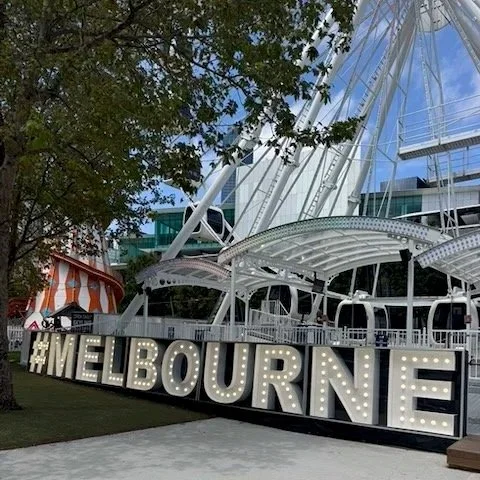
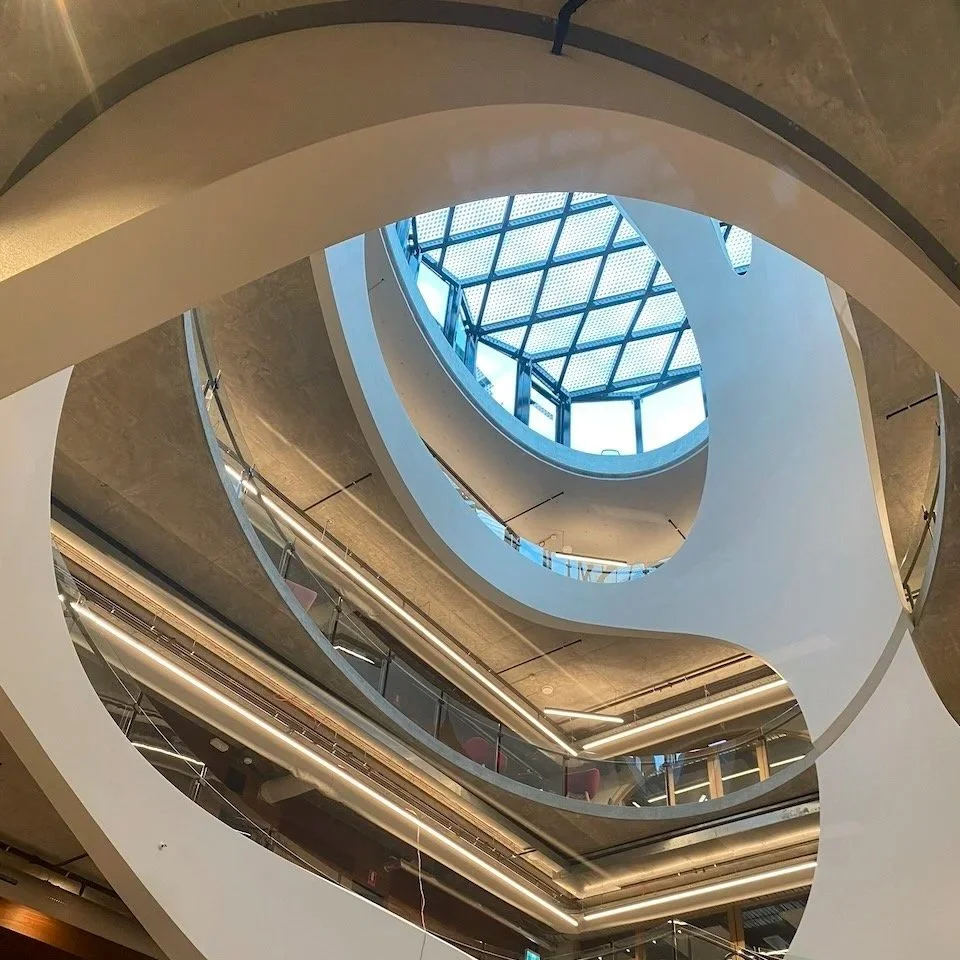
Our favourite way to experience Melbourne is on foot, looping between the State Library, NGV, laneways, arcades, gardens and the Yarra, with a tram ride to St Kilda and the occasional MSO concert.
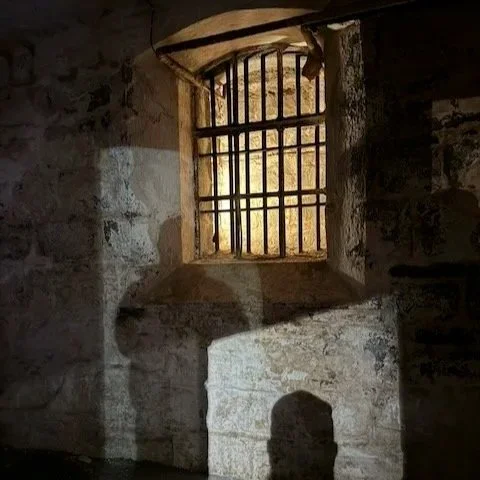
J Ward in Ararat began as a gold rush gaol before becoming Victoria’s Criminally Insane Division. A guided tour reveals bluestone cells, preserved gallows, and a confronting chapter in Australia’s justice and mental health history.
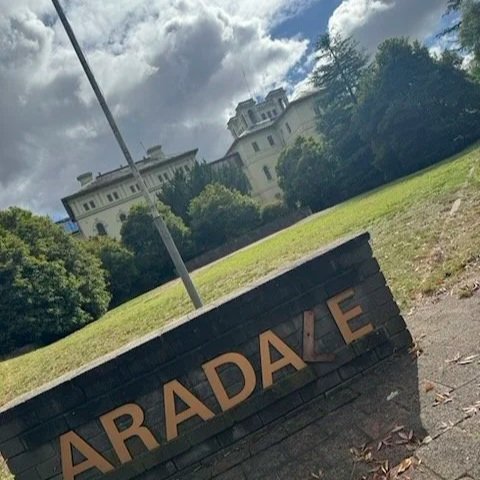
Aradale in Ararat is one of Australia’s largest former psychiatric hospitals. A guided history tour reveals confronting stories, evolving mental health care, and the complex legacy of an institution that operated for more than a century.
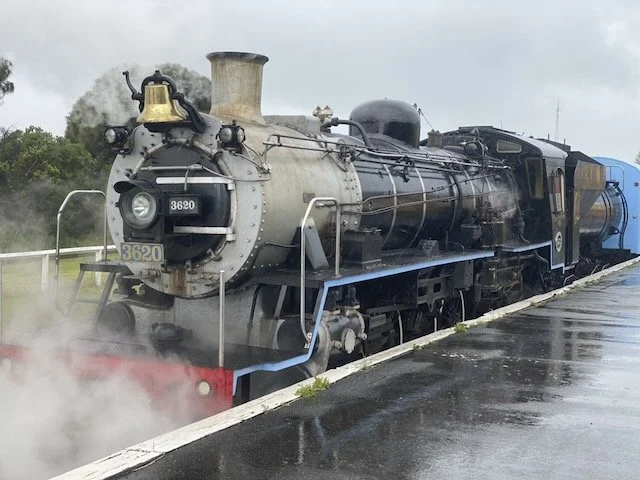
A moving degustation through Bellarine farmland, The Q Train pairs heritage rail with seriously good food. From steam departures to thoughtful non-alcoholic pairings, it’s one of Victoria’s most memorable regional dining experiences.
Neil returned to Melbourne for a short city break, wandering the Yarra, visiting the State Library, eating well, and stocking up on freckles, while back at the motorhome Zoe gave Cameron a small health scare.
A guided visit to the Victorian Pride Centre reveals a thoughtfully designed space built for connection, advocacy, and support. More than a landmark, it’s a working hub that honours the past while shaping a practical, inclusive future.
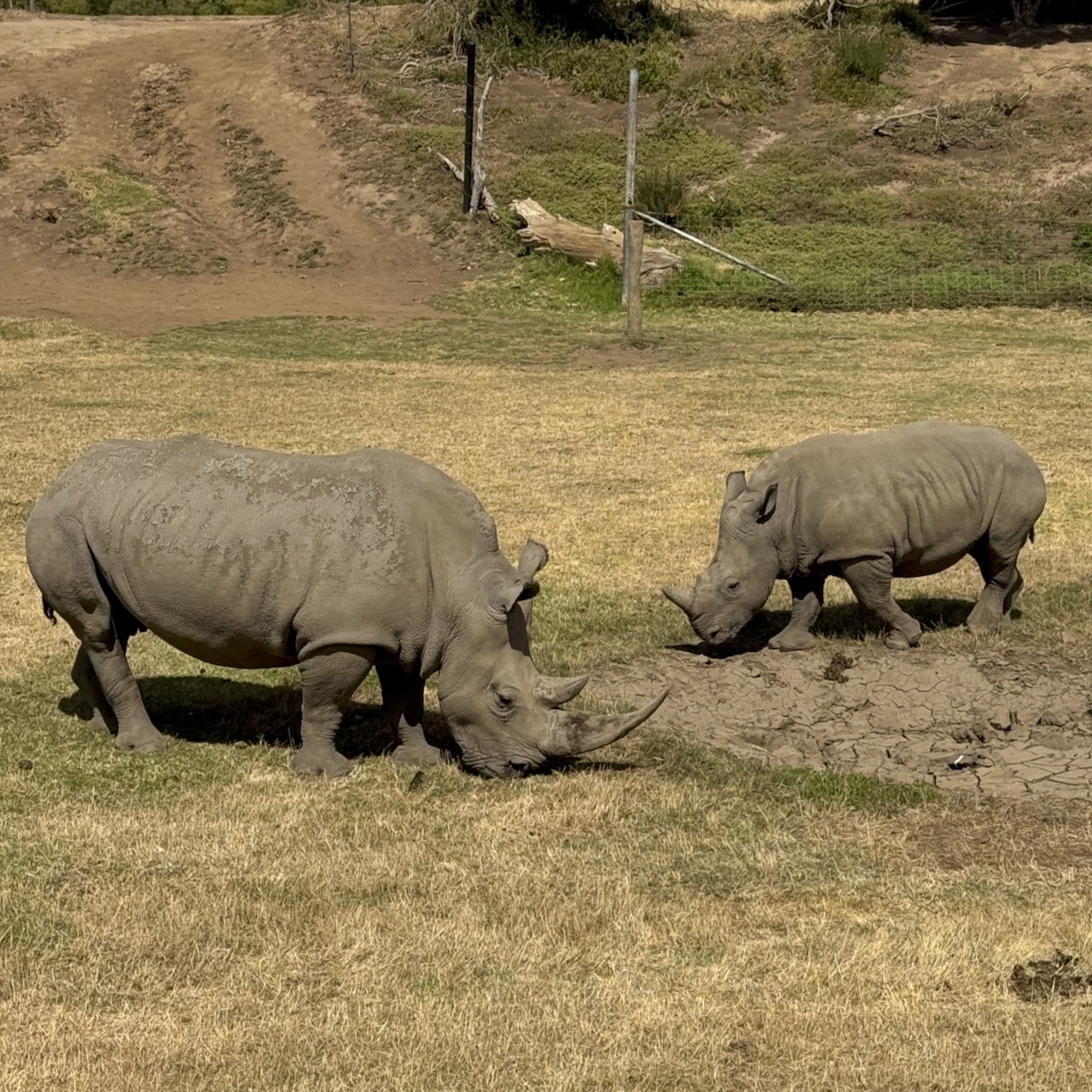
Werribee Open Range Zoo offers a surprisingly immersive safari experience just outside Melbourne. With open savannahs, accessible paths, and thoughtful design, it feels far removed from the city while remaining easy to navigate.
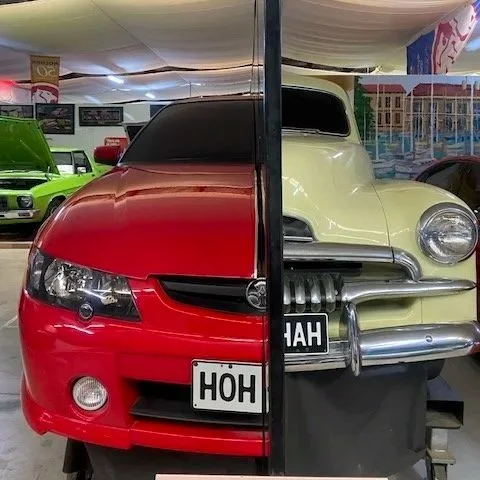
The Holden Museum in Echuca has since closed, but we’re glad we visited when it was still open. A quiet retrospective on everyday Australian cars, regional passion projects, and noticing things before they disappear.
Exploring the mouth of the Hopkins River near Warrnambool, from calm water and dog beaches to coastal walks, fishing spots, historic graves, and wide ocean views. A lived-in stretch of coast best discovered slowly.
Just offshore from Warrnambool, guardian dogs quietly protect a colony of little penguins. The Middle Island Maremma Project is a thoughtful conservation success, best understood from the mainland, where learning matters more than access.
Those concrete domes near Warrnambool’s breakwater aren’t public art. They’re the remains of an underground aquarium built in 1971 and closed in 1997, a small coastal curiosity with an unexpected past.
Our journey from Warrnambool to Cobar marked the beginning of a new chapter, chasing the sun and warmer days.
Selling our house in Melbourne was one of the biggest decisions we’ve ever made — and one of the best. Letting go of bricks and mortar gave us the freedom to live life on the road full-time.
Wannon Falls gave us a quiet pause west of Hamilton. Basalt cliffs, a deep gorge and short walks that fit neatly into a day on the road. A simple detour, but well worth the stop.
The Murtoa Stick Shed in Victoria is the last surviving grain stick shed in Australia. Built in 1941 from timber poles, its cathedral-like interior reveals the scale and ingenuity of wartime agricultural infrastructure.
If you’re ever passing through, be sure to stop by the Woomelang Shearing Shed and check out the silo art trail. It’s a rare chance to connect with Australia’s rural past and witness the community’s dedication to preserving its story.
We pulled into Lake Lascelles in Hopetoun, Victoria, planning for a quick stop. Instead, we found ourselves lingering, drawn in by the peaceful atmosphere and the stunning lakeside setting.
Lake Lonsdale is a free camp with wide-open water and easy access to the Grampians. We paired it with a tour of Seppelt's hand-dug underground cellars at Great Western. A quiet Victorian stop worth slowing down for.
We spent a slow morning at the Great Stupa near Bendigo, wandering reflective gardens, exploring inside the stupa, and enjoying lunch at the café. A calm, thoughtful stop that left us feeling lighter and at ease.
We spent a few days in Bendigo visiting family and exploring its gold rush past. Going underground at Central Deborah Gold Mine revealed a larger, more industrial story than nearby gold towns, echoed above ground in Bendigo’s grand architecture.
Castlemaine sits at the centre of Victoria’s quieter goldfields. We explored Maldon, Chewton and Malmsbury, wandered historic diggings, found forgotten machinery and spent time under the Malmsbury Viaduct. A grounded, slow-travel look at the region’s gold rush past.
Our first motorhome trip from Geelong to Eden was equal parts chaos and discovery. We packed too much, sang off-key in a winery, and learned fast that the road has its own rhythm.
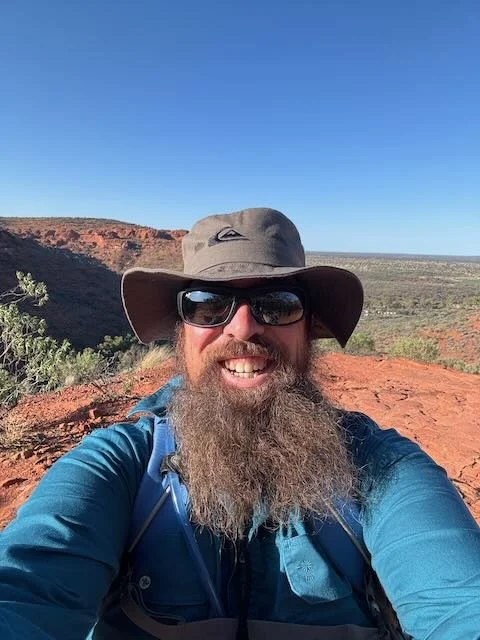
Cameron is a travel writer, photographer, and freelance copywriter with more than fourteen years of experience crafting stories that connect people and place. Based on the road in a motorhome with his partner, he documents Australia’s quieter corners through Off the Main Road, a travel journal devoted to the towns, landscapes, and characters often overlooked by the tourist trail.
His writing blends observation with lived experience, drawing on a professional background in brand storytelling. Blending visual storytelling with a writer’s eye for detail, Cameron captures moments that reveal the character of regional Australia—from weathered towns and open landscapes to the honest rhythm of life across Australia.


A slow morning in the mist at Warrnambool's historic Botanic Gardens, a drive out to Hopkins Falls running at full strength, and an afternoon browsing Fletcher Jones Market.