Bendigo: Beneath the Streets
We spent a few days in Bendigo visiting extended family, easing into town life rather than ticking off sights. Bendigo is busy without feeling rushed, historic without feeling stuck, and big enough that you notice the difference straight away if you’ve come from smaller gold towns.
We made time to visit the Central Deborah Gold Mine while we were there. It’s one of those places you can’t really understand from street level. From above, Bendigo looks orderly and grand, with wide boulevards and solid public buildings. Underground tells a different story.
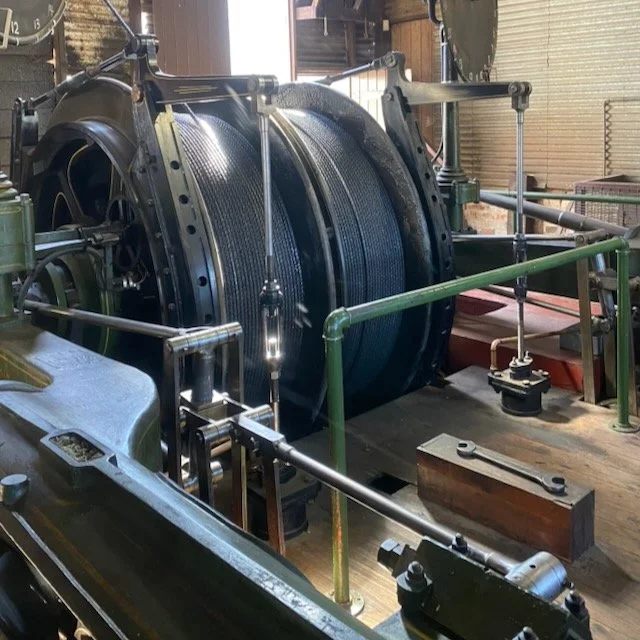
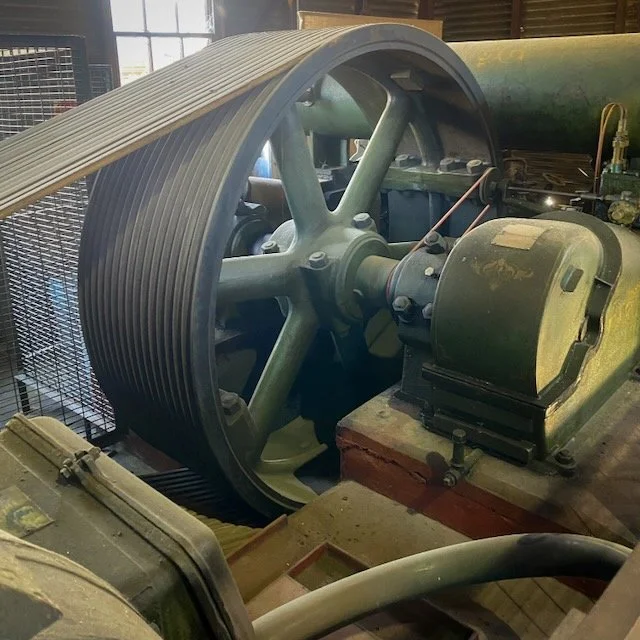
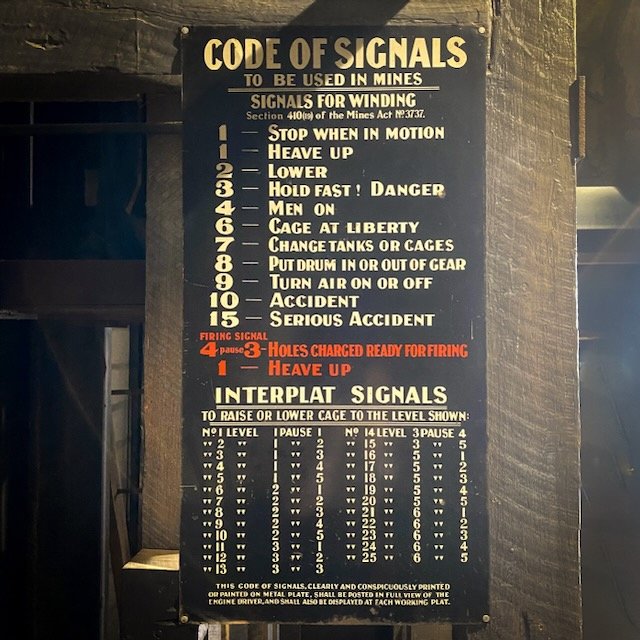
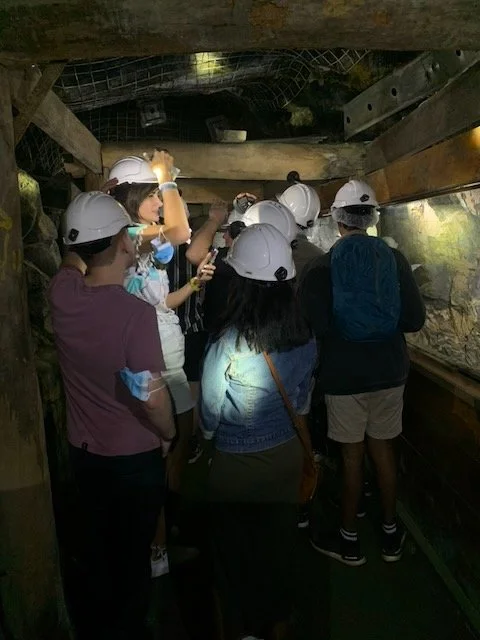
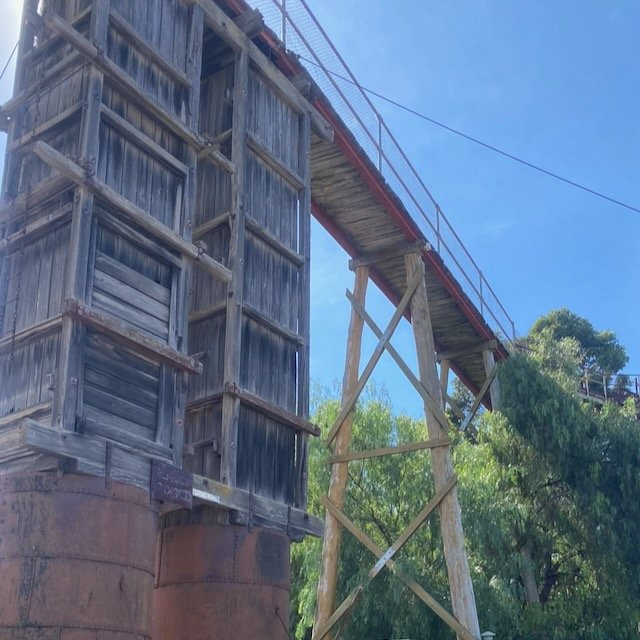
The tour took us down into the mine via a series of lifts, deeper and deeper beneath the city. The temperature dropped, the air changed, and the scale became harder to ignore. This wasn’t a handful of hopeful diggers chasing colour in a creek. Central Deborah was an industrial gold operation that operated continuously for decades and reshaped Bendigo entirely.
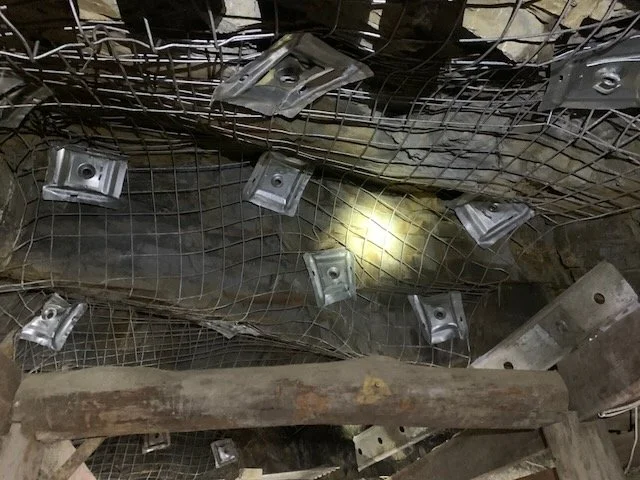
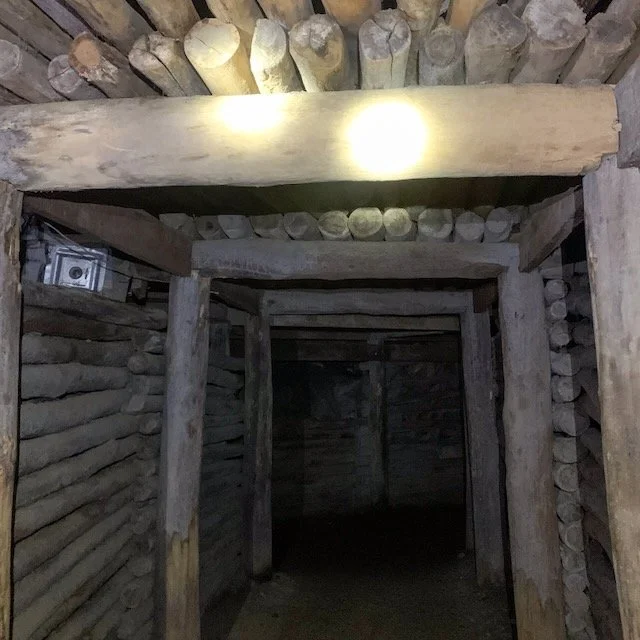
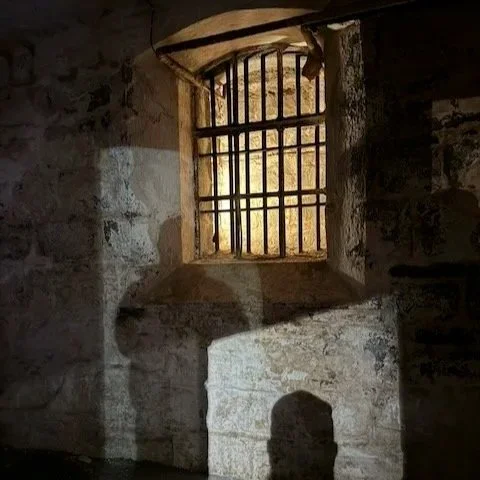
Down below, you move through tunnels carved by hand and machine, hearing how men worked in cramped, dangerous conditions for long shifts at depth. The guides explain the mining methods, machinery, and risks without dramatising them. The rock walls do that well enough on their own.
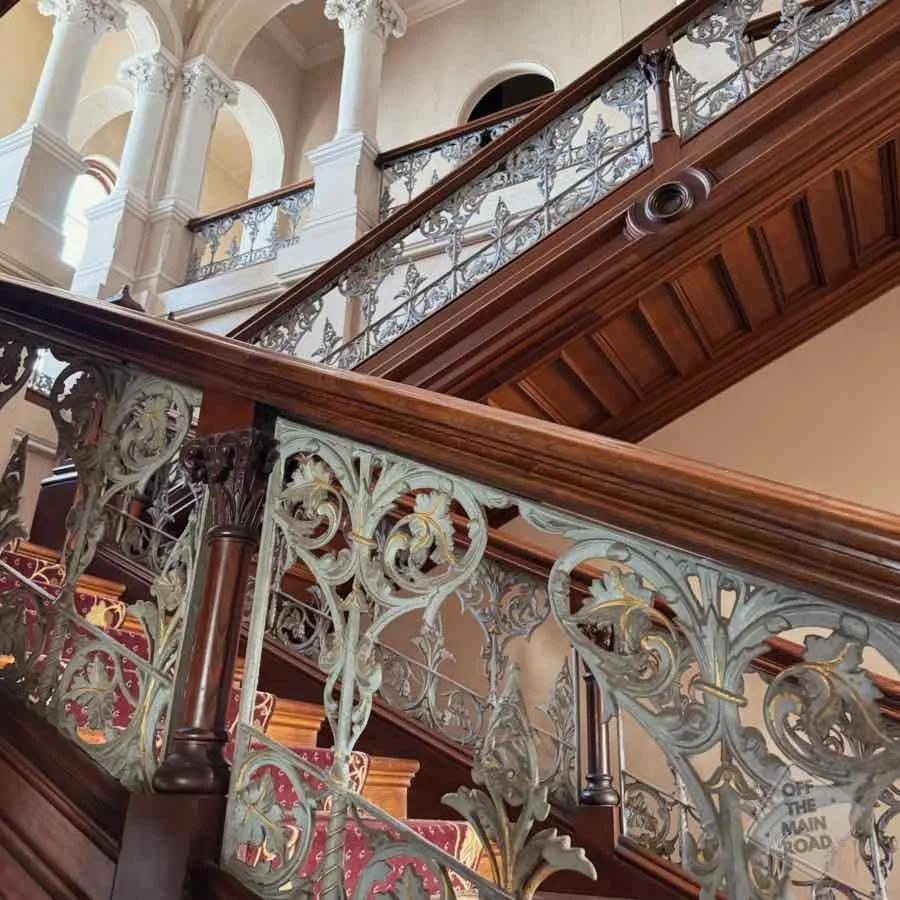
Back on the surface, we wandered through Bendigo at an easier pace. The gold rush wealth is evident everywhere. Grand civic buildings, theatres, banks, and churches built to last. It feels confident in a way smaller gold towns don’t. Where Castlemaine and Maldon feel human-scale and improvised, Bendigo feels planned, funded, and ambitious.
That difference stuck with us. Castlemaine’s gold story is scattered through gullies and bush tracks, best found on foot. Bendigo’s runs straight down, deep into the ground, and back up into stone buildings and wide streets. Same rush. Very different outcome.
If you enjoy layered stories, our travel dispatches often explore places from multiple angles. You can sign up HERE.
Bendigo
Bendigo is one of Victoria’s largest regional cities and one of Australia’s most significant gold rush centres. Gold was discovered here in 1851, and large-scale mining followed quickly, shaping the city’s layout, architecture, and economy. Today, Bendigo balances its goldfields history with a strong arts, food, and cultural scene.
How to Get There
Bendigo is about two hours north of Melbourne via the Calder Freeway. Roads are fully sealed and suitable for all vehicles. The city is easy to navigate, with most attractions close to the centre.
What to See / Tours / Activities
What we did:
Visited Central Deborah Gold Mine and joined the underground tour.
Took time wandering Bendigo’s streets and historic precincts.
Noted the contrast between Bendigo’s architecture and smaller gold towns nearby.
Visited the Bendigo Art Gallery for rotating exhibitions.
Other highlights nearby:
Rosalind Park and the View Street precinct.
The Chinese heritage sites and Joss House precinct.
Vintage Talking Tram for an overview of the city.
Lake Weeroona for an easy walk.
When to Visit
Autumn and spring are ideal, with mild days and comfortable walking weather. Winter is cool, but suits the city’s slower pace. Summer can be hot, though most attractions are well shaded or indoors.
Final Thoughts
Bendigo gave us a deeper understanding of how the gold rush unfolded when money, machinery, and momentum aligned. Going underground at Central Deborah helped explain the scale of it all, while wandering the streets above showed where that wealth ended up.
What’s Nearby
Castlemaine sits just down the road and tells a quieter version of the same era. Maldon and Chewton provide additional pieces to the story. And next time, we’ll head somewhere completely different just outside town.
Some stories don’t surface straight away. They end up in our top-secret Travel Dispatches instead.
Fast Facts
Location: Central Victoria
Distance: Approx. 150 km north west of Melbourne
Traditional Owners: Dja Dja Wurrung people
Access: Fully sealed roads
Facilities: Full city services, tours, museums, parks
Walking Track: City precincts and parkland paths
Best Time to Visit: Autumn and spring
Dog Friendly: Allowed in most outdoor areas
Things That Could Kill You (Probably Won’t)
A semi-serious guide to surviving Australia. Mostly common sense, occasionally luck.
Mine Shafts: Historic mining areas still hide old workings. Stick to marked paths.
Low Ceilings Underground: Central Deborah goes deep and narrow in places. Helmets are not decorative.
Winter Cold: Bendigo winters bite harder than you expect. Dress like you mean it.
Other updates you may like…






A slow morning in the mist at Warrnambool's historic Botanic Gardens, a drive out to Hopkins Falls running at full strength, and an afternoon browsing Fletcher Jones Market.